4 Woods for Smoking Food Blind Tested for 100% Zero-Fail Beginner BBQ
Woods for Smoking Food
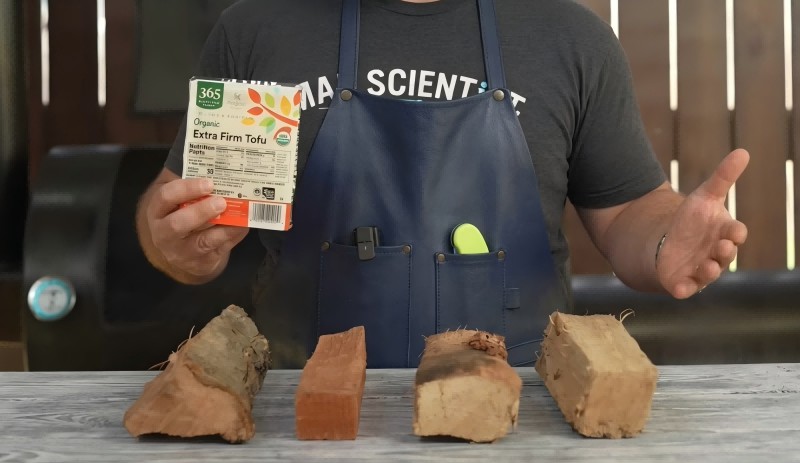
My stress over selecting the ideal wood for my backyard cookouts was increasing exponentially. The barbecue community frequently disagrees over which wood offers superior flavor, leaving many of us befuddled by the debate. To give you clear, science-backed guidance, I conducted a controlled, blind taste test with four popular types of woods for smoking food, eliminating guesswork and providing you with reliable results so you can feel confident about your choices.
Inhaltsverzeichnis
In-Depth Analysis of 4 Popular Woods for Smoking Food
After two hours, I pulled the tofu out and asked Erica to help run a strict, blind taste test so my eyes wouldn’t influence my palate. What we discovered shattered my assumptions regarding how various woods for smoking food behave in real-world pits.
Here is my honest and unfiltered assessment of how each wood fared in my firebox:
- Apple:Assuming fruitwoods would be the easiest place to start for novice smokers was mistaken. While its mild-and-sweet flavor leaves only a delicate tint to food, the BTUs (British Thermal Units) output was woefully insufficient; I struggled just to keep a solid coal bed alive when using apple wood chips for food or small split smoking applications. So be warned that your smoker requires constant attention.

Apple Wood
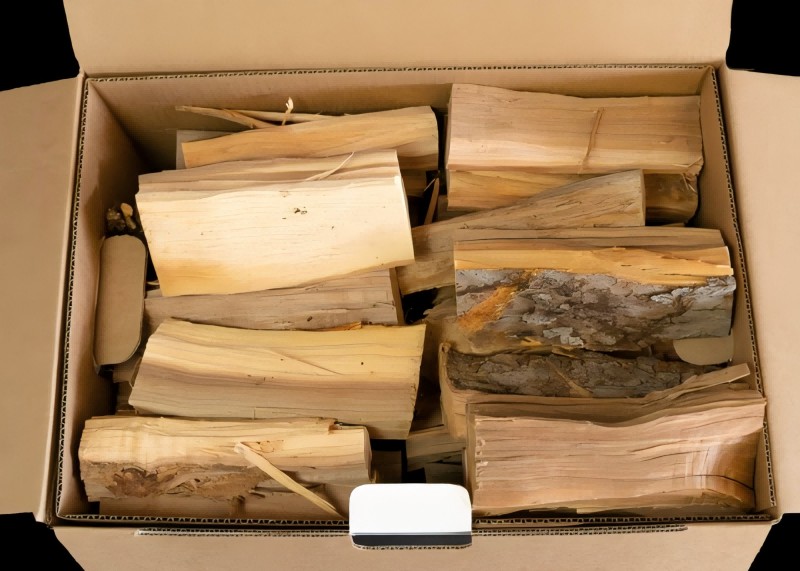
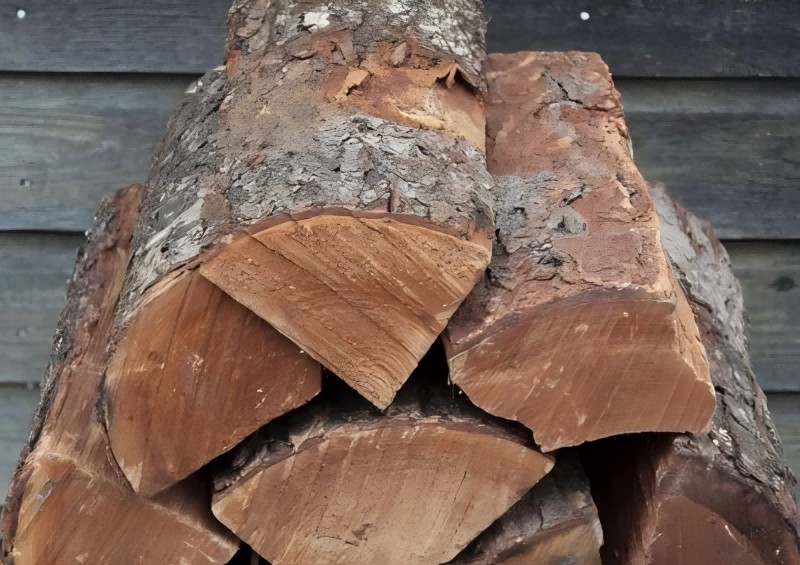
- Cherry: Cherry was an incredible revelation. While I usually use cherry wood only to achieve that deep mahogany hue in ribs, without heavy meat fat covering up its robust and intense flavors, it delivered an abundance of robust, intense aroma. Additionally, it burned consistently and produced fantastic coals, making cherry an outstanding contender as one of the best woods for smoking food quickly.

Cherry Wood
- Hickory: Hickory stands alone as the heavyweight of BBQ woods. I found it delivered exactly what was expected – an intense flavor with an irresistibly savory bite – yet its real power lies in its immense BTU output: I barely had to feed the fire during testing. A small amount of Hickory smoking wood goes a long way towards saving fuel and effort.

Hickory Wood
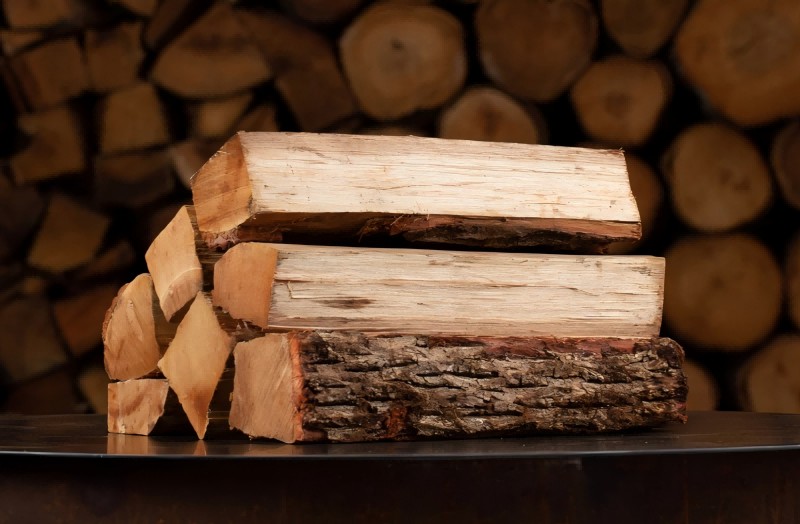
- Post Oak: Everyone talks about Texas Post Oak as though it were a mythic ingredient, yet my blind test demonstrated it is actually quite mild, balanced, and forgiving compared to my expectations. Oak burns with incredible consistency, making it ideal for long 12-hour brisket cooks who need wood that keeps temperatures steady through the night – oak will help your cause.

Post Oak Wood
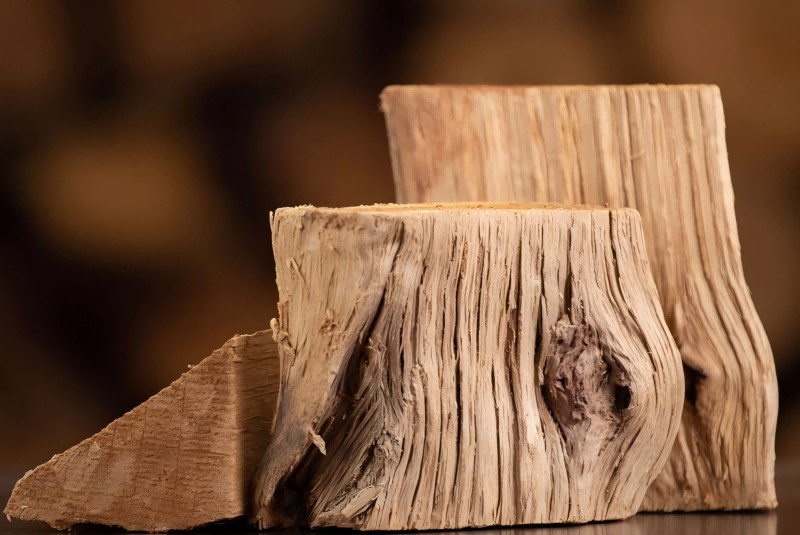
For ease of reference at your next weekend cookout, I put together this quick reference table based on my burn data:
| Wood Type | Flavor Profile | Burn Efficiency (BTUs) | Best Used For |
| Apfel | Mild & Sweet | Low (Needs babysitting) | Short cooks, delicate proteins |
| Kirsche | Strong & Rich | Medium-High | Dark color, fast flavor impact |
| Hickory | Savory & Punchy | High (Very efficient) | Heavy meats, fuel saving |
| Post Oak | Balanced & Mellow | High (Extremely stable) | Long, overnight smokes |
I have been under the impression that all BBQ woods burned the same way. They absolutely don’t. And whether you put in a fragile fruitwood or a thick oak smoking wood, knowledge of these rates of burning alters the game. Stop fighting your smoker. Once you have found the right woods for smoking food to your fire management style, you cease to panic and begin to have fun with the cook. And, frankly, isn’t that what we set the fire to begin with? The right strategy of smoking food with the right type of wood chips will make a frustrating task a backyard win.
Fire Management vs. Smoking Wood: The Real Secret to BBQ
I must say I felt like a ton of bricks after looking at the tofu test results. Endless hours we have wasted in wailing over the discovery of the ultimate wood to smoke food with, but the blind experiment unveiled a far more disturbing revelation. Mouth-watering BBQ is not about the species of the tree. It all depends on fire management.
When my fire is starved with lack of oxygen, it will burn through the costliest of woods for smoking food, but choke them in a mess of thick, bitter creosote. On the other hand, any smoking wood, when treated to that desirable thin blue smoke of a clean, hot fire, will be most wonderful.
Still, we should be honest with each other- Being a gawker at an analog dial gauge and fiddling around with air vents all 14 hours drains the blood out of the most ardent pitmaster. I learned that pouring a handful of wood chips to smoke food onto the coals is no big deal when the ambient temperature of the cooker is drastically reduced during the time I am not watching.
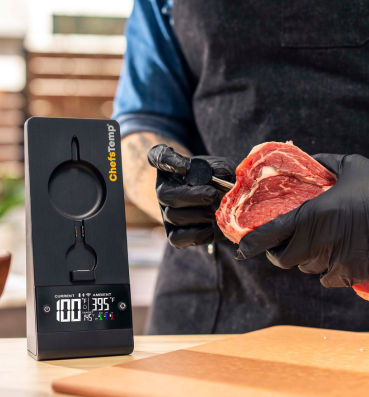
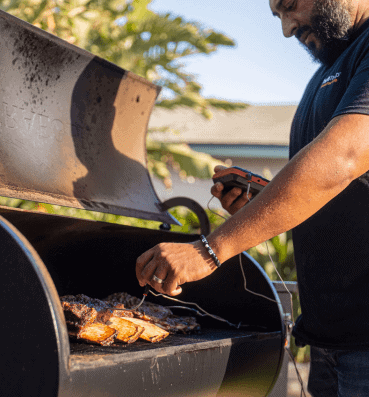
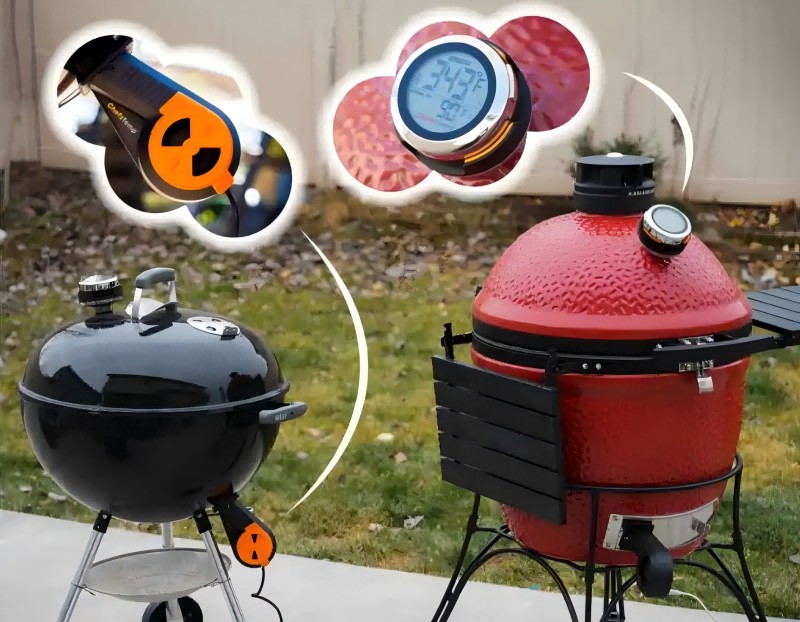
To remedy this, I did a crucial upgrade on my rig. I replaced the factory dome dial and started relying on a high-quality intelligentes drahtloses Fleischthermometer. This tool essentially transformed how I operate my pits and manage my BBQ woods. Instead of constantly lifting the lid—which ruins heat retention—I can simultaneously monitor the ambient pit temperature and the meat’s internal progress directly from my phone. This real-time data allows me to adjust my air vents precisely, feeding the fire the correct amount of oxygen to maintain a clean burn. I have left the technology to take care of the temperature tracking, so those woods for smoking food can get on with their business of providing pure flavor. According to research on controlled combustion, different types of BBQ woods can burn consistently and predictably when used in a carefully managed environment.
-

Breezo V2
How to Choose the Best Wood for Smoking Food Locally?
I never fail to be asked which is the best wood to use as a smoking food medium, and I usually have to say the same thing: go out in your backyard. You do not have to spend a fortune to order exotic woods for smoking food over the Internet.
In order to create an amazing flavor profile without making it overly complex, I have three hard-and-fast rules that I follow:
- Source Local Hardwoods:Post Oak is the swear word of the legendary Austin pitmasters, simply because it grows everywhere in Texas, just as Hickory does in the Carolinas. In the US, your closest thickly grown BBQ woods will never fail you. Discover your local crop, and perfect it, so as to obtain your individual best wood to smoke your food with.
- Nail the Moisture Content: From a local farmer, you get full splits, and in the hardware store, you get bags of wood chips to use in smoking your food, but moisture is the key. The newly cut “green” wood burns badly in a thick, acrid smoke, and the bone-dry wood burns much too rapidly. Attain a moisture sweet spot of 15% to 20% of any wood to be smoked to ensure a clear and constant burn.
At last, the only thing left to be concerned about is nailing the interior doneness, after you have managed to get a good local supply of woods for smoking food, and pick up your favorite wood chips on which to smoke your food. When you are in doubt about when to take your meats off the grates, I suggest you bookmark our complete Food Temperature Chart. It eliminates all the guesswork, and you can concentrate fully on the fire!
FAQ about Hot Pastrami Sandwich
Q1: Can I throw pine, fir, or cedar into my smoker?
Absolutely not. Softwoods have dense sap and volatile resins, which burn quickly to give immediate toxic and bitter black smoke. You should only use large, mature BBQ woods, as you will not only ruin your food, but will also endanger your health.
Q2: Why does my meat sometimes taste bitter or numb my mouth?
Creosote buildup causes that harsh, acrid bite of food smoking, not necessarily your choice of woods for smoking food. You must ensure your pit has enough airflow to produce thin blue smoke as opposed to thick, white clouds of smoke.
Q3: What is the most forgiving wood for a beginner’s first cook?
I always direct the rookies to apple or oak since they burn in a predictable manner, and they also provide a soothing taste that will not easily overwhelm the meat. In case you are lighting up the fire for the first time, then firstly, you can test them on our foolproof Geräuchertes BBQ-Hähnchen recipe to gain confidence with your fire management.
Abschluss
Obsessing over an ideal tree species is simply time and money wasted. I have learned that while different woods for smoking food provide unique flavors, their importance becomes irrelevant if fire management falls apart. Instead of overthinking timber choices and turning to intuition instead, grab local hardwood, keep moisture levels optimal, and utilize precision thermometers for heat regulation to run your pit; that way, achieving incredible BBQ is now effortless! Now get out there and start lighting that fire.
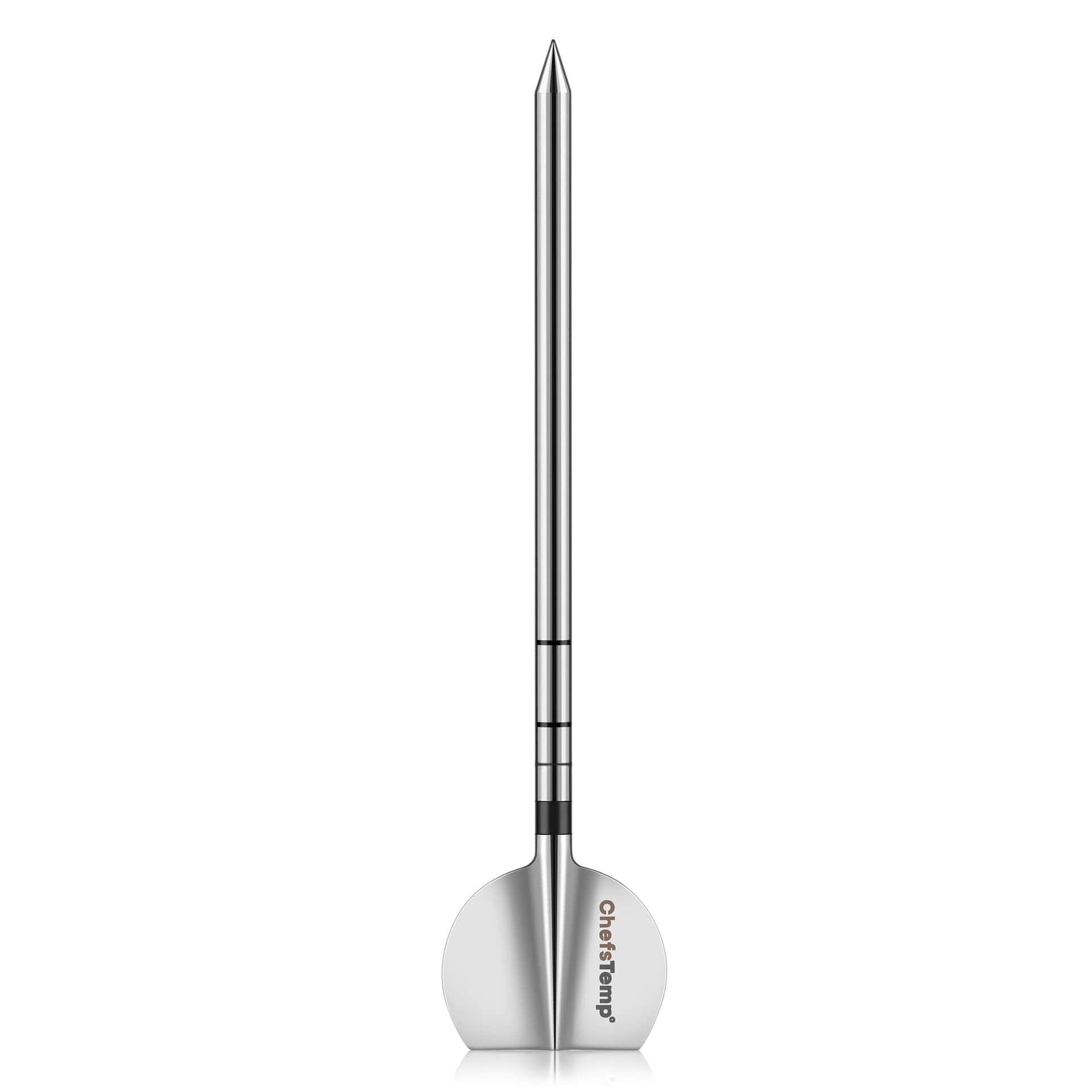
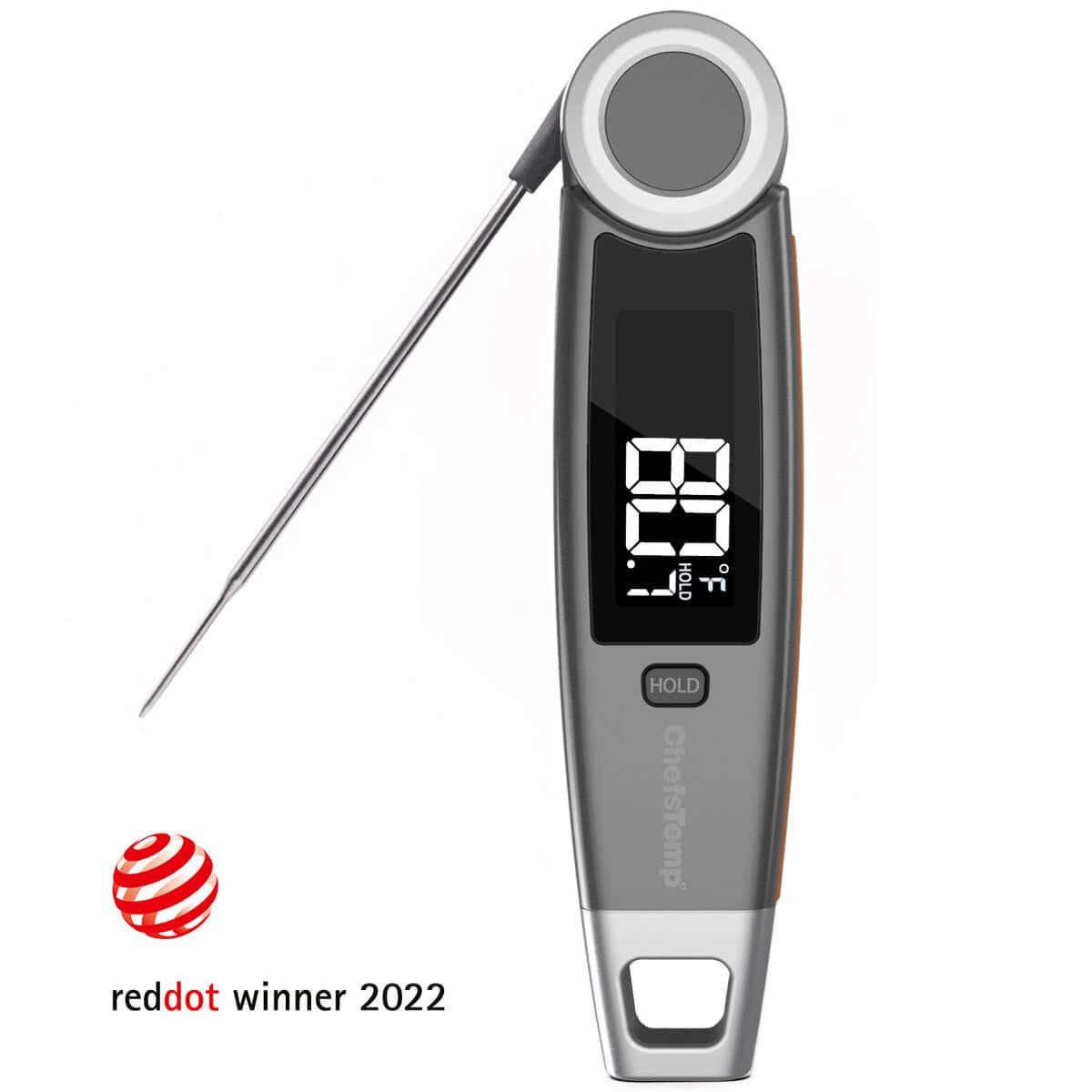
Entdecken Sie weitere ChefsTemp-Produkte




Entdecke weitere Rezepte und lerne Küchentricks, indem du unserer Kochfamilie auf Facebook beitrittst.
Das könnte Ihnen auch gefallen: