Wie man Fleisch perfekt durchgart
Fleisch ist ein beliebter Bestandteil vieler Diäten, da es aufgrund seines schmackhaften und sättigenden Charakters eine hervorragende Quelle für Proteine und andere wichtige Nährstoffe darstellt. Die Zubereitungsmethode spielt eine entscheidende Rolle – egal ob vom Rind, Lamm oder Schwein. Es gibt drei Hauptbereiche, aus denen man Fleisch gewinnen kann. gut durchgebratenes Fleisch: die Schultern und Beine (Unterschenkel), die Lende und die Rippen sowie die hinteren Oberschenkel und Beine (Hinterschenkel).
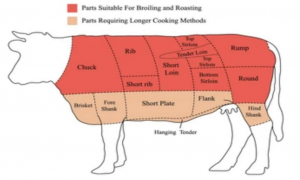
Aus diesen Hauptteilen gewinnen wir nun viele kleinere Teilstücke, die sich in Größe und Textur unterscheiden. Wenn Sie also als Koch jedes Fleischteil optimal verwerten möchten, ohne etwas zu verschwenden oder das Gefühl zu haben, ein gutes Kotelett ruiniert zu haben, können Sie hier damit beginnen.
Inhaltsverzeichnis
Kochen mit verschiedenen Fleischstücken
Bevor Sie die ideale Kerntemperatur für Ihr Fleisch bestimmen können, müssen Sie wissen, welche Fleischsorte Sie zubereiten. Manche Fleischstücke garen schneller, andere langsamer. Deshalb ist die Auswahl des richtigen Stücks für Ihre Zubereitungsart ein recht heikler Prozess.
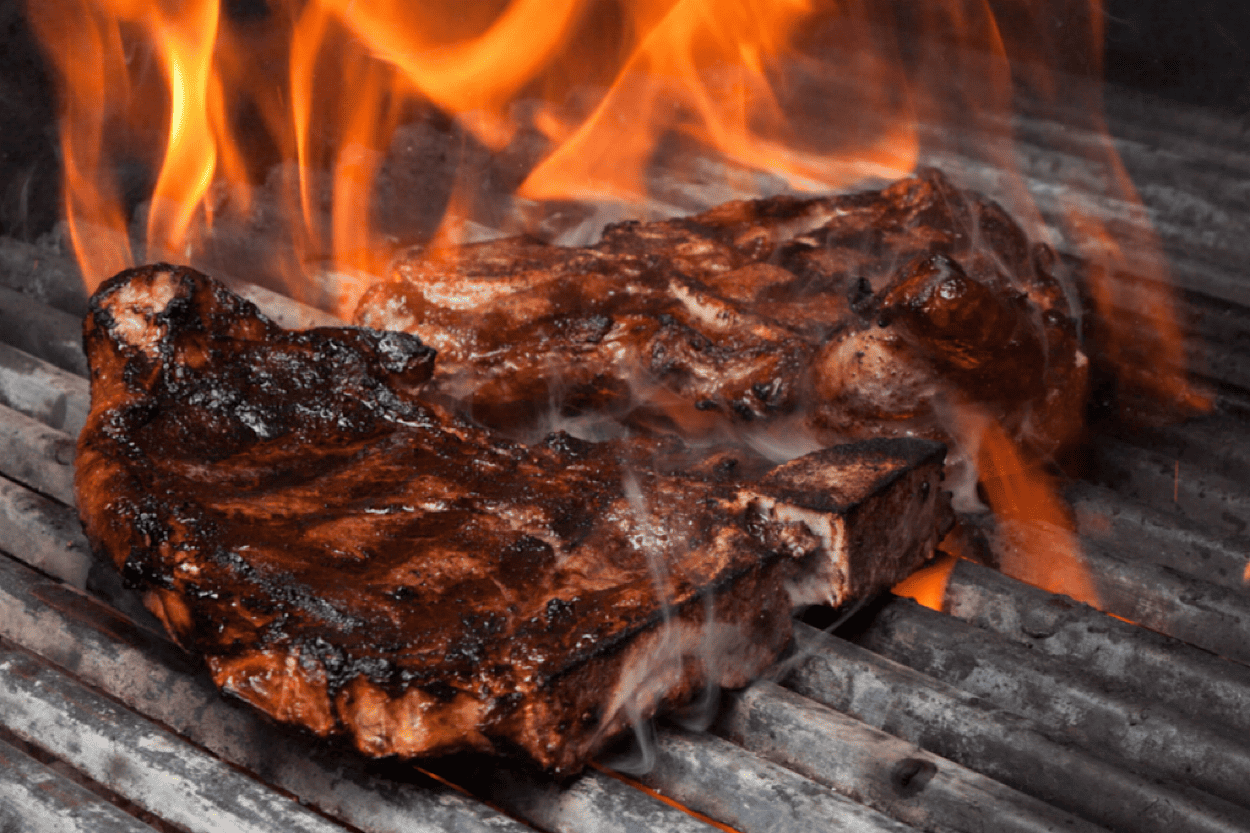
Zarte Fleischstücke Fleischstücke aus dem Lendenbereich, wie Ribeye, Schweinekoteletts, Filet und Rumpsteak, garen schnell. Sie eignen sich hervorragend zum Würzen von Fleischgerichten, die schnell zubereitet werden sollen. Eine interessante Möglichkeit, zarte Fleischstücke zuzubereiten, ist, sie in einer gusseisernen Pfanne oder auf einem Grill scharf anzubraten. So garen sie lange genug, um sicher verzehrt werden zu können, ohne dass viele Proteine verloren gehen.
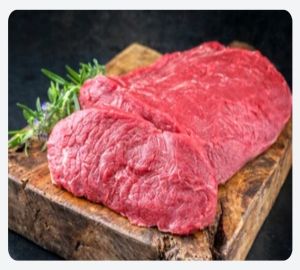
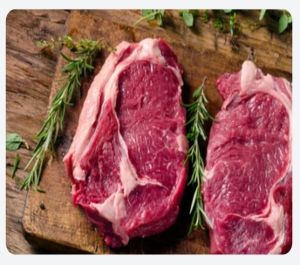
Durch das scharfe Anbraten des Fleisches entsteht eine karamellisierte Textur, da beim Kontakt des Proteins mit der Pfanne oder dem Feuer eine chemische Reaktion stattfindet. Dieser Prozess verleiht dem zarten Fleisch eine Vielzahl von Aromen und macht es noch schmackhafter.
Härtere Schnitte Fleisch hingegen wird trocken und zäh, wenn es nicht lange genug gegart wird. Wir sprechen hier von einer Garzeit von mindestens 60 Minuten für Teilstücke wie Rinderbrust, Schweineschulter oder Rinderbraten.
Diese Fleischsorte wird üblicherweise zunächst scharf angebraten und anschließend im Schmortopf, in Suppen oder Eintöpfen saftig gehalten. Durch das langsame Garen kann das Fleisch anfangs etwas zäh sein, doch das Bindegewebe zersetzt sich nach und nach, wodurch es zart und schmackhaft wird.
Mehr Wert auf Anbraten!
Beim scharfen Anbraten von Fleisch geht es darum, den gewünschten Geschmack zu erzielen. Das Grundprinzip besteht darin, das Fleisch einer höheren Temperatur auszusetzen, nicht um es vollständig zu garen, sondern bis sich eine dunkelbraune, karamellisierte Kruste bildet. Es ist etwas intensiver als das Anbraten, bei dem die Außenseite des Fleisches nur leicht gegart wird. Jedes Fleisch, das schmackhaft sein soll, muss kräftig und intensiv angebraten werden, sodass es die richtige Konsistenz zwischen gebräunt und verbrannt hat. Folgende Punkte sollten Sie beim Anbraten beachten:
- Das Fleisch gründlich trocknen lassen. Ist zu viel Feuchtigkeit vorhanden, gart das Fleisch in der Pfanne nicht richtig durch. Sie können es mit einem sauberen Geschirrtuch abtupfen, um den Trocknungsprozess zu beschleunigen.
- Die Pfanne ausreichend erhitzen. Das bedeutet nicht unbedingt, die Pfanne auf eine glühende Flamme zu stellen. Eine mittlere bis hohe Temperatur ist angemessen. Lassen Sie die Pfanne eine Weile über dem Feuer stehen, bis sich die Hitze gleichmäßig verteilt hat.
- Das Fleisch ununterbrochen garen. Sobald Sie das Fleisch in die Pfanne geben, sollte es brutzeln; andernfalls nehmen Sie es heraus – die Pfanne ist noch nicht heiß genug. Lassen Sie das Fleisch einige Minuten in der Pfanne, damit es schön braun wird und eine schöne Kruste bildet (es empfiehlt sich, die Zeit zu stoppen). Wenden Sie es, sobald es karamellisiert aussieht – dann verströmt es einen intensiven Duft.
Geeignete Temperaturen für verschiedene Fleischsorten
Man kann nicht behaupten, dass ein Fleischgericht durchgegart ist, wenn es aufgrund zu hoher oder zu niedriger Gartemperaturen nicht richtig schmeckt. Die sicheren Gartemperaturen hängen von der Fleischsorte ab. präzises Thermometer Schnelle Messwerte und eine hohe Wasserdichtigkeit sind ebenfalls erforderlich. Hier eine kurze Übersicht der empfohlenen Temperaturstufen für gängige Fleischsorten.
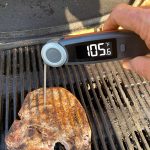
Rindfleisch: Hackfleisch, das für Frikadellen, Würstchen und Burger verwendet wird, erreicht beim Kochen typischerweise eine Kerntemperatur von 65℃ bis 70℃ (145℉-160℉).
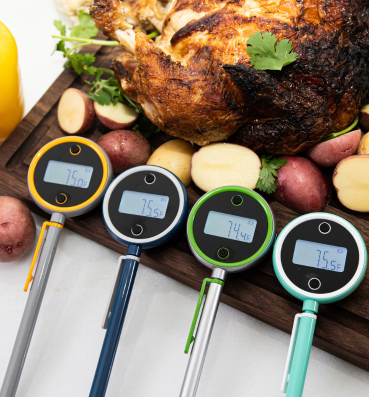
Geflügel: Dies umfasst ganze Vögel wie Huhn, Pute, Ente, Gans, Wachtel und Fasan mit einer empfohlenen Gartemperatur von 75℃ (165℉).
Lamm/Hammel: Schaffleisch wird üblicherweise roh verzehrt, manche bevorzugen es jedoch geräuchert oder gesalzen. Lamm- und Hammelhackfleisch sollten bei 70 °C bzw. 65 °C gegart werden.
Schweinefleisch/Schinken: Frisches Schweinefleisch oder Schinken sollte bei 65 °C (145 °F) erhitzt werden. Außer beim Aufwärmen von vorgekochten Produkten, dann wird bei 75 °C (165 °F) gegart.
Tipp: Klicken Sie hier, um mehr zu sehen Lebensmitteltemperaturen für sicheres Kochen, falls Interesse besteht.
Rezept:
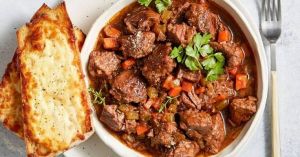
- Rinderbraten (Schulter, Nacken, Hüfte oder Unterschale)
- eine Tasse Mehl
- braune Soßenmischung im Umschlag
- Zwiebelsuppenmischung zum Einwickeln
- Tassen kaltes Wasser
Verfahren:
- Geben Sie zunächst 1 bis 2 Esslöffel Öl in die Pfanne, schneiden Sie dann den Rinderbraten in 3 oder 4 Stücke und bestäuben Sie diese anschließend mit einer Tasse Mehl.
- Nach dem Panieren das Fleisch in der Pfanne von allen Seiten anbraten. Bei Verwendung einer beschichteten Pfanne kann etwas mehr Öl hinzugefügt werden.
- Das angebratene Fleisch in einen Schmortopf (4–5 Liter) geben und das ausgelassene Fett (die karamellisierten Reste) in die Pfanne gießen. Versuchen Sie, auch die restlichen Reste aus der Pfanne in den Schmortopf zu geben.
- In einer geeigneten Schüssel alle Zutaten mit der Soße, der Suppe und dem kalten Wasser vermengen. Gut umrühren, bis alles gut vermischt ist. Die Mischung in den Schmortopf geben. Falls der Rinderbraten nicht sehr dick ist, ihn auf einen Rost legen, sodass die Oberfläche über der Flüssigkeit liegt. Das Fleisch muss während des Garens dem Dampf ausgesetzt sein.
- Den Topf abdecken und eine Stunde bei höherer Temperatur kochen lassen, dann die Hitze für die nächsten 6 bis 8 Stunden reduzieren.
- Überprüfen Sie anschließend, ob alles ordnungsgemäß durchgeführt wurde. Das Fleisch sollte eine Kerntemperatur von mindestens 65 °C (145 °F) aufweisen.
Abschließend
Gut gegartes Fleisch zuzubereiten ist eigentlich ganz einfach – und unkompliziert. Man muss nur wissen, welche Fleischsorte man verwendet, um jedes Mal ein köstliches Gericht zu zaubern, indem man die richtigen Teilstücke und Gartemperaturen auswählt. Die richtige Zubereitung von Fleisch verringert außerdem das Risiko von Lebensmittelvergiftungen und Infektionen!
Entdecken Sie weitere ChefsTemp-Produkte


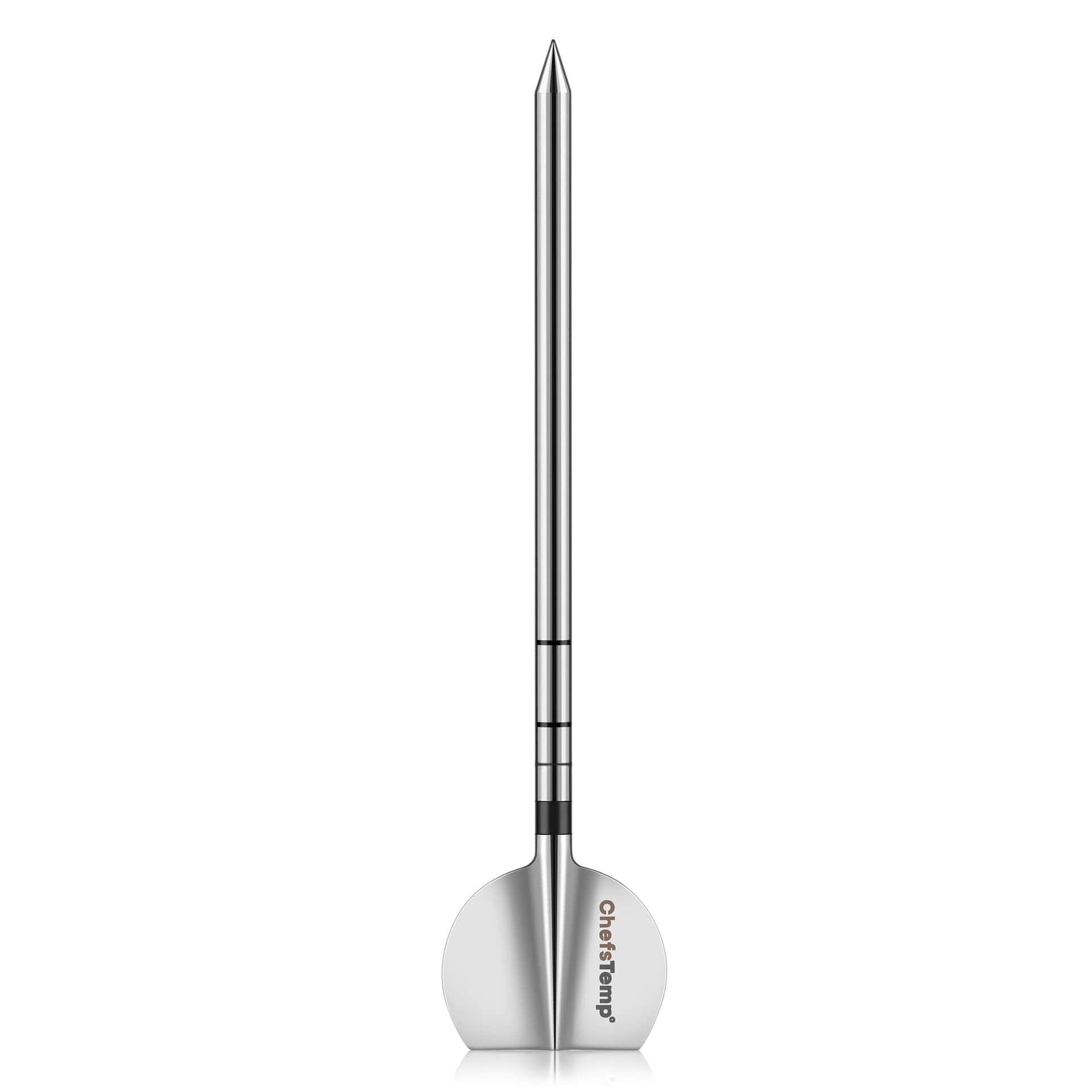



Entdecke weitere Rezepte und lerne Küchentricks, indem du unserer Kochfamilie auf Facebook beitrittst.
Das könnte Ihnen auch gefallen: