Perfectly Cooked Trout Every Time: Internal Temperatures, Doneness Levels, and Pro Tips
Cooking trout is tricky: pull it too early and the center is raw, wait a few minutes too long and the delicate flesh turns dry and chalky. The real secret is not the recipe, but hitting the right internal temperature every single time.
In this guide, you’ll learn the best internal temperature for trout, how doneness levels change with just a few degrees, and exactly how to use a meat thermometer so your trout comes out flaky, moist, and safe to eat. For a complete reference covering salmon, cod, shrimp, lobster, and more, check out our full Tabelle zur Kerntemperatur von Fisch und Meeresfrüchten.
Inhaltsverzeichnis
Why Trout Internal Temperature Matters
Trout is a lean, delicate fish with very little collagen, which means it loses moisture faster than beef or pork. Even a small temperature overshoot can make the fillet dry and stringy instead of silky and tender.
Using an instant‑read or leave‑in thermometer takes the guesswork out of doneness, keeps your trout juicy, and helps you avoid undercooked centers that may not reach a safe temperature.
Best Internal Temperatures for Trout
On our Tabelle zur Kerntemperatur von Fisch und Meeresfrüchten, trout is listed at 135–140°F (57–60°C) for ideal doneness. That’s the range where the flesh turns opaque, flakes cleanly with a fork, and still stays moist.
Here is a simple trout temperature reference you can reuse across recipes:
| Doneness level | Target internal temp | What it looks like | Anmerkungen |
|---|---|---|---|
| Slightly under (sushi‑grade only) | 120–130°F (49–54°C) | Center glossy and very translucent | Only for sashimi‑grade or cured trout, not common at home |
| Perfectly cooked (recommended) | 135–140°F (57–60°C) | Flesh opaque, flakes easily, still juicy | Best balance of safety and texture |
| Firm / well done | 145°F+ (62°C+) | Very firm, starts to dry | Use only if you prefer firmer fish |
Remember that trout will keep cooking from residual heat after you remove it from the grill or oven. If your goal is 135°F, pull the fish at about 130°F and let it rest for a few minutes; carryover cooking will bring it into the sweet spot.
How to Use a Meat Thermometer with Trout
A thermometer is only accurate if you place it correctly. Follow these steps whether you are baking, grilling, or pan‑searing trout:
- Insert the probe into the thickest part of the fillet or whole trout, avoiding bones and the pan surface.
- Push the tip toward the center of the thickest section; stop when you feel you’re in the middle, not touching skin.
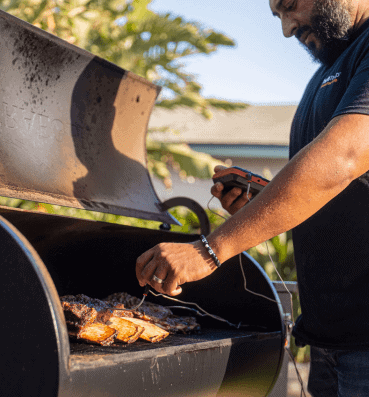
- For oven‑baked or grilled trout, leave the probe in and monitor the climb toward your target temperature.
- For fast methods like pan‑searing, use an instant‑read thermometer and check in 1–2 second bursts so you don’t lose too much heat.
- Once the temperature reaches 130–135°F (54–57°C), remove the fish from heat and rest it for 3–5 minutes before serving.
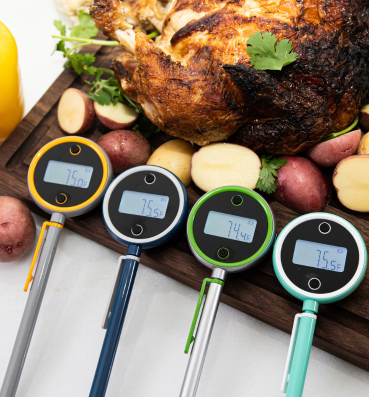
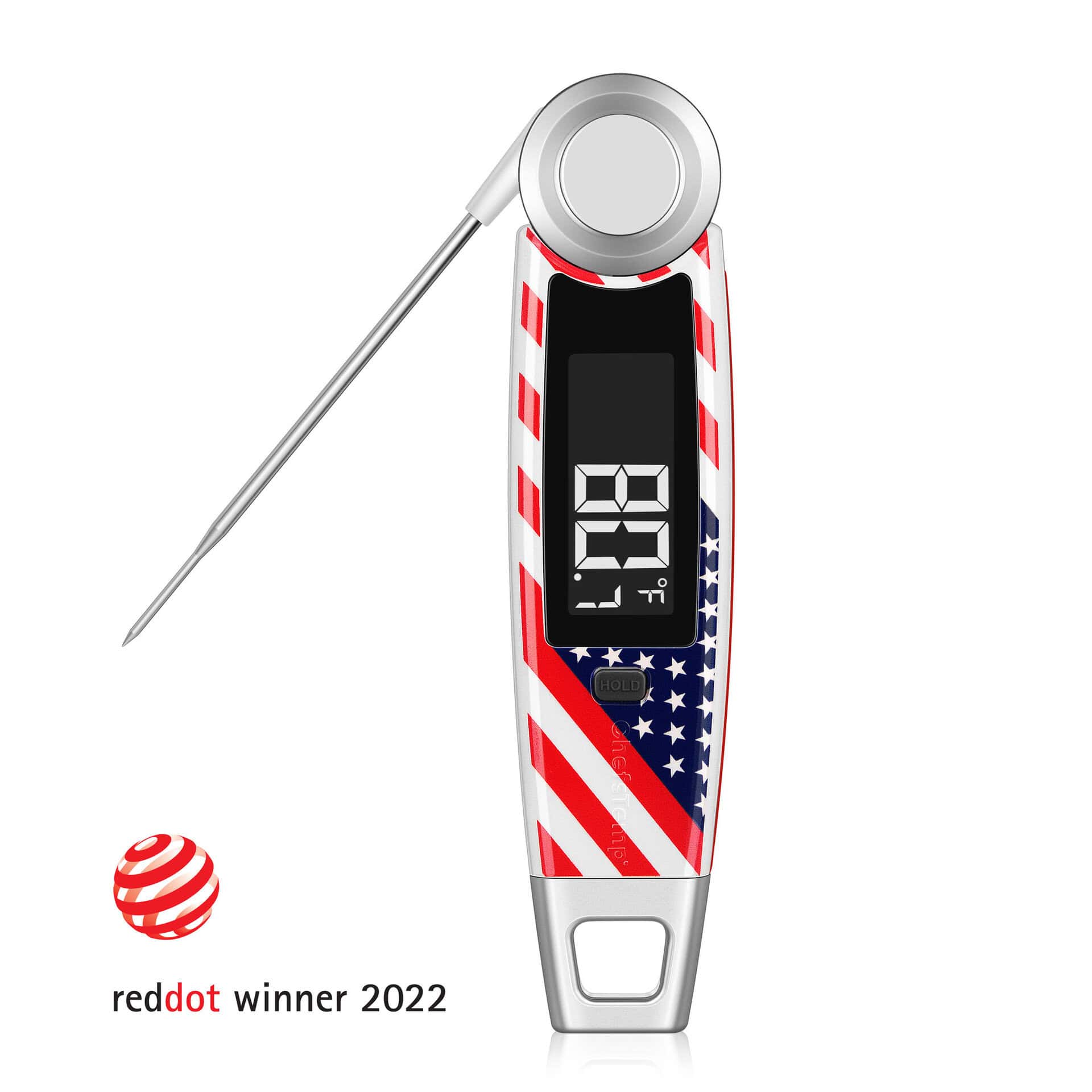
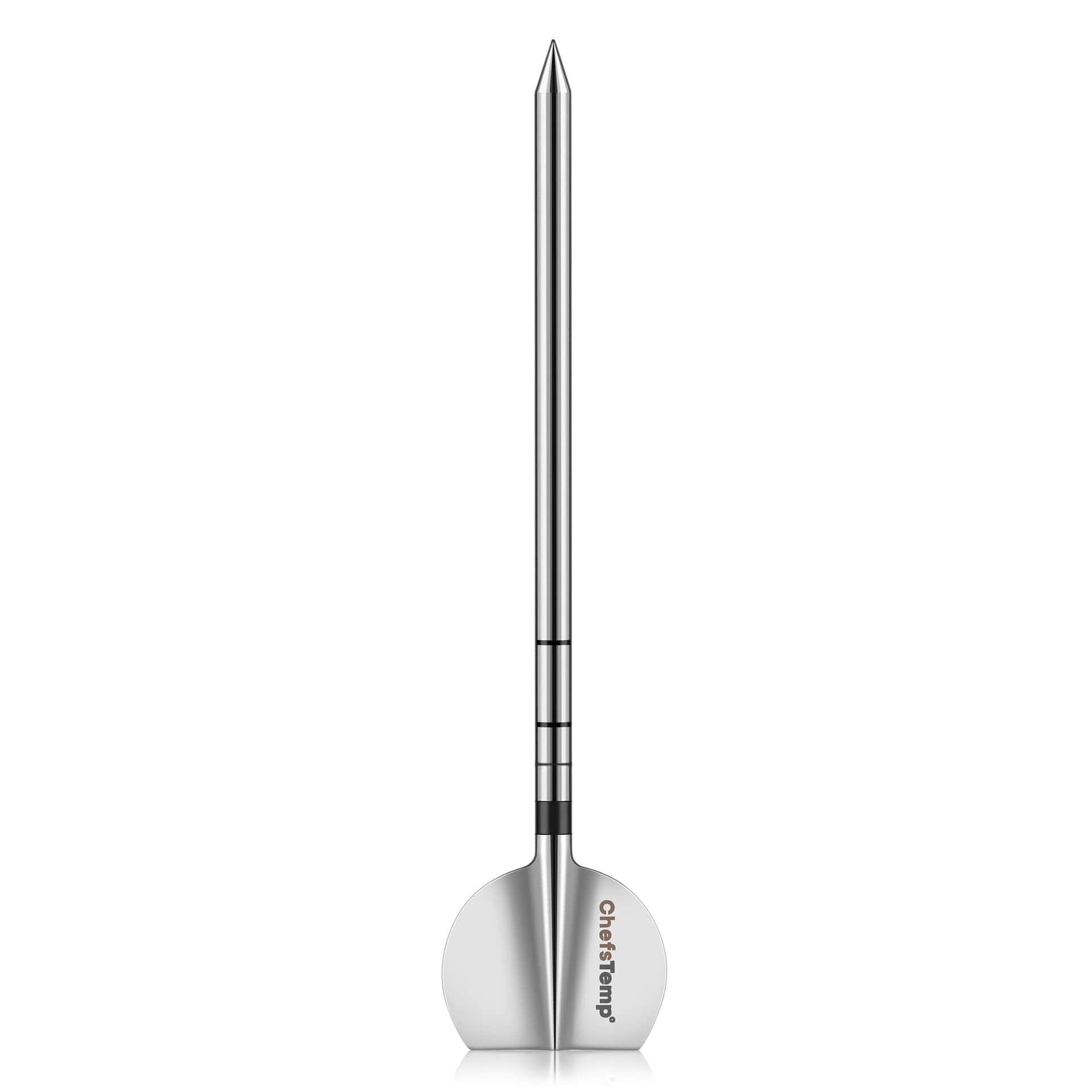
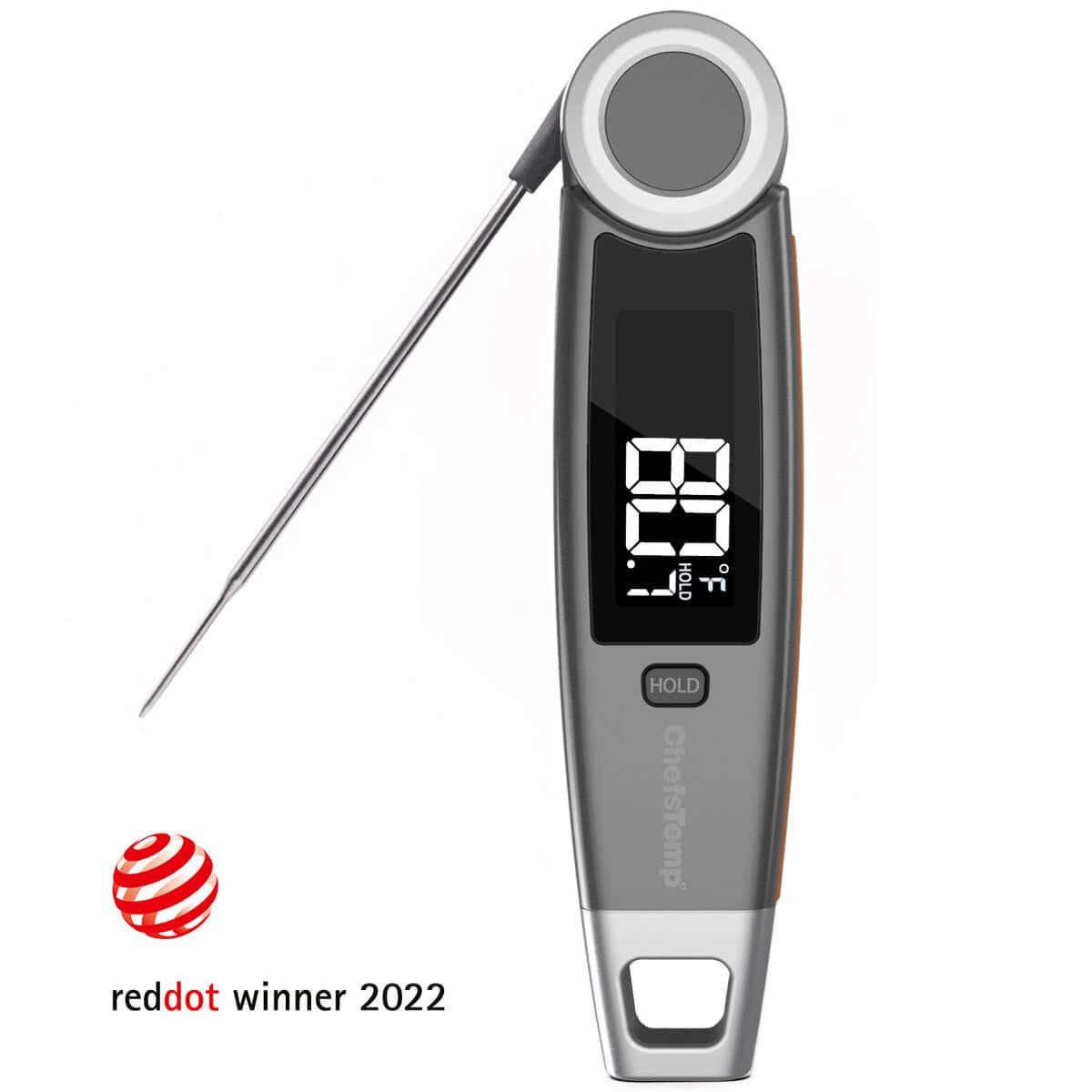
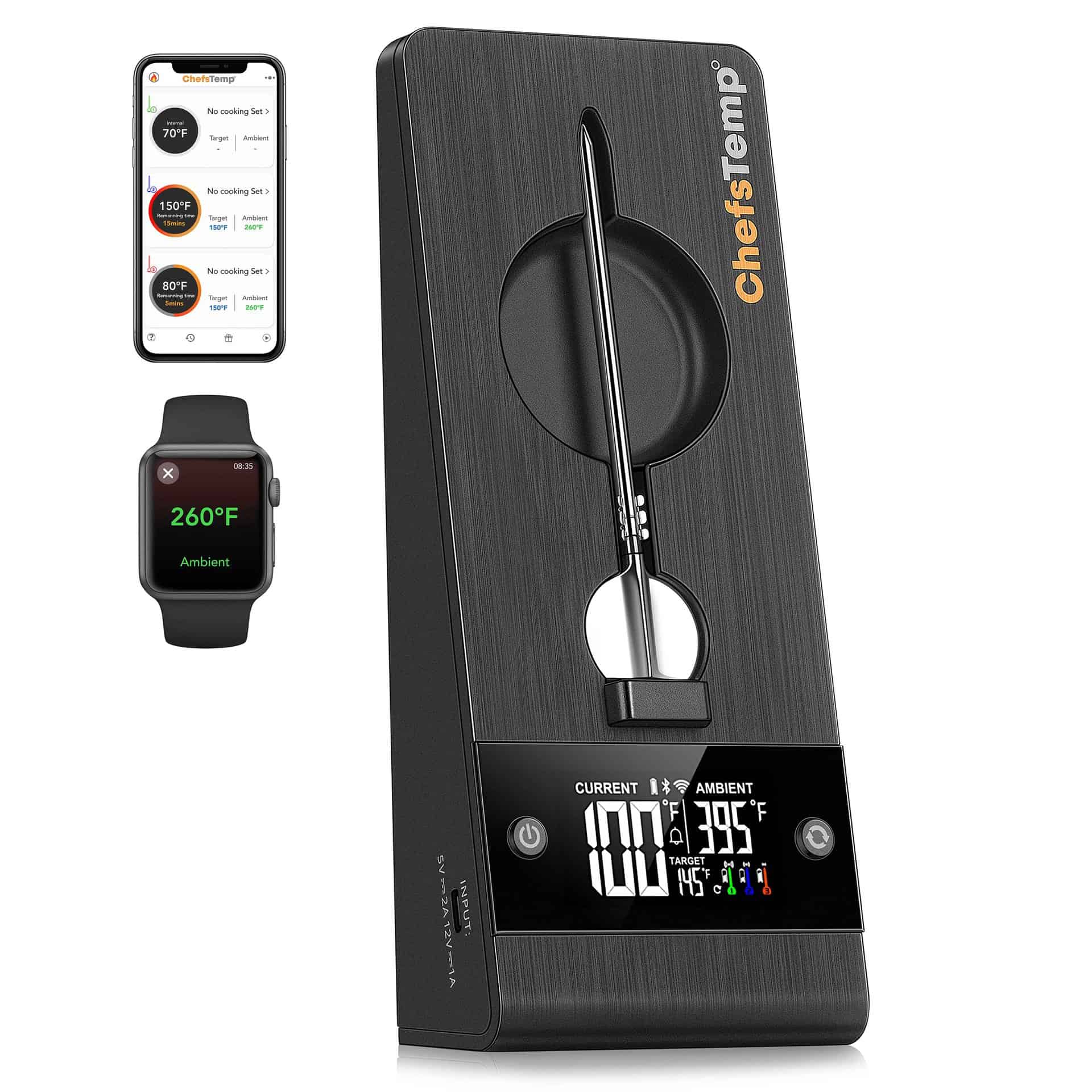
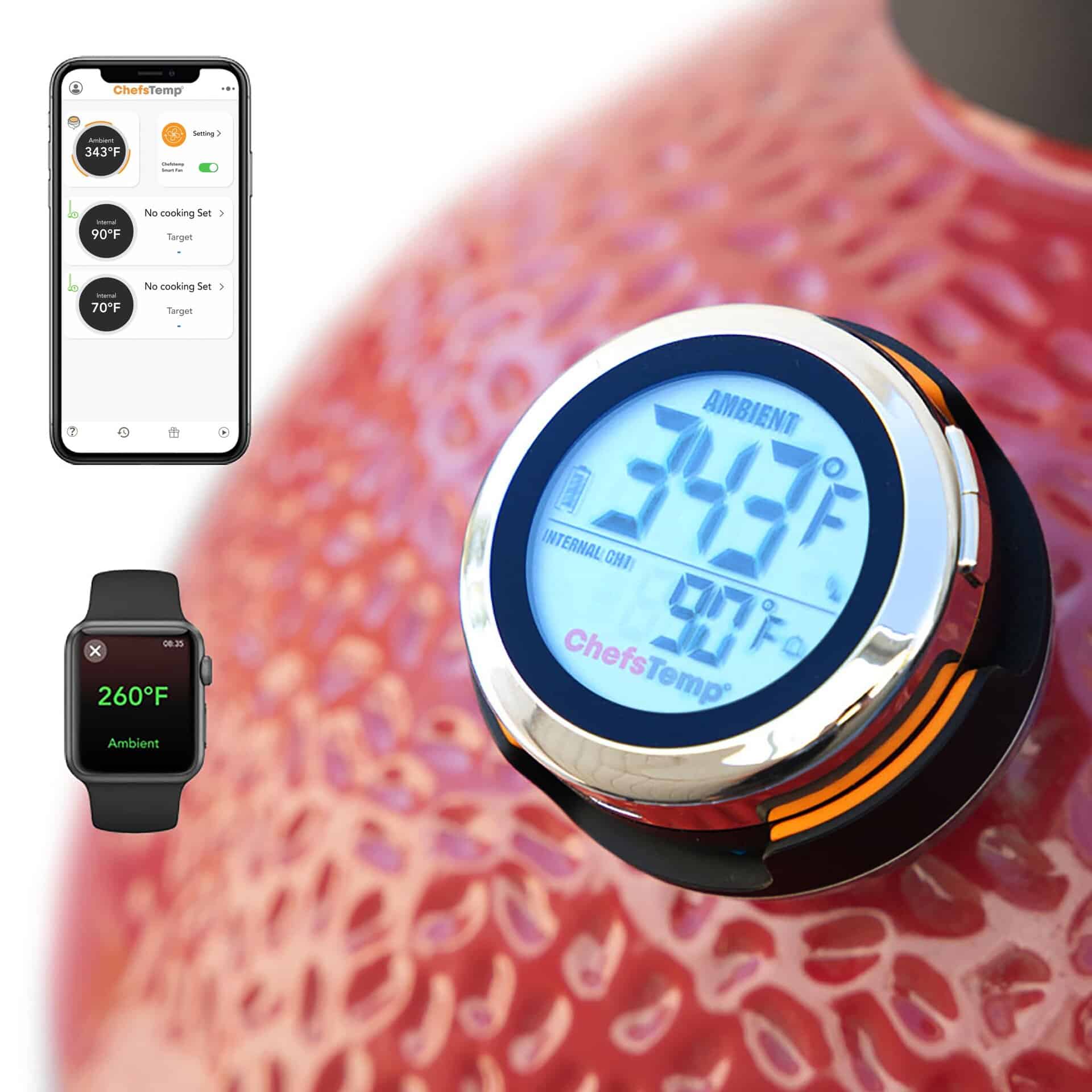
ChefsTemp instant‑read thermometers are ideal for quick checks, while probe thermometers with cables or wireless connections let you watch the internal temperature rise without opening the oven or grill.
Baked Trout in the Oven: Time and Temperature Guide
Time will vary by thickness and oven accuracy, so always treat it as a guideline and confirm with a thermometer.
Basic baked trout method
- Preheat oven to 375°F (190°C).
- Season trout with salt, pepper, lemon, and herbs, then place on a lightly oiled baking tray or in a baking dish.
- Bake fillets for about 10–15 minutes, or whole trout for 18–25 minutes, depending on thickness.
- Start checking the internal temperature a few minutes early; pull at 130–135°F (54–57°C) and rest to finish around 135–140°F (57–60°C).
This approach works for most “trout internal temp baked” and “baked trout in the oven” style recipes: the important number is always internal temperature, not minutes on a timer.
Grilled Trout: Crisp Skin, Juicy Center
Grilling trout adds smoky flavor and crisp skin, but the direct heat makes it even easier to overcook.
- Preheat your grill to medium‑high and oil the grates well.
- Grill trout skin‑side down first to protect the flesh.
- Close the lid and grill until the internal temperature reaches roughly 130°F (54°C) in the thickest part.
- Let the fish rest off the grill so carryover heat finishes it in the 135–140°F (57–60°C) zone.
A thermometer helps you avoid burnt skin and undercooked centers, especially with thicker whole trout or stuffed fish.
Pan‑Seared or Broiled Trout: Fast‑Cook Methods
For thin trout fillets, pan‑searing or broiling cooks the fish in just a few minutes. That speed makes visual cues easy to misjudge.
- Cook the first side until the edges turn opaque.
- Flip once, then begin checking internal temperature almost immediately with an instant‑read thermometer.
- Aim to pull the fillet just as the probe reaches 130°F (54°C); residual heat will push it into the target range.
Because these methods are so fast, a thermometer is the safest way to hit your ideal trout temperature repeatedly.
Food Safety and Trout: What You Need to Know
Like other fish and seafood, trout must reach a high enough internal temperature to reduce the risk of foodborne illness, but still stay within the range that preserves texture.
- For most home cooks, 135–140°F (57–60°C) is the best compromise between safety and quality.
- Guidelines for fish and seafood recommend cooking until the flesh is opaque and flakes easily with a fork; your thermometer readings will confirm this stage precisely.
- Sashimi‑style or lightly seared trout should only be prepared from properly handled, sashimi‑grade fish that has been frozen to kill parasites, similar to recommendations for ahi tuna.
If you are cooking for children, pregnant people, or anyone with a compromised immune system, staying on the upper side of the recommended range is the safest choice.
Trout vs. Other Fish: Internal Temperature Cheat Sheet
Our trout guidelines sit alongside other popular species in the same internal temperature chart, which makes it easy to compare doneness ranges when planning mixed seafood meals. For the full version, visit the Tabelle zur Kerntemperatur von Fisch und Meeresfrüchten.
| Fish or seafood | Recommended internal temperature | Texture notes |
|---|---|---|
| Lachs | 130–135°F (54–57°C) | Very moist, flakes easily, dries quickly above this range |
| Forelle | 135–140°F (57–60°C) | Slightly firmer than salmon, still tender and juicy |
| Halibut / Cod / Sea Bass / Tilapia | 130–135°F (54–57°C) | Lean white fish, can dry out if taken much higher |
| Tuna / Swordfish / Marlin | Around 125°F (51°C) for medium‑rare | Best served pink in the center; overcooking makes them dry |
| Garnele | About 120°F (49°C) | Turn pink and opaque, stay juicy when not overcooked |
| Hummer | 140–145°F (60–62°C) | Needs slightly higher heat because of its longer muscle fibers |
Putting It All Together
If you want reliably perfect trout, stop guessing and start measuring. Aim for an internal temperature of 135–140°F (57–60°C) in the thickest part of the fish, use a quality thermometer, and let carryover cooking finish the job off the heat.
For more detailed numbers on salmon, cod, shrimp, lobster, scallops, and more, bookmark our Tabelle zur Kerntemperatur von Fisch und Meeresfrüchten and keep it handy as your go‑to guide whenever you cook fish or seafood.
Entdecken Sie weitere ChefsTemp-Produkte
Entdecke weitere Rezepte und lerne Küchentricks, indem du unserer Kochfamilie auf Facebook beitrittst.
Das könnte Ihnen auch gefallen: