A Definitive Guide for Fish Internal Temperature: Science, Safety, & Perfection
Tabla de contenido
Part 1. Safe & Healthy Cooking Temperature for Fish & Seafood
The Food Safety Argument
To eliminate harmful bacteria and parasites, the USDA recommends cooking all seafood to a safe fish cooking temperature of 145°F (62.8°C). Hitting this minimum target ensures that common aquatic pathogens are completely destroyed, which is especially critical when serving vulnerable individuals, young children, or the elderly.
The Culinary Reality: Science and Texture
Part 2. How to Check Fish Internal Temperature Accurately
Key Highlights for Fish Cooking:
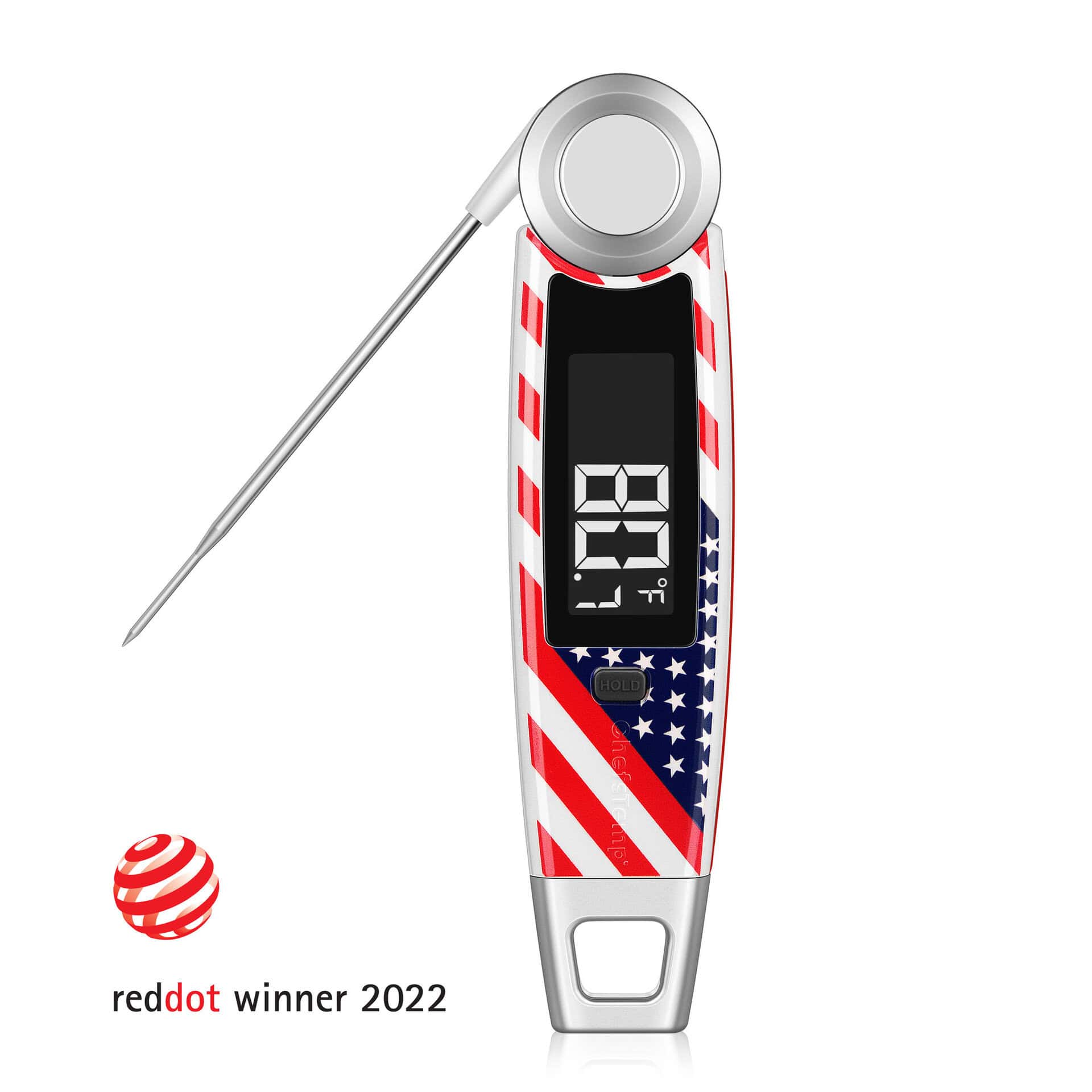
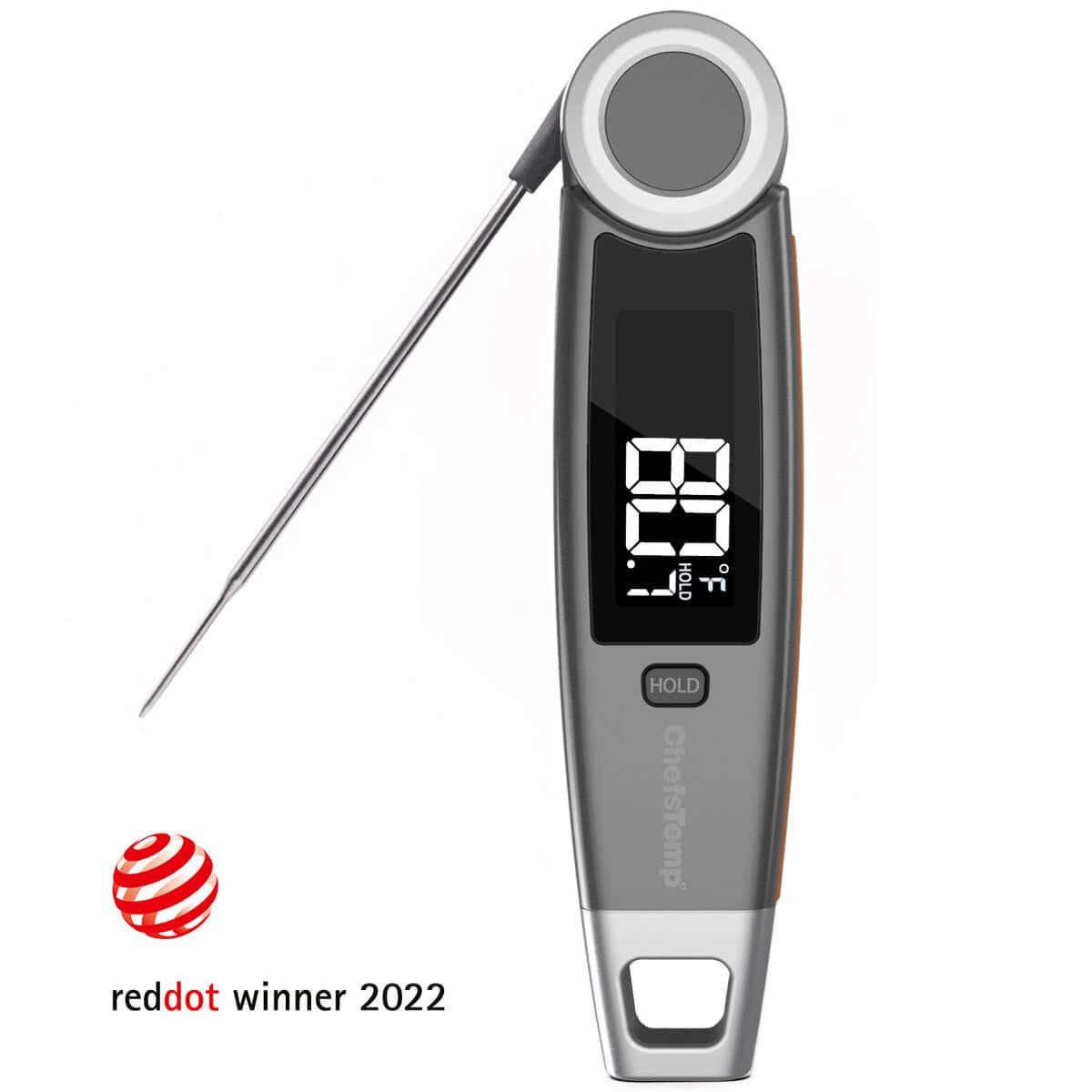
- Rapid-Response and Precision: Fish moves from raw to dry in a minute. The Finaltouch X10 delivers temperature readings in 1 second, so you catch the perfect moment before carryover cooking sets in.
- Advanced Accuracy: ±0.5°F accuracy makes your cooking tastier and healthier, especially for fish and seafood that require higher temperatures.
- Flexible Probe Angle: The Finaltouch X10 has a rotating probe (up to 270 degrees). This is essential for fish. You can easily insert the probe horizontally into the side of a fillet or a scallop while it is cooking. You do not have to awkwardly manoeuvre near the heat.
- Durability and Clarity: With a motion-activated backlit display and a waterproof (IP67) rating, it resists splashes and the messy environment of seafood preparation.
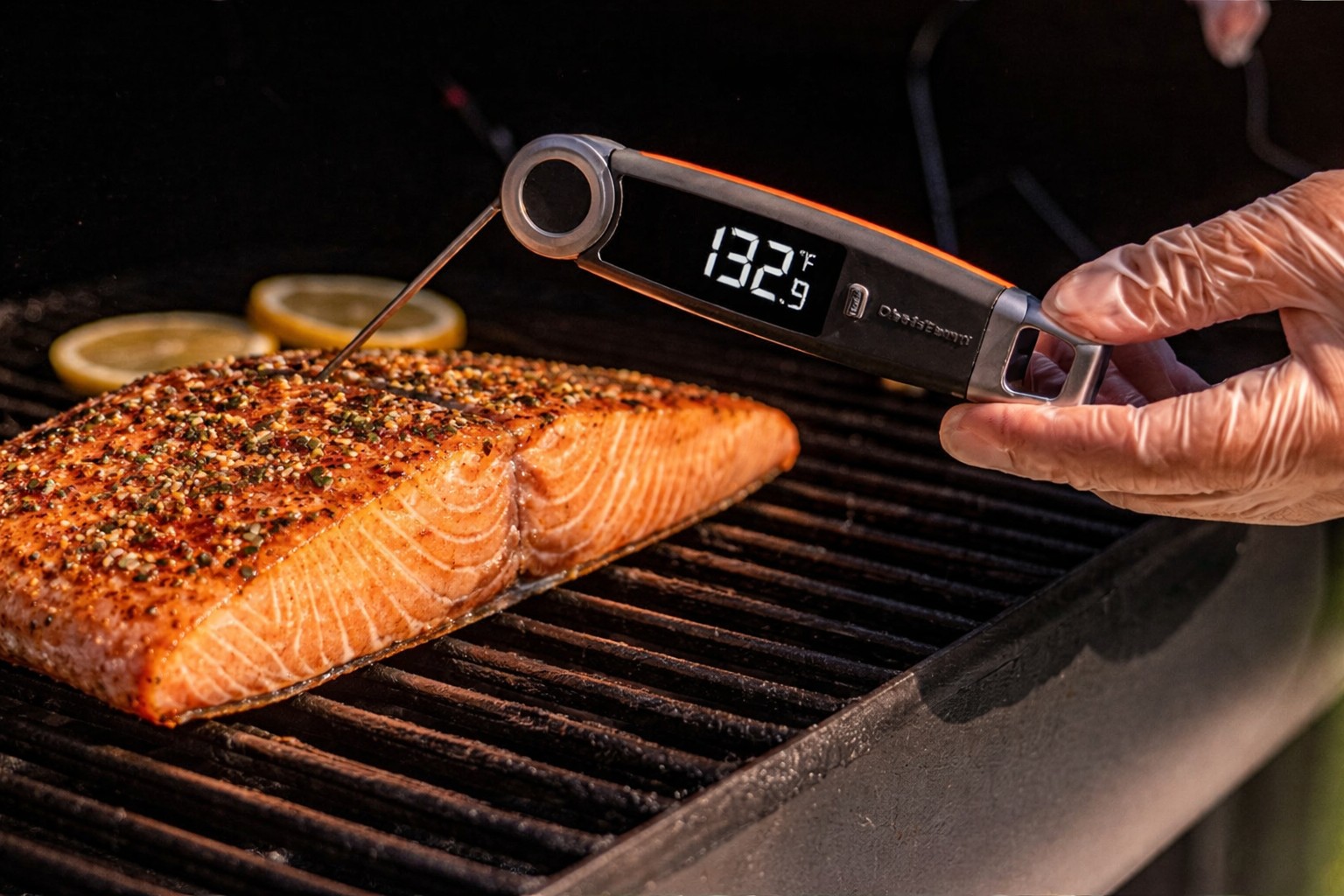
Using a fast and accurate thermometer eliminates guesswork and helps you remove fish from the heat at the intended temperature. Besides, check out this fish temperature chart to better help your fish cooking process.
Part 3. The Most Complete Fish Internal Temperature for Cooking
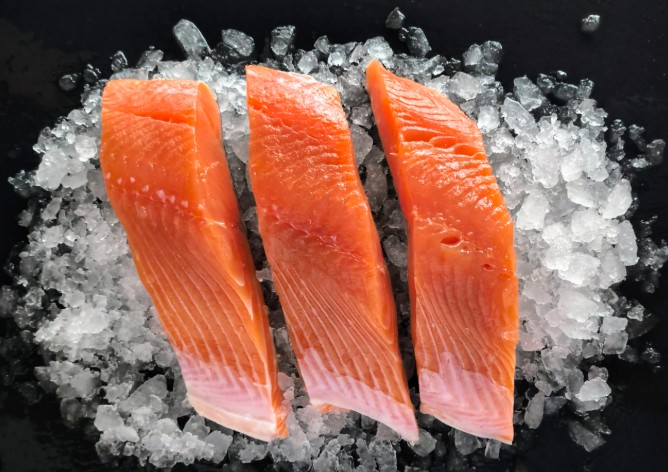
1. Salmon
- Most Suitable Temperature: 125°F to 135°F (52°C to 57°C) for the best texture (145°F for USDA safety).
- Required Cooking Time: Approximately 10–15 minutes, depending on thickness and method.
- Methods that can be cooked: Pan-seared, baked, grilled, poached, or slow-roasted.
- Methods to determine if it is cooked: The centre is still slightly translucent, and the flesh flakes into large sections when gently pressed.
Consejo: Haga clic aquí para leer más sobre smoked salmon temperatures Si esta interesado.
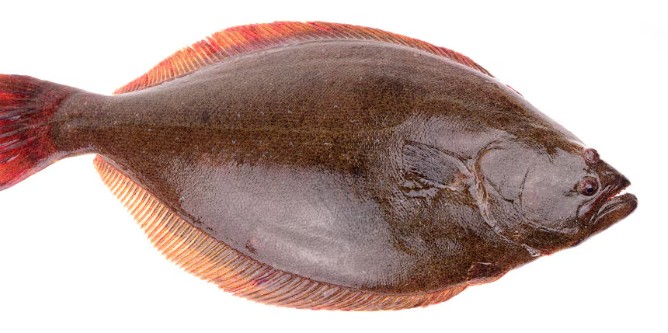
2. Halibut
- Most Suitable Temperature: The cooked fish temperature should be 130°F to 135°F (54°C to 57°C) to maintain moisture (145°F for USDA safety).
- Required Cooking Time: 12–18 minutes, depending on fillet thickness.
- Methods that can be cooked: Baked, pan-seared, grilled (on a plank or heavy foil), or poached.
- Methods to determine if it is cooked: The flesh has lost its translucency entirely and resists a light touch but still feels moist rather than dense.
Consejo: Haga clic aquí para leer más sobre Cómo asar fletán Si esta interesado.
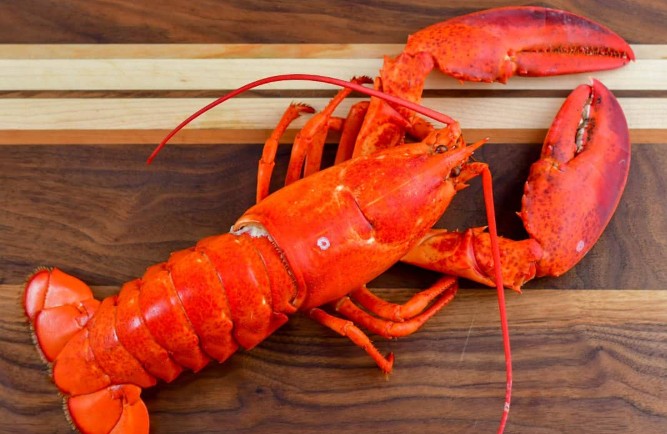
3. Lobster
- Most Suitable Temperature: 135°F to 140°F (57°C to 60°C) internal temperature in the centre of the tail meat (145°F for USDA safety).
- Required Cooking Time: Varies greatly by method, generally 1–1.5 minutes per ounce of total weight when boiling.
- Methods that can be cooked: Steamed, boiled, or grilled (usually split in half first).
- Methods to determine if it is cooked: The shell is bright red, and the tail meat is completely opaque white throughout (no translucent spots).
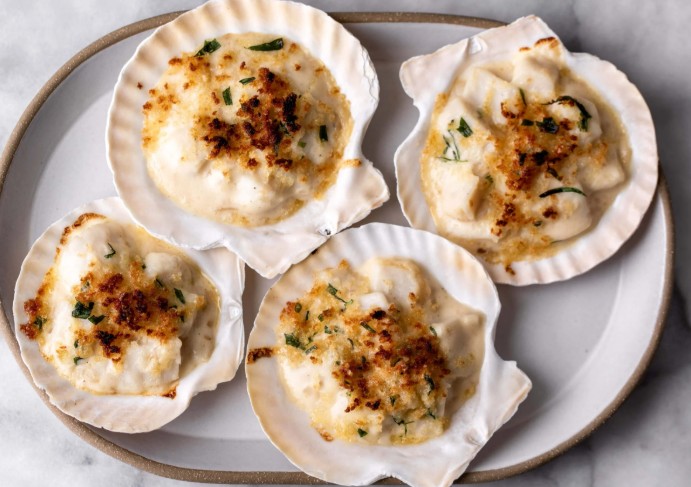
4. Scallops
- Most Suitable Temperature: 115°F to 120°F (46°C to 49°C) centre temperature to achieve a tender “medium” cook (145°F for USDA safety).
- Required Cooking Time: Very short, typically 2–3 minutes total for a pan-sear.
- Methods that can be cooked: Pan-seared (most common), grilled on skewers, or baked.
- Methods to determine if it is cooked: They are firm to the touch on the exterior, but the centre is slightly warm and opaque, not raw and cold.
Tip: Click here to read more about a delicious scallop recipe Si esta interesado.
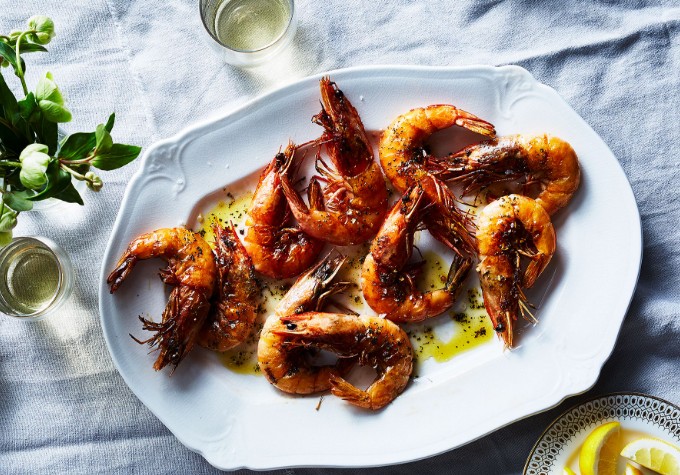
5. Camarones
- Most Suitable Temperature: 120°F to 125°F (49°C to 52°C) internal temperature for the plumpest texture (145°F for USDA safety).
- Required Cooking Time: 3–5 minutes, depending on size and method.
- Methods that can be cooked: Sautéed, grilled, boiled/poached (for shrimp cocktail), or baked.
- Methods to determine if it is cooked: They have curled into a loose “C” shape and have lost all translucency, turning an opaque pink/white throughout.
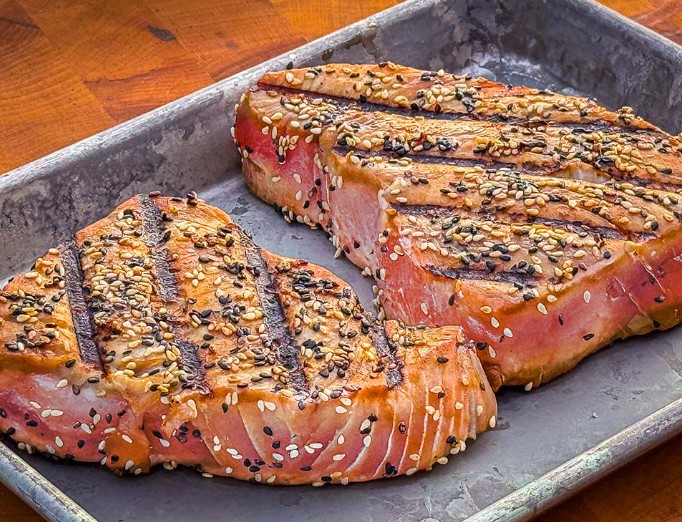
6. Tuna (Ahi/Bluefin/Yellowfin)
- Most Suitable Temperature: 115°F (46°C) internal temperature (cool to warm red centre) for a “rare” to “medium-rare” cook (145°F for USDA safety).
- Required Cooking Time: Extremely short when searing, often only 1–2 minutes per side over very high heat.
- Methods that can be cooked: Pan-seared or grilled (on high heat).
- Methods to determine if it is cooked: The exterior is seared grey/brown, while the centre remains distinct, warm red or dark pink.
Consejo: Haga clic aquí para leer más sobre el ideal temp for tuna steak Si esta interesado.
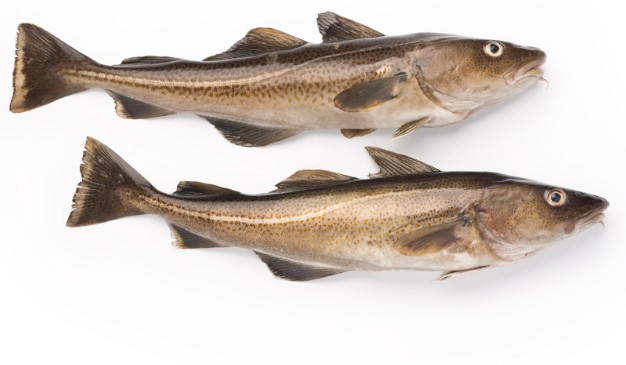
7. Cod
- Most Suitable Temperature: the cod’s internal temperature should be between 130°F and 135°F (54°C to 57°C) for the most tender flakes (145°F for USDA safety).
- Required Cooking Time: 10–15 minutes, depending on thickness.
- Meat can be cooked using the following methods: baking, pan-frying/battering, poaching, or searing.
- Methods to determine if it is cooked: check that it has turned completely opaque and can be broken apart into large, distinct flakes with gentle pressure.
Part 4. FAQs of Fish Cooking Temperature
What temperature should fish be cooked to?
How to know if the fish is fully cooked?
Do fish need to rest after cooking?
Conclusión
Descubra otros productos ChefsTemp

Descubre más recetas y aprende trucos de cocina uniéndote a nuestra familia de cocina en Facebook.
También te puede interesar: