How Long to Rest Brisket? The Exact Times and Resting Temperatures
How Long to Rest Brisket.docx
You just pulled a big cut off the brisket smoker after a brutal 15-hour cook. The bark on this cut is looking pretty epic, and the temptation to test your knife skills is at an all-time high. Cutting this as is will have every drop of brisket moisture flooding your cutting board. Leaving the meat dried up. Juiciness is at a premium, and it comes down to knowing how long to rest brisket. It’s not a waiting game; it’s a phase of fluid dynamics. Here is the actual temperature timeline to finish the job right.
Tabla de contenido
The Fluid Dynamics of Resting Brisket: Why It Matters
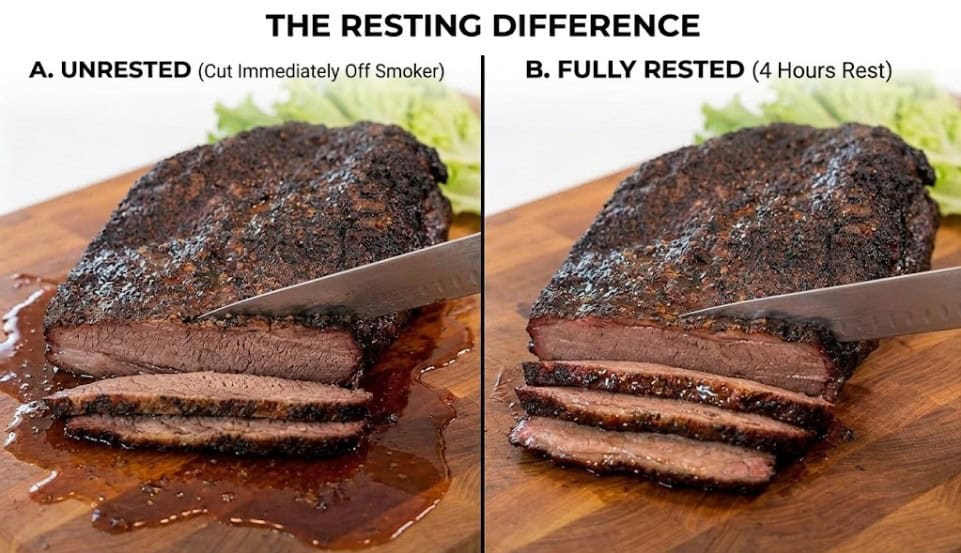
The Rested vs. Unrested Comparison
Bringing a brisket off the heat at 203°F results in a seemingly perfectly cooked exterior, but a completely different story on the inside. Muscle proteins such as actin and myosin contract vigorously at this temperature. As described in the science of meat juiciness by AmazingRibs, think of the meat fibers like a kitchen sponge that has been soaking in water and is being aggressively twisted and wrung out. The heat is pushing the fibers and the moisture from the center out to the crust.
If I were to cut into a piece of meat that way, I would be opening a system that traps a liquid at a higher-than-normal pressure. Those trapped juices would instantly spew onto the cutting board. After that, the liquid escapes; it will be gone for good, leaving the meat tough and dry.
That is why resting the brisket is always a necessity. When the meat gradually cools after coming from the smoker, the muscle fibers relax, and the loaf-shaped “sponge” uncoils. The pressure that was keeping the juices in the outer section decreases to the point that they are reabsorbed into the edges. The meat still retains some heat, which constricts the connective tissues and allows the last of the collagen to turn into a liquid. We are waiting for the meat to cool, but we are also using the principles of physics to help the meat stay tender and moist.
What is the Ideal Brisket Rest Time?
When my friends ask me about the perfect resting time for brisket, my answer is simple: you should plan for way more time than you think. That being said, I understand how stressful it can be when you have a packed backyard with eager guests eyeing your smoker. When it comes to guests, you have to give actual estimates, not just barbecue theories.
To help you out and to help you not ruin the hard, time-consuming work you did, I created tiers for the resting phase, which I’m breaking down for you:
- The Absolute Minimum (1 to 2 Hours):This is the amount of time the meat should be given if you are utterly pressed for time. You need to give the meat about one to two hours of resting. This is enough time for muscle fibers to relax. It isn’t enough time to work miracles on the texture, but it is enough to permanently seal the meat fibers, preventing the juices from gushing out. This long time is exactly what you need to save a cook from complete self-destruction.
- The Gold Standard (4 to 8 Hours): This is the amount of time the meat should be given if you are not pressed for time. This is the amount of time I aim for brisket resting. Collagen that is warmed and allowed to slowly cool will cool to a soft gelatin. Soft gelatin that has slightly cooled will provide a melt-in-your-mouth texture.
- The Pitmaster Secret (10 to 12 Hours / Overnight Hold):If you want a brisket that is as good as that of the best Texas barbecue joints, you will need to give it a Pitmaster Secret. It will be a sight to see. The barbecue meat of the highest caliber will be cooked in a furnace of the highest caliber, bright and warm. It will remove all the harsh fibers. Insulin will be released at 100% rate, but don’t make it a long one.
The Secret Brisket Resting Temperature: The Two-Phase Method
It’s happened too many times: you’ve just smoked an incredible brisket, and the probe thermometer reads 203°F. You open the insulated cooler’s lid and toss the brisket inside to try to keep it warm. What you probably didn’t realize is that the insulated cooler is actually melting the brisket, and here’s why: Tossing hot cooked meat into an insulated cooler traps all the thermal energy inside the cooler, and the result is an extreme amount of carryover cooking. Your brisket is now basically a combative, braised, pot roast from all of the extreme cooking.
To avoid this situation, we need to take a closer look at how long to rest brisket. Don’t be mistaken: resting is definitely not an eat-and-be-merry situation. It is a 2-step process.
Phase 1: The Initial Cool-Down (Stop Carryover Cooking)
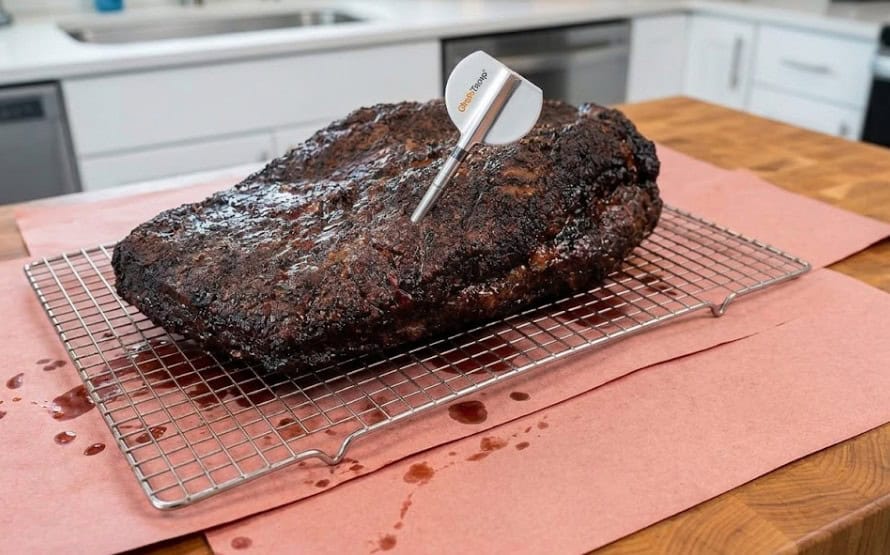
The Counter Venting Stage
After removing my brisket from the grill, I leave it on the counter for 30 to 45 minutes. Forcing brisket from hot on the grill to cold on the counter has negative effects. Solid physics suggests that after heating meat on the grill, it will continue to cook the interior parts via thermal momentum, as that heat spreads. But by arriving at the counter at room temperature, brisket can vent through the open air. I monitor the temperature to ensure the resting meat descends to 170°F or 175°F. This will stamp a ‘cease and desist’ order on the brisket overcooking itself.
Phase 2: The Long Hold (The Faux Cambro)
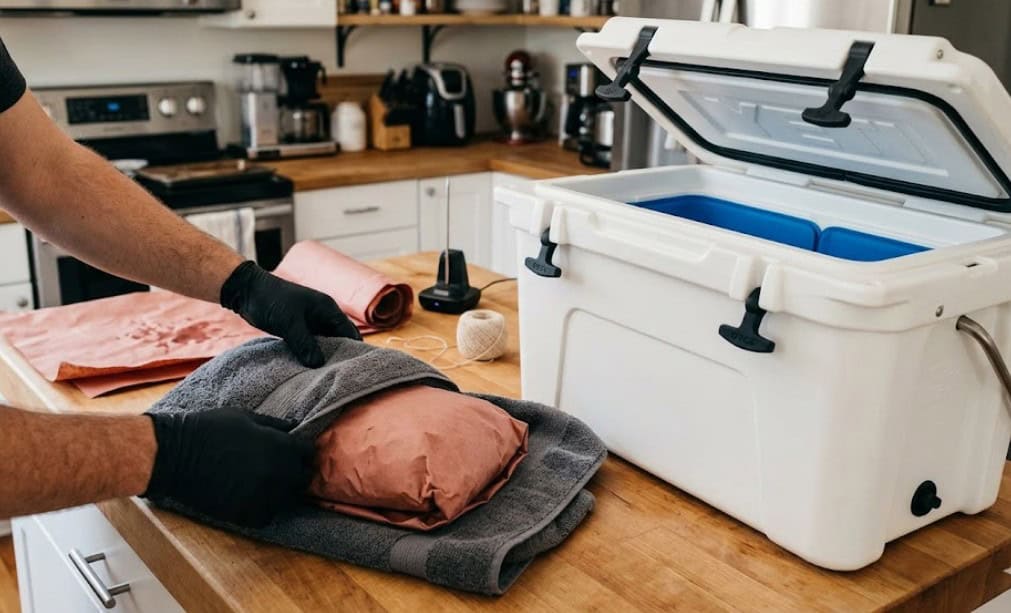
The Faux Cambro Setup
After the meat has shed that dangerous layer of heat, we progress to the long hold. The brisket gets a good wrapping in butcher paper. I swaddle it in a clean towel and tuck it in a dry insulated cooler, faux Cambro, as the BBQ community has dubbed it.
We’re not just estimating how long to rest brisket, we are purposely controlling a descent of the brisket’s temperature. The brisket’s resting temperature, when insulated, descends to the ideal slicing temperature of 140°F to 145°F. This ultra slow descent regulates the cooling of the brisket’s resting temperature and gradually glides to the ideal slicing temperature to help the fat and juices. The descent keeps the fat beautifully rendered and the juices thick to hold them inside the brisket and not to flow out from the slices.
The Equipment Upgrade: Stop Guessing Your Meat’s Temperature
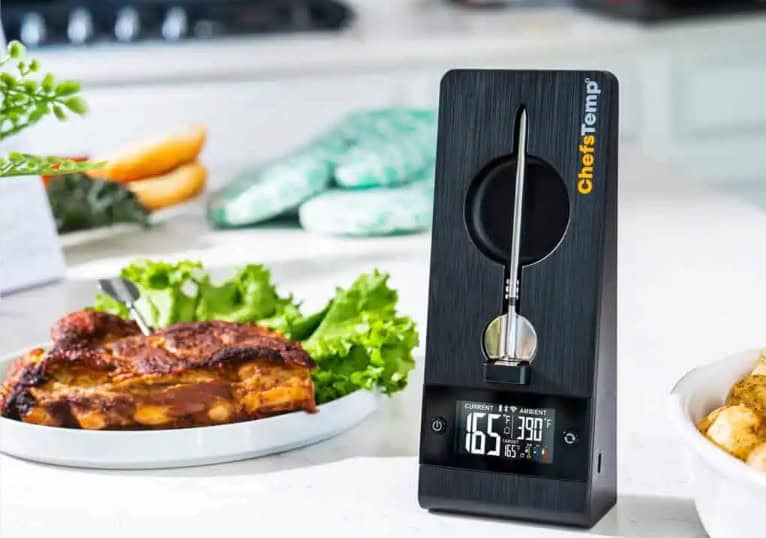
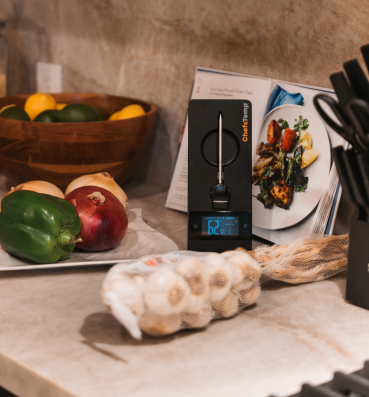
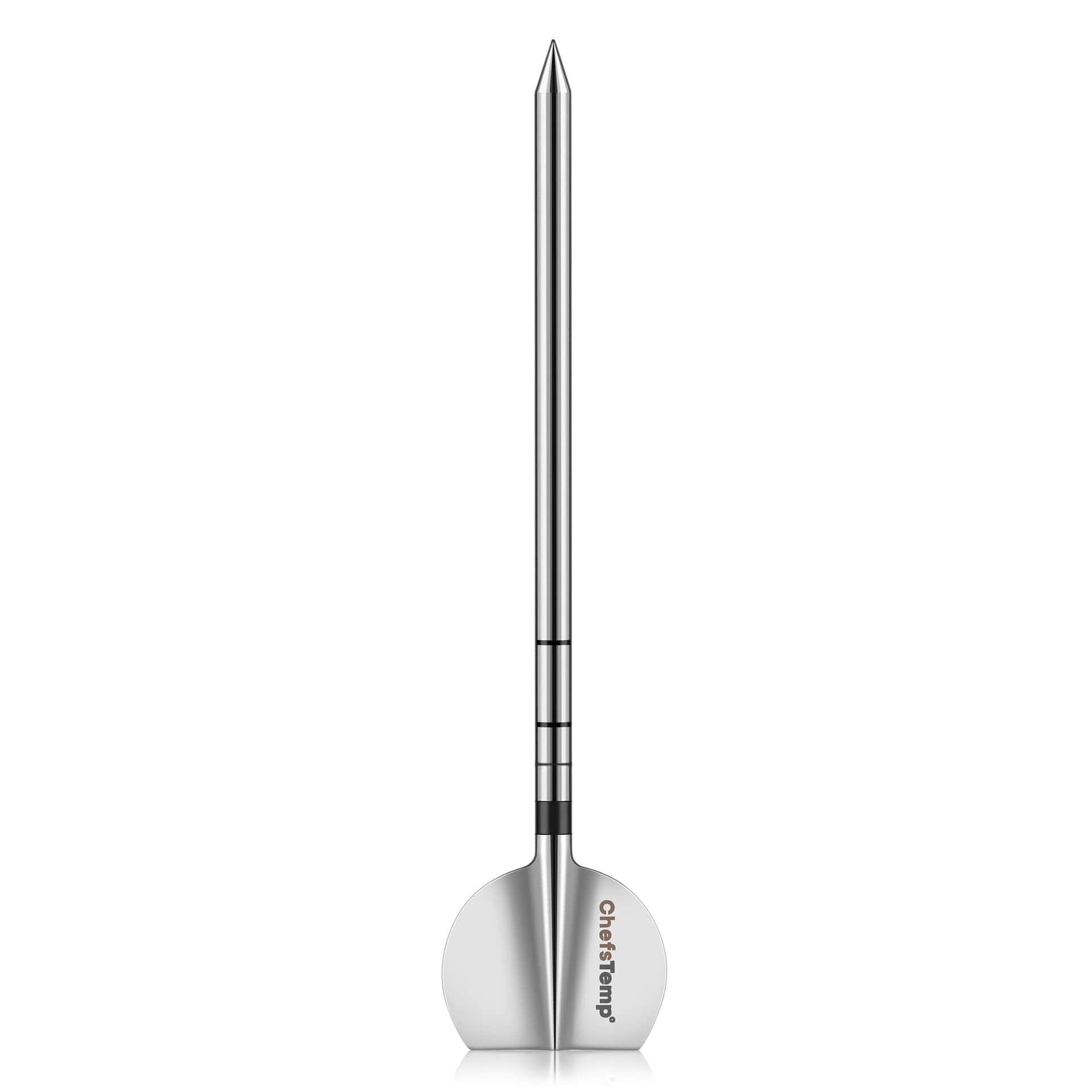
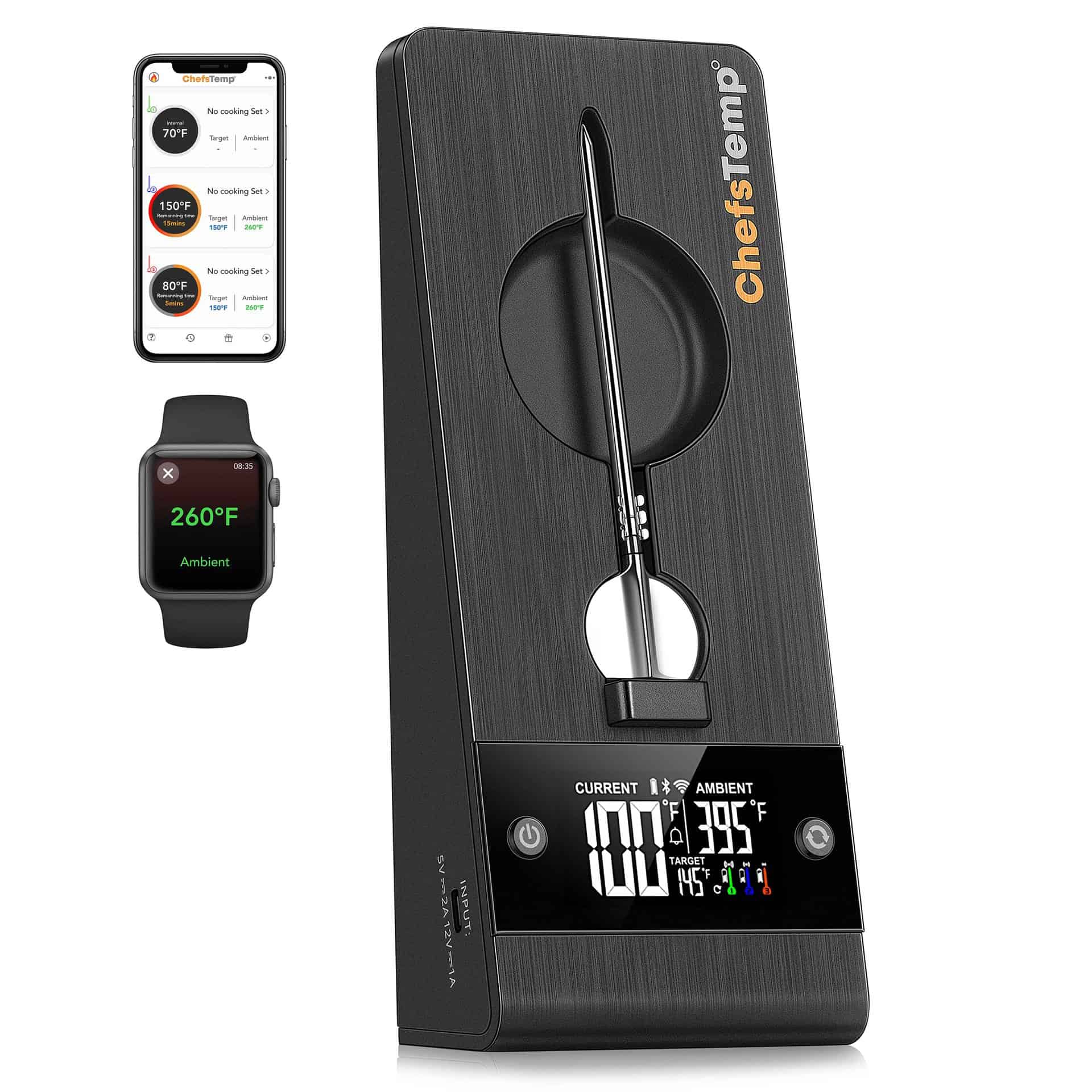
ChefsTemp-ProTemp-2-Plus
I used to get quite anxious when I had to pull a long cooler hold. On a full-day overnight cook, you watch your meat on the go for about 16 hours, and then you put it in a cooler for a full 8 hours. It is a bit risky. Most standard Bluetooth probe thermometers don’t last through this. Most lose their signal once the lid is clasped shut, and the rare few die after the 16-hour mark. If the thermometer indicates the meat is in danger of dropping below 140°F, the lid is closed on the thermometer’s danger zone as new bacteria begin to multiply.
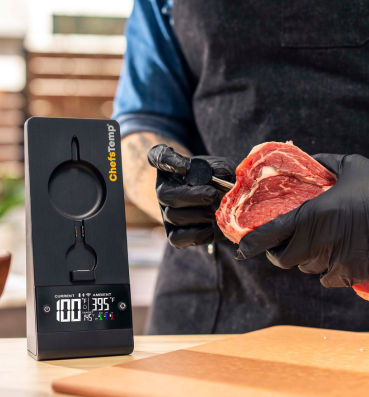
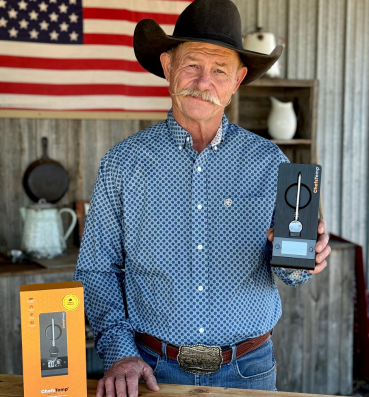
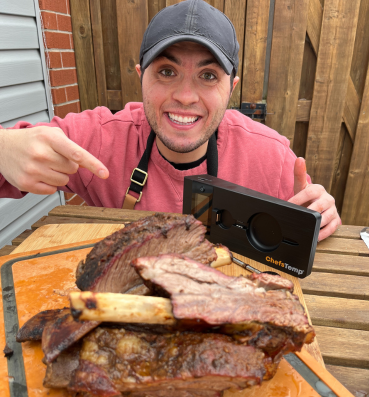
Resting brisket requires more than just wishful thinking. That’s why my go-to is a smart wireless meat thermometer, ChefsTemp ProTemp 2 Plus. They have the best battery life on the market – 40 hours. It lasts through the longest cooks and overnight holds. What is even more impressive is the 2.4GHz Wi-Fi technology. The base packs a serious punch, easily breaking through the walls of coolers and sending updates to my phone. Smart technology puts the control in your hands, God of the Brisket style. I don’t have to crack the cooler and lose the precious heat to see the progress of my cook. The ProTemp S1 is the answer to your woes if you need to take your pit to the next level.
Steak needs a different approach to cooking. The rules of resting need to be altered slightly. For more everyday cooking tips, check out The Myth of Letting Meat Rest: What You Need to Know.
FAQ about How Long to Rest Brisket
Q1: What temperature should brisket rest at before slicing?
At temperatures above 150°F, the brisket loses moisture. For perfection, aim at resting temperatures around 140°F to 145°F. The brisket glistens with moisture, and the fat becomes buttery and glistening.
Q2: Can I rest my brisket in a cooler overnight?
Yes, there are risks. For example, if the cooler temperature drops below 140°F, bacteria could multiply quickly, potentially making the meat unsafe to eat. You should keep a probe with a mobile alarm.
Q3: What happens if I don’t rest my brisket?
Skipping the proper brisket rest time is a disaster. Without cooling to let the fibers relax, intense internal pressure forces all the moisture straight onto your cutting board, leaving your 15-hour cook hopelessly tough and dry.
To ensure you never miss the perfect pull temperature, setting up mobile alerts is crucial. Learn more in our guide: WiFi Meat Thermometer: A Complete Guide to Smart Cooking with App Control.
Conclusión
Resting meat isn’t a waste of time; it’s a process of protecting all your effort by cooling it down accordingly, thermodynamically speaking. Figuring out exactly how long to rest brisket used to make me rather anxious, but that changed with the establishment of a hard, strict two-phase drop method. I measured, I didn’t guess. ChefsTemp had the right tools, and so I tented and trusted the given data. I was never let down, and it was worth it. The time was worth every bite of the reward.
Descubra otros productos ChefsTemp

Descubre más recetas y aprende trucos de cocina uniéndote a nuestra familia de cocina en Facebook.
También te puede interesar: