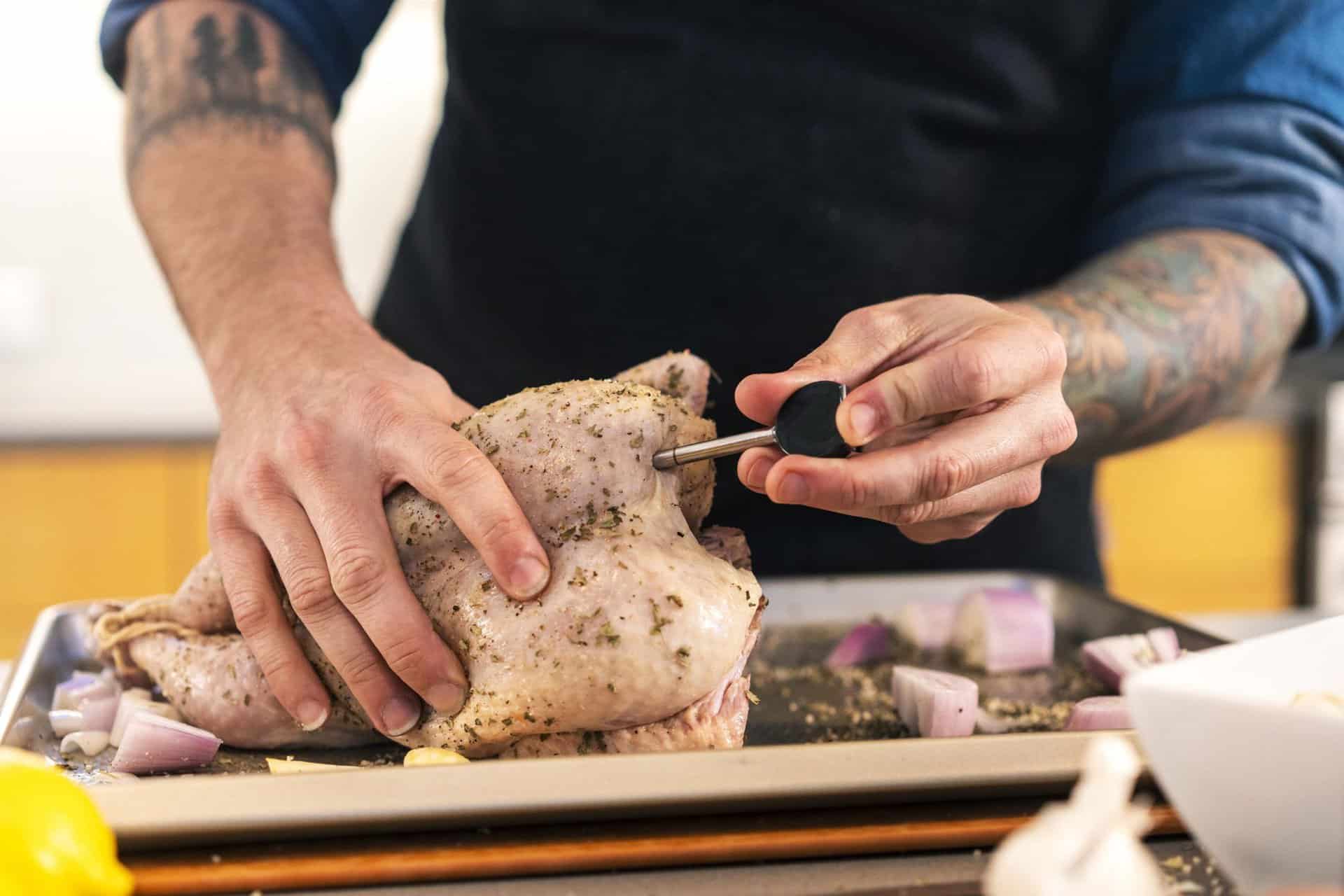
What are Some Good Meat Thermometers for Home Use?
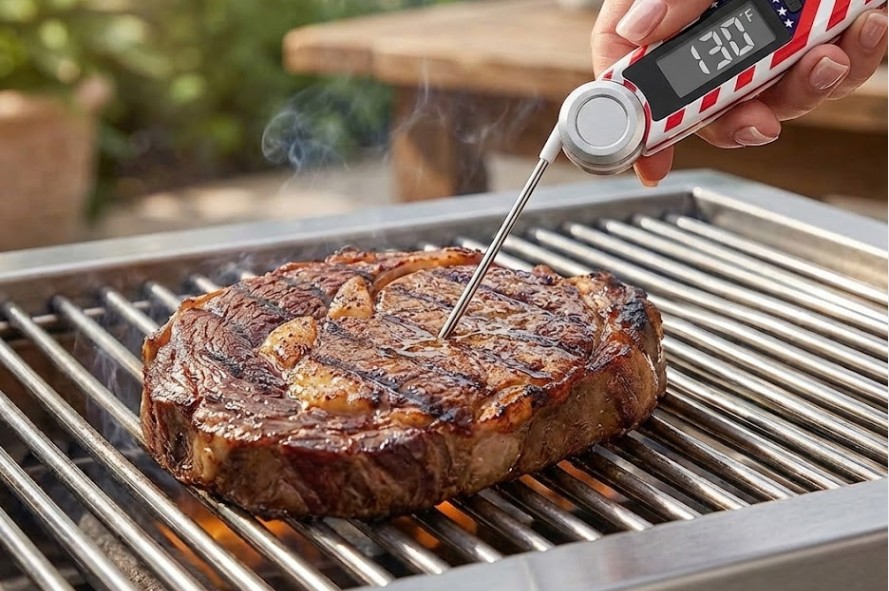
The best wireless meat thermometers have emerged as invaluable devices for home chefs, providing both convenience and precision in monitoring cooking temperatures. Let’s delve into some standout wireless meat thermometers for home use today.
Tabla de contenido
What are Some Good Meat Thermometers for Home Use?
Smart Wireless Meat Thermometer:
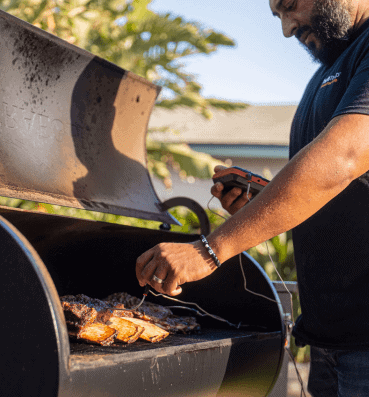
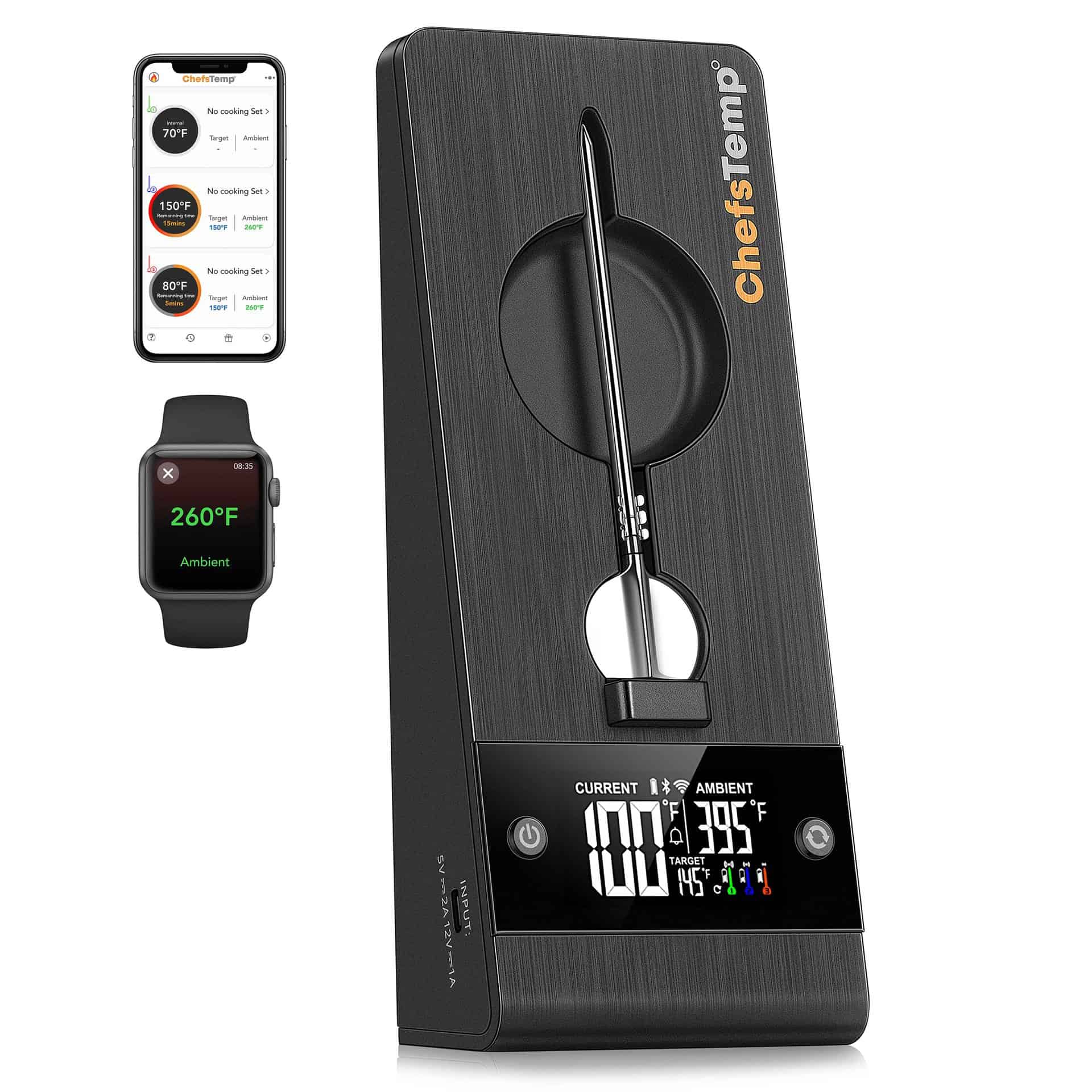
Using Bluetooth or Wi-Fi, this cutting-edge thermometer connects to your smartphone or tablet without any fuss or tangled wires. It provides real-time temperature measurements and notifications via an associated app, letting you keep an eye on your cooking from a distance. Oven and grilling fans love it for its innovative design and convenient features.
Wireless Remote Digital Cooking Food Meat Thermometer:
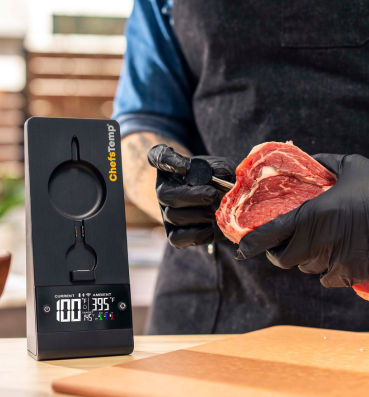
Equipped with dual-probe technology, this thermometer provides accurate temperature readings without the limitations of wired devices. It allows you to multitask while ensuring your meat is cooked to perfection, thanks to its wireless range of up to 300 feet. For extra convenience, check the meat’s internal temperature and the cooking appliance’s temperature simultaneously.
Bluetooth Thermometer:
This multi-device-compatible thermometer uses Bluetooth to monitor your meat’s temperature via a dedicated app. With its numerous probes and wireless connectivity, it can be used in a variety of culinary environments and provides accurate temperature monitoring without the inconvenience of cables.
Wireless Grill BBQ Thermometer:
This thermometer has an easy-to-use app design and is reasonably priced without sacrificing quality. It meets various cooking needs, offers a respectable wireless range, and includes several probes, making it an excellent alternative for those looking for a dependable yet affordable option.
Bluetooth Meat Thermometer:
This waterproof thermometer guarantees longevity thanks to its large, clearly visible display for rapid temperature readings. You can connect even from a distance with its extended Bluetooth range and rechargeable battery, which lets you keep an uninterrupted eye on your cooking.
How to Calibrate a Meat Thermometer?
To ensure exact cooking, make sure your meat thermometer is accurate. A critical stage is calibration, which provides reliable readings. This is a how-to instruction for calibrating your meat thermometer:
Ice-Water Method:
Assemble Your Materials: Get your meat thermometer, a glass, ice cubes, and water.
Prepare Ice Water:
Fill the glass with ice cubes and add cold water until it’s full. To guarantee a consistent temperature, stir the mixture.
Insert Thermometer:
Without letting the probe touch the sides or bottom of the glass, insert the thermometer’s sensing area into the ice water. Hold it steady for several minutes until the reading evens out.
Calibration Check:
The thermometer should read 32°F (0°C) in the ice water. Note the difference between 32°F (0°C) and the displayed temperature if the measurement is incorrect. This variation shows the thermometer’s calibration error.
Adjustment:
Some thermometers have a calibration nut or a reset button that allows for manual adjustments. To fix the mistake, consult the manufacturer’s instructions. The user handbook may include specific instructions for recalibrating a digital thermometer.
Recheck Accuracy:
Check whether the thermometer now registers 32°F (0°C) by repeating the ice-water test after any modifications. Your thermometer is correctly calibrated if it does. If not, repeat the adjustments until the calibration is as desired.
Boiling Water Method (for dial thermometers):
Boil Water:
Pour water into a saucepan and bring it to a rolling boil.
The thermometer probe should be inserted into the boiling water without contacting the bottom or edges of the pot. After a few minutes, hold it still until the reading stabilizes.
Verify Reading:
Water boils at 212°F (100°C) at sea level. Check whether the thermometer records this temperature. If not, see how 212°F (100°C) differs from the temperature that is shown.
A calibration nut may be located beneath the dial on some analog thermometers. Adjust the nut with pliers so that the dial reads the correct boiling point. For information on recalibration, consult the manufacturer’s instructions for digital thermometers.
Re-evaluate Accuracy:
Make sure the thermometer now reads 212°F (100°C) by repeating the boiling-water test. Your thermometer is correctly calibrated if it does. If not, keep making adjustments until the proper calibration is obtained.
Why are Built-in BBQ Grill Thermometers so Unreliable?
In many grilling setups, built-in BBQ grill thermometers are standard. These thermometers are typically included in the grill’s lid or hood. These thermometers are known to be inaccurate and unreliable, even though they are convenient. Their lack of reliability is a result of several factors:
Placement and Positioning:
Built-in thermometers are often mounted high above the cooking area on the grill lid or hood. The temperature of the cooking grate where the food is placed may not be precisely represented by this location. Because heat rises, readings can be misleading, as the temperature at the lid may fluctuate significantly from the temperature at the cooking surface.
Calibration and Quality:
Many built-in thermometers use parts that are either lower quality or less accurate. They may be less accurate in calibration or more prone to variations due to exposure to extreme heat, bad weather, and normal wear and tear.
Variability in Grill Design:
Heat distribution and airflow are affected by the shapes, sizes, and materials of grills. Often, built-in thermometers are generic and not designed specifically for the grill they are mounted on. The lack of customization may lead to differences in temperature readings across grill types.
Exposure to High Heat:
Grilling exposes one to very high temperatures, and the built-in thermometers are often exposed to this heat. The thermometer’s accuracy may deteriorate over time due to this exposure, leading to drifting readings and increased unreliability.
Tip: Click here to learn more about high-heat cooking tips.
Absence of Routine Maintenance:
Many grill owners forget to calibrate or maintain their built-in thermometers. These thermometers lose accuracy over time if not properly maintained, cleaned, and occasionally calibrated, thereby increasing their unreliability.
Due to these inherent limitations, relying solely on a built-in grill thermometer might compromise the quality of your cooked meats. Using a separate, premium meat thermometer set directly on the cooking surface is advised for accurate temperature control and consistent cooking. This method gives precise readings that are specific to the food being cooked, making it easier to determine when it’s done.
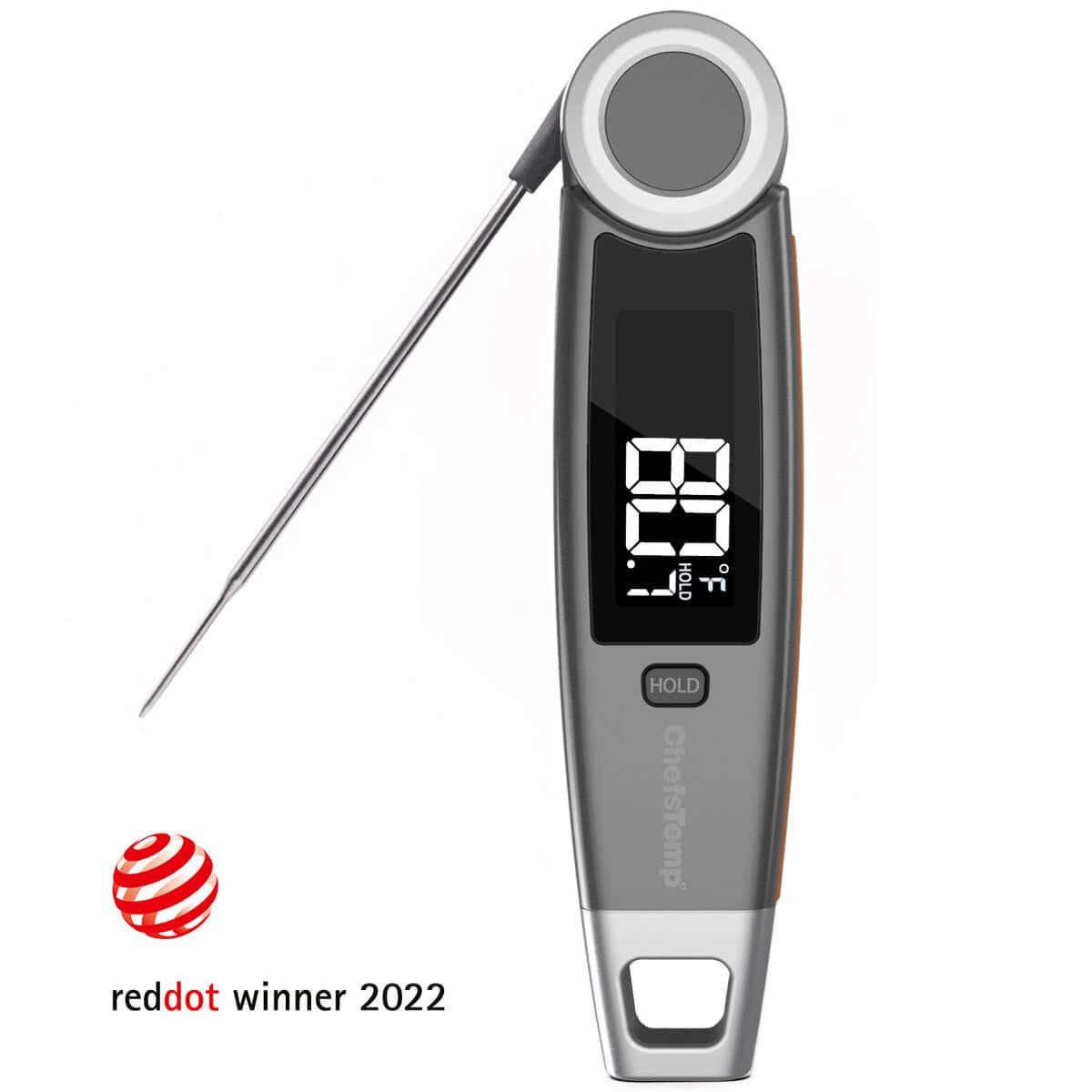
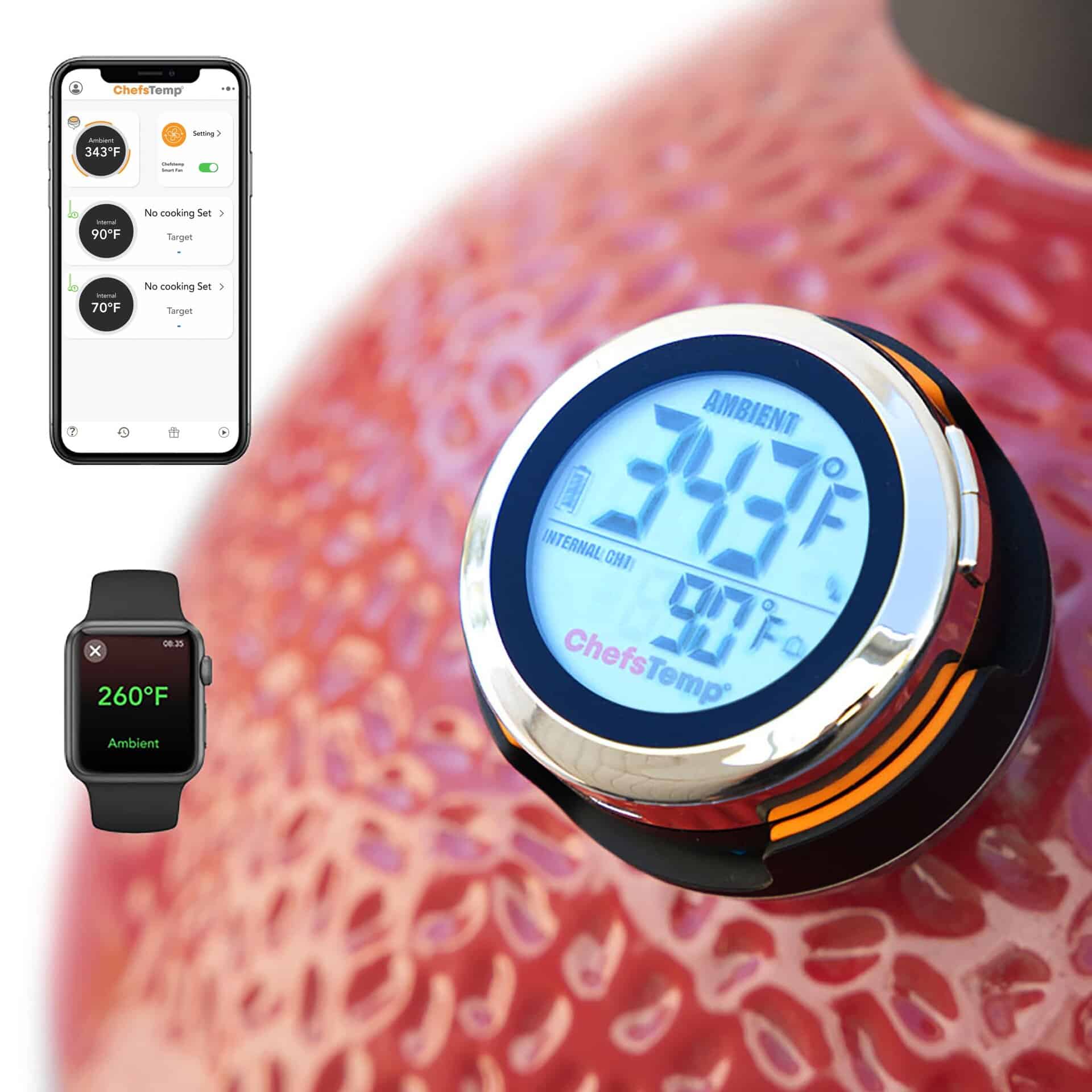
Discover Precision Cooking with ChefsTemp Wireless Meat Thermometers!
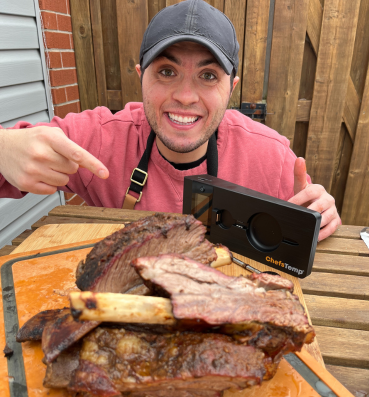
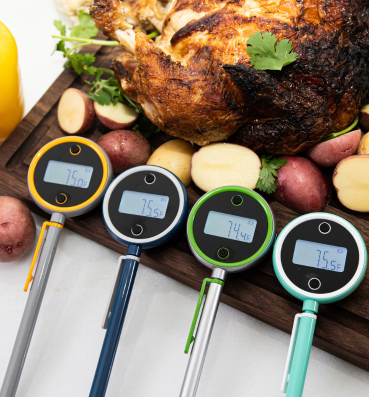
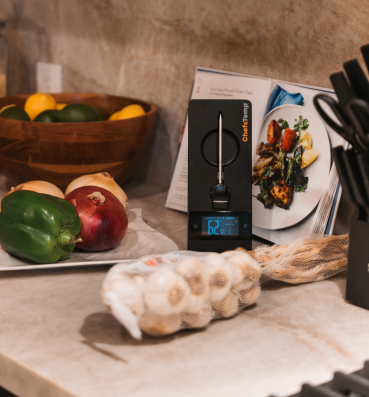
Looking for top-tier wireless meat thermometers that elevate your culinary precision? Look no further than ChefsTemp! Our range of wireless meat thermometers is crafted to meet the needs of discerning chefs and home cooks alike.
Visit ChefsTemp today and explore our range of the best wireless meat thermometers. Elevate your cooking game, savor perfectly cooked dishes, and cook with confidence knowing you have the best tools at your disposal. Don’t wait! Order yours today.
Descubra otros productos ChefsTemp
Descubre más recetas y aprende trucos de cocina uniéndote a nuestra familia de cocina en Facebook.
También te puede interesar: