12 Hour Brisket Smoke: How to Master It with the ChefsTemp Breezo System
Smoke draws a crowd. The US barbecue grill market will reach USD 1.64 billion by 2031, underscoring that cooking outdoors is now a permanent backyard ritual. In fact, a 12-hour brisket smoke is a top choice for backyard fans. However, this slow cooker is very easy to ruin. You need steady fire control. You also need exact meat temperatures. Finally, a trusty thermometer is vital. These three details create a tender brisket. This guide explains every step. You will learn how the ChefsTemp Breezo V2 BBQ Temperature Control Fan handles your fire management for good.
Table des matières
Part 1. Why 12-Hour Brisket Smoke Actually Works
A proper 12-hour brisket smoke relies entirely on chemistry, patience, and time. This cut comes straight from the cow’s hard-working chest. It is a dense brick of muscle packed tight with stubborn collagen. If you cook it like a steak, it chews like an old shoe.
A steady, low heat fixes your problem:
- Slow fires melt that tough collagen down into rich, sticky gelatin.
- While standard beef hits safe temps at 145°F, brisket stays chewy until the thickest spot climbs past 200°F.
- Time without steady heat means nothing. Temperature swings dry the meat out fast.
Rushing the fire always ruins the weekend. Over 80% of North American homeowners own a smoker, yet most still fight their fires rather than manage them. When you actually dial in the heat, the hours pay off with soft, perfect slices that practically melt.
Part 2. Tools, Ingredients & Prep for 12-Hour Smoked Brisket
Great barbecue starts with good prep and the right gear. First, ask your butcher for a whole packer brisket. Try to buy USDA Choice or Prime. The rich fat naturally bastes the beef during a long cook.
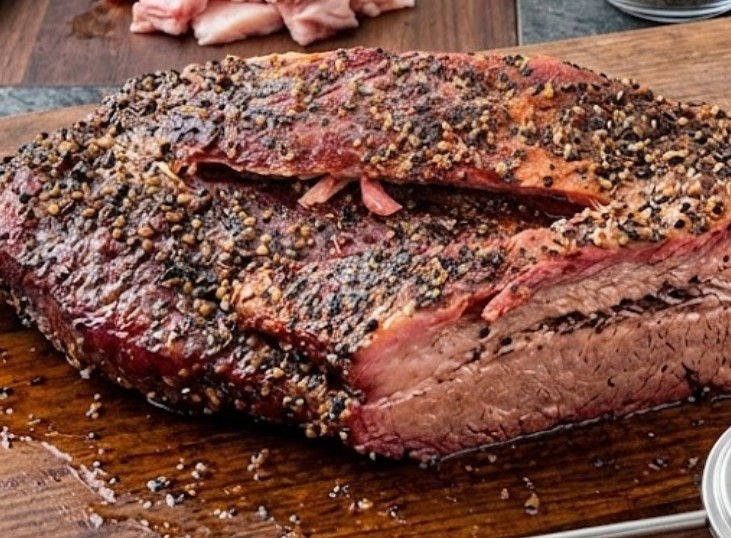
Raw meat needs a solid foundation. A quick smear of plain yellow mustard works like glue. It catches and holds your simple rub – equal parts coarse salt and black pepper, plus a tiny pinch of garlic.
Set up your station before lighting the fire:
- Grab oak, hickory, or pecan wood.
- Fill a spray bottle with apple cider vinegar to tame dry edges.
- Lay out pink butcher paper, a sharp knife, and a massive cutting board.
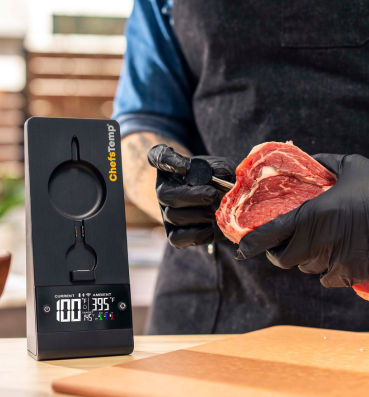
- Rig up a wireless pit thermometer.
Factory lid gauges lie. Trusting them is a quick way to ruin expensive beef. For the exact numbers, ChefsTemp breaks down the best brisket smoke temp and timing science from the first trim through the final slice.
Part 3. What to Look for When Choosing a 12-Hour Brisket Recipe
Finding a trustworthy 12-hour brisket recipe feels like walking a minefield. Bad guides are everywhere. Before buying your meat, check these instructions carefully:
- Look at the target heat: A reliable guide demands 225°F to 250°F.
- Avoid extreme ranges: Anything lower drags the cook out endlessly. Pushing past 275°F scorches the fat before it ever has a chance to render.
- A wrap step: Any solid 12-hour brisket recipe calls for wrapping the meat. This crucial step pushes the beef through the long stall.
- Temp checkpoints: The best guides focus on internal meat temperatures, not just the clock.
- A rest period: You must rest the beef for 1 to 2 hours. Skipping this step ruins all the rich juices.
- Wood choices: Look for mild woods, such as oak. Skip mesquite wood entirely. Its heavy smoke turns acrid and bitter over a full day, like an overcooked pot of coffee.
A solid 12-hour brisket recipe ignores the clock completely. Just trust the meat’s internal temperature to steer the ship.
Part 4. How to Prepare Your Smoker for the Best Brisket Smoke Temp
Airflow is everything in a 12-hour brisket smoke. Ash buildup chokes the fire, causing wild temperature swings. Start with a clean rig every single time.
Run through this prep checklist before you light anything:
- Scrub the grates clean and remove all old grease
- Empty the ash pan completely
- Fill a water pan and place it inside the cooking chamber
- Light your fuel, close the lid, and leave it alone
- Wait 30 minutes for the temperature to stabilize fully
Ask any veteran pitmaster. The best temperature for smoking brisket falls between 225°F and 250°F. Riding low at 225°F forges a heavy crust but eats up your day. Nudging the coals to 250°F saves hours while keeping the beef soft. Watch that exhaust stack. Choking white smoke tastes like bitter ash. You want thin, wispy blue drafts.
Part 5. How to Trim and Season 12-Hour Brisket Smoke Like a Pitmaster
Trimming and seasoning correctly sets up your entire cook for success. Always start your trim while the meat is cold. Cold fat stays firm and cuts cleanly, while warm fat tears and makes a huge mess.
Follow these simple steps for a perfect trim:
- Place the beef fat-side up on a large board.
- Shave the top fat cap down to exactly one-quarter inch.
- Remove the hard, waxy chunk between the two muscles.
- Round off any sharp meat edges to prevent burning.
- Flip the cut to peel away the tough bottom silver skin.
Wipe a thin, even layer of yellow mustard across the chilled beef. It acts like glue for the spices. Now, hold your shaker high above the board. Let the coarse grains rain down evenly like fresh snow. Leave that seasoned slab on the counter. It takes a full hour to sweat before facing the fire.
Part 6. Master a 12-Hour Brisket Smoke with the ChefsTemp Breezo System
Temperature control always makes or breaks your cook. You must manage a live charcoal fire carefully. A single distraction can quickly ruin a long smoke. Thankfully, you can master a 12-hour brisket smoke with the ChefsTemp Breezo System. This smart tool combo controls your fire automatically so you can truly relax.
First, you need to start the smoke phase correctly. Place the beef fat-side down if the heat comes from below. Shut the lid heavily. Walk away. Every peek bleeds out hard-earned heat like an open window in winter.
- Keep the pit steady at 225°F to 250°F for 3 solid hours.
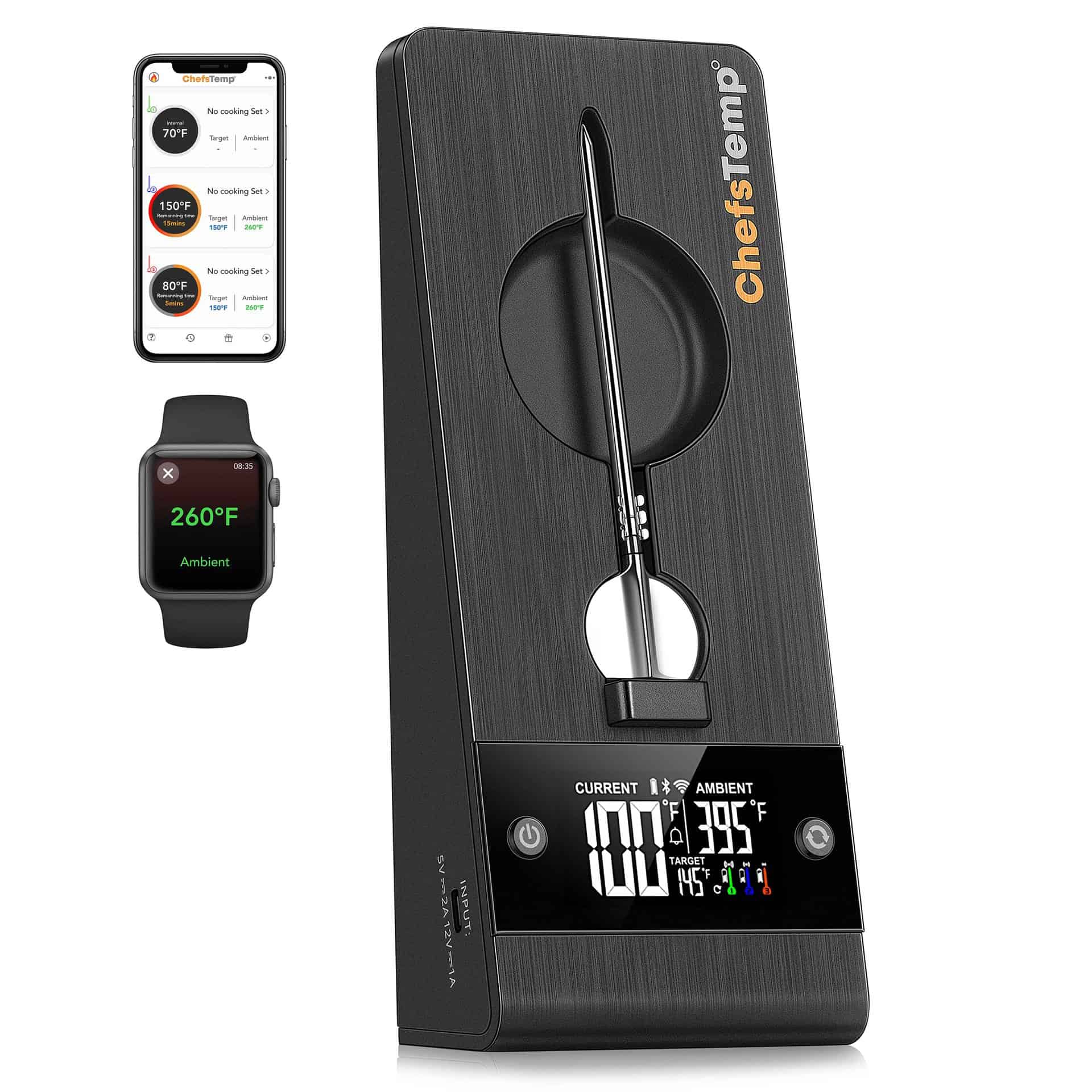
- The ProTemp S1 quietly watches the fire from afar, buzzing your phone if the coals get out of hand.
- Once that three-hour mark hits, hit the dry crust with apple cider vinegar mist every hour to lock in a pitch-black bark.
Next, you will face the wrap phase. The meat temperature will likely freeze around 160°F. This annoying pause is called the stall—the beef sweats, which naturally cools your smoker.
- Wait patiently until the meat hits 165°F to 170°F.
- Test the crust with your fingernail. Wrap the beef only when the bark feels firm.
- Wrap the meat tightly in two sheets of pink butcher paper to trap steam and push past the stall.
Finally, you reach the finishing phase. The wrapped meat cooks much faster now. Watch the gauge like a hawk past 195°F. Your target pull temp lands squarely between 200°F and 205°F. Never trust numbers alone. Stab the thickest muscle with a steel probe. It must glide through like a hot knife in butter. If it glides through like soft butter, your cook is complete. Pull the beef off the smoker immediately.
Part 7. How the Breezo Fan Controls Your 12-Hour Brisket Smoke8
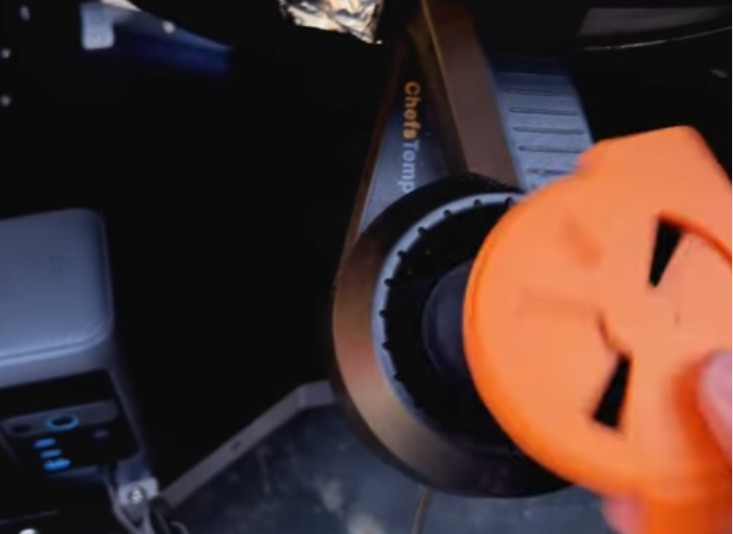
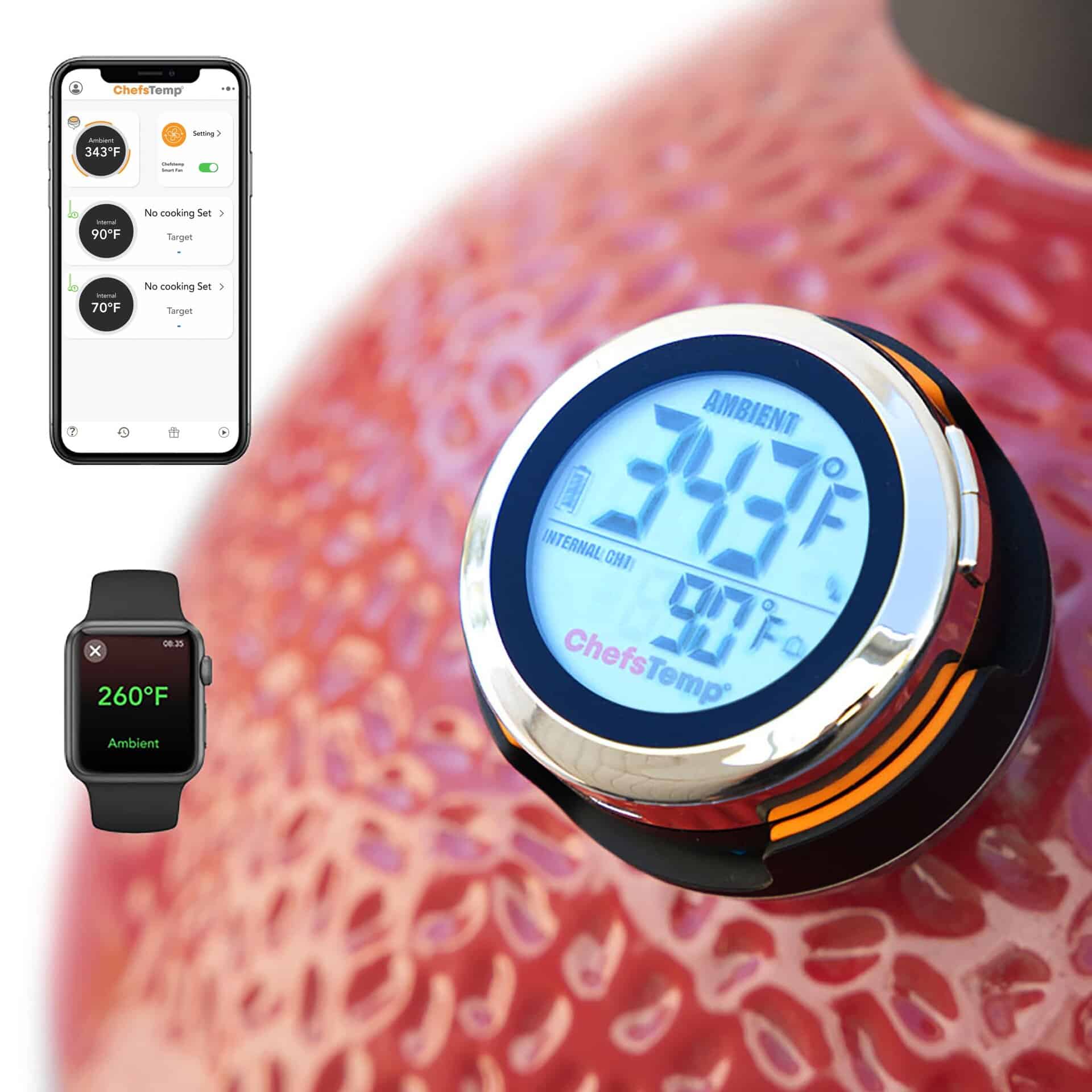
Le Ventilateur de contrôle de température pour barbecue Breezo V2 clips onto the bottom air vent of your smoker. This smart tool works directly with the ProTemp S1 to control airflow. When the coals fade, it blows fresh air to wake them up. When the pit runs hot, it stops running entirely. This smart loop keeps your fire within a tight 5-degree window for a full cook.
The raw hardware backs up the promise.
- It pushes a massive target-heat range, easily holding from 122°F to a roaring 600°F (50°C to 315°C).
- The plastic shell refuses to melt until 302°F (150°C).
- Forget exploding batteries near a live fire. It runs completely safely off a 5V DC USB-C cord.
- It clamps seamlessly onto heavyweight smokers like Kamado Joe, Big Green Egg, or the classic Weber Smokey Mountain.
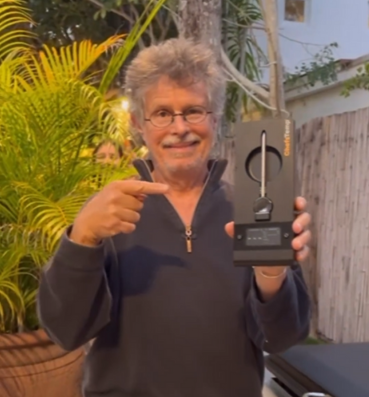
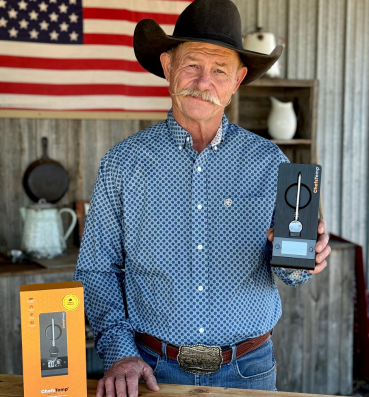
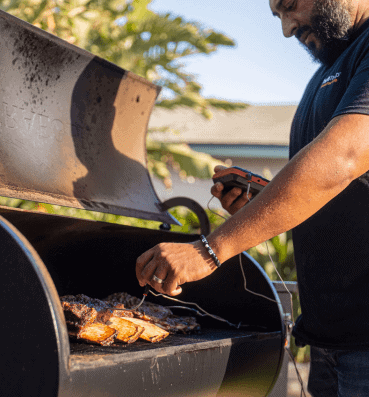
For proof, read how an experienced pitmaster runs a ProTemp S1 and Breezo Fan on a Primo XL. He actually slept through an overnight stall without making one adjustment. As a top tip, shut your top chimney cap to a tiny 2-3 mm slit. That small gap gives the bottom fan complete control over your fire.
Part 8. How to Rest and Slice Your 12-Hour Beef Brisket
Resting your meat properly matters just as much as the cooking itself. You must never slice a hot brisket right off the smoker. Resting the beef demands zero shortcuts. Rush the knife, and your board floods with precious juices. You worked too hard for dry meat.
Wrap that greasy butcher paper tight in a thick bath towel. Treat it like a sleeping newborn.
- Bury the bundle deep inside an empty, dry cooler.
- Slam the lid tight.
- Walk away for 2 to 3 agonizing hours.
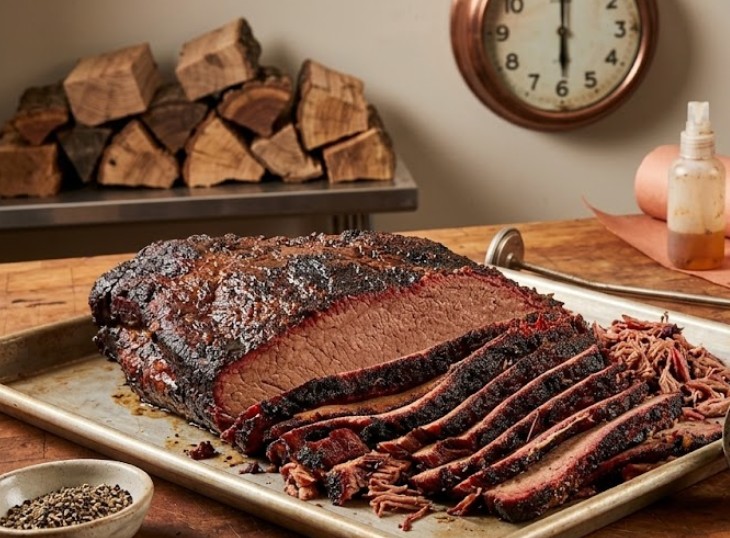
The heat traps itself, allowing the boiling collagen to settle back softly into the muscle fibers. When you finally pull it, grab a massive knife. Slice firmly against the harsh grain. Aim for slices exactly as thick as a standard pencil. The grain aggressively switches direction at the fatty point, so turn the block on its side. Treat your 12-hour beef brisket with patience, and the tender bite speaks for itself.
Part 9. Conclusion
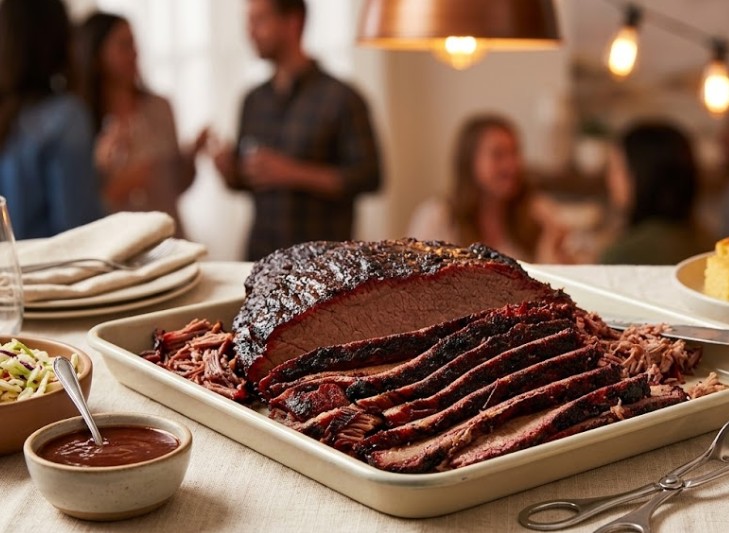
A proper 12-hour brisket smoke relies on three basic truths. Steady coals. Exact numbers. Time. Keep that fire stubbornly trapped between 225°F and 250°F. Once the meat sweats and stalls around 165°F, wrap it tightly. Pull the heavy slab right at 200°F. Walk away. Let those boiling juices settle completely before you even think about grabbing a knife.
Just as important, the ChefsTemp Breezo System helps control the fire with less effort. Pairing the ProTemp S1 with the Breezo V2 fan keeps your cook on track. So, whether you smoke at home or for guests, you get consistent, high-quality results every single time.
Part 10. FAQs about 12-Hour Brisket Smoke
Q: Is 12 hours enough to smoke brisket?
Yes, a lean 10-pounder sitting at 250°F will usually surrender by the twelfth hour. But try rushing a massive 15-pound packer. That heavy cut demands 18 to 22 hours hovering at 225°F. Time is just a guess. You cook by feel. When your steel probe slips into the thickest muscle like it is warm butter, the cook is over.
Q: Why is my brisket still tough after 12 hours?
You probably ran the pit too hot. Beef collagen acts like a thick rubber band. Slow, creeping heat melts it into sticky gelatin. Rushing the fire sears it shut entirely. Even if your screen flashes 200°F, fast cooking stops the breakdown. Slow down. Trust the physical probe.
Q: Is it better to smoke brisket at 275°F or 225°F?
It all comes down to patience. Dragging a fire at 225°F builds a pitch-black bark. You pay for it in lost sleep. Nudging the heat to 275°F buys your Saturday back, though the crust finishes slightly thinner. Want the absolute best of both worlds? Run exactly 250°F.
Q: What are common mistakes when smoking brisket?
Stop touching the heavy lid. Every quick peek bleeds out hard-earned heat. Dodging the butcher paper wrap traps you in an ugly temperature stall. Slicing early dumps precious juices everywhere. Watch your exhaust pipe closely. Choking the coals creates bitter, thick smoke. You want a thin, pale blue draft.
Q: Can the Breezo Fan be installed on my cooking device?
If you burn charcoal, you are golden. The Breezo Fan snaps right onto heavyweights like the Big Green Egg, Kamado Joe, or a classic Weber Smokey Mountain. Got a custom steel offset? Just drill a 1.25-inch hole and patch the raw edges. Keep it away from gas or pellet rigs.
Découvrez les autres produits ChefsTemp

Découvrez plus de recettes et apprenez des astuces de cuisine en rejoignant notre communauté culinaire sur Facebook.
Vous pourriez aussi aimer :