Carry Over Cooking: Why Meat Keeps Heating Up After You Pull It
Carry-over cooking begins the second food leaves the grates. A blistering crust holds intense thermal energy. That heat keeps driving inward long after the flame is gone. This invisible momentum dictates dinner. It forms the razor-thin line between a rosy prime rib and a tough, dry disappointment.
Mastering this thermal shift gives you total command over the fire. With data from the Hearth, Patio & Barbecue Association showing that 80% of U.S. homeowners now own a grill, managing heat transfer is a necessary backyard skill.
You must hit strict USDA safety targets, but you never have to sacrifice moisture. This guide breaks down a practical cuisine de report chart, along with proven resting methods for steaks, poultry, and slow-smoked barbecue.
Table des matières
Part 1. The Science Behind Carry-Over Cooking
The science behind carry-over cooking comes down to basic physics. Heat always chases cold. At the same time, a steak sears on the grill, its outer crust absorbs massive amounts of heat. It becomes incredibly hot, yet the very center remains cool.
Pulling that food off the grates does not hit a magical pause button. That trapped heat has to go somewhere, so it travels directly inward. This thermal momentum pushes internal temperatures higher long after the cooking stops.
Watching how it behaves keeps you entirely in control:
- The Inward Pousser: Cooks call this thermal conduction. The wider the temperature gap between a blistering crust and a cool middle, the harder that heat drives inward during the rest.
- Mass Matters: Heavy cuts hold more stored energy. A massive prime rib or a whole turkey can easily jump 10-20°F after leaving the oven. Thin steaks usually bump up a mere 3-8°F.
- The Cookware Trap: Cast-iron skillets and heavy metal baking sheets stay screaming hot for ages, and leaving your dinner resting on hot metal forces unwanted energy straight back into the meat.
Transfer your meat to a cool cutting board or a wire rack immediately. This single motion breaks the chain of heat. You stop the hot pan from ruining the meal.
Part 2. Factors That Influence Carry-Over Cooking
Pulling food from the fire never stops the cooking dead in its tracks. Heat carries momentum. Once you understand the hidden forces driving that temperature spike, you stop guessing at the grill.
A few physical quirks dictate exactly how your dinner finishes.
- Cut Size and Thickness: A heavy 2-inch ribeye packs serious thermal momentum. It coasts much further up the thermometer during the rest than a flimsy skirt steak ever could.
- Cooking Temperature: Blasting a chop over roaring coals sends a violent wave of heat crashing inward. Meanwhile, cooking meat low and slow builds a gentle, highly predictable warmth.
- Bone, Fat, and Shape: Think of bones as internal heating pipes. They speed energy along. Fat acts like heavy winter insulation, actively blocking the fire. Because awkward, lopsided shapes cook unevenly, always probe bone-in pieces in several different spots.
- Foil Tenting and Airflow: Wrapping a hot carry-over-cooked steak tightly in foil creates a destructive little sauna. The meat ruins itself in minutes. Heavy roasts handle a loose tent beautifully. Smaller cuts need open air to breathe.
Learning to read these elements changes everything. You stop hoping for a perfect, juicy center.
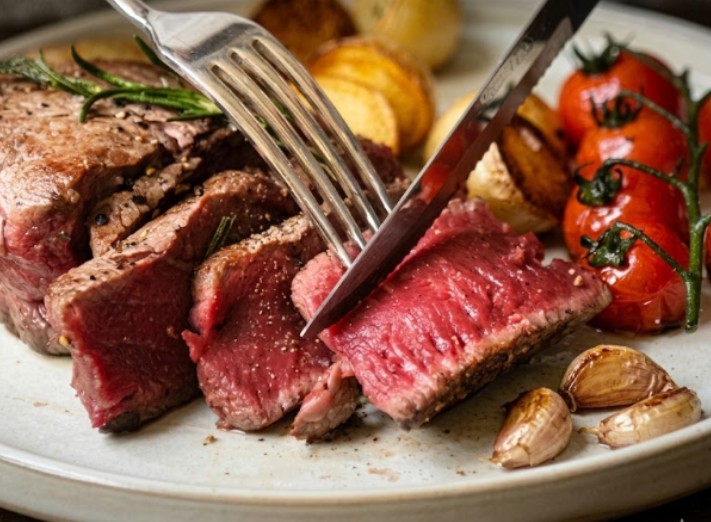
Part 3. Carry Over Cooking Chart: Pull Temps for Every Cut
Pilots never aim for the end of the runway. They touch down early. Momentum handles the rest. Meat requires the same calculation. This carry-over cooking chart maps out those precise thermal landing zones. Use these numbers as a reliable baseline, not a rigid law.
| Nourriture | Final Target | Pull at This Temp | Typical Rise | Temps de repos |
Steak (rare) | 120–125°F | 113–117°F | 5–8°F | 5–8 min |
Steak (medium-rare) | 130–135°F | 122–127°F | 7–10°F | 5–10 min |
Steak (medium) | 140–145°F | 133–137°F | 6–8°F | 5–10 min |
Lamb chops | 130–145°F | 123–137°F | 5–8°F | 5–8 min |
Côtelettes de porc | 145°F | 138–140°F | 4–6°F | 5–8 min |
Beef roast (medium-rare) | 130–135°F | 118–122°F | 10–15°F | 20–30 min |
Lamb roast | 130–145°F | 120–133°F | 10–15°F | 15–25 min |
Pork roast | 145°F | 133–138°F | 5–10°F | 15–25 min |
Blanc de poulet | 165°F | 160–162°F | 3–5°F | 5–10 min |
Poulet entier | 165°F (thigh) | 158–160°F | 5–8°F | 15–20 min |
Turquie | 165°F (breast & thigh) | 155–160°F | 5–10°F | 25–40 min |
Brisket (smoked) | 200–205°F | 195–200°F | 3–8°F | 30–60 min+ |
Keep this carryover cooking chart handy for your next barbecue. A heavy ceramic cooker distributes heat very differently from a cheap metal oven. Take notes on what happens on your grates. Adjust your timing on the fly.
Part 4. Why Carry Over Cooking Matters for Different Foods
Every protein reacts to fire differently. If you leave dinner over the coals until the thermomètre à viande intelligent hits your final target, you will crash. The food will be left overcooked on the kitchen counter. You must anticipate thermal momentum.
Here is how to navigate the resting phase for different meats:
- Steaks and Beef Roasts: Beef offers a wide safety net. Yet, a gray steak ruins the night. Massive cuts like prime rib act like heavy thermal sponges. They absorb tremendous energy. Their internal temperatures skyrocket on the cutting board. Pull them 10 to 15°F early. Loosely tent them. Watch that perfect rosy center emerge.
- Lamb Chops and Roasts: Lamb is incredibly fragile. It dries out fast. Blasting chops over roaring heat builds a crust packed with violent energy. Expect a quick 6 to 8°F jump right off the grates. Treat whole lamb legs just like heavy beef roasts. Yank them 10 to 15°F early.
- Pork Chops and Roasts: The USDA recommends cooking whole pork to 145°F. This modern standard completely saves your dinner. To keep chops dripping with natural juice, slide them off the heat at 138 to 140°F. The ambient rest safely carries them exactly to that finish line.
- Chicken and Turkey: White meat sheds moisture instantly. Pulling a chicken breast at exactly 165°F guarantees a dry, stringy bite. Do not do it. Instead, pull them to around 160-162°F. For holiday Turkey, probe the thickest parts of the breast and thigh. Pull them between 155 and 160°F.
- Brisket and Smoked Cuts: Temperature only tells half the truth. Texture matters as much. Pull brisket between 195 and 200°F, but only when your probe slides through the meat like warm butter. Rest it for 30 to 60 minutes. For a visual guide, watch these easy steps to make smoked beef brisket before your next cook.
Walking away from the fire early feels unnatural. Ignore that anxious instinct. Trust your digital numbers, not your gut. Pull the food early and let the resting phase do the heavy lifting.
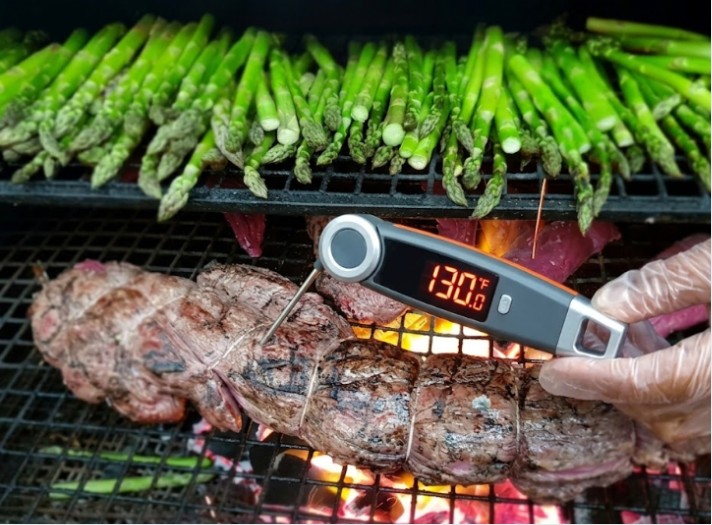
Part 5. Strategies to Maximize Carry-Over Cooking
A resting steak is exactly like a sprinter crossing the finish line. The race is over. The heart still pounds. Taming that thermal momentum takes deliberate habits, not blind luck.
Success actually begins long before your charcoal turns white:
- You must set your pull point before you start cooking. Pin down that exact target number early. It completely stops you from second-guessing the math when the meat starts sizzling.
- Transfer the food to a cool cutting board instantly. Leaving a thick pork chop in a scorching skillet acts like slamming the gas pedal instead of the brakes.
- Give the meat absolute silence. Rushing ruins expensive food. Small steaks need a quiet five to ten minutes. Massive holiday roasts demand up to forty.
- Always track your results on your own equipment. Every backyard smoker breathes differently. To build real consistency, monitor long cooks remotely. Watching the thermal climb from your phone means you never bleed heat by lifting a heavy lid.
- Right before dinner, recheck the temperature before carving.
Avoid these classic mistakes that might destroy your meat:
- Please, don’t rely solely on cooking time. A windy afternoon or a slightly thicker cut completely wrecks the clock. Internal heat remains your only honest guide.
- Keep your knife put away. Seriously, don’t cut immediately after pulling. Slicing a hot brisket floods your cutting board with moisture that belongs inside the beef.
- Don’t apply a tight foil wrap to small cuts. Suffocating a chicken breast in aluminum builds a destructive miniature oven. It overcooks in minutes. Rest smaller pieces in the open air.
- Don’t treat every protein the same way. A tiny lamb chop and a massive turkey run on entirely different schedules.
Patience pays dividends. Let the fire work. Let the ambient air finish the job. Trust digital numbers over your own anxiety. Soon, serving perfectly cooked food becomes a reliable routine.
Part 6. How ChefsTemp Tools Give You Full Control Over Carry-Over Cooking
Carry-over cooking only works if you measure it perfectly. Ultimately, the right meat thermometer turns stressful guessing into perfect, repeatable meals.
Here is how ChefsTemp tools give you total control over the resting phase:
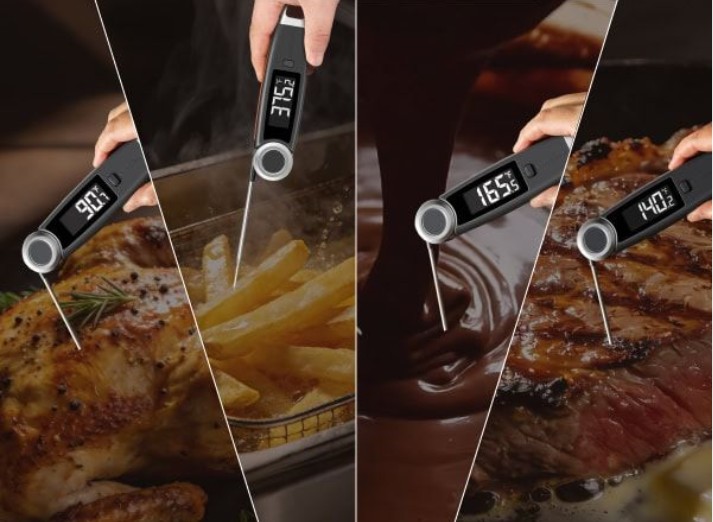
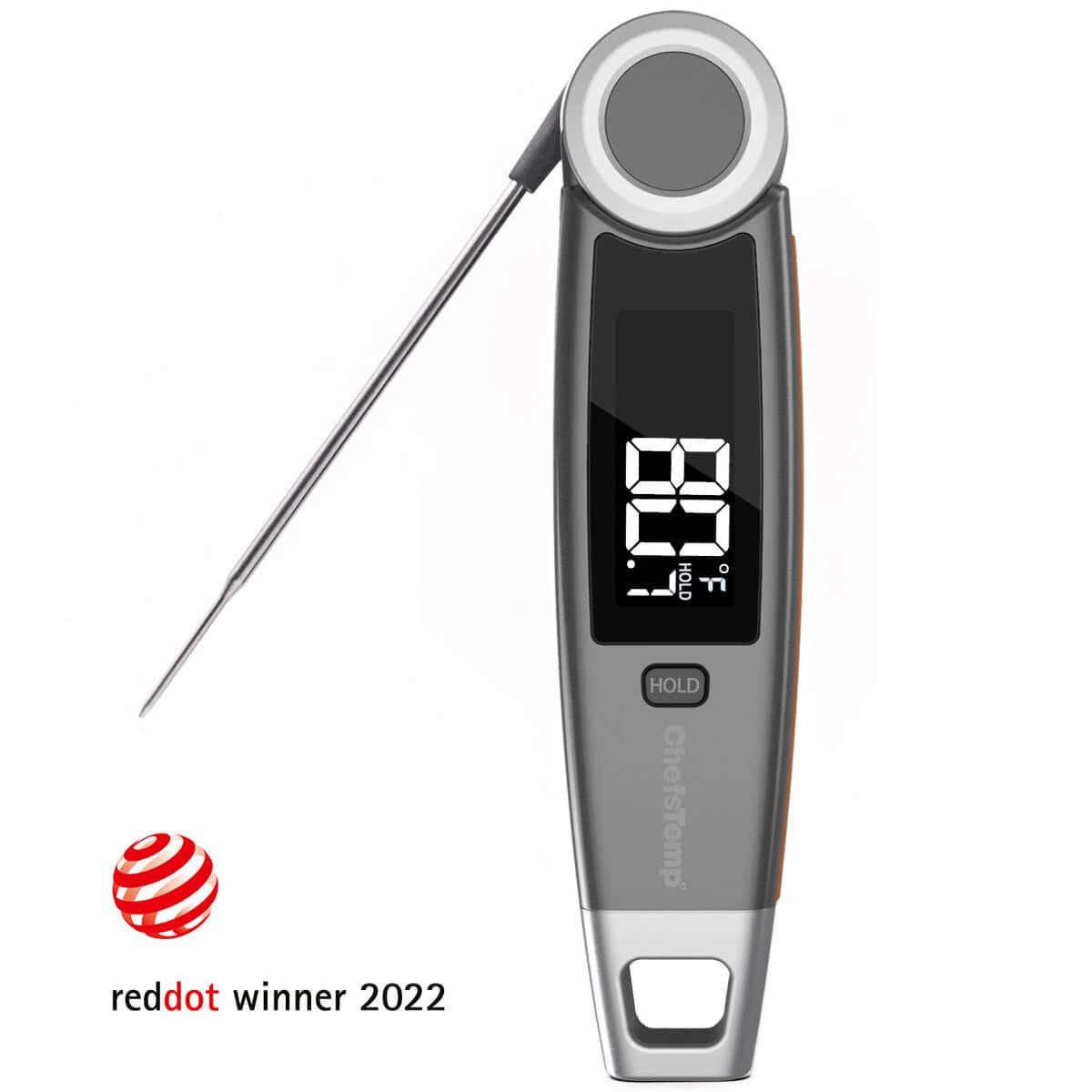
- Quick Reads: A sizzling weeknight steak demands speed. You need the truth instantly. An thermomètre à viande à lecture instantanée delivers that exact number in seconds. The finish line leaves no room for hesitation.
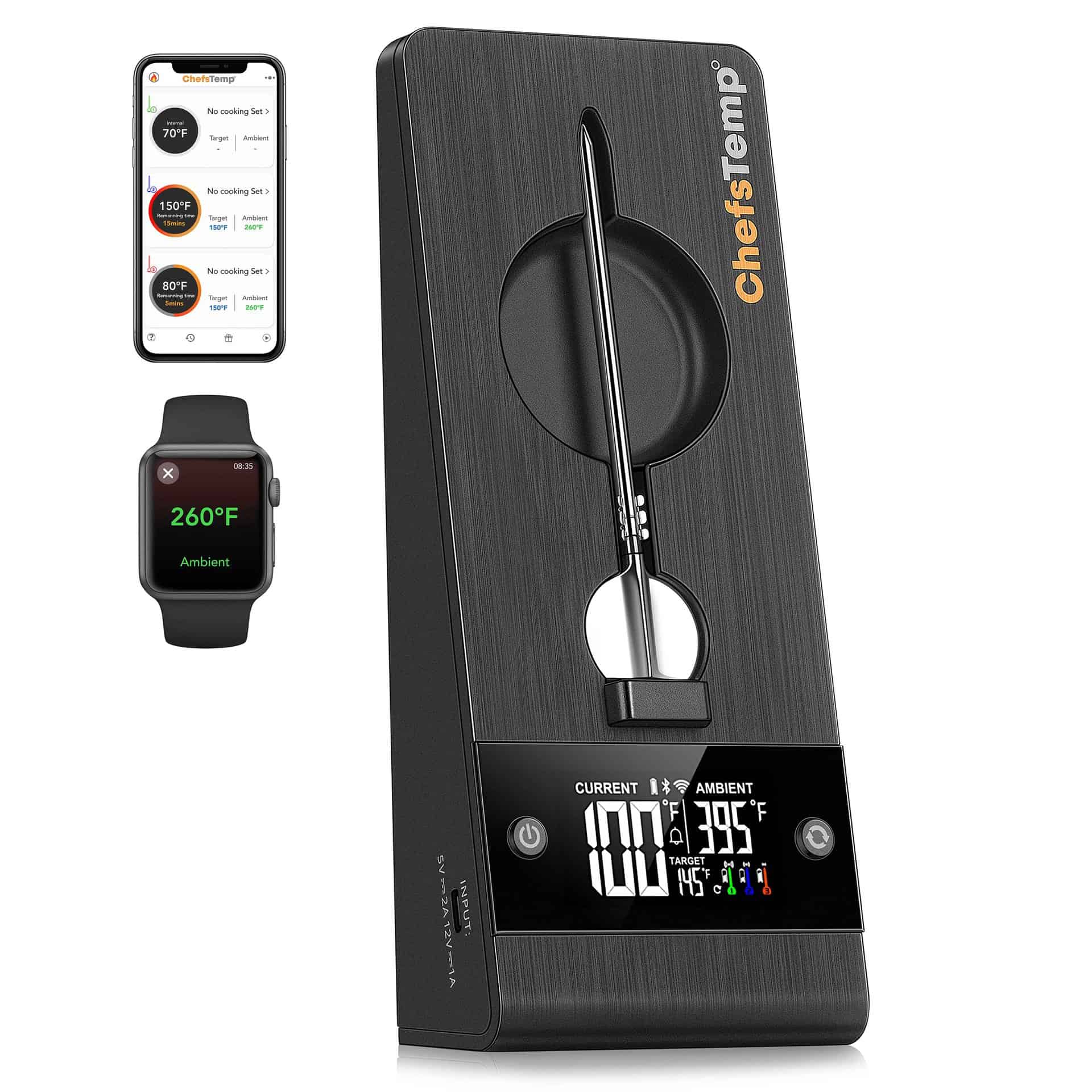
- Long Cooks: Massive holiday turkeys and overnight briskets run like marathons. Here, a smart meat thermometer handles heavy lifting. It completely strips away the blind guessing.
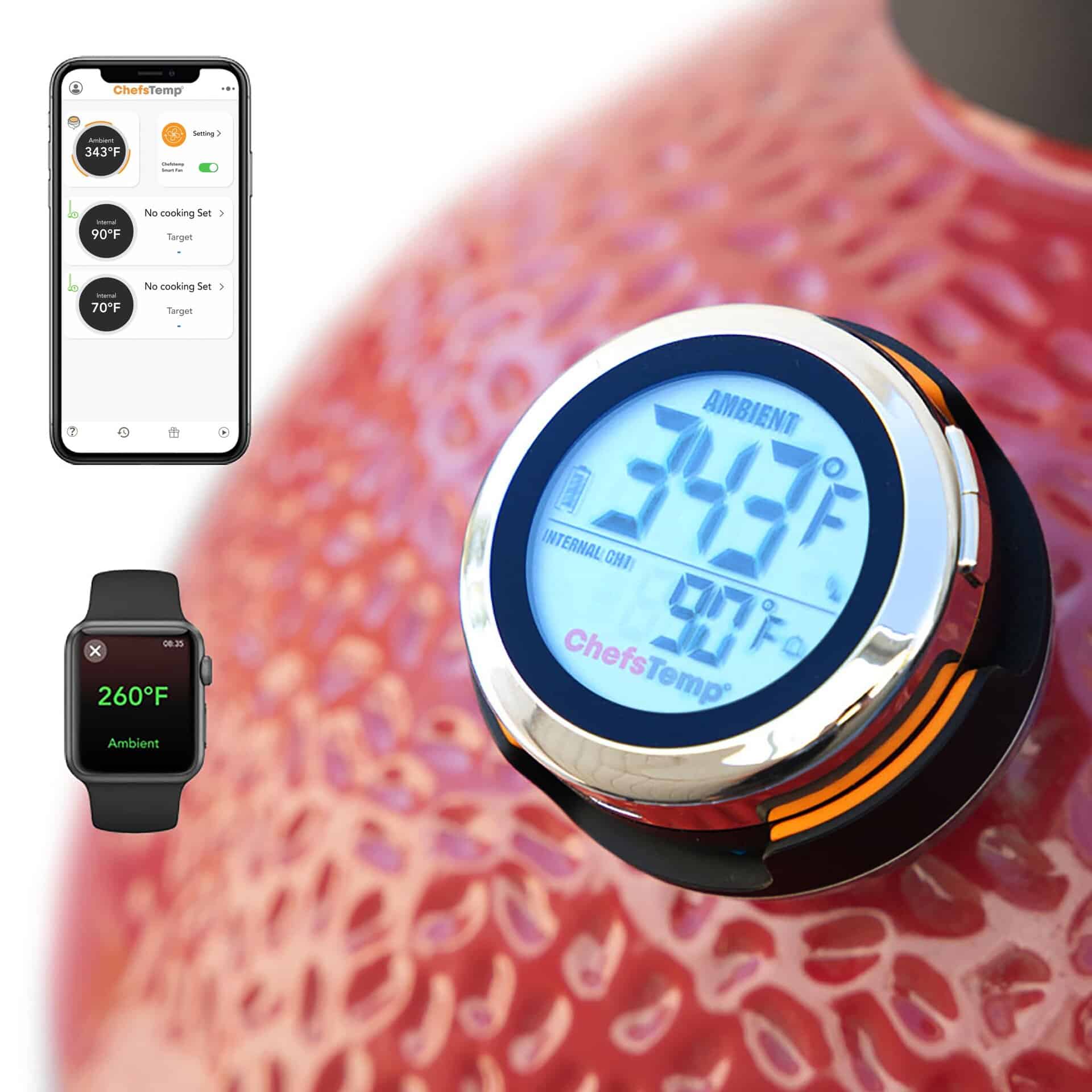
- Stable Heat: If you use a charcoal grill or ceramic cooker, precise temperature control keeps the heat steady from start to finish. This steady, even heat creates a much more predictable temperature rise while your meat rests.
Having the exact right tools makes every cook easier and much more fun. For even more practical ideas you can use, explore these carryover cooking tips for your home kitchen, grill, or smoker.
Part 7. Conclusion
Treat carry-over cooking like the final glide of a heavy ship. Yanking a beautiful cut off the grates early feels completely wrong. Do it anyway. That quiet thermal momentum guarantees a tender, dripping bite.
It saves frantic weeknight steaks and massive overnight briskets alike. Blind guessing ruins expensive meat. Precision saves it. ChefsTemp instant-read and smart thermometers give you the exact numbers required to stick the landing.
Part 8. FAQs about Carry-Over Cooking
Q: How long will carry-over cooking continue?
A thin steak coasts for just 3 to 10 minutes. A massive turkey carries heavy momentum. It needs a full 15 to 40 minutes to calm down. The exact clock relies entirely on the meat’s physical mass and the heat of your fire. The temperature only flatlines once the scorching outer edges and the cooler center reach a quiet balance.
Q: Is carry-over cooking a myth?
No, carry-over cooking is definitely not a myth. In fact, it is basic science. When you finish grilling, the outside of your meat is much hotter than the inside. Therefore, that trapped heat naturally keeps moving inward. You can easily prove this by checking the temperature while your food rests.
Q: What is carryover cooking?
It is the invisible heat wave that strikes after the flame dies. The cooking doesn’t stop just because you killed the fire. The blazing outer crust acts like a thermal battery, constantly bleeding stored heat right into the cooler center. Depending on the meat’s mass, this final thermal bump adds anywhere from 3°F to a massive 20°F.
Q: How does carryover cooking work?
Heat always chases cold. A roaring grill aggressively sears the outside of your dinner. That trapped, violent energy needs somewhere to go, so it dives straight into the cooler middle. This inward flood raises the internal temperature. Ultimately, this hidden transfer dictates whether you carve into a perfect, juicy center or a dry, tough disappointment.
Q: How do you stop carryover cooking?
While you cannot completely stop carryover cooking, you can easily slow it down. First, move your food off hot pans right away. Next, place it on a cool cutting board and avoid wrapping small cuts in tight foil. If necessary, slice the meat sooner to release trapped heat quickly.
Q: Does carry-over cooking happen with fish?
Yes. Fish acts like a very thin sponge. It absorbs fire fast and loses it just as quickly. A delicate trout fillet barely holds momentum. A heavy swordfish steak, however, packs enough physical mass to climb another 3 to 5°F on the warm plate. Because seafood dries out in a flash, always pull it off the grates early.
Q: Should you use foil when resting meat?
Think of aluminum foil like a heavy winter coat. Throwing a loose, crinkled tent over a massive holiday turkey protects it from cold kitchen drafts. Wrapping a hot ribeye tightly, though, builds a suffocating little sauna. You trap intense steam. The steak literally boils in its own juices, severely overcooking. Leave smaller cuts completely naked in the open air. They need to breathe.
Q: Is carry-over cooking the same as resting meat?
They overlap, but they aren’t the same. Carry-over cooking is pure physics. The internal temperature keeps climbing. Resting is the quiet time you wait. That vital pause lets the heat peak and the juices settle exactly where they belong.
Découvrez les autres produits ChefsTemp

Découvrez plus de recettes et apprenez des astuces de cuisine en rejoignant notre communauté culinaire sur Facebook.
Vous pourriez aussi aimer :