The 12-Hour Hold: A Foolproof Central Texas Brisket for the Backyard Cook
There’s a moment in every central Texas brisket cook where confidence disappears.
It usually happens around hour six or seven. The bark looks right… maybe. The color is close… You think. The internal temp is doing something weird. Then that voice creeps in:
“Am I about to ruin this thing?”
I’ve been there. Even after thousands of briskets, the thought still pops into my head.
That’s exactly why this method exists—so backyard cooks achieve a repeatable, stress-free, Central Texas-style brisket that hits every time.
This is about stripping it down to the essentials:
Salt and pepper, post oak wood, fire management, and one simple trick that changes everything: the oven finish + 12-hour hold.
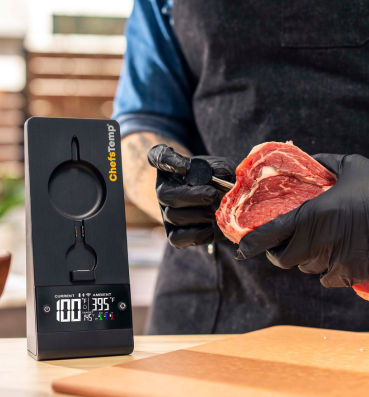
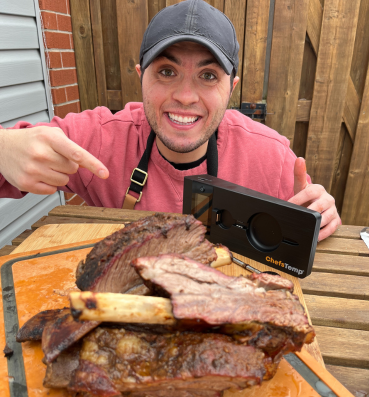
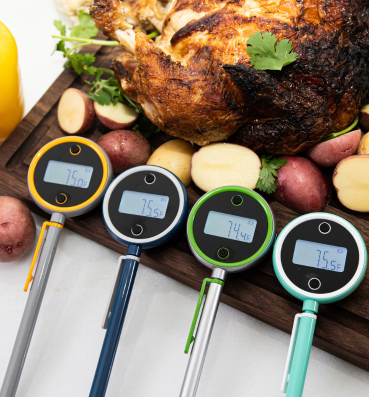
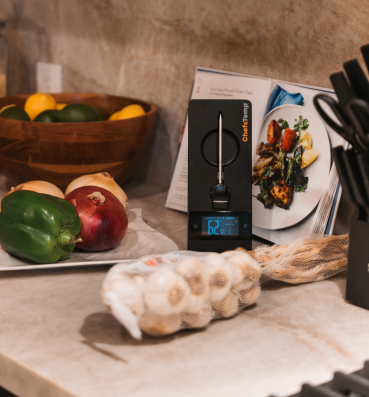
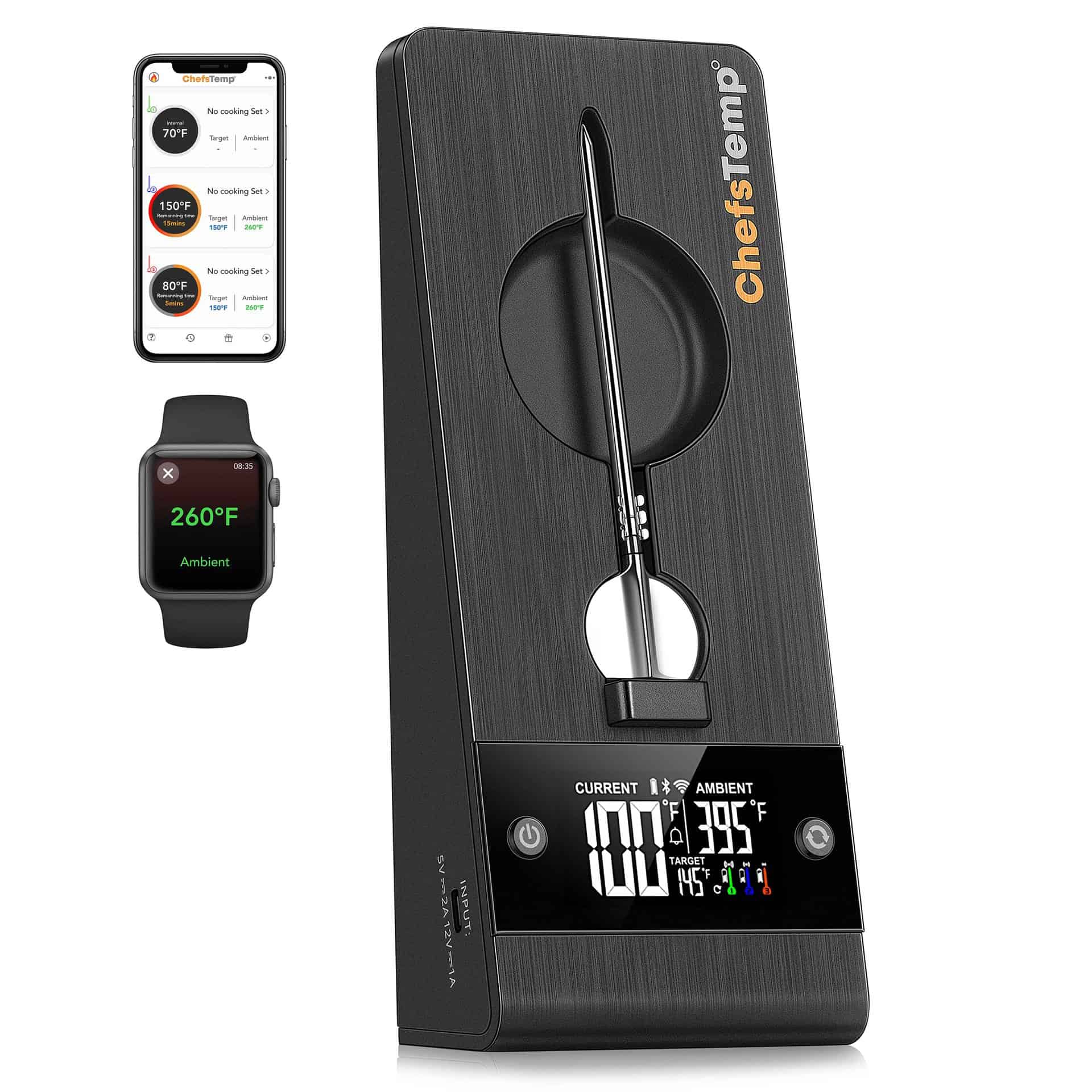
Add in one tool that removes the guesswork without forcing you to babysit the pit: the ChefsTemp ProTemp 2 Plus, and you’ve got a repeatable brisket cook that yields results you can be proud of.
Table des matières
Keep It Central Texas Simple
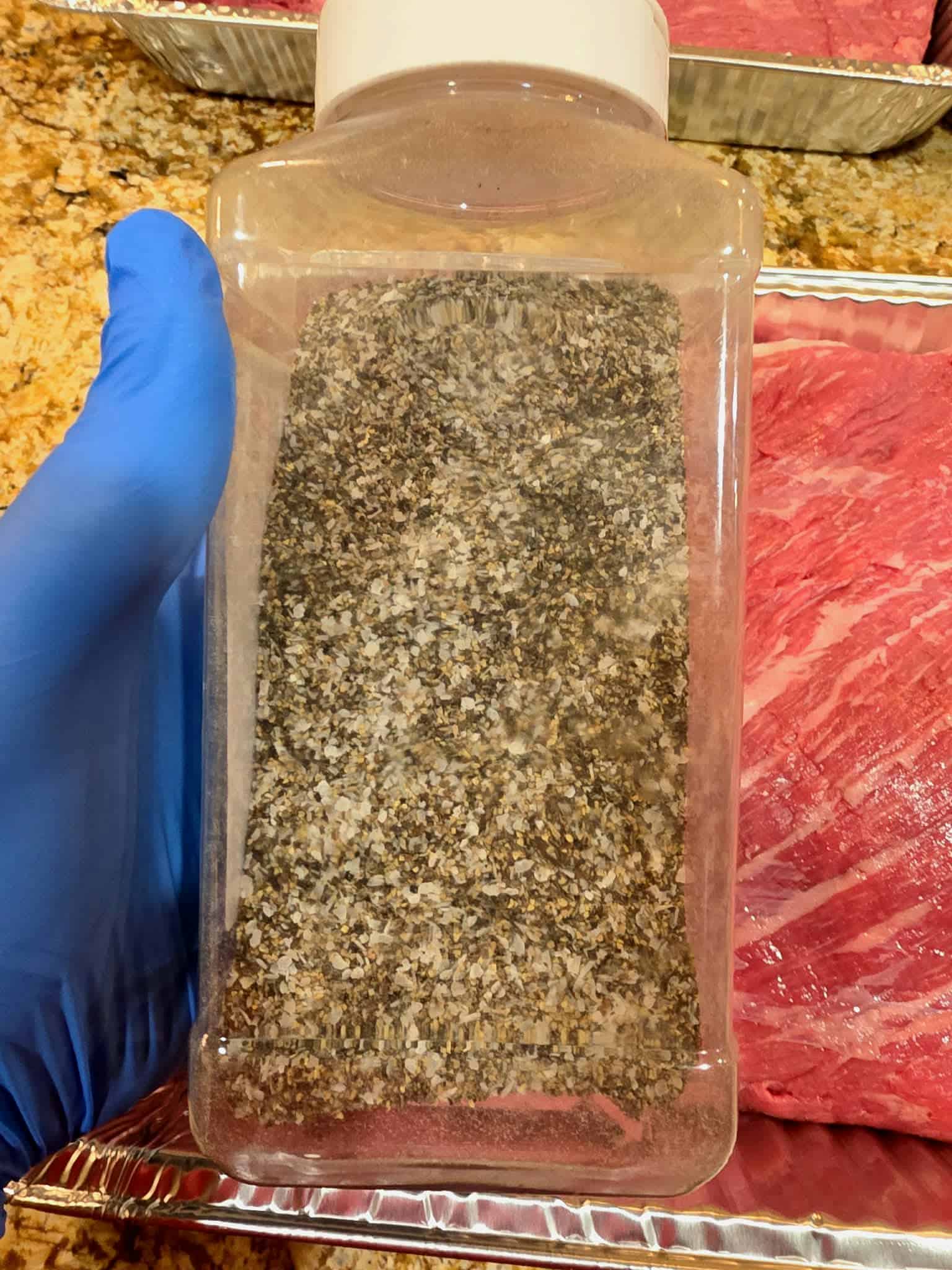
No injections. No complicated rubs. No layering flavors. Just a 2:3 ratio of coarse salt to coarse black pepper.
That’s it.
Central Texas brisket isn’t about hiding behind seasoning—it’s about letting the beef, smoke, and fat do the work.
Backyard Trim (Don’t Overthink It)
Competition trims look great on Instagram, but they intimidate beginners and create more room for error.
For this method:
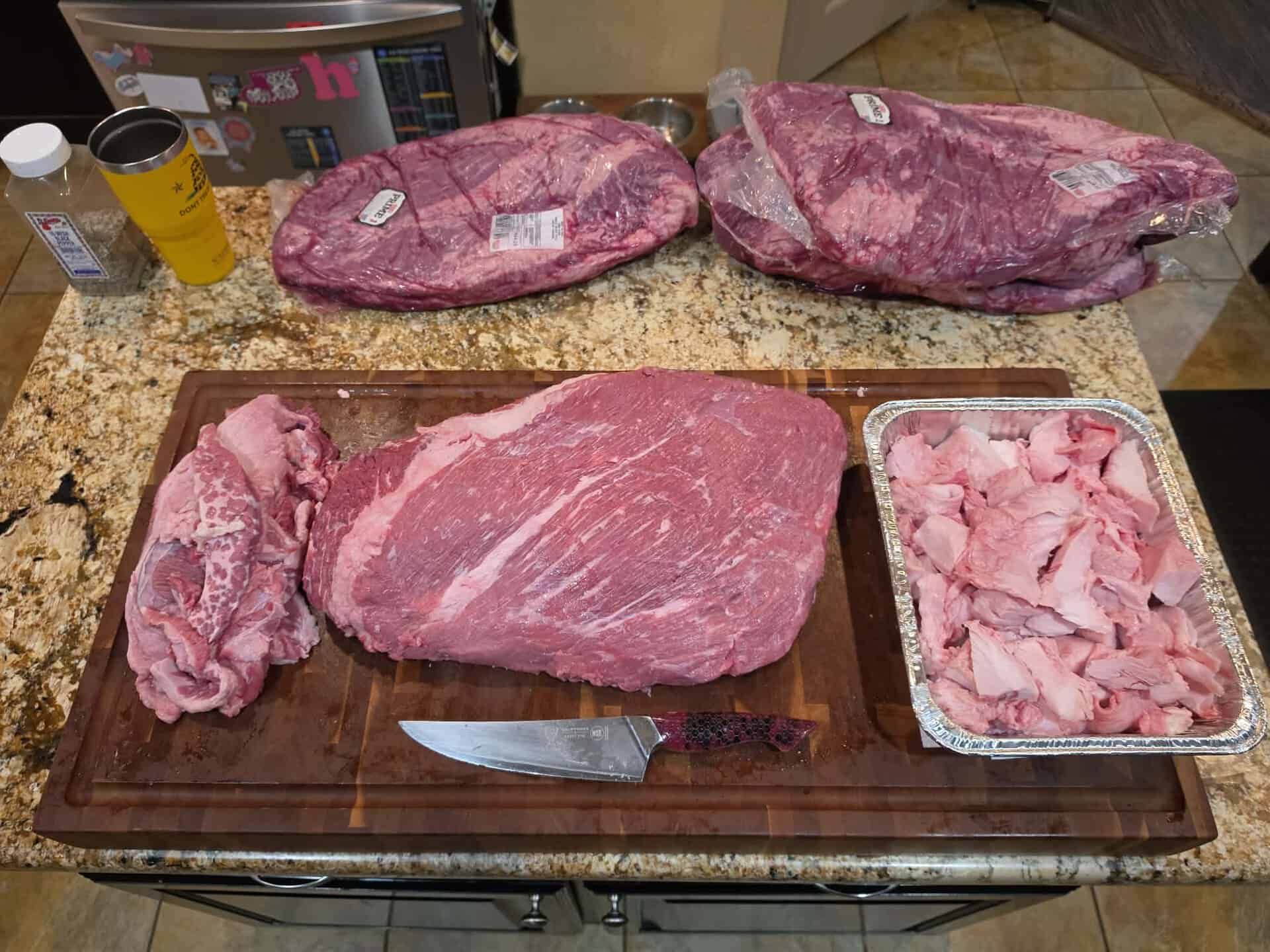
Round the edges slightly, remove any obviously hard, waxy fat, leave most of the fat cap intact, and save the deckle and hard fat.
Throw those trimmings in a pan and let them render down during the cook. What you’re making is liquid gold—beef tallow—, and it’s going to carry you later in the process.
Fire, Smoke, and Let the Thermometer Work
Run your pit steadily with post oak—clean, light blue smoke. 225° – 250° is a sweet spot when cooking low and slow. Just make sure you have no heavy white smoke and no smoldering logs. If you’ve ever eaten BBQ and gotten indigestion or reflux, you have eaten BBQ that has been over-smoked or cooked in dirty smoke.
You’re not trying to blast the brisket with flavor—you’re layering it slowly.
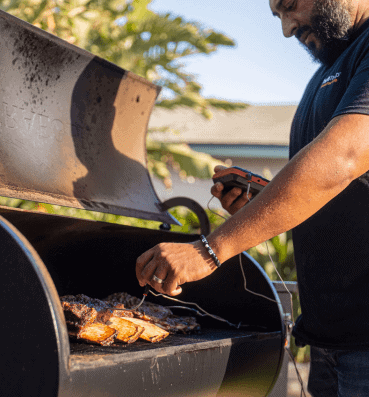
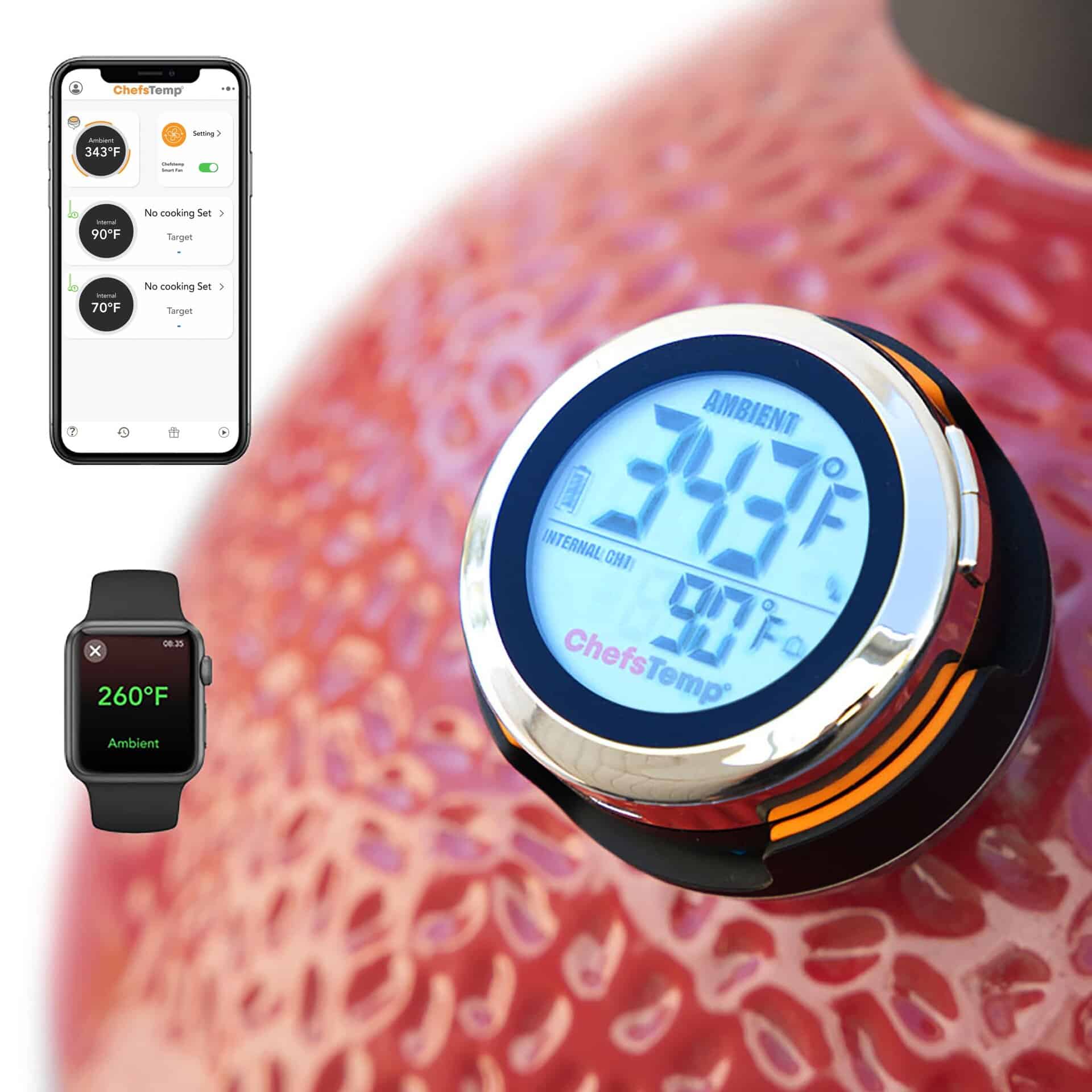
This is where the ChefsTemp ProTemp 2 Plus earns its spot. Instead of hovering over the pit, chasing temperatures, or guessing what’s happening inside the meat, you can monitor both ambient and internal temps in real time. For my rotisserie smoker and me, it’s a game-changer.
It doesn’t run your fire for you—and in this cook, it doesn’t need to. It just tells you the truth, and that alone removes a ton of stress.
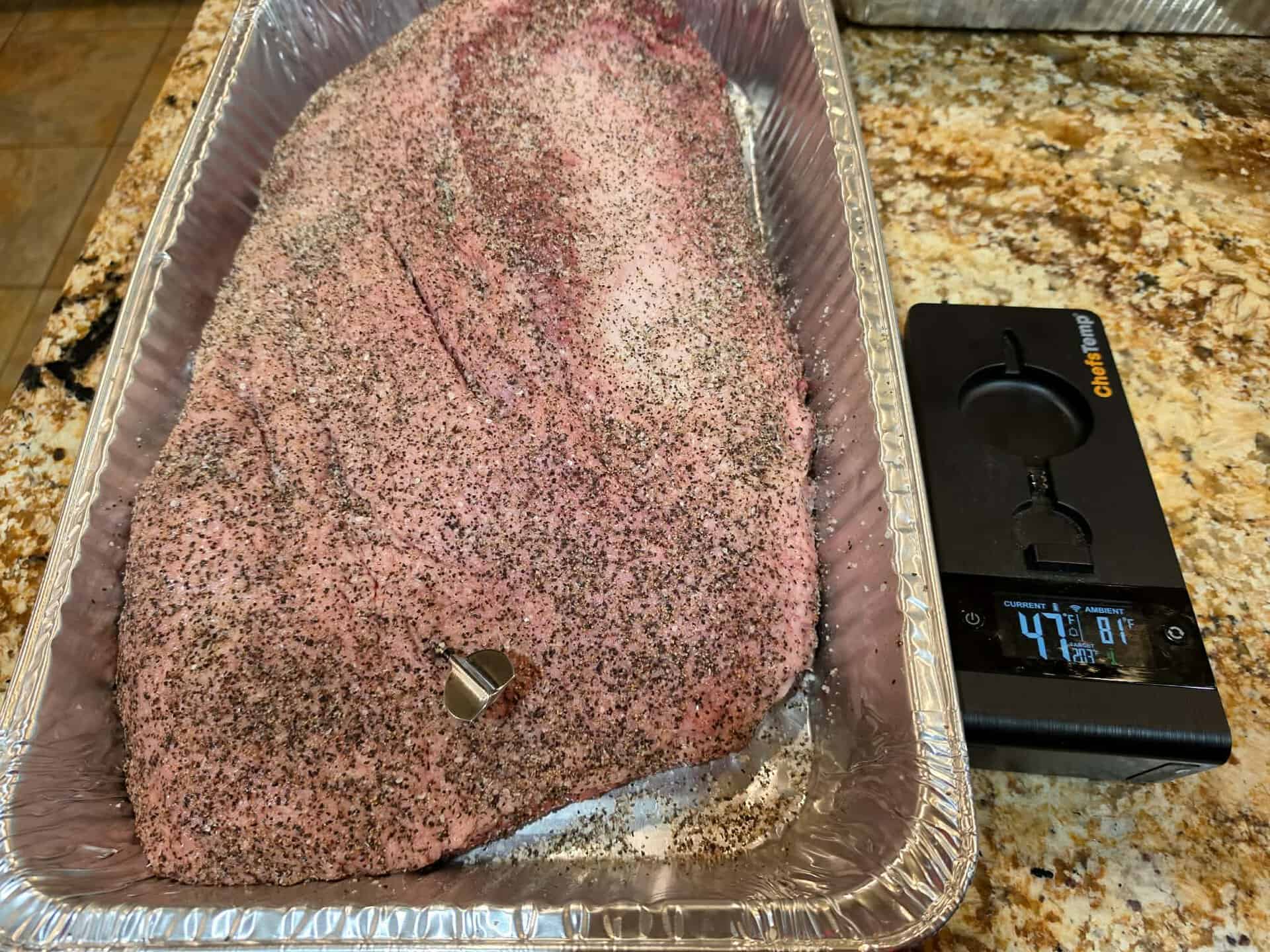
(If you wanted to go a step further, pairing it with a fan system like a Breezo can stabilize your fire even more—I use the Breezo on my Primo XL but not my rotisserie.)
Cook to Color, Not Temperature
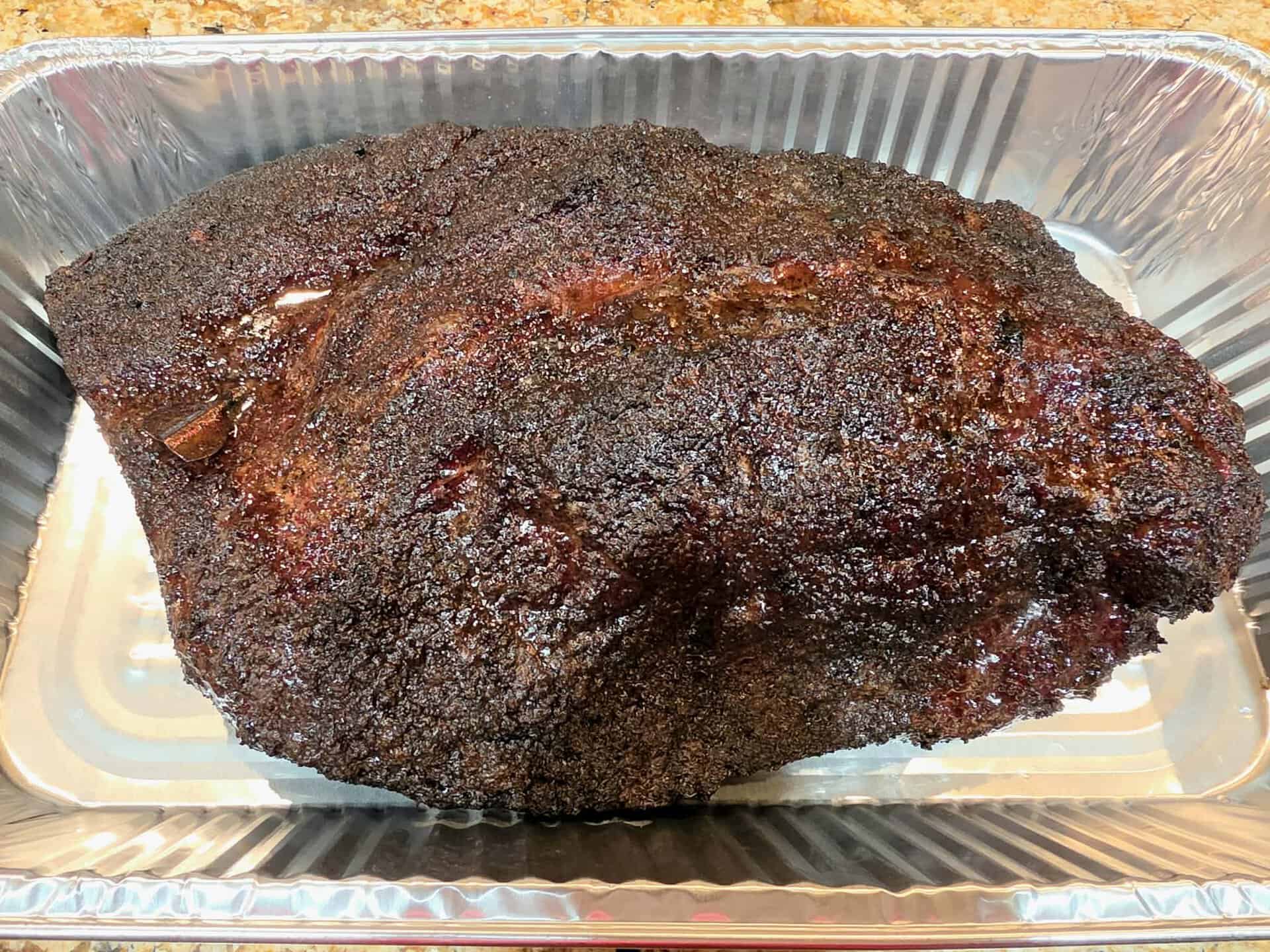
This is where most people mess up. Forget about chasing that 165° magic wrap number. I’ve had briskets hit 165° after 4 hours on the smoker, and they were nowhere near the color I want when I wrap them. A 15-pound brisket cooked with clean smoke and steady temps SHOULD be ready to wrap around the 7 – 8 hour mark. What you are looking for is a deep, dark, mahogany bark. The fat is starting to render on the surface and a firm, set crust that doesn’t wipe off.
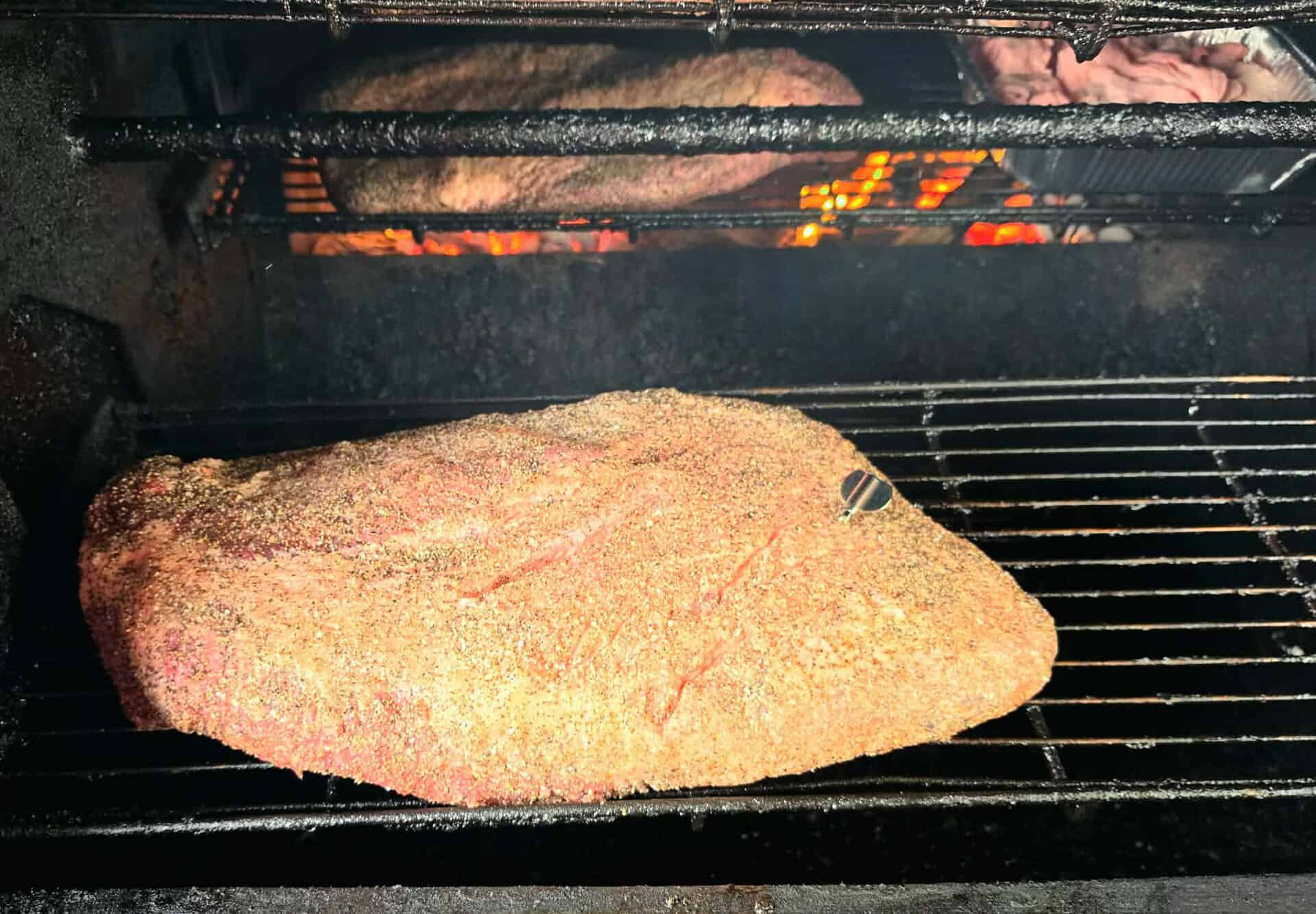
Your thermometer is there for awareness—not decision-making at this stage.
Color tells you when it’s time to move.
The “Don’t Mess It Up” Move: Pan and Oven Finish
I know I am going to upset a lot of BBQ Pitmasters with this section. But this isn’t for them. This is for the backyard BBQ newbie. The person who has always been scared to drop $100 on a chunk of meat that is easy to mess up. The person who has eased into BBQ with pork butts and their forgiving nature, and is ready to take the next step.
The great thing about BBQ is that everyone has their own way of doing things, and that doesn’t make what someone else is doing wrong. This is not the be-all end-all to BBQ. Try it, tweak it, and change it to what works best for you. I like sleep, and I hate wasting wood. If you are going to wrap your briskets, why mess with tending a fire, burning up the next cook’s wood, and losing sleep?
Once you hit that color:
Place the brisket in a pan, add a little of your rendered tallow, cover tightly with foil, and place it in the oven at around 250°F.
Now you’ve removed the two biggest failure points:
Fire management and over-smoking.
From here on out, it’s controlled, consistent heat—and your ProTemp 2 Plus keeps tracking internal progress without you having to open the oven every 20 minutes.
Cook until:
Around 203°F internal, or, more importantly, probe-tender everywhere. If it feels like room-temperature butter, it’s ready.
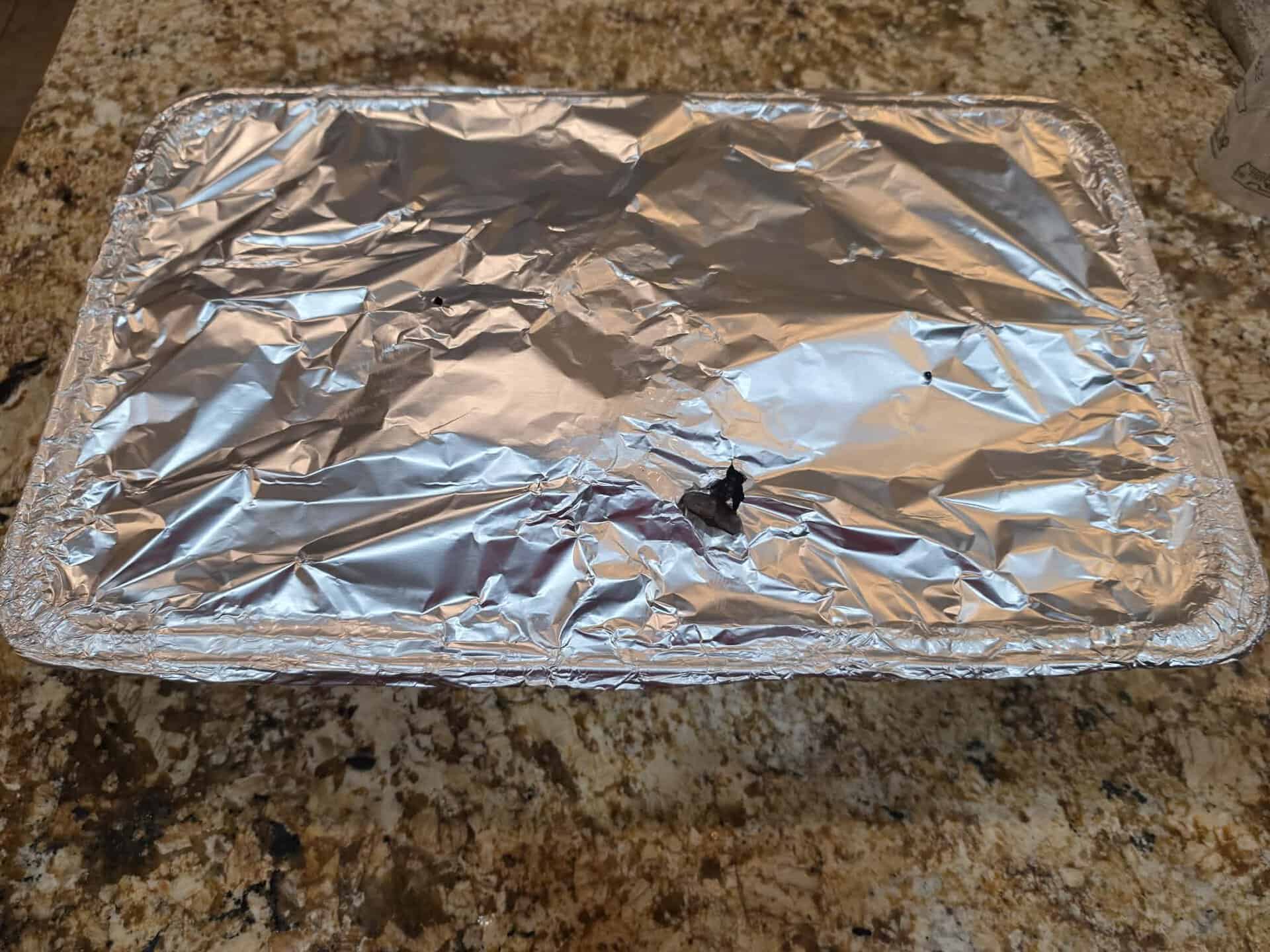
Make sure to insert your probe through the foil to keep a good signal.
Conseil : Cliquez ici pour en savoir plus sur thermometer techniques for smoked briskets.
Stop the Cook (Most People Skip This)
When it comes out, don’t just throw it in a cooler and hope for the best brisket result.
You need to vent it first.
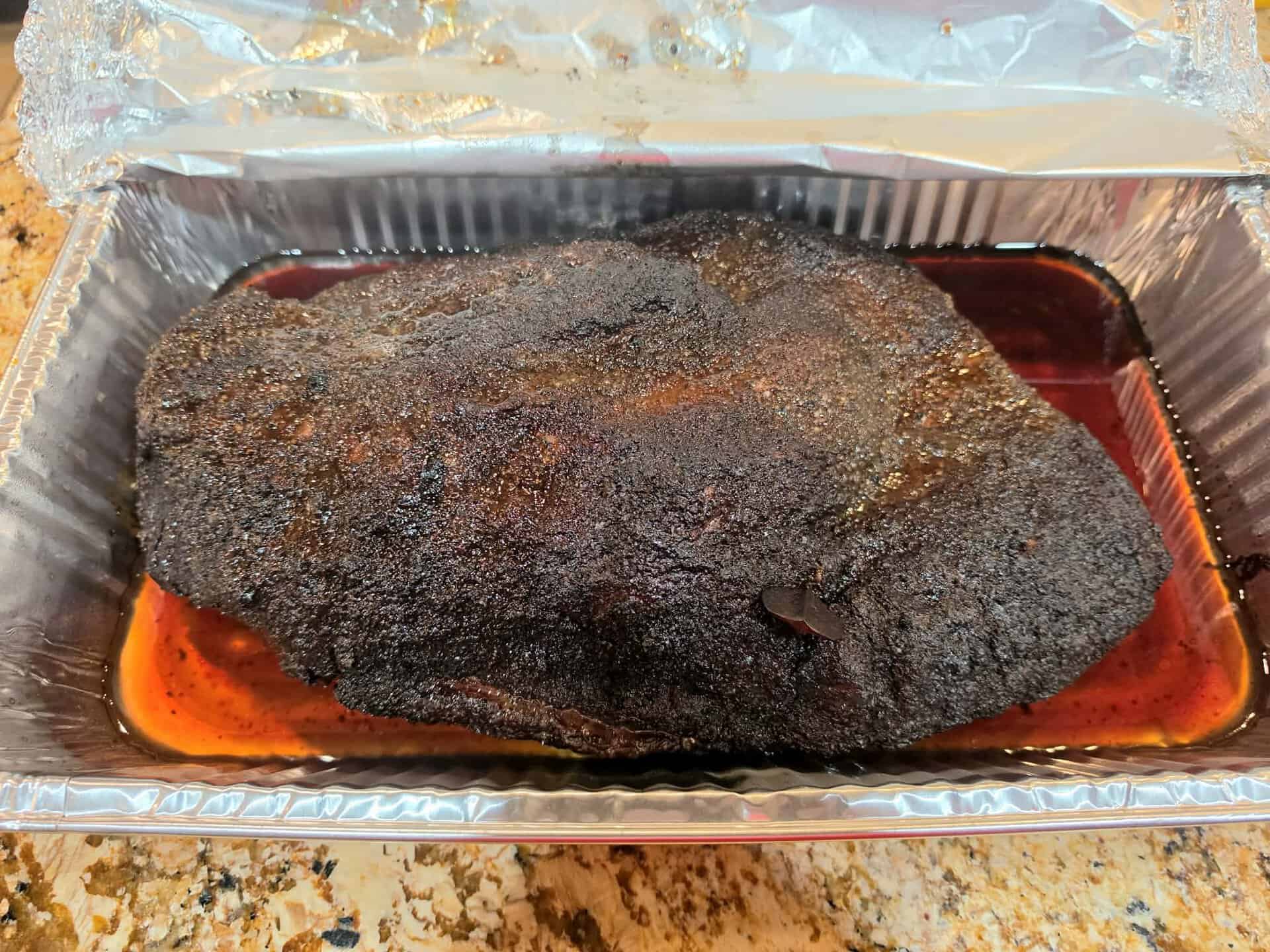
Crack the foil open and let the heat escape for about 20 minutes. Your thermometer will actually show the temp leveling off—that’s how you know the carryover cooking has slowed.
The 12-Hour Hold (The Game Changer)
After venting, reseal it tightly and place it back in the oven at ~150°F. I have a dehydrating setting on my oven. Most ovens have, at a minimum, a 170° keep-warm setting, and that will work, but I wouldn’t keep it at that temperature for the entire 12 hours. The reason for that is that fat can still render at temperatures above 155°, so you risk rendering out almost all the fat and ending up with a dry brisket. A good insulated cooler will work if you pre-heat it with hot water and fill any open space with towels.
The cooler method would be towels, then the pan, then towels on top of the pan, with the lid closed.
Then leave it there. For hours. Hold time should equal cook time. Most BBQ restaurants are smoking for 12 and holding for 12. If this method is good enough for Texas Monthly’s Top BBQ joints, it’s good enough for me and my backyard.
The great thing about the whole process is that with the ProTemp 2 Plus, you can keep an eye on that hold temp without constantly checking or guessing if your oven is running hot or cold. Or more importantly, if your brisket has dropped below 140° and has entered the bacterial growth danger zone. The battery life of the ProTemp 2 Plus will take you through the entire 24-hour process!
This hold is where the magic happens. The collagen continues to relax, and the fat fully renders and redistributes. The brisket becomes incredibly tender without falling apart, and the slices stay juicy instead of drying out.
This step is the difference between good brisket et “how did you do that?”
Why This Works (Especially for Beginners)
This method removes almost every common failure point:
Problem: Flavor Profile is off
Solution: Simple ingredients – no need to reinvent the wheel
Problem: Fire swings
Solution: Monitor temps without babysitting using the ProTemp 2 Plus
Problem: Over-smoking
Solution: Shortened smoke window
Problem: Undercooked or tough brisket
Solution: Oven finish + long hold
Problem: Dry slices
Solution: Rest + tallow + controlled low hold
It’s not cheating—it’s control.
Slicing and Serving
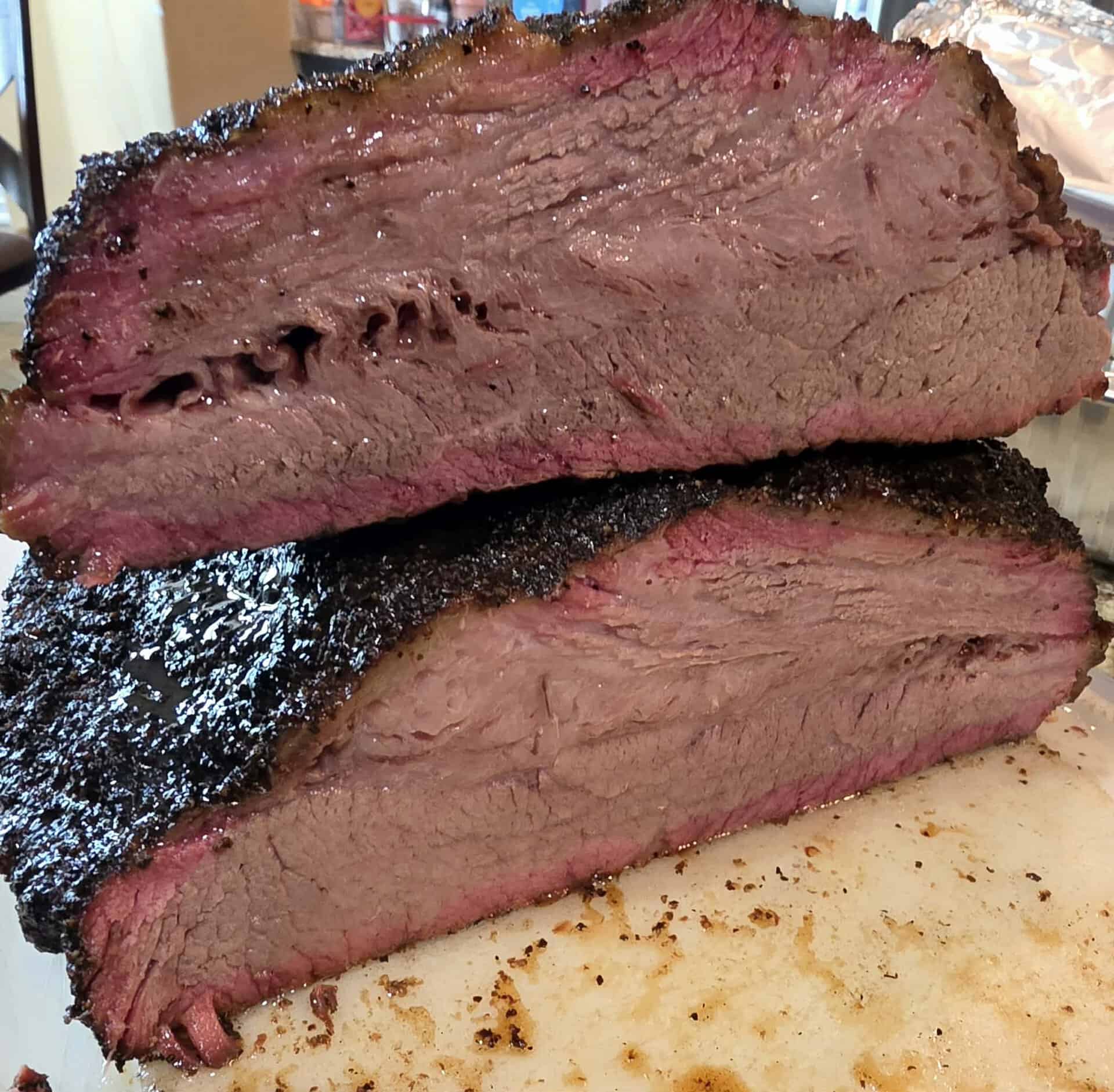
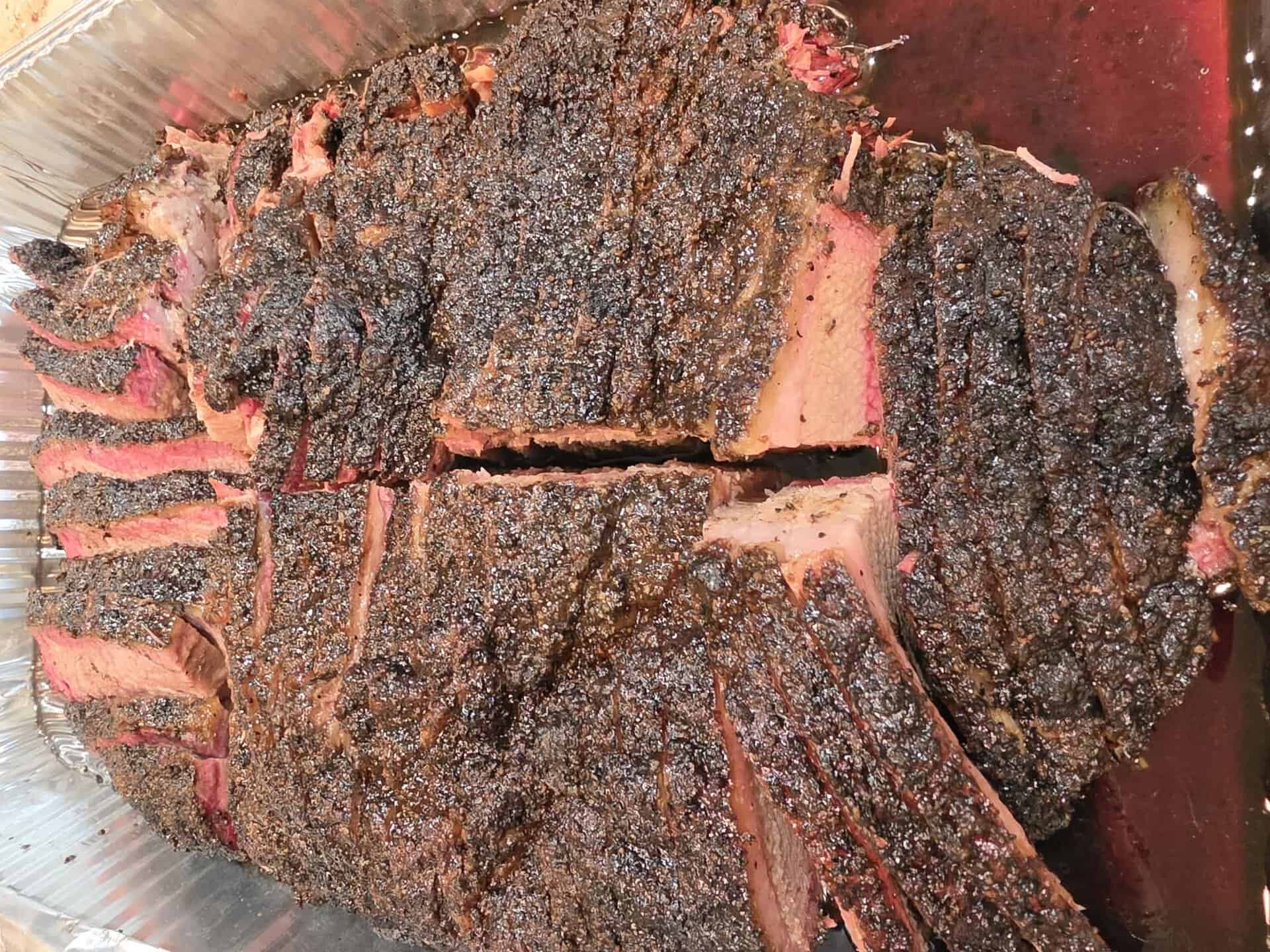
There are a couple of different ways to slice a brisket. The first way is separating the point and the flat. This ensures that every slice is cut against the grain and every bite is tender. The other way is to slice against the grain, starting in the middle of the brisket, closer to the point or fatty end. This gets you that traditional “money shot”. Slice the flat pencil-thick across the grain, working your way towards the flat/lean end. Next, rotate the point 90° and cut thicker slices of the fattier end of the brisket. You can also cube the point, dunk it in sauce, and throw it back on the smoker for killer burnt ends. It all depends on your personal preference.
You’ll notice immediately that the slices bend without breaking. The bark holds, even after spending time in a covered pan. The interior is juicy edge-to-edge, with no panic, no guesswork, and no last-minute scrambling.
Réflexions finales
This isn’t your traditional, all-night, fire babysitting cook. I believe it’s something better for most people. A repeatable, stress-free way to cook a Central Texas-style brisket that delivers every single time. A morning when you aren’t beat down and sleep deprived. A better overall experience for everyone.
Salt, pepper, post oak, time, one smart adjustment—and one smart tool—that make it all come together. The goal isn’t to make brisket harder; it’s to make it foolproof.

Sean Hill C'est un maître du barbecue de compétition, traiteur et entraîneur renommé — double champion du monde de la gastronomie, entraîneur de champions de barbecue lycéens du Texas et personnalité du barbecue régulièrement invitée sur ESPN. Il dirige une entreprise de traiteur florissante et aide d'autres passionnés à perfectionner leur art grâce au coaching et à la collaboration.
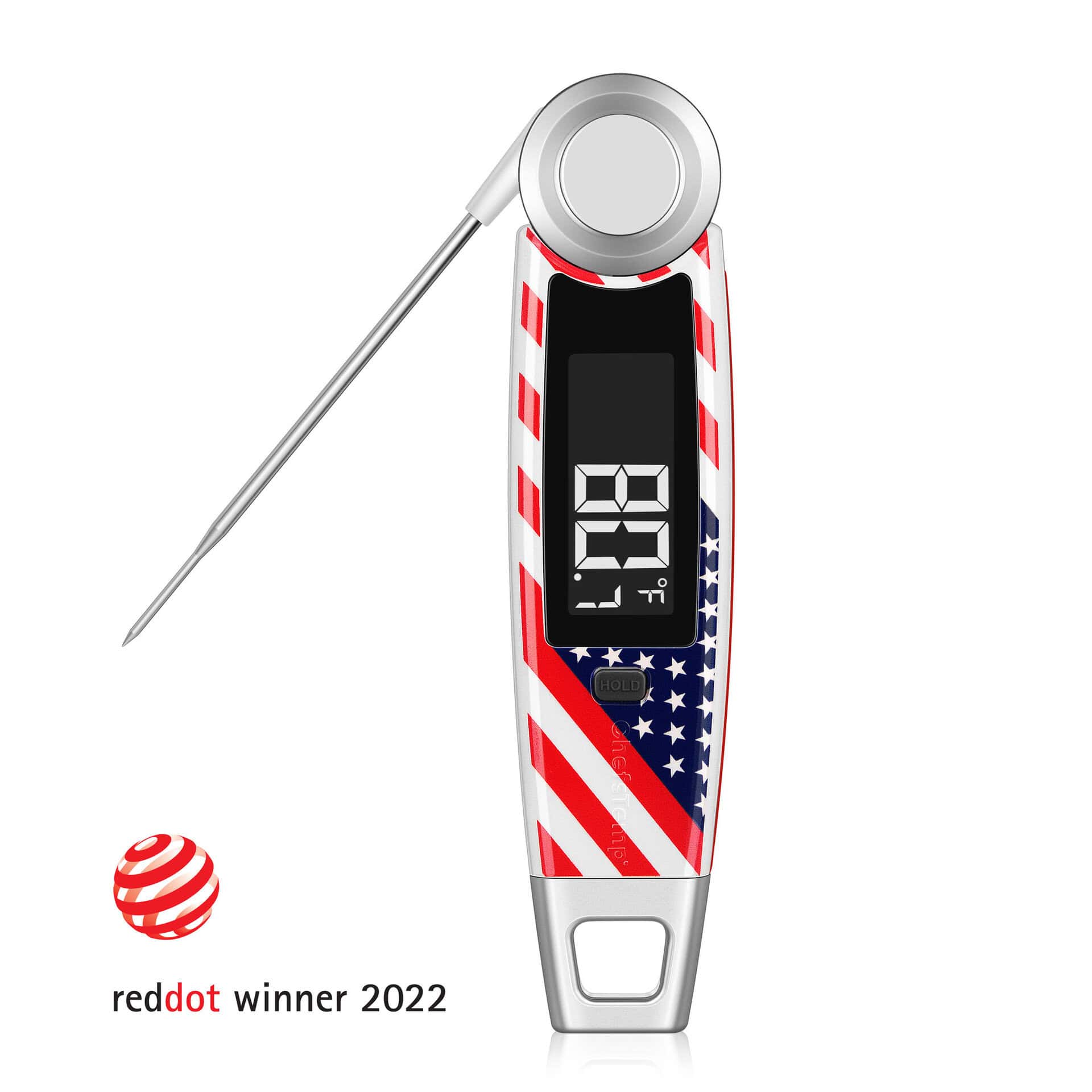
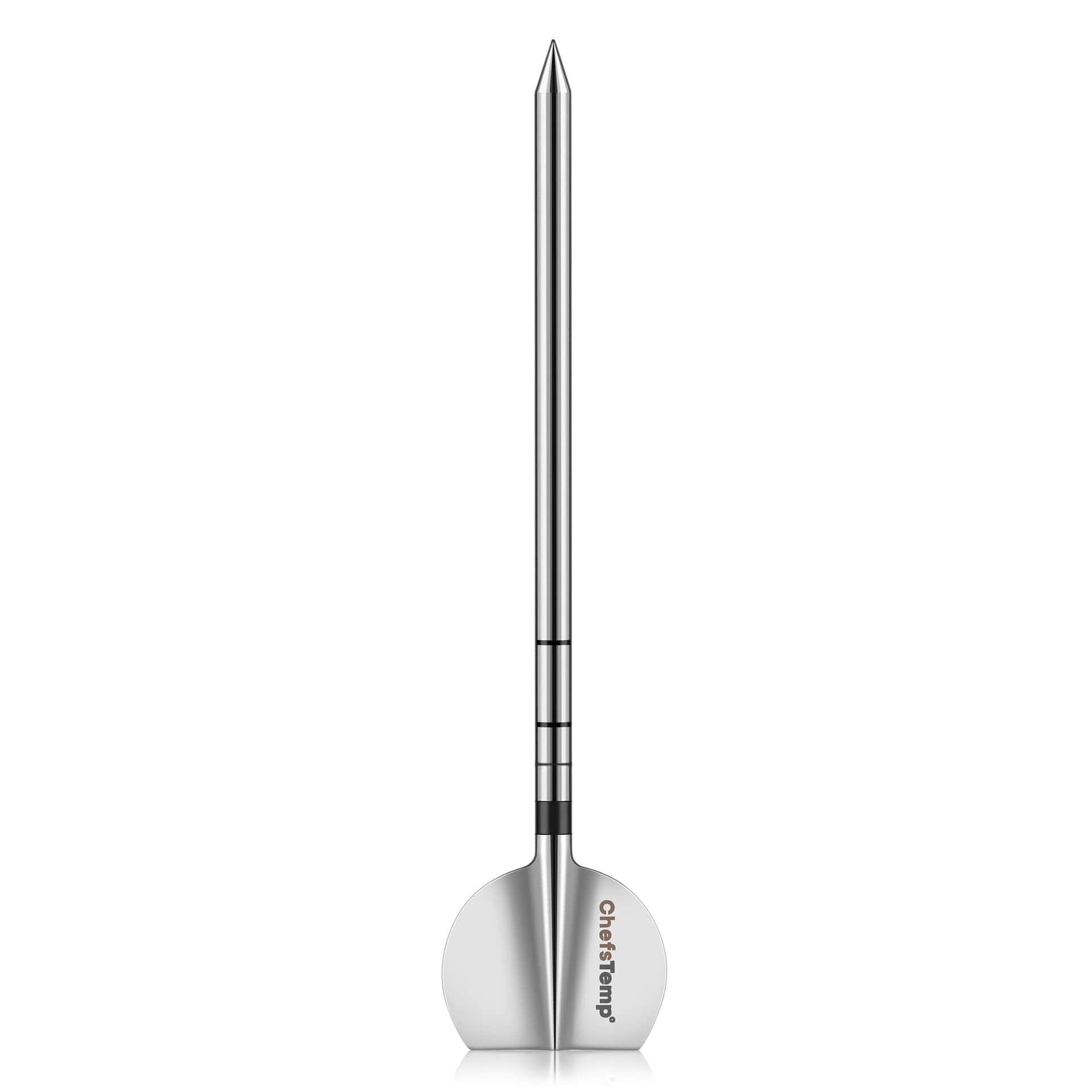
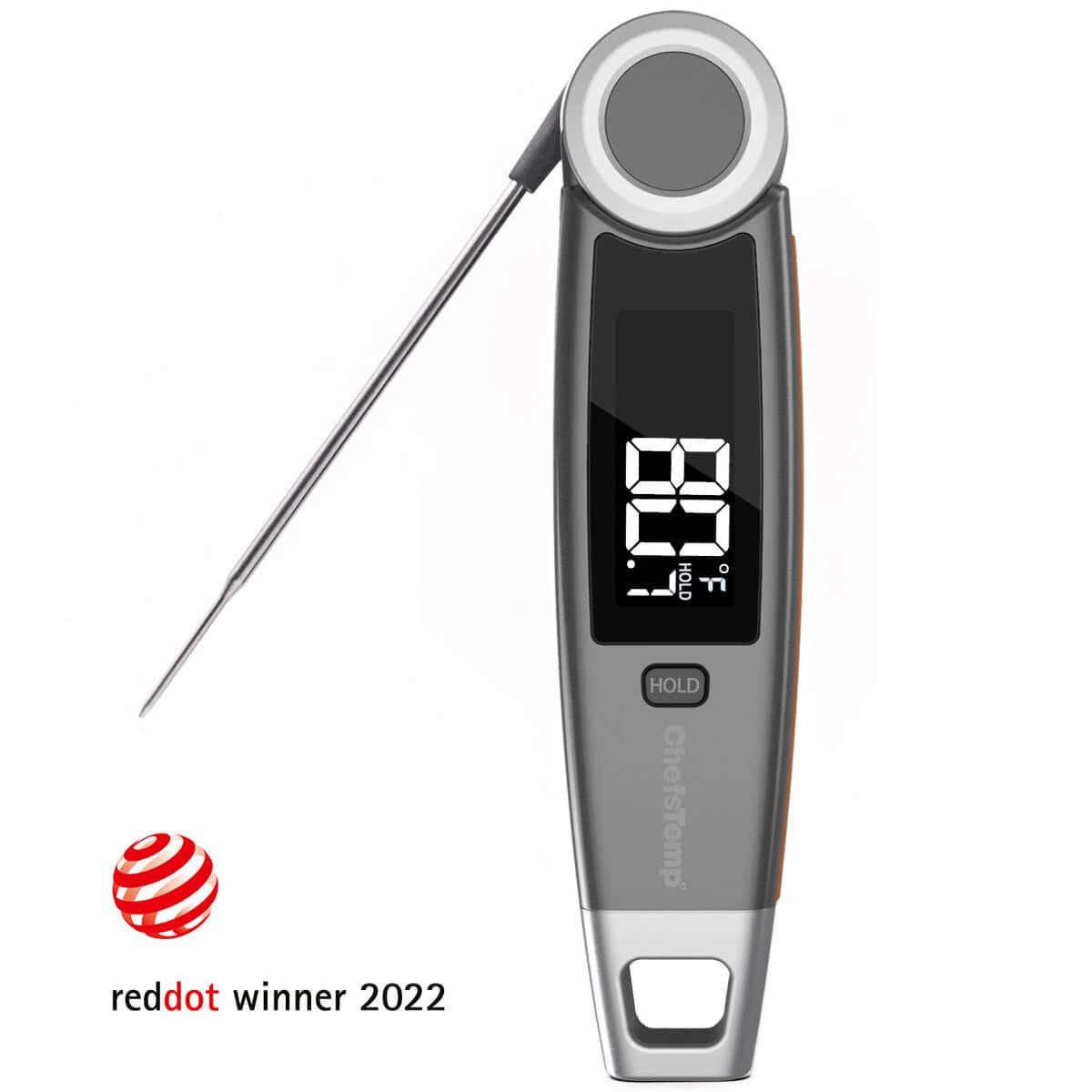
Découvrez les autres produits ChefsTemp

Découvrez plus de recettes et apprenez des astuces de cuisine en rejoignant notre communauté culinaire sur Facebook.
Vous pourriez aussi aimer :