Ultimate Guide on When to Wrap Brisket 3 Simple Methods for Beginners
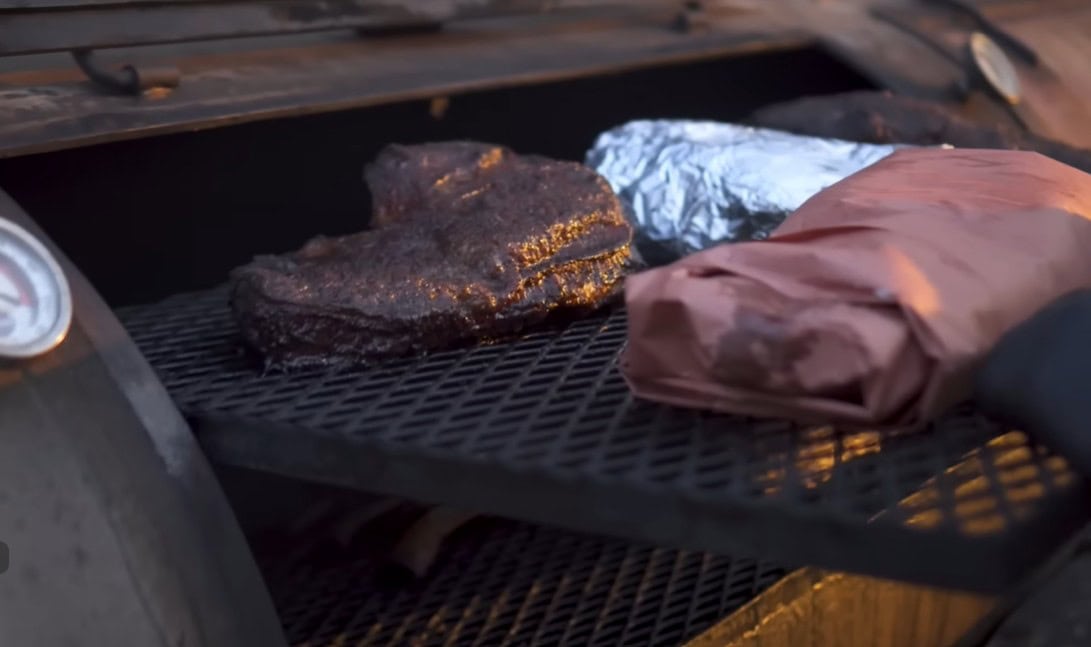
When to Wrap Brisket
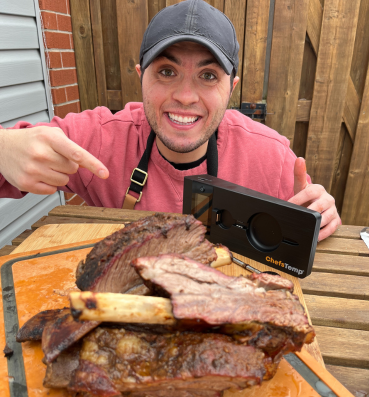
Smoking a brisket takes a lot of time and dedication to the pit- up to 16 hours in some cases! Looking back at my first cookouts, I remember the questions and remember the stares, particularly at the most controversial BBQ topic: when to wrap brisket? The worry that a single poor decision might ruin a costly and beautifully trimmed brisket is so real. I decided to get some answers once and for all and eliminate the theory, so I purchased three identical Costco Prime briskets to smoke side by side in my backyard and experiment. The goal of the experiment is to objectively evaluate all of the wrapping techniques and determine which one results in the most consistently juicy briskets and best bark.
Table des matières
What Temp to Wrap Brisket and Precision Control
I used to ruin briskets because I would wrap them based on the clock rather than the meat. After losing several points, I learned what I believe every brisket cooker eventually learns. A 15-pound packer simply doesn’t give a rip about your schedule. If you find yourself stressed about what temp to wrap brisket, you’re looking for the golden range 165°F to 170°F. But here’s the thing that changed the game for me: temperature isn’t the only thing at play. Sure, most people rely on the numbers, but I also incorporate a physical touch test. If I touch the fat cap and it feels soft and yielding like warm butt, and the bark has formed a nice, deep mahogany and isn’t super sticky, I know the meat is ready. This is a brisket cooker’s IQ test. To achieve that specific internal temperature and fully rendered fat is the real secret to knowing exactly when to wrap brisket.
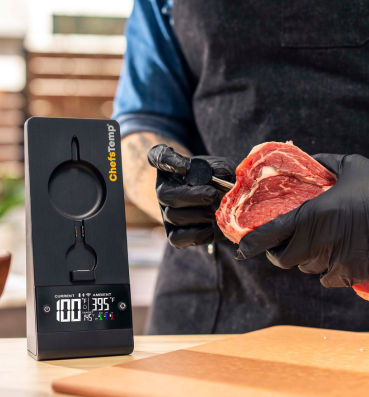
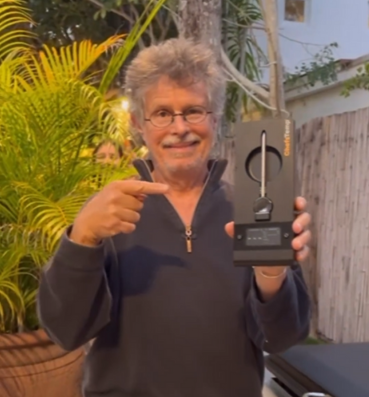
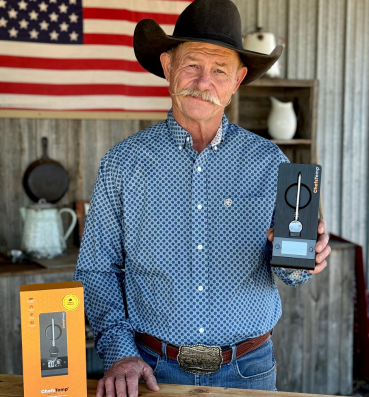
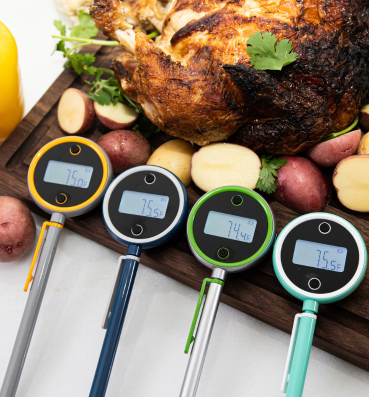
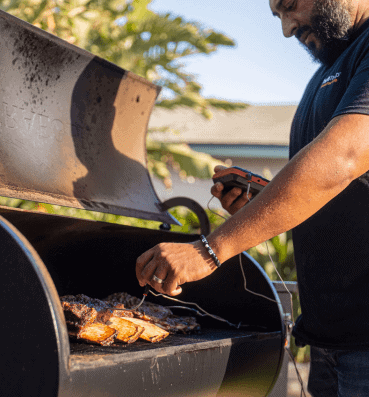
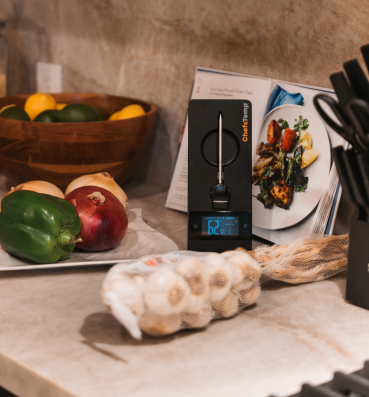
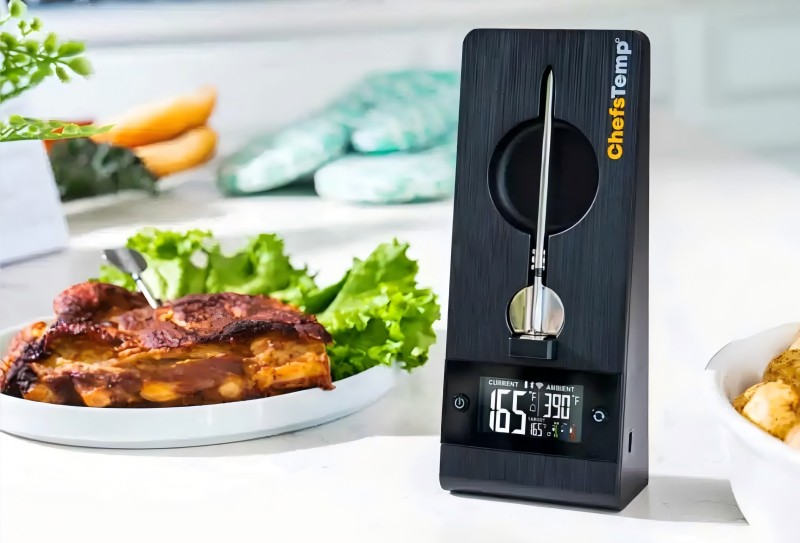
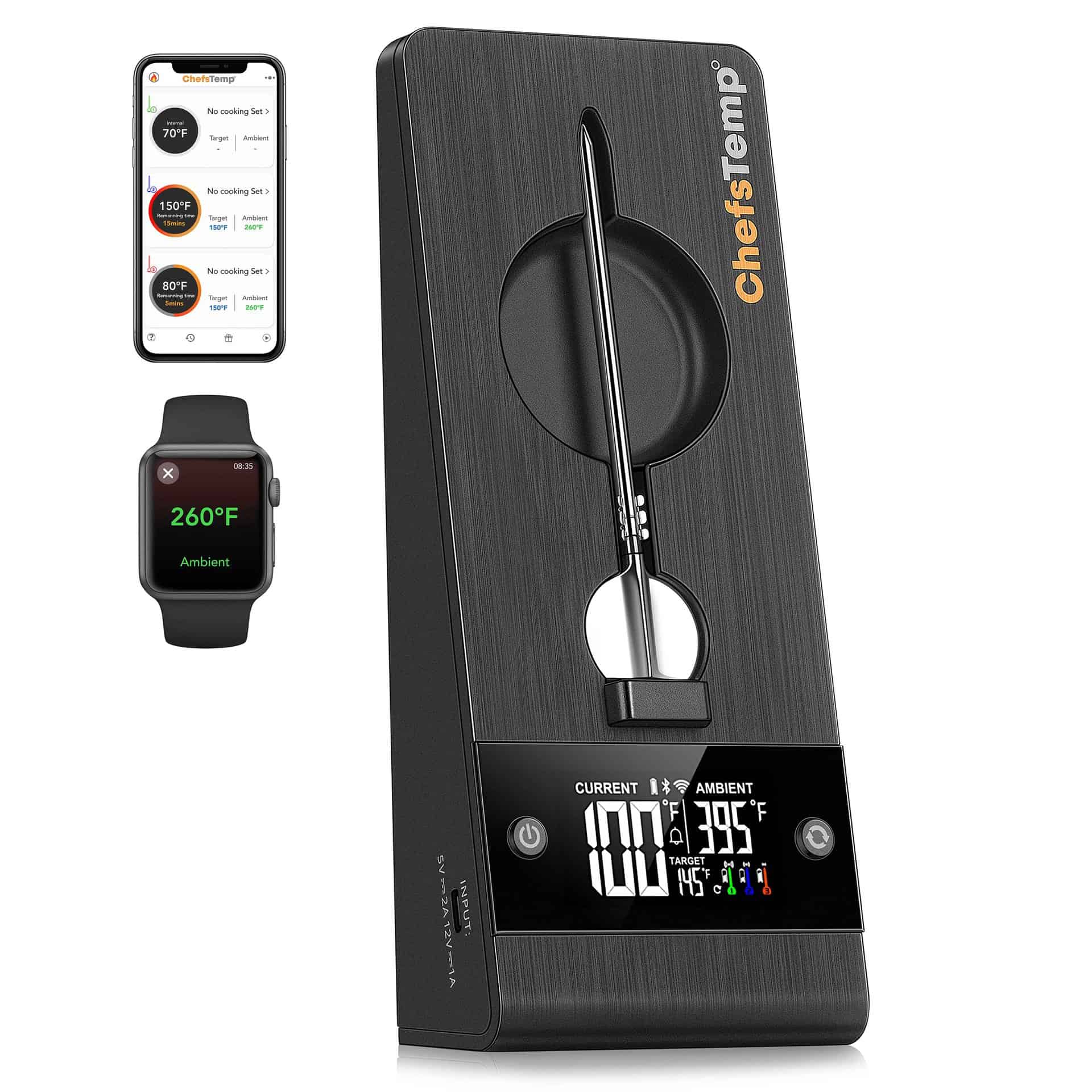
It is extremely easy to miss that important 165°F to 170°F range, especially if you are stepping away to get a beer or perhaps you are taking a nap partway through an overnight cook. To ensure that I reach the target every single time, I now only track my cooks using the ChefsTemp ProTemp 2 Plus. It has completely changed my smoking process by giving me accurate and reliable data without having to babysit the pit. Here is why I use it on my long cooks:
- 55mm Ultrathin Probe:Our competitors’ probes measure 5.5mm to 6mm and create larger puncture wounds in your food. Our needle is slimmer and will result in less damaged food and less juice loss.
- Base with 10,000mAh Battery:I no longer fear running out of battery during the monitor’s 10 to 16-hour smoke window. The base also provides an additional 80 to 100 continuous hours of Wi-Fi monitoring, and the probe itself has 40 hours of battery life.
- Wi-Fi & Bluetooth 5.4:The monitor has built-in 2.4 GHz Wi-Fi, so your tablet does not have to stay with the monitor as a bridge. You can even be out of the house to monitor a brisket as it cooks.
- Extreme Heat Tolerance:The probe is made of a special metal and ceramic composite that will survive ambient temperatures of 1000°F (530°C). It can also measure internal meat temperatures up to 221°F with an accuracy of ±0.5°F.
Total peace of mind comes with professional-grade equipment. I no longer have to guess what temperature to wrap a brisket. Sensors alert me as soon as my meat is ready for the next step.
ProTemp 2 Plus
3 Ways on How to Wrap a Brisket Tested Side by Side
As soon as my three test briskets hit that magical 168 degrees and I could feel the fat soften under my fingers, I knew exactly when to wrap brisket to initiate the next crucial phase of the experiment. To ensure a fair comparison, I avoided adding smoked beef tallow or apple cider vinegar and focused solely on how different wrapping materials affect brisket, letting their impact show through unfiltered. According to Dr. Claire Whitfield, the Texas Crutch involves wrapping brisket in aluminum foil or butcher paper during the smoking process, which is central to this kind of testing. Here is exactly what happened during the last agonizing hours on the smoker.
Method 1: The Bare Minimum (No Wrap)
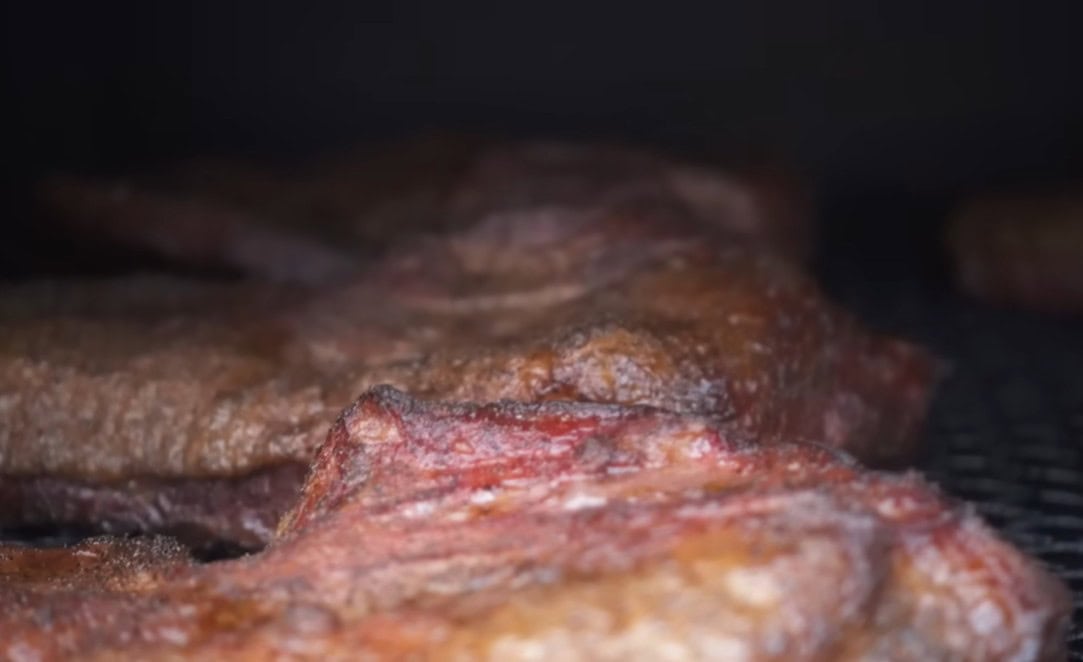
The Bare Minimum (No Wrap)
- Total Cook Time: 14 Hours
- The Verdict:If you are a real smoke enthusiast, you’ll be tempted not to wrap the brisket. This piece of meat stayed fully exposed to the flames for the entire 14 hours.
- The Bite:This was a superb-looking piece of meat. The crust was nearly black and extremely crunchy. The smoke taste was extremely strong, but that was also a negative. The flat’s thinner edges were dehydrated and too dry for my taste. If you decide to go unwrapped, I really recommend using small aluminum foil shields just over the thin edges to prevent them from burning.
Method 2: The Texas Crutch (Aluminum Foil)
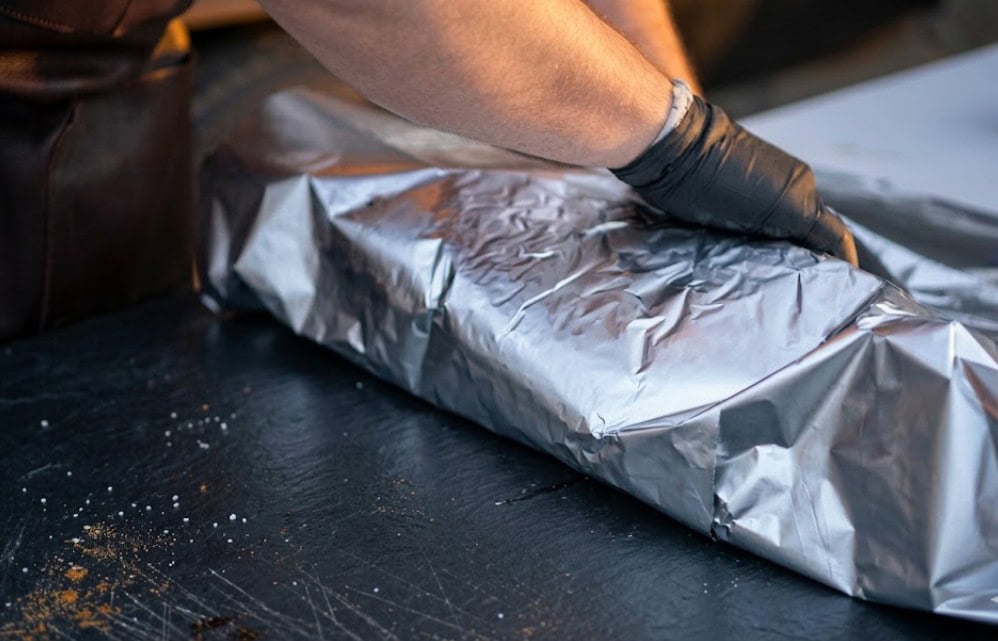
The Texas Crutch (Aluminum Foil)
- Total Cook Time:11 Hours
- The Verdict: If you are seriously behind schedule for your backyard gathering and your guests are glaring at you, foil is your quickest way out. It creates an aggressive, airtight steam room that blasts right through the stall.
- The Bite:Frankly, this was my least favorite cut. When I cut into it, the gorgeous bark I worked hard for had completely washed away into some mushy, reddish-orange slush. Ironically, it looked dripping wet, but it was the least juicy of the three. Because the foil trapped all that steam, the internal fat simply couldn’t render in that dry-heat environment. Instead, it felt more like a wet pot roast than a real smoky BBQ brisket.
Method 3: The Pitmaster’s Choice (Wrapping Brisket in Butcher Paper)
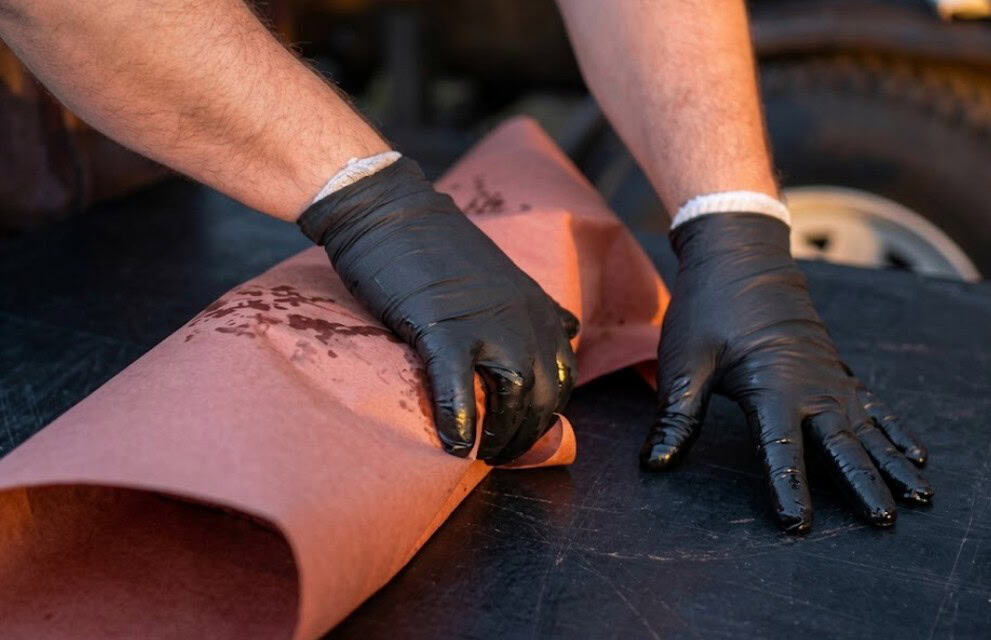
The Pitmaster’s Choice (Wrapping Brisket in Butcher Paper)
- Total Cook Time:5 Hours
- The Verdict: There is a reason the best barbecue joints in Texas wrap brisket in butcher paper. It protects the brisket, saves you hours of cooking time, and optimizes your finished product.
- The Bite:The pink butcher paper breathes. It wicks and soaks up a lot of the grease, allowing the right amount of steam to pass through to keep the bark. The rest of the crust was just as good as the rest of the brisket. The fat was rendered to perfection, turning into liquid gold. It was the best bite of the entire experiment, and the reason was the butcher paper. It was juicier than the rest and had the best balance.
Wrapping Brisket in Butcher Paper vs Other Methods for Your Pit
Personally, I enjoy wrapping brisket in butcher paper to get the best pop and juiciness, but my wife preferred the foil-wrapped one in a blind taste test! This shows there’s no “right” or “wrong” on when to wrap brisket or what to wrap it in; just prepare what your family appreciates most.
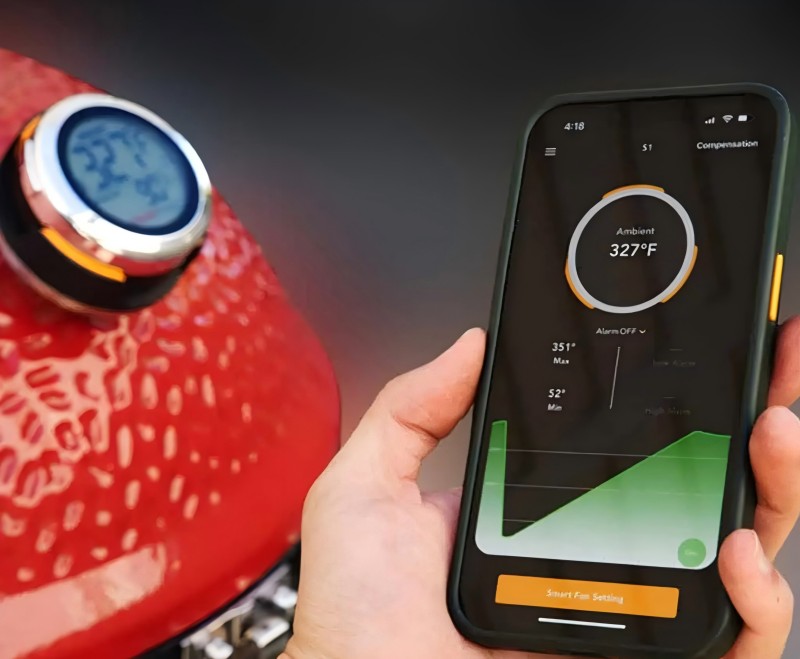
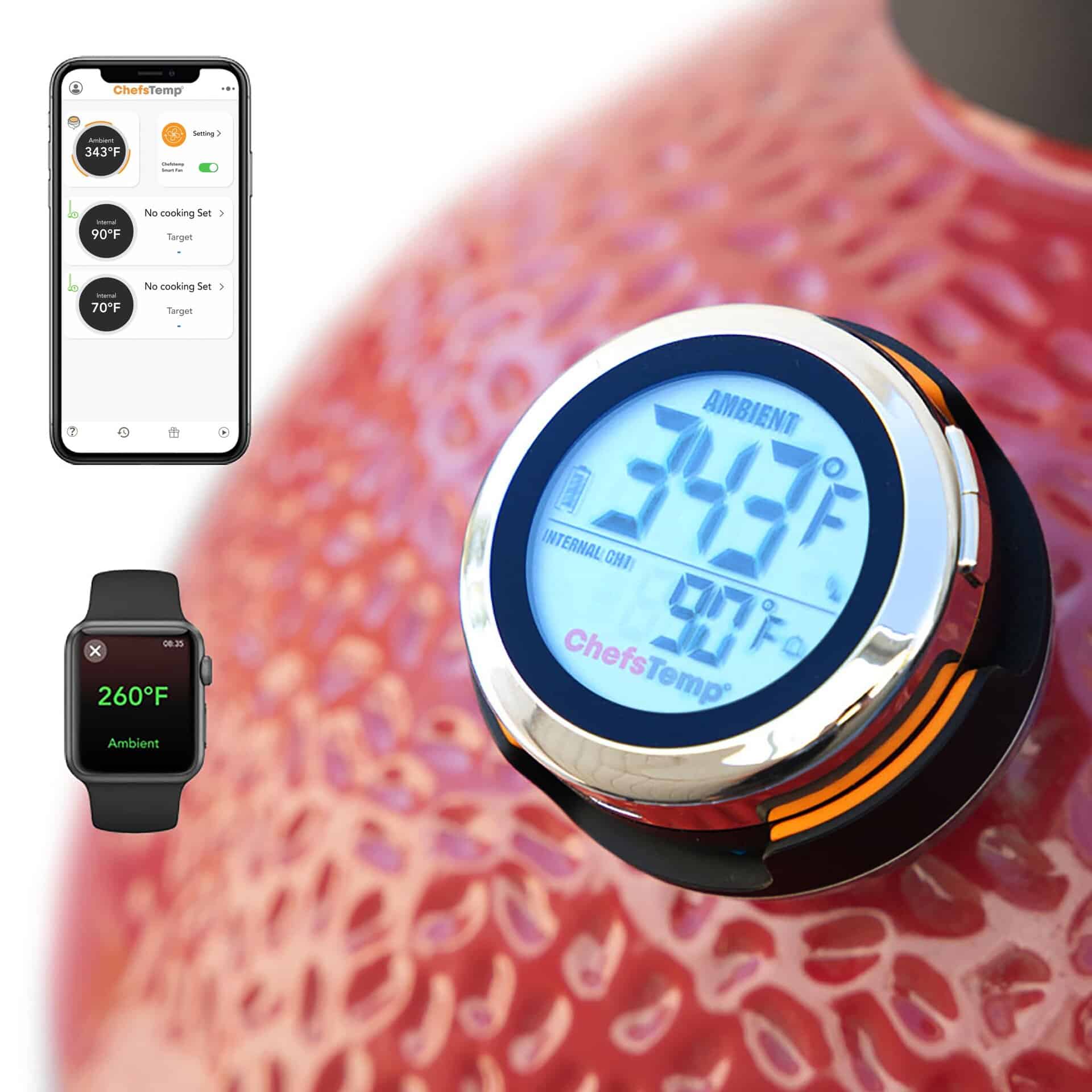
But here is the difficult part: no wrapping techniques can help your meat if there are large temperature fluctuations in your pit. To achieve the best temperature control for 14 hours of cooking, I had to remodel my Kamado and replace its cheap factory dial with a ChefsTemp ProTemp S1 Smart Grill Gauge. Here’s how it changed my pit for the better:
- High-Precision Platinum Sensor:It replaces wobbly factory NTC sensors with a professional-grade platinum sensor, which provides readings that are unshakable and hyper-accurate.
- True Grate-Level Accuracy: A long probe stem will measure the real heat of your meat and not the hot air that is trapped at the top of the dome.
- Automated Airflow Control: This is a wireless companion to the Breezo V2 Fan, which is capable of automatically regulating oxygen flow to maintain your charcoal at a rock-solid temperature throughout the night.
- Such Extreme Toughness:Its IP55-rated base and IP68-rated waterproof probes can deal with ambient temperatures of 1000°F and will easily withstand rain, steam, flare-ups, etc.

ProTemp S1
And to explore the science of controlling the environment of your smoker even further, take a look at our article on Brisket Smoke Temp: How to Master Perfect BBQ with the ChefsTemp Breezo System. Set the tune of your pit, and your wrapping strategy will naturally fall into place.
FAQ about When to Wrap Brisket
Q1: Do I absolutely have to wrap my meat during the cook?
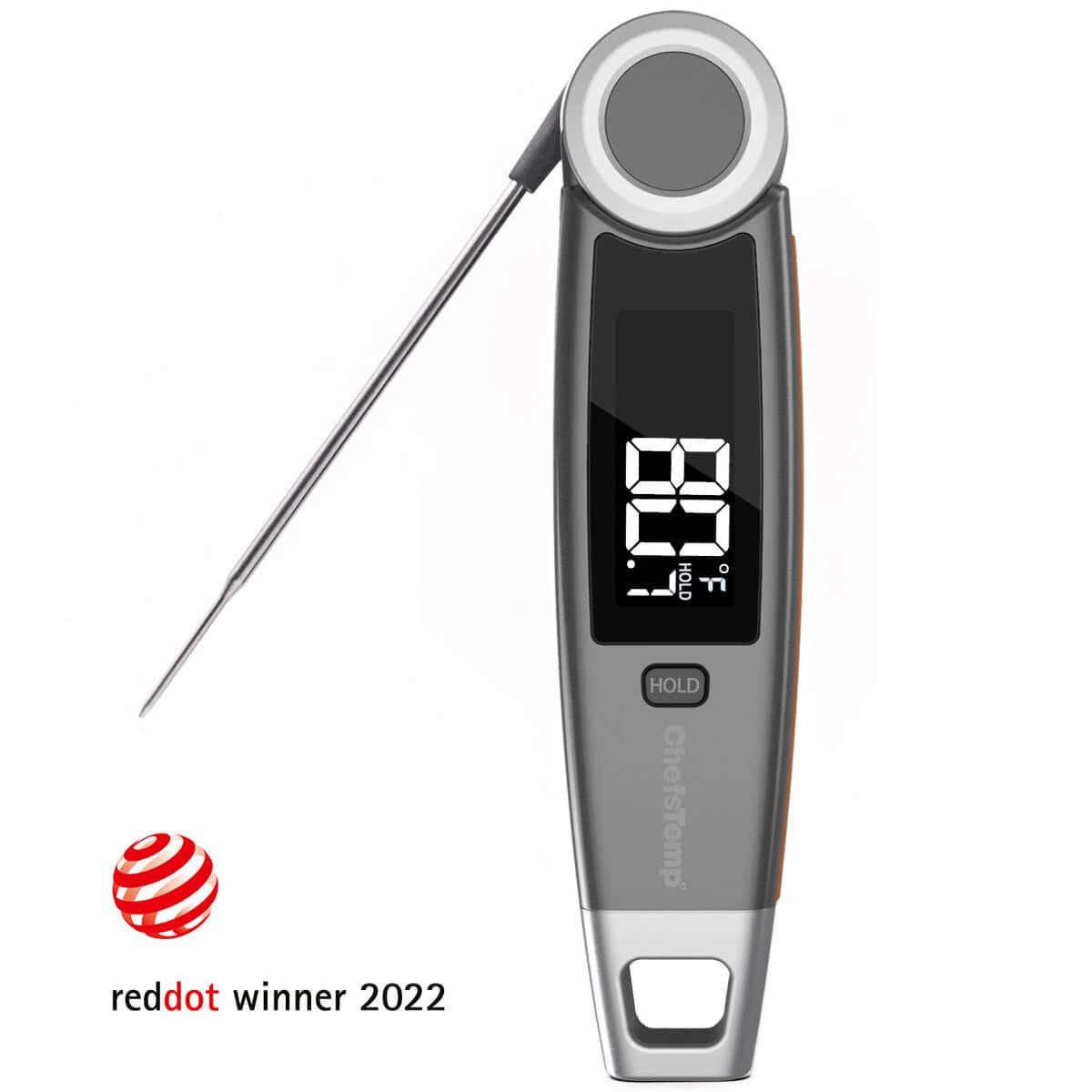
No, leaving it unwrapped develops a most wonderfully crunchy, smoky bark. All you have to do is keep a good eye on the slimmer lines without drying them up. Having a blazing-fast instant-read device could be a good idea for spot-checking those edges, and I strongly recommend you check out these Top 6 Thermapen Meat Thermometer Alternatives: Expert Reviews.
Q2: What is the main difference between aluminum foil and pink butcher paper?
Foil makes an airtight steam room, which cooks the meat far more quickly, but unfortunately turns your crust into mush. On the other hand, wrapping brisket in butcher paper breathes, preserving your well-whorsted bark and yet retaining an abundance of inner juices.
Q3: Should I add beef tallow or liquids when wrapping?
It is a brilliant addition to add smoked beef tallow to make it even richer, and a spritz of apple cider vinegar to add a nice acidic touch. Both are fine extras once you select the precise temperature at which to wrap brisket.
Conclusion
The backyard barbecue has no fixed guidelines, but whatever you find to be unbelievably good. You can either persevere with foil, or you can save the bark using paper, or you can use a combination of both, or you can leave your tools to the wind, but the key is to have trust in them. You can quit speculating just when to wrap brisket so that a reliable smart thermometer can direct your cook. I do strongly urge you to go and experiment with each of the three techniques on your own smoker, discover your own favorite, and cut something truly legendary at your next family get-together.
Découvrez les autres produits ChefsTemp

Découvrez plus de recettes et apprenez des astuces de cuisine en rejoignant notre communauté culinaire sur Facebook.
Vous pourriez aussi aimer :