5 errori comuni sulla sicurezza alimentare e come evitarli
I prodotti alimentari sono esposti a diversi rischi per la salute lungo tutta la filiera produttiva. Sebbene la tecnologia e le linee guida in materia di salute e sicurezza abbiano reso più sicure la produzione, l'agricoltura, la distribuzione, la lavorazione e la trasformazione degli alimenti, la minaccia delle malattie di origine alimentare rimane. La buona notizia è che è possibile dotarsi sia delle conoscenze che degli strumenti necessari per evitare questi errori in materia di sicurezza alimentare che causano malattie.
Ecco alcuni dei più errori comuni nella sicurezza alimentare che dovresti evitare.
Sommario
Errore 1: Lavare la carne (soprattutto pollo e tacchino) prima della cottura.
Lavare la carne cruda, soprattutto quella avicola come pollo, tacchino e uova, nel lavello della cucina può essere più dannoso che utile. I batteri presenti nei succhi della carne cruda e del pollame possono diffondersi ad altri alimenti e utensili e schizzare su altre superfici della cucina che dovrebbero essere pulite, causando contaminazione incrociata. La mancata pulizia di questi prodotti contaminati può portare a malattie di origine alimentare.
“Il termine "lavare la carne" può avere significati diversi per persone diverse. Alcuni la lavano sotto l'acqua corrente, altri usano dei colini. Alcuni mettono la carne in un contenitore e la lasciano in ammollo nell'acqua; altri ancora usano acqua salata, aceto o succo di limone per "pulirla". Sebbene lavare la carne cruda possa effettivamente rimuovere sporco, muco, sangue o pelo, questa pratica era in uso quando le persone macellavano e preparavano la carne da sole. Le moderne normative sulla sicurezza alimentare non lo richiedono più, poiché la maggior parte della carne che arriva nelle macellerie e nei supermercati viene pulita durante la lavorazione.
Inoltre, non utilizzare mai detersivi o sapone per lavare carne o pollame (uova). Queste sostanze chimiche possono contaminare il cibo, rendendolo non sicuro per il consumo.
Soluzione: Cuocete bene gli alimenti.
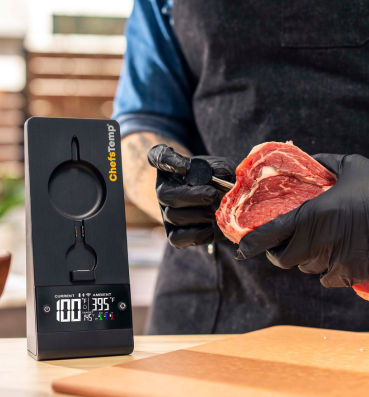
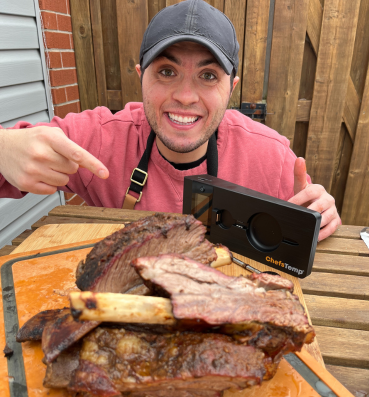
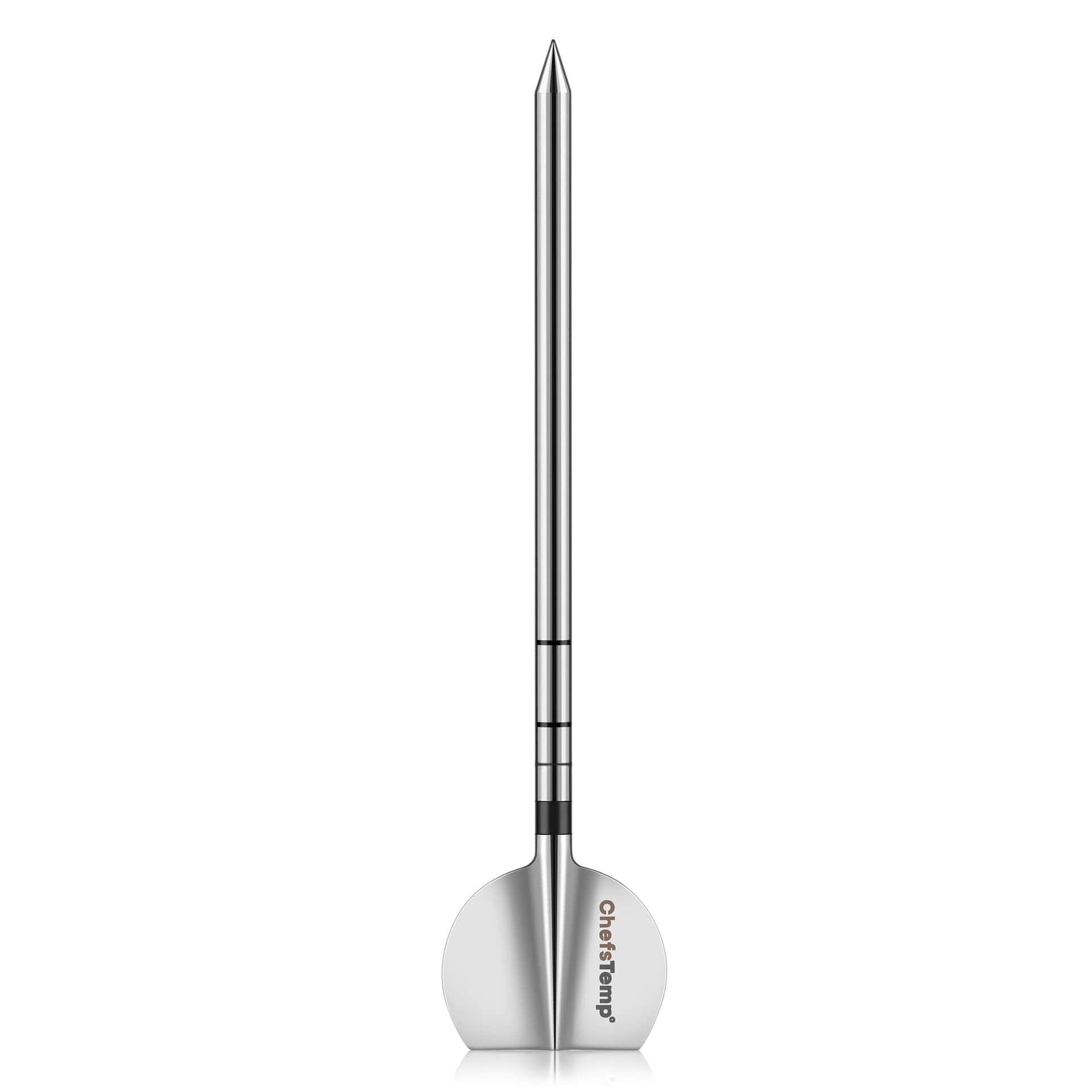
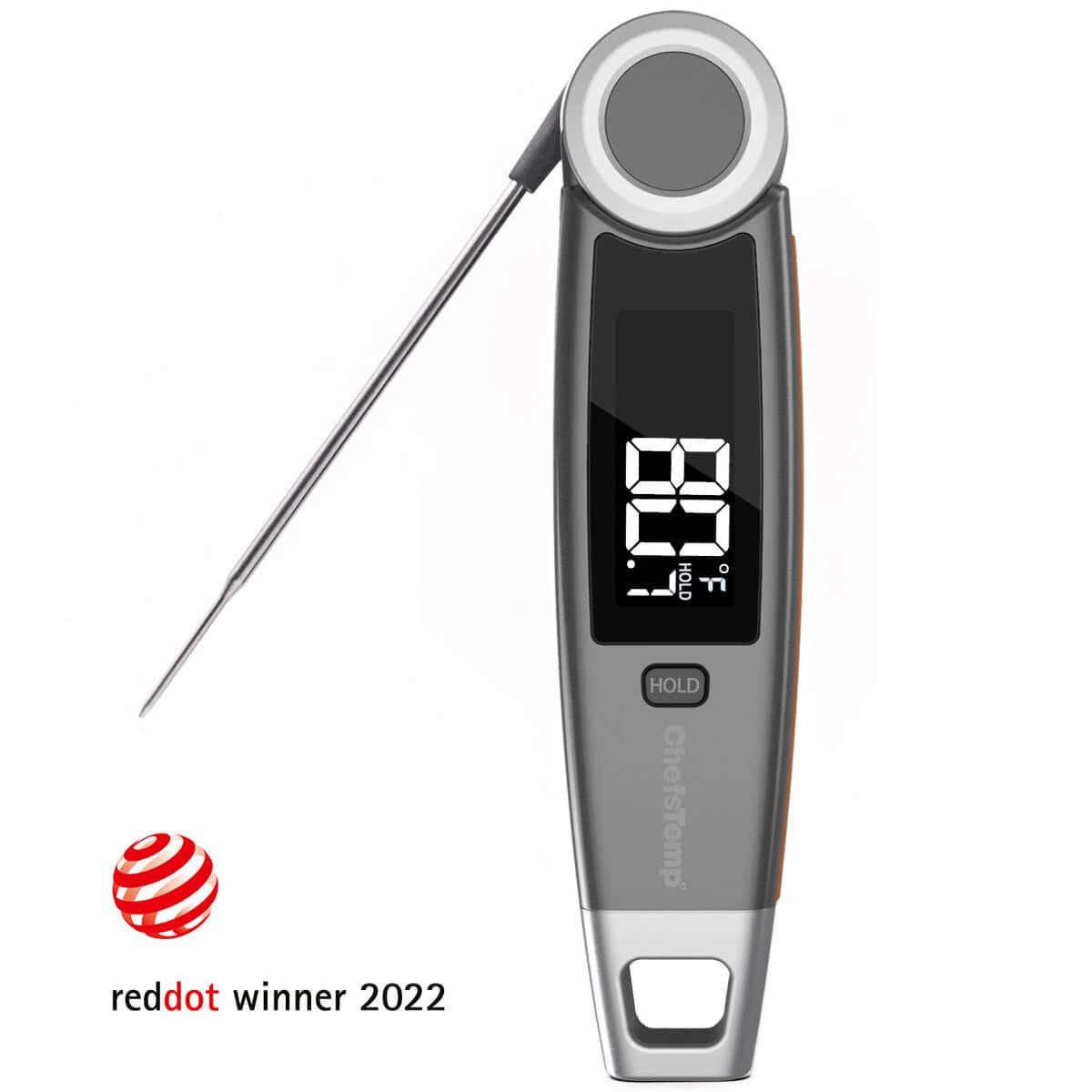
Oggi lavare la carne è del tutto superfluo, poiché la cottura (al forno, bollitura, grigliatura, frittura, ecc.) è in grado di uccidere i germi presenti sulla carne. Inoltre, una cottura accurata garantisce che il cibo sia sicuro da consumare. Poiché è impossibile saperlo con il tatto, la sensazione o il gusto che la tua carne sia cotta fino in fondo, strumenti come un efficiente entrare in gioco.

Errore 2: Scongelare gli alimenti e/o marinarli sul piano di lavoro
Scongelare e marinare (carne o pesce) in un sacchetto di plastica e lasciarlo sul piano della cucina è assolutamente sconsigliato. Lasciare la carne cruda a temperatura ambiente per lungo tempo (o anche per breve tempo) può favorire la proliferazione batterica.
Inoltre, è importante notare che durante la marinatura, la carne cruda non è l'unico elemento portatore di germi; anche la marinata stessa può essere altrettanto pericolosa. Pertanto, se si intende riutilizzare la salsa della marinata, è fondamentale bollirla prima! Questo perché la marinata presente nella carne cruda (o nel pesce) può diffondersi più rapidamente alla nuova porzione di carne cruda.
Soluzione: Scongelare e conservare in frigorifero la carne cruda marinata.
Le basse temperature all'interno del frigorifero possono rallentare significativamente la proliferazione dei batteri.
Errore 3: Mangiare impasto crudo (o altri alimenti con uova crude)
Mangiare impasto crudo per biscotti, burro crudo o impasto (o qualsiasi altra cosa) (contenenti uova crude o farina) possono esporti a batteri nocivi, come la Salmonella, che può causare intossicazione alimentare.
Caratterizzata da diarrea, vomito e crampi addominali, l'infezione da Salmonella può insorgere circa 12 ore dopo aver consumato cibo crudo e contaminato e durare dai quattro ai sette giorni. Nei casi più gravi, può essere necessario il ricovero ospedaliero per prevenire la sepsi, un'infezione batterica diffusa.
Sebbene oggigiorno la probabilità di contrarre un'infezione da Salmonella sia relativamente bassa, non è comunque impossibile. Infatti, la Food and Drug Administration (FDA) statunitense ha riportato circa 1,35 milioni di casi di malattia all'anno negli Stati Uniti, con 420 decessi.
I bambini, le donne in gravidanza e le persone con un sistema immunitario compromesso non dovrebbero mai mangiare l'impasto crudo dei biscotti.
Soluzione: Evitate di mangiare l'impasto crudo.
Se proprio non riuscite a resistere, sul mercato sono disponibili molti prodotti a base di impasto per biscotti sicuri e commestibili.
Errore 4: Non lavare frutta e verdura prima di sbucciarle
Sebbene l'agricoltura e la produzione di frutta e verdura siano migliorate significativamente negli ultimi due decenni, è ancora possibile che i germi proliferino sulle superfici di questi prodotti.
Frutta e verdura crude devono essere lavate accuratamente prima di sbucciarle, tagliarle, mangiarle o cucinarle, per evitare che i germi (in particolare i batteri patogeni di origine alimentare come E. coli, Listeria e Salmonella) presenti all'esterno contaminino l'interno durante le operazioni di sbucciatura o taglio.
Soluzione: Lavare accuratamente frutta e verdura prima di sbucciarle, tagliarle o mangiarle.. Utilizzare acqua potabile pulita per il lavaggio. Per i prodotti con la buccia più spessa, utilizzare una spazzola per rimuovere i microbi dannosi.

Errore 5: Non cuocere bene la carne (inclusi pollo, tacchino, frutti di mare, uova, ecc.).
Tutta la carne cruda, indipendentemente dalla sua provenienza, contiene batteri nocivi che possono causare intossicazioni alimentari. Mentre tagli interi di carne come manzo e bistecche possono ospitare batteri solo sulla superficie, i prodotti a base di maiale e pollame possono contenerli in tutta la carne. È necessario eliminare questi batteri nocivi cuocendo la carne alla giusta temperatura per il tempo specificato.
Mentre la carne (cotolette di manzo intere, bistecche di manzo, costolette di agnello, ecc.) può essere consumata al sangue, per motivi di sicurezza alimentare è necessario cuocere completamente altri tipi di carne e il pesce.
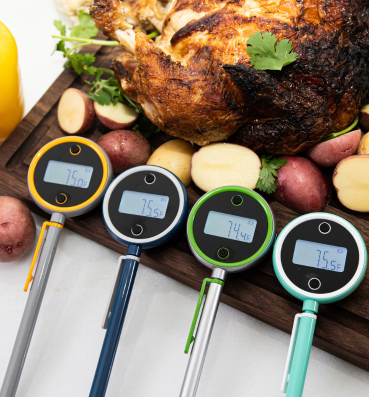
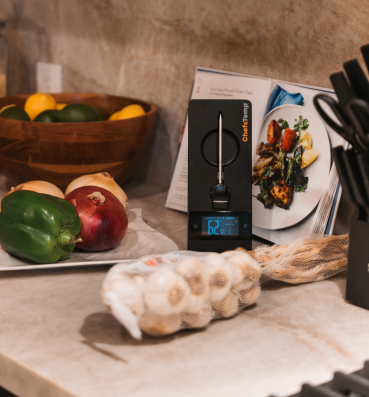
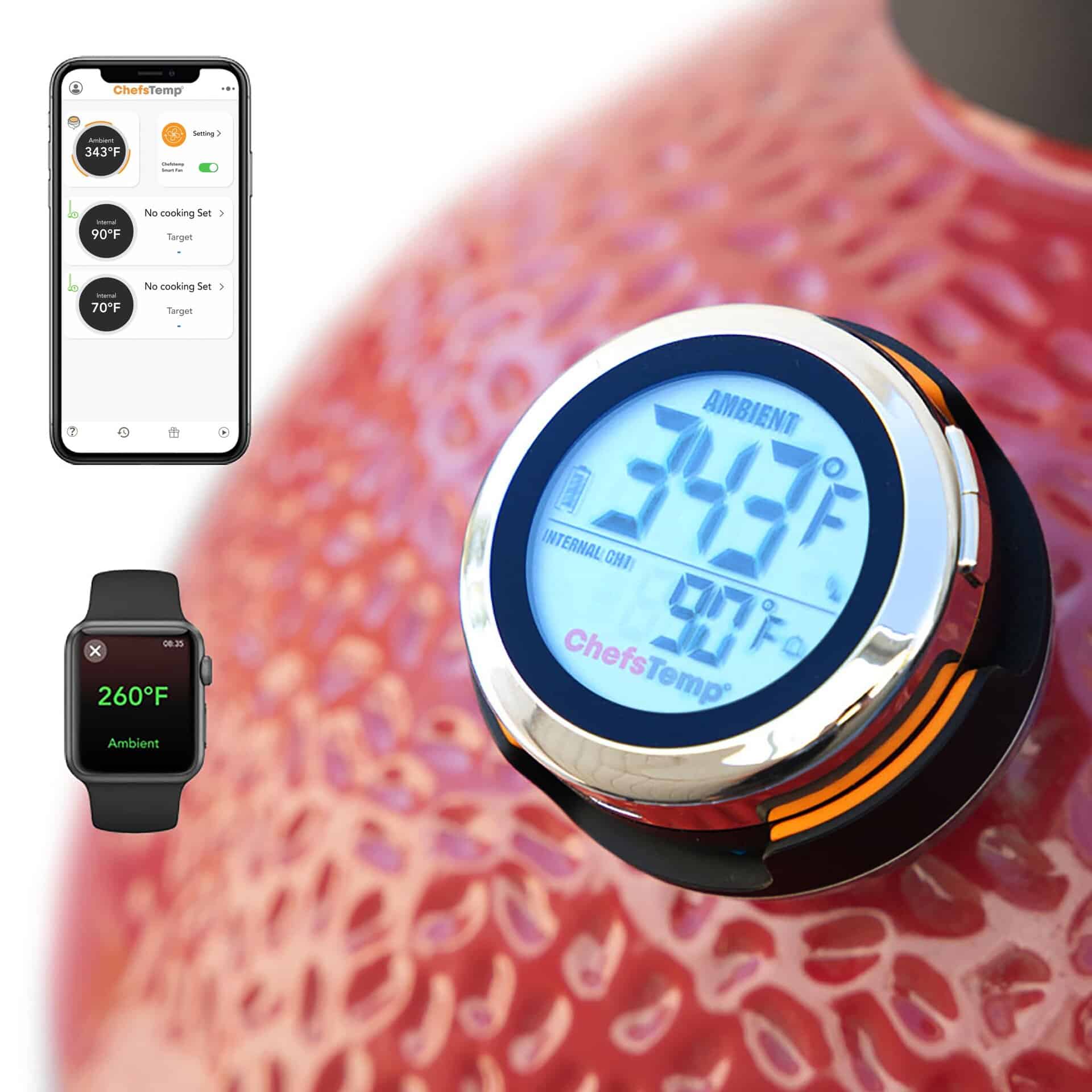
Soluzione: Di nuovo, potresti aver bisogno di superpoteri per dire con sicurezza che il cibo che stai cucinando è cotto a puntino. Oppure puoi semplicemente usare un termometro per alimenti a infrarossi per una lettura accurata e una comprensione approfondita delle temperature corrette che uccidono i germi in vari tipi di alimenti, oppure un termometro per carne per determinare cottura.
Inoltre, tieni presente che diversi tipi e tagli di carne hanno diverse temperature di cottura interne. Familiarizza con queste per garantire la sicurezza della tua famiglia e dei tuoi amici. Puoi attaccare un tabella della temperatura della carne magnetica sul frigorifero o sulla griglia per controllare la temperatura in qualsiasi momento.
La conclusione
Evita questi cinque errori comuni in materia di sicurezza alimentare per garantire la salute e la sicurezza della tua famiglia e dei tuoi amici.
Scopri altri prodotti ChefsTemp



Scopri altre ricette e impara trucchi di cucina unendoti alla nostra famiglia di cuochi su Facebook.
Potrebbe anche interessarti: