Grill Lid Thermometer Accuracy: The Real Temperature Gap and How to Close It
Your grill’s built-in thermometer is lying to you – and it’s costing you food.
When you cook raw meat over coals, a few degrees can make all the difference. You either get juicy ribs or dry leather. The core problem is placement: dome dials sit 6–8 inches above the cooking grate, measuring trapped ceiling air rather than the heat your food actually experiences. It rarely measures the heat exactly where the food sits.
Quel divario spiega perché termometri per coperchi di griglia constantly drift, lag, or disagree with the actual grate temperature. Wind, cold weather, or a lopsided charcoal fire make the problem worse. The Hearth, Patio & Barbecue Association notes that 80% of North American adults own a grill or smoker. Yet the same industry data show that temperature control remains the leading cause of overcooked or unsafe backyard BBQs.
You need steady grate heat and safe internal meat temps. This guide explains how these built-in lid dials fail and how to avoid the most common, expensive BBQ mistakes.
Sommario
Parte 1. Why Grill Lid Thermometers Are Inaccurate: 6 Root Causes
A built-in lid dial looks official. It isn’t always helpful. Most factory gauges use a bimetallic coil — two metals bonded together that twist at different expansion rates as temperature rises.
The design dates to the 19th century. It has a typical accuracy tolerance of ±5–10°F under controlled lab conditions, and significantly worse in a live fire environment. That design can work in a clean oven. A grill is messier – smoke, grease, wind, and uneven fire all get a vote.

È qui che di solito iniziano i problemi:
- La collocazione non è adatta per il cibo. Heat rises, so the hottest air often sits near the top of the lid. Your steaks and ribs sit at the grill level. Independent tests and user measurements consistently document dome dial readings running 50–100°F above actual grate temperature during standard low-and-slow cooks.
- Calibration drift is permanent in most factory dials. After 20–30 heat cycles, the bimetallic spring’s elasticity degrades. Many factory units have no calibration screw; those that do rarely hold adjustment after another 10 cooks. Once a dial wanders, it wanders for good.
- Il fumo e il grasso rallentano tutto. Inside a grill, vaporized fat forms a sticky layer everywhere. Vaporized cooking fat deposits a progressive creosote layer on the probe stem – a 1mm coating is enough to add 8–15 seconds of thermal lag per temperature reading, making the dial’s response effectively useless during active fire management.
- Le condizioni meteorologiche influenzano la lettura. Il vento freddo può raffreddare il metallo del coperchio mentre il fuoco divampa. La pioggia raffredda la cupola. La neve lo fa ancora più velocemente. Il termometro del coperchio del barbecue è fissato al coperchio stesso, quindi risente in parte della temperatura esterna. Il quadrante potrebbe indicare una temperatura inferiore a quella reale delle braci.
- The sensor sits outside the primary convection path. I barbecue aspirano aria attraverso le prese d'aria. A seconda della posizione delle prese d'aria e della forma del coperchio, il flusso d'aria più caldo potrebbe passare vicino al cibo ed uscire dallo scarico senza raggiungere il termometro. Il quadrante finisce quindi per misurare la temperatura in un "angolo tranquillo" della cupola.
- La griglia presenta punti caldi e punti freddi. Il carbone e la legna non bruciano come su una piastra di cottura piatta. Un lato può surriscaldarsi, mentre l'angolo posteriore può rimanere freddo. Un singolo numero sul display non fornisce mai un quadro completo. Non può avvisarti quando il lato sinistro della griglia è freddo mentre quello destro è rovente.
A factory dome dial is not worthless – it tells you whether the fire is building or dying. What it cannot do is give you the ±5°F precision that separates a properly rendered brisket flat from a dry one. Use it as a rough sanity check, nothing more.
Bimetallic Coil vs. Platinum RTD: How the Sensors Compare
| Spec | Factory Bimetallic Coil | Platinum RTD (ProTemp S1) |
|---|---|---|
| Typical accuracy | ±5–10°F | ±0.9°F (±0.5°C) |
| Max rated temperature | ~600°F | 1,000°F |
| Drift after 30+ cycles | Significant; often uncorrectable | Negligible; self-stable |
| Response lag (creosote-coated) | 60–90 sec | Not applicable (sealed stem) |
| Calibration requirement | Periodic; often not possible | None required |
| Wireless connectivity | None | WiFi + Bluetooth dual-band |
Parte 2. What the ProTemp S1 Actually Does Differently
Before listing what the S1 does well, one limitation matters: the temperature control feature requires the separately sold Breezo V2 fan. The ProTemp S1 hub alone is a monitoring and alerting device. Buyers who expect plug-and-play automated fire control need to budget for both components
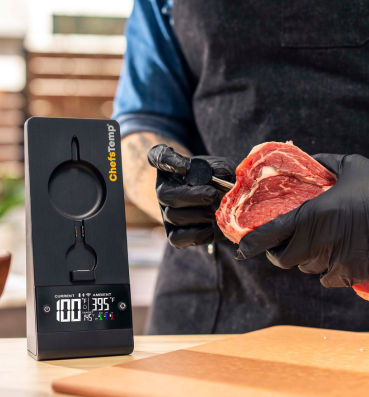
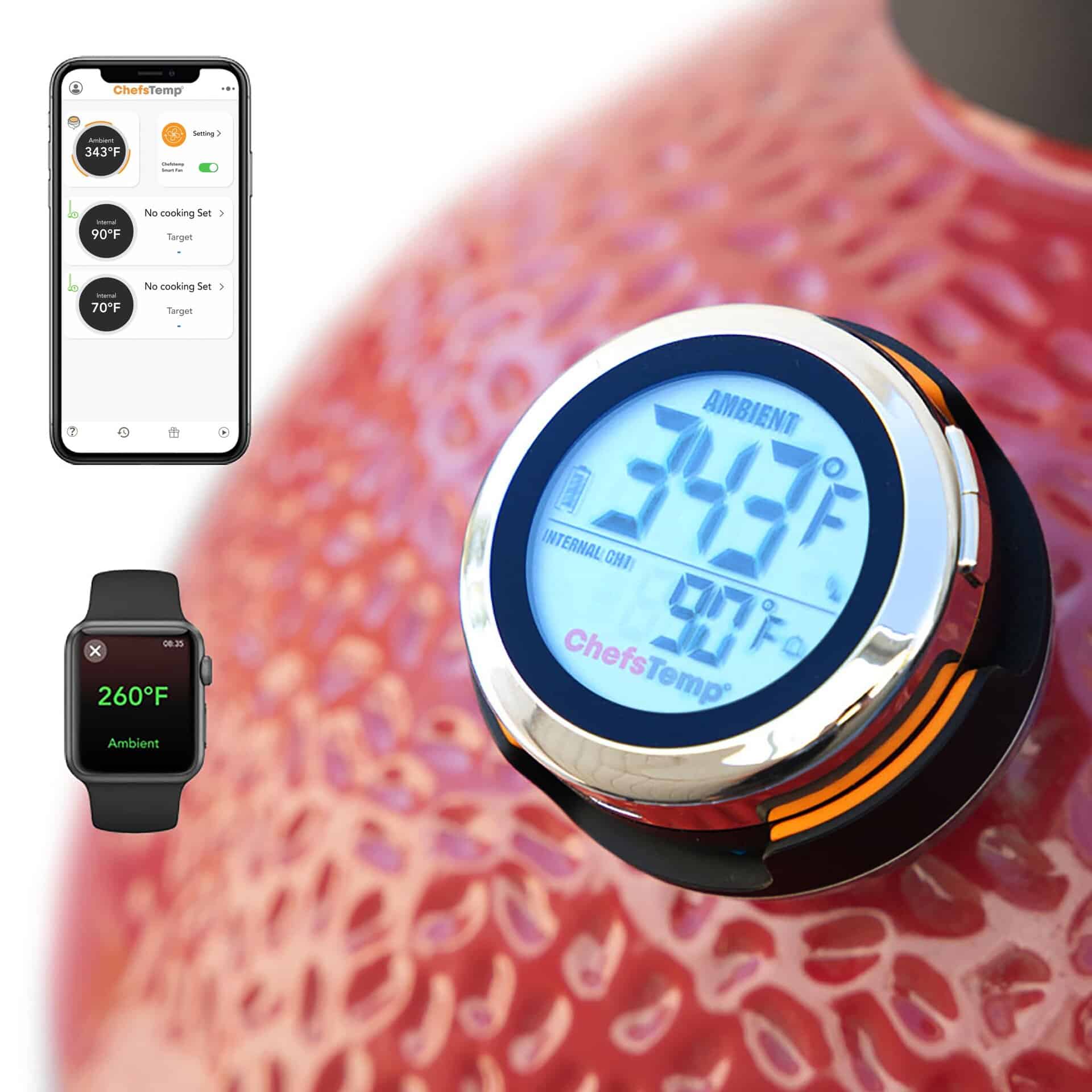
È possibile sostituire facilmente un quadrante di fabbrica inaffidabile con una moderna tecnologia intelligente. Oggi, molti maestri del pit stop tirano fuori i loro vecchi indicatori e installano un sistema specializzato. Hub termometro intelligente brevettato ProTemp S1 per griglia. Questo aggiornamento ti offre il controllo totale sul fuoco e sul cibo.

La differenza sta nel modo in cui lo strumento misura effettivamente il calore e comunica con l'utente:
Platinum RTD Sensor: What the ±0.9°F Rating Means in Practice
The ProTemp S1 uses a platinum RTD (Resistance Temperature Detector) sensor rated at ±0.9°F accuracy. Unlike bimetallic coils, platinum RTD sensors maintain accuracy to ±0.1°C across the full temperature range and show negligible drift after years of thermal cycling – the same sensor class used in laboratory and industrial process control.
Platinum offers incredible stability at extreme temperatures. Because this unit accurately reads ambient temperatures up to 1000°F, you can easily hold a steady 225°F for low-and-slow BBQ. Later, you can crank the heat for high-temp searing or backyard pizza baking without ever destroying the sensor.
WiFi + Bluetooth Dual Connectivity: Why Both Channels Matter
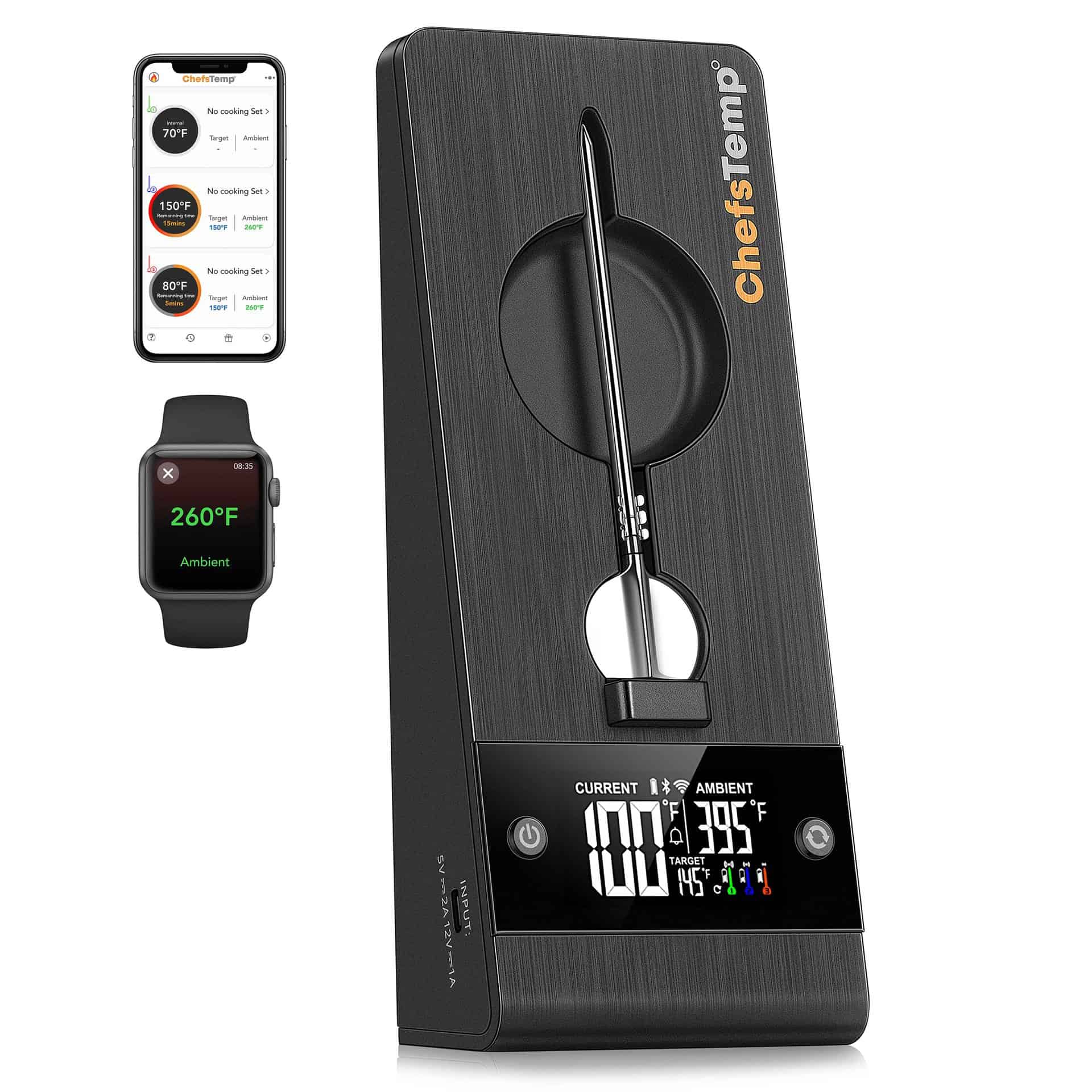
Sitting next to a hot smoker all day gets exhausting. The ProTemp S1 solves this with built-in Wi-Fi and Bluetooth connectivity. WiFi mode delivers alerts over your home network with unlimited range. If the router goes offline mid-cook, the S1 automatically falls back to Bluetooth — covering roughly 100 meters — so an overnight brisket is never left unmonitored because of a router reboot. You can step off the deck, entertain guests indoors, or even run to the store while still perfectly nailing a brisket.
Tracking Multiple Meats with Wireless Probes
Quando si organizzano grandi grigliate in famiglia, spesso è necessario gestire contemporaneamente diverse fonti di proteine. Un termometro digitale di alta qualità con sonda integrata semplifica questo compito. Il ProTemp S1 supporta fino a 4 sonde wireless. Ciò significa che è possibile monitorare una spessa spalla di maiale, controllare due costine e tenere sotto controllo un pollo intero allo stesso tempo.
Automating Airflow with the Breezo Fan
Controllare il fuoco stesso è un'altra sfida. Gestire manualmente le prese d'aria del carbone richiede una supervisione costante. Tuttavia, il ProTemp S1 si abbina perfettamente al ventilatore Breezo opzionale. Quando la temperatura del braciere scende, questo ventilatore immette automaticamente ossigeno nella camera di combustione. Questo controllo automatico del flusso d'aria mantiene il braciere alla temperatura desiderata senza bisogno di regolazioni manuali delle prese d'aria.
Drop-In Installation: No Wiring, No Drilling, No Adapters (With One Caveat)
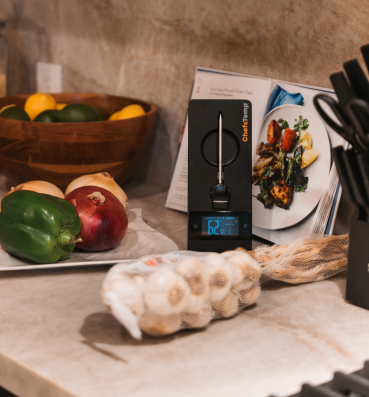
Finally, this system eliminates the clutter that ruins a good cooking experience. Messy wires often melt on hot grates and tangle easily. Because the ProTemp S1 is a 100% wireless hub, it simply mounts right into the empty hole on your lid, replacing your broken dial perfectly. This eliminates external power cables and probe wires from the grill exterior entirely.
One installation caveat: ProTemp S1 ships in three stem versions (Universal 7.8mm, BGE-specific 4.1mm, and short-stem 1.5-inch). Verify your grill’s gauge port diameter before ordering — the wrong stem version will not seat correctly.
In definitiva, leggi di più per come scegliere il miglior termometro per carne. Trasformerà la tua routine culinaria quotidiana. Gli strumenti di precisione impediscono che il petto di pollo si secchi e troppo cotto, mentre le costine rimangono dure e poco cotte. Otterrai risultati impeccabili e ripetibili ogni fine settimana.
Parte 3. How to Replace a Grill Lid Thermometer: Step-by-Step (Under 5 Minutes)
If you want better BBQ, start by throwing out the factory dial. Installing the best grill lid thermometer takes less than five minutes. For almost every standard grill on the market, you won’t need to fire up a drill or make any advanced modifications. Tools required: one pair of pliers or a 1-inch wrench, one damp cloth, and the ChefsTemp app (free, iOS and Android).
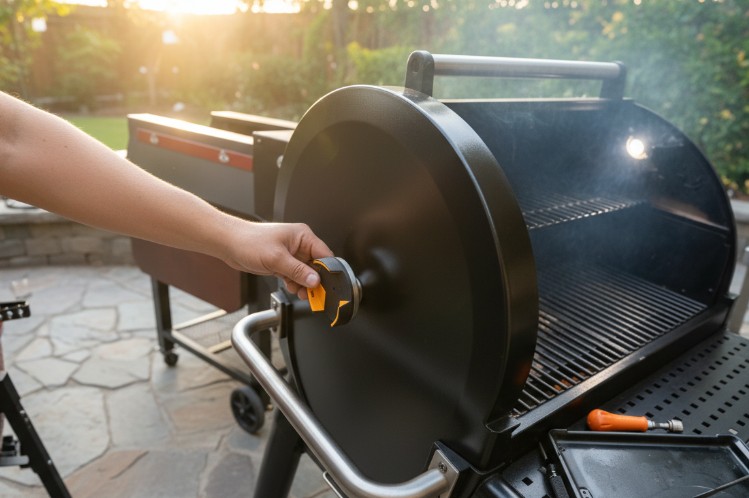
La procedura è incredibilmente semplice. Ecco esattamente come sostituire il vecchio indicatore con un moderno hub intelligente:
- Rimuovere il vecchio quadrante: Per prima cosa, apri il coperchio del barbecue e guarda dietro l'indicatore di temperatura originale. Vedrai un singolo dado di fissaggio che tiene in posizione il vecchio termometro. Per allentare e svitare questo dado, prendi un paio di pinze o una chiave inglese. Una volta rimosso il dado, estrai il vecchio termometro del coperchio del barbecue, ormai impreciso, tirandolo fuori dal foro dall'esterno.
- Pulire l'area di montaggio: Over time, heavy smoke and vaporized fat build up on the inside of the lid. Wipe the mounting hole area with a cloth dampened in dish soap solution. Creosote residue around the port will prevent a flush seat and can cause air leaks that throw off ambient temperature readings.
- Installare il Nuovo Centro: Next, insert your ProTemp S1 hub into the existing hole, then slide the threaded stem into place. Reach under the lid and hand-tighten the provided locking nut. Hand-tighten only — no tools. Over-tightening the locking nut on a ceramic (BGE/Kamado Joe) lid can hairline-crack the ceramic around the port. On metal lids, finger-tight creates sufficient compression seal.
- Collega l'app: Infine, prendi il tuo smartphone. Scarica l'app ChefsTemp e segui le rapide istruzioni sullo schermo per associare il tuo nuovo dispositivo tramite Bluetooth o Wi-Fi.
Ecco fatto. In pochi minuti, avrete trasformato con successo un semplice barbecue da giardino in una macchina per barbecue di precisione controllabile a distanza.
Parte 4. Four Techniques That Make Precision Thermometry Actually Work
La tecnologia aiuta sicuramente a raggiungere le temperature desiderate, ma una buona tecnica rimane la base per un barbecue perfetto. Puoi avere il miglior termometro per il coperchio del barbecue al mondo, ma se il fuoco non viene acceso correttamente, il cibo ne risentirà. Ecco quattro abitudini essenziali da adottare quando accendi il tuo barbecue a carbone di ultima generazione:
- Crea un fuoco a due zone: Two-zone fire management is the foundational technique that makes temperature control meaningful. Place all your lit coals in a tight pile on one side of the grill. Leave the other side empty. This simple setup gives you two distinct heat zones: a hot, direct-searing zone and a cooler, indirect-roasting zone. You can easily move the meat away from the fire to save it from burning.
- Controlla i tuoi tagli sottili: Mentre le sonde wireless sono ideali per le parti più spesse del petto di manzo o della spalla di maiale, i bordi più sottili cuociono più velocemente. Tenete sempre a portata di mano un termometro a infrarossi affidabile per controlli rapidi prima di servire. Controllare i bordi, i muscoli più sottili e i tagli più piccoli come le ali di pollo garantisce che nulla si secchi o si cuocia troppo.
- A USDA safe internal temperature reference: Poultry 165°F / Ground meats 160°F / Whole beef & pork steaks 145°F (3-min rest) / Fish 145°F.
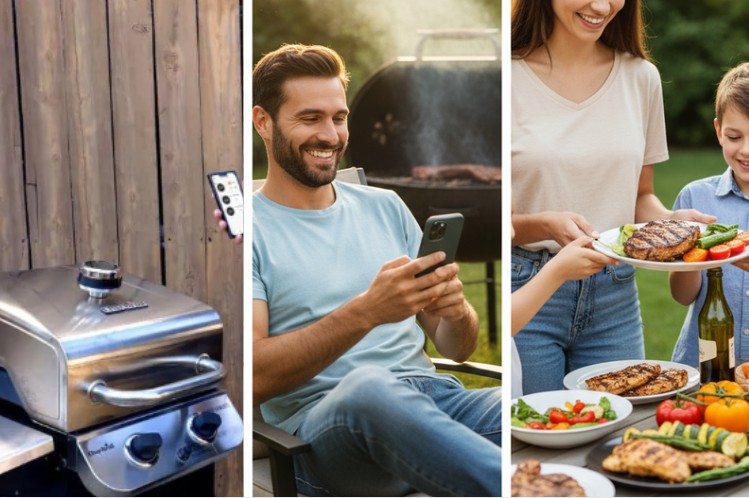
- Tenete il coperchio del barbecue chiuso: Every time you open it, precious heat and flavorful smoke escape. Trust the ProTemp S1 app to tell you what is happening inside the cooker. As the old BBQ saying goes: “If you are looking, you aren’t cooking.” Every lid opening drops grate temperature by 30–50°F and requires 8–12 minutes to fully recover on a charcoal grill — time when your cook is stalled.
- Misurare all'altezza della griglia: È fondamentale conoscere la temperatura precisa a cui viene posizionato il cibo. Collega il tuo hub intelligente a una sonda termometrica digitale per alimenti, progettata specificamente per la griglia di cottura. Monitorare la temperatura della griglia, oltre a quella interna della carne, garantisce condizioni di cottura precise e sicure.
Pratiche collaudate nel tempo e termometri intelligenti per griglie di carne assicurano che il sapore rimanga intatto. Ti aiutano a evitare che la carne rimanga cruda al centro e a servire sempre un barbecue impeccabile. Inoltre, guarda i risultati del test di un termometro da coperchio economico a confronto con una sonda di calibrazione professionale.
Parte 5. Conclusione
A cheap factory dial can easily ruin an expensive piece of meat. Standard grill lid thermometers cannot withstand bad weather, poor placement, or weak metal coils. Upgrading your setup changes everything. The ProTemp S1 fixes these exact frustrations. It delivers true platinum sensor precision, easy Wi-Fi monitoring, and multi-probe tracking.
A cheap factory dial is the fastest way to ruin an expensive brisket. Upgrading to a termometro da cucina di alta qualità ecosystem like the ProTemp S1 replaces analog guesswork with precise thermal data. By eliminating wire clutter and automating airflow, you stop babysitting the pit and start controlling it. Upgrade your hardware, and you secure flawless, repeatable barbecue every single weekend.
Parte 6. Domande frequenti sui termometri per coperchi di barbecue
D: I termometri integrati nei coperchi sono precisi?
No. Independent measurements consistently show factory dome dials reading 50–100°F above actual grate temperature, due to sensor placement 6–8 inches above the cooking surface and the slow response characteristics of bimetallic coils. For reliable pit management, a dedicated grate-level probe is required.
D: Qual è il termometro per barbecue più affidabile?
The most reliable grill thermometers use platinum RTD sensors, which maintain accuracy to ±0.9°F across a 32–1,000°F range without calibration drift. Bimetallic coil gauges, the type found in most factory dome dials, degrade measurably after 20–30 heat cycles. For ambient grate monitoring, a platinum RTD hub paired with wireless food probes (such as the ProTemp S1 setup) currently represents the highest available accuracy class for consumer BBQ use.
D: Gli chef usano i termometri per la carne quando grigliano?
Yes. Professional cooks rely on calibrated thermometers because internal meat temperature is the only reliable indicator of both food safety and target doneness. Cooking by time or touch cannot account for variable meat thickness, starting temperature, or ambient conditions. The USDA recommends reaching 165°F for poultry, 145°F for whole cuts of beef and pork, and 160°F for ground meats – targets that are only verifiable with a calibrated probe.
D: Perché i termometri sui coperchi dei barbecue smettono di funzionare?
Factory lid thermometers fail through three independent mechanisms:
- Creosote fouling: Grease deposits insulate the probe stem, adding 60–90 seconds of thermal lag.
- Bimetallic fatigue: the metal spring loses elasticity after repeated thermal cycles, causing permanent calibration drift.
- Moisture ingress: Condensation and rain corrode the internal coil, accelerating drift or causing total failure.
None of these failure modes are field-repairable on most factory units.
D: Quali sono le caratteristiche di un buon termometro digitale per alimenti?
A high-quality digital food thermometer should meet four criteria: accuracy of ±1°F or better; response time under 3 seconds; waterproof housing rated IP65 or higher; and a temperature range of at least 32°F to 572°F for standard BBQ use. Wireless connectivity (Bluetooth or WiFi) is valuable for long smoking sessions where leaving the grill unattended is necessary. For ambient pit monitoring specifically, a platinum RTD sensor outperforms thermocouples at the precision and stability levels relevant to low-and-slow cooking.
Q: Can I use the ProTemp S1 without the Breezo fan?
Yes. The ProTemp S1 hub functions as a standalone ambient temperature monitor and wireless probe hub without the Breezo V2 fan. You gain precise dome temperature tracking, up to four wireless meat probe channels, and WiFi/Bluetooth remote alerts. Automated fire control — where the system adjusts your charcoal fire to maintain a target temperature – requires adding the Breezo V2 fan as a separate purchase.
Scopri altri prodotti ChefsTemp

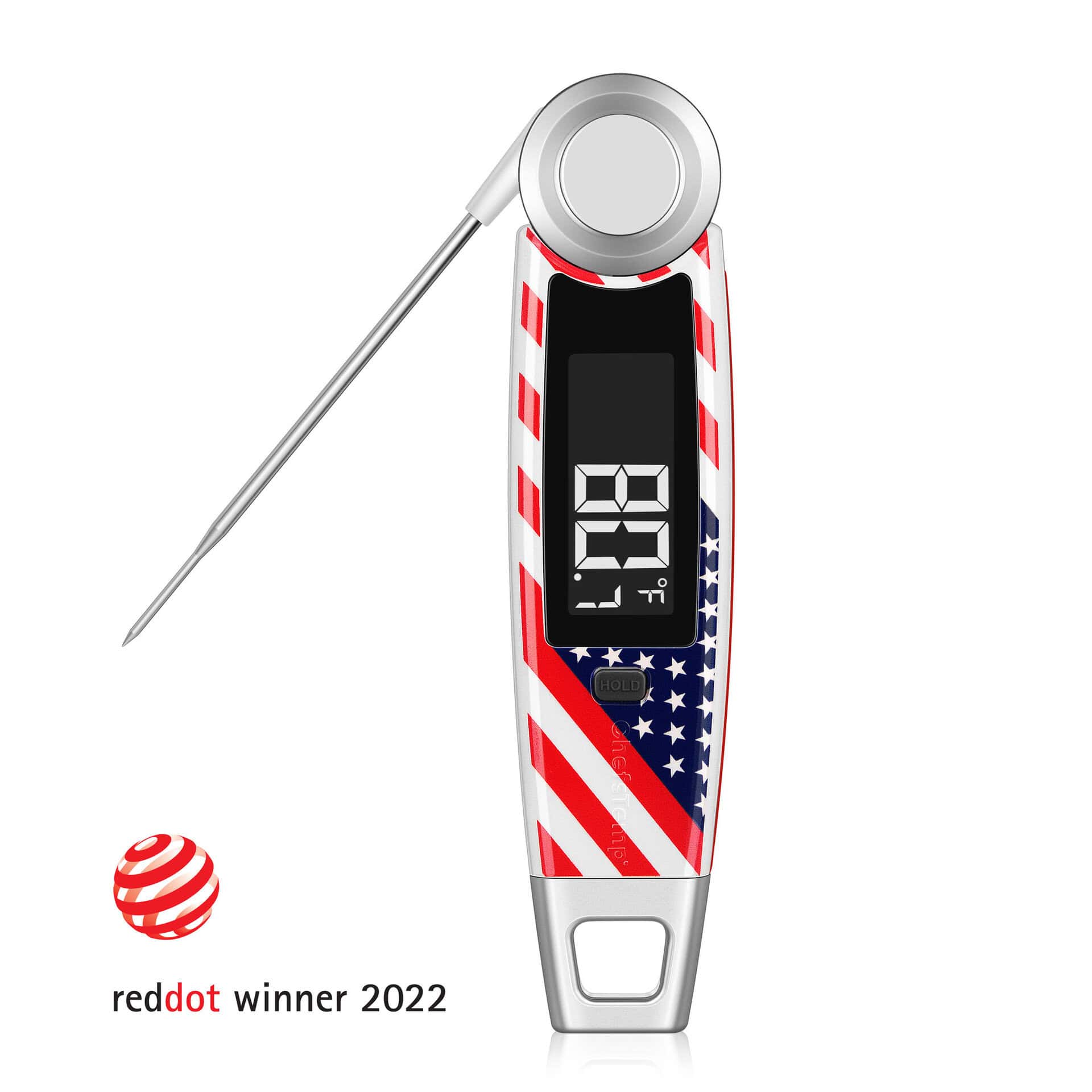
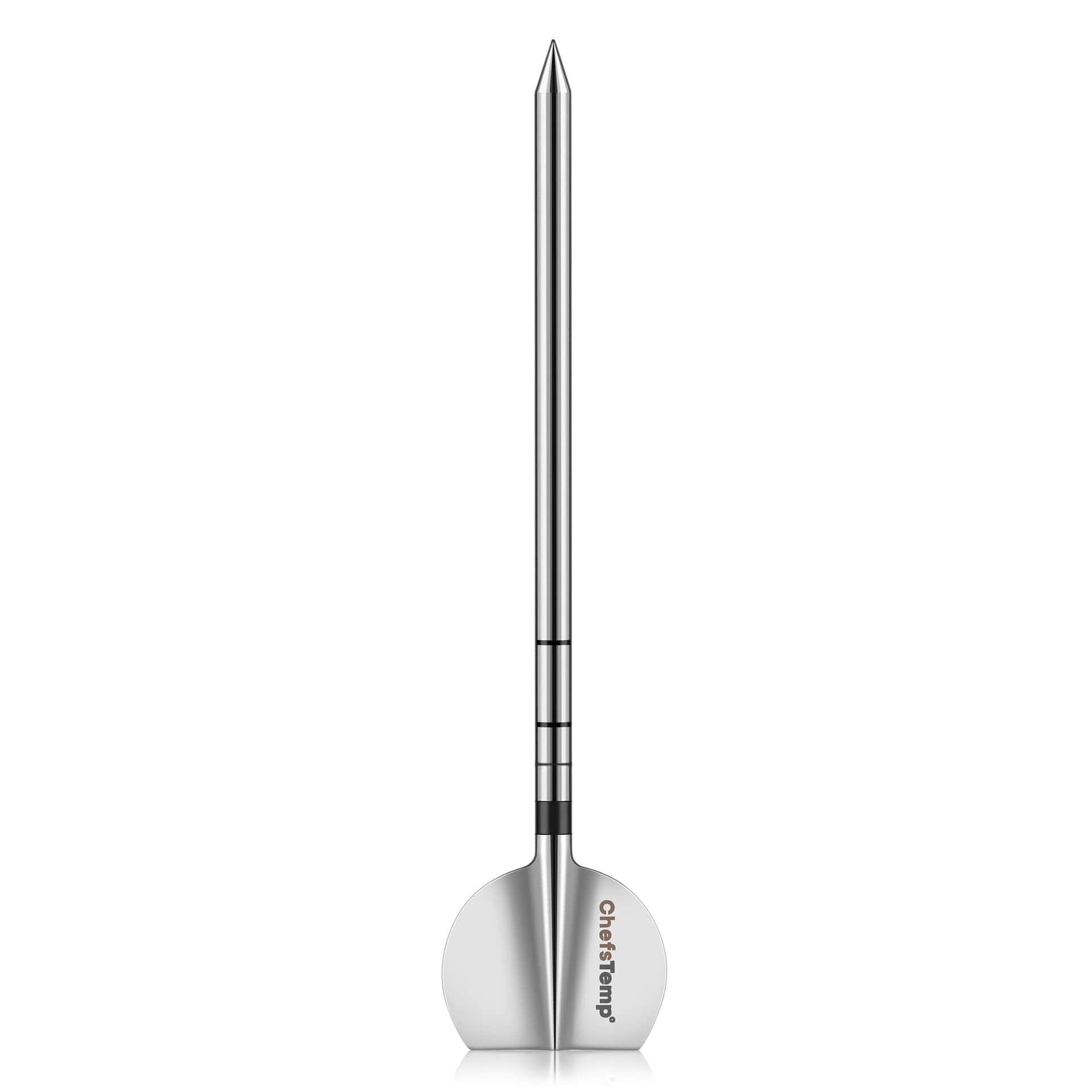
Scopri altre ricette e impara trucchi di cucina unendoti alla nostra famiglia di cuochi su Facebook.
Potrebbe anche interessarti: