5 Simple Steps to Cook Tender Baby Back Ribs in the Oven for Beginners
Baby Back Ribs in the Oven
Though I appreciate the pleasure of an entire Saturday devoted to fire management for my melt-in-your-mouth BBQ, I have a much more efficient option for my BBQ cravings. After many years of refining my recipe, I perfected a method for achieving the incredible, mouthwatering tenderness of ribs in your own kitchen, with a very simple recipe. Today, I want to share my very favourite recipe for cooking baby back ribs in the oven. Being completely stress-free, and with no effort on your part, it’s a real treat.
Sommario
Choosing the Right Cut St Louis vs Baby Back Ribs and Spare Ribs
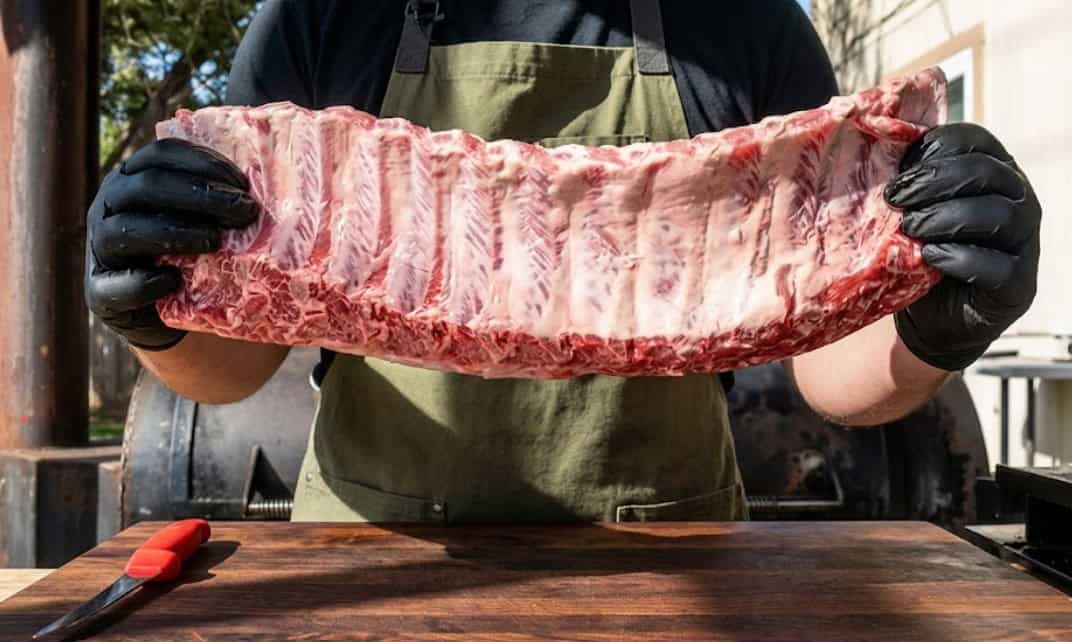
Baby-Back-Ribs
On my first time cooking BBQ, I was afraid of the meat counter. I understand your anxiety when faced with multiple pork cuts. My friends often ask me what the difference is between st. Louis vs baby back ribs. Your decision will ultimately come down to how much time you want to spend prepping and the texture you’re aiming for.
To simplify your shopping, here is my quick breakdown:
- Baby Back Ribs:These are cut from the upper loin area. They are a bit shorter, more tender, and leaner. They also require virtually no trimming.
- Louis Ribs:These come from the rib cage. They are flatter and cut a bit thicker than baby back ribs, so they need more time to cook to render the fat.
- Spare Ribs: These are long and fully untrimmed, so they are very tough, and they need a lot of braising and a lot of connective tissue. They need some serious work compared to baby back ribs.
For a quick and easy dinner, I always grab baby back ribs. According to the USDA, you can simply take pork ribs out of the package, wipe them if you like, and start seasoning, as washing is not required under modern food safety systems.
My Secret Dry Rub for Baby Back Ribs
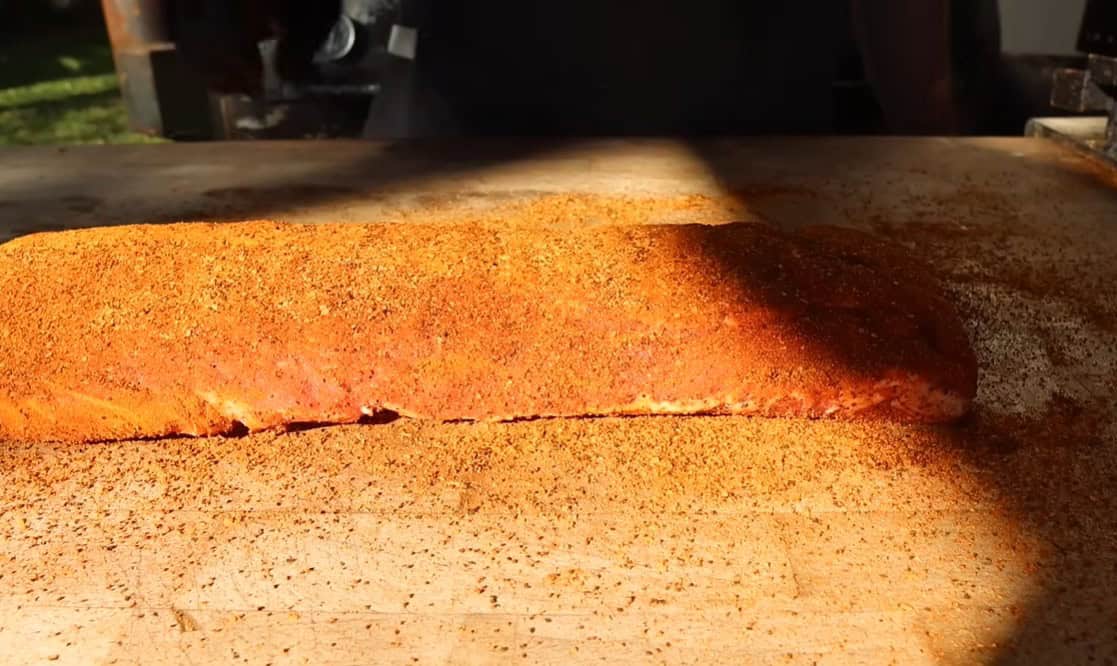
My Secret Dry Rub for Baby Back Ribs
Because the cuts have a naturally leaner loin, it becomes even more important to build multiple layers of deep flavour from the beginning. I used to slather the meat with a sugary BBQ sauce to make up for it, but over the years, I learned that an excellent dry rub for baby back ribs does most of the work. It achieves that wonderfully crusted and flavorful exterior that everyone wants.
I like to keep my personal blend simple, but it can be quite spicy. The following is my favourite ratio for one rack:
- Coarse Sea Salt & Black Pepper: There’s a base of approximately 2 tablespoons each.
- Garlic Powder: Your earthy, savoury depth. 1 tablespoon.
- Paprika: Hand here is heavy. 2 tablespoons to create a nice mahogany colour.
In the application, I see so many people go in with yellow mustard or some oil. I never do a binder. The pork comes with surface moisture straight from the package.
According to Heather Seeley, starting baby back ribs in the oven is a simple way to make them tender and fall off the bone every time. I always begin by placing the ribs with the bone side down, giving them a gentle pat, then flipping them to season the meaty top and edges more thoroughly.
I cannot emphasise enough how much seasoning you should use! When you’ve completely coated it and flipped it, let it rest on the cutting board for 10 to 15 minutes. The salt will draw out a tiny amount of liquid from the pork, creating a natural tackiness. This simple, necessary rest step creates strong adhesion of the dry rub to the pork’s surface, ensuring a great bark even without a classic smoker.
Mastering Baby Back Ribs in the Oven with Smart Tech
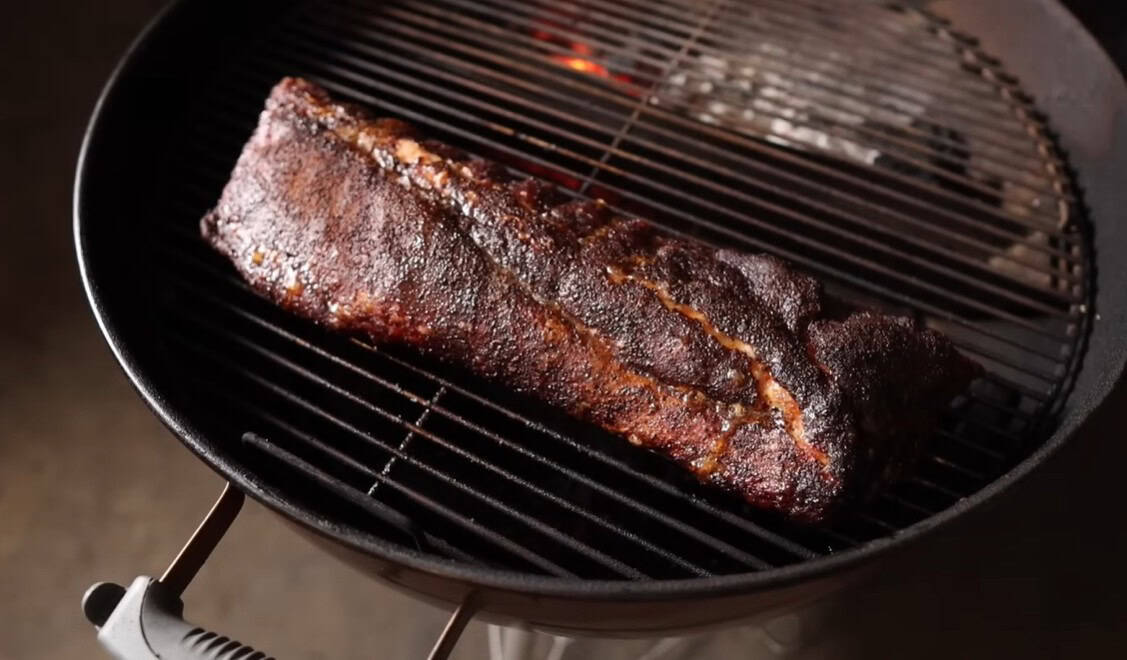
Mastering Baby Back Ribs in the Oven with Smart Tech
We are now entering the most important stage of the cooking. The best-kept secret to achieving that delicate, fall-off-the-bone texture is the low-and-slow cooking technique. I like to pre-heat my oven to somewhere between 250°F and 275°F. The low-and-slow approach allows the tough, fibrous pork tissues to break down into a gelatinous consistency without drying out.
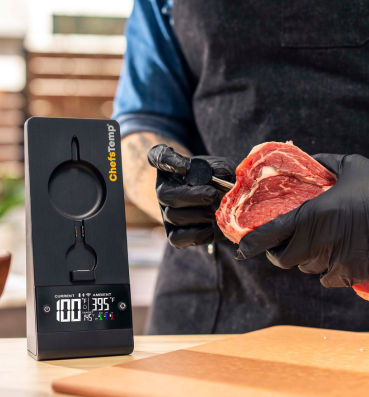
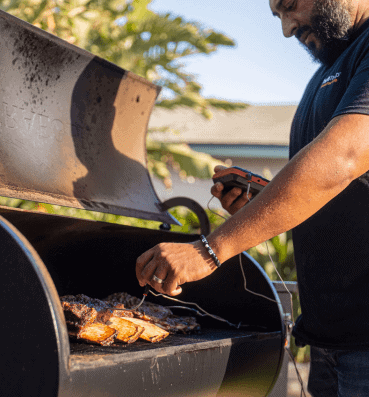
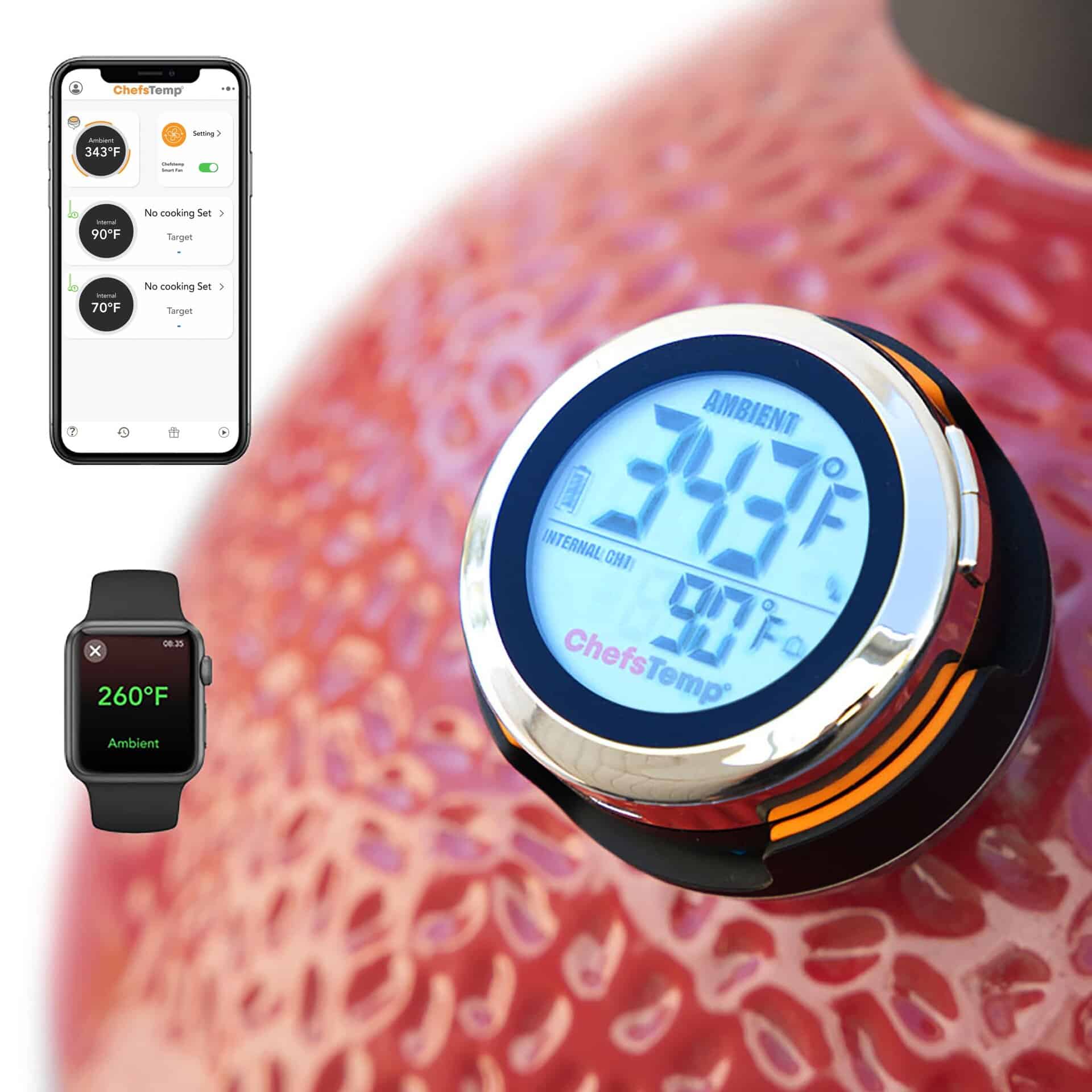
For many years, I wasted perfectly good dinners because I kept opening the oven to check the progress of the dish. Once you open the oven door, cooking comes to a complete stop because you lose a massive amount of heat. I came to the understanding that guesswork will only lead you to failure. That is why I now use a ChefsTemp ProTemp 2 Plus, and it is the only time I will rely on guesswork.
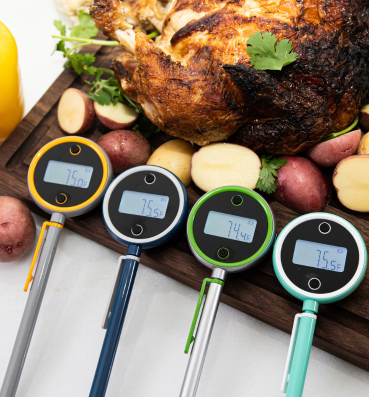
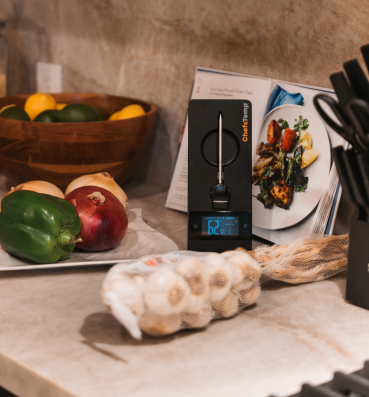
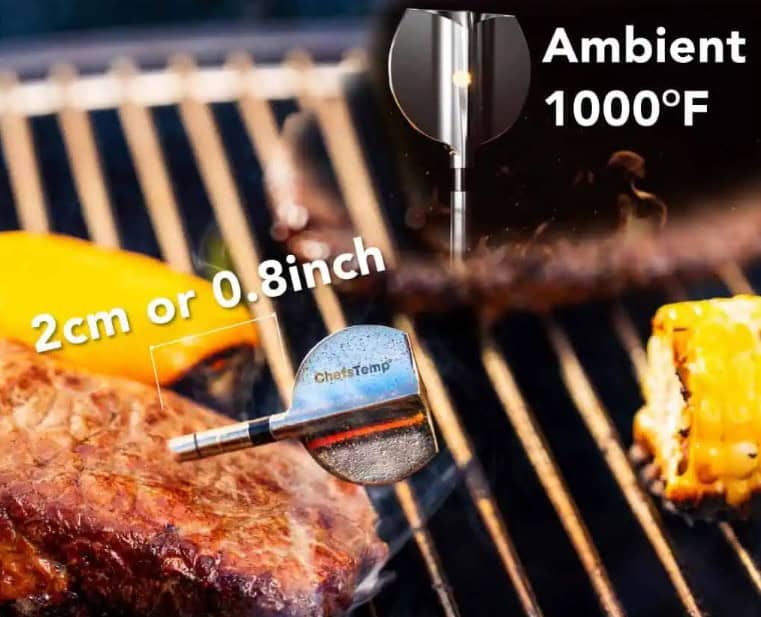
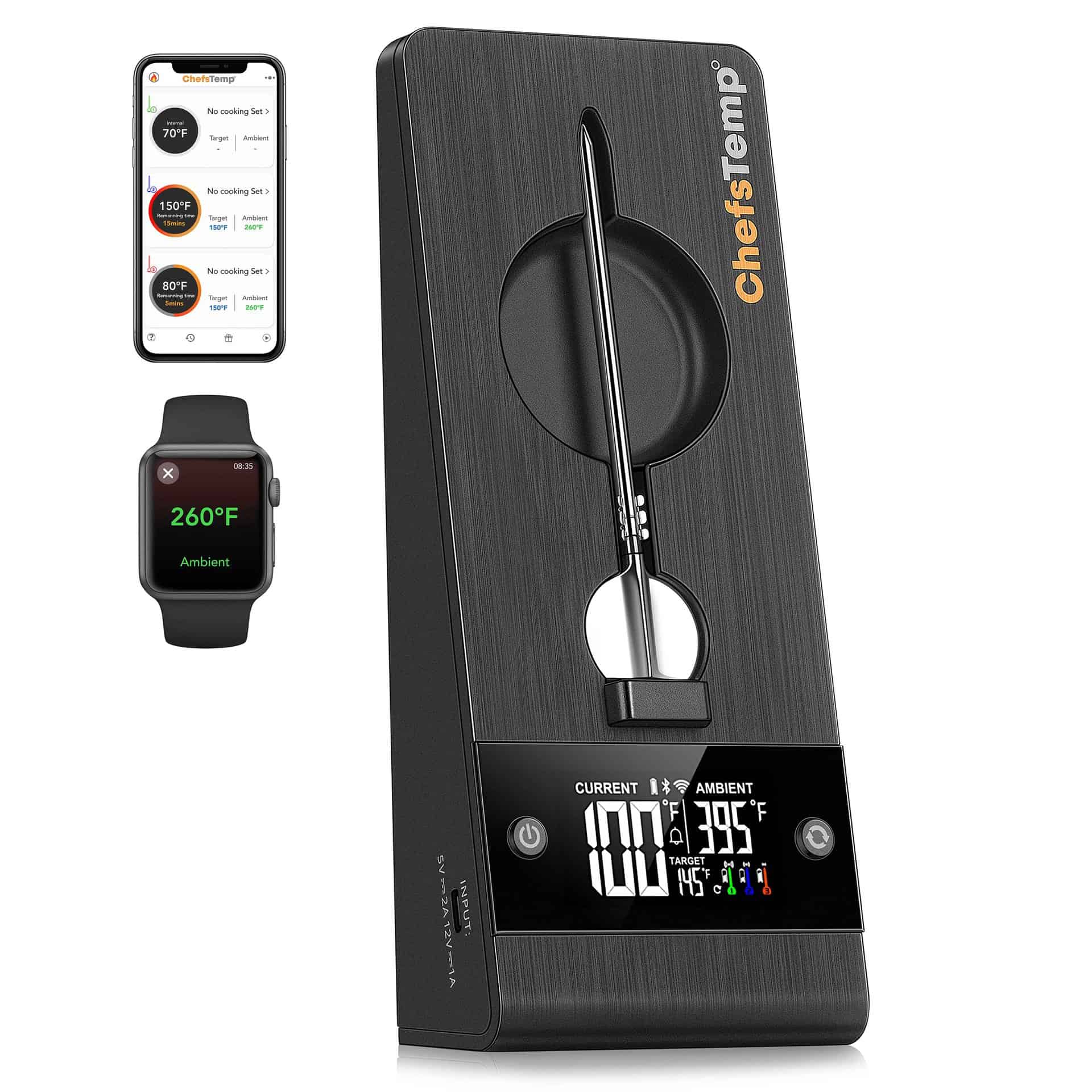
Professional results require professional tools. I have complete confidence in the design of this thermometer, and it is easy to see why the ProTemp 2 Plus is my secret weapon. For long-duration cooks, this thermometer is invaluable because:
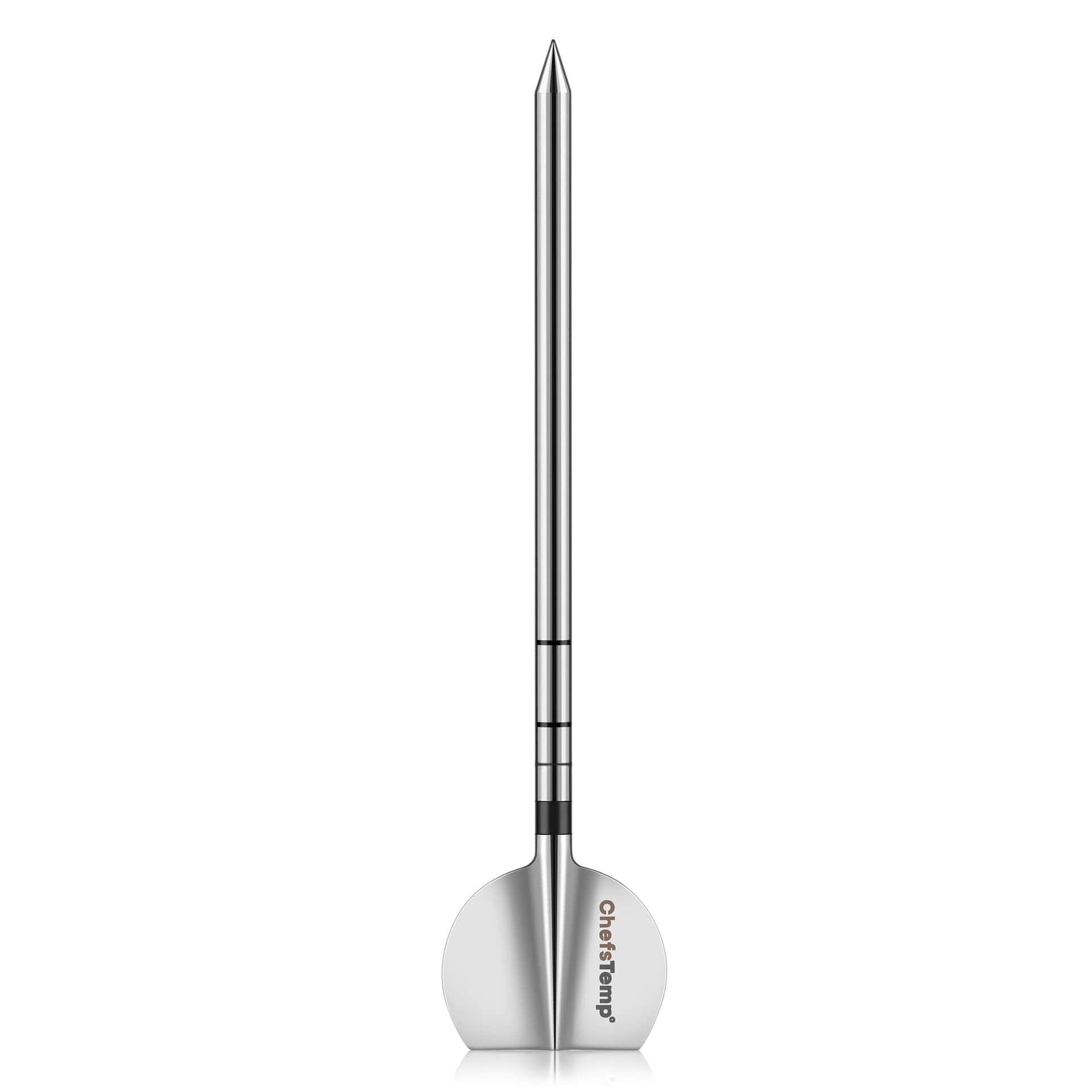
- The Market’s Thinnest Probe: At 4.55mm, this probe is designed to slide into the meat to safely lock in all the juice. Most competitors range from 5 to 6mm, which can leave large holes in the meat.
- True Standalone Wi-Fi Connectivity: The charging base comes equipped with its own 2.4GHz Wi-Fi module. Most competitors require you to leave a second device by the oven as a Bluetooth relay; this one connects to your Wi-Fi network and allows for unlimited remote range.
- Massive Battery Capacity:With a 10,000mAh battery, the base will support 80 to 100 hours of active Wi-Fi, and the probe will run for 40 hours as well. No dead battery will ruin your cook.
- Extreme Heat Resistance:The probe is constructed of high-quality ceramic and metal and can withstand an ambient temperature of 1000°F (530°C) and can measure internal temperatures of 221°F (105°C).

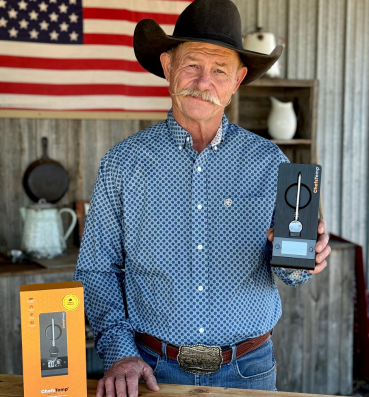
ChefsTemp ProTemp 2 Plus
I recommend checking out our comprehensive analysis on alternatives to the Thermapen meat thermometer if you are looking to refine your kitchen arsenal with more high-end precision instruments.
Once your probe is securely installed and your app is recording data, just close the oven door and leave it for the next 3 to 4 hours. This will ease your mind as you take the most hands-off approach possible. This is exactly why I have made cooking baby back ribs in the oven my most prized weekend pastime.
Unlocking Authentic Smoked Baby Back Ribs Flavour Indoors
Unlocking Authentic Smoked Baby Back Ribs Flavour Indoors
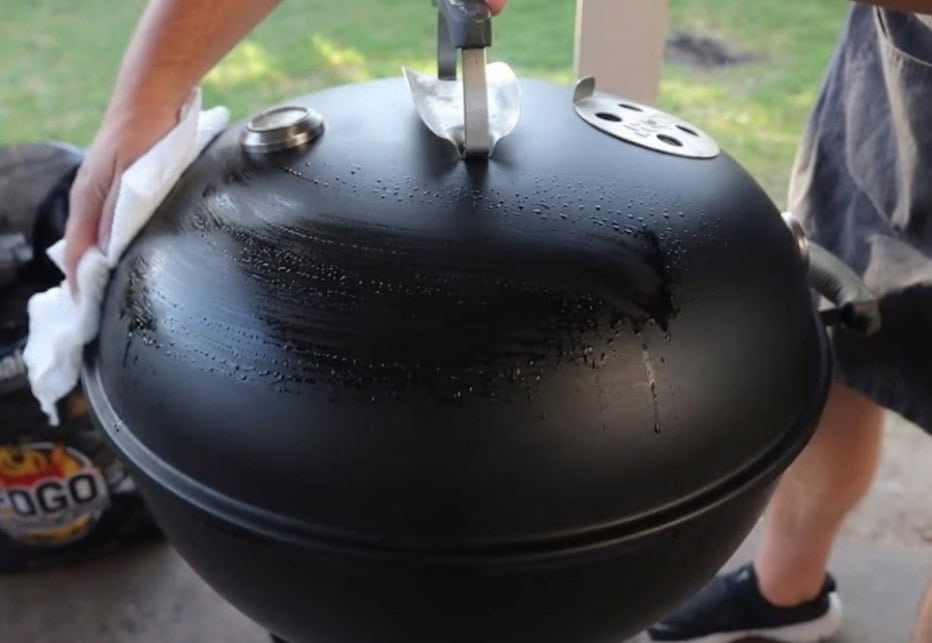
Maybe you’re wondering how to achieve that genuine backyard taste without a charcoal pit. I used to think it couldn’t be done. However, genuine smoked baby back ribs can be made indoors. The key is in a few simple finishing techniques coupled with moisture management.
Here is the process I follow in a step-by-step manner to finish cooking to perfection:
- Fase 1: The Moisture Spritz: For cookingbaby back ribs in the oven, dry heat is very harmful. They need 25 minutes per 1 pound. After 3 hours, when they reach an internal temperature of 165°F to 175°F, check the leaner spots to see if the meat is dry. If so, use a generous spritz of apple cider vinegar to keep the surface moist and to add a bright, tangy taste.
- Fase 2:Building the Bark: When the temperature reaches 185°F, your meat will pull back from the bones. If you want to compete in the baby back ribs competitions, you need to build a strong and crispy bark. So pull the pan out and evenly distribute a thin layer of brown sugar on the ribs.
- Fase 3:The Caramelisation Finish: If you want the sugar to melt and bind to the ribs, you need to increase the temperature of the oven or use the broiler for a few minutes. When the sugar binds to the paprika in the dry rub, it creates a caramelised crust that resembles what a real fire would look like.
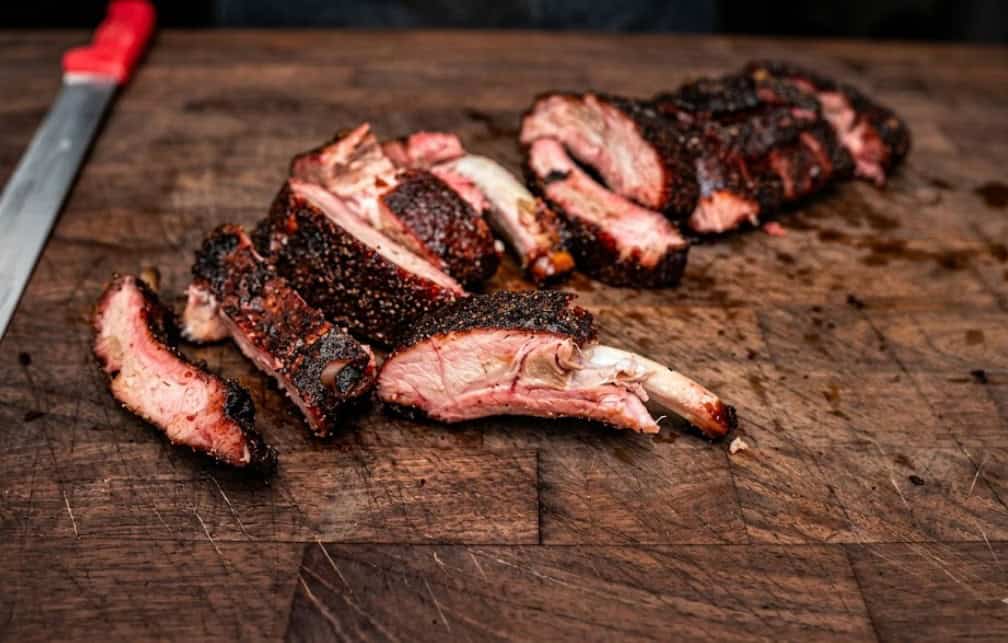
- Fase 4:Rest and Slice: When the meat reaches 195°F to 205°F, and the probe slides in effortlessly, pull the rack out. Rest the meat for 15 minutes so the juices can regenerate. Finally, when the rack is upside down on your cutting board, you can see the bones. So chop and eat your delicious gig-smoked baby back ribs!!
FAQ about Baby Back Ribs in the Oven
Q1: Can I use foil when cooking baby back ribs in the oven?
Sure, the ‘Texas Crutch’ (wrapping the meat in foil halfway through) traps steam, increases cooking time, and gives the meat a more tender texture. Personally, I leave them unwrapped the whole time. I think the dry heat creates a much better, crusty bark.
Q2: Do other proteins need to reach 195°F like pork ribs do?
While pork ribs do require high heat in order to break down connective tissue, other meats are much more varied. For example, to avoid dry, overcooked fish, always consult a quality guide for internal temperature recommendations.
Q3: How do I prevent my meat from drying out while achieving that smoked baby back ribs texture?
Always keep the oven under 275°F. Check it frequently to reduce the risk of moisture loss from evaporation. To achieve a juicy finish, lightly spritz the surface with apple cider vinegar every time it looks dry.
Conclusione
You don’t need a big, scary outdoor smoker to make amazing baby back ribs in the oven. It all starts with the right cut, a good rub, and some smart temperature control for low-and-slow cooking. I know that I will win the race to the finish with perfectly tender, fall-off-the-bone ribs every time. I suggest you do the same, and I dare you to grab a rack and run my method this weekend. I guarantee your family and your friends will appreciate it.
Scopri altri prodotti ChefsTemp

Scopri altre ricette e impara trucchi di cucina unendoti alla nostra famiglia di cuochi su Facebook.
Potrebbe anche interessarti: