Chicken Wing Internal Temp: Master The Secret To Crispy BBQ Wings
Recently, the NCC released its annual Chicken Wing Report, which found that Americans eat over 1.48 billion wings during the big game weekend alone. With that many wings cooking, knowing your chicken wing internal temp is a must. If you get it right, you enjoy juicy meat and crispy skin every single time.
However, if you guess the heat, you risk serving dry, rubbery, or unsafe chicken. Therefore, this guide covers everything you need to know. We share the exact safe internal temperature for hot wings, measured with your trusted thermometer. Additionally, we reveal simple pro tips for the perfect crunch.
Sommario
Part 1. Why Grilling Chicken Wings is Worth It
Grilling remains the absolute best way to cook chicken wings. First, it always delivers amazing flavor while keeping your entire kitchen perfectly clean.
Why do so many backyard chefs prefer the grill? Here are the main reasons:
- Perfect Crunch: Direct fire quickly melts the fat right under the skin. Therefore, you easily get an amazingly crispy bite.
- Deep Flavor: High heat sparks the Maillard reaction. This natural browning process creates a rich, smoky taste that indoor ovens cannot match.
Because we love this popular protein so much, cooking it properly is essential. Ultimately, an outdoor grill gives you total control over the meat’s final texture. By choosing this easy method, you skip the messy pans forever.
Part 2. The Right Chicken Wing Internal Temp
Getting the right heat level makes for an amazing backyard barbecue. Specifically, checking your chicken wing temp when done is the most important step for success. Skipping this important step risks serving your guests dry or unsafe food.
Safety Rules vs. The Flavor Sweet Spot
The USDA states all poultry must reach 165°F (74°C). At this specific heat, harmful bacteria die, making your food safe to eat. However, stopping here leaves the meat a bit chewy.
Instead, you should cook it longer. Wings hold a lot of tough tissues. Above 170°F, that tissue melts into soft gelatin. Therefore, top pitmasters agree that a chicken wing internal temp of 175 to 185°F (79 to 85°C) is the true sweet spot.
Reaching this higher heat gives you:
- Fully safe and perfectly cooked meat.
- It is deeply tender and juicy inside.
- Beautifully crispy and golden skin outside.
- Much less grease left under the skin.
How to Test Your Meat Correctly
Checking your meat temperature is a lot like tuning a guitar. If you are even slightly off, the whole thing falls flat.
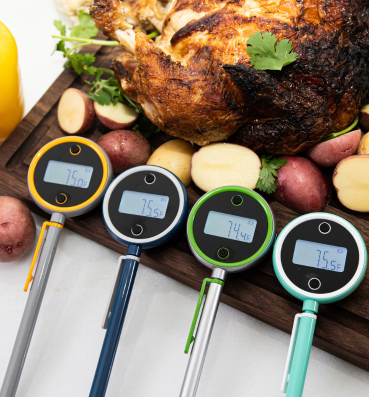
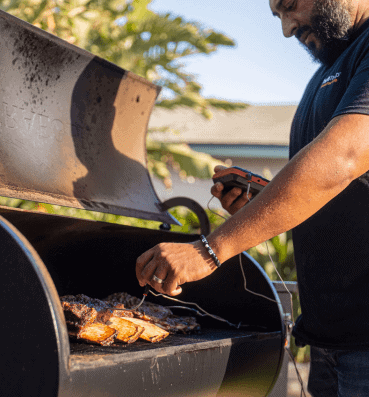
To get an accurate read, always plunge your meat thermometer straight into the thickest part of the wing. Stay away from the bone. Bones heat up incredibly fast. If the metal tip touches one, you get a false, inflated reading that ruins your cook.
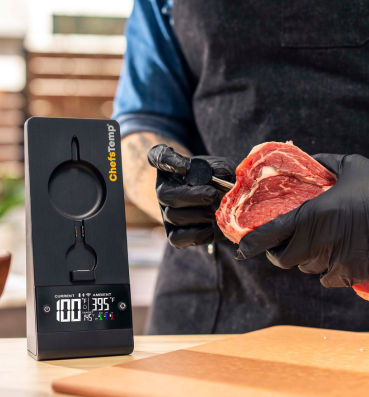
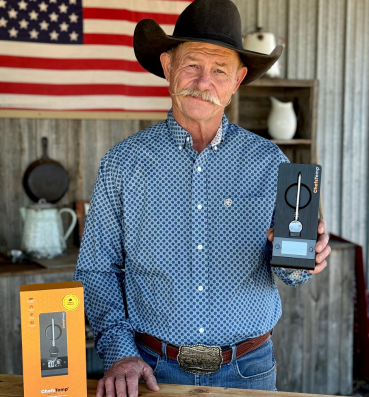
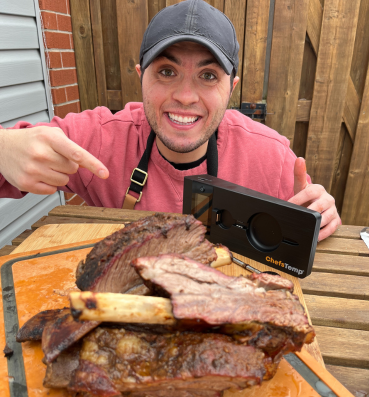
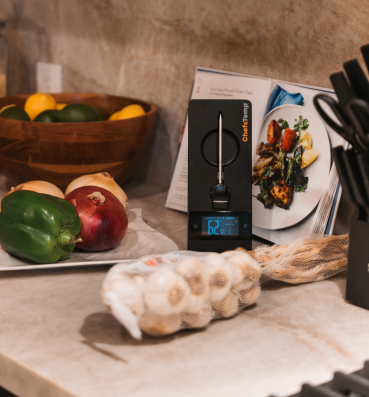
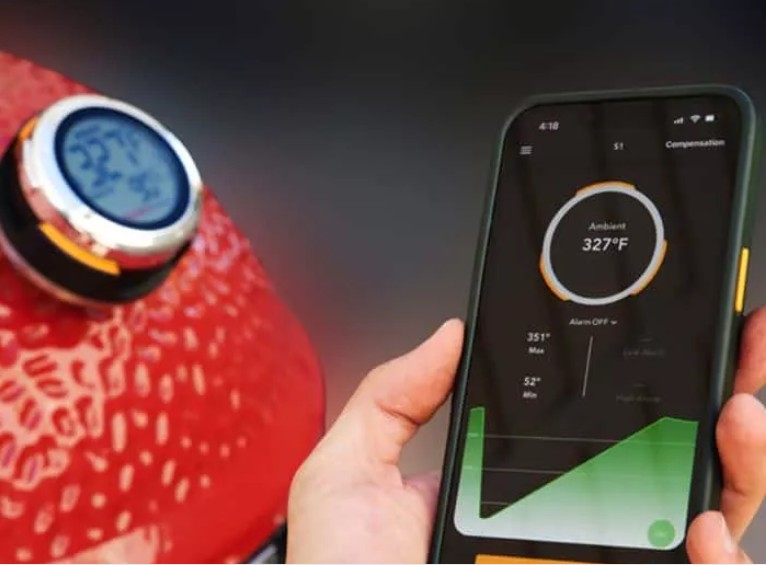
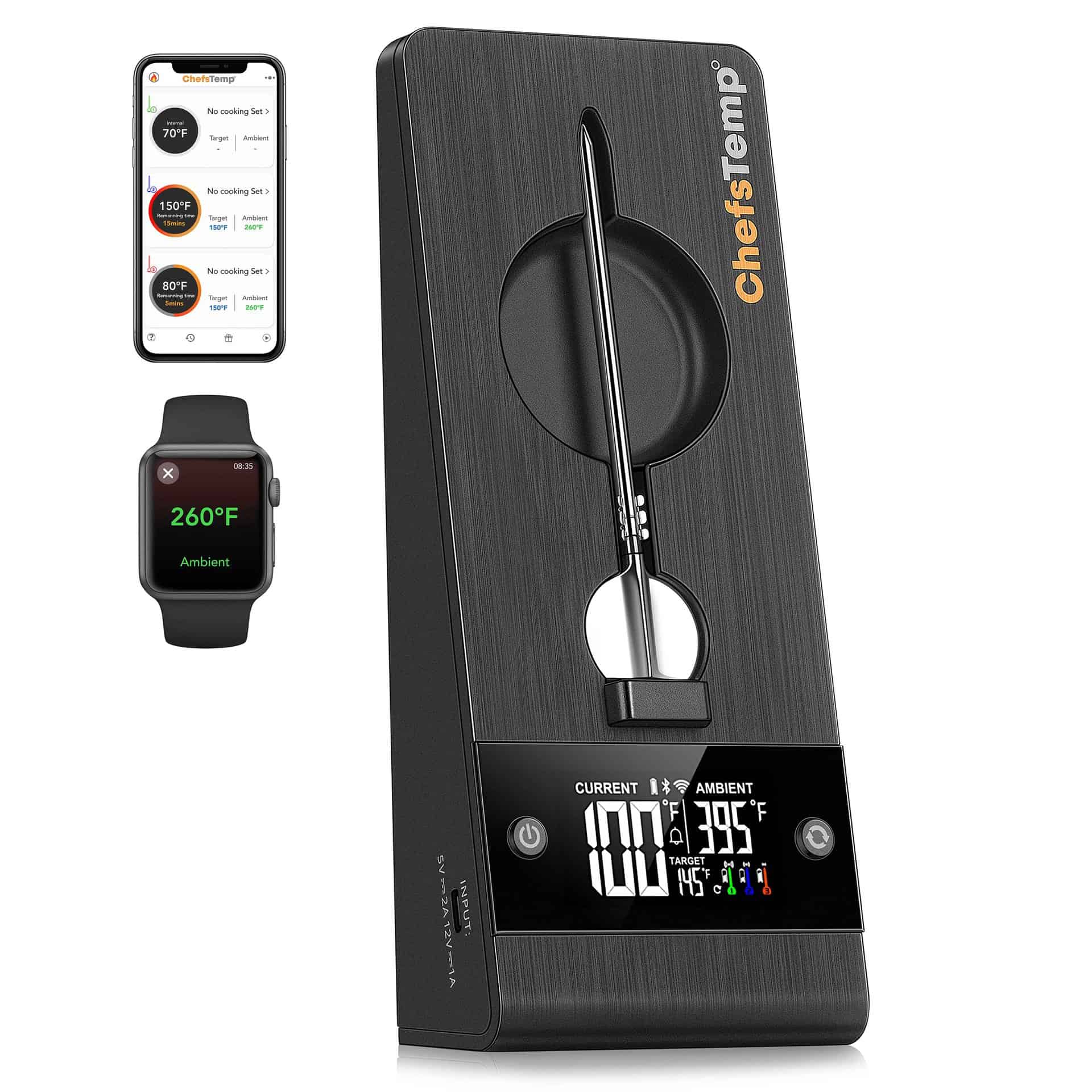
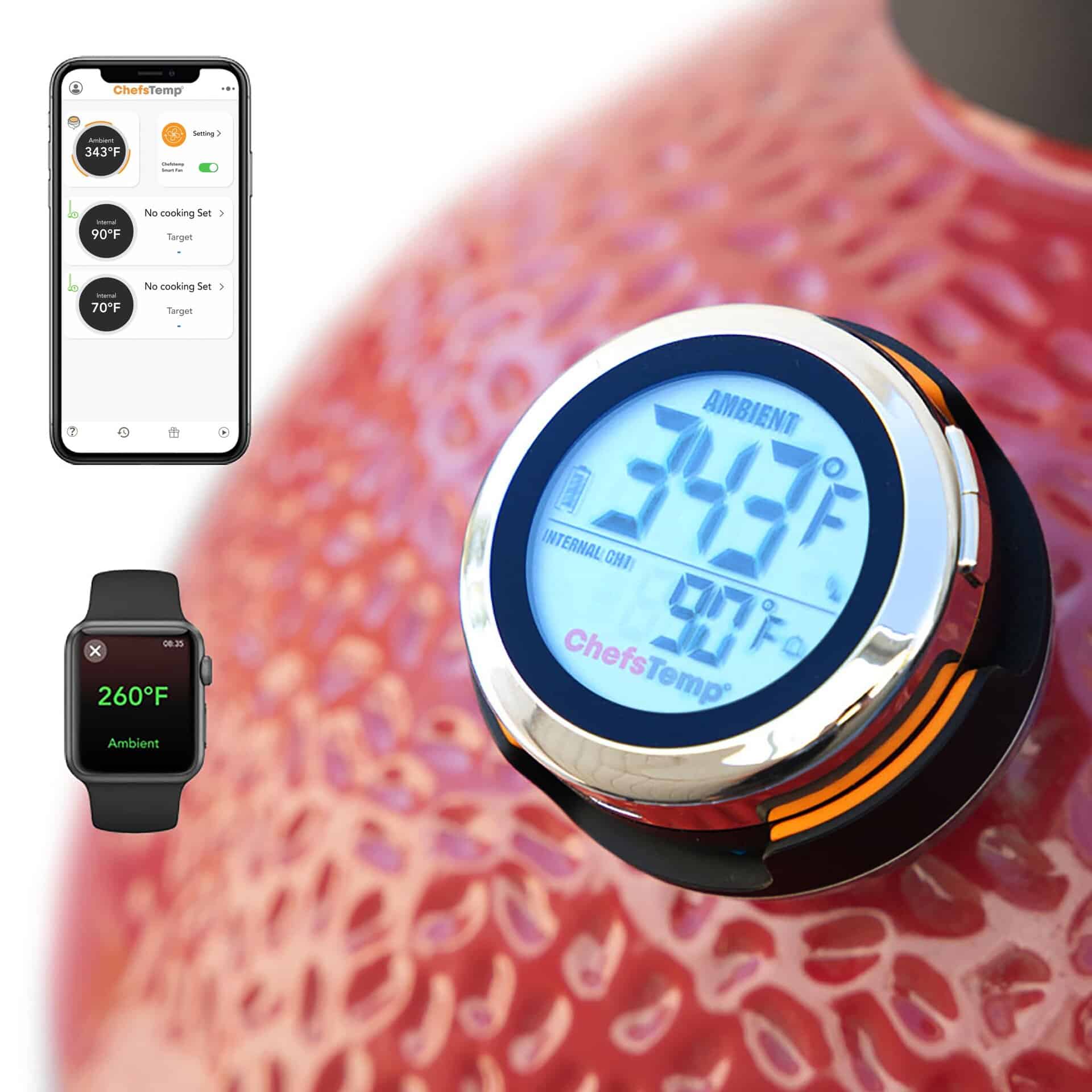
Good gear changes everything. A reliable tool like the ChefsTemp ProTemp S1 Patented Smart Grill Gauge Thermometer Hub tracks the reality of your fire. You can monitor up to 4 wireless probes simultaneously to track the temperatures of the internal chicken wings and grill. Earning top honors at the 2026 NBBQA Awards, it hooks to your grill and streams live data to your phone.
No more guessing. No anxious pacing. Just hard numbers. Watch math, and you cook flawless wings every single time.
Part 3. Signs Your Chicken Wings Are Fully Cooked
Using a thermometer is the best way to check your food. However, knowing the physical signs of cooked meat is also very helpful.
Here are the main clues to watch for:
- Look Closely: Done wings turn a deep golden brown. The skin gets tight and bubbly. If it still looks pale or rubbery, keep cooking.
- Feel the Joint: Pick up a wing and wiggle the bone. It should move easily. A stiff joint means the meat needs more time to get tender.
- Check the Juices: Poke the thickest part of the meat with a knife. The juices must run completely clear. If you see pink juices, you have not reached a safe internal temperature for chicken wings yet.
Next, remember that cooking time changes based on your heat source. For instance, a hot grill at 400°F takes about 25 minutes. Meanwhile, a low smoker at 225°F takes up to 2 hours. Because cooking times can vary, please test the meat to ensure it’s cooked through.
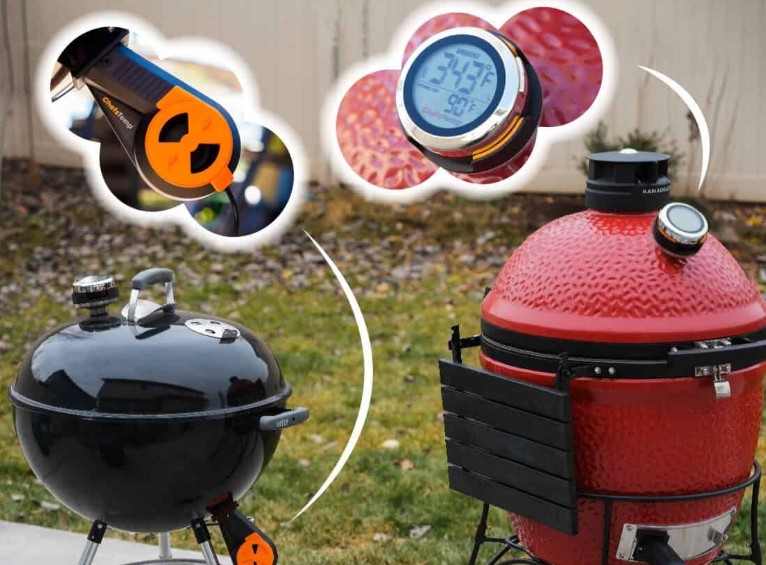
Finally, if you use a smoker, keeping the heat steady is vital. Therefore, try the Ventilatore per il controllo della temperatura del barbecue Breezo V2. It manages the airflow perfectly. By locking in the pit heat, you get amazing, consistent results every time you cook.
Part 4. Methods to Get Crispy Skin Chicken Wings on the Backyard Grill
Getting perfectly crispy skin is the ultimate goal for every backyard chef. Luckily, achieving this delicious golden crunch is much easier than you might think. You do not need fancy restaurant equipment to make it happen. Instead, follow a few simple rules before you fire up your internal-temp chicken wings smoker.
Here are your top secrets for the perfect crunch:
- Dry the Meat Completely: Water is the true enemy of crispy skin. First, always pat the meat completely dry with paper towels. Store the bare wings in the refrigerator overnight on a wire rack for even better results. The cool, dry air pulls out all the extra moisture perfectly.
- Try the Baking Powder Trick: Toss the meat in a light dusting of aluminum-free baking powder. You only need one teaspoon per pound of meat. This neat trick raises the surface pH. As a result, the skin browns much faster and forms tiny, crunchy bubbles. Most famous restaurant kitchens use this exact method.
- Cook Low, Then Finish High: Heat management is the real secret. Start cooking over indirect heat at 300°F for the first 15 minutes. This slow step gently melts the heavy fat. After that, move the meat directly over the hot flames at 400°F to 450°F. This quick blast of high heat gives you an incredible crunch while keeping the inside beautifully juicy.
- Give the Meat Plenty of Space: Never crowd your grill grates. Placing food too close together creates trapped steam. Sadly, steam makes the skin soft and rubbery instead of crisp. Therefore, leave at least one full inch of space between every piece. If you have a huge batch, cook them in two separate rounds.
- Watch the Heat Closely: Guessing ruins great food. Always track your chicken wings’ done temp from start to finish. For example, the ChefsTemp ProTemp S1 smart thermometer simultaneously monitors multiple pieces of meat. It sends helpful alerts straight to your phone. Thanks to this smart tool, you can finally relax with your guests instead of staring into the fire.
A little patience and the right tools make all the difference. By properly drying the meat, managing your fire, and tracking the numbers, you guarantee success.
Do you want to learn even more grilling secrets? You can easily explore the full guide for deep details, pro tips, and helpful pictures. With these steps to cooking crispy chicken wings, you will serve the most delicious meal at your very next cookout.
Part 5. What to Serve With Chicken Wings
Wings need good company. Eating nothing but rich, fatty meat gets heavy fast. Think of sauces and sides as the sharp contrast that wakes up your palate. It is like adding a squeeze of lemon to fried fish.
Build a spread that gives people choices. You want crisp vegetables to cut the grease. You also need savory carbs to soak up the heat.
- Classic Buffalo requires just hot sauce and melted butter.
- Ranch or blue cheese easily tames the spice.
- Honey garlic stays deliciously sweet and sticky.
- Korean BBQ packs a bold hit of soy, sesame, and gochujang.
- Celery and carrot sticks offer an essential raw crunch.
- Hot French fries or waffle fries soak up the extra sauce.
- Traditional sides include creamy coleslaw, charred corn, and macaroni and cheese.
Great sides cannot fix ruined meat. Heat control is everything. Finding the la temperatura interna del pollo più sicura e corretta prevents illness while locking in moisture. That rule applies to any cut you throw on the grate. If your skin stays rubbery or the meat keeps drying out, watch for signs you might be cooking chicken wings wrong. Tiny adjustments to your fire management usually solve the problem.
Parte 6. Conclusione
Tracking your chicken wing internal temp is the real secret to safe, delicious meals. First, remember the basic USDA minimum is 165°F. However, your true flavor goal is always 175°F to 185°F. You can also pair these perfect numbers with dry skin prep and two-stage grilling.
By doing this, you will cook like a true professional every single time. Finally, let intelligent devices like the Breezo V2 and ChefsTemp ProTemp S1 handle the heat. Quit speculating and grill like an expert!
Part 7. FAQs about Chicken Wing Internal Temp
Q: How long to bake crispy chicken wings in the oven?
A certain arrangement is required to achieve oven crunch. Warm it up to 425°F. Set aside 40 to 45 minutes. Elevation is the secret. Place a wire rack over the pan. Hot air needs to wrap the meat, just as if it were frying in oil. Sitting in fat makes them soggy. Flip the meat at the 20-minute mark. A light dusting of baking powder dries the skin out beautifully. Make sure the internal temperature of your chicken wings reaches 175°F to 185°F.
Q: What temp do most people cook chicken wings to?
At 165°F, most people stop. It’s the minimum required by USDA. Cooks with experience push harder. They strive for an internal temperature of 175°F to 185°F for chicken wings. Think of a wing like a mini brisket. At 165°F, the collagen stays tough. Push the heat higher. That tough tissue melts into rich gelatin. The meat falls off the bone. Safety happens at 165°F. Barbecue happens later.
Q: How to grill chicken wings perfectly?
High direct heat burns skin. Build the crust slowly. Set your grill to 400°F. Keep the meat away from the flames for 15 minutes. This slowly renders the fat. Next, move them right over the fire. Flip your chicken wings after 10 minutes of direct heat. The ideal temperature range for grilling chicken wings is 175°F to 185°F. Pull them off and give them 5 minutes to rest.
Q: What is the best internal temp for smoked chicken wings?
Smoking treats wings like tiny briskets. Two hours at 225°F builds deep flavor. Fix rubbery skin with a 10-minute sear over roaring flames. Always pull the meat between 175°F and 185°F. The ChefsTemp Breezo V2 fan manages oxygen for your fire. A steady pit ensures your chicken wing’s internal temperature rises at a completely predictable pace.
Q: Can chicken wings be slightly pink and still be safe?
It is safe to eat if it is properly cooked. Pink meat scares people. Meat near the bone often has a pink tint, especially when cooked over wood smoke. Young chicken bones are porous. Marrow leaks out, staining the surrounding meat. Color cannot tell you if poultry is done. Trust the metal probe. If your chicken wing internal temp shows 165°F or higher, the bacteria are dead.
Q: Does resting chicken wings after cooking matter?
Do not skip resting. Meat acts like a sponge. High heat squeezes moisture into the center. If you bite in immediately, juice spills onto your plate. The wing dries out instantly. Wait 5 minutes. As meat cools, the muscle fibers relax. They pull moisture back outward. This short wait helps your chicken wing’s done temp stabilize. Tossing foil loosely over the top keeps them warm without steaming the crisp skin.
Q: How does outside temperature affect grilling chicken wings?
Winter changes the math. Cold air strips heat from your grill’s metal shell. Cooking times easily stretch 20% longer on a freezing afternoon. The grill works harder to recover when you open the lid. Give the grates extra time to preheat. Check your chicken wings’ internal temp frequently. A setup like the ChefsTemp ProTemp S1 makes this easier by simultaneously tracking the ambient pit environment and the meat.
Scopri altri prodotti ChefsTemp

Scopri altre ricette e impara trucchi di cucina unendoti alla nostra famiglia di cuochi su Facebook.
Potrebbe anche interessarti: