Why Your Grill Thermometer Doesn’t Tell the Whole Story?
-
Sommario
The Number Everyone Trusts
On a longer cook, once everything settles in, there’s usually a moment where it feels like the hard part is done. Fire is where it should be, airflow is stable, and the cooker has found its rhythm. At that point, attention tends to narrow down to one thing – the number.
Temperature becomes the easiest signal to grab onto. It’s clean, precise, and always there. A number like that feels dependable… like it’s telling the full story of what’s going on inside the cooker, even when nothing else is being checked.
Over time, it becomes more than a reference. It quietly starts shaping how the cook is perceived – steady, behind, ahead, or off. What’s easy to miss is how quickly that trust builds without much context. The number arrives before the understanding does, and once it’s in place, everything else tends to get interpreted through it.
-
Where This Shows Up
This tends to show up in cooks who run long enough for things to reveal themselves. A steady fire, a familiar setup, nothing out of the ordinary – until the numbers start telling slightly different stories depending on where they’re coming from.
On a recent cook that ran most of the day, the dome held where it was supposed to, a probe read a little lower than expected, and the meat moved on its own timeline. Nothing about the setup had changed, and nothing about the fire suggested anything was off.
What stood out wasn’t the difference in the numbers. It was how easy it would have been to treat those differences as something that needed to be corrected rather than understood. That moment shows up more often than it gets talked about… and it tends to shape what happens next.
-
When the Numbers Don’t Match
It doesn’t take long before something doesn’t line up. The dome reads one thing, a probe at the grate reads something else, and an instant read at the meat gives a third version of the same moment. All three can be accurate and still not agree.
At first, it feels minor. The kind of thing that should settle out on its own. When it doesn’t, even by a few degrees, it starts to pull attention back in. The expectation of consistency runs into something that doesn’t quite behave the way it seems like it should.
That’s where the pause shows up. Not a reaction – just a moment where something doesn’t fit. Over time, that moment becomes familiar, because it happens almost every time. The numbers don’t always align… and they’re not supposed to.
-
The Assumption That Something Is Wrong
When numbers don’t agree, the instinct is to find the error. Something must be off – placement, calibration, airflow, or the device itself – because it feels unlikely that everything could be working and still produce different readings at the same time.
So attention shifts toward fixing it. A probe gets moved slightly. Airflow gets reconsidered. Things get adjusted just enough to see if the numbers come together.
None of that feels reactive. It feels like tightening things up.
What tends to get overlooked is that nothing may be wrong at all. These readings show different parts of the same environment, each behaving according to where it sits rather than to some universal standard. The expectation that they should match is what creates the tension.
-
What That Number Actually Represents
Once the idea of a single “correct” number starts to loosen, the readings begin to make more sense. The temperature in a cooker isn’t fixed – it varies. Air near the dome behaves differently from air at the grate, and both behave differently from what’s happening inside the meat.
Heat rises, circulates, and interacts with everything in its path. Each probe captures one part of that movement at a specific point in time.
Seen that way, the numbers don’t need to agree to be useful. They just need to be understood for what they represent.
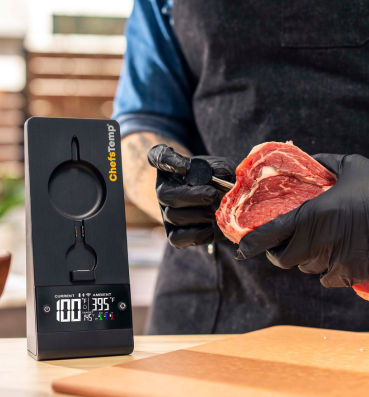
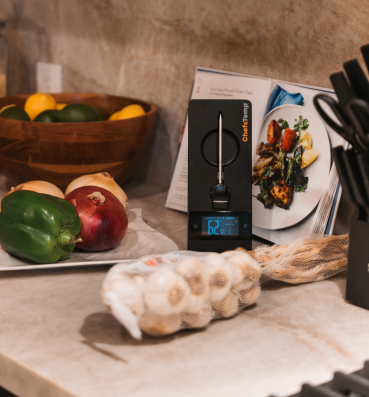
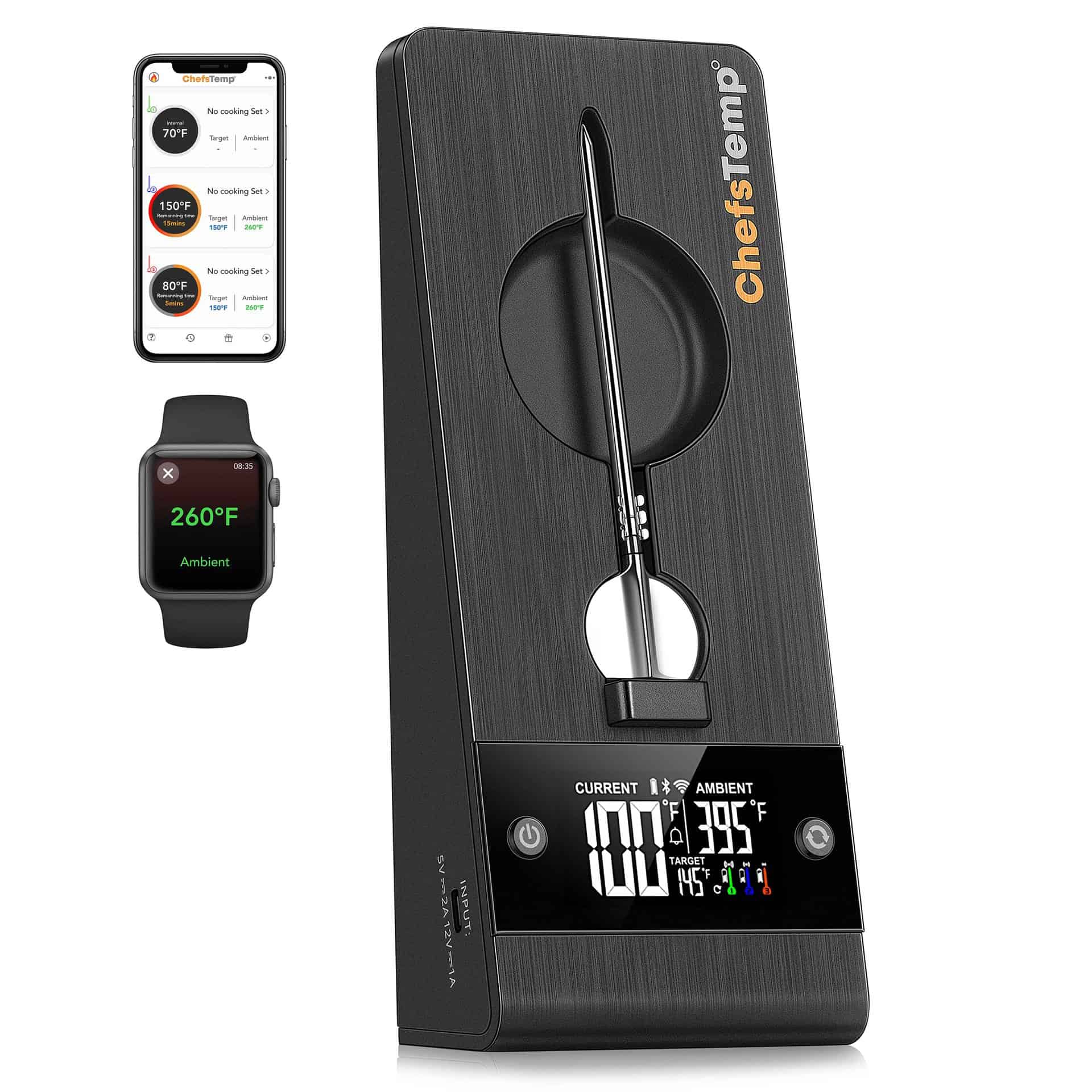
Tip: To monitor temperature, moment-to-moment, from all angles in the grill, try the ChefsTemp S1 and its accessories, featuring 4 ultra-thin probes and a smart mobile app. Click here to see more!
-
Why Consistency Beats Accuracy
It’s easy to assume accuracy is the goal – that the closer a number is to some “true” temperature, the better the cook will be. In practice, consistency tends to matter more.
A number that behaves the same way from cook to cook becomes something you can work with. It builds familiarity, even if it doesn’t line up perfectly with another reading. Over time, that familiarity becomes more valuable than chasing a number that feels technically correct but changes depending on where it’s measured.
This is most clear when repeating similar tasks. The number may not match exactly, but its behavior becomes predictable. It rises, settles, and holds in recognizable ways.
That recognition matters more than precision.
Suggerimento: clicca qui per saperne di più regolatore di temperatura della griglia se interessati.
-
How Chasing the Right Number Creates Problems
Once a number starts to carry too much weight, it begins to drive decisions. Small differences start to matter more than they should, and those differences invite small corrections that feel reasonable in the moment.
The issue isn’t any one adjustment – it’s the accumulation of them. Each change creates a response, and those responses begin to layer together in ways that are hard to track.
What started as a steady cook has become something that needs more attention than before. Not because anything broke, but because the system is being asked to keep adjusting.
It rarely feels like a turning point while it’s happening… but the cook doesn’t feel the same anymore.
-
What Changes with Experience
With repetition, the role of temperature starts to shift. It doesn’t disappear, and it doesn’t become unimportant, but it stops driving decisions.
The number becomes a reference instead of a directive. Something to glance at, not something that demands a response.
That change doesn’t come from learning a new technique. It comes from seeing the same patterns often enough that they no longer raise doubt, and the meal continues to be a success. Once that happens, the cook settles down – and so does the attention given to the numbers.
-
What Different Cooks Actually Show You
Not every cook behaves the same way, even when the setup looks identical. Short cooks tend to compress differences, while longer cooks stretch them out.
That’s where patterns start to show up. The same cooker, same fuel, same target temperature can behave differently depending on what’s being cooked and how long it’s been running.
Over time, those differences become familiar. The numbers don’t match – but they make sense.
And that’s when they stop being confusing.
-
Where Tools Actually Help
Tools don’t solve this by giving better numbers. They help by making behavior easier to see over time.
Instead of reacting to individual readings, it becomes possible to see trends – whether the cook is holding steady, drifting slightly, or settling into a rhythm that doesn’t need attention.
That changes how they’re used. The tool becomes something that supports the cook, not something that drives it.
The goal isn’t to eliminate variability – it’s to understand it well enough that it doesn’t lead to unnecessary changes.
-
What the Number Was Never Meant to Do
A temperature reading was never meant to control the cook. It was meant to provide context—to help understand what’s happening without relying entirely on feel.
Over time, that role can expand beyond its intent. The number starts to take on more importance than it should.
With experience, that balance shifts back. The number remains useful, but it’s no longer the center of the cook. It sits alongside everything else, describing what’s happening instead of directing it.
And that’s where it belongs.
Suggerimento: clicca qui per saperne di più come controllare la temperatura interna della carne se interessati.
-
Even Then, It’s Not Perfect
But even with a stable setup, good tools, and a long enough cook to let everything settle in, things don’t always line up the way they should.
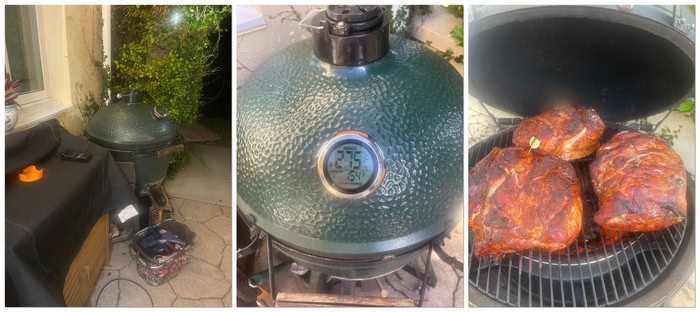
On a recent cook for a church group, three pork butts went on the Egg at 4 am. Same setup, same fire, and the expectation that the smallest one would move the fastest. That’s usually how it works.
This time it didn’t.
The smallest butt sat in a slightly different zone of the cooker and ran without a probe for longer than it should have. By the time it became obvious something was off, it was behind… not dramatically, but enough that it wasn’t going to finish cleanly with the others.
Nothing about the cook felt broken. The temperature had absolutely flatlined at 275. The system was doing exactly what it was supposed to do.
But one assumption didn’t hold.
That one came off and finished in the oven while the other two rested happily in the cooler. Everything got done. Everything served well. Nobody there knew the difference.
But it was a reminder.
The numbers can be steady. The system can be stable. The cook can feel in control.
And there are still moments where you have to step in and adjust – not because something failed, but because no cook ever runs exactly the way it looks like it should.
Oh, and I picked up two more probes…

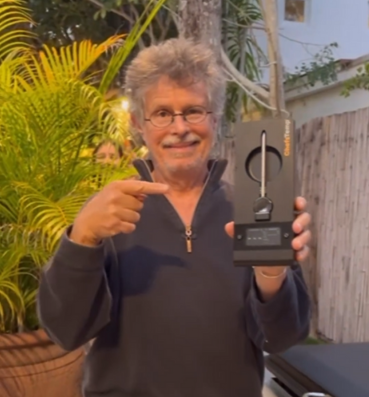
Richard McWhorter è stato cucinato sul fuoco vivo per 5 decenni, sviluppando il suo approccio molto prima che esistessero sonde e app digitali. Cucina principalmente su un Grande uovo verde e un Yakitori di scaglie di laminazione, concentrandosi sui fondamentali, sui tempi e lasciando che il fuoco faccia il suo lavoro. E tuttavia continuando a... imparare.
Scopri altri prodotti ChefsTemp

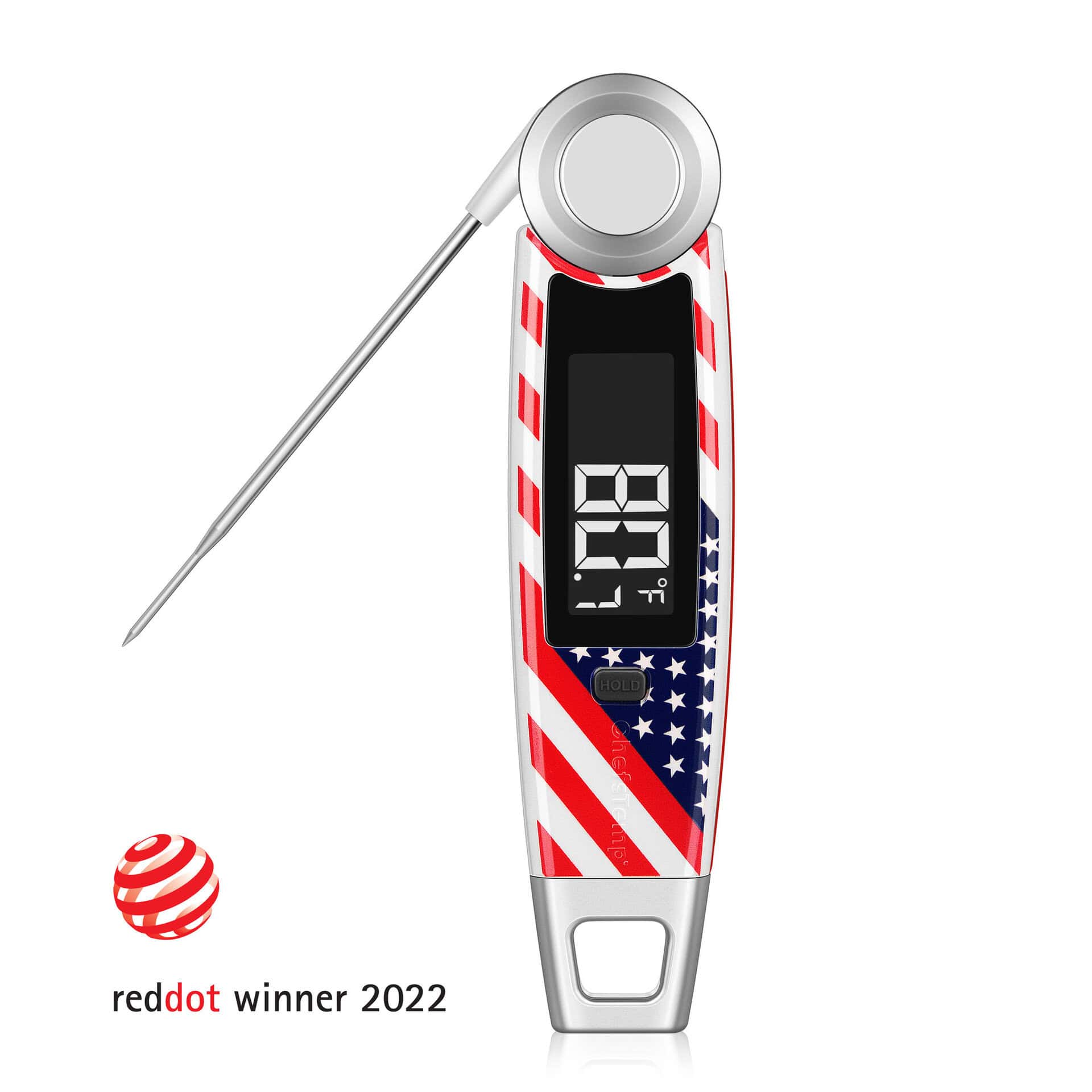
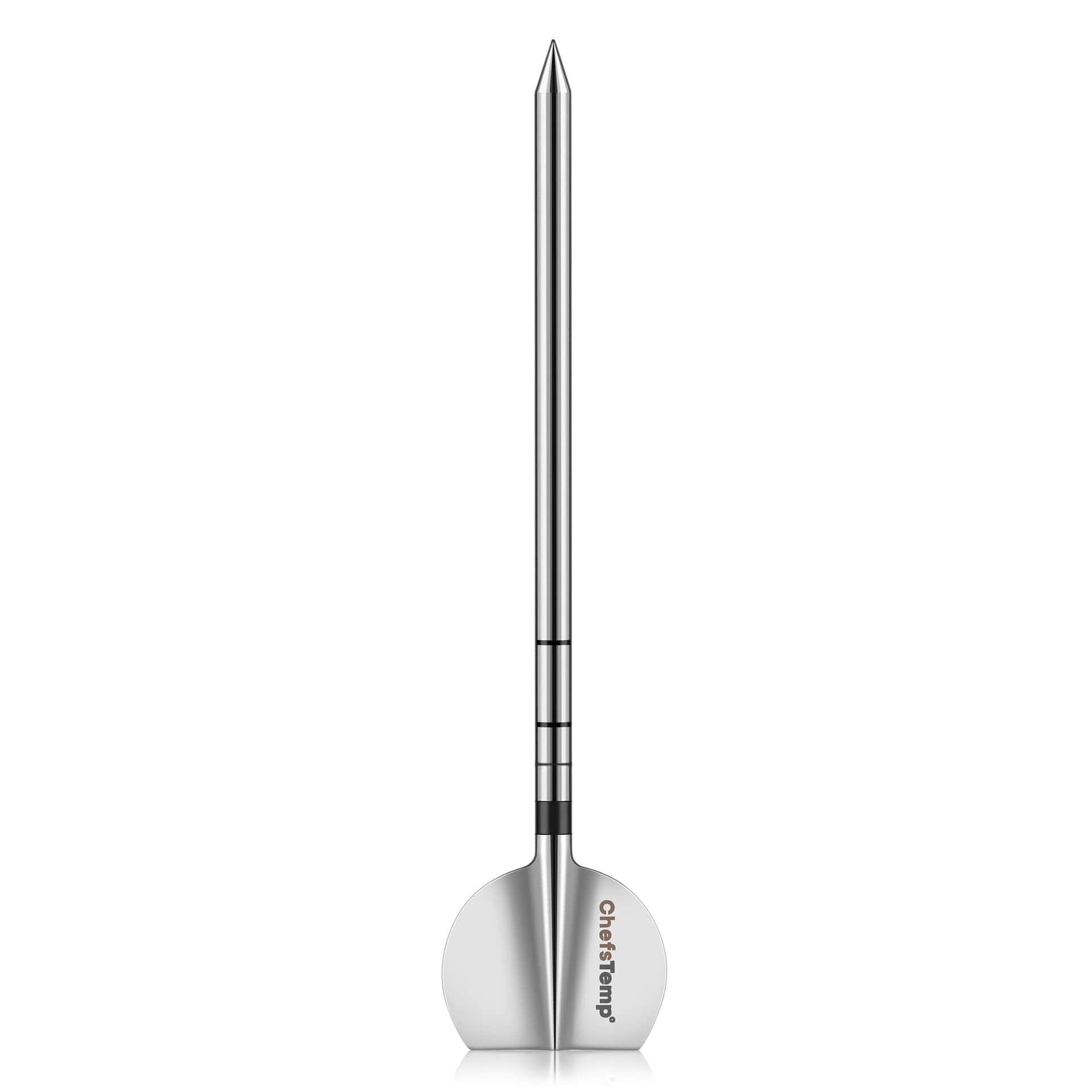
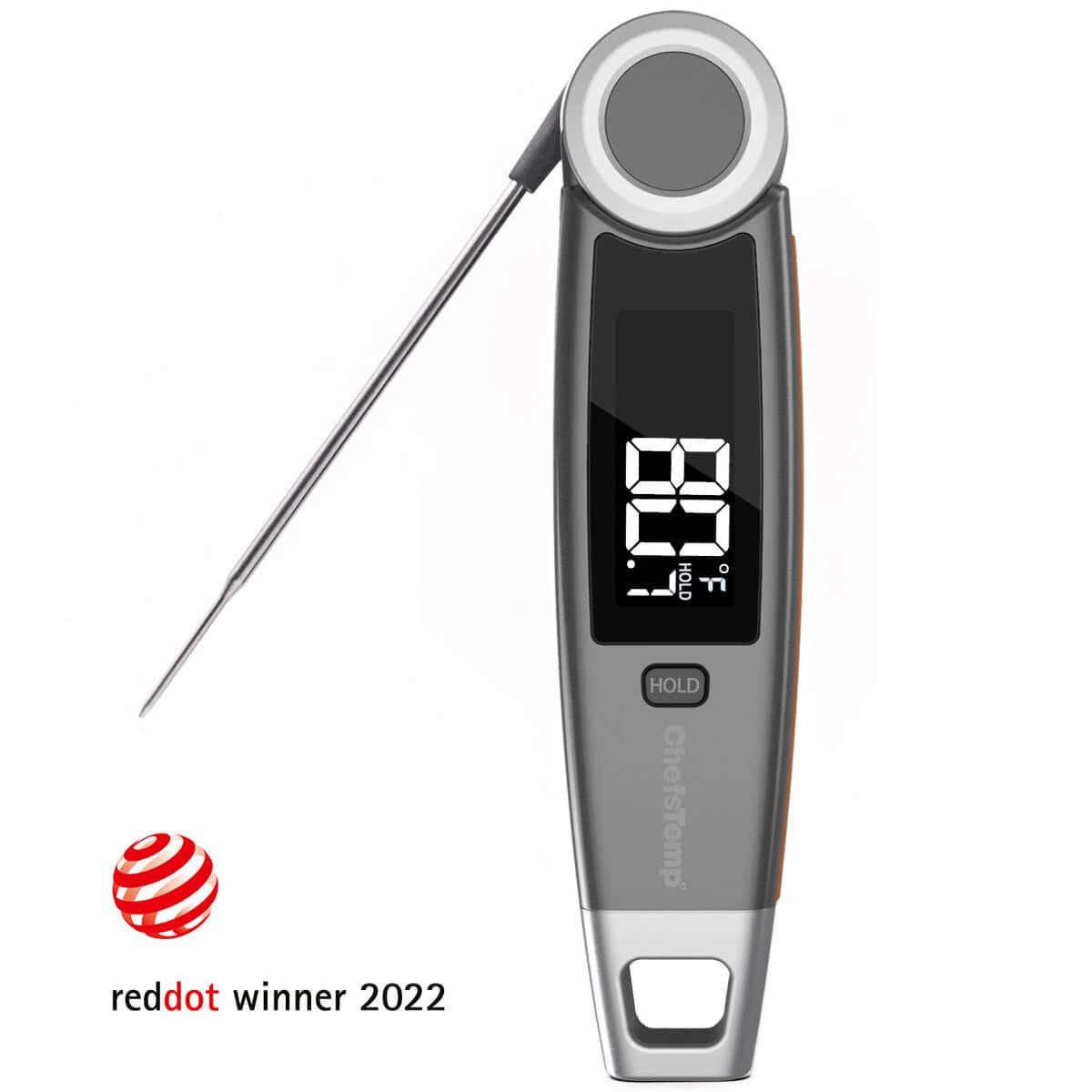
Scopri altre ricette e impara trucchi di cucina unendoti alla nostra famiglia di cuochi su Facebook.
Potrebbe anche interessarti: