Types of Meat Thermometers and Their Role in Food Safety
Meat thermometers are an essential part of a kitchen’s arsenal. Some recipes call for specific temperatures to reach a desired flavor and consistency. For food safety, a food thermometer helps both home cooks and chefs avoid undercooked, health-hazardous food or overcooked, flavorless food.
However, there are different types of digital thermometers that serve different purposes in the kitchen. Knowing which ones to use for certain types of meat, ingredients, and cooking styles can help anyone achieve accurate temperatures and deliver the best food to the table.
Sommario
Part 1. Instant-Read Digital Thermometers
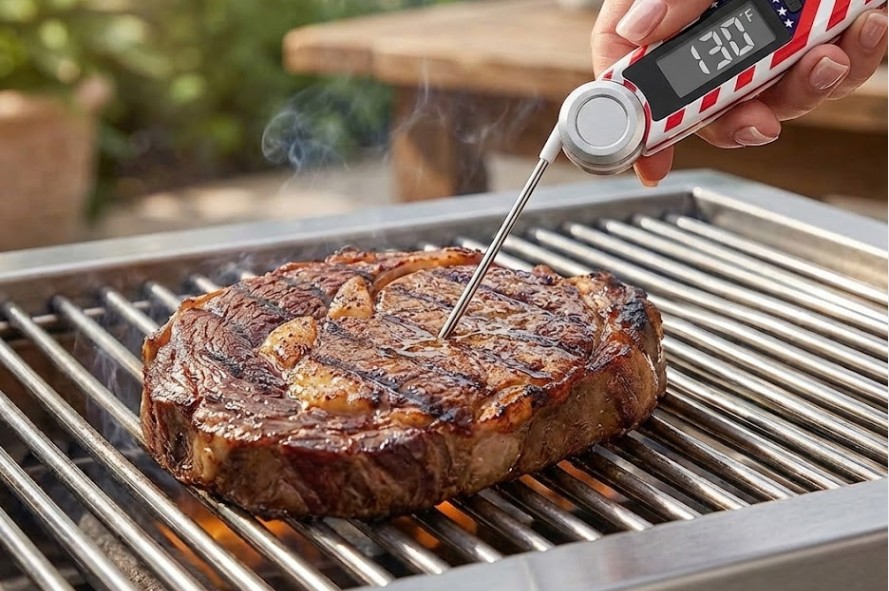
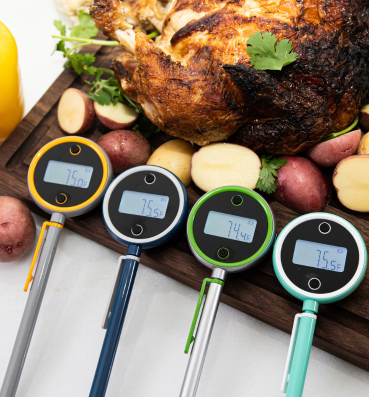
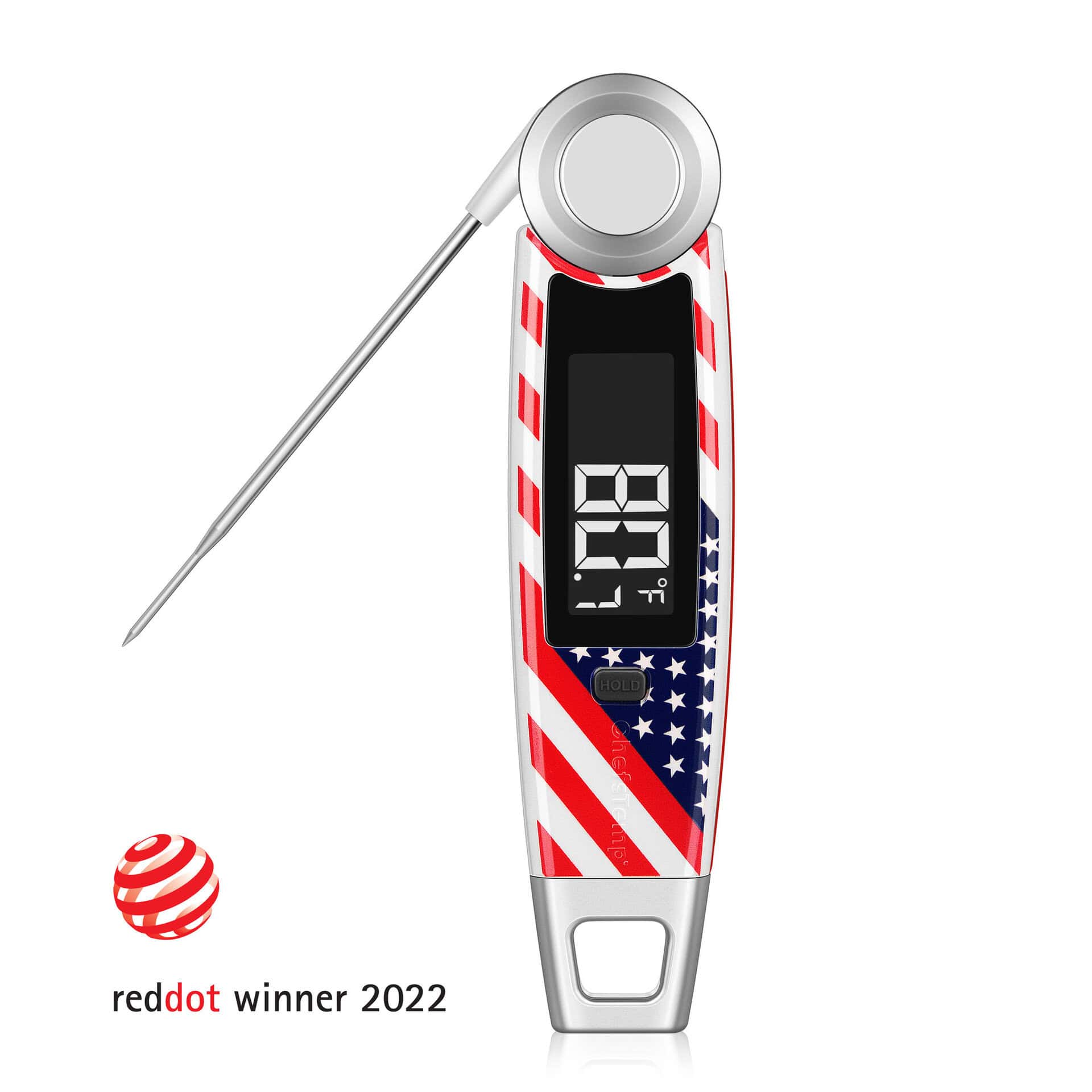
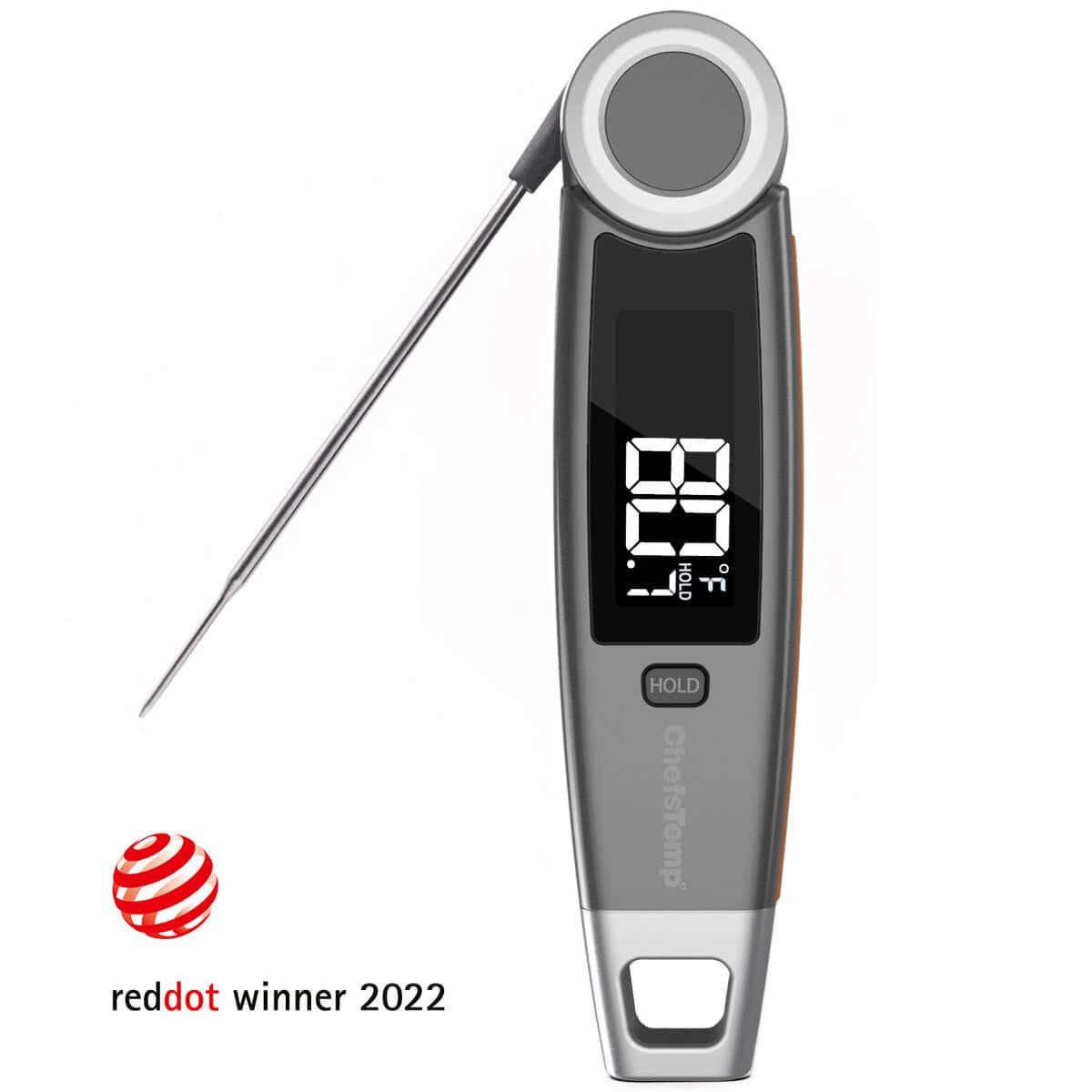
Also known as thermistors, instant-read thermometers are the most convenient and all-around thermometers. The instant-read thermometer can come in digital or dial form. It comes with a probe that can be inserted into meat to instantly read the internal temperature. These can be used as a grill thermometer or for cooking on the broiler, oven, or stovetop.
To get the best experience with a food thermometer, it’s recommended to invest in a quality digital model. Some instant-read thermometers require frequent battery replacement and recalibration, and failure to do so can result in inaccurate readings.

Part 2. Candy Thermometer
Candy thermometers are typically used for liquid sugar solutions like caramel, fudge, sugar syrup, and jellies. They can also be used for brewing beer and for deep-frying meat. One can easily identify a candy thermometer by its bulky rectangular shape with a hole at the top.
While cooking candy in a pot, the user can let the thermometer lean against the side of the pot or use the top hole to hook it in place. After a few seconds, an accurate temperature reading will appear at the center line of the device. Most candy thermometers can measure temperatures up to 400°F (204°C).
Some candy thermometers also come with guides to sugar textures based on the solution’s temperature.
Tip: Click here to learn more about the differences between candy thermometers and digital thermometers if interested.
Part 3. Oven-Safe Thermometers

Oven-safe thermometers usually feature stainless-steel dials that can be safely placed in an oven throughout the cooking process.
These thermometers are ideal for home cooks with older oven models that don’t have temperature indicators.
Alternatively, these can also serve as a guide for those who want to bake, roast, or broil certain dishes in their ovens, helping them get the right temperature range. This can also be used safely as a grill thermometer by placing it close to your meat.
The oven-safe thermometer may have a built-in groove that can serve as a hook to hang on the oven rack. It may also come with a flat base to put it safely on top of the oven rack. Other thermometers may also come with a probe to insert into meat to monitor the internal temperature.
Part 4. Oven Cord Thermometers
Oven-safe thermometers usually feature stainless-steel dials that can be safely placed in an oven throughout the cooking process.
These thermometers are ideal for home cooks with older oven models that don’t have temperature indicators. Alternatively, these can also serve as a guide for those who want to bake, roast, or broil certain dishes in their ovens, helping them get the right temperature range. This can also be used safely as a grill thermometer by placing it close to your meat.
The oven-safe thermometer may have a built-in groove that can serve as a hook to hang on the oven rack. It may also come with a flat base to put it safely on top of the oven rack. Other thermometers may also come with a probe to insert into meat to monitor the internal temperature.
Thermometer Forks
Commonly used for grilling, broiling, and roasting, thermometer forks have prongs at the end of the thermometer that pierce meat to obtain an internal temperature reading.
This will give an instant read of the temperature. However, unlike oven-safe thermometers, these aren’t meant to stay inside the grill, broiler, or oven; they’re meant only to check meat to see if it’s ready.
To use a thermometer fork, simply puncture the meat until the tip reaches the center. Meats like fish and poultry need to reach a certain internal temperature to be safe to eat, while the internal temperature of meats like beef and lamb can determine their level of doneness.
Disposable Temperature Indicators
These preset temperature indicators signal when the meat has reached a safe internal temperature. These can be used by home cooks, though they are more commonly used in commercial kitchens to reduce the risk of cross-contamination.
Because different meats have varying internal temperatures when they’re safe to eat, users should ensure they’re using the right disposable indicator for the right meat.
After the meat is cooked, the sensor can be inserted. The exact temperature won’t be displayed, but the indicator’s color change can confirm whether the meat has reached the right internal temperature. The user can then dispose of the indicator.
Pop-up Indicators
Similar to disposable indicators, pop-up indicators are often used for chicken and other poultry. Each indicator has a stainless steel spring covered with an organic material that dissolves at the right temperature. Once the material dissolves, the spring will release, indicating that the meat has reached the desired temperature.
While these indicators can be a fast and convenient way to ensure poultry is safe to eat, users should ensure the indicator is placed correctly to accurately measure the internal temperature. Ensure the sensor isn’t touching the exterior of the meat or any bones to get a more accurate reading.
Part 5. Meat Thermometers and Food Safety: Why Are They Necessary?
When it comes to food safety, a food thermometer is the surest way to determine if meat, poultry, and eggs are safe to consume. These raw ingredients have bacteria and other microorganisms that can cause food poisoning and other food-borne illnesses, and can only be destroyed when they’re exposed to certain temperatures.
For example, poultry can contain bacteria such as Campylobacter, Salmonella, and Clostridium perfringens. These can cause serious food poisoning when consumed. To prevent this, cooks need to ensure poultry dishes have an internal temperature of 165°F (74°C). By doing so, microorganisms are eliminated, and the meat is safe to eat. That’s why chicken must always be cooked well done for safe consumption. However, beef that’s handled correctly can be safe to eat at medium rare at 145°F (63°C).
Eyeing meat based on its color or sear isn’t a highly accurate way to ensure meat is properly cooked. According to the U.S. Department of Agriculture Food Safety and Inspection Service, beef can turn brown even before it reaches the right internal temperature, so basing food safety on the color of meat isn’t always accurate.
Part 6. Get the Perfect Temperature with ChefsTemp’s Thermometers
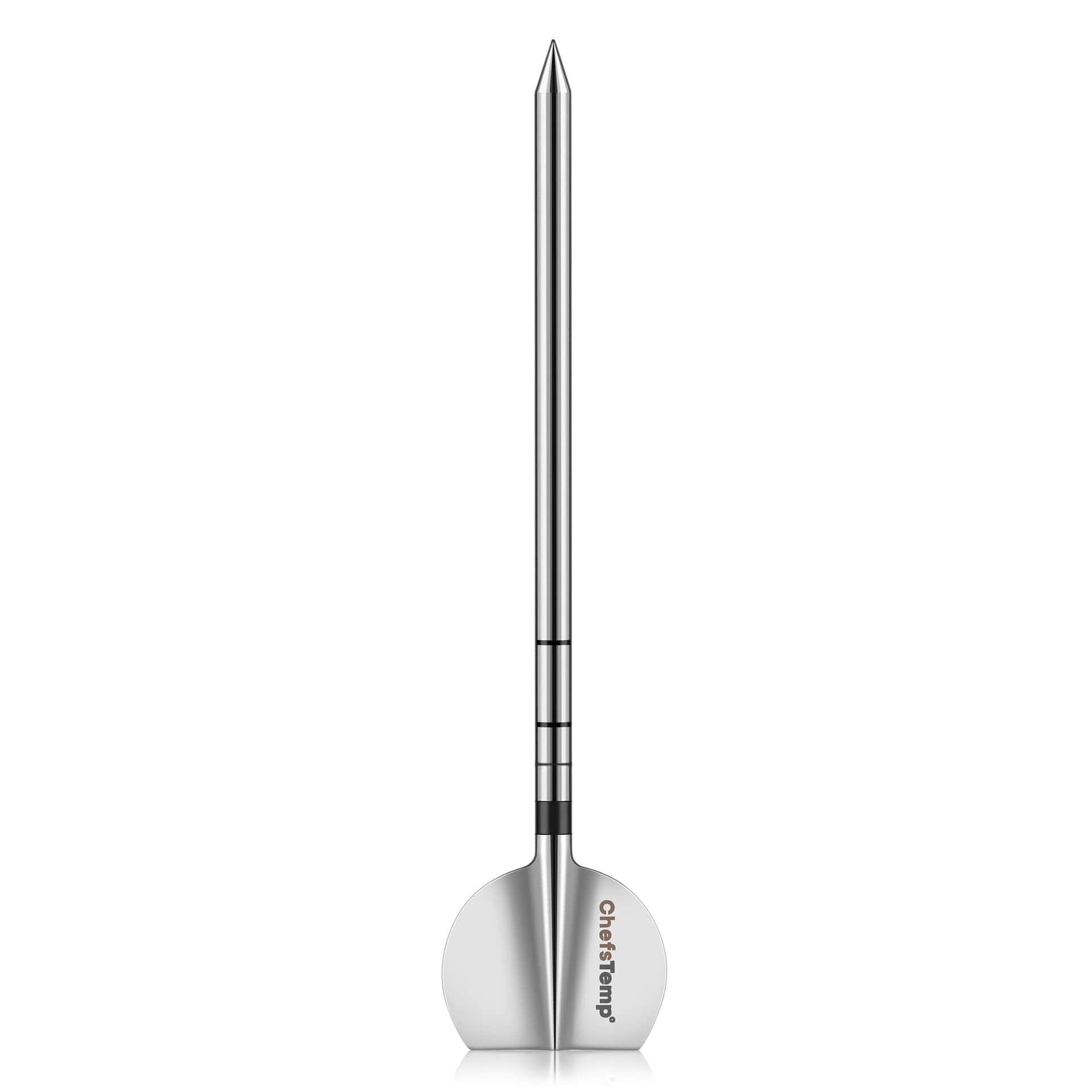
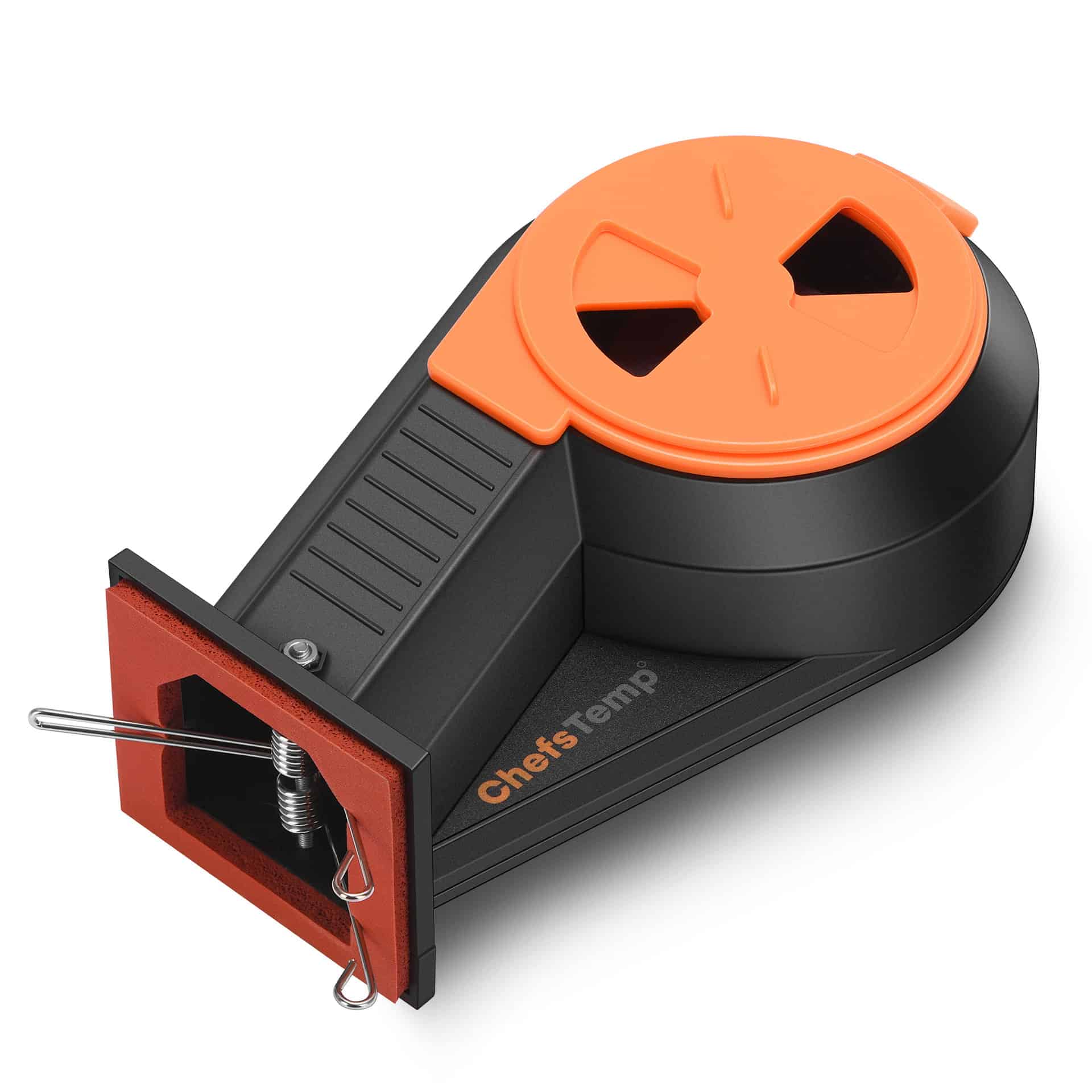
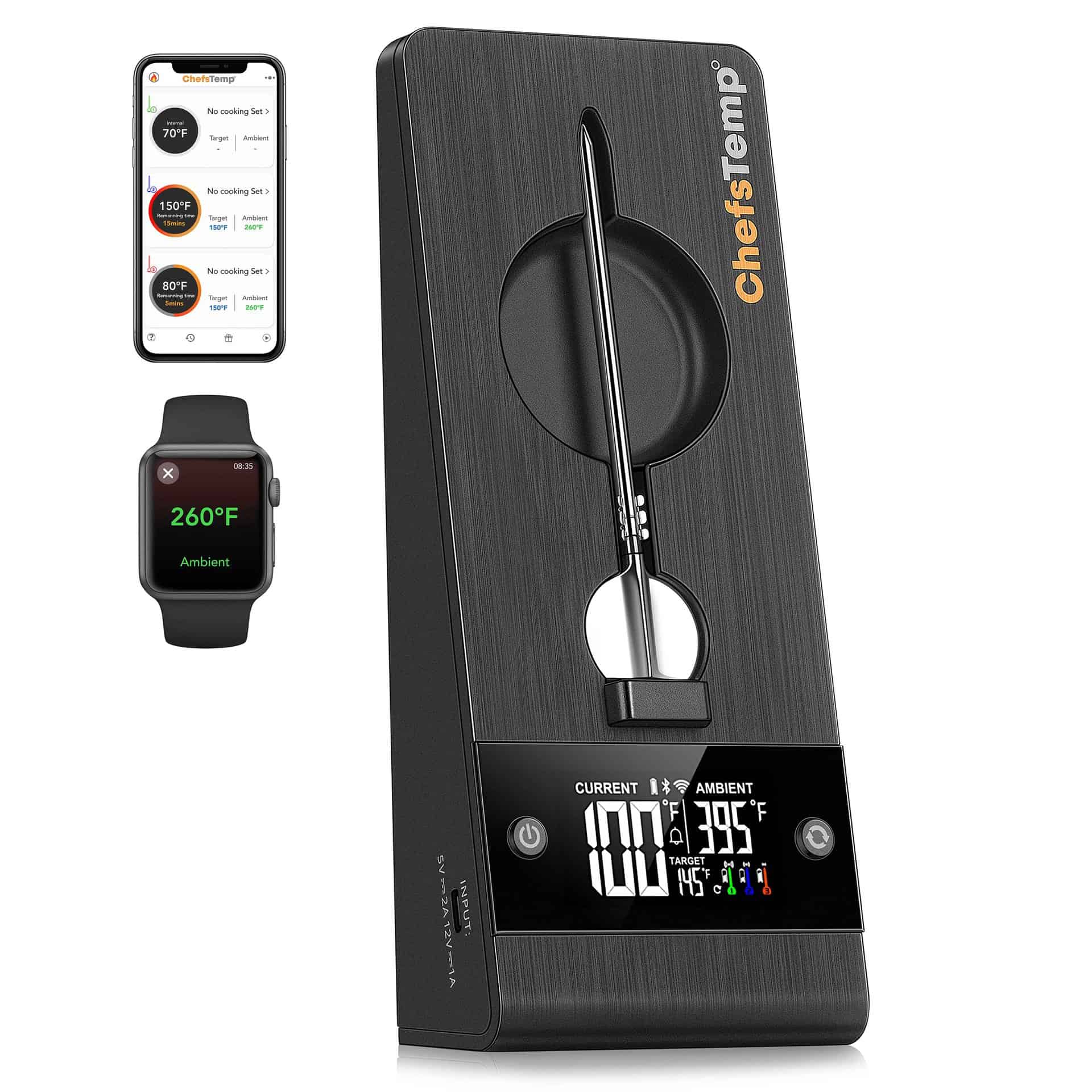
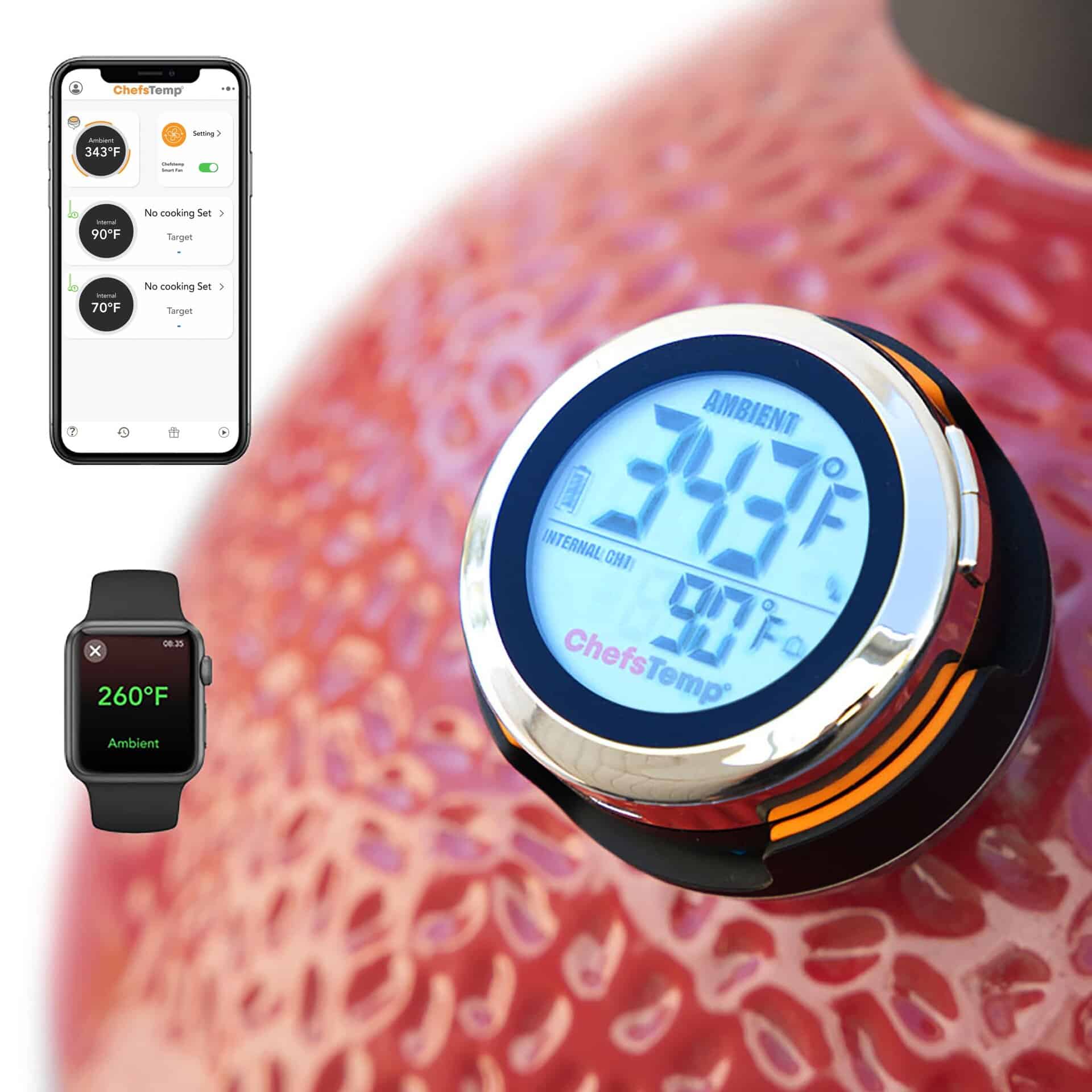
To cook meat that’s juicy, flavorful, and safe to eat, both professional chefs and amateur home cooks need different types of meat thermometers. There are plenty of meat thermometers to choose from, and users can find the right ones at ChefsTemp.
At ChefsTemp, we bring state-of-the-art cooking tools to help anyone in the kitchen level up their cooking skills with durable and user-friendly high-end cooking technology. Rated #1 by chefs around the world, our thermometers change the way you cook meat for the better.
Get the perfect meal every time by shopping our online store for the right meat thermometer.
Scopri altri prodotti ChefsTemp
Scopri altre ricette e impara trucchi di cucina unendoti alla nostra famiglia di cuochi su Facebook.
Potrebbe anche interessarti: