Grill Temperature Chart: Exact BBQ Heat for Burgers, Chicken, Steak, and Fish
Backyard cooking has changed. People buy nicer grills, better charcoal, and more gadgets. According to Verified Market Research, the global BBQ grill market is projected to reach USD 7.78 billion by 2032, which helps explain why more cooks are upgrading from guesswork to measured temperature control.
Money is helpful, but it doesn’t solve the primary issue of wandering heat. Burgers burn, chicken dries out, and steaks fall short because a lid dial may read one number while the grate runs hotter or colder.
This guide gives you the target grill temperature for each food, explains why lid dials mislead, and shows how to measure heat where the food actually cooks. It shows the Grilltemperaturen Diese Anleitungen eignen sich für gängige Fleischsorten, vom langsamen Garen im Rauch bis zum scharfen Anbraten. Außerdem wird erklärt, wie man die tatsächliche Temperatur im Garraum misst und wann ein intelligentes Thermometer die nächtliche Überwachung erleichtert.
Inhaltsverzeichnis
Part 1. What Grill Temperature Should You Use for Each Food?
Different foods need different heat zones, and the right setting depends on thickness, fat content, and cooking method. You must match your food to the right heat zone. High heat quickly sears thin cuts of meat. Meanwhile, low heat slowly breaks down tough tissues in large roasts. Learning these basic rules will instantly transform your backyard cookouts.
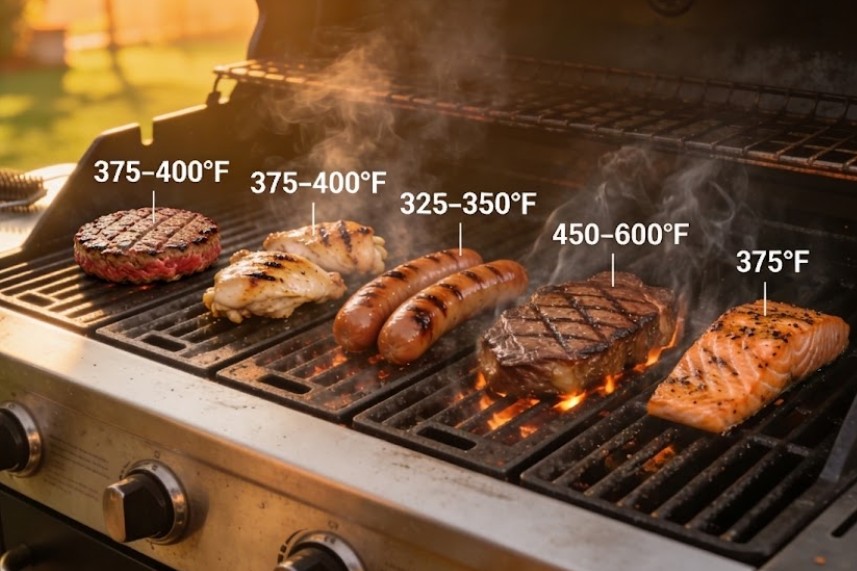
Burger Grill Temperature
Neighbors always ask exactly what temperature to grill burgers so they do not dry out. Treat the grates like a hot iron skillet. Set the grill to 375°F to 400°F for burgers. That range sears the outside quickly while keeping the center juicy. It hits the sweet spot. That medium-high blast sears a hearty, brown crust. The inside stays dripping with juice. Most standard beef patties finish in about 8 to 10 minutes, depending on thickness and grill flare-ups. Remember to flip the meat only once to keep it from falling apart.
Chicken Grill Temperature
Finding the ideal grill chicken temperature stops you from serving dry, stringy poultry. You need a steady medium-high heat of 375°F to 400°F for wings and thighs. Whole birds, however, require a lower medium heat of 325°F to 350°F. Use 165°F internal temperature as the safety target for poultry. Consequently, the skin renders its fat and turns crispy without burning black.
Sausage Grill Temperature
The best grill temperature for sausage is 325°F to 350°F. Sausages contain a lot of fat packed into delicate casings. High heat can split sausage casings before the center is fully cooked, so medium heat is the safer choice. This rapid boiling bursts the casing, dumps grease into the flames, and triggers massive flare-ups. Instead, medium heat gently cooks the pork. All those delicious juices stay trapped inside for a perfect bite.
Steak Grill Temperature
Steaks demand high heat between 450°F and 600°F. That temperature range supports a fast sear and helps build Maillard browning on the surface. This natural process creates that savory, dark crust on the beef. You only need a couple of minutes per side here. The center is tender medium-rare. Searing steaks over extreme heat brings steakhouse-quality dining right to your patio.
Fish Grill Temperature
Due to the extreme delicacy of seafood proteins, fish requires special attention. The ideal temperature for planked fish is 375°F. Steaks of swordfish or tuna, for example, can withstand high cooking temperatures up to 450°F without any problems. Oil both the fish and the grates lightly so the skin releases cleanly without tearing. Fish skin forms a strong connection with hot, dry metal. When you turn the fish on a clean, well-oiled grate, it releases smoothly.
Wer diese genauen Schärfegrade beherrscht, kann beim Kochen nicht mehr raten. So bleiben Ihre teuren Lebensmittel vor dem Verderben geschützt und ein hervorragender Geschmack ist garantiert.
Part 2. The 6 Main Grill Temperature Zones
Das Feuer zu beherrschen bedeutet, seine Zonen zu kennen. Behalte das im Hinterkopf. GrilltemperaturIn der Nähe. Offenes Feuer trotzt ständig dem Wetter. Kalte Winde entziehen den dünnen Stahlkesseln die Hitze und lassen die Holzkohle schmelzen. Schwere Braten garen zudem viel langsamer als dünne Steaks. Passen Sie die Garzeit daher immer entsprechend an.
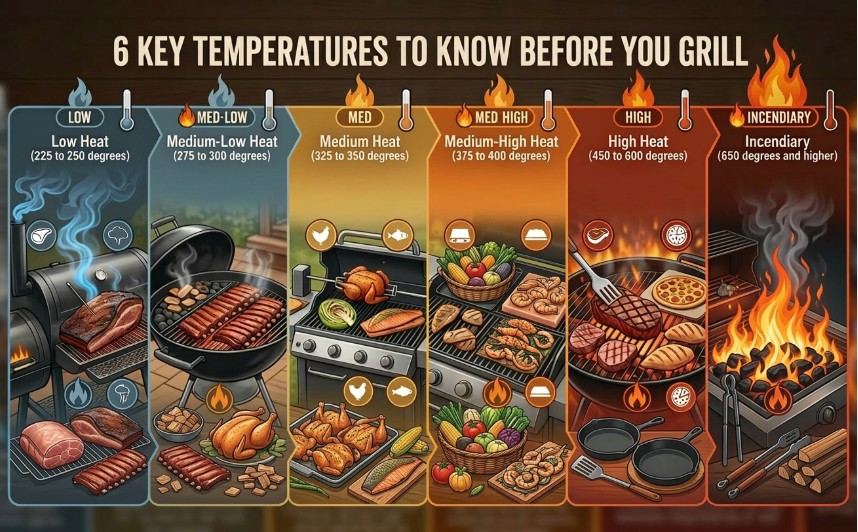
225°F to 250°F: Low-and-slow smoking
Use this range for brisket, pork shoulder, and ribs when you want steady smoke and long cook times. You use this low heat exclusively for huge, tough cuts like brisket, ribs, and pork shoulder. The very low Räuchertemperatur Das zähe Kollagen wird langsam zu reichhaltiger, klebriger Gelatine zersetzt. Dieser chemische Prozess dauert mehrere Stunden und erfordert Geduld. Doch das lange Warten belohnt mit unglaublich zartem, butterweichem Fleisch, das auf der Zunge zergeht.
275°F to 300°F: Faster smoking and indirect cooking
Mittlere bis niedrige Hitze liegt genau zwischen langsamem Räuchern und normalem Braten im Ofen. Diese Temperaturzone eignet sich perfekt für echtes Barbecue und indirektes Grillen. Rippchen und Schweineschulter lassen sich bei dieser Temperatur hervorragend zubereiten. Wenn Sie Ihren Grill auf 135 °C (275 °F) einstellen, verkürzt sich die Garzeit etwas. Vor allem aber bleibt das Fleisch saftig und die Kruste knusprig.
325°F to 350°F: Everyday grilling and roasting
Mittlere Hitze bietet Ihnen unglaubliche Vielseitigkeit für das tägliche Kochen im Freien. Diese zuverlässige Zone eignet sich ideal zum direkten Grillen, indirekten Garen und Räuchern. Mit dieser optimalen Hitze gelingen Schweinelende, ganze Hähnchen und ganze Fische perfekt. Auch große, feste Gemüsesorten werden so wunderbar weich. Beispielsweise können Sie ganze Kohlköpfe oder große Zwiebeln bei mittlerer Hitze langsam rösten, bis sie herrlich süß und zart sind.
375°F to 400°F: Burgers, chicken pieces, and vegetables
Mittlere bis hohe Hitze ist ideal für den täglichen Gebrauch. Sie bildet schnell eine Kruste, während der dicke Kern lange durchgart. In diesem Temperaturbereich eignen sich Salzplatten oder auf Holzplanken gebratener Lachs. Auch Hähnchenschenkel gedeihen prächtig. Gemüse wird ebenfalls gut. Bei 200 °C (400 °F) bekommen frische Zucchini und dicke Paprikaschoten eine schöne, blasige Kruste.
450°F to 600°F: Steaks, chops, pizza, and fast searing
Die hohe Hitze am Grill erfordert Ihre volle Aufmerksamkeit. Diese intensive Hitze nutzen Sie ausschließlich zum direkten Grillen über offener Flamme. Grilltemperatur Genau das Richtige für Steaks, Koteletts, Pizza und dünne Hähnchenbrust. Auf dieser Stufe ist alles in wenigen Minuten gar. Bleiben Sie nah an der Flamme, damit Ihr Essen nicht anbrennt.
650°F and above: Extreme searing only
Die extreme Hitze erzeugt die begehrte, knusprige Kruste in Steakhausqualität. Diese hohe Temperatur erreichen Sie durch direktes Grillen oder spezielle Infrarotbrenner. Sie ist ausschließlich zum scharfen Anbraten von hochwertigen Steaks und dicken Koteletts gedacht. Das Fleisch sollte nur ein bis zwei Minuten pro Seite auf dem Grillrost bleiben. Längeres Grillen führt dazu, dass Ihr wertvolles Fleisch zu trockener Asche verbrennt.
Once you know these six zones, it becomes much easier to match the food to the fire. You will know exactly how hot your fire needs to be before you even strike a match.
Teil 3. How to Measure Grill Temperature Correctly
Die gewünschte Temperatur zu kennen, nützt nichts, wenn man sie nicht genau messen kann. Die gesamte Atmosphäre im Grill verändert sich je nach Hitzegrad. Bei niedrigen Temperaturen glimmt das Holz sanft und erzeugt sauberen, blauen Rauch. Bei hoher Hitze trifft herabtropfendes Fett auf die glühenden Kohlen und verdampft sofort, wodurch das Fleisch aromatisiert wird.
Um diesen Garprozess zu meistern, müssen Sie genau verstehen, was in Ihrem Grill vor sich geht. Expertenrat zum Verständnis dieser Hitzedynamik finden Sie hier. Strategien, um Ihre Temperatur zu kennen.
Many grills still rely on bimetal lid dials, but those gauges measure dome air, not the grate where food cooks. Sadly, these factory dials constantly trick backyard cooks. They only measure the hot air pooling at the very top of the metal dome. They completely fail to check the air down at the grate where your food actually cooks. In many grills, grate temperature can differ from the lid reading by 50°F or more.
Hier sind ein paar praktische Möglichkeiten, Ihre Körpertemperatur richtig einzuschätzen:
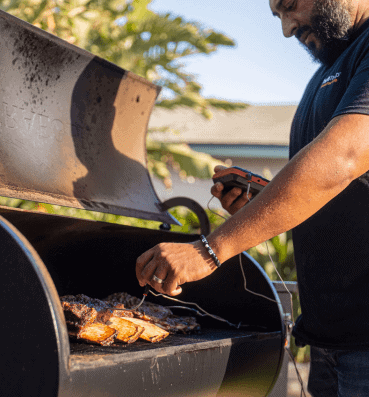
- Use a digital grate probe clipped at grate level, close to the food but not touching it. This tool shows the exact cooking environment for smoking a large Sunday brisket for your family.
- Use the hand test only as a rough heat check, not as a measurement tool. If you must pull your hand away in just 2 seconds, you have extreme heat ready to sear thick steaks.
- Thin blue smoke usually signals cleaner combustion, while thick white smoke often means the fire needs more air. Conversely, thin, pale blue smoke indicates your airflow is perfectly tuned for slow-cooking delicate pork ribs.
Um Ihre Gartentechnik noch weiter zu verfeinern, Hier finden Sie Tipps, wie Sie die richtige Temperatur auf Ihrem Grill erreichen.. Mit hochpräzisen Messgeräten servieren Sie Ihren Gästen garantiert nie wieder rohe oder verdorbene Speisen. Letztendlich bereitet Sie die korrekte Hitzemessung auf den nächsten entscheidenden Schritt vor: die Kontrolle des Feuers selbst.
Teil 4. How to Control Temperature on Charcoal, Gas, and Indoor Grills
Jedes Kochgerät verhält sich anders. Ihre Vorgehensweise muss daher vollständig an die jeweilige Brennstoffart angepasst werden. Holz, Gas und Holzkohle verhalten sich jeweils auf ganz unterschiedliche Weise. Wenn Sie diese Unterschiede genau kennen, haben Sie die volle Kontrolle über Ihr Feuer.
Charcoal Grills
Controlling the temperature of your charcoal grill requires excellent oxygen management. Fire breathes oxygen to survive. Open the bottom vents to raise heat, and close them gradually to reduce it. This quickly increases your heat. Conversely, you partially close those vents to choke the fire and reduce the heat. Furthermore, the weather changes everything outside. A cold, harsh wind pulls heat right out of your metal kettle. As a result, you burn much more fuel to keep the heat steady.
Gas Grills and Smokers
Gas grills respond quickly to knob changes, but wind and uneven burners can still create hot and cool spots. However, holding a perfectly steady smoker temp for 12 straight hours proves very tough on traditional offset rigs. Strong wind gusts can easily blow out low flames or make wood fires spike violently. Even modern wood pellet smokers struggle because cheap factory sensors fluctuate wildly. You need better, faster tools to keep a flat temperature line.
Indoor Ovens
Your indoor kitchen also requires precise monitoring. Many home ovens run hotter or cooler than the set dial, sometimes by 25°F or more. Kitchen ovens cycle their heating elements on and off constantly. This action creates rolling waves of heat instead of a flat line. Therefore, always use a secondary digital probe to verify the actual ambient temperature before baking delicate food.
Intelligente Lösungen für perfekte Wärmeregulierung
Den ganzen Tag der Temperaturkontrolle hinterherzujagen, erschöpft selbst erfahrene Grillmeister. Mit einem billigen Drehregler ein offenes Feuer zu lenken, fühlt sich an wie Autofahren mit verbundenen Augen. Die Technik hat endlich aufgeholt.
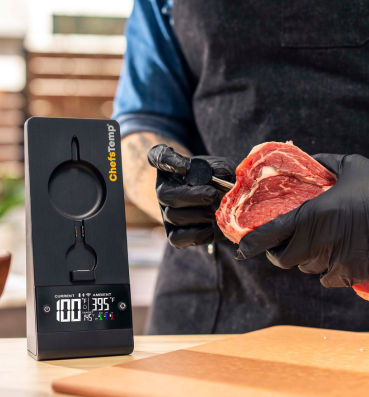
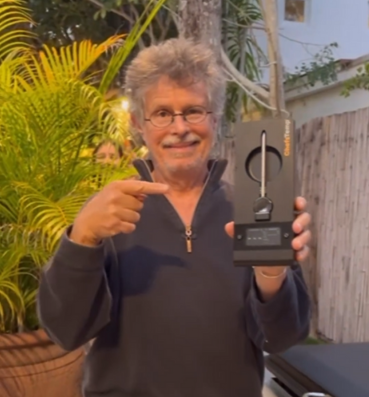
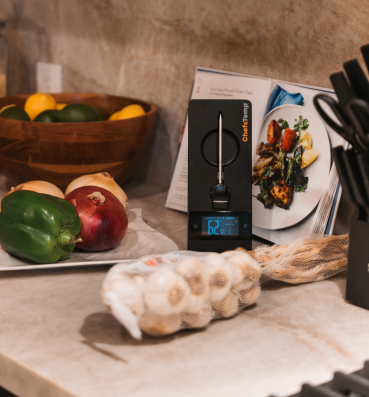
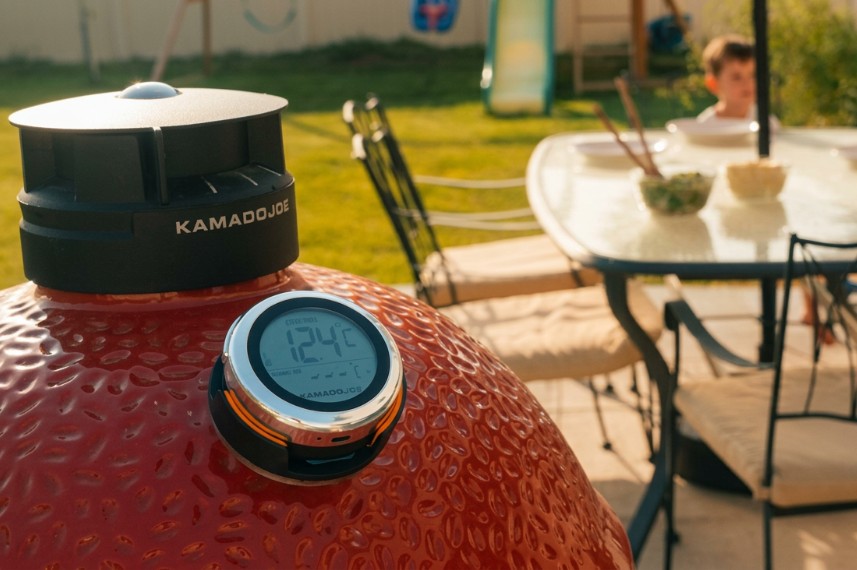
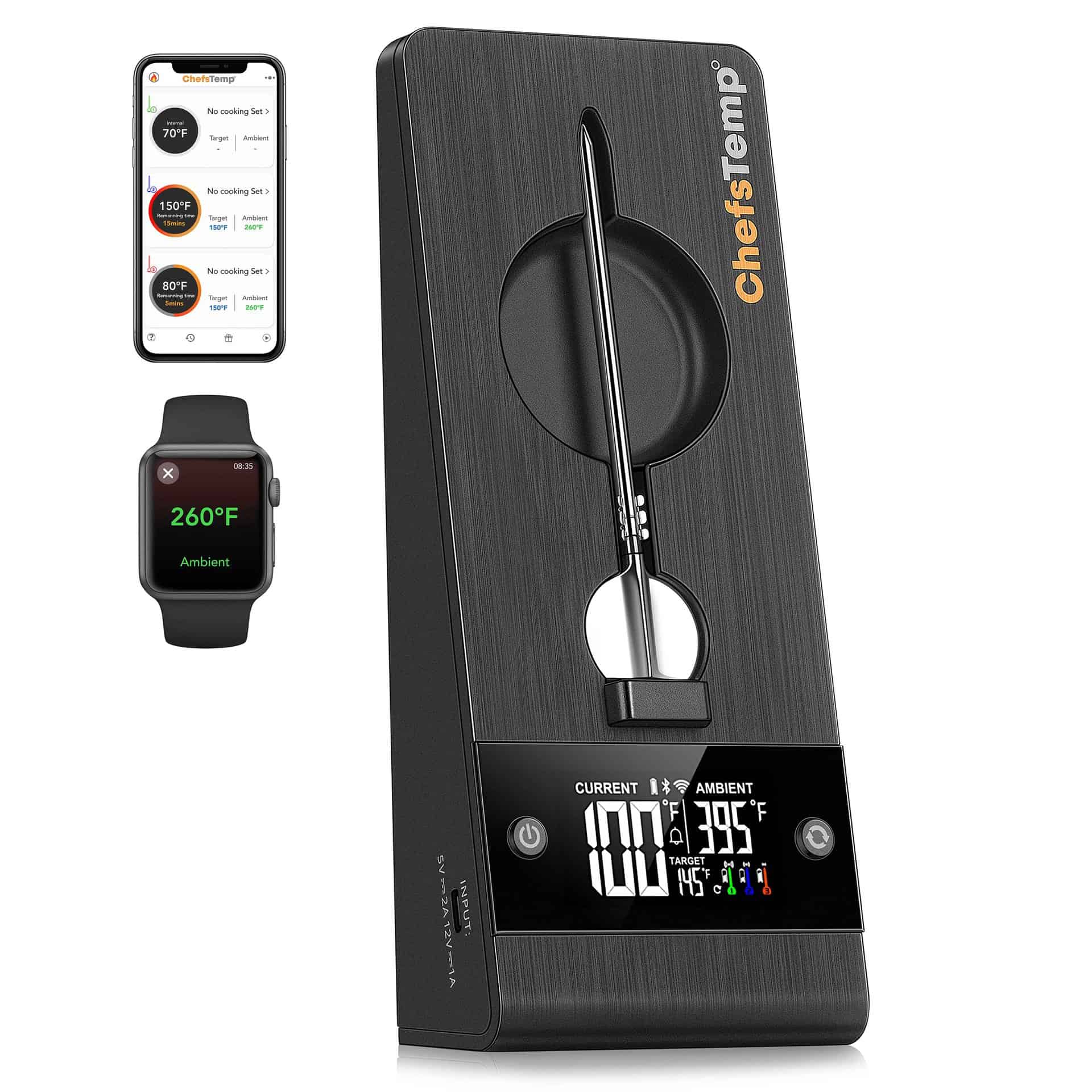
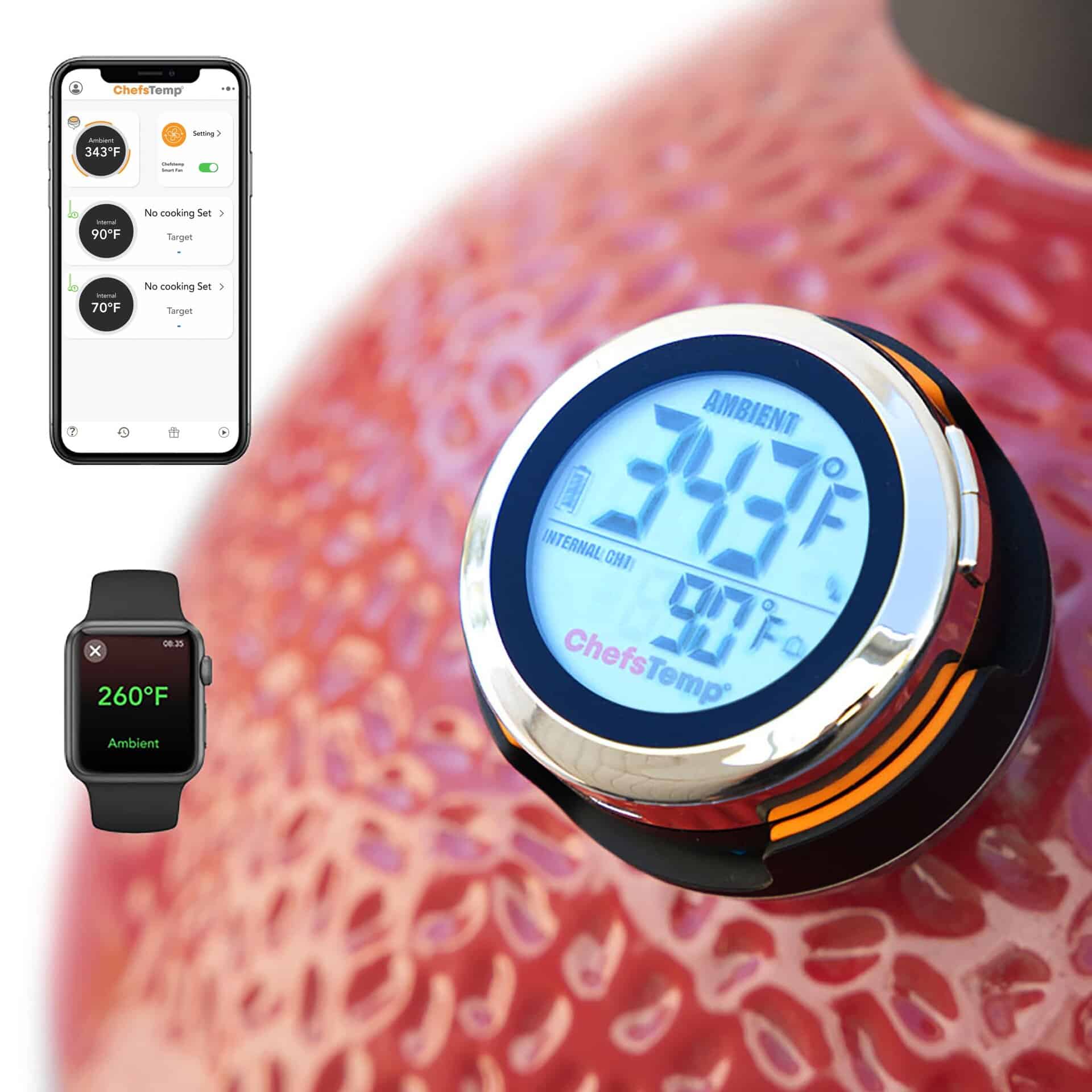
Der ProTemp S1 is a Patented Smart Grill Gauge Thermometer Hub that monitors grate temperature and supports automatic airflow control when paired with the Breezo fan. It mounts right where your old dome dial used to sit. The setup stays entirely wireless and clean.
- Built-in Wi‑Fi and Bluetooth let you monitor pit temperature from a phone, and alerts can also appear on supported Apple Watch setups.
- A platinum sensor rated for temperatures up to 1000°F gives the unit enough range for both low-and-slow cooking and high-heat searing.
- Supports up to 4 wireless probes, which is useful when you want to track several cuts at once.
- Optional Breezo Fan pairing adds automatic airflow control, which matters most on long charcoal cooks.
Grillzubehör entwickelt sich mit dem Wachstum des globalen Grillmarktes stetig weiter. Dieses beeindruckende System können Sie jetzt in Aktion sehen. Schauen Sie rein und erfahren Sie mehr! Wie ProTemp S1 + Breezo die Temperaturregelung auf dem Kamado Master (heiß & schnell + niedrig & langsam) steuern Funktioniert einwandfrei.
Part 5. Bottom Line
Knowing your target temperatures helps you avoid dry, burnt, or undercooked food. Guessing the heat always leads to ruined meals and frustration. Fortunately, learning the six key heat zones builds a rock-solid foundation for your backyard success.
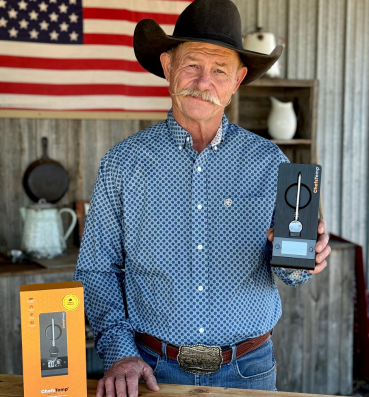
Innovative technology from ChefsTemp removes that manual guesswork completely. The ProTemp S1 can improve temperature tracking on compatible grills, but the grill itself still determines how evenly heat moves across the grate. This handy device gives everyday cooks true commercial-grade accuracy. You easily gain remote monitoring, real-time data, and automatic airflow control. Equip your smoker with ChefsTemp today and completely dominate your next family barbecue.
Teil 6. Häufig gestellte Fragen zu Grilltemperaturen
F: Welche Grilltemperaturen sind üblich?
Grill temperature is the heat inside the cooking chamber, usually measured at grate level or near the food. It has a huge, variable range. A tough pork shoulder is slowly brought to tenderness over 12 long hours at 225°F. On the other side, a thick ribeye is seared in minutes by a raging 650°F heat. The precise way your meal behaves on the grates depends on the temperature.
F: Warum ist die Grilltemperatur wichtig?
Grill temperature matters because too much heat can burn the outside before the inside is done, while too little heat can leave food dry or unsafe. Dinner is safe to eat when the precise goal temperature is met. It also creates that delicious crust that everyone fights over.
F: Wie messe ich die Temperatur meines Grills?
Use a grate-level digital probe. Lid dials are useful only for rough trends, not exact cooking control. Your food sits lower on the heavy metal. You need a digital probe resting directly next to the meat. Upgrading to a smart tool like the ProTemp S1 puts commercial platinum sensors to work right where they count.
F: Woran erkennt man, ob ein Grill heiß genug ist?
A hand test can give you a rough feel for heat, but a thermometer gives the only reliable reading. If you have to yank it away in two seconds, that fire is screaming hot. It works well in a pinch. Still, guessing ruins expensive grocery runs. Rely on a calibrated digital thermometer to verify the real numbers.
F: Warum schwankt die Temperatur meines Grills ständig?
Temperature swings usually come from lid opening, airflow changes, wind, fuel quality, or uneven burn patterns. Cheap charcoal burns in unpredictable, frustrating waves. A sudden gust of wind acts exactly like a blacksmith’s bellows. It feeds the coals unexpected blasts of oxygen that instantly spike the heat.
F: Beeinflusst das Wetter die Temperatur meines Holzkohlegrills?
Yes. Wind, rain, and cold air can pull heat from the cooker and make fuel burn less efficiently. You spend all afternoon unthinkingly adjusting the vents. Hooking up an automatic blower fan takes over that job and stops those endless temperature swings.
Q: Why does my grill say 400°F but food cooks unevenly?
Because that reading is from the lid, not the grate. The actual cooking surface may be significantly hotter or cooler due to airflow and fuel distribution. Always measure at grate level for accuracy.
Entdecken Sie weitere ChefsTemp-Produkte

Entdecke weitere Rezepte und lerne Küchentricks, indem du unserer Kochfamilie auf Facebook beitrittst.
Das könnte Ihnen auch gefallen: