Grill Temperature Chart: Exact BBQ Heat for Burgers, Chicken, Steak, and Fish
Backyard cooking has changed. People buy nicer grills, better charcoal, and more gadgets. According to Verified Market Research, the global BBQ grill market is projected to reach USD 7.78 billion by 2032, which helps explain why more cooks are upgrading from guesswork to measured temperature control.
Money is helpful, but it doesn’t solve the primary issue of wandering heat. Burgers burn, chicken dries out, and steaks fall short because a lid dial may read one number while the grate runs hotter or colder.
This guide gives you the target grill temperature for each food, explains why lid dials mislead, and shows how to measure heat where the food actually cooks. It shows the temperaturas de la parrilla Que se adaptan a carnes comunes, desde ahumado lento hasta sellado rápido. También explica cómo medir la temperatura real de la comida y cómo un termómetro inteligente puede facilitarte el trabajo nocturno.
Tabla de contenido
Parte 1. What Grill Temperature Should You Use for Each Food?
Different foods need different heat zones, and the right setting depends on thickness, fat content, and cooking method. You must match your food to the right heat zone. High heat quickly sears thin cuts of meat. Meanwhile, low heat slowly breaks down tough tissues in large roasts. Learning these basic rules will instantly transform your backyard cookouts.
Burger Grill Temperature
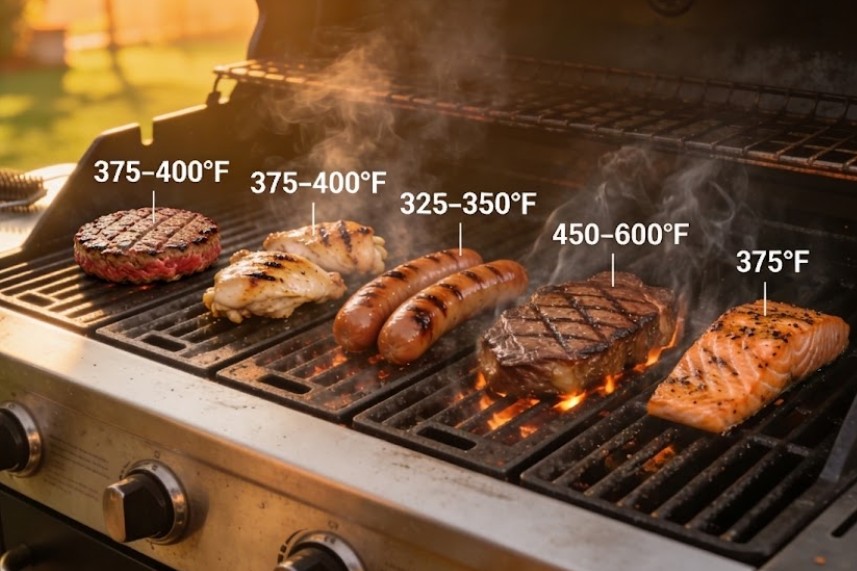
Neighbors always ask exactly what temperature to grill burgers so they do not dry out. Treat the grates like a hot iron skillet. Set the grill to 375°F to 400°F for burgers. That range sears the outside quickly while keeping the center juicy. It hits the sweet spot. That medium-high blast sears a hearty, brown crust. The inside stays dripping with juice. Most standard beef patties finish in about 8 to 10 minutes, depending on thickness and grill flare-ups. Remember to flip the meat only once to keep it from falling apart.
Chicken Grill Temperature
Finding the ideal grill chicken temperature stops you from serving dry, stringy poultry. You need a steady medium-high heat of 375°F to 400°F for wings and thighs. Whole birds, however, require a lower medium heat of 325°F to 350°F. Use 165°F internal temperature as the safety target for poultry. Consequently, the skin renders its fat and turns crispy without burning black.
Sausage Grill Temperature
The best grill temperature for sausage is 325°F to 350°F. Sausages contain a lot of fat packed into delicate casings. High heat can split sausage casings before the center is fully cooked, so medium heat is the safer choice. This rapid boiling bursts the casing, dumps grease into the flames, and triggers massive flare-ups. Instead, medium heat gently cooks the pork. All those delicious juices stay trapped inside for a perfect bite.
Steak Grill Temperature
Steaks demand high heat between 450°F and 600°F. That temperature range supports a fast sear and helps build Maillard browning on the surface. This natural process creates that savory, dark crust on the beef. You only need a couple of minutes per side here. The center is tender medium-rare. Searing steaks over extreme heat brings steakhouse-quality dining right to your patio.
Fish Grill Temperature
Due to the extreme delicacy of seafood proteins, fish requires special attention. The ideal temperature for planked fish is 375°F. Steaks of swordfish or tuna, for example, can withstand high cooking temperatures up to 450°F without any problems. Oil both the fish and the grates lightly so the skin releases cleanly without tearing. Fish skin forms a strong connection with hot, dry metal. When you turn the fish on a clean, well-oiled grate, it releases smoothly.
Dominar estos niveles específicos de picante elimina las dudas al preparar tus comidas. Proteges tus alimentos costosos del deterioro y garantizas un sabor excepcional.
Parte 2. The 6 Main Grill Temperature Zones
Dominar el fuego significa conocer tus zonas. Ten esto en cuenta. temperatura de la parrilla carbonizadaCerca. Las fogatas luchan constantemente contra el clima. Los vientos fríos extraen calor de las finas ollas de acero, devorando el carbón. Los asados fuertes también se cocinan mucho más lentamente que los filetes finos. Siempre ajuste el tiempo para que coincida.
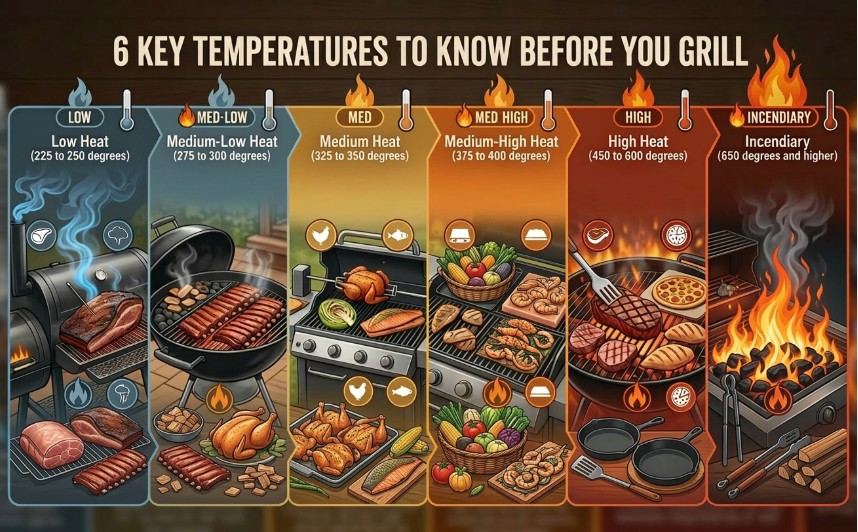
225°F to 250°F: Low-and-slow smoking
Use this range for brisket, pork shoulder, and ribs when you want steady smoke and long cook times. You use this low heat exclusively for huge, tough cuts like brisket, ribs, and pork shoulder. The very low temperatura del fumador Con el tiempo, derrite lentamente el colágeno resistente, convirtiéndolo en una gelatina rica y pegajosa. Esta descomposición química tarda varias horas y requiere paciencia. Sin embargo, la larga espera produce una carne increíblemente tierna y fácil de desmenuzar que se deshace en la boca.
275°F to 300°F: Faster smoking and indirect cooking
El fuego medio-bajo se encuentra justo entre el ahumado lento y el asado al horno. Esta zona específica es perfecta tanto para barbacoa tradicional como para asado indirecto. Este nivel de calor es ideal para cocinar costillas y paleta de cerdo. Calentar el asador a 135 °C acelera ligeramente el tiempo de cocción. Y lo más importante, la carne conserva su humedad natural sin resecar la corteza exterior.
325°F to 350°F: Everyday grilling and roasting
El fuego medio ofrece una versatilidad increíble para cocinar al aire libre a diario. Esta zona fiable se utiliza para asar directamente, cocinar indirectamente y asar con humo. Este nivel de calor intermedio es ideal para lomo de cerdo, pollos enteros y pescado entero. También ablanda perfectamente las verduras grandes y densas. Por ejemplo, puedes asar lentamente repollos enteros o cebollas grandes a fuego medio hasta que queden increíblemente dulces y tiernas.
375°F to 400°F: Burgers, chicken pieces, and vegetables
Considera el fuego medio-alto como tu mejor aliado diario. Forma rápidamente una corteza, permitiendo que el centro grueso se adhiera. Usa placas de sal o salmón en plancha en esta zona cálida. Los muslos de pollo lo disfrutan. Las verduras también son sustanciosas. A 200 °C, el calabacín fresco y los pimientos morrones gruesos se doran de maravilla.
450°F to 600°F: Steaks, chops, pizza, and fast searing
El calor intenso exige toda tu atención en la parrilla. Esta intensa ráfaga de fuego solo se usa para asar directamente sobre llamas abiertas. Este calor increíblemente intenso... temperatura de la parrilla Es justo lo que necesitas para filetes, chuletas, pizza y pechugas de pollo finas. Todo se cocina en cuestión de minutos a este nivel. Debes mantenerte cerca de las llamas para evitar que se queme la comida.
650°F and above: Extreme searing only
El calor incendiario crea esas cortezas premium, con calidad de asador, que todos adoran. Este calor extremo y abrasador se alcanza mediante la parrilla directa o quemadores infrarrojos especializados. Esta temperatura máxima está diseñada exclusivamente para sellar filetes caros y chuletas gruesas. La carne se deja en las rejillas solo uno o dos minutos por lado. Cualquier exposición más prolongada incinerará completamente su valiosa comida, convirtiéndola en ceniza seca.
Once you know these six zones, it becomes much easier to match the food to the fire. You will know exactly how hot your fire needs to be before you even strike a match.
Parte 3. How to Measure Grill Temperature Correctly
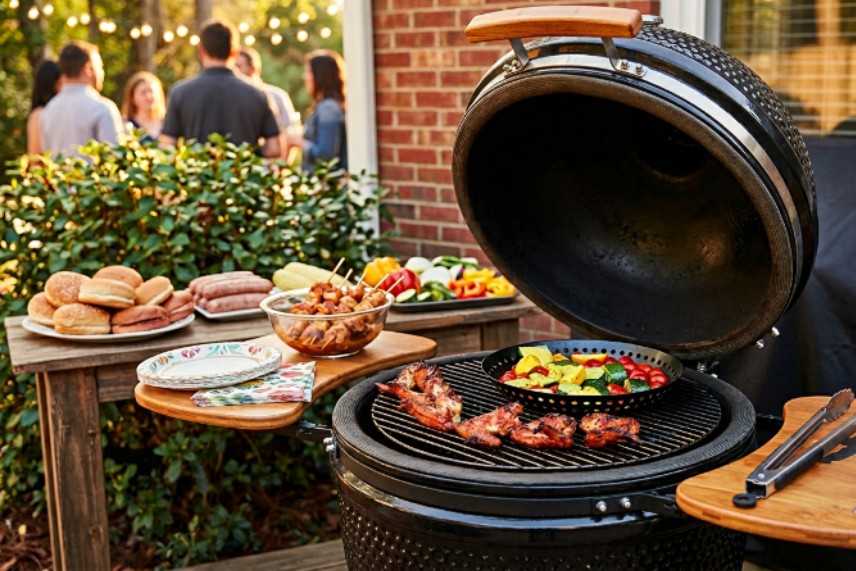
Conocer la temperatura ideal no sirve de nada si no se puede medir con precisión. El ambiente dentro de la cocina cambia por completo según el nivel de calor. A bajas temperaturas, la madera arde suavemente y libera un humo limpio y azul. A altas temperaturas, la grasa que gotea cae sobre las brasas y se vaporiza al instante, dando sabor a la carne.
Debe comprender exactamente qué sucede dentro de su horno para dominar este proceso de cocción. Para obtener consejos de expertos sobre cómo comprender la dinámica del calor, lea estos consejos. Estrategias para conocer tu temperatura.
Many grills still rely on bimetal lid dials, but those gauges measure dome air, not the grate where food cooks. Sadly, these factory dials constantly trick backyard cooks. They only measure the hot air pooling at the very top of the metal dome. They completely fail to check the air down at the grate where your food actually cooks. In many grills, grate temperature can differ from the lid reading by 50°F or more.
A continuación se muestran algunas formas prácticas de medir el calor adecuadamente:
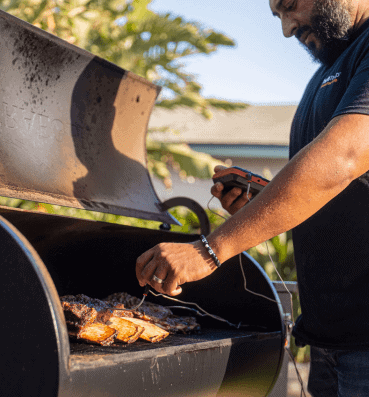
- Use a digital grate probe clipped at grate level, close to the food but not touching it. This tool shows the exact cooking environment for smoking a large Sunday brisket for your family.
- Use the hand test only as a rough heat check, not as a measurement tool. If you must pull your hand away in just 2 seconds, you have extreme heat ready to sear thick steaks.
- Thin blue smoke usually signals cleaner combustion, while thick white smoke often means the fire needs more air. Conversely, thin, pale blue smoke indicates your airflow is perfectly tuned for slow-cooking delicate pork ribs.
Para refinar aún más su técnica de patio trasero, Encuentra consejos para obtener la temperatura adecuada en tu parrilla. Usar herramientas de alta precisión garantiza que nunca más servirás comida cruda o en mal estado a tus invitados. En definitiva, medir el calor correctamente te prepara para el siguiente paso crucial: controlar el fuego.
Parte 4. How to Control Temperature on Charcoal, Gas, and Indoor Grills
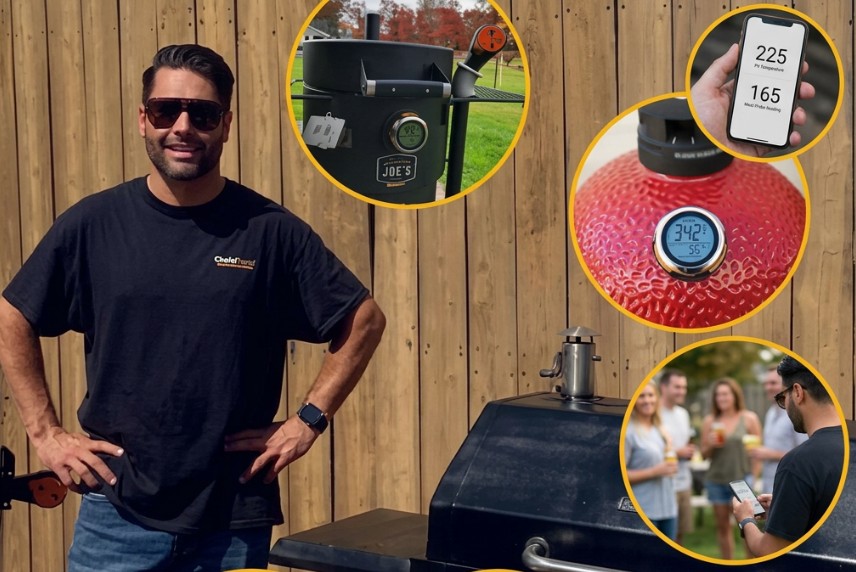
Cada aparato de cocina maneja el calor de forma diferente. Debes adaptar tu enfoque según tu fuente de combustible. La leña, el gas y el carbón actúan de forma muy particular. Aprender estas diferencias te dará un control total sobre el fuego.
Charcoal Grills
Controlling the temperature of your charcoal grill requires excellent oxygen management. Fire breathes oxygen to survive. Open the bottom vents to raise heat, and close them gradually to reduce it. This quickly increases your heat. Conversely, you partially close those vents to choke the fire and reduce the heat. Furthermore, the weather changes everything outside. A cold, harsh wind pulls heat right out of your metal kettle. As a result, you burn much more fuel to keep the heat steady.
Gas Grills and Smokers
Gas grills respond quickly to knob changes, but wind and uneven burners can still create hot and cool spots. However, holding a perfectly steady smoker temp for 12 straight hours proves very tough on traditional offset rigs. Strong wind gusts can easily blow out low flames or make wood fires spike violently. Even modern wood pellet smokers struggle because cheap factory sensors fluctuate wildly. You need better, faster tools to keep a flat temperature line.
Indoor Ovens
Your indoor kitchen also requires precise monitoring. Many home ovens run hotter or cooler than the set dial, sometimes by 25°F or more. Kitchen ovens cycle their heating elements on and off constantly. This action creates rolling waves of heat instead of a flat line. Therefore, always use a secondary digital probe to verify the actual ambient temperature before baking delicate food.
Soluciones inteligentes para un control perfecto del calor
Perseguir temperaturas todo el día agota a los maestros de la parrilla más experimentados. Controlar un fuego vivo con un dial de fábrica barato es como conducir a ciegas. La tecnología por fin se puso al día.
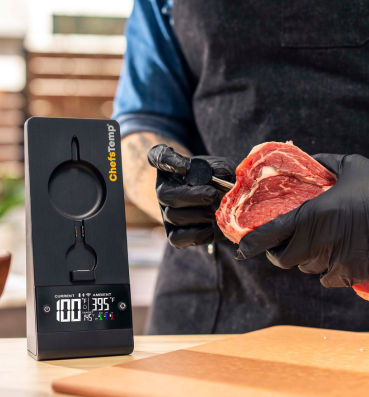
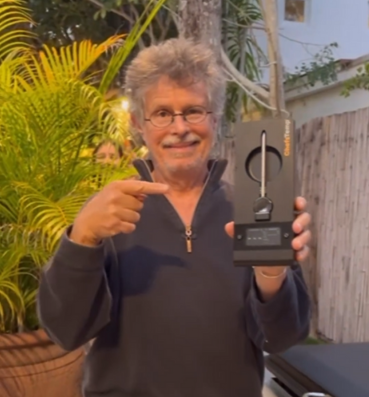
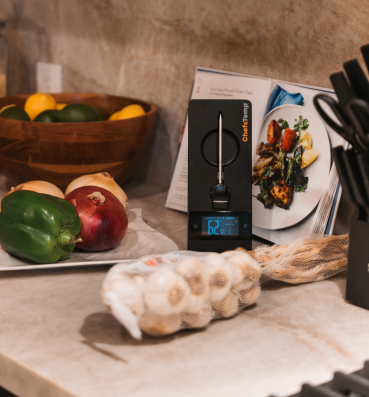
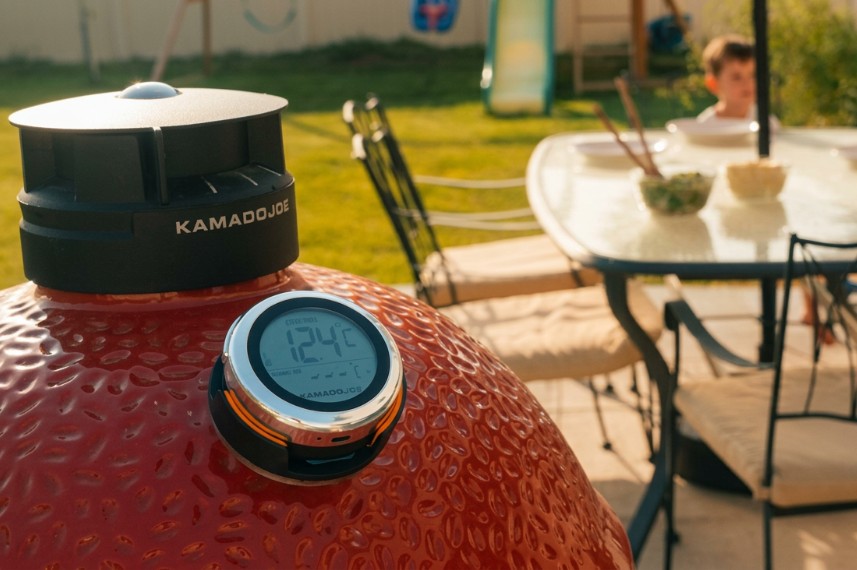
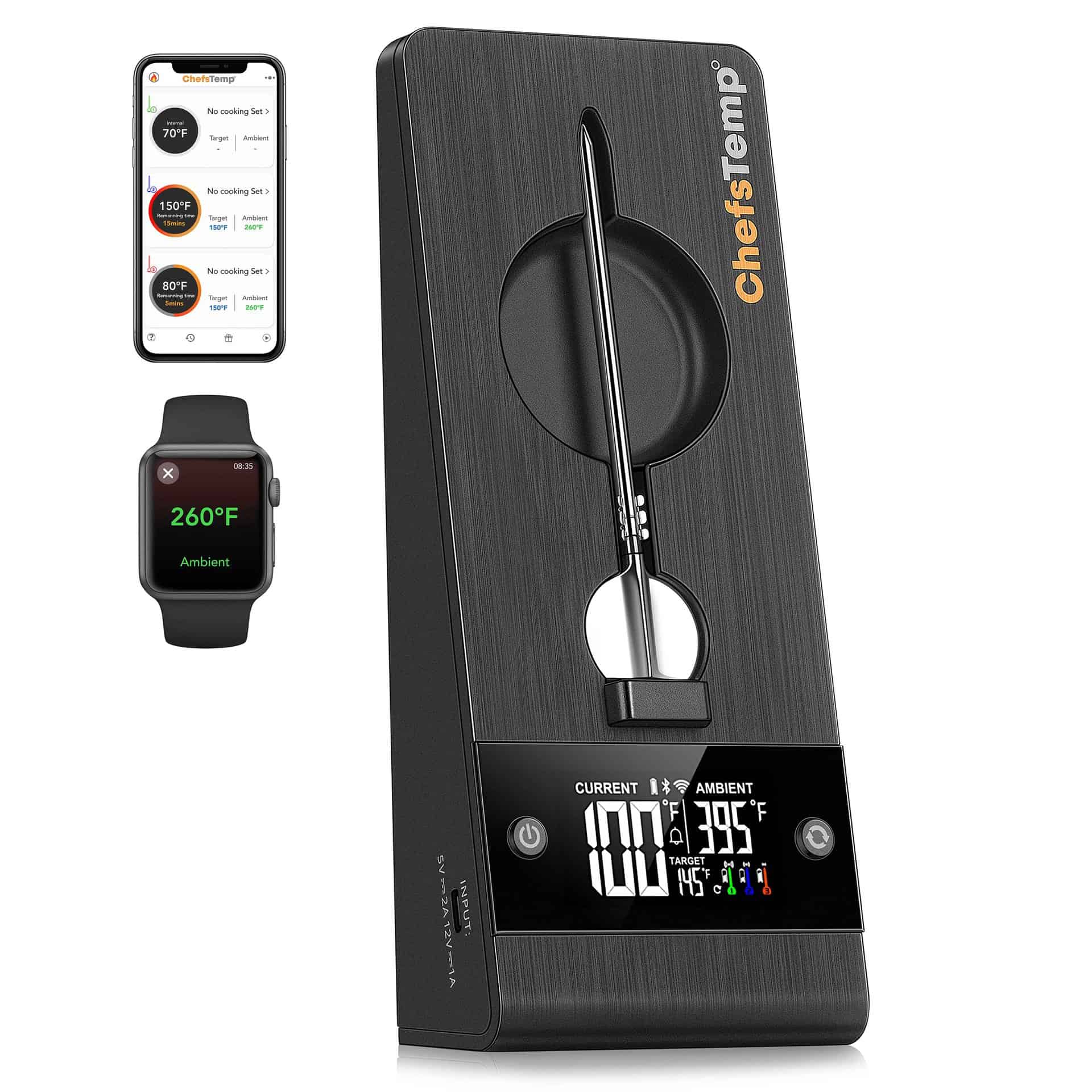
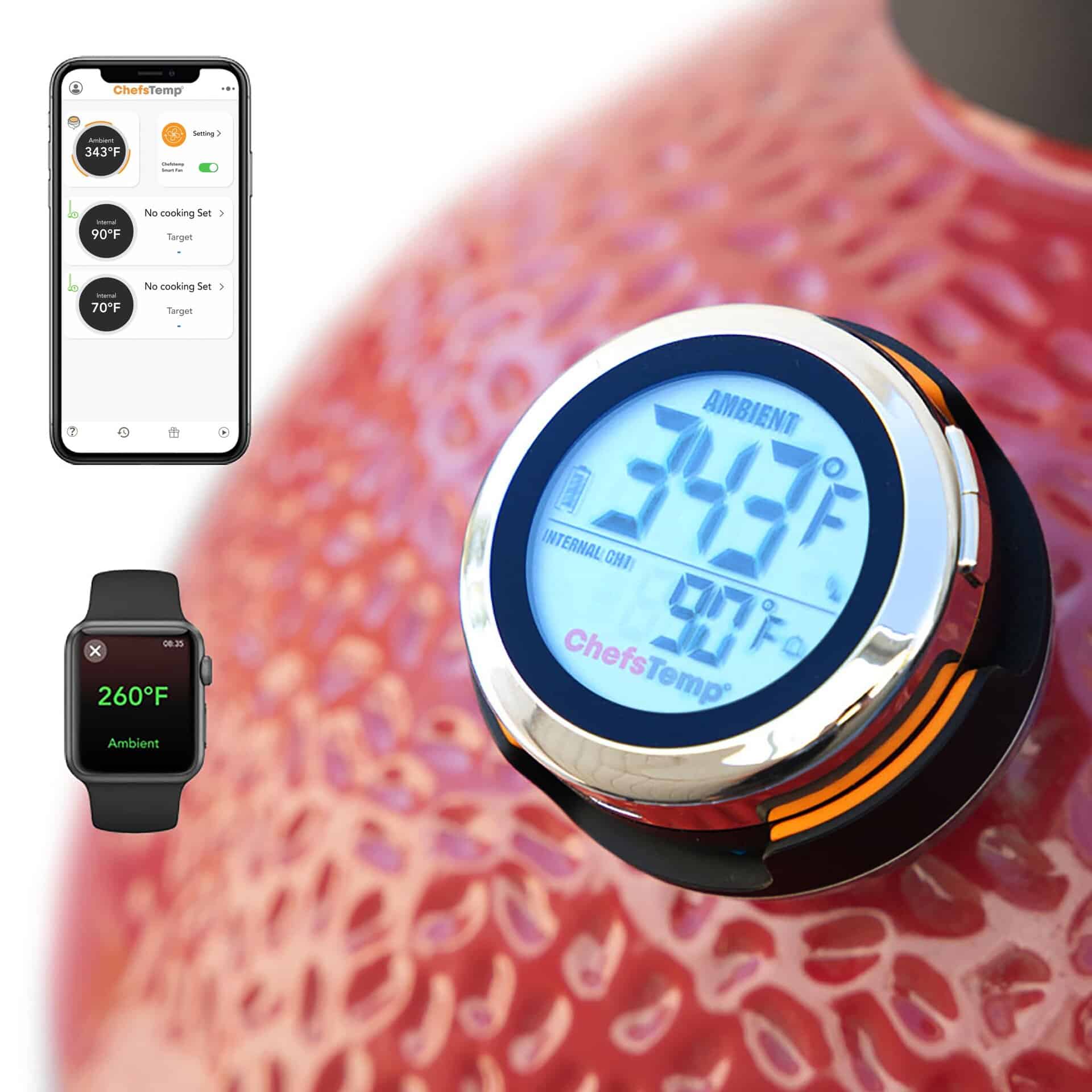
El ProTemp S1 is a Patented Smart Grill Gauge Thermometer Hub that monitors grate temperature and supports automatic airflow control when paired with the Breezo fan. It mounts right where your old dome dial used to sit. The setup stays entirely wireless and clean.
- Built-in Wi‑Fi and Bluetooth let you monitor pit temperature from a phone, and alerts can also appear on supported Apple Watch setups.
- A platinum sensor rated for temperatures up to 1000°F gives the unit enough range for both low-and-slow cooking and high-heat searing.
- Supports up to 4 wireless probes, which is useful when you want to track several cuts at once.
- Optional Breezo Fan pairing adds automatic airflow control, which matters most on long charcoal cooks.
Los equipos para barbacoa siguen evolucionando a medida que crece el mercado global de parrillas. Puedes ver este increíble sistema en acción ahora mismo. Mira para saber más. Cómo ProTemp S1 + Breezo en Kamado Master Control de temperatura caliente y rápida + baja y lenta Funciona perfectamente.
Part 5. Bottom Line
Knowing your target temperatures helps you avoid dry, burnt, or undercooked food. Guessing the heat always leads to ruined meals and frustration. Fortunately, learning the six key heat zones builds a rock-solid foundation for your backyard success.
Innovative technology from ChefsTemp removes that manual guesswork completely. The ProTemp S1 can improve temperature tracking on compatible grills, but the grill itself still determines how evenly heat moves across the grate. This handy device gives everyday cooks true commercial-grade accuracy. You easily gain remote monitoring, real-time data, and automatic airflow control. Equip your smoker with ChefsTemp today and completely dominate your next family barbecue.
Parte 6. Preguntas frecuentes sobre la temperatura de la parrilla
P: ¿Cuáles son las temperaturas de la parrilla?
Grill temperature is the heat inside the cooking chamber, usually measured at grate level or near the food. It has a huge, variable range. A tough pork shoulder is slowly brought to tenderness over 12 long hours at 225°F. On the other side, a thick ribeye is seared in minutes by a raging 650°F heat. The precise way your meal behaves on the grates depends on the temperature.
P: ¿Por qué son importantes las temperaturas de la parrilla?
Grill temperature matters because too much heat can burn the outside before the inside is done, while too little heat can leave food dry or unsafe. Dinner is safe to eat when the precise goal temperature is met. It also creates that delicious crust that everyone fights over.
P: ¿Cómo mido la temperatura de mi parrilla?
Use a grate-level digital probe. Lid dials are useful only for rough trends, not exact cooking control. Your food sits lower on the heavy metal. You need a digital probe resting directly next to the meat. Upgrading to a smart tool like the ProTemp S1 puts commercial platinum sensors to work right where they count.
P: ¿Cómo saber si una parrilla está lo suficientemente caliente?
A hand test can give you a rough feel for heat, but a thermometer gives the only reliable reading. If you have to yank it away in two seconds, that fire is screaming hot. It works well in a pinch. Still, guessing ruins expensive grocery runs. Rely on a calibrated digital thermometer to verify the real numbers.
P: ¿Por qué la temperatura de mi parrilla sigue fluctuando?
Temperature swings usually come from lid opening, airflow changes, wind, fuel quality, or uneven burn patterns. Cheap charcoal burns in unpredictable, frustrating waves. A sudden gust of wind acts exactly like a blacksmith’s bellows. It feeds the coals unexpected blasts of oxygen that instantly spike the heat.
P: ¿El clima afecta la temperatura de mi parrilla de carbón?
Yes. Wind, rain, and cold air can pull heat from the cooker and make fuel burn less efficiently. You spend all afternoon unthinkingly adjusting the vents. Hooking up an automatic blower fan takes over that job and stops those endless temperature swings.
Q: Why does my grill say 400°F but food cooks unevenly?
Because that reading is from the lid, not the grate. The actual cooking surface may be significantly hotter or cooler due to airflow and fuel distribution. Always measure at grate level for accuracy.
Descubra otros productos ChefsTemp

Descubre más recetas y aprende trucos de cocina uniéndote a nuestra familia de cocina en Facebook.
También te puede interesar: