BBQ Pulled Pork Internal Temp: Guide to Achieving Perfect Results
Every backyard cook has been there. You spend hours tending the smoker, and the whole neighborhood smells incredible. Then, you rest the pork shoulder. You grab your fork, expecting the bark to shatter and the meat to fall apart instantly. Instead, you hit a wall. The culprit? Almost always, the wrong BBQ pulled pork internal temp.
Outdoor cooking has never been more popular. According to the Hearth, Patio & Barbecue Association, over 80% of U.S. households own a grill or smoker – yet a surprising number still pull their pork way too early. This guide gives you the precise numbers and tools you need for perfectly tender, juicy pork every time.
Inhaltsverzeichnis
Part 1. What is BBQ Pulled Pork
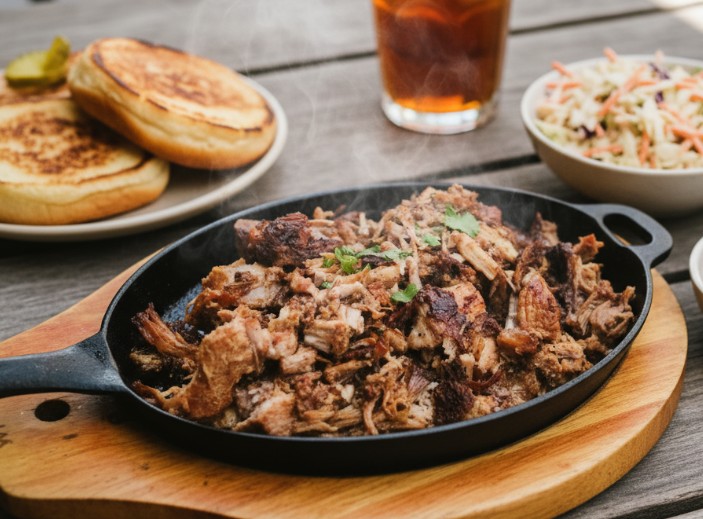
BBQ pulled pork is a classic dish rooted in Southern BBQ culture. Pitmasters take a tough cut of meat, like pork shoulder. Then, they cook it low and slow. They want meat so tender it shreds easily into juicy strands.
The real secret to this famous dish is not just a great spice rub. Instead, it is cooking science. Here is exactly what happens inside the smoker:
- Collagen Melts: Pork shoulder is packed with tough connective tissue. This breakdown begins around 160°F but accelerates significantly above 190°F.
- Gelatin Forms: Slow, steady heat turns this firm collagen into rich gelatin – a process that requires sustained temperatures between 190°F and 205°F.
- Texture Changes: This soft gelatin coats every strand of meat for a silky, pull-apart bite that defines great BBQ.
However, this magic transformation requires proper heat. No amount of tasty sauce can save a tough roast. The meat must hit the correct BBQ internal temperature for pulled pork. Otherwise, the collagen stays firm. Therefore, temperature is always your best guide, not the clock.
Part 2. Best Cut for Pulled Pork BBQ Meat
Before you even light the smoker, you must pick the right meat. The best choice is always the pork shoulder. According to USDA nutritional data, this cut has an ideal meat-to-fat ratio. It typically contains about 15% to 20% fat. This rich fat melts down beautifully during a slow cook.
When visiting the butcher, you will see two main types:
- Boston Butt (Pork Butt): This is the upper shoulder. It is highly marbled with dense connective tissue. Therefore, it is the top choice for tender pulled pork.
- Picnic Shoulder: The lower half of the shoulder. It tends to be leaner and contains a larger, more awkward leg bone, which makes even cooking and shredding more difficult.
Almost all pitmasters prefer the Boston butt. A heavy, bone-in piece weighing 6 to 10 pounds adds amazing flavor. The thick collagen slowly breaks down over a long period of heat.
However, you must avoid lean cuts like the pork loin. Lean meat dries out too fast. It will ruin your meal before it ever reaches the proper pork internal temp for grilling. Exploring the right temps results in tenderness. Instead of tender strands, you will get dry, tough slices. Always use the fatty shoulder to ensure a juicy, perfectly cooked meal.
Part 3. Key Differences Between 190°F and 205°F
This is where the biggest BBQ debate usually happens. What is the ideal internal temp for BBQ pulled pork? Both 190°F and 205°F are technically safe and fully cooked. However, these two targets give you wildly different results on the plate.
Notiz: The USDA certifies pork as safe at 145°F with a three-minute rest. However, pulled pork requires far higher temperatures, about 200°F to 205°F, not for safety, but for the collagen breakdown that creates true tenderness.
| Zieltemperatur | Meat Texture | Ideal Audience | Fat and Moisture |
| 190°F | Firm, sliceable, and chunky | Competition BBQ cooks | Retains high moisture |
| 203°F – 205°F | Shreds and falls apart | Backyard pitmasters | Fat is fully rendered |
At 190°F, the tough collagen is mostly broken down. The meat stays sliceable with a pleasant, thick chew. It also holds more moisture because less fat has rendered out. On the other hand, reaching 203°F to 205°F changes everything. At this hotter stage, the collagen completely melts into gelatin. The fat renders out fully, and the dark outer bark sets beautifully. As a result, the meat fibers separate with almost no effort.
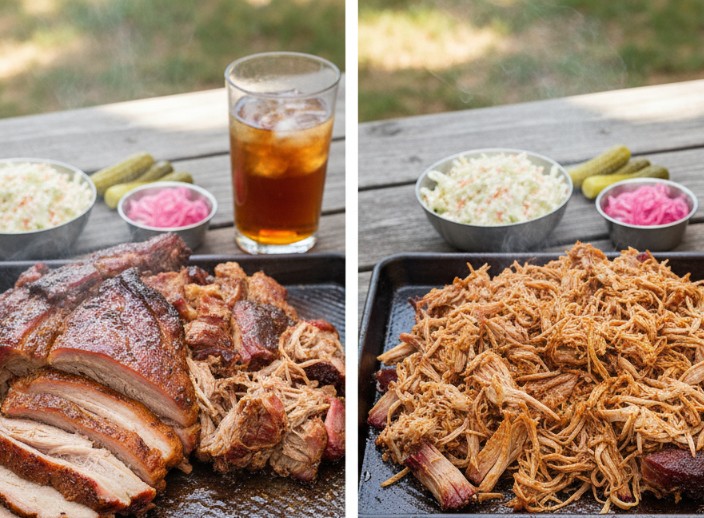
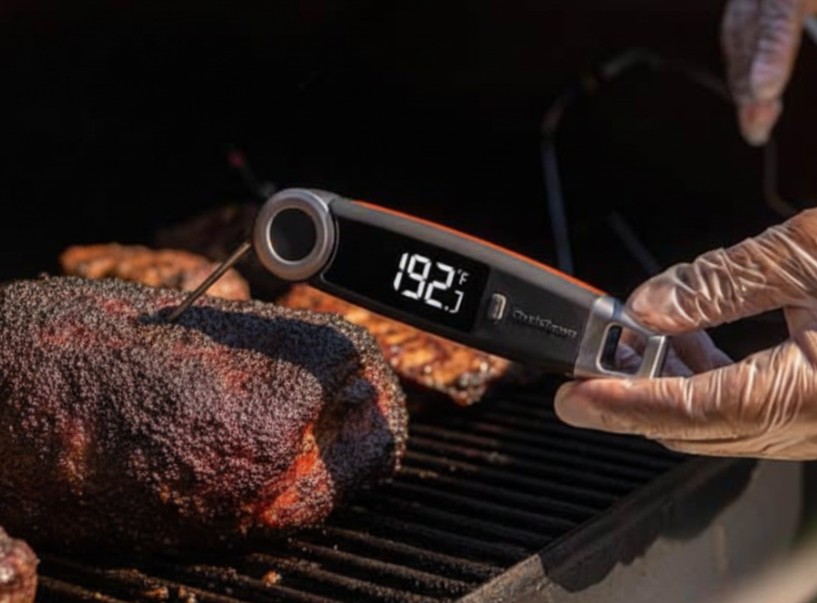
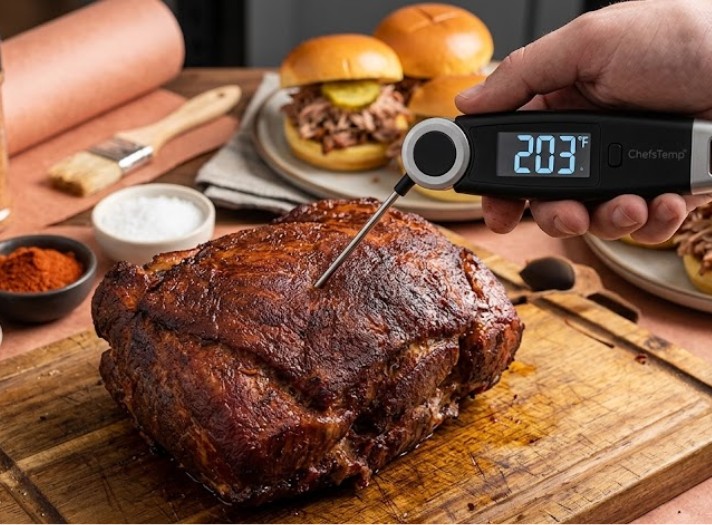
The ideal temperature range for classic pulled pork is ultimately between 200°F and 205°F. A trustworthy instant-read thermometer is necessary. Keeping the probe away from the bone, slide it into the thickest area of the meat. It also helps to use a convenient pork internal temperature chart. It ensures that you pull your pork at the precise moment.
Part 4. Preparing Meat and Tools for BBQ Pulled Pork
Great BBQ always starts with solid prep work. In fact, careful planning sets you up for success long before the meat hits the hot grates.
First, you must properly prepare the pork shoulder. For the best outcomes, follow these easy steps:
- Trim the Fat: Carefully trim the hard outer fat, leaving an even fat cap of about a quarter of an inch. This small amount adds a lot of flavor without leaving oily puddles.
- Season Early: Apply your favorite dry rub 12 to 24 hours in advance. In the refrigerator, leave the meat uncovered. This simple trick builds a beautiful, crispy bark.
- Temper the Meat: Before cooking, take the pork out of the refrigerator 30 to 60 minutes ahead of time. Let it warm up slightly to cook your perfect pulled pork.
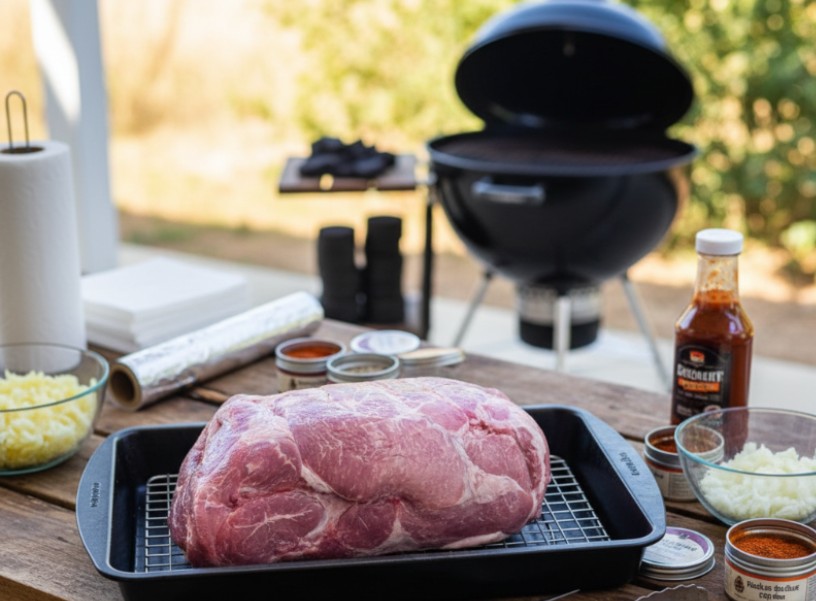
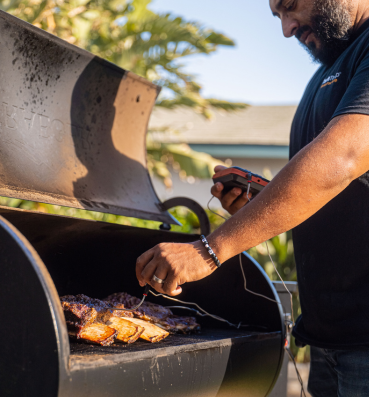
Next, gather your essential gear. You need a smoker that maintains a steady temperature between 225°F and 250°F. Also, grab a reliable leave-in probe thermometer with our ultimate pulled pork guide to track the long cook from afar.
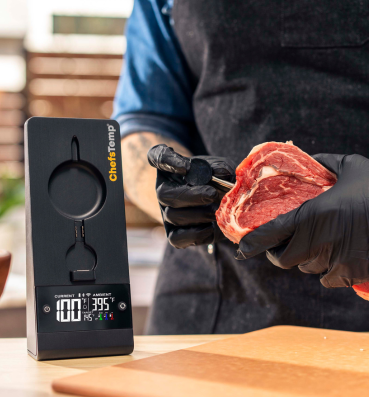
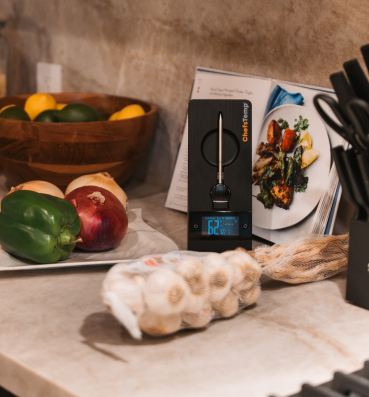
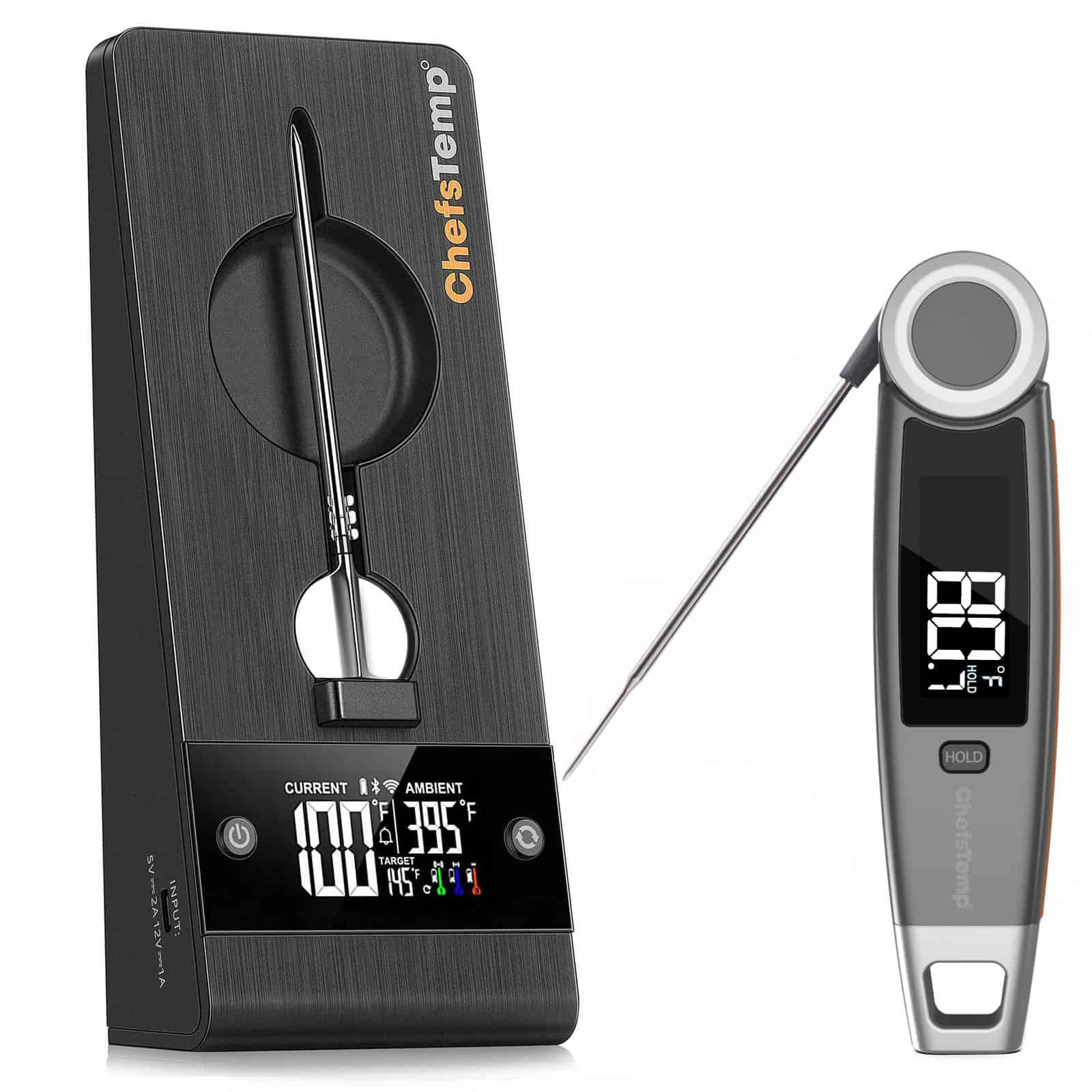
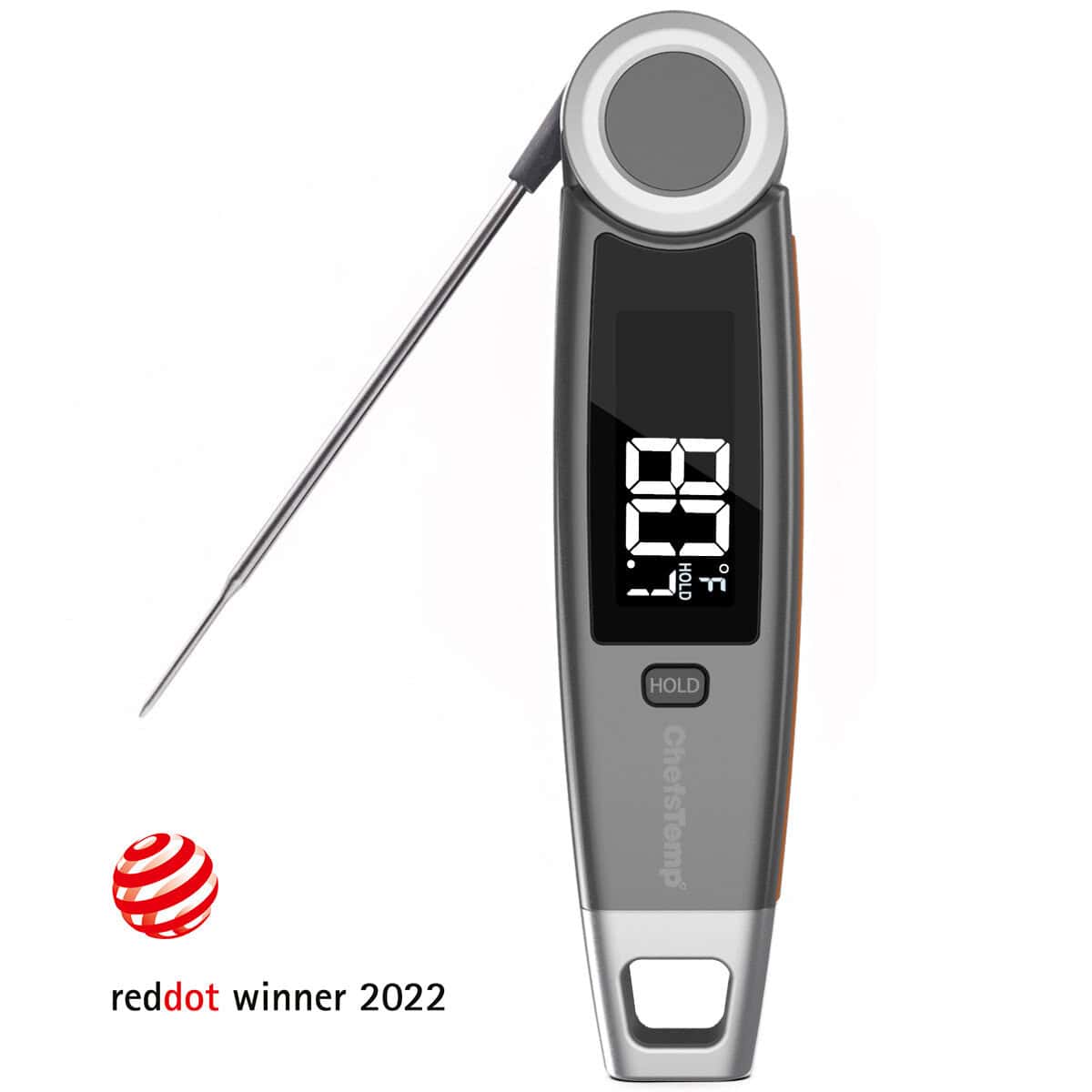
Always keep a fast instant-read thermometer handy for the final check. Why? Leave-in probes trick you. They routinely rest in hot pockets of fat, throwing off the numbers completely. Always double-check your pulled pork internal temp smoker reading with a precise instant-read tool like the ChefsTemp Finaltouch X10. This simple habit keeps your barbecue from drying out into tough, sawdust-like chunks.
Part 5. Temperature for Pulled Pork Check: The Role of a Meat Thermometer
A meat thermometer is never optional for BBQ. It is an absolute must-have. Cooking by the clock is simply a bA meat thermometer is never optional for BBQ. It is an absolute must-have. Every cut of pork is different, so cooking by the clock leaves far too much to chance. A thick 10-pound roast, for instance, can take anywhere from 12 to 16 hours. The only reliable way to check the temperature for pulled pork is with a good thermometer in your hand.
There are several types worth knowing:
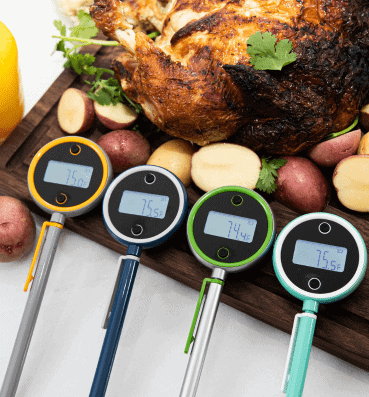
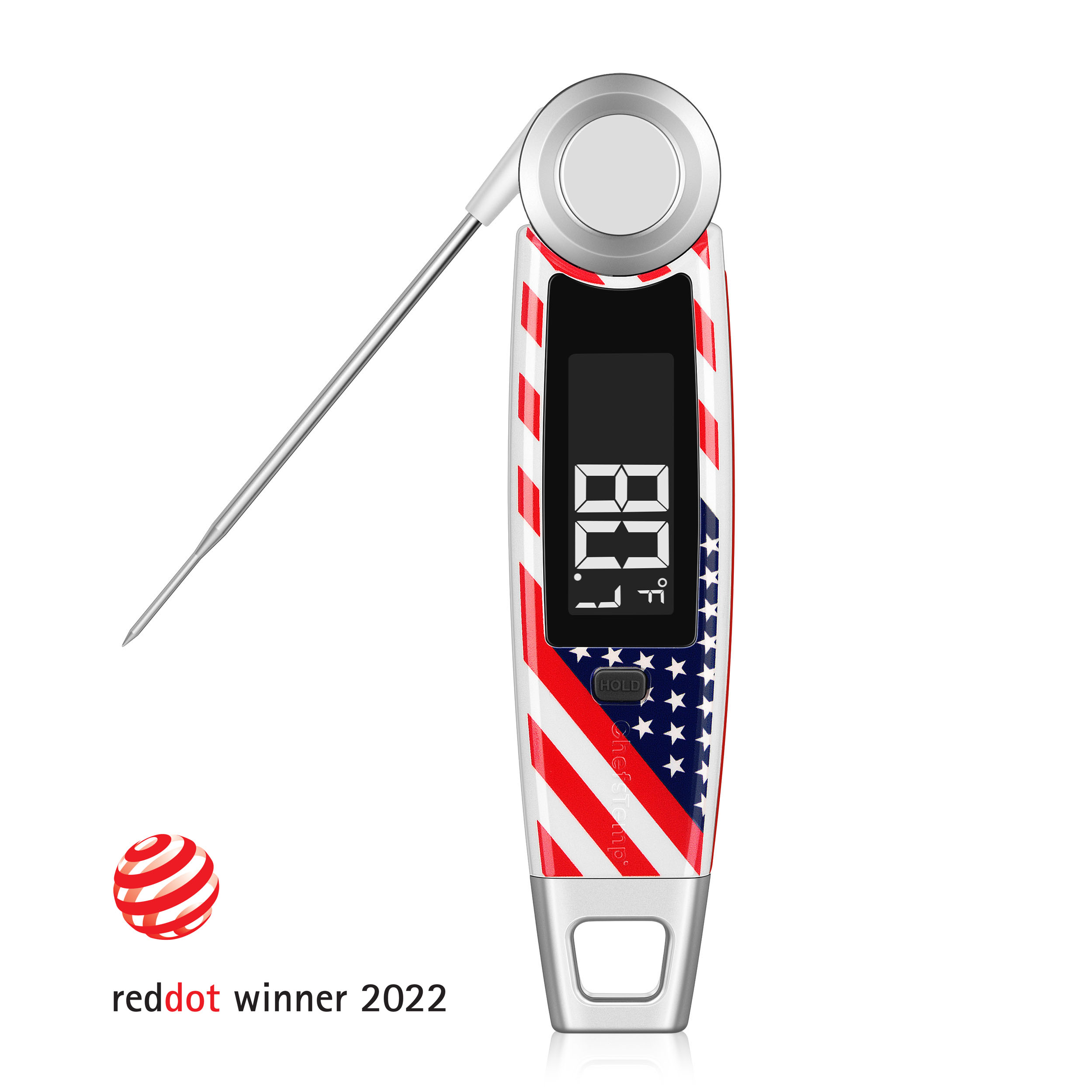
- Sofort ablesbare Thermometer, such as the Finaltouch X10 Instant-Read Meat Thermometer, give results in less than one second, so you keep the smoker lid closed and hold in precious heat
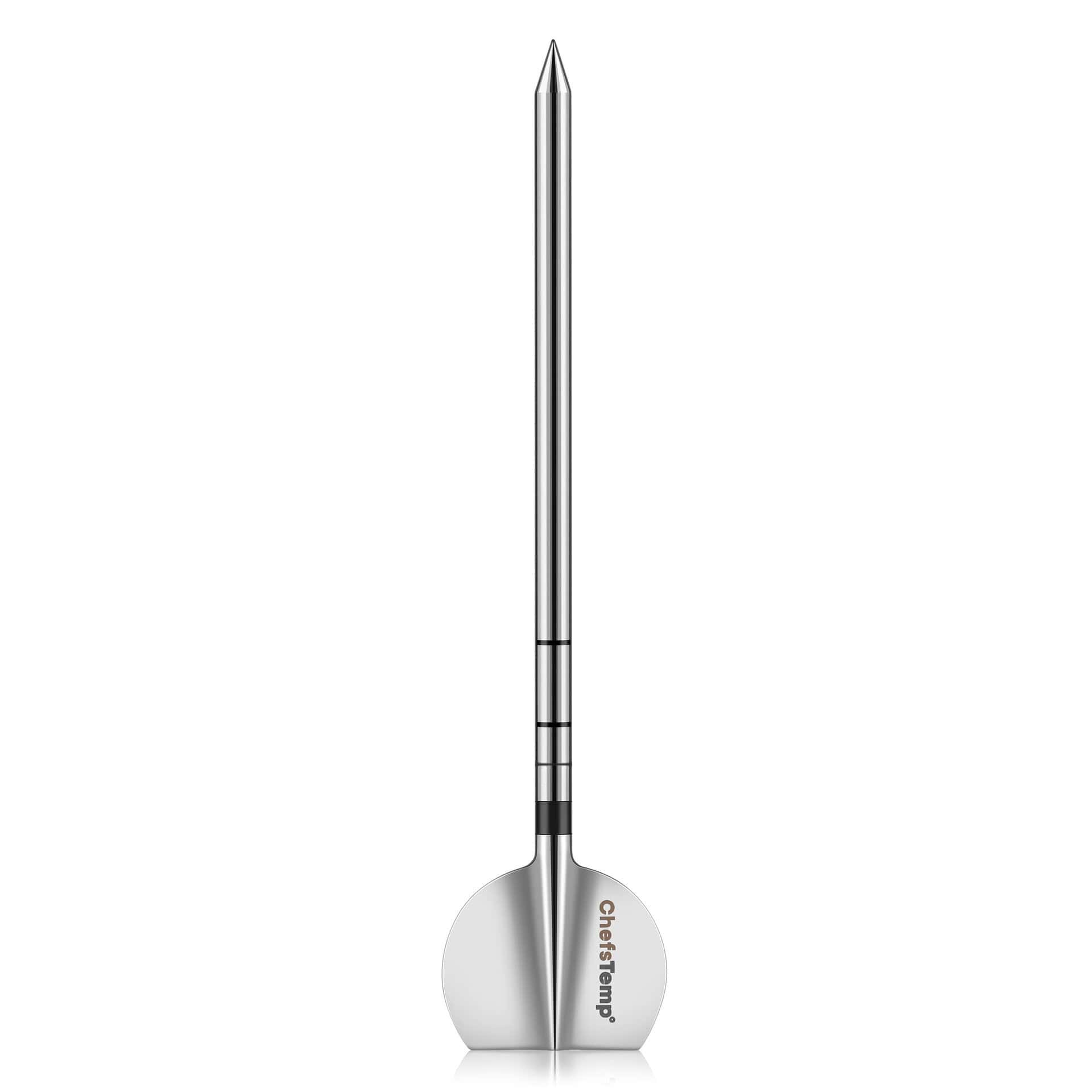
- Leave-in probe thermometers stay inside the meat throughout the entire cook, letting you monitor progress without lifting the lid at all
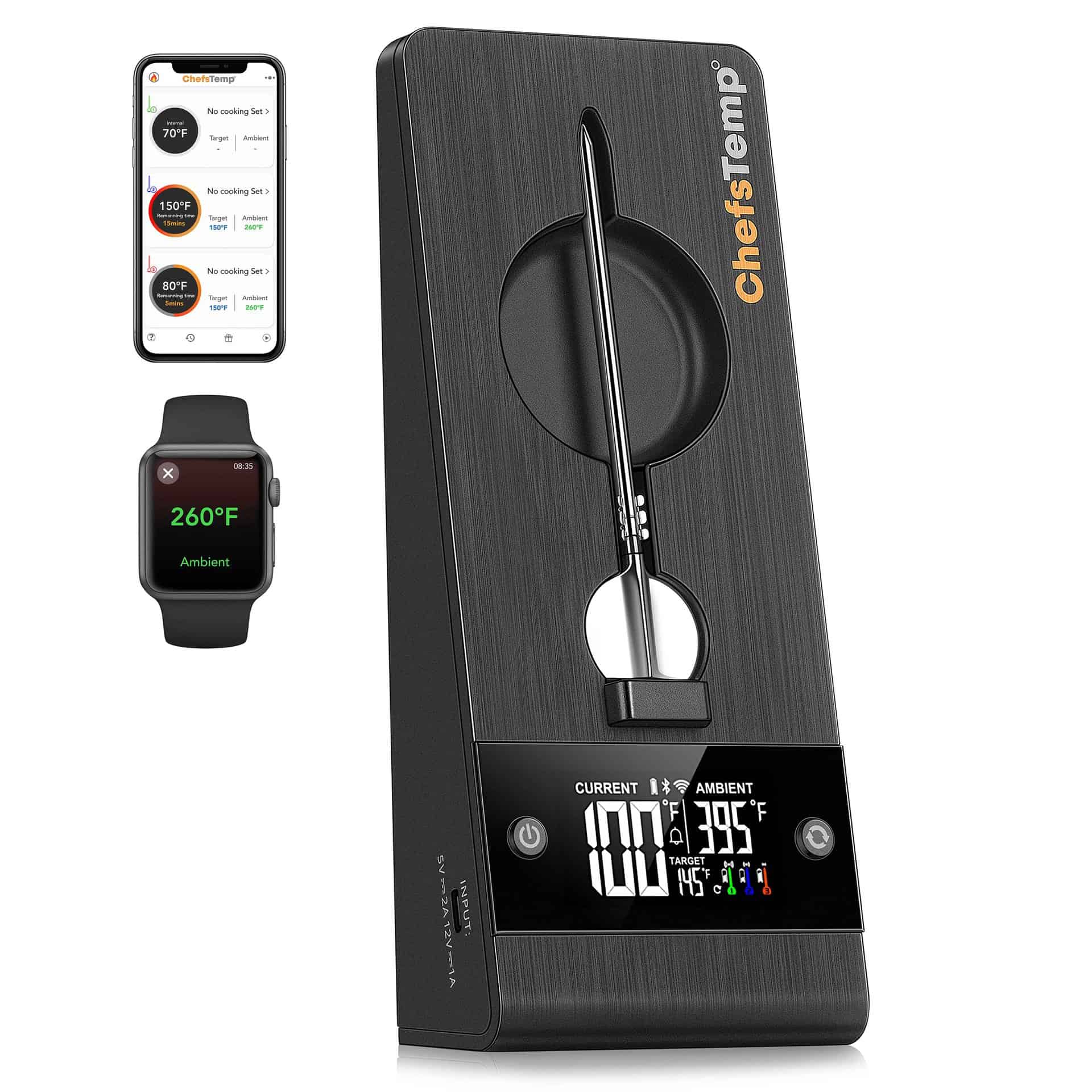
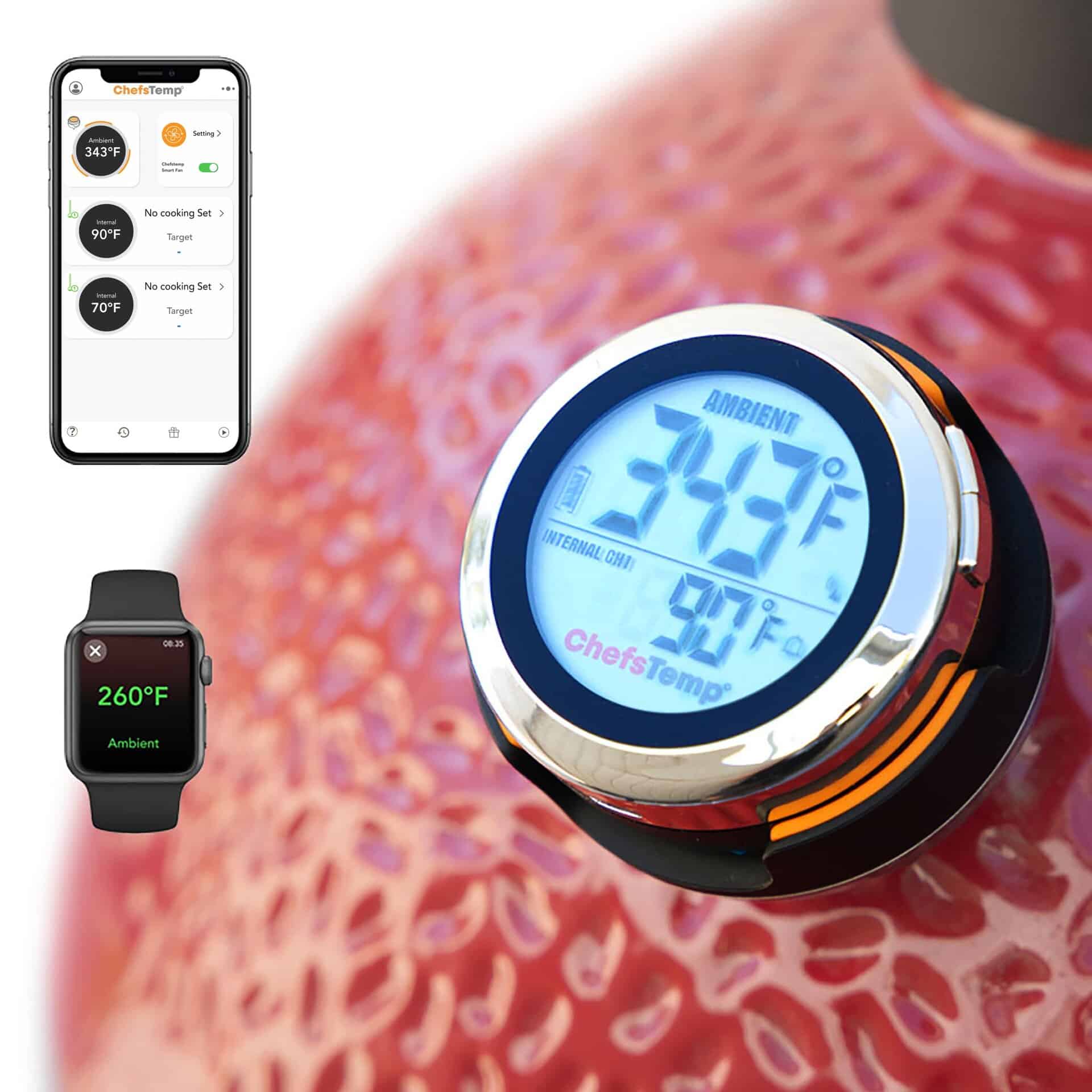
- Wireless Bluetooth thermometers connect to your phone so that you can track temps from across the yard
- Zeigerthermometer are simple and budget-friendly, though they read a bit slower than digital models
Each type helps you confirm that tough collagen has fully melted and that the pork is genuinely tender — not just hot. Beyond convenience, accuracy is everything. A thermometer with ±0.5°F precision removes all guesswork from the process.
Always probe your roast in at least two spots. Check near the thick center first, then near the edge. Once both readings land between 200°F and 205°F, your pork is perfectly cooked and ready to rest. That final number is the real finish line – not the clock.
Part 6. Smoking Tender Pulled Pork Low and Slow
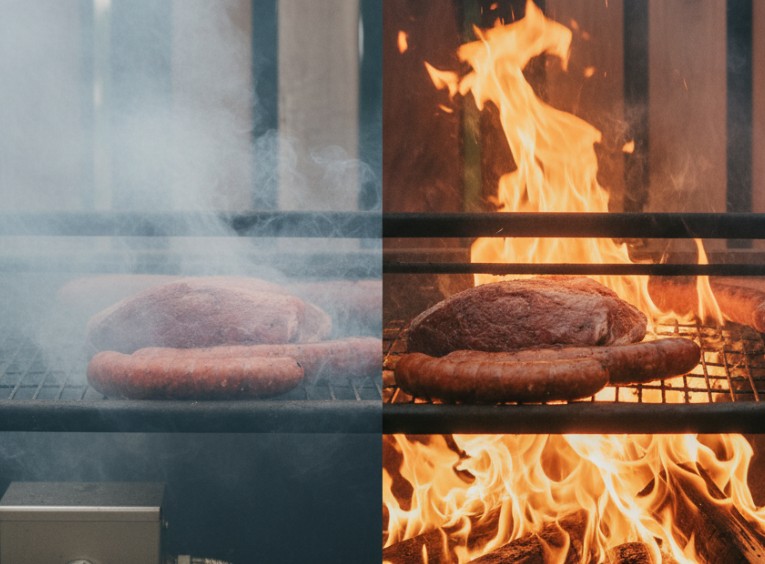
Great barbecue is an exercise in patience. High heat is the enemy. It shocks the meat. It wrings out moisture like a tight fist squeezing a wet sponge, leaving behind dry, chewy muscle fibers. You want the exact opposite. Low-and-slow BBQ demands a steady, quiet fire between 225°F and 250°F. This mild heat allows resistant collagen to melt into rich, smooth gelatin over several hours.
Eventually, the thermometer stops moving entirely. The meat, which is typically between 150°F and 170°F, hits a brick wall. Barbecue cooks refer to this as the stall. It occurs when moisture evaporates, cooling the surface, just as human perspiration cools our skin on a hot afternoon.
This annoying impasse may go on for hours. You can escape in two ways:
- Ride it Out: Keep the lid closed. In due course, the fire will triumph.
- Wrap it Up: Once the internal temp stalls between 150°F and 165°F, wrap the pork tightly in butcher paper or heavy-duty foil – the famous Texas Crutch. This traps escaping steam, pushes the meat through the stall, and can save two to four hours of cook time.
Smoke contributes to a unique flavor. Choose your wood carefully:
- Apple or cherry: Mild, sweet, and forgiving.
- Hickory: Heavy, bold, and traditionally Southern.
- Pecan: A rich, nutty middle ground.
Keep an eye on how much smoke you produce. Smoke penetrates the meat most effectively during the early stages of the cook, typically while the surface stays moist and the internal temperature remains below 140°F. Beyond this point, the hardening bark seals the surface, and smoke absorption drops sharply. Additional smoke produces a harsh taste as that dark, crusty bark solidifies on the outside.
Part 7. Crucial Steps for Flavorful BBQ Pulled Pork
It takes a well-thought-out plan to make superb BBQ. You must use a tried-and-true method if you want consistently delicious results. The crucial actions to guarantee your success are listed here:
- Build Your Rub: Mix brown sugar, smoked paprika, salt, pepper, garlic, and onion powder. Pat this sweet-and-savory blend generously over the meat. Do not rub it hard, or the spices will fall off.
- Smoke Low and Slow: Set your smoker to a steady 225°F-250°F. Place the pork fat-side up. This lets the melting fat naturally baste the meat. Keep your heat level steady to avoid drying out the outer crust.
- Monitor the Heat: Start checking the pulled pork temp after the long stall ends. For a heavy 8- to 10-pound roast, the stall typically hits somewhere between the 6th and 10th hour. After the stall breaks, begin checking the internal temp regularly with your instant-read thermometer. You must hit 200°F to 205°F before pulling it off the grate.
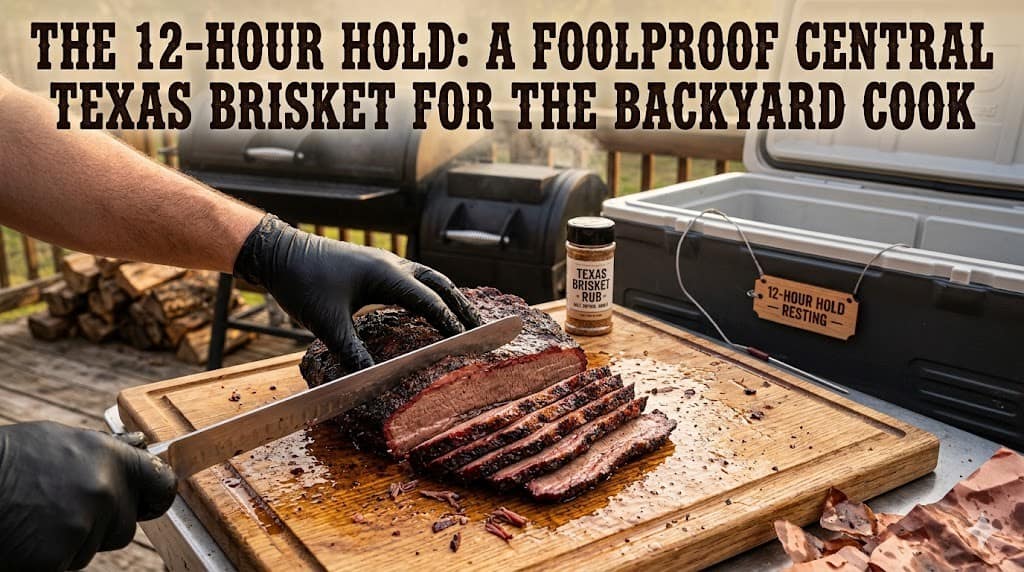
- Rest the Meat: Wrap the hot roast tightly in butcher paper, then in a large towel. Place it in an empty cooler for at least 60 minutes. This resting period allows the internal juices to redistribute evenly back into the meat fibers.
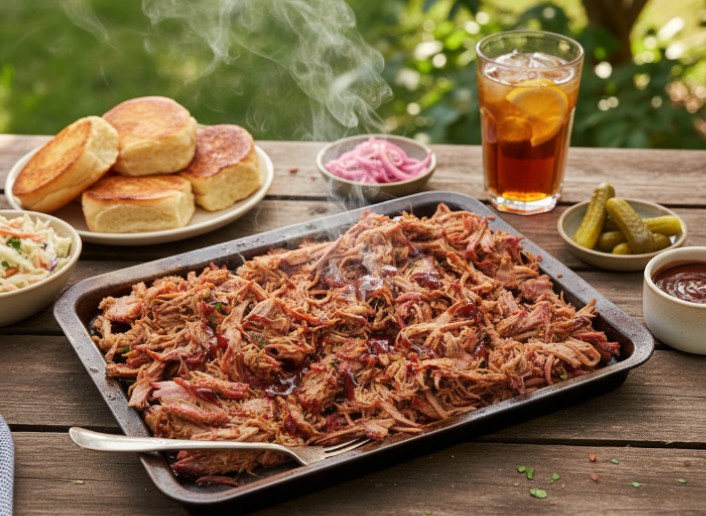
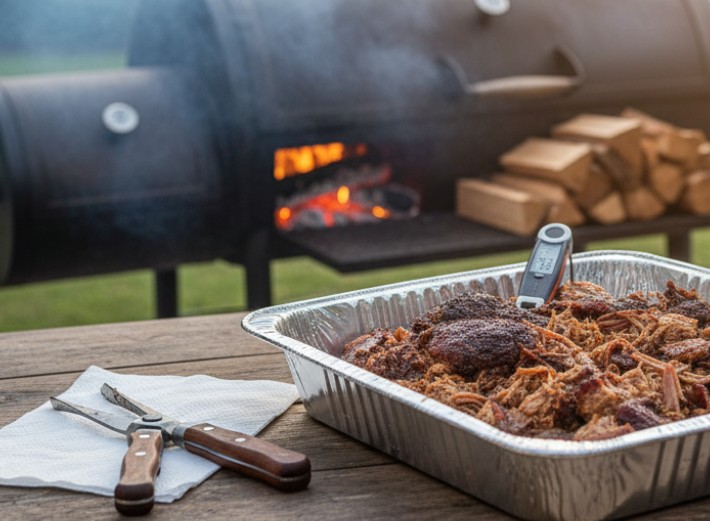
- Pull While Warm: Shred the pork while it is still warm, ideally when it has cooled to about 165°F to 170°F. Use two forks or strong meat claws. Be sure to toss out any large, fatty chunks as you work.
Lightly season the juicy strands with a little extra rub or warm sauce. By carefully trusting this temperature guide, you will serve perfectly tender BBQ every single time.
Part 8. Conclusion
Getting the right internal temperature for BBQ pulled pork is the secret to great BBQ. Always aim for 200°F to 205°F for fall-apart tenderness. Also, watch the heat closely during the stall. Then, always rest your meat before shredding.
You will achieve fantastic results every time by using a quality smoker, a well-marbled fatty cut, and a Red Dot Award-winning thermometer, the Finaltouch X10. For every backyard chef, this is your reliable tool. Finally, quit speculating. Every time you measure the heat, pull it precisely.
Part 9. FAQs about BBQ Pulled Pork Internal Temp
Q: Is pork shoulder good for pulled pork?
Yes, there is no denying that pork shoulder reigns supreme. About 20% of it is fat. Consider that fat as your body’s own basting liquid. The tough connective tissues completely disintegrate over a long, steady heat. A rich, flavorful gelatin is formed when they melt. Everyone expects a classic, incredibly tender shred from good barbecue, the result of this physical transformation.
Q: What temperature to pull pork butt?
Directly target the 200-205°F range. Connective tissue functions similarly to rubber bands. Those bands eventually break and melt into a mushy gelatin at this temperature. In a sense, the meat gives up. At the slightest push, it disintegrates. To make sure you truly crossed the finish line, get a trustworthy instant-read thermometer, such as the ChefsTemp Finaltouch X10.
Q: Is pulled pork done at 160 degrees?
No. At 145°F, pork is deemed safe to consume by authorities. At 160°F, the dense internal tissues are still completely intact. The result is meat as tough and chewy as shoe leather – nowhere near the tender shreds that define great pulled pork. Hold on to the fire. It will take you closer to the pulled-pork-done temp of 200°F before those tenacious fibers give up and turn into soft tatters.
Q: How long should the pulled pork rest?
Give it at least an hour. Shredding meat fresh off the smoker is a rookie mistake. The boiling internal juices just instantly evaporate into steam, leaving you with dry pork. Resting lets everything calm down and redistribute. Wrap the hot roast in old towels. Stash it in an empty cooler and walk away.
Q: Can I speed up the cooking process?
Yes, you can. Take some sturdy aluminum foil. Tightly wrapping the meat produces a miniature sauna. This is known to Pitmasters as the Texas Crutch. The meat is forced through the terrible stall, and heated steam is trapped. Once the roast reaches 165°F, wrap it. An ordinarily draining cooking marathon is consistently shortened by several hours with this easy workaround.
Q: Can I cook pulled pork in an oven?
Yes, 225°F is a perfect temperature for a standard oven. The taste of real wood smoke disappears. However, the actual physics of heat is unchanged. Transfer the roast to a deep pan. After a few hours, cover it with foil to retain moisture. Think of your oven as an indoor smoker. The same temperature rules apply — low heat, a covered roasting pan for moisture, and your meat thermometer as the final judge.
Entdecken Sie weitere ChefsTemp-Produkte
Entdecke weitere Rezepte und lerne Küchentricks, indem du unserer Kochfamilie auf Facebook beitrittst.
Das könnte Ihnen auch gefallen: