Temperatura ideal de cocción

Tabla de temperaturas de productos horneados

Crunchy bread, solid pie, juicy cakes – delicacies for the weekend or just to enjoy baking, make sure to have your thermometer at hand!

Part 1. The Most Complete Temp Chart for Pie, Cakes, Cookies, etc.

If you thought that checking the temperature of your food only applied to meat, you are wrong! Cooking your baked goods to safe internal temperatures is equally important. Many baked goods contain eggs, which can harbor harmful bacteria.

Even if your baked goods do not contain eggs, it’s important to check the temperature to ensure that your pastry gets fully cooked. From scones to cinnamon rolls, our baked goods temperatura interna chart will help you bake them to perfection every time.

Temperatura interna del núcleo en
Fahrenheit
Temperatura interna del núcleo en
Celsius
Descripción interna
Panes Inserte el termómetro por el lateral del pan. Si el pan está en un molde, introdúzcalo justo por encima del borde, con un ángulo hacia abajo.
Panes rápidos (panes, muffins y pan de maíz) 200°F 93°C
Panes de levadura 200°F a 210°F 93°C a 99°C
Panes blandos/panecillos para la cena 180°F a 190°F 82°C a 88°C
Scones 200°F 93°C
Panes de masa madre 200°F a 210°F 93°C a 99°C
Rollos de canela 190°F a 200°F 87°C a 93°C
Temperatura del agua para agregar la levadura 105°F a 115°F 41°C a 46°C
Pasteles y cupcakes 205°F a 209°F 93°C a 98°C Inserte el termómetro en el centro del pastel.
Pastel de zanahoria 205°F a 209°F 93°C a 98°C Recuerda: El proceso de cocción continúa incluso después de sacar el pastel del horno. A medida que se enfría, el calor residual de la superficie se filtra lentamente hacia el centro.
Clafouti (con fruta) 160°F 71°C
Pastel de terciopelo rojo 205°F 93°C
Pasteles de chocolate Molton 160°F 71°C
Pastel de libra 210°F a 212°F 99°C a 100°C
Pastel Tres Leches, Pastel De Tres Leches 200°F 93°C
Pasteles al revés 190°F a 200°F 88°C a 93°C
Tarta de queso Cuando la temperatura interna de una tarta de queso supera los 71 °C (160 °F) durante el horneado, siempre se agrieta. Para evitarlo, sáquela del horno cuando alcance los 65 °C (150 °F) en el centro para evitar que se hornee demasiado.
Pasteles Inserte el termómetro a un par de pulgadas del borde del pastel.
Pastel de crema de chocolate 165°F 74°C
Pastel de crema pastelera – Pasteles de crema 170°F a 175°F 76°C a 79°C Hornee hasta que la crema esté firme en los bordes pero se mueva levemente en el centro cuando se golpea el costado con una cuchara de madera.
Tartas de frutas (arándanos, moras, etc.) 175°F 79°C Los pasteles de frutas deben quedar jugosos y burbujeantes por todas partes, especialmente en el centro. El pastel debe burbujear si contiene un espesante de almidón; de lo contrario, el almidón no espesará.
Pastel de nueces pecanas 200°F 93°C
Pastel de calabaza 175°F 79°C
Pastel de batata 175°F 79°C
Tartas de merengue 160°F a 165°F 71°C a 74°C
Postres y Natillas: Inserte el termómetro en el centro. Comience a medir la temperatura unos 5 minutos antes del tiempo recomendado.
Budín de pan 160°F 71°C
Crème Brûlée 170°F a 175°F 76°C a 79°C
Natillas al horno (a la antigua) 160°F 71°C
Flan 170°F a 175°F 76°C a 79°C

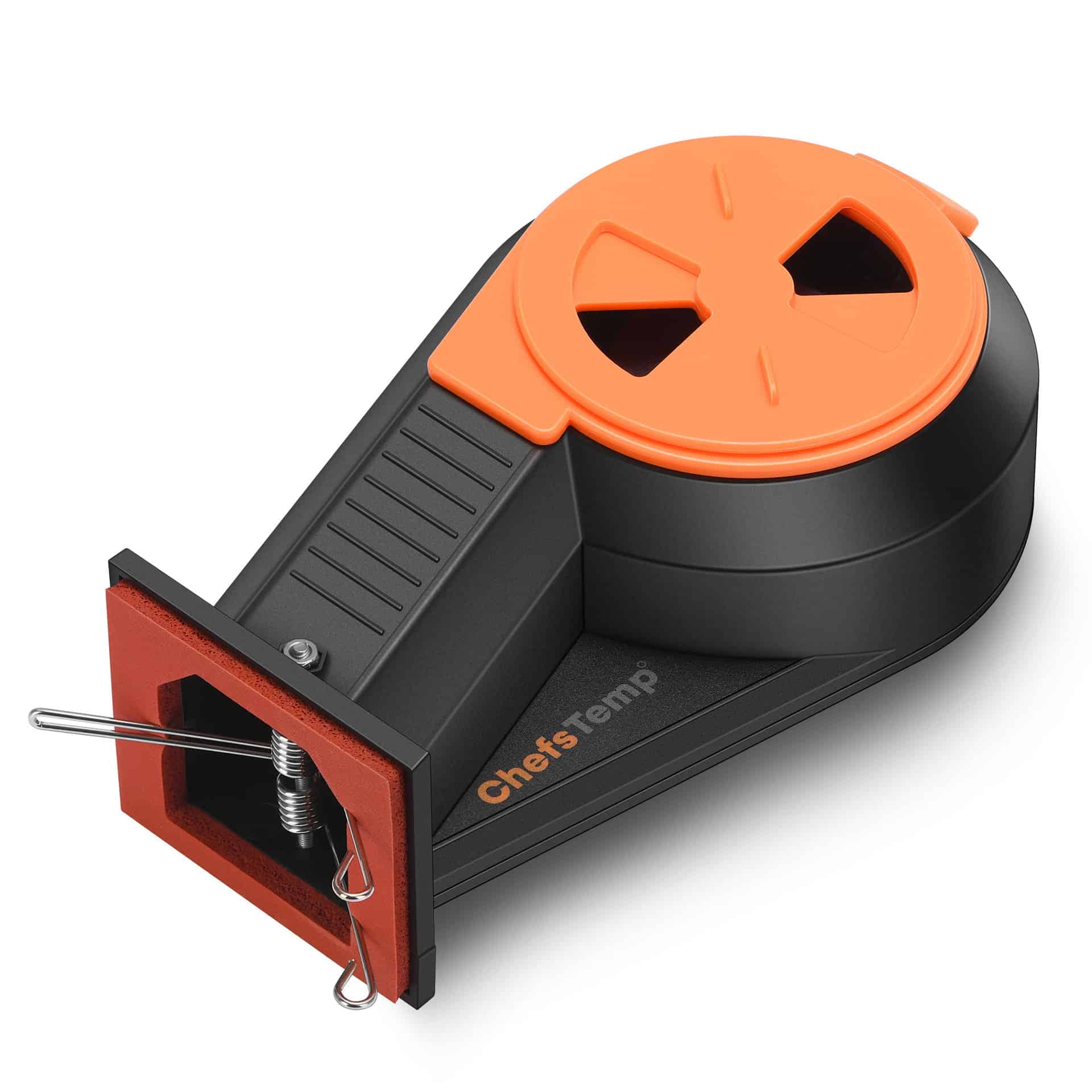
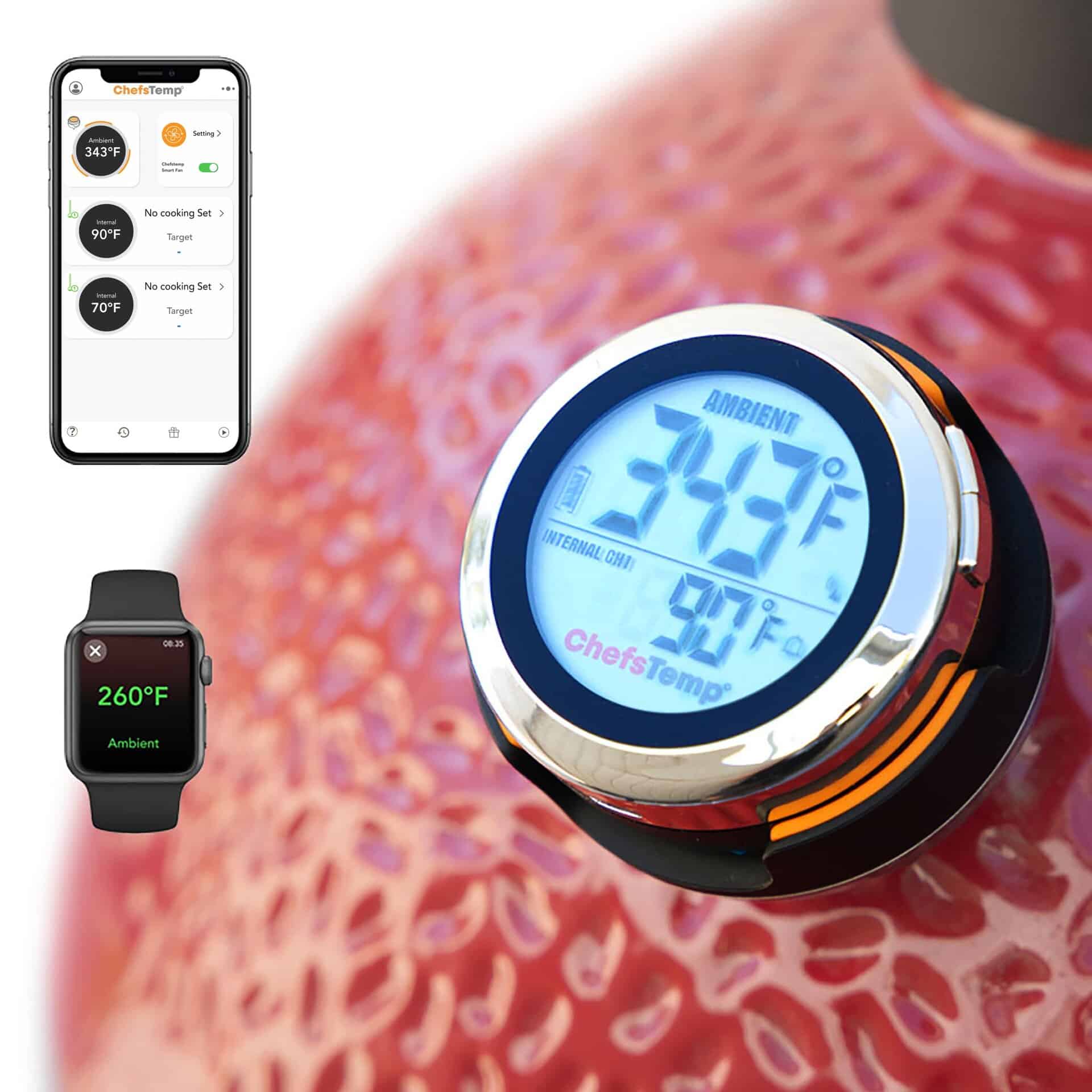
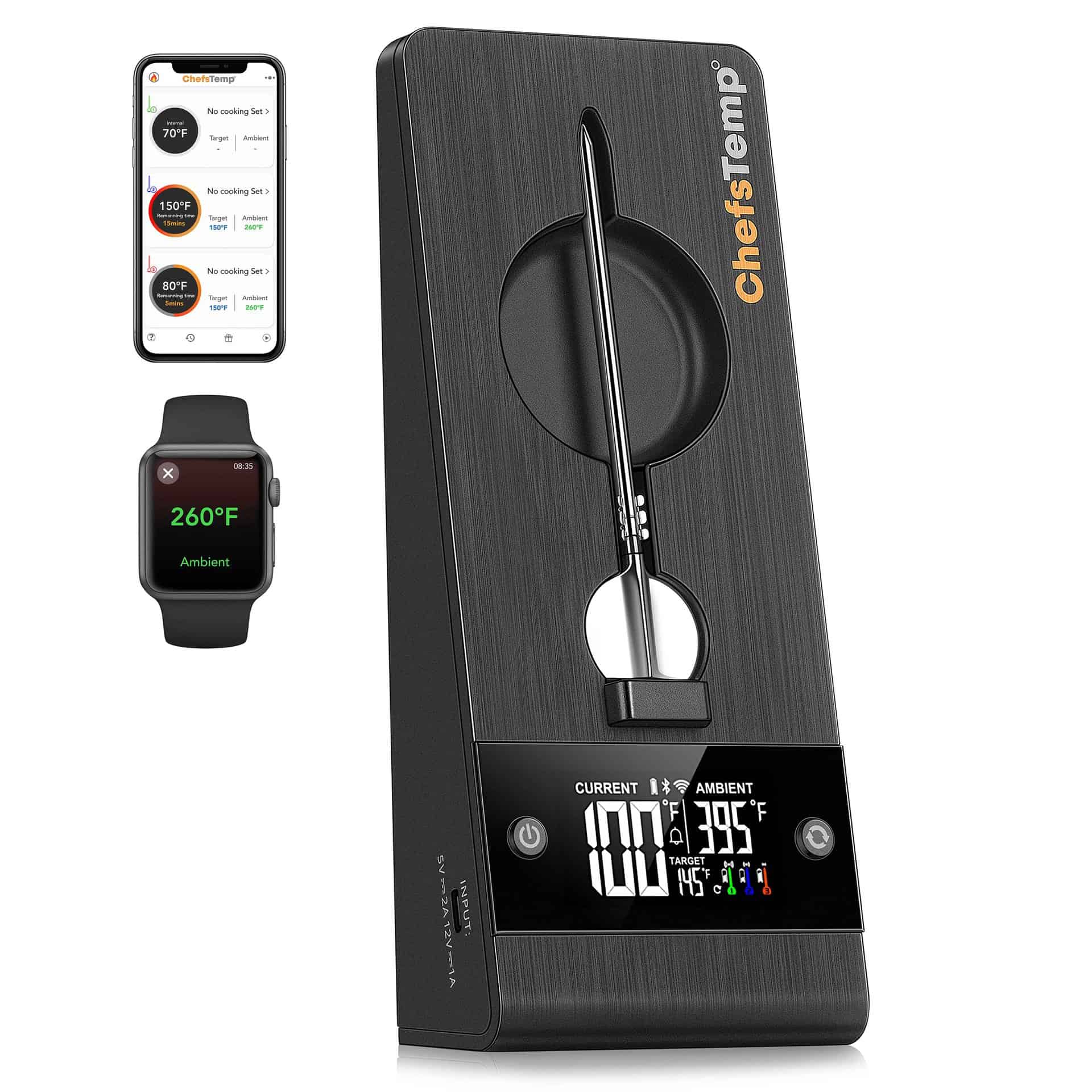
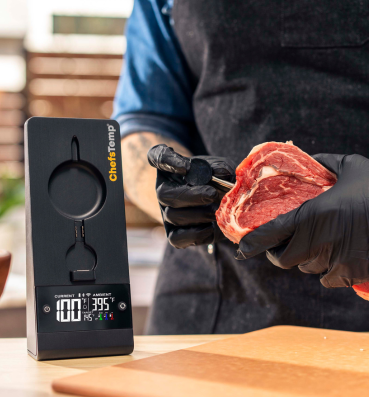
Part 2. Usable Kitchen Accessories to Measure Baked-Goods Internal Temperature

Part 3. FAQs & Hot Guides for Baked-Goods Internal Temp

The ideal internal temperature for a pie depends entirely on the type of filling you are baking. Fruit Pies (Apple, Cherry, Berry): 90°C to 95°C; Custard and Egg-Based Pies (Pumpkin, Pecan, Lemon Meringue) 75°C to 80°C; Savory Meat Pies (Chicken Pot Pie, Beef and Ale): 74°C (Minimum). Remember to insert your termómetro de lectura instantánea directly into the dead center of the pie (the last place to cook through). Make sure the probe is sitting fully in the filling and isn’t touching the bottom crust, which will give you an artificially high reading from the baking dish.

When choosing or making a pie friendly for someone with diabetes, the main goals are to minimize added sugars and reduce the refined carbohydrates usually found in the crust. Berry Pies, Crustless Pumpkin or Custard Pies, Savory Meat Pies, etc., are good choices to try.

Thick juices bubbling through the center vents and a golden brown crust indicate that the pie is perfectly baked. The casing for custard pies should be removed from the oven and set only marginally in the middle. The center is meant to be jiggly for the pie to be considered complete. Pour custard into the case after the pie shell has been par-baked. Meat pies only require that the center be at a safe 74°C and be savory. Otherwise, the pie is deemed out.

In baking, the 1-2-3-4 rule is a helpful ratio for classic American pound cakes and yellow butter cakes. The basic rule is 1 cup of butter, 2 cups of sugar, 3 cups of flour, and 4 eggs. This is usually combined with a cup of milk and a leavener. This basic recipe is great because the batter is very versatile. You can add different flavorings to customize your cake, like vanilla, citrus zest, or spices.

Indeed, 180°C, which is 350°F, is one of the most recommended oven settings, considered the standard operating procedure for moderate oven temperatures. At this temperature, for instance, the Maillard reaction occurs perfectly, allowing for even cooking and browning from the inside to the outside, which is most noticeable when the food is browned beautifully. It works well for a wide variety of recipes, most of which involve baking. These include quick breads, muffins, cookies, and even cake.

Yes, an internal temperature of around 200°F a 210°F (93°C to 99°C) is the standard indicator that most butter or oil-based cakes are perfectly baked. Checking the temperature with an instant-read thermometer in the exact center is highly reliable and often more accurate than the traditional toothpick test for preventing an overbaked, dry dessert. While lighter sponge cakes are usually ready right around the 200°F mark, denser bakes like pound cakes might need to reach closer to 210°F to be fully set.

The ideal internal temperature for cookies to ensure the perfect chewy texture is 175°F to 185°F (80°C to 85°C). Baking times and temperatures can vary by recipe, whereas other cookies can still be judged by eye. When judging cookies, generally, golden brown and firmer-looking edges with a center that is still soft are the indicators. Many bakers rely on the cookies to continue baking from the residual heat. Cookies are often pulled from the oven with a middle that still looks underdone to ensure they remain soft and tender to eat.

Baking at 350°F is the average, dependable temperature that yields a balanced cookie with a crispy edge and a chewy center, as it allows the dough to spread evenly. On the other hand, hotter 400°F cookies set the outside layer too quickly and do not allow enough spreading of the dough, resulting in a thicker cookie with a crispier outside and a gooey, soft inside. Stick to 350°F for a classic, even texture, and 400°F for a taller cookie with a softer center.

Indeed, 12 minutes is usually the ideal baking time for standard-sized drop cookies at 350°F. If a cookie is desired to be soft and chewy, we recommend 10 to 12 minutes so that the edge is set and golden, while the center stays soft. Yet, if cookies are extra-large, or you prefer them to be crispy throughout, baking may be required for as long as 15 minutes.

For fully enriched bread types such as sandwich loaves and brioche, ideal doneness is between 88°C and 93°C. Experienced bakers know that for lean and crusty artisan bread types, such as sourdough and baguettes, they must aim for 93°C to 99°C. It is always best to measure by inserting instant read thermoeters to the thickest center of the loaf. This will ensure the bread has a well-set crumb and is not gummy.