Grilling Hamburgers: A Temperature Guide
You drown in the sight of your kids hopping cheerily in your yard while you try to contain the excitement! Finally, the summer feeling.
But the ultimate summer feeling stems from the sizzling sound of perfectly made burgers on your grill.
The only mishap that could spoil the summer excitement is an overcooked, dry burger—yuck.
There goes your dream of a perfect summer.
Until you stumbled on this insightful guide to whipping up the best hamburgers!
It’s public knowledge that grilled hamburgers are a summer staple. But the secret to a ravishing burger is flawless grilling. We’ve curated the tips to achieve all the juiciness your summer burger deserves.
In this article, we unearthed the thermal conditions essential to grilling. Keep reading; your grilling hamburger game is about to become sterling!
Table des matières
Basic Temperature For Grilling Meat
Grilling spectacular burgers requires some primary rules. First, your store-bought beef should reach 160°F before it is considered safe to consume.
Wondering why? We’ll tell you.
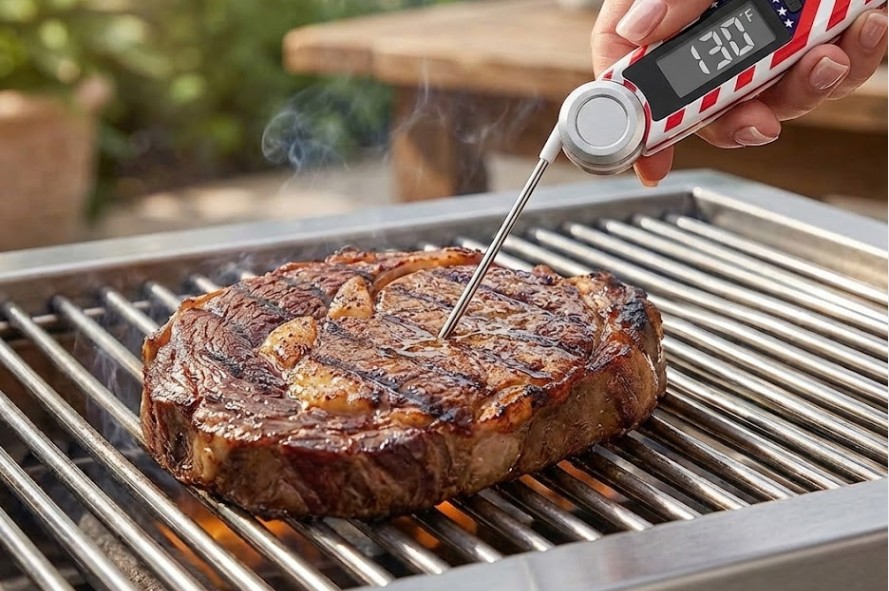
Random steaks are safe to eat at 130°F or 145°F(54℃ or 62℃), as the U.S. Department of Agriculture suggests for beef, lamb, and pork. That’s because bacteria are quite static. They barely spread or travel through food. So, any bacteria on your steak remain on the surface, where the heat destroys them immediately.
However, once you grind the steak to make a ribeye burger, you distribute the bacteria all over your patties. Here’s where the problem is? The least cooked part of your meat dictates the doneness. So, your ground beef should cook to 160°F (71 °C) to prevent foodborne illness.
Of course, a 160°F (71℃) temperature means a 155°F (68℃) pull-out time, considering carry-over cooking. That’s how to achieve the best cooking temperature for your meat.
Having discussed the rule of thumb, let’s spice it up a little. Cooking is riddled with nuances; this isn’t an exception. You can tweak the ground rule by mincing your meat for burger patties.
Buying ground beef isn’t faster. But you have little knowledge of details like how long it’s been mixed and packed, the cuts, and other vital features.
You know everything about it if you buy a premium chunk and make the ground beef from scratch. It’s fresh and less risky. Less risky meat means a luscious 130°F – 135°F(54℃-57℃) medium-rare.
The best part? You get to decide on your burger’s flavor profile by exploring different cuts.
Now that you understand the ground rules for pre-packed and home-ground beef, let’s get to the cooking part. What’s the best way to cook it?
Grilling The Best Burgers: The Hack
The conventional way to cook burgers is to place the meat on direct heat and cook it until done.
That’s the bummer method.
The two-stage method is a more refined way to make a well-cooked burger. Set your grill to a high-heat grilling section and a low-heat grilling section. Cook the burger on low heat first, while the hot side steams it with ambient heat.
As soon as you hit the target temperature, slam the meat with the high heat for a final sear. Not only will you preserve moisture and juiciness, but you’ll also end up with well-cooked meat.
Why You Should Adopt A Two-Stage Grilling Method
Ever wondered why you end up with dry and overcooked burgers? You let the grill steal your control from you. Hence, it would help perfect the two-stage cooking technique, as it gives you control throughout the process.
Aiming for the final temp gradually keeps the thermal pressure in your burger low, making your pull temperature easily achievable.
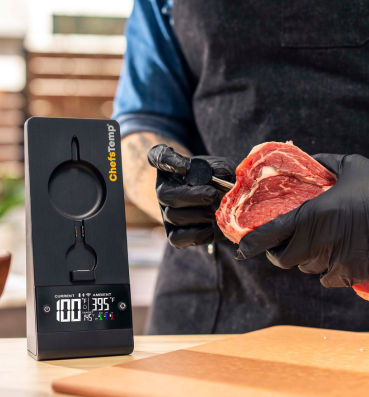
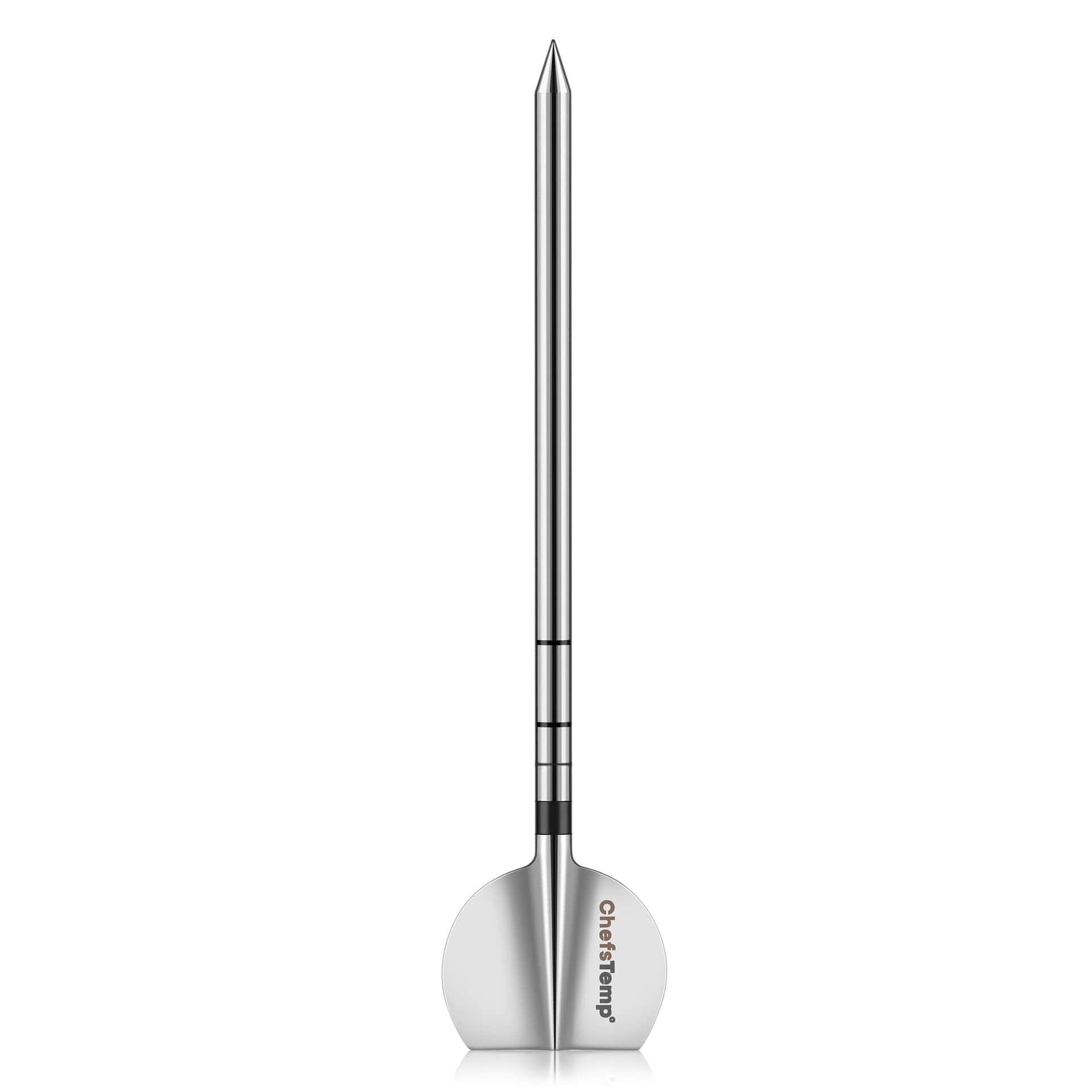
From experience, the direct heat method isn’t half as effective as two-stage cooking. You should note that we don’t recommend leave-in probes on high heat. It works for the initial stage of the two-stage technique. You can keep the probe away from the immense heat. But it’s better not to use it while searing the meat.
A few probe transitions can handle the heat your grill emits while cooking burgers. Avoid exceeding your leave-in probe’s safe range.
Tips On How To Make The Best Burgers
Cooking a burger over a grill is an art. It takes practice to get the hang of it. But you’ll enjoy it better when you understand the tricks. That’s our aim. The following tips will help you become a burger pro.
Press Down The Middle
The heat from a grill makes burgers seize up and shrink. This causes the center to puff up, thus unleveling the burger. Press down the center to achieve an even center. Remember, your burgers need to be perfect.
Season All Your Patties
Seasoning your patties is crucial, and you probably already know that. So, you are wondering, why emphasize it?
People season their patties differently, but the most common method is mixing the seasoning into the meat in a bowl. This overworks your meat, resulting in a tough, dry burger. Alternatively, season each patty.
Keep it Simple
Quality meat tastes simple, not overwhelmed with spices. Keep your spices simple while making the burger patty. Sometimes, cracked black pepper and salt might work the magic. Ginger also adds a unique flavor to your patty.
Don’t Touch Your Burger
Fussing with your burger makes the juiciness escape. Experts recommend searing both sides for a few minutes before flipping. This is the best way to achieve a desirable result while grilling burgers.
Use Food Thermometers
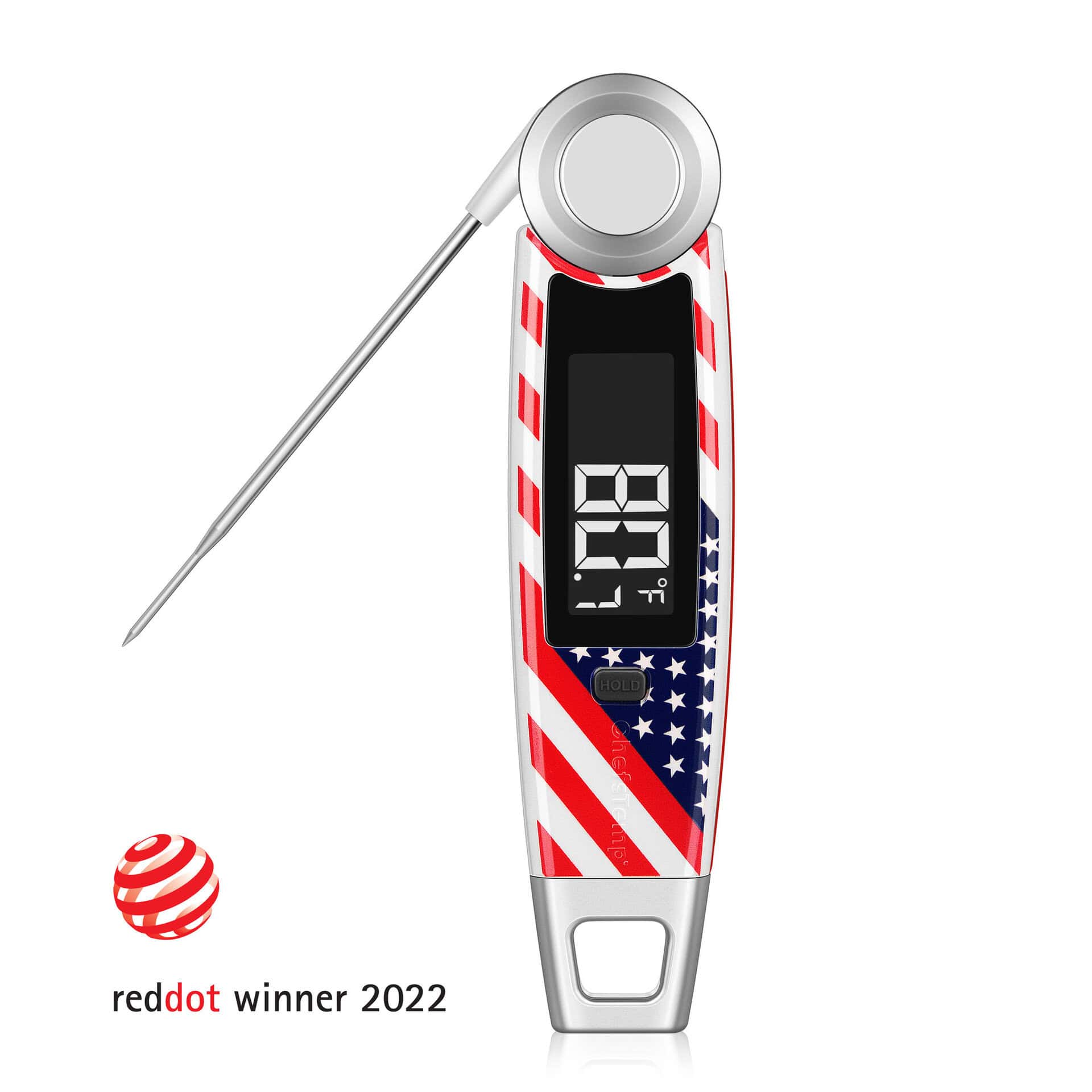
Food thermometer and grilling are inseparable. Following the temperature guide to avoid overcooked or undercooked burgers requires a food thermometer. Hence, invest in one of the best thermometers because it’s an essential grilling accessory.
Checking the internal temperature of your burger informs your pull-out time. And always remember: a steak or burger is only as done as its least-cooked part. The only way to determine the inner temperature is by using a thermometer.
Let it Rest
When you grill protein, it seizes up, and all its juiciness moves to the center. But once you take it off the heat and let it rest, the juice redistributes. With patience, every bite will be as juicy as the last. Hence, the best way to enjoy your hamburger is to let it rest.
Don’t Press Down Your Burger
Your burger’s moistness depends on following this tip. Understandably, you feel the burger grills better when you fiddle with it or press it. But that’s a misconception. Pressing down on your burger strains out the moisture, leaving you with a dry hamburger.
Conclusion
The idyllic sight accompanying summer would be incomplete without a perfectly grilled burger. Rely on the two-stage grilling technique to slowly build thermal momentum and achieve this.
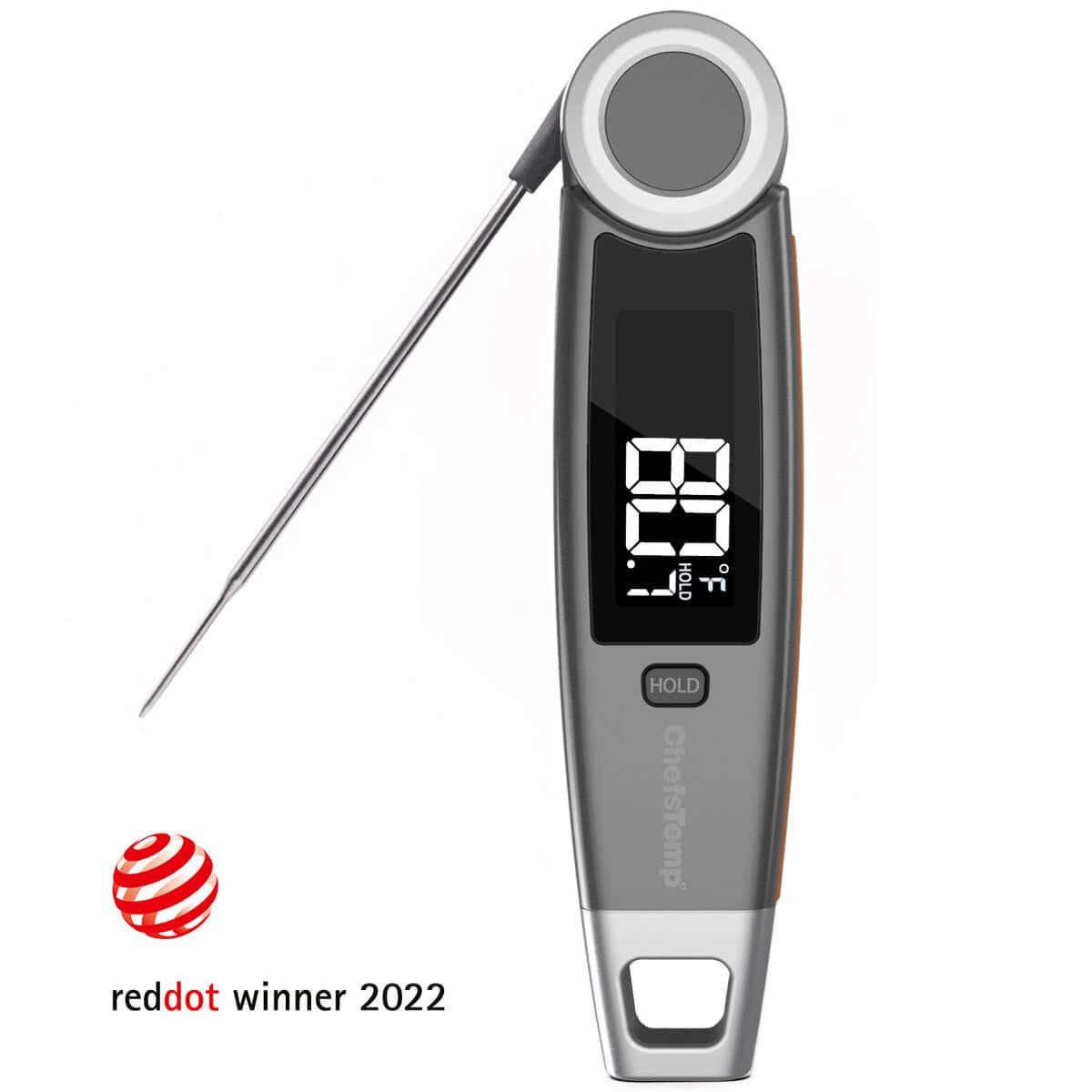
That, right there, is the secret to the most sensational summer burger. But remember to use a leave-in probe thermometer at the initial stage. Then switch to an instant-read thermometer for the high heat. Now that you have the burger secret etched in your mind, can we call this the perfect hamburger season?
Découvrez les autres produits ChefsTemp

Découvrez plus de recettes et apprenez des astuces de cuisine en rejoignant notre communauté culinaire sur Facebook.
Vous pourriez aussi aimer :