Correct Pork Cooking Times and Temperatures
Pork is one of the most beloved types of meat worldwide. However, its familiarity can cause many home cooks to take it for granted. Therefore, you could easily end up with meat that is overdone and tough, or undercook it to the point that it is unsafe to eat. It is important to have a quick refresher on the ideal pork temperature chart to ensure that you get the right temperature and cooking time on this meat, especially based on the cut. Using this approach ensures you get the cook right every time.
Table des matières
Part 1. Overview of Pork Internal Cooking Temperature and Times
The ideal internal cooking temperature for pork is 145 degrees F (63 degrees C). This is the recommended guideline for any cut of pork to ensure the meat is safe to eat. Make sure to give it a 3-minute rest before cutting and serving.
You want to make sure the pork reaches the recommended internal cooking temperature so it stays juicy and tender when you cut it. You must get the temperature right when cooking with lean pork. This type of meat is easy to overcook, and when it does, you won’t enjoy eating it.
The internal temperature of 145 degrees F (63 degrees C) ensures the pork is safe to eat and not overcooked, particularly when working with a fresh cut. Some examples of fresh-cut pork meats are pork loin, pork chop, tenderloin, and pork roast. The above temperature will ensure you get the best flavour from the meat during cooking. On the other hand, ground pork will require a higher cooking temperature of 160 degrees F (71 degrees C).
Make sure to strive for the recommended temperature as closely as you can to ensure a safe eating experience. It is also vital in preserving the juiciness and flavour of the meat. If you cook pork for too long, the flavours will drain off, and it will no longer stay moist.

Part 2. Pork Temperature Chart by Cut
Safety is the main focus to ensure you meet the internal cooking temperature for pork. Another important factor is the meat’s taste and tenderness. To help you determine the ideal cooking temperature and time for pork, it is important to understand the differences in composition among its cuts. Even if it’s the same meat source, the cooking method, the time it takes to cook, and the internal temperature vary significantly.
There are two general types of cuts of pork: tender cuts and tough cuts.
Tough cuts of pork include pork ribs and shoulders. This type of cut must be cooked slowly on a low heat. Taking your time when cooking tough pork cuts allows the collagen to break down, making the meat tender. To help the collagen break down into gelatin, you have to maintain a temperature of 160 F (71 C) for a long time. The liquefied gelatin helps the meat to become succulent once cooked.
Aside from cooking tough cuts for a long time, it is best to use a low to medium heat. There is a risk of losing moisture when you cook tough pork cuts for a long time, which is why you have to cook them in some type of liquid.
The tender cuts of pork include tenderloins and pork chops. Unlike tough cuts, these can be cooked at a higher temperature within a short time. There are fewer muscles on this type of cut, so they do not take long to become tender when cooked. If you cook them for too long, the meat could dry out and become chewy. Cook this pork cut over high heat for a short time, or until the meat reaches an internal temperature of 145°F (63°C).
You can cook a pork chop or tenderloin in a cast-iron skillet to give it a nice sear, then transfer it to the oven to finish cooking. Once the meat reaches an internal temperature of 145°F (63°C), you can remove it from the heat and let it rest. High-temperature cooking means the entire cooking process can take less than an hour. This approach ensures you don’t lose too much moisture and that the muscles don’t firm up, making the meat tough.
Part 3. Pork Temperature Chart by Doneness
Use this pork temperature chart to determine the ideal internal cooking temperature for your desired level of doneness.
| Doneness | Internal Temperature |
|---|---|
| Medium Rare | 145-150 F (63-66 C) |
| Moyen | 150-155 F (66-68 C) |
| Medium Well | 155-160 F (68-71 C) |
| Bien joué | 160 F (71C) |

Part 4. Tips for Using Meat Thermometer When Cooking Pork
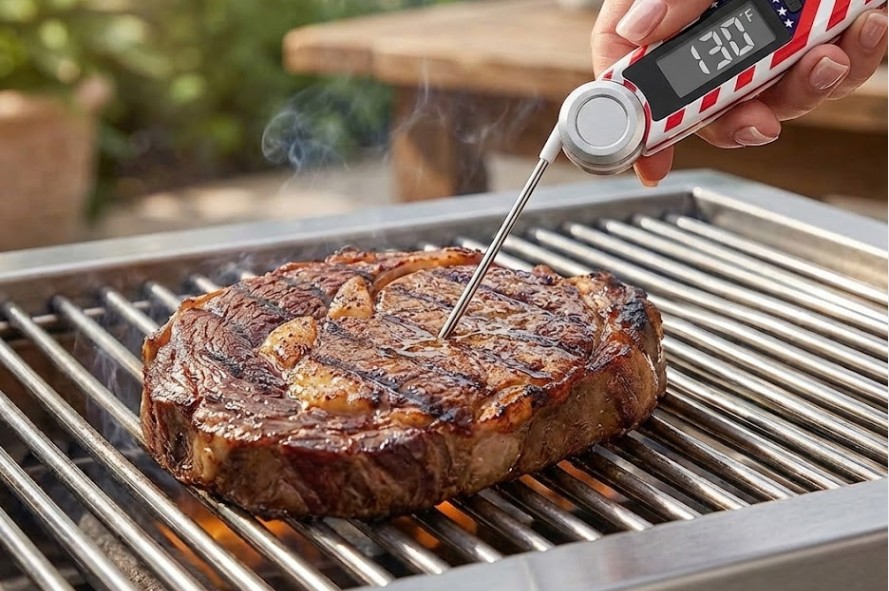
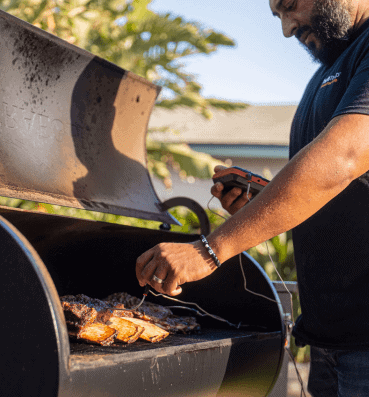
Using a thermomètre à viande is the best way to check the internal cooking temperature of pork. The method for using it depends on the type of thermometer: digital or analogue. A digital thermometer will give you a more accurate result.
Make sure to insert the thermometer probe into the thickest part of the meat. Keep it away from the bone for an accurate reading. If the cut is less than ¾ of an inch thick, you can insert the probe through the side.
Test the meat for its internal temperature while in the heat source or right after you remove it. Once the pork reaches the ideal cooking temperature, let it rest for 3 minutes before slicing so it can reabsorb its juices.
En résumé
It’s important to understand the science behind cooking pork and other types of meat. The more you understand how cooking times and temperatures can affect meat quality, the more you will be able to get it right and achieve the best possible cook. Take note of the pork temperature chart and cooking time recommendations provided here to ensure you enjoy the most succulent pork every time.
Découvrez les autres produits ChefsTemp
Découvrez plus de recettes et apprenez des astuces de cuisine en rejoignant notre communauté culinaire sur Facebook.
Vous pourriez aussi aimer :