Pourquoi la température est-elle importante en cuisine ?
Temperature control is the most critical aspect of cooking. Without heat, you wouldn’t be able to cook food. And if food is not cooked correctly and thoroughly, it is unsafe to eat. Discover why temperature is critical in cooking, along with essential guidelines to ensure food safety.
Table des matières
Part 1. Why is Temperature Important?

If you are a cook or in the food business, you will be aware of the role of temperature in ensuring food safety. Many questions surround the ideal temperature for cooking and storing food to ensure it is safe to consume. While the exact guidelines on those differ, depending on who you ask, one thing is clear: food in the temperature danger zone is dangerous to eat.
So, how does temperature impact food?
To understand why temperature is essential in cooking, you must first understand how bacteria work. There are bacteria everywhere in nature. They are found in the air, soil, water, and food sources. Certain bacteria are present before food is cooked, whether it is plant or meat. Some bacteria don’t cause harm, but many can cause illness when consumed in food.
This is where temperature can play a vital role: cooking food to a specific temperature can kill harmful bacteria in meat and other foods. Without heat, the bacteria survive and enter the human body once the food containing them is eaten. Unfortunately, certain temperatures can also increase bacterial levels, leading to various diseases.
To ensure safety when cooking, you should be familiar with various temperature guidelines.
- The Temperature Danger Zone
The “danger zone” in cooking is the temperature range from 40°F (4.5 °C) to 140°F (60 °C). In this temperature range, bacterial growth occurs rapidly. Therefore, the food needs to be kept out of this zone de danger de température to ensure that it is safe to eat. The number of bacteria in food could double in just 20 minutes.
When traveling with cold food, keep it cold in a container or storage that maintains the recommended temperature. On the other hand, it is essential to keep hot food hot when traveling or after you serve it.
- Cuisson
Understanding the role of temperature in cooking is crucial to ensuring food is free of harmful bacteria that can cause foodborne illness. For example, certain types of meat, like pork, beef, and lamb, must reach an internal temperature of at least 145°F (62°C) for safety and quality. For ground meat, the internal temperature should be 160°F (71°C). On the other hand, poultry must reach an internal temperature of 165°F (73 °C) to ensure it is safe to eat and free of Salmonella.
- Storing
Maintaining the ideal storage temperature for food (especially leftovers) is critical for food safety. Many foodborne illnesses result from improper storage of leftovers.
Even after you have cooked the food to a safe temperature, it can still collect bacteria when you reheat it. Always use a proper container to store your food and refrigerate it within two hours of cooking.
- Reheating
Like storing, you must follow the proper reheating process to prevent bacterial growth. For example, when cooking, you must reheat the food to the recommended internal temperature. Or, ensure that when you reheat it, the food is hot and steaming before consuming the leftovers.
Part 2. Why is it Important to Use Food Thermometers?
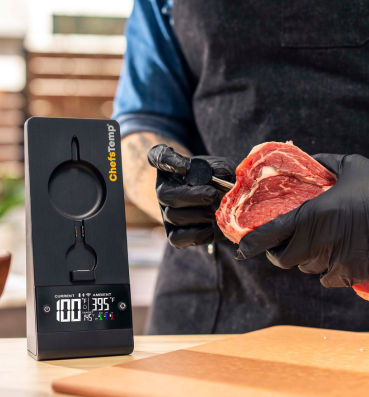
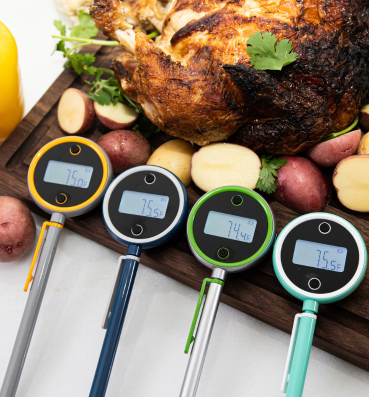
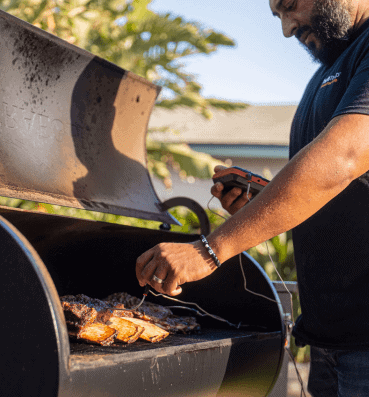
The best way to check the temperature of your food is by using a powerful thermometer. When it comes to food safety, you cannot afford to take a guess. You must be accurate about the food temperature to guarantee it is safe.
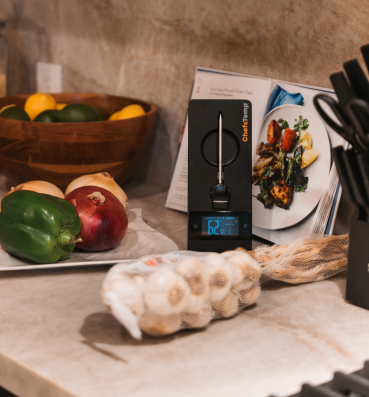
Thermometers are kitchen tools used to measure food temperature accurately. Therefore, they are essential in the kitchen and are the cornerstone of food safety measures.
It Helps Reduce the Risk of Food Poisoning

Foodborne illnesses are easily preventable. Using a thermometer ensures you’ve hit the ideal temperature to kill harmful bacteria in any food.
Use the thermometer to check the internal temperature of the food, such as meat and poultry. Always check the minimum temperature guidelines set by the USDA and other regulatory authorities.
Avoid Overcooking or Undercooking Food
Another benefit of using food thermometers is achieving the perfect cooking of your food. If your food is undercooked, it won’t be safe to eat. If your food is overcooked, it can be challenging and unpleasant to eat. The nutrients and flavors of the food can also be diminished if you overcook it.
Therefore, using a food thermometer helps preserve the food’s quality, including flavor and nutrients. Make sure to check the recommended cooking temperature for different types of food so you can achieve the right temperature.
To Preserve the Taste of Food
Aside from killing harmful bacteria, food temperature also impacts its taste. According to a research study from the University of Leuven in Belgium, the perception of taste is gone when the food is over 95°F (35°C). Therefore, the temperature at which the food is served is critical to how it tastes and is enjoyed by the consumer.
For example, serving scorching food suggests the food is hazardous. An individual is fearful of consuming food that is too hot, which could burn them. In that same regard, food that is too cold is no longer enjoyable. This insight explains why ice cream is best enjoyed when left out at room temperature first. The taste receptors in a person’s palate send signals to the brain, which are then interpreted as taste perception.
For this reason, certain types of food must be cooked and served at optimal temperatures. Achieving the right temperature helps ensure the food is cooked through and tastes good.
Part 3. Conclusion
Food safety is the pinnacle of any form of cooking. Take time to learn about the role of temperature in cooking to understand better how to prepare, store, and reheat food without putting others at risk of foodborne illness.
Découvrez les autres produits ChefsTemp

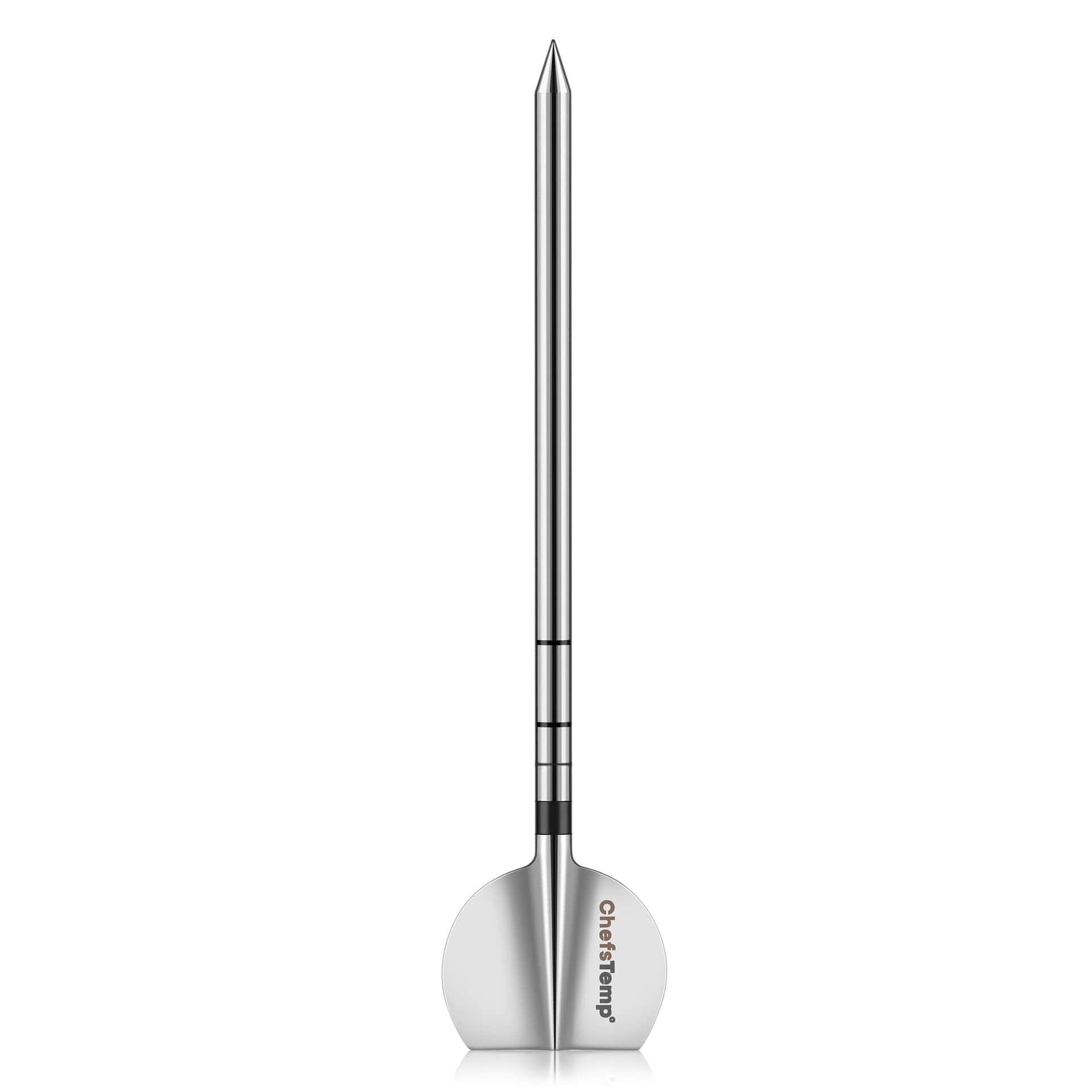
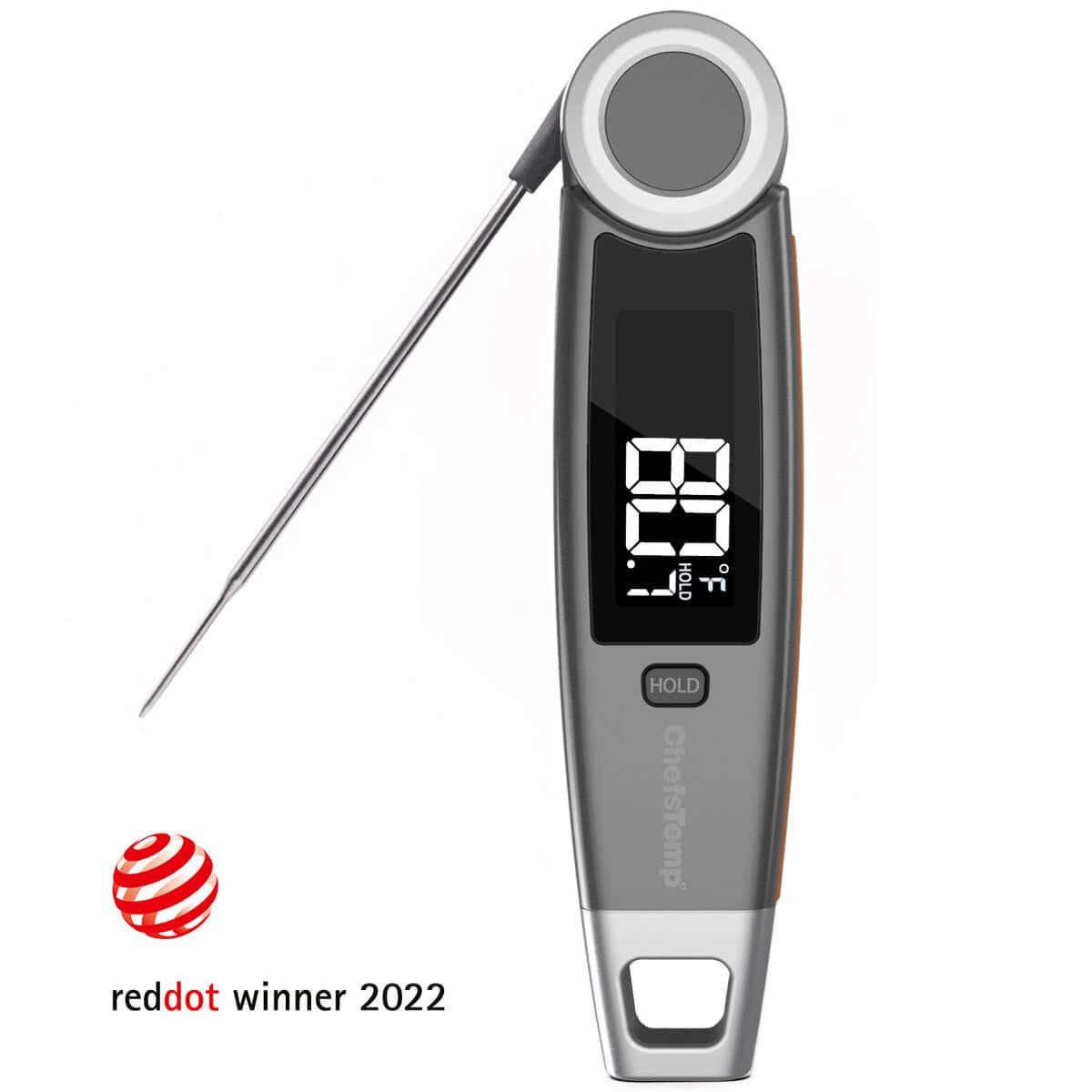
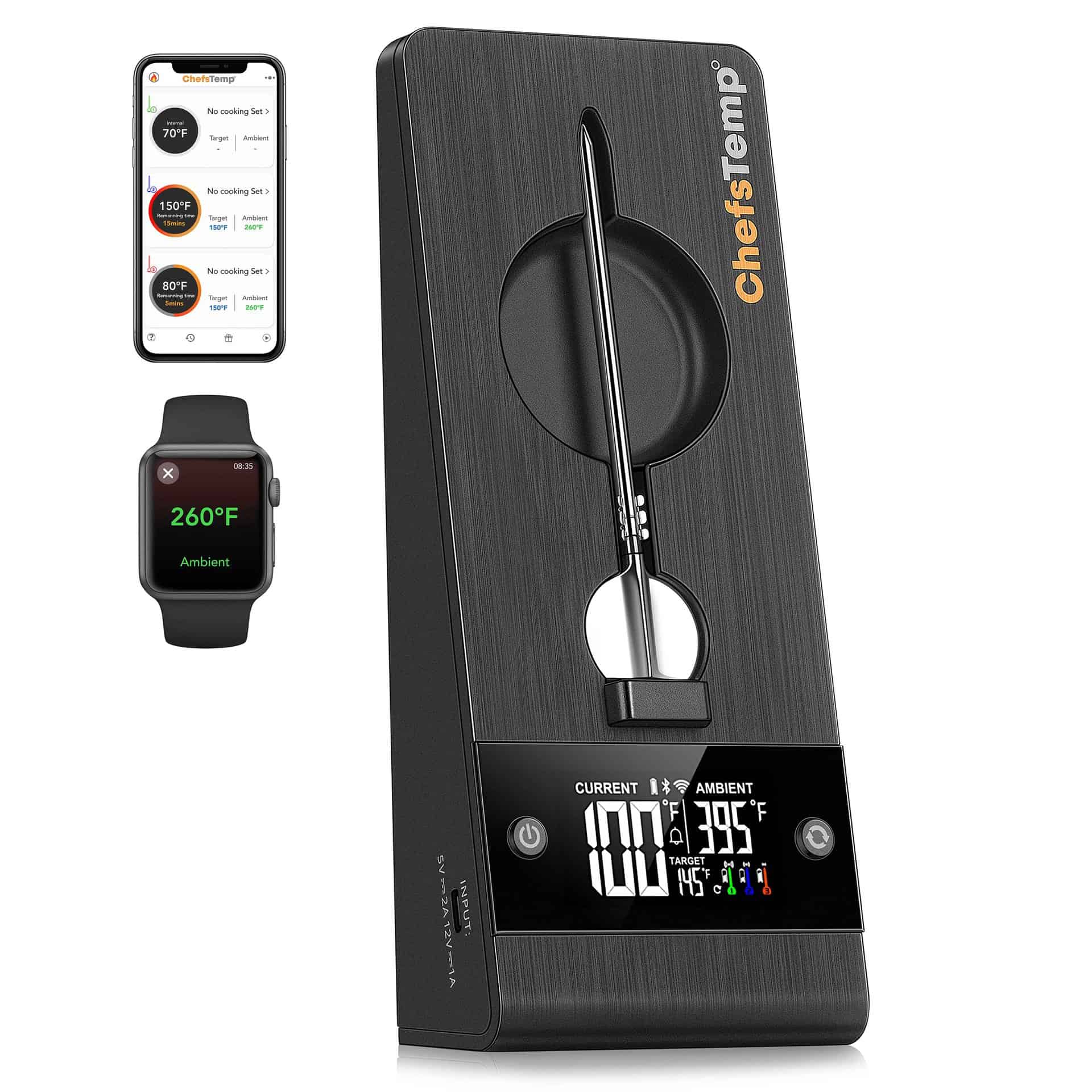
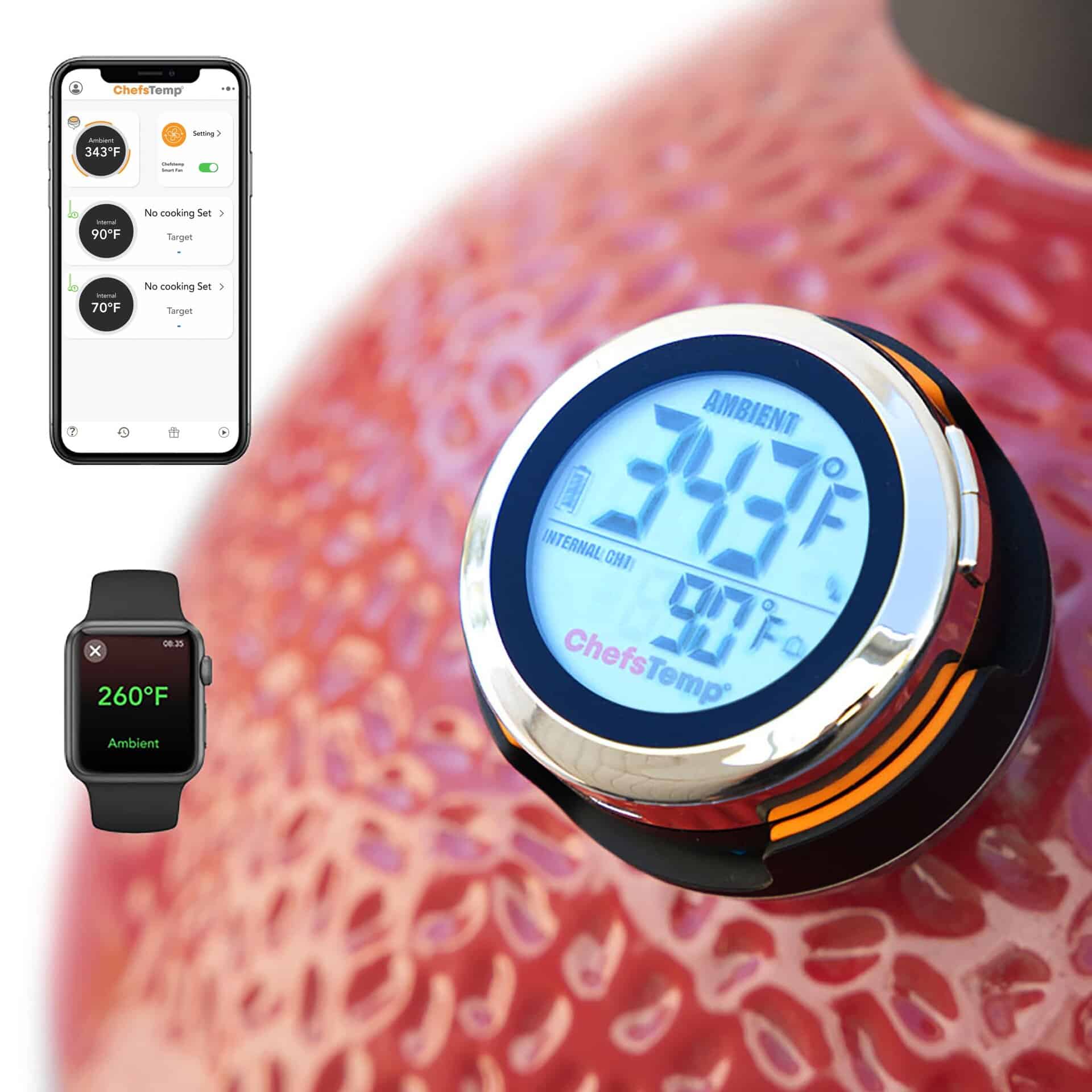
Découvrez plus de recettes et apprenez des astuces de cuisine en rejoignant notre communauté culinaire sur Facebook.
Vous pourriez aussi aimer :