Grill Temperature Chart: Exact BBQ Heat for Burgers, Chicken, Steak, and Fish
Backyard cooking has changed. People buy nicer grills, better charcoal, and more gadgets. According to Verified Market Research, the global BBQ grill market is projected to reach USD 7.78 billion by 2032, which helps explain why more cooks are upgrading from guesswork to measured temperature control.
Money is helpful, but it doesn’t solve the primary issue of wandering heat. Burgers burn, chicken dries out, and steaks fall short because a lid dial may read one number while the grate runs hotter or colder.
This guide gives you the target grill temperature for each food, explains why lid dials mislead, and shows how to measure heat where the food actually cooks. It shows the temperature della griglia che si adattano alle carni più comuni, dall'affumicatura lenta e delicata alla rosolatura rapida. Spiega anche come misurare la temperatura reale del cibo e quando un termometro intelligente può aiutarti a non dover fare la babysitter di notte.
Sommario
Parte 1. What Grill Temperature Should You Use for Each Food?
Different foods need different heat zones, and the right setting depends on thickness, fat content, and cooking method. You must match your food to the right heat zone. High heat quickly sears thin cuts of meat. Meanwhile, low heat slowly breaks down tough tissues in large roasts. Learning these basic rules will instantly transform your backyard cookouts.
Burger Grill Temperature
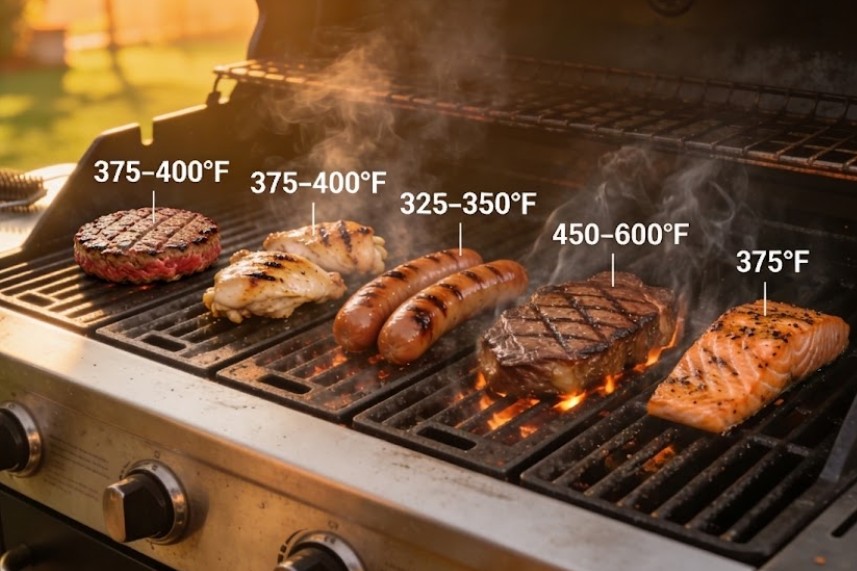
Neighbors always ask exactly what temperature to grill burgers so they do not dry out. Treat the grates like a hot iron skillet. Set the grill to 375°F to 400°F for burgers. That range sears the outside quickly while keeping the center juicy. It hits the sweet spot. That medium-high blast sears a hearty, brown crust. The inside stays dripping with juice. Most standard beef patties finish in about 8 to 10 minutes, depending on thickness and grill flare-ups. Remember to flip the meat only once to keep it from falling apart.
Chicken Grill Temperature
Finding the ideal grill chicken temperature stops you from serving dry, stringy poultry. You need a steady medium-high heat of 375°F to 400°F for wings and thighs. Whole birds, however, require a lower medium heat of 325°F to 350°F. Use 165°F internal temperature as the safety target for poultry. Consequently, the skin renders its fat and turns crispy without burning black.
Sausage Grill Temperature
The best grill temperature for sausage is 325°F to 350°F. Sausages contain a lot of fat packed into delicate casings. High heat can split sausage casings before the center is fully cooked, so medium heat is the safer choice. This rapid boiling bursts the casing, dumps grease into the flames, and triggers massive flare-ups. Instead, medium heat gently cooks the pork. All those delicious juices stay trapped inside for a perfect bite.
Steak Grill Temperature
Steaks demand high heat between 450°F and 600°F. That temperature range supports a fast sear and helps build Maillard browning on the surface. This natural process creates that savory, dark crust on the beef. You only need a couple of minutes per side here. The center is tender medium-rare. Searing steaks over extreme heat brings steakhouse-quality dining right to your patio.
Fish Grill Temperature
Due to the extreme delicacy of seafood proteins, fish requires special attention. The ideal temperature for planked fish is 375°F. Steaks of swordfish or tuna, for example, can withstand high cooking temperatures up to 450°F without any problems. Oil both the fish and the grates lightly so the skin releases cleanly without tearing. Fish skin forms a strong connection with hot, dry metal. When you turn the fish on a clean, well-oiled grate, it releases smoothly.
Padroneggiare questi livelli di piccantezza specifici elimina ogni dubbio nella preparazione dei pasti. Proteggi i tuoi costosi prodotti alimentari dal rischio di rovinarli e garantisci un sapore eccezionale.
Parte 2. The 6 Main Grill Temperature Zones
Padroneggiare il fuoco significa conoscere le tue zone. Tieni presente questo temperatura della grigliaNelle vicinanze. I fuochi vivi sfidano costantemente le intemperie. I venti freddi strappano il calore dalle sottili pentole d'acciaio, erodendo la carbonella. Anche gli arrosti più pesanti cuociono molto più lentamente delle bistecche sottili. Regola sempre i tempi di cottura di conseguenza.
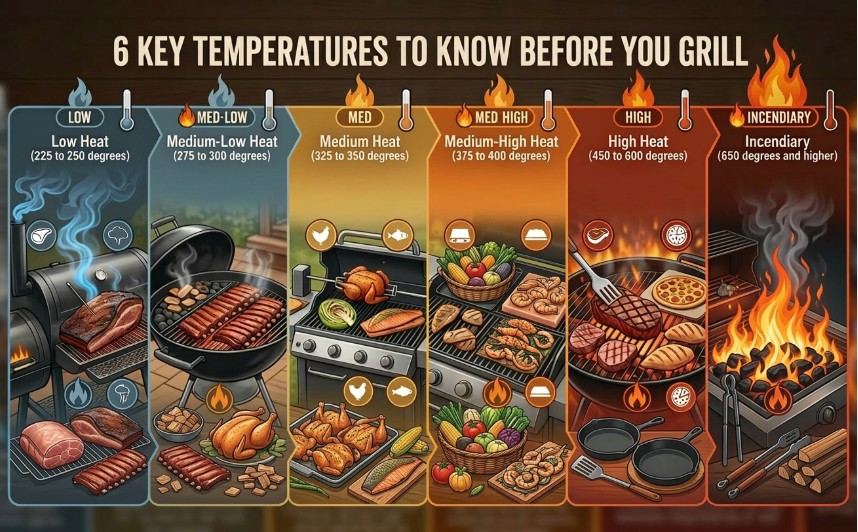
225°F to 250°F: Low-and-slow smoking
Use this range for brisket, pork shoulder, and ribs when you want steady smoke and long cook times. You use this low heat exclusively for huge, tough cuts like brisket, ribs, and pork shoulder. The very low temperatura del fumatore Nel tempo, il collagene si scioglie lentamente, trasformandosi in una gelatina ricca e appiccicosa. Questa scomposizione chimica richiede diverse ore e pazienza. Eppure, la lunga attesa produce una carne incredibilmente tenera e sfilacciabile che si scioglie in bocca.
275°F to 300°F: Faster smoking and indirect cooking
Il calore medio-basso si colloca a metà strada tra l'affumicatura lenta e la cottura al forno tradizionale. Questa zona specifica è perfetta sia per il barbecue tradizionale che per la cottura indiretta. Troverete questo livello di calore ideale per cuocere costine e spalla di maiale. Impostare la temperatura del forno a 135 °C riduce leggermente i tempi di cottura complessivi. Soprattutto, la carne mantiene la sua umidità naturale senza seccare la crosticina esterna.
325°F to 350°F: Everyday grilling and roasting
Il calore medio offre una straordinaria versatilità per la cucina quotidiana all'aperto. Questa zona affidabile è ideale per grigliare direttamente, indirettamente e affumicare. Questo livello di calore intermedio è ideale per cuocere alla perfezione lonza di maiale, polli interi e pesci interi. Ammorbidisce perfettamente anche le verdure grandi e dense. Ad esempio, puoi arrostire lentamente intere teste di cavolo o grosse cipolle a fuoco medio fino a renderle incredibilmente dolci e tenere.
375°F to 400°F: Burgers, chicken pieces, and vegetables
Considerate il calore medio-alto come il vostro cavallo di battaglia quotidiano. Forma rapidamente una crosta, lasciando che il cuore spesso si raffreddi. Usate lastre di sale o salmone su piastra in questa zona calda. Le cosce di pollo lo apprezzano. Anche le verdure sono sostanziose. A 200 °C, zucchine fresche e peperoni spessi si cuociono magnificamente.
450°F to 600°F: Steaks, chops, pizza, and fast searing
Il calore elevato richiede la massima attenzione alla griglia. Questa intensa fiammata di fuoco va utilizzata solo per grigliare direttamente su fiamme libere. Questo calore incredibilmente intenso temperatura della griglia È esattamente ciò che ti serve per bistecche, costolette, pizza e petti di pollo sottili. A questo livello, tutto cuoce in pochi minuti. Devi stare vicino alle fiamme per evitare che la cena bruci.
650°F and above: Extreme searing only
Il calore incendiario crea quelle croste di qualità superiore, degne di una steakhouse, che tutti amano. Si raggiunge questo calore estremo e intenso tramite la grigliatura diretta o con bruciatori a infrarossi specializzati. Questa temperatura assoluta è pensata esclusivamente per scottare costose bistecche e costolette spesse. Si lascia la carne sulla griglia solo per 1 o 2 minuti per lato. Un'esposizione più lunga incenerirà completamente il cibo pregiato, trasformandolo in cenere secca.
Once you know these six zones, it becomes much easier to match the food to the fire. You will know exactly how hot your fire needs to be before you even strike a match.
Parte 3. How to Measure Grill Temperature Correctly
Conoscere il calore desiderato non significa assolutamente nulla se non si riesce a misurarlo con precisione. L'intero ambiente all'interno della cucina cambia completamente in base al livello di calore. A basse temperature, la legna arde dolcemente e rilascia un fumo pulito e blu. Ad alte temperature, il grasso che cola colpisce le braci ardenti e vaporizza all'istante, insaporendo la carne.
Per padroneggiare questo processo di cottura, è necessario comprendere esattamente cosa accade all'interno della fossa. Per consigli da esperti su come comprendere queste dinamiche termiche, leggi questi strategie per conoscere la tua temperatura.
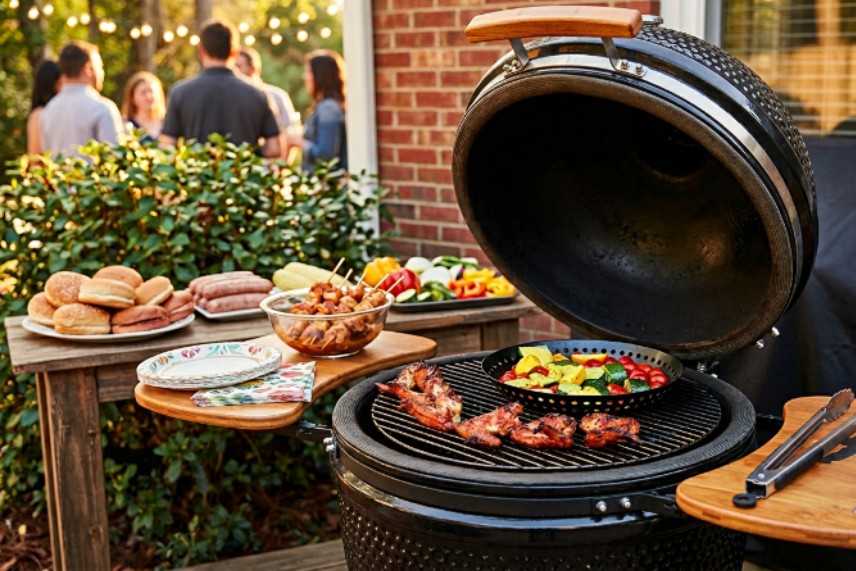
Many grills still rely on bimetal lid dials, but those gauges measure dome air, not the grate where food cooks. Sadly, these factory dials constantly trick backyard cooks. They only measure the hot air pooling at the very top of the metal dome. They completely fail to check the air down at the grate where your food actually cooks. In many grills, grate temperature can differ from the lid reading by 50°F or more.
Ecco alcuni metodi pratici per misurare correttamente il calore:
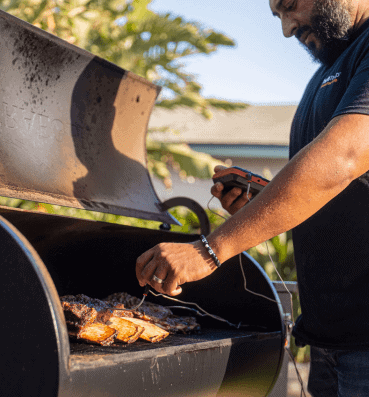
- Use a digital grate probe clipped at grate level, close to the food but not touching it. This tool shows the exact cooking environment for smoking a large Sunday brisket for your family.
- Use the hand test only as a rough heat check, not as a measurement tool. If you must pull your hand away in just 2 seconds, you have extreme heat ready to sear thick steaks.
- Thin blue smoke usually signals cleaner combustion, while thick white smoke often means the fire needs more air. Conversely, thin, pale blue smoke indicates your airflow is perfectly tuned for slow-cooking delicate pork ribs.
Per perfezionare ulteriormente la tua tecnica in giardino, trova suggerimenti per ottenere la giusta temperatura sulla tua griglia. Utilizzando strumenti di alta precisione, non servirete mai più cibo crudo o rovinato ai vostri ospiti. Infine, misurare correttamente il calore vi prepara al passaggio successivo, fondamentale, ovvero il controllo del fuoco stesso.
Parte 4. How to Control Temperature on Charcoal, Gas, and Indoor Grills
Ogni dispositivo di cottura gestisce il calore in modo diverso. È necessario modificare il proprio approccio in base alla specifica fonte di combustibile. Legna, gas e carbone agiscono tutti in modi completamente diversi. Imparare queste precise differenze vi darà il controllo totale sul vostro fuoco.
Charcoal Grills
Controlling the temperature of your charcoal grill requires excellent oxygen management. Fire breathes oxygen to survive. Open the bottom vents to raise heat, and close them gradually to reduce it. This quickly increases your heat. Conversely, you partially close those vents to choke the fire and reduce the heat. Furthermore, the weather changes everything outside. A cold, harsh wind pulls heat right out of your metal kettle. As a result, you burn much more fuel to keep the heat steady.
Gas Grills and Smokers
Gas grills respond quickly to knob changes, but wind and uneven burners can still create hot and cool spots. However, holding a perfectly steady smoker temp for 12 straight hours proves very tough on traditional offset rigs. Strong wind gusts can easily blow out low flames or make wood fires spike violently. Even modern wood pellet smokers struggle because cheap factory sensors fluctuate wildly. You need better, faster tools to keep a flat temperature line.
Indoor Ovens
Your indoor kitchen also requires precise monitoring. Many home ovens run hotter or cooler than the set dial, sometimes by 25°F or more. Kitchen ovens cycle their heating elements on and off constantly. This action creates rolling waves of heat instead of a flat line. Therefore, always use a secondary digital probe to verify the actual ambient temperature before baking delicate food.
Soluzioni intelligenti per un controllo perfetto del calore
Inseguire le temperature tutto il giorno mette alla prova i pitmaster più esperti. Gestire un fuoco vivo con un economico regolatore di fabbrica è come guidare bendati. La tecnologia finalmente si è fatta avanti.
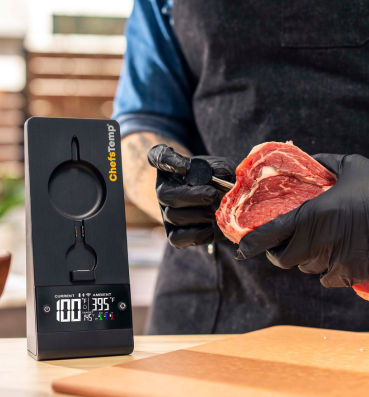
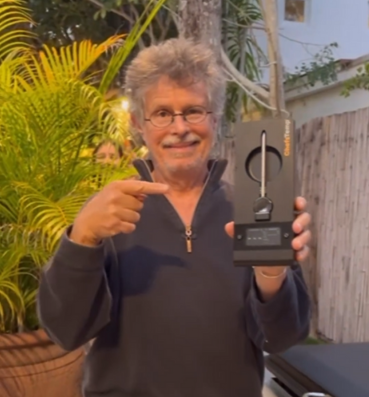
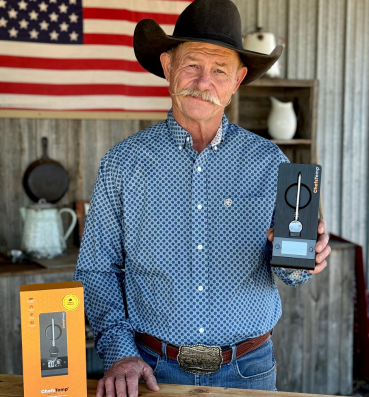
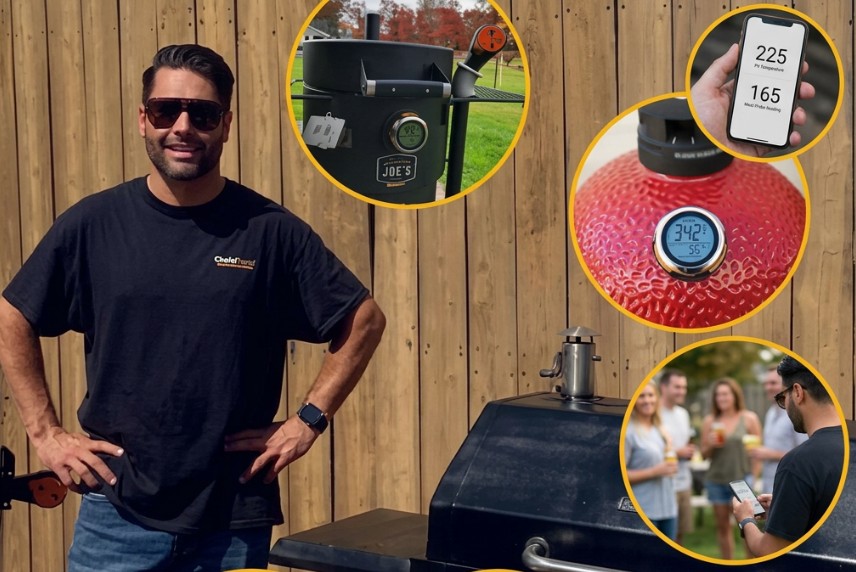
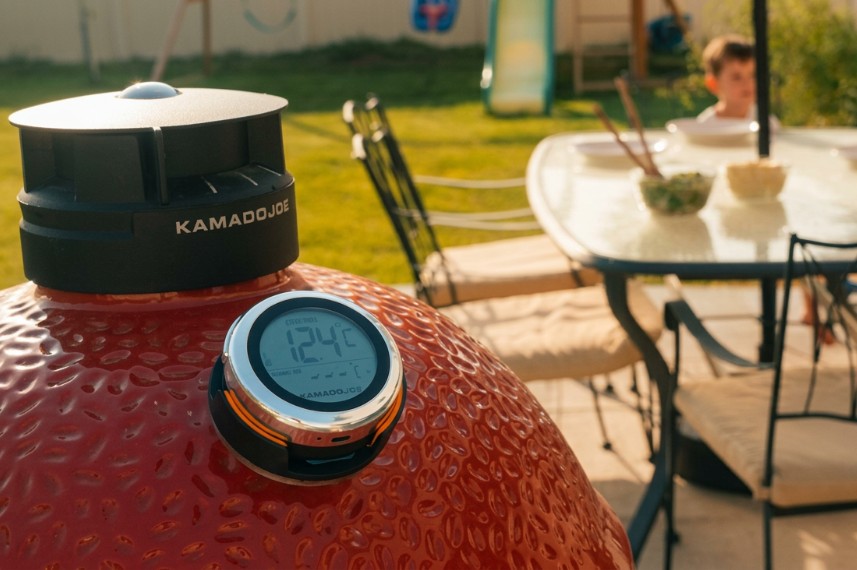
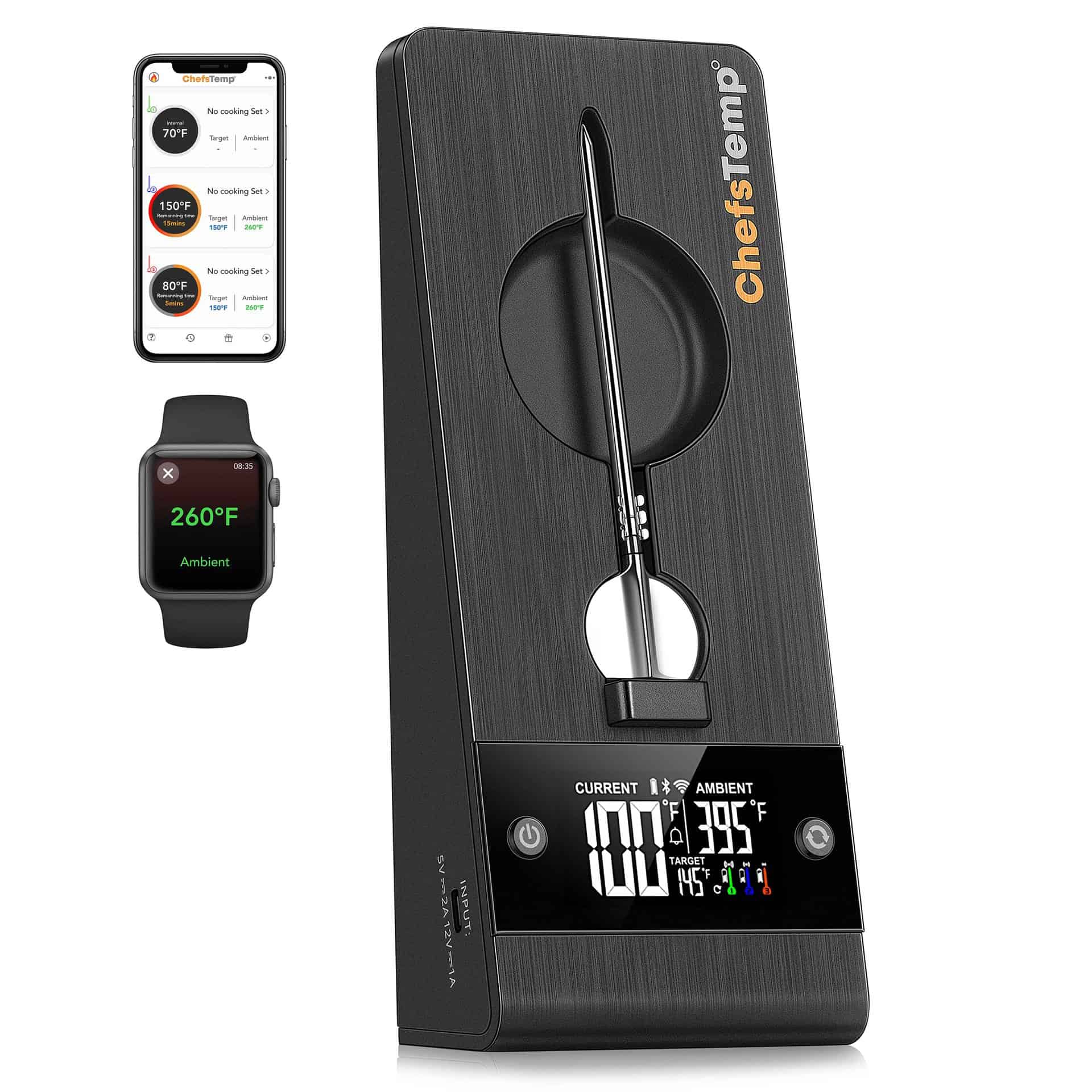
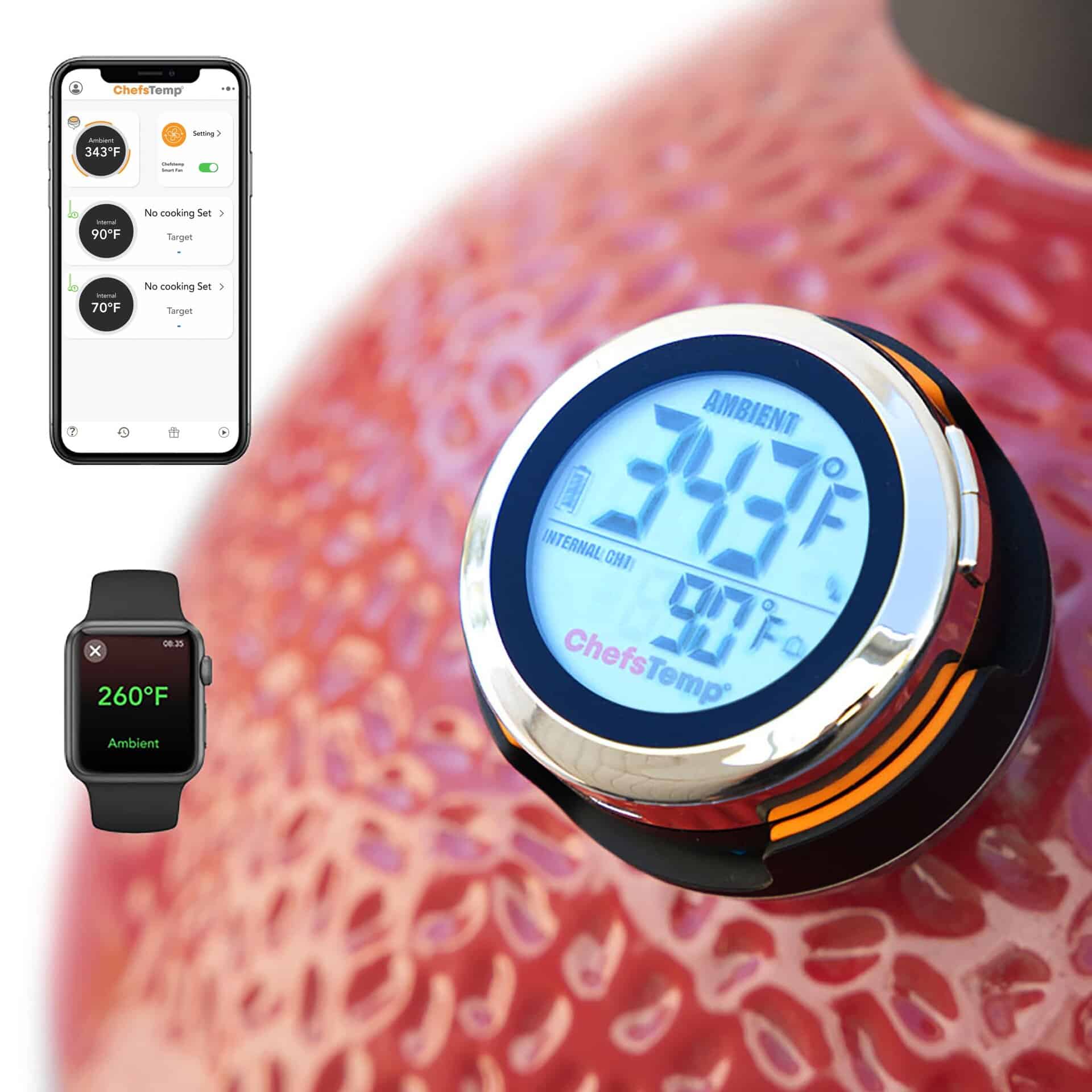
IL ProTemp S1 is a Patented Smart Grill Gauge Thermometer Hub that monitors grate temperature and supports automatic airflow control when paired with the Breezo fan. It mounts right where your old dome dial used to sit. The setup stays entirely wireless and clean.
- Built-in Wi‑Fi and Bluetooth let you monitor pit temperature from a phone, and alerts can also appear on supported Apple Watch setups.
- A platinum sensor rated for temperatures up to 1000°F gives the unit enough range for both low-and-slow cooking and high-heat searing.
- Supports up to 4 wireless probes, which is useful when you want to track several cuts at once.
- Optional Breezo Fan pairing adds automatic airflow control, which matters most on long charcoal cooks.
L'attrezzatura per barbecue continua a evolversi con la crescita del mercato globale delle griglie. Puoi vedere questo fantastico sistema in azione proprio ora. Guarda per saperne di più. come ProTemp S1 + Breezo su Kamado Master Controllo della temperatura caldo e veloce + basso e lento funziona in modo impeccabile.
Part 5. Bottom Line
Knowing your target temperatures helps you avoid dry, burnt, or undercooked food. Guessing the heat always leads to ruined meals and frustration. Fortunately, learning the six key heat zones builds a rock-solid foundation for your backyard success.
Innovative technology from ChefsTemp removes that manual guesswork completely. The ProTemp S1 can improve temperature tracking on compatible grills, but the grill itself still determines how evenly heat moves across the grate. This handy device gives everyday cooks true commercial-grade accuracy. You easily gain remote monitoring, real-time data, and automatic airflow control. Equip your smoker with ChefsTemp today and completely dominate your next family barbecue.
Parte 6. Domande frequenti sulle temperature della griglia
D: Quali sono le temperature della griglia?
Grill temperature is the heat inside the cooking chamber, usually measured at grate level or near the food. It has a huge, variable range. A tough pork shoulder is slowly brought to tenderness over 12 long hours at 225°F. On the other side, a thick ribeye is seared in minutes by a raging 650°F heat. The precise way your meal behaves on the grates depends on the temperature.
D: Perché la temperatura della griglia è importante?
Grill temperature matters because too much heat can burn the outside before the inside is done, while too little heat can leave food dry or unsafe. Dinner is safe to eat when the precise goal temperature is met. It also creates that delicious crust that everyone fights over.
D: Come faccio a misurare la temperatura della mia griglia?
Use a grate-level digital probe. Lid dials are useful only for rough trends, not exact cooking control. Your food sits lower on the heavy metal. You need a digital probe resting directly next to the meat. Upgrading to a smart tool like the ProTemp S1 puts commercial platinum sensors to work right where they count.
D: Come faccio a sapere se una griglia è abbastanza calda?
A hand test can give you a rough feel for heat, but a thermometer gives the only reliable reading. If you have to yank it away in two seconds, that fire is screaming hot. It works well in a pinch. Still, guessing ruins expensive grocery runs. Rely on a calibrated digital thermometer to verify the real numbers.
D: Perché la temperatura della mia griglia continua a fluttuare?
Temperature swings usually come from lid opening, airflow changes, wind, fuel quality, or uneven burn patterns. Cheap charcoal burns in unpredictable, frustrating waves. A sudden gust of wind acts exactly like a blacksmith’s bellows. It feeds the coals unexpected blasts of oxygen that instantly spike the heat.
D: Le condizioni meteorologiche influiscono sulla temperatura del mio barbecue a carbone?
Yes. Wind, rain, and cold air can pull heat from the cooker and make fuel burn less efficiently. You spend all afternoon unthinkingly adjusting the vents. Hooking up an automatic blower fan takes over that job and stops those endless temperature swings.
Q: Why does my grill say 400°F but food cooks unevenly?
Because that reading is from the lid, not the grate. The actual cooking surface may be significantly hotter or cooler due to airflow and fuel distribution. Always measure at grate level for accuracy.
Scopri altri prodotti ChefsTemp

Scopri altre ricette e impara trucchi di cucina unendoti alla nostra famiglia di cuochi su Facebook.
Potrebbe anche interessarti: