Controle versus chaos: een verhaal over twee borststukken
Ik heb al duizenden borststukken bereid. Zoveel zelfs dat ik me meestal niet meer druk maak als er eentje eenmaal goed gegaard is. Het vuur brandt goed, de barbecue is stabiel, het vlees is tevreden – je hebt alles gedaan wat je kunt, en op een gegeven moment moet je het proces vertrouwen en gaan slapen.
Dat dacht ik al dat er aan de hand was.
Inhoudsopgave
De voorbereiding
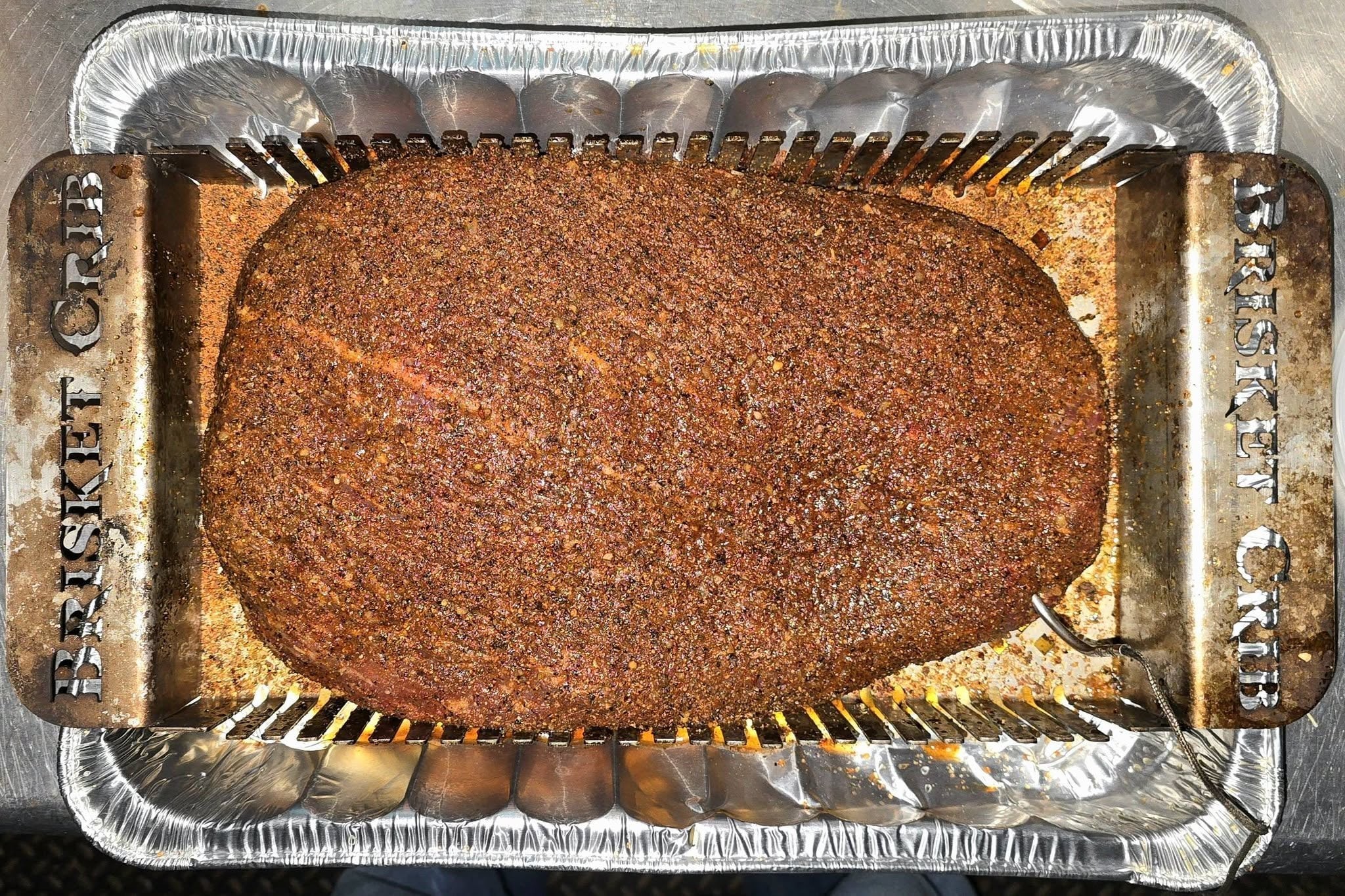
De brisket was niet goedkoop. Een eersteklas stuk, netjes bijgesneden en zoals altijd gekruid. Geen experimenten of haastwerk. Ik had er 1 TP4T150 in gedaan voordat het vuur aansloeg. Ik stabiliseerde de barbecue, hield de temperatuur in de gaten en alles zag er goed uit.
Geen weersproblemen. Geen extreme wind. Niets dat aanleiding zou geven tot bezorgdheid.
Ik weet nog dat ik daar zat en dacht: "Dit is goed." Niet op een arrogante manier, maar gewoon kalm. Het soort kok waarvan je verwacht dat hij de volgende ochtend nog nagloeiend in de barbecue ligt en de borst perfect op zijn plek heeft.
Die kalmte was slechts een masker.
Het keerpunt: verlies
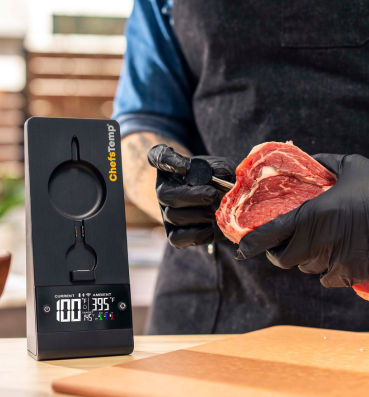
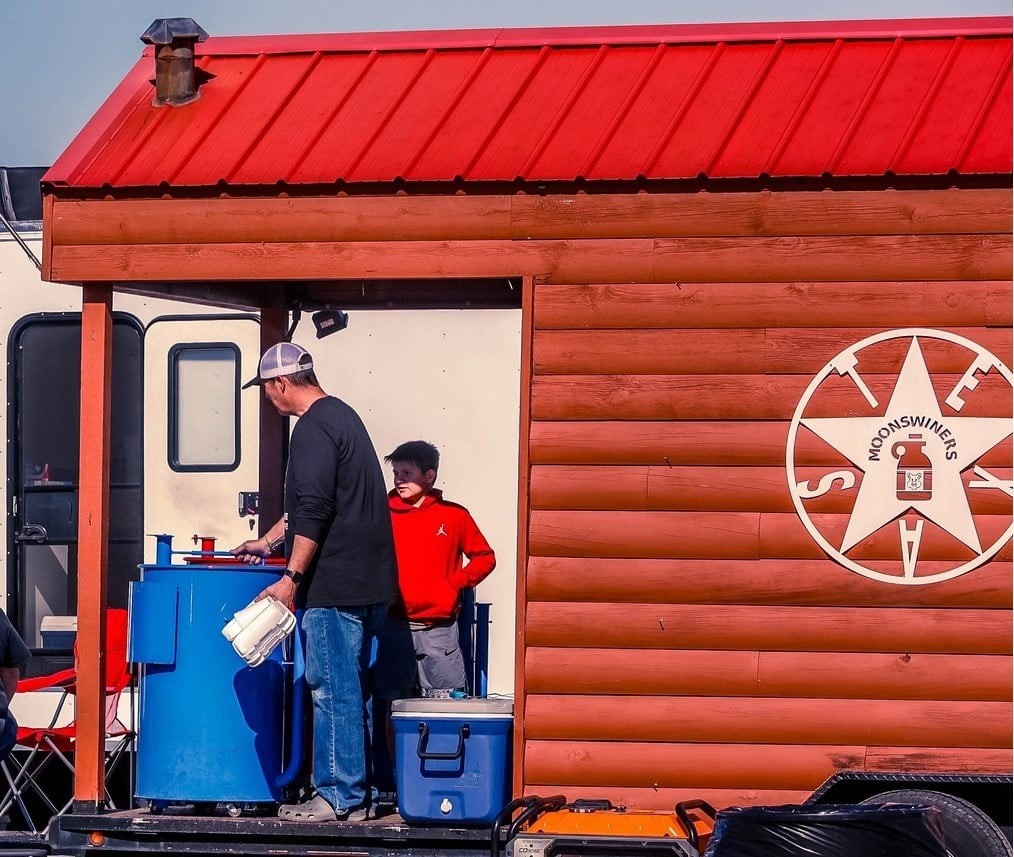
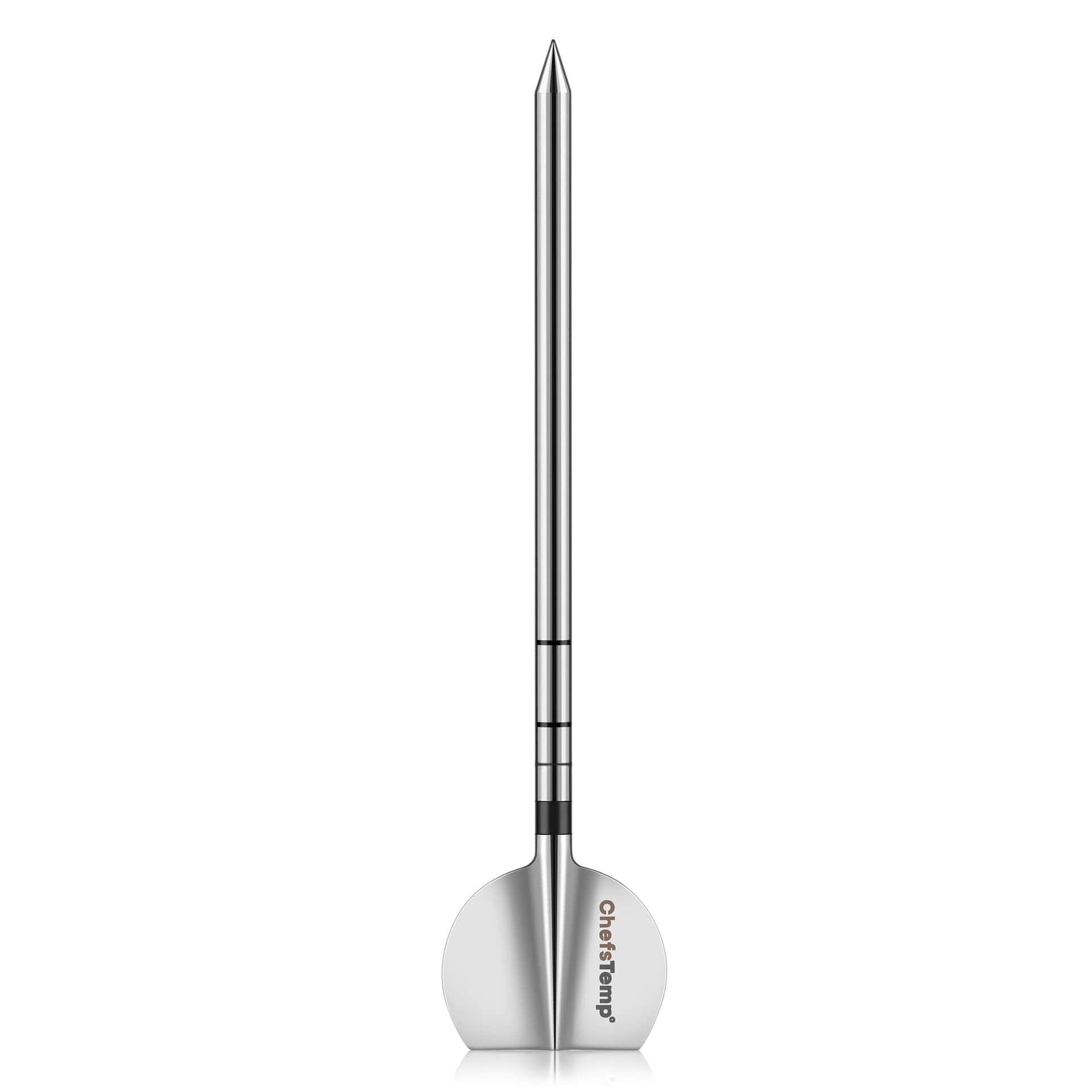
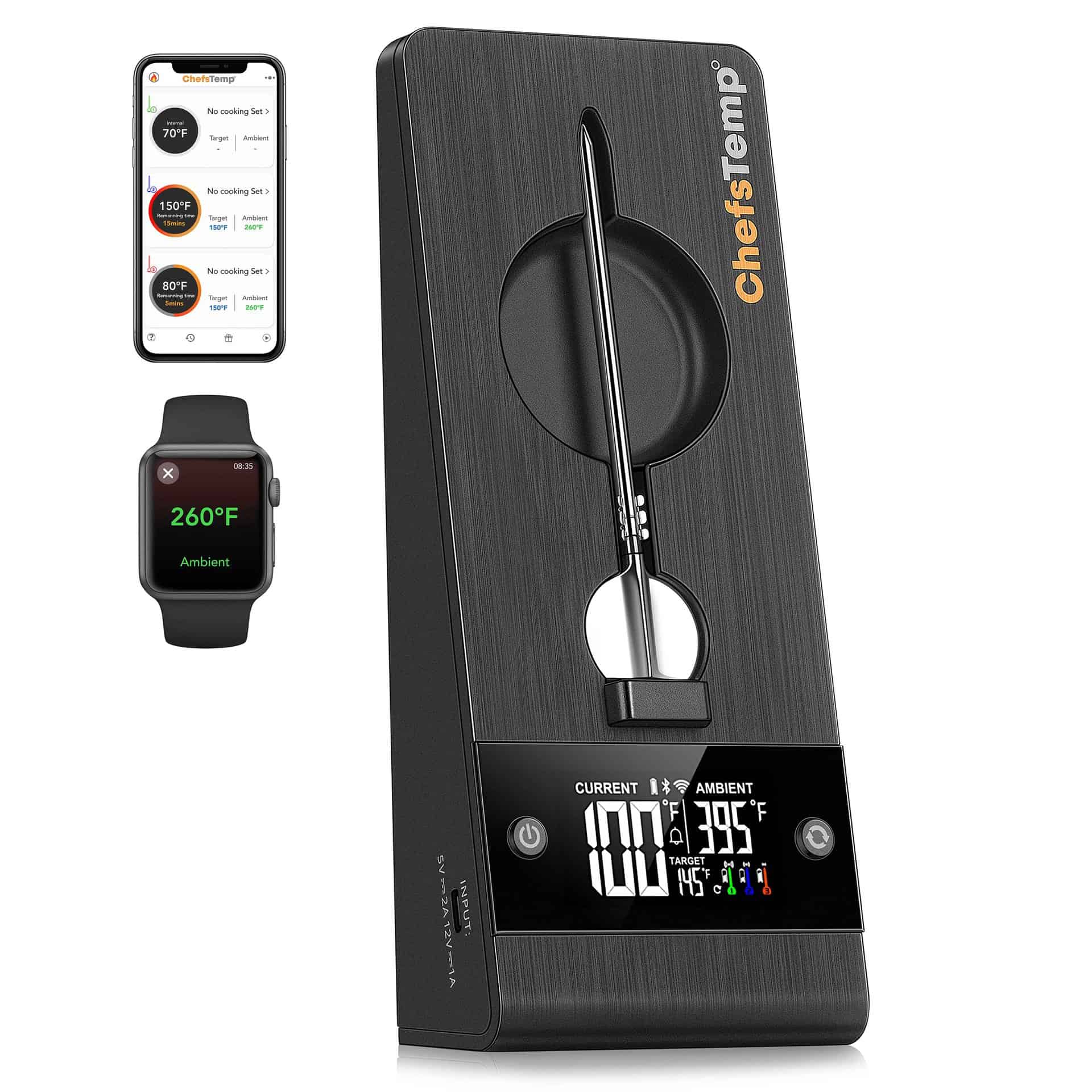
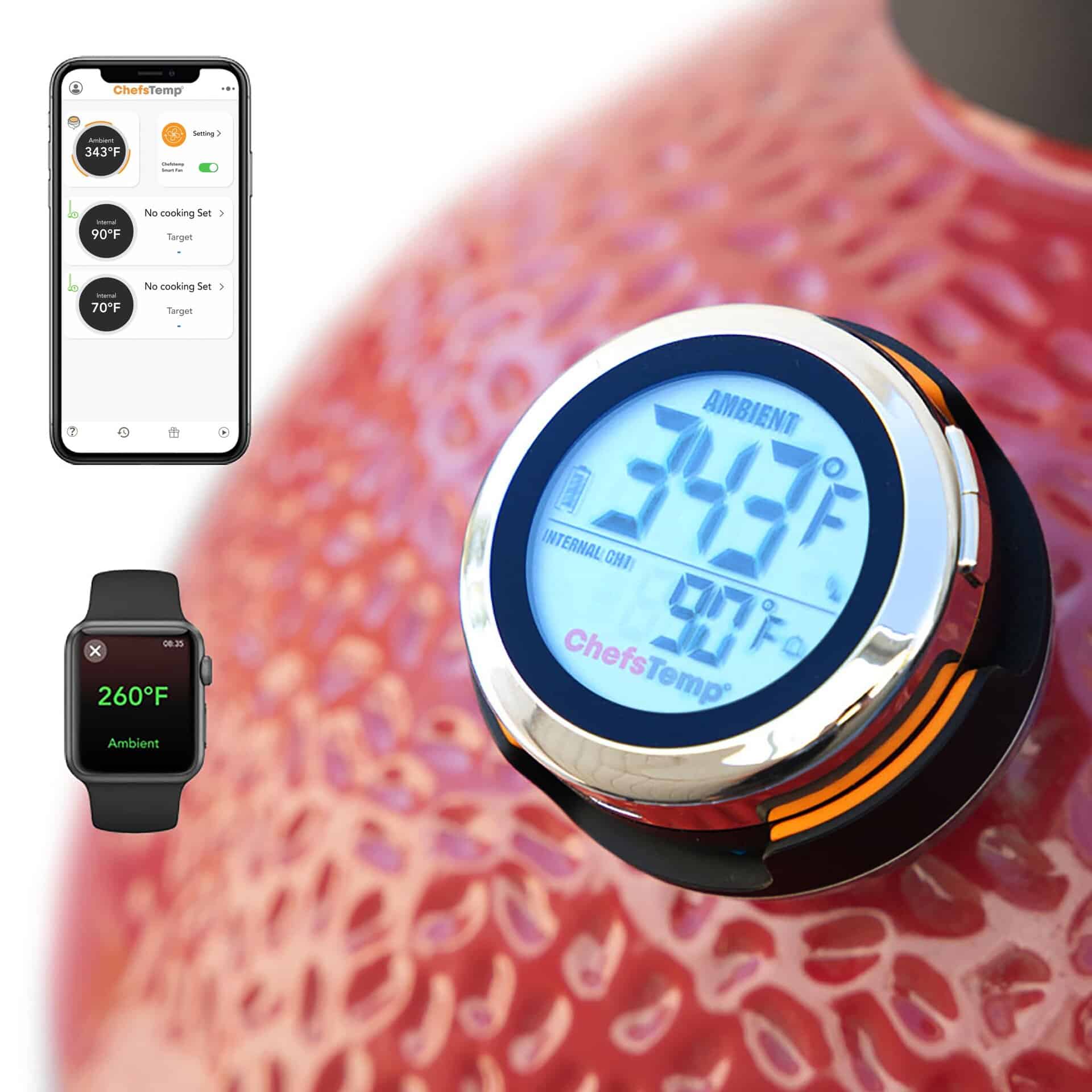
Eerder deze week had ik mijn barbecueaanhanger ingepakt voor een wedstrijd. Daarin stond mijn Breezo-fan en mijn ChefsTemp-uitrusting — het spul dat ik normaal gebruik als ik 's nachts kook. Het was al klaar, opgeladen, ingepakt en gebruiksklaar.
In plaats van het mee te nemen en thuis te gebruiken zoals ik normaal zou doen, liet ik het daar liggen.
Die beslissing voelde niet als een grote beslissing. Ik was moe. Het was laat. Ik had toegang tot de opstelling van een concurrent en dacht dat het voor één nacht wel goed genoeg was. Sensoren gaven waarden aan, alarmen ingesteld. Op papier deed het wat het moest doen.
Dus ik ging naar binnen. Ging op de bank zitten. Viel in slaap.
Ergens in de loop van de nacht doofde het vuur.
Ik weet niet precies wanneer het vuur uitging, en het maakt me ook niet uit. Het kan komen door brandstofophoping, een slechte luchttoevoer, asophoping of een reeks kleine problemen. Dat overkomt iedereen die lang genoeg kookt.
Wat absoluut niet zou moeten gebeuren, is onwetendheid.
Ik kreeg geen melding waardoor ik echt wakker werd. Geen alarm dat me van de bank dwong. Geen waarschuwing voordat de situatie uit de hand liep.
Ik heb er dwars doorheen geslapen.
Toen ik wakker werd, werd ik overvallen door een gevoel van angst, nog voordat ik de put had geopend.
Een koude vuurplaats voelt heel specifiek aan. Je hebt geen thermometer nodig om te weten dat er iets mis is. De vuurplaats zelf gaf meteen het goede beeld. Het deksel ging open, maar er was geen warmte, geen geur, geen leven.
De borst was verloren — verpest, een totale verspilling.
Het was niet te redden. Rauw vanbinnen, onveilig en absoluut niet geschikt om aan iemand te serveren. De borst ging direct de prullenbak in, samen met de ventilator en de kerntemperatuurmeter.
Dat moment blijft je bij. Niet omdat borststuk zo moeilijk te bereiden is, maar omdat het niet had hoeven gebeuren.
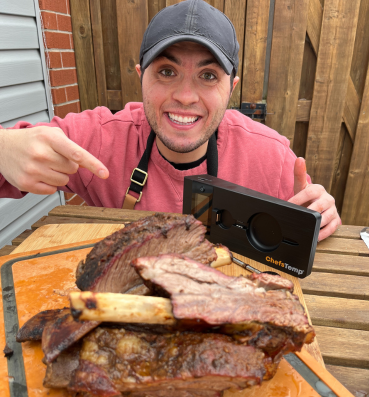
Ja, ik ben ongeveer $150 aan vlees kwijtgeraakt. Dat doet pijn, maar het is niet het ergste. Het ergste was de lunch. We hadden borststuk van rundvlees gepland. De familie verwachtte het. In plaats daarvan kregen ze ribbetjes en kip.
Er is niets mis met ribbetjes en kip, maar het was niet de bereidingswijze die ik voor ogen had. Het voelde als een compromis, omdat ik er niet in was geslaagd het hoofdgerecht te beschermen.
Ik was meer dan gefrustreerd. Ik was boos – op mezelf, op mijn keuzes, op alles.
Want dit was geen kennisprobleem. Het was geen vaardigheidsprobleem. Het was een systeemfout.
Ik ben die borst niet kwijtgeraakt omdat ik niet weet hoe ik een vuur moet beheersen. Ik ben hem kwijtgeraakt omdat de opstelling die ik gebruikte niet werkte toen ik niet wakker was om mijn deel te doen.
Tip: Klik hier voor meer informatie over Automatisering van verticale rookovens voor evenementen in de buitenlucht en extreme weersomstandigheden Indien interesse.
De vergelijking: Wedstrijddag
Een paar dagen later was het wedstrijdweekend daar.
Dezelfde barbecue. Dezelfde trailer. Dezelfde kok.
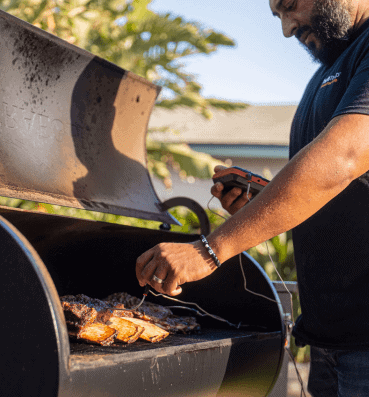
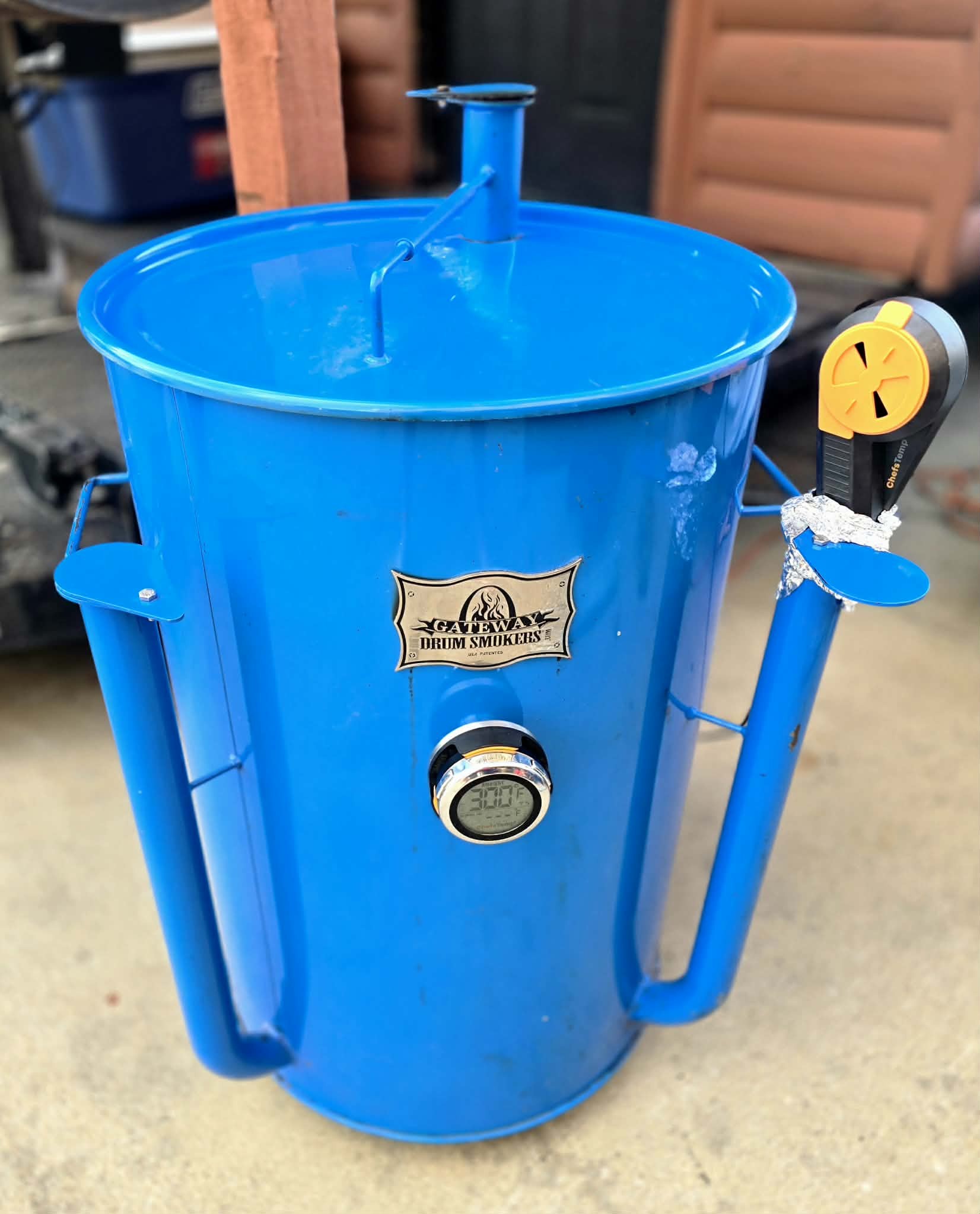
Deze keer haalde ik mijn Breezo-ventilator en het ChefsTemp-systeem uit de trailer en zette ze direct op hun plek. Geen compromissen. Geen vervangingen.
Koken op wedstrijden is anders. Er is geen plan B. Je kunt niet van koers veranderen. Je haalt je schouders niet op en serveert iets anders. Als je borststuk mislukt, ben je al klaar voordat de inleverrondes beginnen.
Toen de pit eenmaal gestabiliseerd was, voelde alles anders aan. Niet opwindend, maar wel gecontroleerd. De Breezo zorgde ervoor dat de luchtstroom precies daar bleef waar hij nodig was. De temperatuur bleef stabiel in plaats van te schommelen. Als er iets veranderde, werd dat snel gecorrigeerd in plaats van dat het uit de hand liep.
En de alarmen? Die geven je niet alleen een beleefde melding. Ze zorgen ervoor dat je precies weet wat er aan de hand is.
De borst was perfect gegaard. De korst was goed, het vet was perfect uitgesmolten en de plakken bleven goed aan elkaar plakken. Geen gehaast op het laatste moment, geen paniek op het laatste moment en geen noodreparaties op het laatste moment. Die borst was een schot in de roos. Tweede plaats. Er was niets veranderd aan de bereiding zelf. Het was hetzelfde stuk vlees, dezelfde barbecue, dezelfde brandstof, dezelfde handen die al het werk deden.
Het enige verschil was de controle.
Diep nadenken: De filosofie van barbecuegereedschap
Mensen discussiëren graag over technologie tijdens het barbecueën. Ouderwets versus modern. Mens versus machine. Ik heb geen interesse in die discussie. Je moet absoluut weten hoe je je barbecue handmatig moet bedienen. Je moet verstand hebben van vuur. Je moet zelfstandig kunnen koken.
Maar weten hoe het moet, betekent niet dat je moet gokken als het niet nodig is.
Koks die 's nachts koken, hanteren andere normen. Ze onthullen gebrekkige alarmen, slechte luchtcirculatie en slechte inschattingen. Koks die overdag koken, houden je in de gaten. Koks die 's nachts koken, leggen alles bloot.
Mijn zelfgemaakte borststuk van rundvlees is niet mislukt omdat ik er niet genoeg moeite in heb gestoken. Het is mislukt omdat ik vertrouwde op een systeem dat problemen niet aanpakte zodra ze zich voordeden.
Met de Breezo en mijn ChefsTemp-configuratie wordt het vuur niet alleen in de gaten gehouden, maar ook beheerd. Problemen worden niet tot de volgende ochtend uitgesteld. Ze worden aangepakt zodat ze niet tot verliezen leiden.
Dat is het verschil – en de belangrijkste les. Het gaat er niet om perfect te zijn of nooit fouten te maken. Het gaat erom de juiste systemen te gebruiken om ervoor te zorgen dat je inspanningen niet voor niets zijn en om vermijdbare problemen te voorkomen die je harde werk in de war kunnen schoppen.
Eén kookavontuur eindigde met een stuk borststuk in de prullenbak, een gewijzigd lunchplan en een nare smaak in mijn mond die langer bleef hangen dan zou moeten.
De volgende kok eindigde op een podium.
Tip: Klik hier voor meer informatie over Meer technieken voor een fantastische gerookte borst. Indien interesse.
Slotgedachten
Dezelfde barbecue. Dezelfde kok.
Een ander resultaat.
Ik ga nooit meer 's nachts koken zonder dat systeem. Het gaat me niet om de show of het gemak, maar gewoon om te voorkomen dat ik borststukken kwijtraak terwijl ik slaap.
Na die nacht trok ik een duidelijke streep: met het juiste gereedschap voorkom je verliezen die je had kunnen vermijden. Die les blijft me bij elke nachtelijke kooksessie.

Gastblogger
Sean Hill Hij is een gelauwerde pitmaster, cateraar en coach in barbecuecompetities. Hij is tweevoudig Grand Champion van de World Food Championships, Grand Champion-coach van het Texas High School BBQ-kampioenschap en een bekende barbecuepersoonlijkheid op ESPN. Hij runt een bloeiend cateringbedrijf en helpt anderen hun vaardigheden te verbeteren door middel van coaching en samenwerking.
Ontdek andere ChefsTemp-producten

Ontdek meer recepten en leer keukentrucs door lid te worden van onze kookcommunity op Facebook.
Dit vind je misschien ook interessant: