Grill Lid Thermometer Accuracy: The Real Temperature Gap and How to Close It
Your grill’s built-in thermometer is lying to you – and it’s costing you food.
When you cook raw meat over coals, a few degrees can make all the difference. You either get juicy ribs or dry leather. The core problem is placement: dome dials sit 6–8 inches above the cooking grate, measuring trapped ceiling air rather than the heat your food actually experiences. It rarely measures the heat exactly where the food sits.
Die kloof verklaart waarom thermometers voor grilldeksels constantly drift, lag, or disagree with the actual grate temperature. Wind, cold weather, or a lopsided charcoal fire make the problem worse. The Hearth, Patio & Barbecue Association notes that 80% of North American adults own a grill or smoker. Yet the same industry data show that temperature control remains the leading cause of overcooked or unsafe backyard BBQs.
You need steady grate heat and safe internal meat temps. This guide explains how these built-in lid dials fail and how to avoid the most common, expensive BBQ mistakes.
Inhoudsopgave
Deel 1. Why Grill Lid Thermometers Are Inaccurate: 6 Root Causes
A built-in lid dial looks official. It isn’t always helpful. Most factory gauges use a bimetallic coil — two metals bonded together that twist at different expansion rates as temperature rises.
The design dates to the 19th century. It has a typical accuracy tolerance of ±5–10°F under controlled lab conditions, and significantly worse in a live fire environment. That design can work in a clean oven. A grill is messier – smoke, grease, wind, and uneven fire all get a vote.

Hier begint het probleem meestal:
- De plaatsing is niet geschikt voor voedsel. Heat rises, so the hottest air often sits near the top of the lid. Your steaks and ribs sit at the grill level. Independent tests and user measurements consistently document dome dial readings running 50–100°F above actual grate temperature during standard low-and-slow cooks.
- Calibration drift is permanent in most factory dials. After 20–30 heat cycles, the bimetallic spring’s elasticity degrades. Many factory units have no calibration screw; those that do rarely hold adjustment after another 10 cooks. Once a dial wanders, it wanders for good.
- Rook en vet vertragen alles. Inside a grill, vaporized fat forms a sticky layer everywhere. Vaporized cooking fat deposits a progressive creosote layer on the probe stem – a 1mm coating is enough to add 8–15 seconds of thermal lag per temperature reading, making the dial’s response effectively useless during active fire management.
- Het weer beïnvloedt de metingen. Een koude wind kan het metaal van het deksel afkoelen terwijl het vuur hoog oplaait. Regen koelt de koepel af. Sneeuw doet dat nog sneller. De thermometer in het deksel van de grill is eraan bevestigd, waardoor hij een deel van die buitentemperatuur meet. De wijzer kan daardoor een lagere temperatuur aangeven dan de werkelijke temperatuur van de kolen.
- The sensor sits outside the primary convection path. Grills ademen via hun ventilatieopeningen. Afhankelijk van de positie van de ventilatieopening en de vorm van het deksel, kan de heetste luchtstroom langs het voedsel stromen en via de uitlaat naar buiten gaan zonder de thermometerstang te bereiken. De wijzerplaat meet dan een "rustige hoek" van de koepel.
- Het rooster heeft warme en koude plekken. Houtskool en hout branden niet zoals een vlakke brander. De ene kant kan heter zijn dan de andere. De achterste hoek kan koel zijn. Een enkel getal op de kap vertelt nooit het hele verhaal. Het kan je niet waarschuwen als de linkerkant van je rooster koel is terwijl de rechterkant gloeiend heet is.
A factory dome dial is not worthless – it tells you whether the fire is building or dying. What it cannot do is give you the ±5°F precision that separates a properly rendered brisket flat from a dry one. Use it as a rough sanity check, nothing more.
Bimetallic Coil vs. Platinum RTD: How the Sensors Compare
| Spec | Factory Bimetallic Coil | Platinum RTD (ProTemp S1) |
|---|---|---|
| Typical accuracy | ±5–10°F | ±0.9°F (±0.5°C) |
| Max rated temperature | ~600°F | 1,000°F |
| Drift after 30+ cycles | Significant; often uncorrectable | Negligible; self-stable |
| Response lag (creosote-coated) | 60–90 sec | Not applicable (sealed stem) |
| Calibration requirement | Periodic; often not possible | None required |
| Wireless connectivity | None | WiFi + Bluetooth dual-band |
Deel 2. What the ProTemp S1 Actually Does Differently
Before listing what the S1 does well, one limitation matters: the temperature control feature requires the separately sold Breezo V2 fan. The ProTemp S1 hub alone is a monitoring and alerting device. Buyers who expect plug-and-play automated fire control need to budget for both components
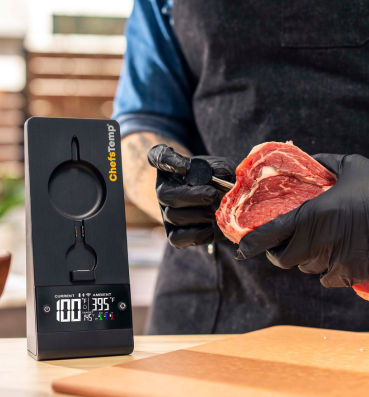
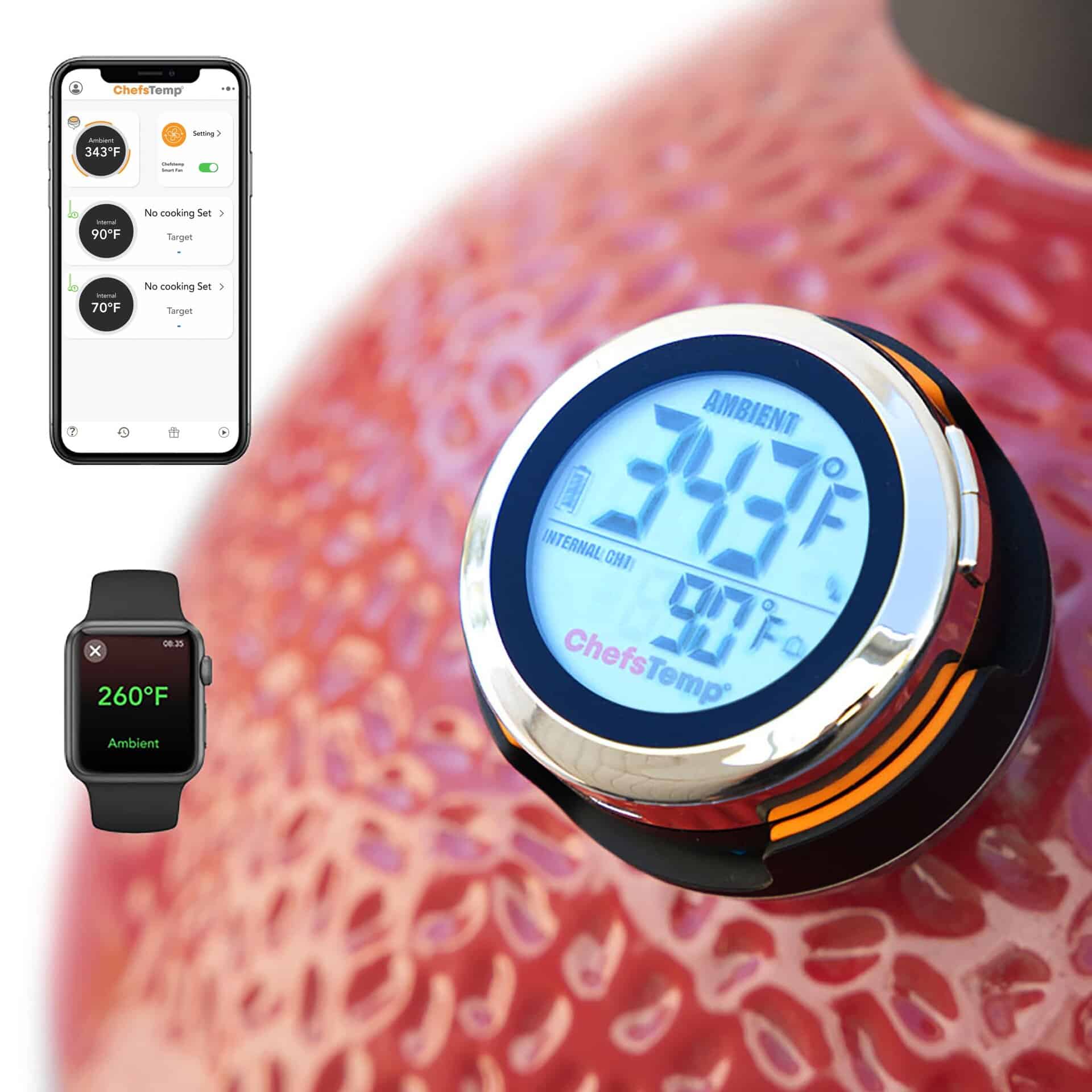
Je kunt een onbetrouwbare fabrieksmeter eenvoudig vervangen door moderne, slimme technologie. Tegenwoordig halen veel pitmasters hun oude meters eruit en installeren ze een gespecialiseerd exemplaar. ProTemp S1 gepatenteerde slimme grillthermometer met naaf. Deze upgrade geeft je volledige controle over het vuur en je eten.

Het verschil zit hem in de manier waarop het apparaat de warmte meet en met je communiceert:
Platinum RTD Sensor: What the ±0.9°F Rating Means in Practice
The ProTemp S1 uses a platinum RTD (Resistance Temperature Detector) sensor rated at ±0.9°F accuracy. Unlike bimetallic coils, platinum RTD sensors maintain accuracy to ±0.1°C across the full temperature range and show negligible drift after years of thermal cycling – the same sensor class used in laboratory and industrial process control.
Platinum offers incredible stability at extreme temperatures. Because this unit accurately reads ambient temperatures up to 1000°F, you can easily hold a steady 225°F for low-and-slow BBQ. Later, you can crank the heat for high-temp searing or backyard pizza baking without ever destroying the sensor.
WiFi + Bluetooth Dual Connectivity: Why Both Channels Matter
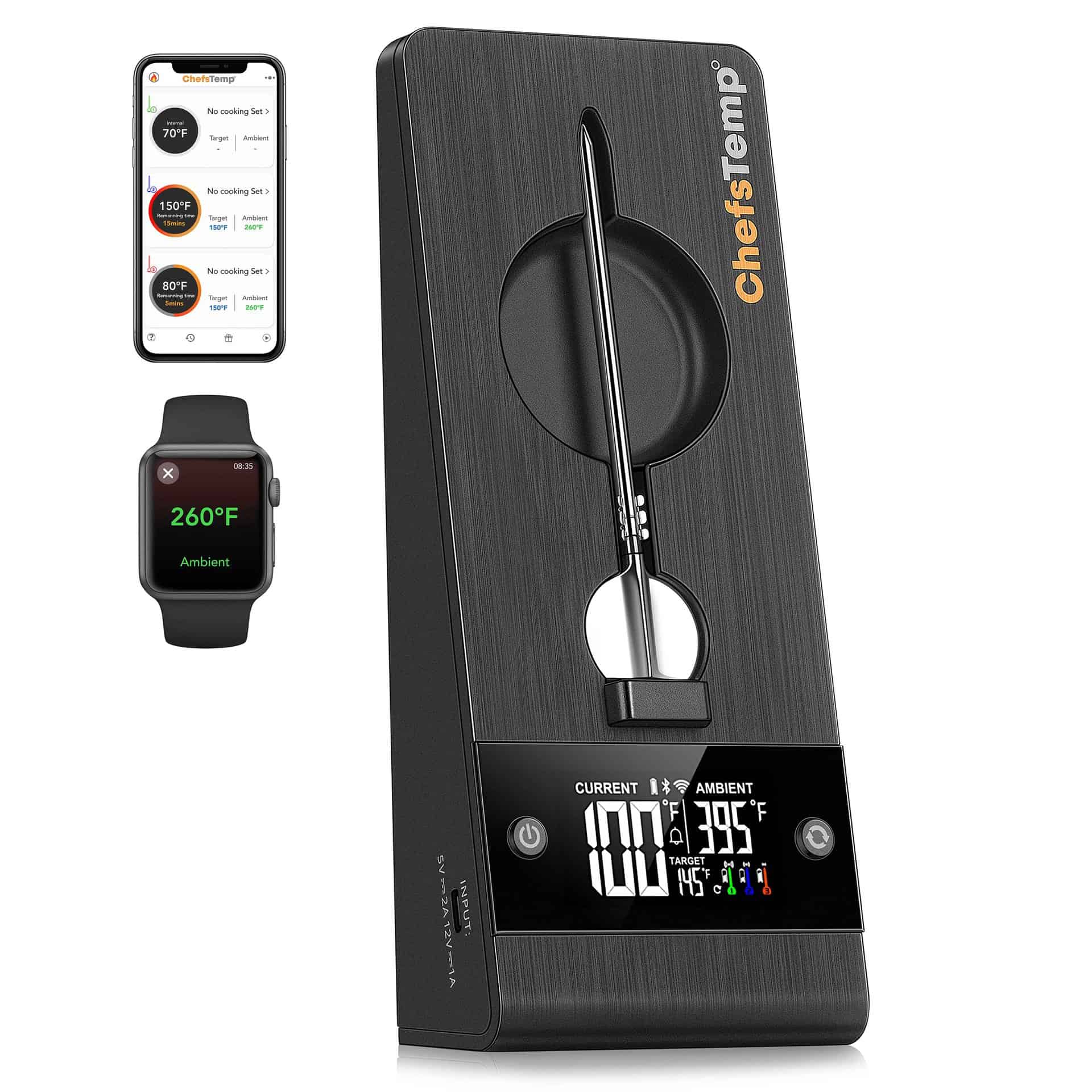
Sitting next to a hot smoker all day gets exhausting. The ProTemp S1 solves this with built-in Wi-Fi and Bluetooth connectivity. WiFi mode delivers alerts over your home network with unlimited range. If the router goes offline mid-cook, the S1 automatically falls back to Bluetooth — covering roughly 100 meters — so an overnight brisket is never left unmonitored because of a router reboot. You can step off the deck, entertain guests indoors, or even run to the store while still perfectly nailing a brisket.
Tracking Multiple Meats with Wireless Probes
Bij grote barbecuefeesten met de familie moet je vaak meerdere soorten vlees tegelijk in de gaten houden. Een hoogwaardige digitale thermometer met een sonde maakt dit een stuk eenvoudiger. De ProTemp S1 ondersteunt tot wel 4 draadloze sondes. Dat betekent dat je tegelijkertijd een dikke varkensschouder kunt controleren, twee ribbenrekken kunt bewaken en een hele kip kunt garneren.
Automating Airflow with the Breezo Fan
Het beheersen van het vuur zelf is een andere uitdaging. Het handmatig regelen van de houtskoolventilatie vereist constant toezicht. De ProTemp S1 werkt echter naadloos samen met de optionele Breezo-ventilator. Wanneer de temperatuur in de rookoven daalt, injecteert deze ventilator automatisch zuurstof in de vuurkamer. Deze automatische luchtstroomregeling houdt uw smoker op de gewenste temperatuur zonder dat u de ventilatie handmatig hoeft aan te passen.
Drop-In Installation: No Wiring, No Drilling, No Adapters (With One Caveat)
Finally, this system eliminates the clutter that ruins a good cooking experience. Messy wires often melt on hot grates and tangle easily. Because the ProTemp S1 is a 100% wireless hub, it simply mounts right into the empty hole on your lid, replacing your broken dial perfectly. This eliminates external power cables and probe wires from the grill exterior entirely.
One installation caveat: ProTemp S1 ships in three stem versions (Universal 7.8mm, BGE-specific 4.1mm, and short-stem 1.5-inch). Verify your grill’s gauge port diameter before ordering — the wrong stem version will not seat correctly.
Lees uiteindelijk meer voor Hoe kies je de beste vleesthermometer?. Het zal uw dagelijkse kookroutine veranderen. Dankzij de precisiegereedschappen voorkomt u droge, te gaar gebakken kipfilets en taaie, niet-gaar gebakken ribben. U krijgt elk weekend weer perfecte, consistente resultaten.
Deel 3. How to Replace a Grill Lid Thermometer: Step-by-Step (Under 5 Minutes)
If you want better BBQ, start by throwing out the factory dial. Installing the best grill lid thermometer takes less than five minutes. For almost every standard grill on the market, you won’t need to fire up a drill or make any advanced modifications. Tools required: one pair of pliers or a 1-inch wrench, one damp cloth, and the ChefsTemp app (free, iOS and Android).
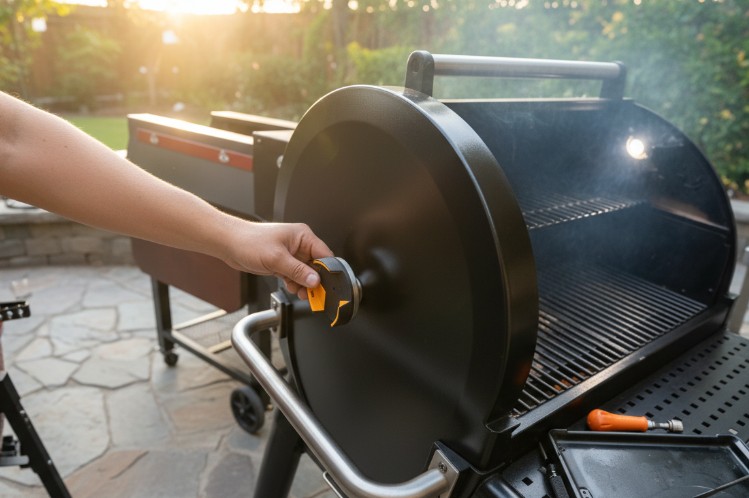
Het proces is ongelooflijk eenvoudig. Zo vervangt u uw oude meter door een moderne slimme hub:
- Verwijder de oude wijzerplaat: Open eerst het deksel van uw grill en kijk achter de originele temperatuurmeter. U ziet een enkele borgmoer waarmee de oude thermometer vastzit. Gebruik een tang of een gewone steeksleutel om deze moer los te draaien. Zodra de moer eraf is, trekt u de oude, onnauwkeurige thermometer in het grilldeksel recht naar buiten door het gat.
- Reinig het montagegebied: Over time, heavy smoke and vaporized fat build up on the inside of the lid. Wipe the mounting hole area with a cloth dampened in dish soap solution. Creosote residue around the port will prevent a flush seat and can cause air leaks that throw off ambient temperature readings.
- Installeren de nieuwe Middelpunt: Next, insert your ProTemp S1 hub into the existing hole, then slide the threaded stem into place. Reach under the lid and hand-tighten the provided locking nut. Hand-tighten only — no tools. Over-tightening the locking nut on a ceramic (BGE/Kamado Joe) lid can hairline-crack the ceramic around the port. On metal lids, finger-tight creates sufficient compression seal.
- Verbind de app: Pak tot slot je smartphone erbij. Download de ChefsTemp-app en volg de korte instructies op het scherm om je nieuwe apparaat via Bluetooth of wifi te koppelen.
Dat is alles wat nodig is. In slechts een paar minuten tover je een eenvoudige barbecue om tot een op afstand bedienbare, nauwkeurige barbecue.
Deel 4. Four Techniques That Make Precision Thermometry Actually Work
Technologie helpt je zeker om de gewenste temperatuur te bereiken, maar een goede techniek blijft de basis van een geslaagde barbecue. Je kunt de beste slimme grillthermometer ter wereld hebben, maar als je vuur niet goed brandt, zal je eten eronder lijden. Hier zijn vier essentiële gewoonten die je moet aanleren wanneer je je moderne houtskoolgrill aansteekt:
- Maak een vuurplaats met twee zones: Two-zone fire management is the foundational technique that makes temperature control meaningful. Place all your lit coals in a tight pile on one side of the grill. Leave the other side empty. This simple setup gives you two distinct heat zones: a hot, direct-searing zone and a cooler, indirect-roasting zone. You can easily move the meat away from the fire to save it from burning.
- Controleer uw dunne wonden: Terwijl draadloze thermometers de dikste delen van je borststuk of varkensschouder goed in de gaten houden, garen de dunnere randen sneller. Draag daarom altijd een betrouwbare instant-thermometer bij je om snel de gaarheid te controleren voordat je het vlees serveert. Door de randen, dunnere spieren en kleinere stukken zoals kippenvleugels te controleren, voorkom je dat iets uitdroogt of te gaar wordt.
- A USDA safe internal temperature reference: Poultry 165°F / Ground meats 160°F / Whole beef & pork steaks 145°F (3-min rest) / Fish 145°F.
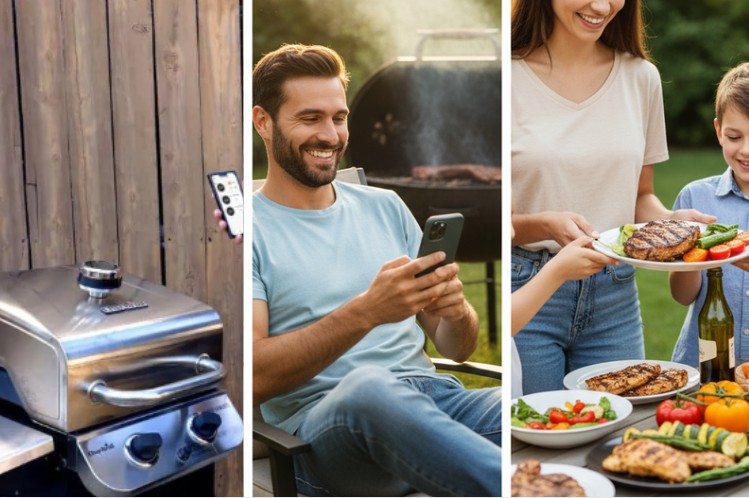
- Houd het deksel van de grill gesloten: Every time you open it, precious heat and flavorful smoke escape. Trust the ProTemp S1 app to tell you what is happening inside the cooker. As the old BBQ saying goes: “If you are looking, you aren’t cooking.” Every lid opening drops grate temperature by 30–50°F and requires 8–12 minutes to fully recover on a charcoal grill — time when your cook is stalled.
- Meet op roosterhoogte: De exacte temperatuur waarop het voedsel wordt geplaatst, moet bekend zijn. Verbind uw smart hub met een digitale voedselthermometer die speciaal is ontworpen voor het grillrooster. Door naast de interne temperatuur van het vlees ook de temperatuur van het rooster in de gaten te houden, zorgt u voor de meest nauwkeurige en veilige kookomstandigheden.
Beproefde methoden en slimme vleesthermometers zorgen ervoor dat de smaak behouden blijft. Ze helpen je rauwe binnenkant te voorkomen en consistent perfecte barbecuegerechten te serveren. Bekijk ook... De testresultaten van een goedkope, op de deksel gemonteerde thermometer vergeleken met een professionele kalibratiesonde..
Deel 5. Conclusie
A cheap factory dial can easily ruin an expensive piece of meat. Standard grill lid thermometers cannot withstand bad weather, poor placement, or weak metal coils. Upgrading your setup changes everything. The ProTemp S1 fixes these exact frustrations. It delivers true platinum sensor precision, easy Wi-Fi monitoring, and multi-probe tracking.
A cheap factory dial is the fastest way to ruin an expensive brisket. Upgrading to a hoogwaardige kookthermometer ecosystem like the ProTemp S1 replaces analog guesswork with precise thermal data. By eliminating wire clutter and automating airflow, you stop babysitting the pit and start controlling it. Upgrade your hardware, and you secure flawless, repeatable barbecue every single weekend.
Deel 6. Veelgestelde vragen over thermometers voor grilldeksels
V: Zijn ingebouwde thermometers in deksels nauwkeurig?
No. Independent measurements consistently show factory dome dials reading 50–100°F above actual grate temperature, due to sensor placement 6–8 inches above the cooking surface and the slow response characteristics of bimetallic coils. For reliable pit management, a dedicated grate-level probe is required.
V: Wat is de meest betrouwbare grillthermometer?
The most reliable grill thermometers use platinum RTD sensors, which maintain accuracy to ±0.9°F across a 32–1,000°F range without calibration drift. Bimetallic coil gauges, the type found in most factory dome dials, degrade measurably after 20–30 heat cycles. For ambient grate monitoring, a platinum RTD hub paired with wireless food probes (such as the ProTemp S1 setup) currently represents the highest available accuracy class for consumer BBQ use.
V: Gebruiken koks vleesthermometers bij het grillen?
Yes. Professional cooks rely on calibrated thermometers because internal meat temperature is the only reliable indicator of both food safety and target doneness. Cooking by time or touch cannot account for variable meat thickness, starting temperature, or ambient conditions. The USDA recommends reaching 165°F for poultry, 145°F for whole cuts of beef and pork, and 160°F for ground meats – targets that are only verifiable with a calibrated probe.
V: Waarom werken thermometers in grilldeksels niet meer?
Factory lid thermometers fail through three independent mechanisms:
- Creosote fouling: Grease deposits insulate the probe stem, adding 60–90 seconds of thermal lag.
- Bimetallic fatigue: the metal spring loses elasticity after repeated thermal cycles, causing permanent calibration drift.
- Moisture ingress: Condensation and rain corrode the internal coil, accelerating drift or causing total failure.
None of these failure modes are field-repairable on most factory units.
V: Wat maakt een goede digitale voedselthermometer?
A high-quality digital food thermometer should meet four criteria: accuracy of ±1°F or better; response time under 3 seconds; waterproof housing rated IP65 or higher; and a temperature range of at least 32°F to 572°F for standard BBQ use. Wireless connectivity (Bluetooth or WiFi) is valuable for long smoking sessions where leaving the grill unattended is necessary. For ambient pit monitoring specifically, a platinum RTD sensor outperforms thermocouples at the precision and stability levels relevant to low-and-slow cooking.
Q: Can I use the ProTemp S1 without the Breezo fan?
Yes. The ProTemp S1 hub functions as a standalone ambient temperature monitor and wireless probe hub without the Breezo V2 fan. You gain precise dome temperature tracking, up to four wireless meat probe channels, and WiFi/Bluetooth remote alerts. Automated fire control — where the system adjusts your charcoal fire to maintain a target temperature – requires adding the Breezo V2 fan as a separate purchase.
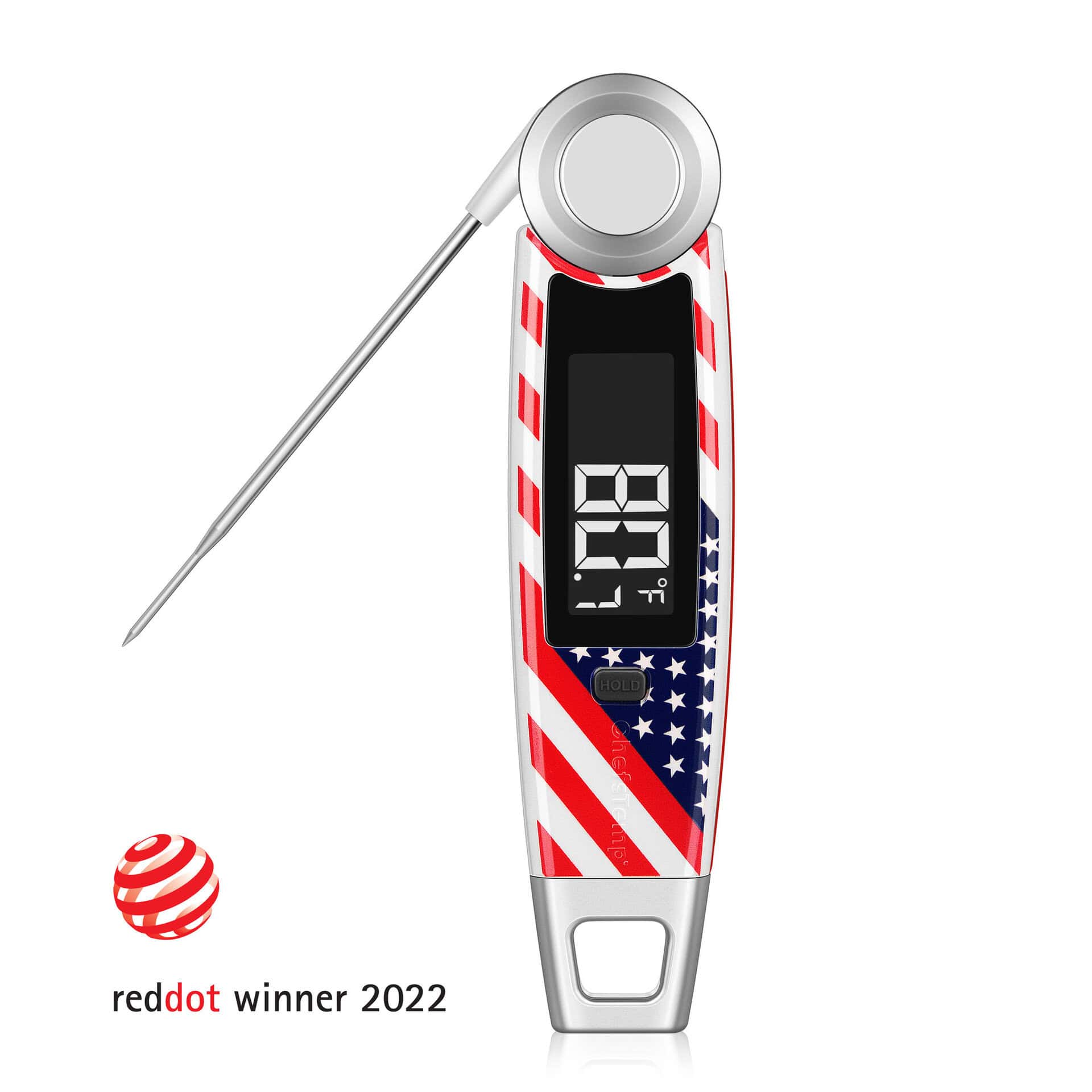
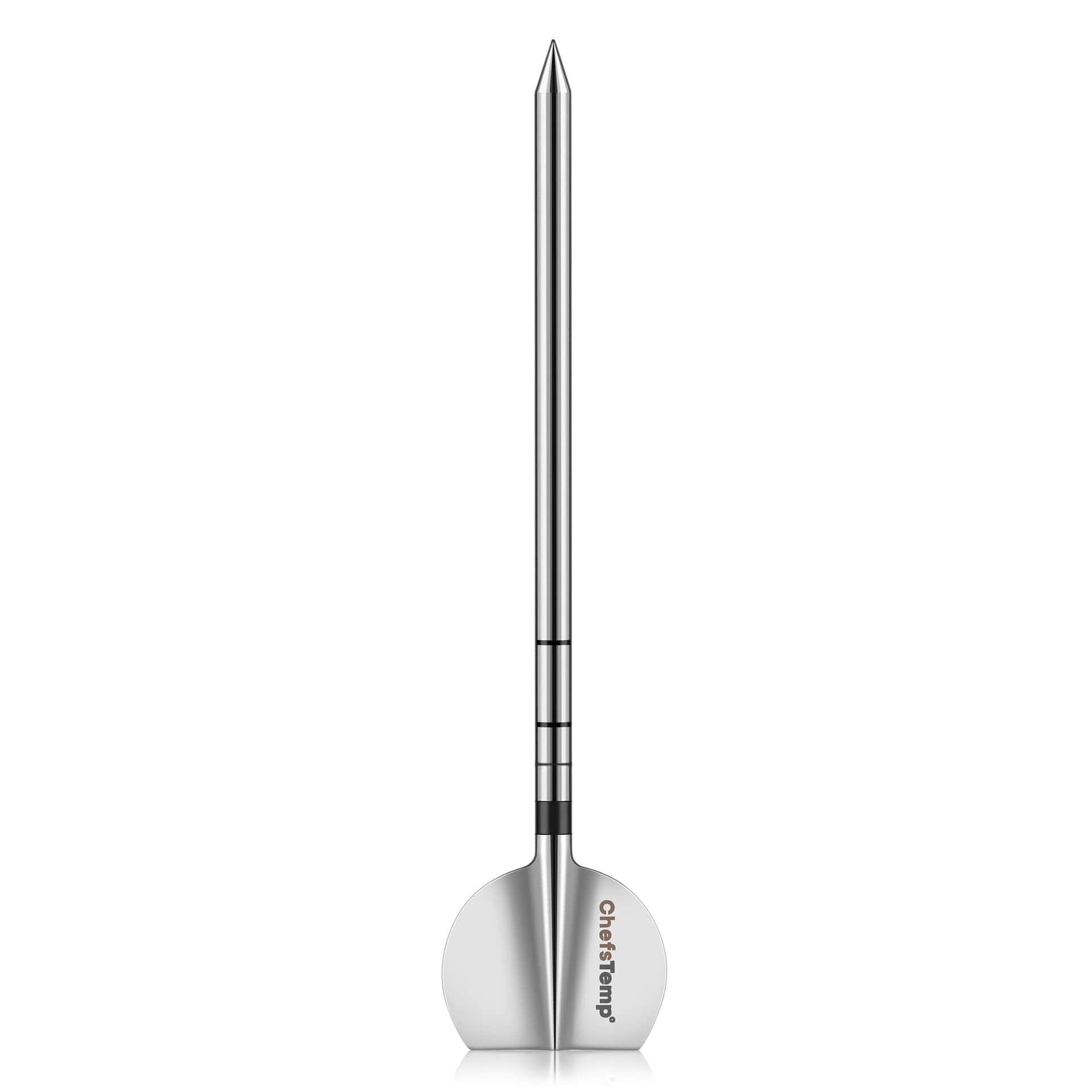
Ontdek andere ChefsTemp-producten

Ontdek meer recepten en leer keukentrucs door lid te worden van onze kookcommunity op Facebook.
Dit vind je misschien ook interessant: