Grill Temperature Chart: Exact BBQ Heat for Burgers, Chicken, Steak, and Fish
Backyard cooking has changed. People buy nicer grills, better charcoal, and more gadgets. According to Verified Market Research, the global BBQ grill market is projected to reach USD 7.78 billion by 2032, which helps explain why more cooks are upgrading from guesswork to measured temperature control.
Money is helpful, but it doesn’t solve the primary issue of wandering heat. Burgers burn, chicken dries out, and steaks fall short because a lid dial may read one number while the grate runs hotter or colder.
This guide gives you the target grill temperature for each food, explains why lid dials mislead, and shows how to measure heat where the food actually cooks. It shows the grilltemperaturen Het boek legt uit hoe je verschillende soorten vlees kunt bereiden, van langzaam roken tot snel dichtschroeien. Ook wordt beschreven hoe je de werkelijke temperatuur van het voedsel meet en wanneer een slimme thermometer je 's nachts het toezicht kan ontnemen.
Inhoudsopgave
Deel 1. What Grill Temperature Should You Use for Each Food?
Different foods need different heat zones, and the right setting depends on thickness, fat content, and cooking method. You must match your food to the right heat zone. High heat quickly sears thin cuts of meat. Meanwhile, low heat slowly breaks down tough tissues in large roasts. Learning these basic rules will instantly transform your backyard cookouts.
Burger Grill Temperature
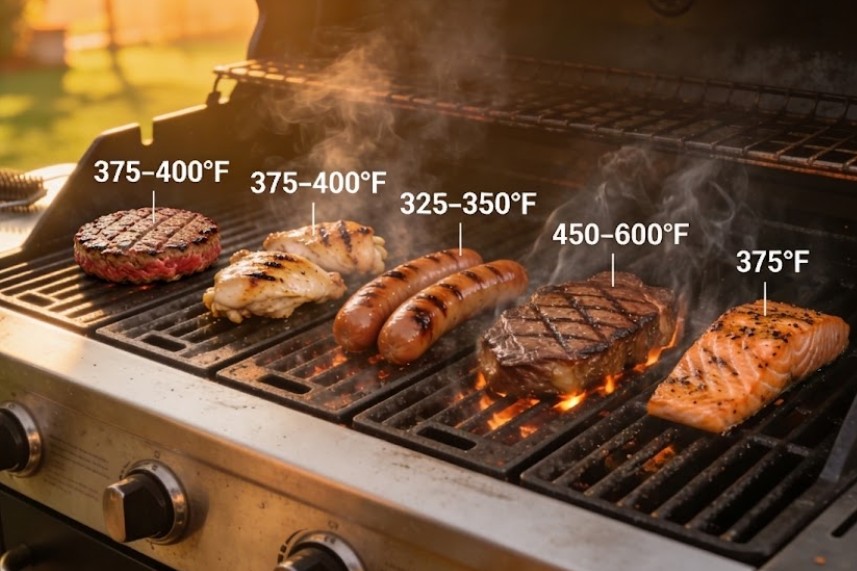
Neighbors always ask exactly what temperature to grill burgers so they do not dry out. Treat the grates like a hot iron skillet. Set the grill to 375°F to 400°F for burgers. That range sears the outside quickly while keeping the center juicy. It hits the sweet spot. That medium-high blast sears a hearty, brown crust. The inside stays dripping with juice. Most standard beef patties finish in about 8 to 10 minutes, depending on thickness and grill flare-ups. Remember to flip the meat only once to keep it from falling apart.
Chicken Grill Temperature
Finding the ideal grill chicken temperature stops you from serving dry, stringy poultry. You need a steady medium-high heat of 375°F to 400°F for wings and thighs. Whole birds, however, require a lower medium heat of 325°F to 350°F. Use 165°F internal temperature as the safety target for poultry. Consequently, the skin renders its fat and turns crispy without burning black.
Sausage Grill Temperature
The best grill temperature for sausage is 325°F to 350°F. Sausages contain a lot of fat packed into delicate casings. High heat can split sausage casings before the center is fully cooked, so medium heat is the safer choice. This rapid boiling bursts the casing, dumps grease into the flames, and triggers massive flare-ups. Instead, medium heat gently cooks the pork. All those delicious juices stay trapped inside for a perfect bite.
Steak Grill Temperature
Steaks demand high heat between 450°F and 600°F. That temperature range supports a fast sear and helps build Maillard browning on the surface. This natural process creates that savory, dark crust on the beef. You only need a couple of minutes per side here. The center is tender medium-rare. Searing steaks over extreme heat brings steakhouse-quality dining right to your patio.
Fish Grill Temperature
Due to the extreme delicacy of seafood proteins, fish requires special attention. The ideal temperature for planked fish is 375°F. Steaks of swordfish or tuna, for example, can withstand high cooking temperatures up to 450°F without any problems. Oil both the fish and the grates lightly so the skin releases cleanly without tearing. Fish skin forms a strong connection with hot, dry metal. When you turn the fish on a clean, well-oiled grate, it releases smoothly.
Door deze specifieke warmteniveaus onder de knie te krijgen, hoef je niet meer te gissen tijdens het koken. Je beschermt je dure boodschappen tegen bederf en garandeert een heerlijke smaak.
Deel 2. The 6 Main Grill Temperature Zones
Het beheersen van vuur betekent dat je je zones kent. Houd dit in de gaten. grilltemperatuur aanbrandenIn de buurt. Levende vuren moeten constant de weersomstandigheden trotseren. Koude wind onttrekt warmte aan de dunne stalen ketels en vreet de houtskool weg. Zware braadstukken garen ook veel langzamer dan dunne biefstukken. Pas de kooktijd hier altijd op aan.
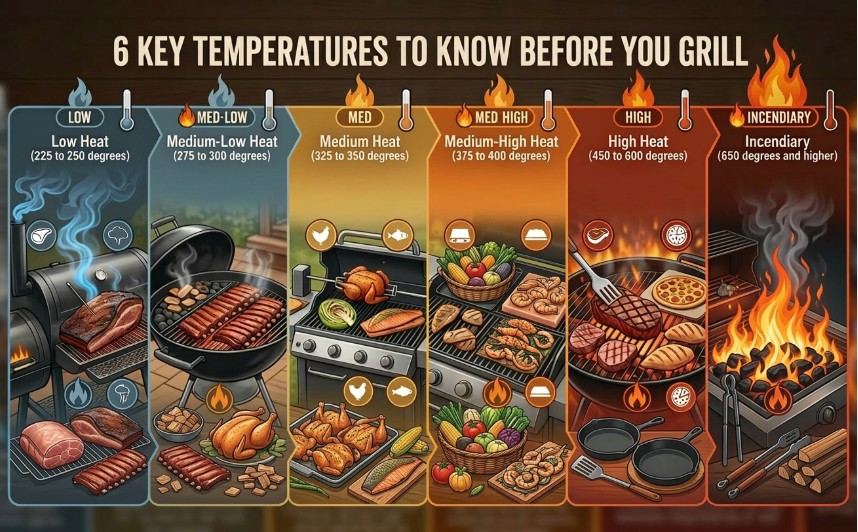
225°F to 250°F: Low-and-slow smoking
Use this range for brisket, pork shoulder, and ribs when you want steady smoke and long cook times. You use this low heat exclusively for huge, tough cuts like brisket, ribs, and pork shoulder. The very low rooktemperatuur Het taaie collageen smelt langzaam om tot rijke, kleverige gelatine. Deze chemische afbraak duurt meerdere uren en vereist geduld. Maar het lange wachten levert ongelooflijk mals vlees op dat zo uit elkaar valt dat het in je mond smelt.
275°F to 300°F: Faster smoking and indirect cooking
Middellage hitte zit precies tussen langzaam roken en gewoon braden in de oven in. Deze temperatuurzone is perfect voor zowel echt barbecueën als indirect grillen. Deze temperatuur is ideaal voor het bereiden van ribben en varkensschouder. Door je barbecue op 135 °C te zetten, verkort je de totale gaartijd iets. Het belangrijkste is dat het vlees zijn natuurlijke sappigheid behoudt zonder dat de knapperige korst aan de buitenkant uitdroogt.
325°F to 350°F: Everyday grilling and roasting
De middelhoge temperatuur biedt je verbazingwekkende veelzijdigheid voor het dagelijkse buitenkoken. Je gebruikt deze betrouwbare temperatuurzone voor direct grillen, indirect koken en roken. Deze middentemperatuur is perfect voor het bereiden van varkenshaas, hele kippen en hele vissen. Ook grote, stevige groenten worden er heerlijk zacht van. Zo kun je bijvoorbeeld hele koolstronken of grote uien langzaam roosteren op middelhoge temperatuur tot ze heerlijk zoet en mals zijn.
375°F to 400°F: Burgers, chicken pieces, and vegetables
Beschouw middelhoog vuur als de ideale temperatuur voor dagelijks gebruik. Het vormt snel een korst, terwijl de dikke kern de tijd krijgt om gaar te worden. Gebruik zoutplaten of zalm op een plank in deze warme zone. Kippenbouten zijn er ook heerlijk in. Groenten zijn er ook goed in. Bij 200 °C krijgen verse courgettes en dikke paprika's prachtige blaren.
450°F to 600°F: Steaks, chops, pizza, and fast searing
De hoge hitte vereist uw onverdeelde aandacht bij het grillen. U gebruikt deze intense vuurzee alleen voor direct grillen boven open vuur. Deze ongelooflijk hete grilltemperatuur Dit is precies wat je nodig hebt voor steaks, karbonades, pizza en dunne kipfilets. Alles is in een paar minuten gaar op deze stand. Je moet wel dicht bij het vuur blijven om te voorkomen dat je eten aanbrandt.
650°F and above: Extreme searing only
Door de intense hitte creëer je die heerlijke, knapperige korstjes zoals in een steakhouse. Deze extreme hitte bereik je door direct te grillen of met speciale infraroodbranders. Deze absolute toptemperatuur is uitsluitend bedoeld voor het dichtschroeien van dure steaks en dikke karbonades. Laat het vlees slechts 1 of 2 minuten per kant op het rooster liggen. Langer dan dat zal je dure eten volledig verbranden tot droge as.
Once you know these six zones, it becomes much easier to match the food to the fire. You will know exactly how hot your fire needs to be before you even strike a match.
Deel 3. How to Measure Grill Temperature Correctly
Weten wat de gewenste temperatuur is, heeft absoluut geen zin als je die niet nauwkeurig kunt meten. De hele omgeving in je barbecue verandert volledig afhankelijk van de temperatuur. Bij lage temperaturen smeult het hout zachtjes en komt er schone, blauwe rook vrij. Bij hoge temperaturen komt het druipende vet in contact met de hete kolen en verdampt direct, waardoor het vlees zijn smaak krijgt.
Om dit kookproces onder de knie te krijgen, moet je precies begrijpen wat er in je barbecue gebeurt. Lees deze artikelen voor deskundig advies over het begrijpen van deze warmtedynamiek. Strategieën om je temperatuur te meten.
Many grills still rely on bimetal lid dials, but those gauges measure dome air, not the grate where food cooks. Sadly, these factory dials constantly trick backyard cooks. They only measure the hot air pooling at the very top of the metal dome. They completely fail to check the air down at the grate where your food actually cooks. In many grills, grate temperature can differ from the lid reading by 50°F or more.
Hier volgen een paar praktische manieren om de temperatuur goed in te schatten:
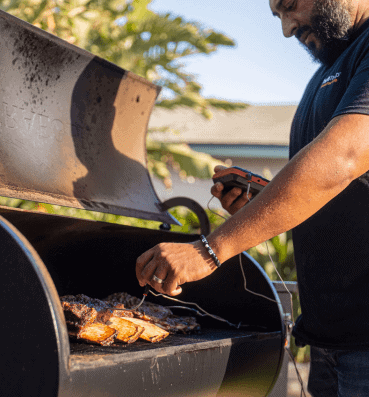
- Use a digital grate probe clipped at grate level, close to the food but not touching it. This tool shows the exact cooking environment for smoking a large Sunday brisket for your family.
- Use the hand test only as a rough heat check, not as a measurement tool. If you must pull your hand away in just 2 seconds, you have extreme heat ready to sear thick steaks.
- Thin blue smoke usually signals cleaner combustion, while thick white smoke often means the fire needs more air. Conversely, thin, pale blue smoke indicates your airflow is perfectly tuned for slow-cooking delicate pork ribs.
Om je tuintechniek nog verder te verfijnen, Vind tips om de juiste temperatuur op je grill te krijgen.. Door zeer nauwkeurige meetinstrumenten te gebruiken, weet u zeker dat u uw gasten nooit meer rauw of bedorven voedsel serveert. Uiteindelijk bereidt het correct meten van de warmte u voor op de volgende cruciale stap: het beheersen van het vuur zelf.
Deel 4. How to Control Temperature on Charcoal, Gas, and Indoor Grills
Elk kookapparaat gaat anders om met warmte. Je moet je aanpak volledig aanpassen aan je specifieke brandstofbron. Hout, gas en houtskool gedragen zich allemaal op een heel eigen manier. Door deze verschillen te leren kennen, krijg je volledige controle over je vuur.
Charcoal Grills
Controlling the temperature of your charcoal grill requires excellent oxygen management. Fire breathes oxygen to survive. Open the bottom vents to raise heat, and close them gradually to reduce it. This quickly increases your heat. Conversely, you partially close those vents to choke the fire and reduce the heat. Furthermore, the weather changes everything outside. A cold, harsh wind pulls heat right out of your metal kettle. As a result, you burn much more fuel to keep the heat steady.
Gas Grills and Smokers
Gas grills respond quickly to knob changes, but wind and uneven burners can still create hot and cool spots. However, holding a perfectly steady smoker temp for 12 straight hours proves very tough on traditional offset rigs. Strong wind gusts can easily blow out low flames or make wood fires spike violently. Even modern wood pellet smokers struggle because cheap factory sensors fluctuate wildly. You need better, faster tools to keep a flat temperature line.
Indoor Ovens
Your indoor kitchen also requires precise monitoring. Many home ovens run hotter or cooler than the set dial, sometimes by 25°F or more. Kitchen ovens cycle their heating elements on and off constantly. This action creates rolling waves of heat instead of a flat line. Therefore, always use a secondary digital probe to verify the actual ambient temperature before baking delicate food.
Slimme oplossingen voor perfecte warmteregeling
De hele dag de temperatuur in de gaten houden put zelfs doorgewinterde pitmasters uit. Het beheersen van een echt vuur met een goedkope, standaard temperatuurregelaar voelt alsof je geblinddoekt rijdt. De technologie heeft eindelijk een inhaalslag gemaakt.
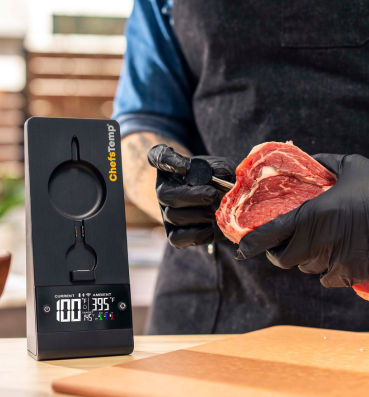
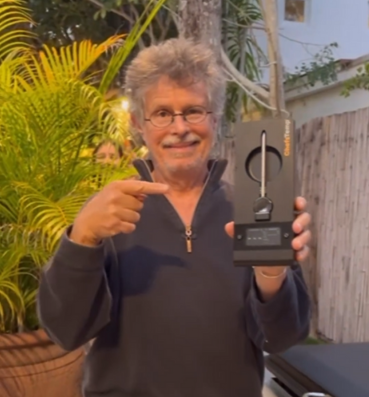
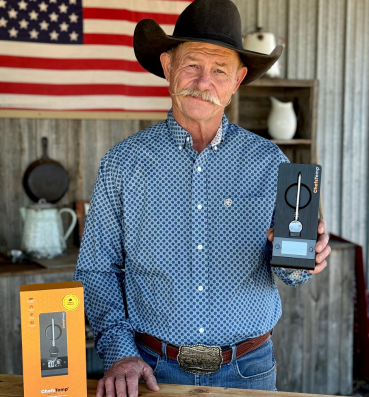
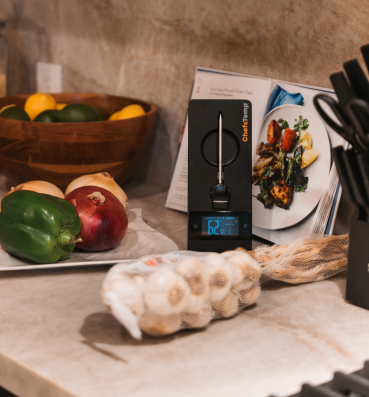
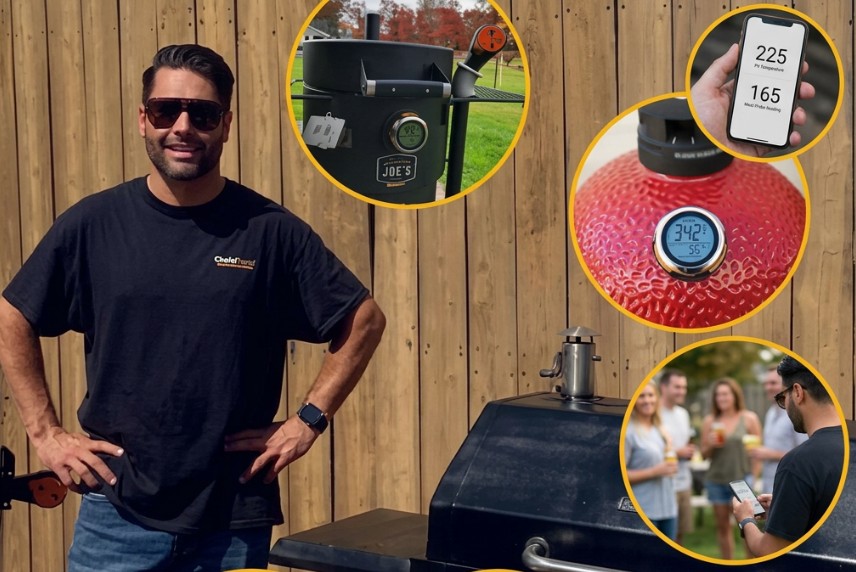
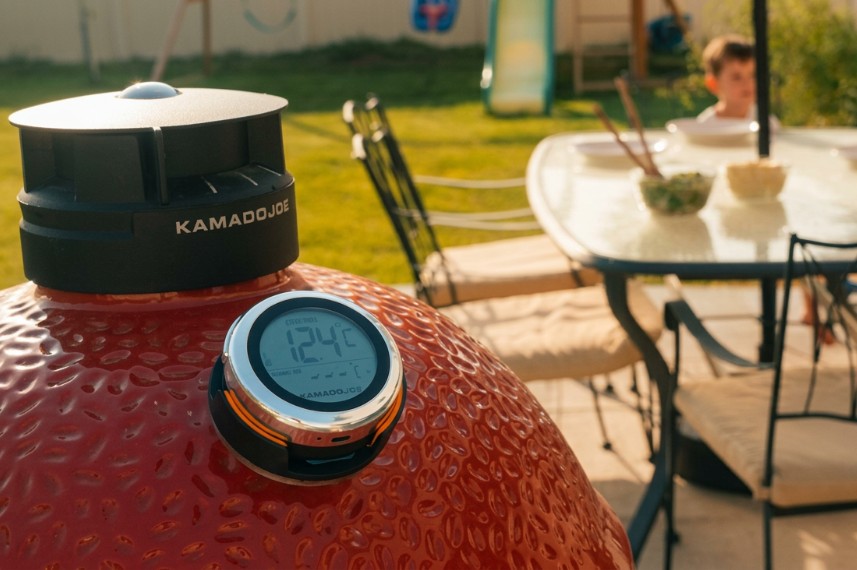
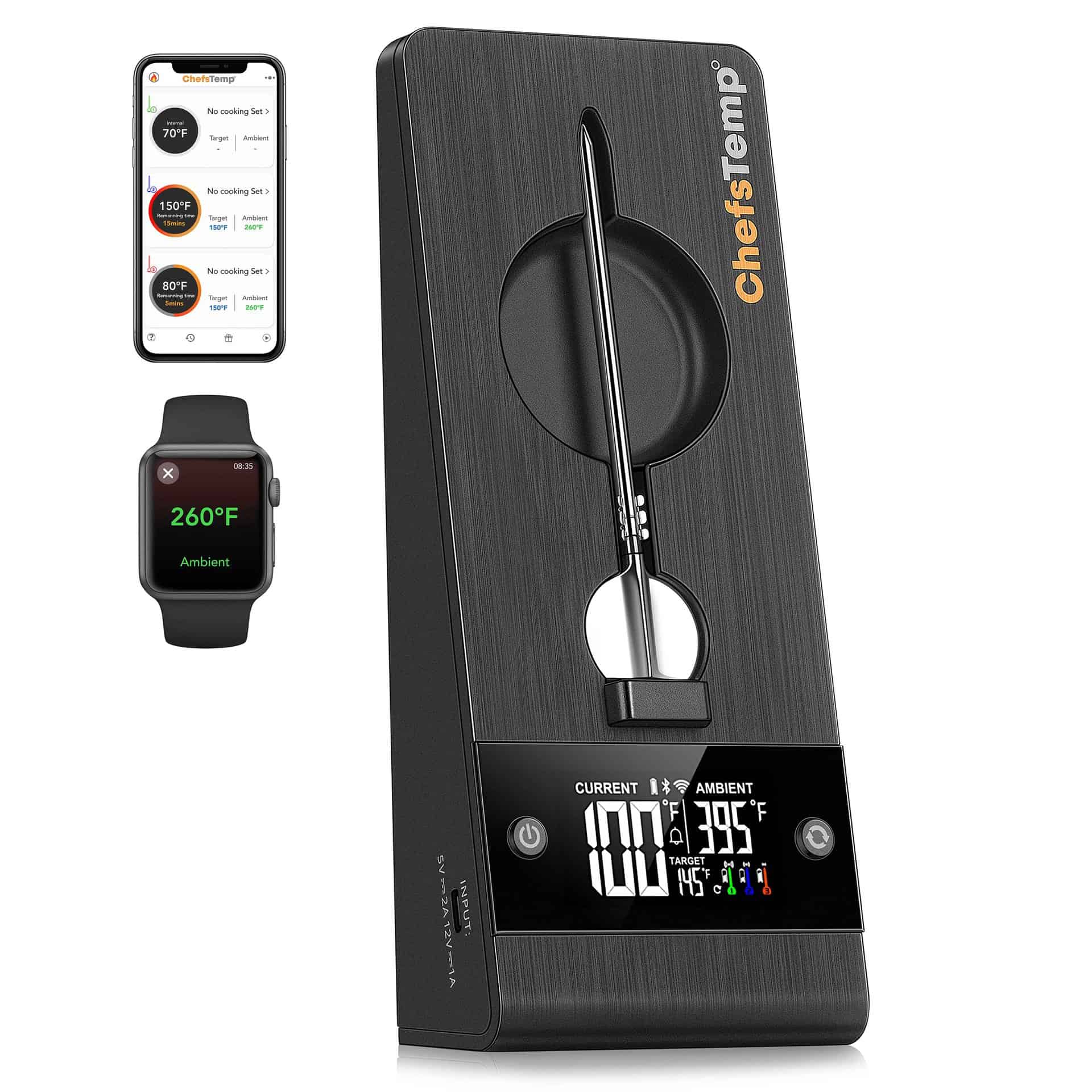
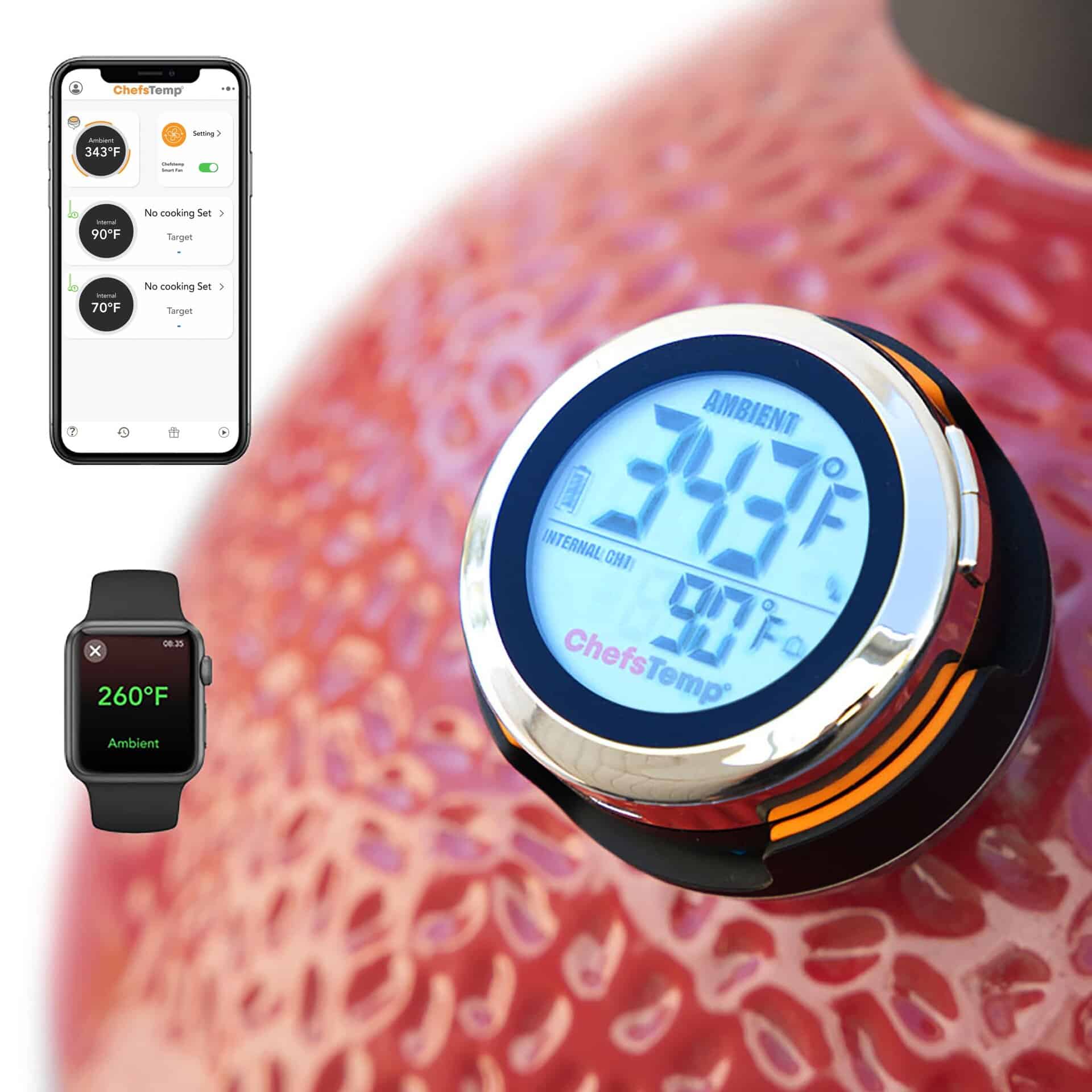
De ProTemp S1 is a Patented Smart Grill Gauge Thermometer Hub that monitors grate temperature and supports automatic airflow control when paired with the Breezo fan. It mounts right where your old dome dial used to sit. The setup stays entirely wireless and clean.
- Built-in Wi‑Fi and Bluetooth let you monitor pit temperature from a phone, and alerts can also appear on supported Apple Watch setups.
- A platinum sensor rated for temperatures up to 1000°F gives the unit enough range for both low-and-slow cooking and high-heat searing.
- Supports up to 4 wireless probes, which is useful when you want to track several cuts at once.
- Optional Breezo Fan pairing adds automatic airflow control, which matters most on long charcoal cooks.
BBQ-apparatuur blijft zich ontwikkelen naarmate de wereldwijde grillmarkt groeit. Je kunt dit geweldige systeem nu in actie zien. Kijk mee en ontdek het zelf. Hoe werkt ProTemp S1 + Breezo op de Kamado Master? Warm & Snel + Laag & Langzaam Temperatuurregeling Werkt feilloos.
Part 5. Bottom Line
Knowing your target temperatures helps you avoid dry, burnt, or undercooked food. Guessing the heat always leads to ruined meals and frustration. Fortunately, learning the six key heat zones builds a rock-solid foundation for your backyard success.
Innovative technology from ChefsTemp removes that manual guesswork completely. The ProTemp S1 can improve temperature tracking on compatible grills, but the grill itself still determines how evenly heat moves across the grate. This handy device gives everyday cooks true commercial-grade accuracy. You easily gain remote monitoring, real-time data, and automatic airflow control. Equip your smoker with ChefsTemp today and completely dominate your next family barbecue.
Deel 6. Veelgestelde vragen over grilltemperaturen
V: Wat zijn de temperaturen van een grill?
Grill temperature is the heat inside the cooking chamber, usually measured at grate level or near the food. It has a huge, variable range. A tough pork shoulder is slowly brought to tenderness over 12 long hours at 225°F. On the other side, a thick ribeye is seared in minutes by a raging 650°F heat. The precise way your meal behaves on the grates depends on the temperature.
V: Waarom is de temperatuur van de grill belangrijk?
Grill temperature matters because too much heat can burn the outside before the inside is done, while too little heat can leave food dry or unsafe. Dinner is safe to eat when the precise goal temperature is met. It also creates that delicious crust that everyone fights over.
V: Hoe meet ik de temperatuur van mijn grill?
Use a grate-level digital probe. Lid dials are useful only for rough trends, not exact cooking control. Your food sits lower on the heavy metal. You need a digital probe resting directly next to the meat. Upgrading to a smart tool like the ProTemp S1 puts commercial platinum sensors to work right where they count.
V: Hoe weet ik of een grill heet genoeg is?
A hand test can give you a rough feel for heat, but a thermometer gives the only reliable reading. If you have to yank it away in two seconds, that fire is screaming hot. It works well in a pinch. Still, guessing ruins expensive grocery runs. Rely on a calibrated digital thermometer to verify the real numbers.
V: Waarom schommelt de temperatuur van mijn grill steeds?
Temperature swings usually come from lid opening, airflow changes, wind, fuel quality, or uneven burn patterns. Cheap charcoal burns in unpredictable, frustrating waves. A sudden gust of wind acts exactly like a blacksmith’s bellows. It feeds the coals unexpected blasts of oxygen that instantly spike the heat.
V: Is de temperatuur van mijn houtskoolgrill beïnvloed door het weer?
Yes. Wind, rain, and cold air can pull heat from the cooker and make fuel burn less efficiently. You spend all afternoon unthinkingly adjusting the vents. Hooking up an automatic blower fan takes over that job and stops those endless temperature swings.
Q: Why does my grill say 400°F but food cooks unevenly?
Because that reading is from the lid, not the grate. The actual cooking surface may be significantly hotter or cooler due to airflow and fuel distribution. Always measure at grate level for accuracy.
Ontdek andere ChefsTemp-producten

Ontdek meer recepten en leer keukentrucs door lid te worden van onze kookcommunity op Facebook.
Dit vind je misschien ook interessant: