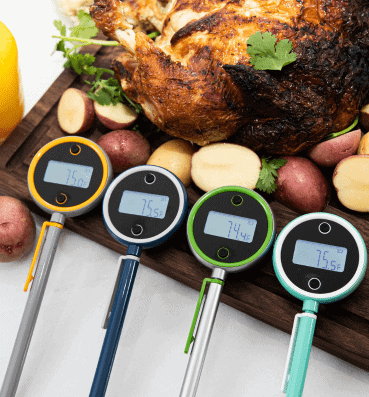
Cocinar el filete perfecto es un reto universal. Todos hemos visto videos que muestran ese momento decisivo. Se corta la carne para revelar su color. A veces es de un rosa perfecto, pero a menudo es gris.
This highlights a big problem: most home cooks guess. According to a consumer survey by the USDA Food Safety and Inspection Service, only about 15% of people consistently use a food thermometer. Guessing doneness by color or touch remains the norm – and it consistently leads to dry, overcooked, or unsafe results.
Afortunadamente, hay una solución fácil. Necesitas un producto de alta calidad. termómetro para carne. Cooking steak with a thermometer instantly transforms an amateur cook into a grill master. It removes the stress of cooking expensive cuts.
Cada vez más cocineros buscan precisión. Para 2035, se prevé que el mercado mundial de termómetros digitales para carne supere los 1500 millones de dólares. Esta guía explica la importancia de la temperatura y cómo usar un termómetro para carne para obtener los mejores resultados.
Parte 1. Por qué un termómetro para carne es tu arma secreta
Great steak cooking is about knowing the numbers. Professional chefs never guess when meat is ready, and you shouldn’t either. If you want restaurant-quality food at home, you need a reliable steak thermometer. It gives you the real data you need to take control of. Here is why this simple gadget is a must-have for your kitchen:
Precisión Control y resultados consistentes
El grosor de la carne, la grasa y el hueso hacen que cada corte sea único. Esto modifica la velocidad de cocción, así que no basta con mirar el reloj. Un filete puede necesitar 8 minutos hoy, pero 12 mañana. Confiar en un temporizador es arriesgado.
En cambio, un termómetro para cocinar carnes muestra con precisión lo que ocurre dentro de la carne. Esto le permite alcanzar la temperatura perfecta en todo momento. Puede evitar servir comidas crudas por dentro o quemadas por fuera.
Previene la sobrecocción y la sequedad
Cocinar demasiado arruina la cena rápidamente. Cuando la carne se calienta demasiado, los músculos se tensan, lo que elimina la humedad natural. El resultado es un trozo de cuero duro y seco en lugar de un bocado jugoso.
Sin embargo, usar un termómetro digital para carne soluciona este problema. Indica exactamente cuándo retirar la carne del fuego. Esto evita que se pierda líquido y conserva el sabor. El resultado es un bocado perfecto, tierno y delicioso en todo momento.

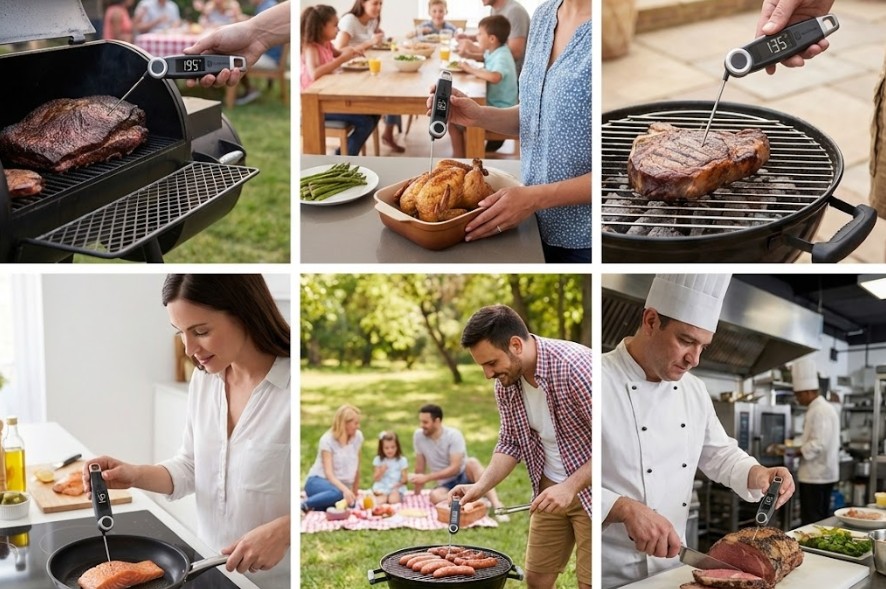
Desde barbacoas en el patio hasta cocinas gourmet, un termómetro digital versátil es su arma secreta para obtener comidas perfectamente cocinadas en todo momento.
Garantía de seguridad alimentaria
Beyond taste, safety is the top priority. You cannot see bacteria, and checking the meat’s color is not a reliable test. You need to be sure. According to the USDA, whole beef cuts must reach an internal temperature of 145°F, followed by a three-minute rest, to be considered safe. Ground beef requires 160°F. Only a reliable internal meat thermometer can confirm these numbers with certainty.
Versatilidad en los estilos de cocina
A steak temperature probe earns its place far beyond the grill. Use it to confirm a roasted chicken hits 165°F, a pork loin reaches 145°F, or a salmon fillet lands at 125°F–130°F for a silky, flaky texture. One tool covers every protein in your kitchen.
Parte 2. Qué mide realmente un termómetro para carne
Cocinar un filete a la perfección parece un arte, pero en realidad es pura ciencia. Entender tu termómetro para carne te ayudará a usarlo mejor. Así es como te ayudará a cocinar a la perfección:
-
How Heat Travels Through a Steak: When you cook a steak, heat travels from the outside in. The surface gets sizzling hot, while the inside remains cool. This difference creates a thermal gradient – meaning the outer crust may read 400°F while the core sits below 120°F. This is exactly why surface color is a poor judge of doneness.
-
Why the Center Temperature Matters Most: El objetivo es medir la parte más fría de la carne. Esta suele ser el centro geométrico. Este número indica el punto de cocción correcto de todo el corte.
-
When to Pull Your Steak Off the Heat: Si el punto central alcanza la temperatura deseada, sabrá que el resto de la carne está lo suficientemente cocida.
Using a high-quality steak measuring tool matters. Modern sensors in the
best instant steak thermometer for steakSon muy sensibles. Detectan rápidamente estos sutiles cambios de temperatura. Esta velocidad permite reaccionar con rapidez. Puedes retirar el filete antes de que la temperatura suba demasiado.
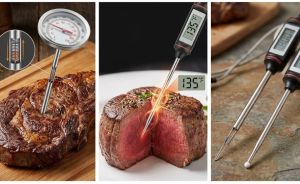
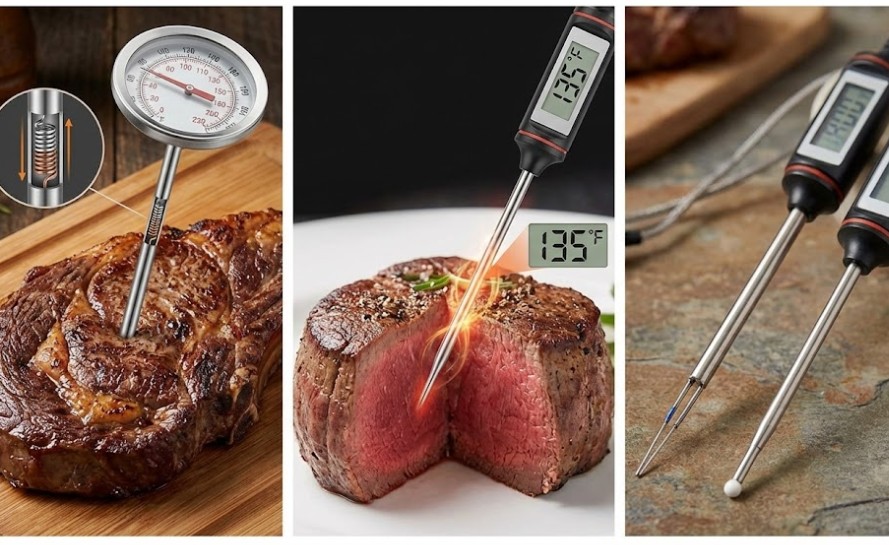
Los termómetros para carne miden con precisión la temperatura interna de la carne para garantizar un punto de cocción perfecto y la seguridad alimentaria.
Parte 3. Cómo usar el termómetro para carne como un profesional
No arruines un buen chuletón por adivinar. Solo unos pocos grados separan una comida deliciosa de un trozo de cuero duro.
Utilice correctamente su termómetro para carne for restaurant-quality results. These steps help you master the steak measuring tools and grill with total confidence:
Paso 1: Elegir el tipo correcto de termómetro
You need the right steak measuring tool for the job. Generally, you will choose between two main styles:
-
Termómetros de lectura instantánea: These handheld devices are your go-to
thermometers for grilling. You insert the metal tip, get a fast reading, and pull it away. They are perfect for steaks, pork chops, and other thin cuts. Speed is the most important thing here. You want a
professional-grade meat thermometer for home cooks Eso te da un número en menos de 3 segundos. Si es demasiado lento, te quemarás la mano con la parrilla caliente mientras esperas.
-
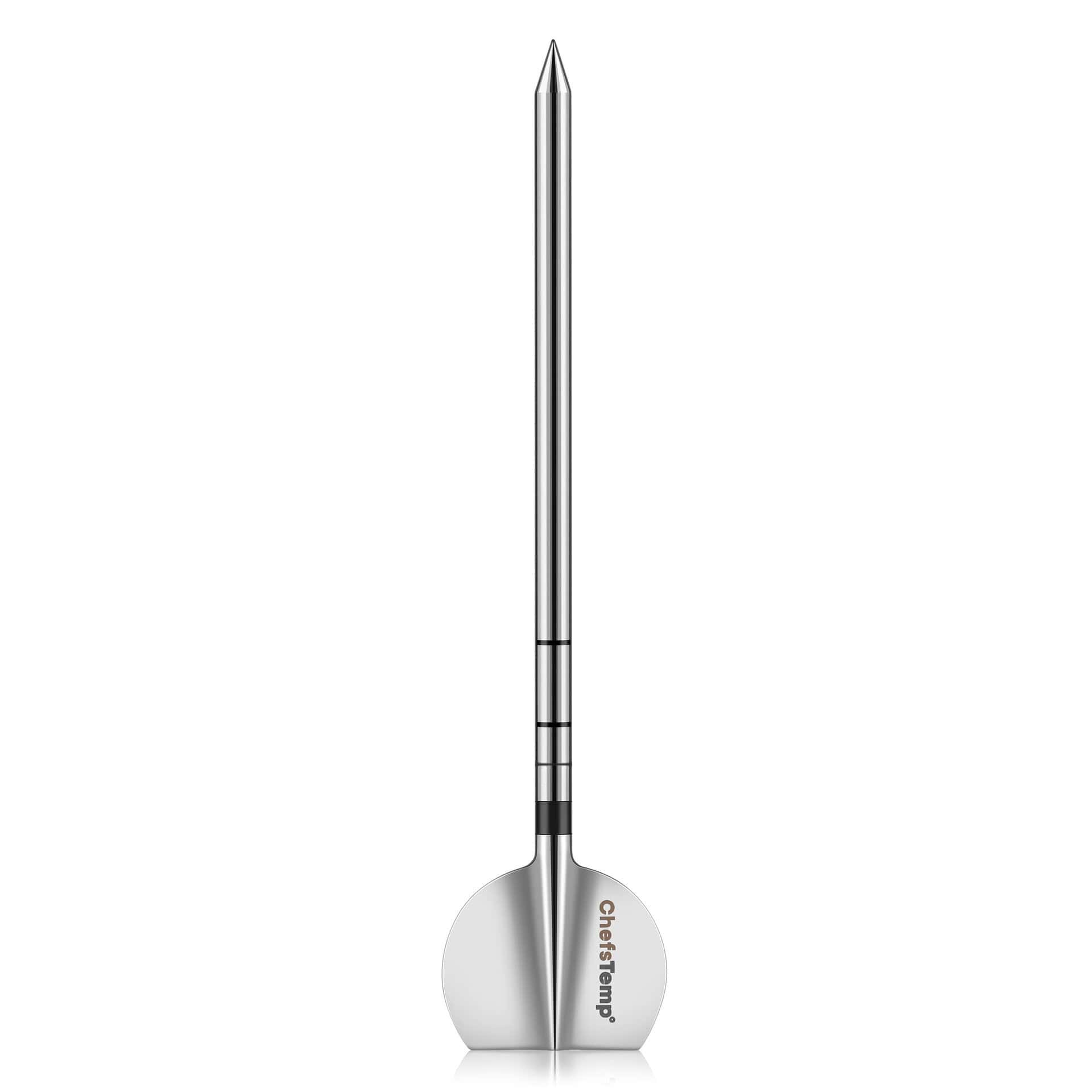
Termómetros de sonda sin enjuague: Estos son diferentes. Tienen una sonda conectada a un cable. El cable se conecta a la base. La sonda se deja dentro de la carne mientras se cocina. Funciona mejor con un pavo grande para Acción de Gracias o una falda de res ahumada lentamente. Sin embargo, los cables pueden estorbar si se quiere sellar un filete rápidamente.
Let’s compare Instant-Read vs Probe Thermometer features:
|
Característica
|
Instant-Read
|
Leave-In Probe
|
|
Velocidad
|
1–3 sec
|
Continuous
|
|
Best Use
|
Bife
|
Roasts, brisket
|
|
Convenience
|
High
|
Medio
|
|
Lid/Oven Access Needed
|
Sí
|
No |
Paso 2: Colocación correcta de la sonda
Colocar la sonda de forma incorrecta dará como resultado una lectura errónea.
-
Encuentra el Centro: Siempre intenta cocinar la parte más gruesa del filete. Aquí es donde la cocción tarda más.
-
Pasar por el lateral: For steaks under 1.5 inches thick, insert the probe horizontally from the side to reach the true center. For thicker cuts over 1.5 inches, inserting straight down from the top works well – just angle the probe slightly toward the center mass.
-
Evite los huesos y la grasa: Apunta con cuidado. El hueso se calienta muy rápido. La grasa se calienta más que el músculo. Si le das a un hueso o a un trozo grande de grasa, obtendrás una lectura falsamente alta. Tu termómetro podría marcar 67 °C, pero la carne junto al hueso aún está cruda.
-
El método de retroceso: Si no estás seguro, prueba este truco para encontrar la parte más fría. Empuja la sonda más allá del centro. Luego, retírala lentamente. Observa cómo cambian los números. El número más bajo que veas es la temperatura central real.
Paso 3: Pautas de temperatura para la perfección
Aim for a final resting temperature of 135°F for a perfect pink center. Use this chart to find your favorite spot.
Nota: Por seguridad, el USDA recomienda cocinar cortes enteros de carne de res a 145 °F.
Paso 4: Contabilización de la cocción residual
La mayoría de la gente no sabe que la carne se cocina al retirarla del fuego. El calor residual de las capas externas se desplaza al centro. Los chefs llaman a este proceso "cocción por arrastre".
To finish at 135°F (Medium-Rare), remove the steak when it reads 130°F. The temperature rises about 5°F while resting a steak. If you wait until it reaches 135°F, it will end up Medium. A sensitive meat thermometer steak temp reader helps you catch this moment perfectly.
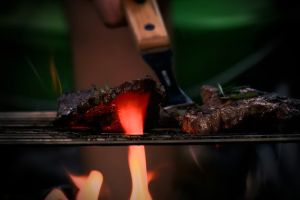
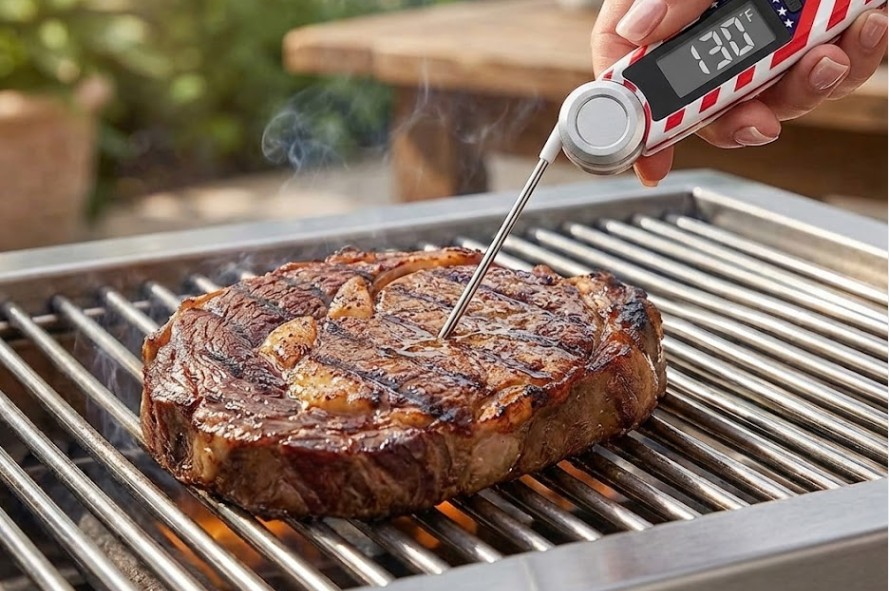
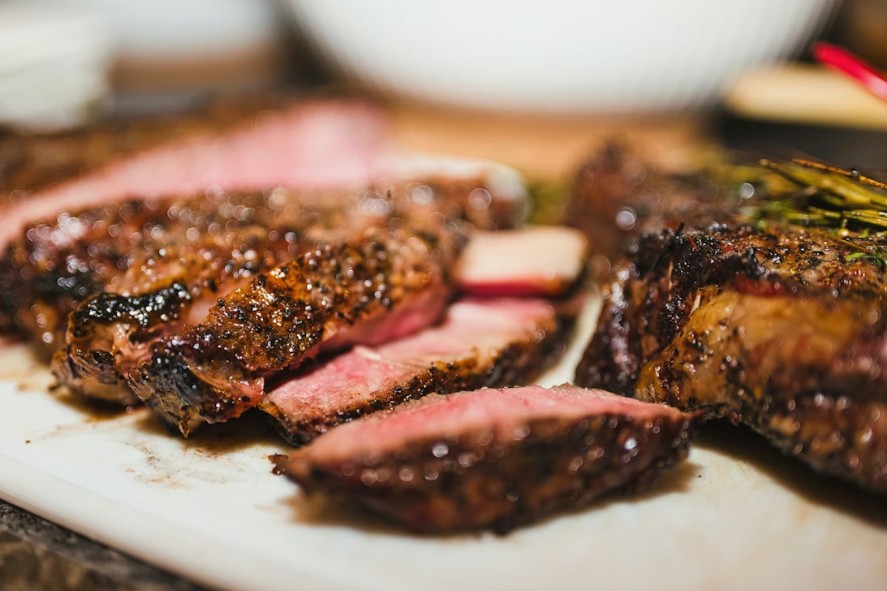
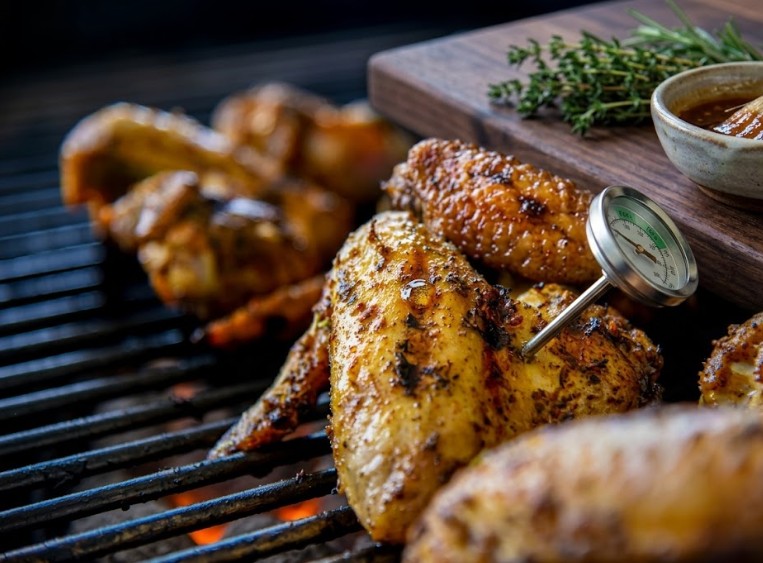
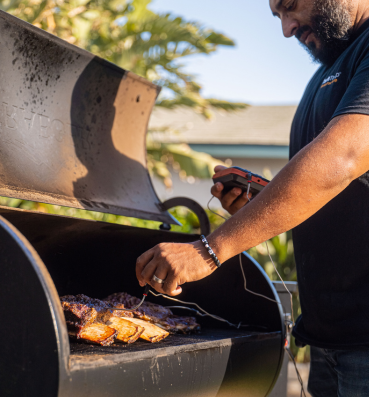
Filetes chisporroteantes a la parrilla, cocinados a la perfección con un toque profesional.
Parte 4. Consejos adicionales para preparar tu filete perfecto en todo momento
Cocinar un buen filete requiere práctica. Para que siempre quede perfecto, sigue estos sencillos consejos para sacarle el máximo partido a tu termómetro. Esto te ayudará a comprobar la temperatura correctamente, para que la carne quede en su punto justo.
El reverso Marchito Método
Empieza con el sellado inverso. Este método cocina filetes gruesos a la perfección. Suena sofisticado, pero en realidad es sencillo. Primero, cocina el filete en el horno a baja temperatura. Usa una sonda térmica o revisa la carne con frecuencia con un utensilio de cocina.
Watch the temperature closely. If your goal is Medium-Rare (135°F), pull the steak from the oven at 110°F-115°F. The quick, high-heat sear will add the final 20°F, delivering a perfectly pink center with a crispy crust. Always confirm with your digital steak thermometer before serving.
Templado la carne
Saque el filete del refrigerador 30 minutos antes de cocinarlo. Déjelo reposar en la encimera a temperatura ambiente. Esto se llama atemperar. La carne fría se cocina de forma desigual. Si el filete está frío, el exterior se quema antes de que el interior esté listo. Dejar que se caliente facilita la distribución del calor por la carne.
Why Resting Your Steak Locks in Juices
Nunca cortes un filete justo después de cocinarlo. Debes esperar. Los jugos calientes se mueven en el interior. Si cortas la carne, esos jugos se derraman. El filete queda seco.
En lugar de eso, deja reposar el filete de 5 a 10 minutos. La carne reabsorberá los líquidos y la temperatura se estabilizará. Aprovecha este tiempo de inactividad para limpiar el sensor de temperatura del filete con una toallita con alcohol y así estará listo para la próxima vez.
Comprobación de la calibración
Trust your steak measuring tools. Even the best gear needs a check-up. Test your device with a glass of ice water. Fill a tall glass with crushed ice, then add just enough cold water to fill the gaps. Stir for 30 seconds.
Insert the probe at least 2 inches deep without touching the sides or bottom of the glass. A properly calibrated thermometer reads exactly 32°F (0°C). If it reads off, recalibrate or replace the unit immediately.
Part 5. What is the Best Steak Thermometer for Home Cooks
Picking the right steak thermometer is one of the smartest moves any home cook can make. Not all thermometers are equal, though. Cheap, slow models can cost you a perfectly cooked steak. On a blazing hot grill, a 15-second delay is genuinely dangerous.
Fortunately, there is a type for every cook and every budget:
- Termómetros de lectura instantánea: Deliver a reading in under two seconds. These are absolute lifesavers when searing high-heat cuts like flank or thin ribeyes, where seconds matter.
- Leave-in probe thermometers: Perfect for the oven stage of a thick Tomahawk reverse-sear, allowing you to track the rising internal heat without opening the door.
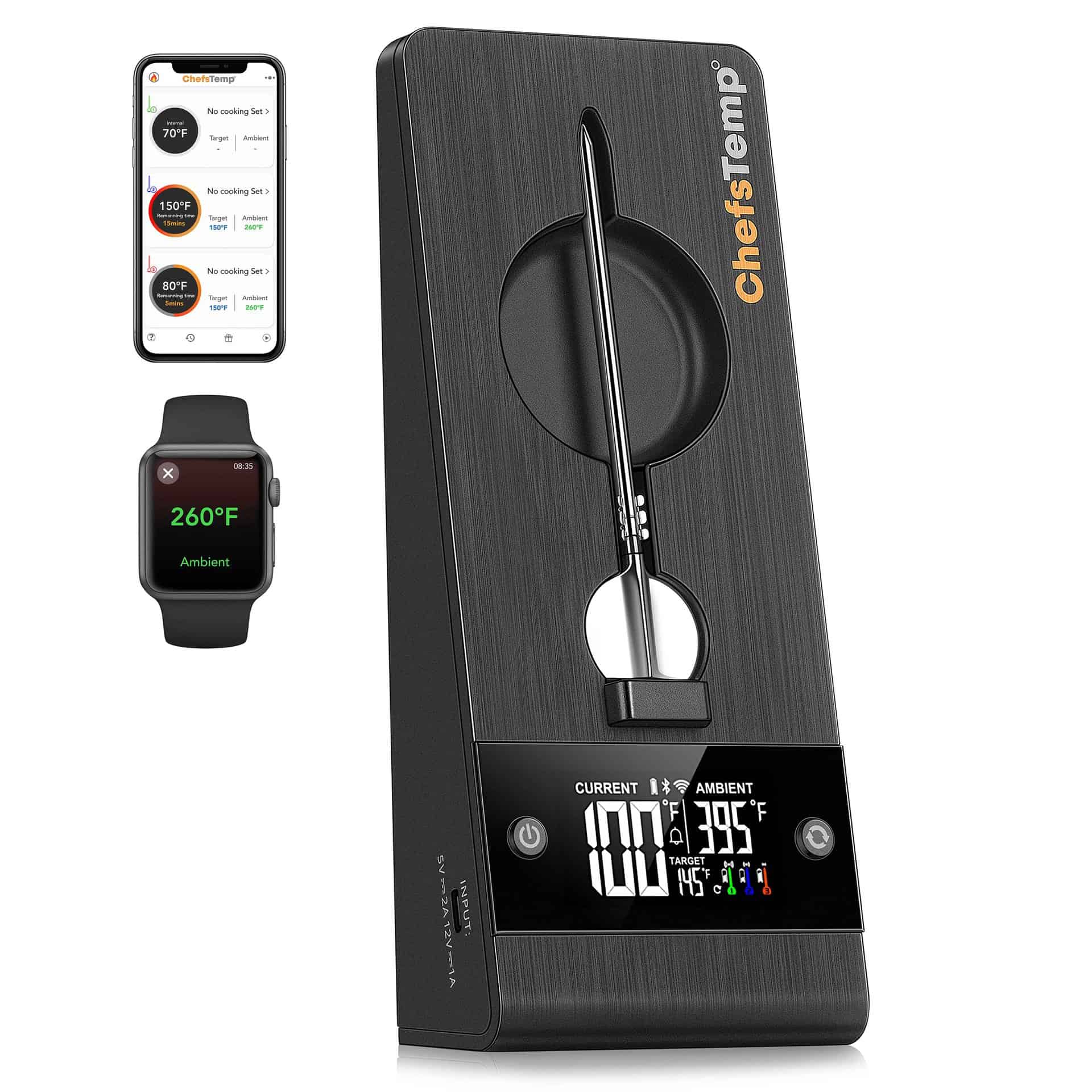
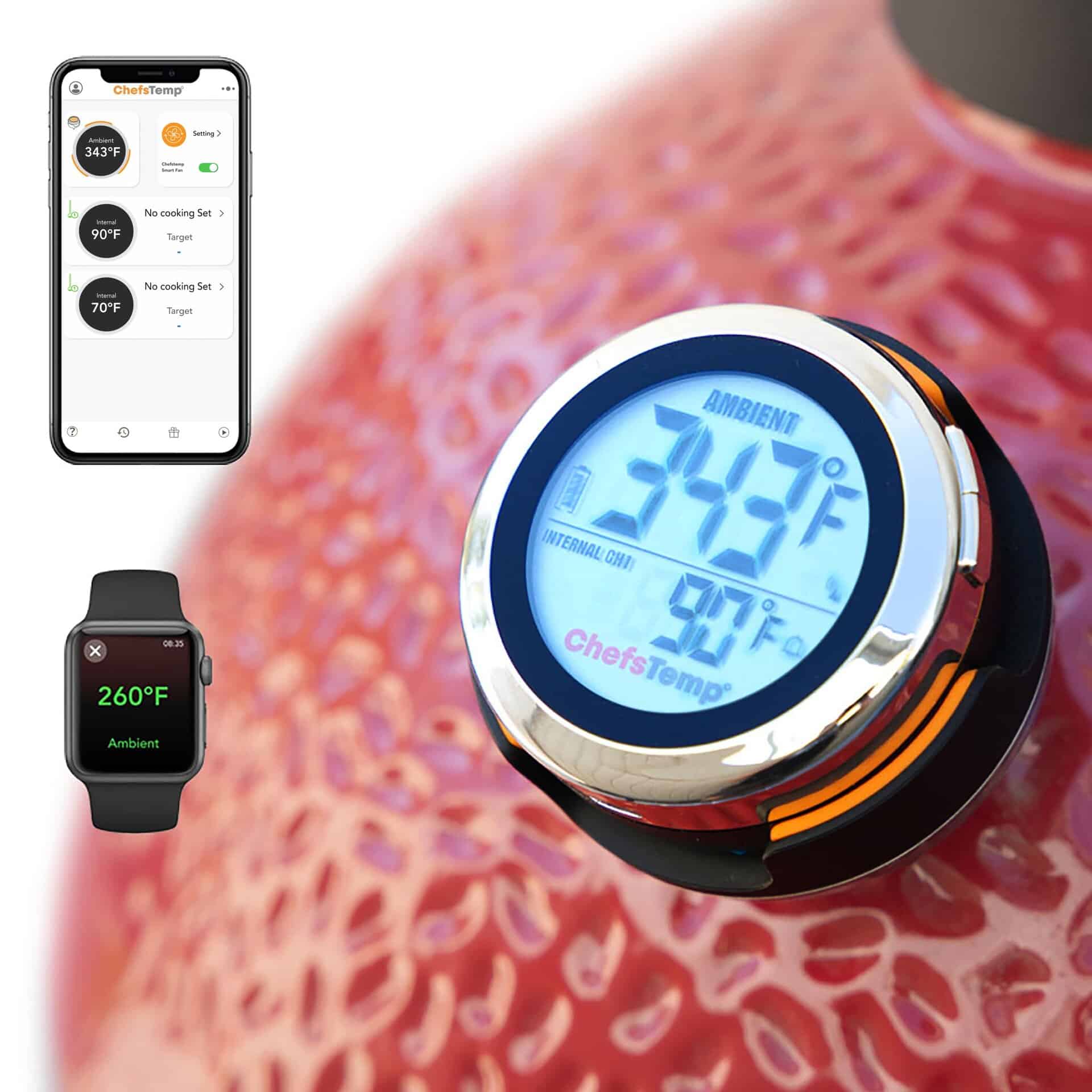
- Wireless Bluetooth thermometers: Ideal for multi-tasking hosts. You can mingle with guests while your phone tracks the steak’s progression on the grill.
- Dial thermometers: While traditional and budget-friendly, they are generally too slow and leave too large a puncture hole for delicate steaks.
Matching thermometer type to cooking method:
- Grilling steaks: Instant-read thermometer for fast spot checks
- Oven roasting or smoking: Leave-in probe or wireless Bluetooth thermometer for hands-off monitoring.
- Pan-searing thin cuts: Instant-read thermometer for rapid final verification.
- Reverse sear method: Leave-in probe during the oven phase; instant-read during the sear.
Each steak measuring tool removes all guesswork from the process. Beyond speed, accuracy matters most. A reliable thermometer steak tool with tight precision tells you exactly when the meat hits your target — rare, medium, or well done.
Ultimately, great steak cooking comes down to one habit: always measure before you plate. The right thermometer gives you the confidence to nail the perfect result every single time.
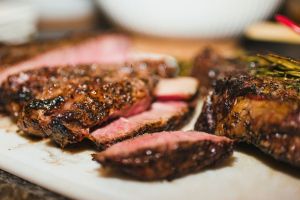
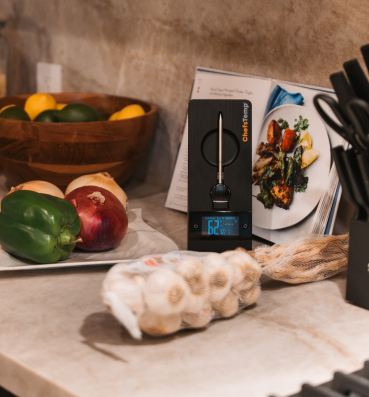
¡Cortado a la perfección! Mejora tu filete con la precisión de un termómetro profesional.
Parte 6. Conclusión
Cocinar un filete perfecto requiere habilidad. Pinchar la carne con el pulgar es solo una suposición. No es preciso. Para comidas caseras con calidad de restaurante, se necesita precisión absoluta. termómetro para carne Marca la diferencia entre una comida buena y una excelente. Mantiene la comida segura y conserva el jugo.
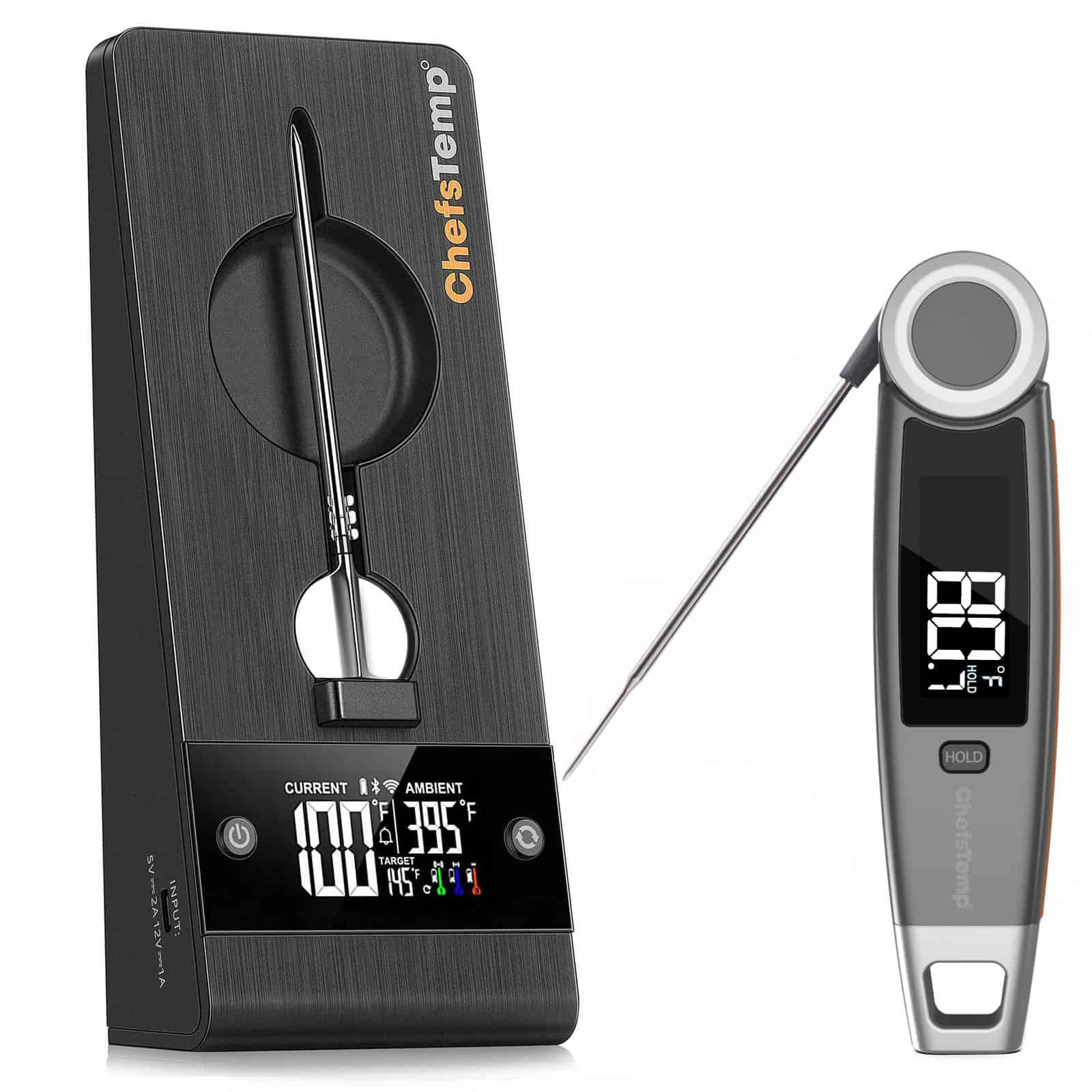
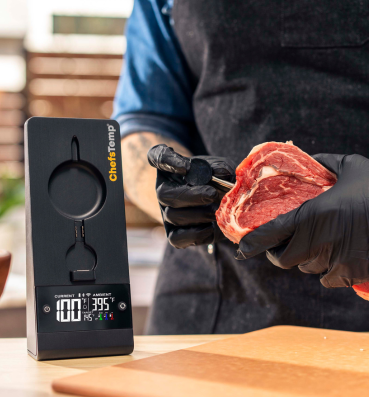
ChefsTemp brings professional power straight to your kitchen. Our thermometer steak tools are built for speed and accuracy. Whether you are grilling outside or roasting inside, the
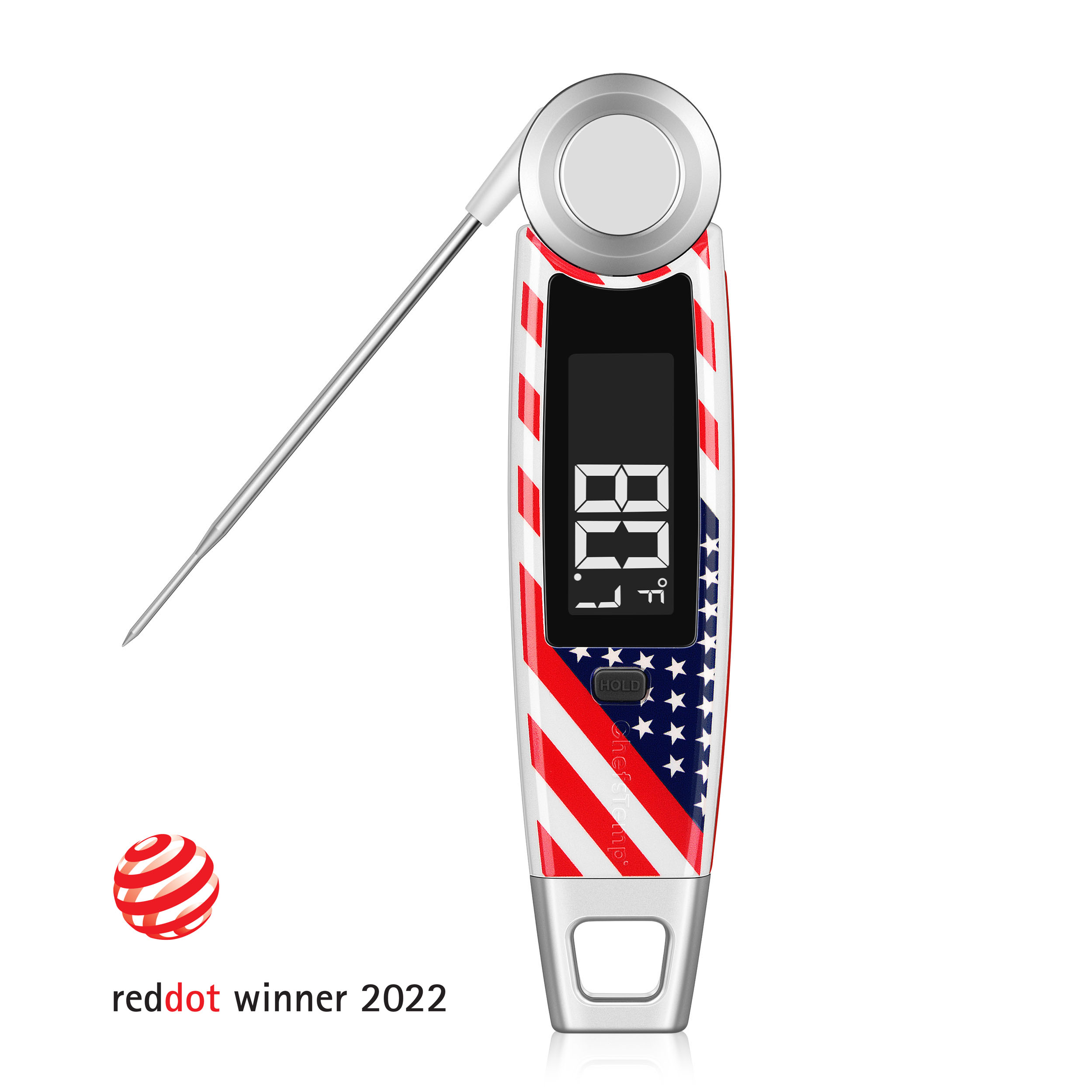
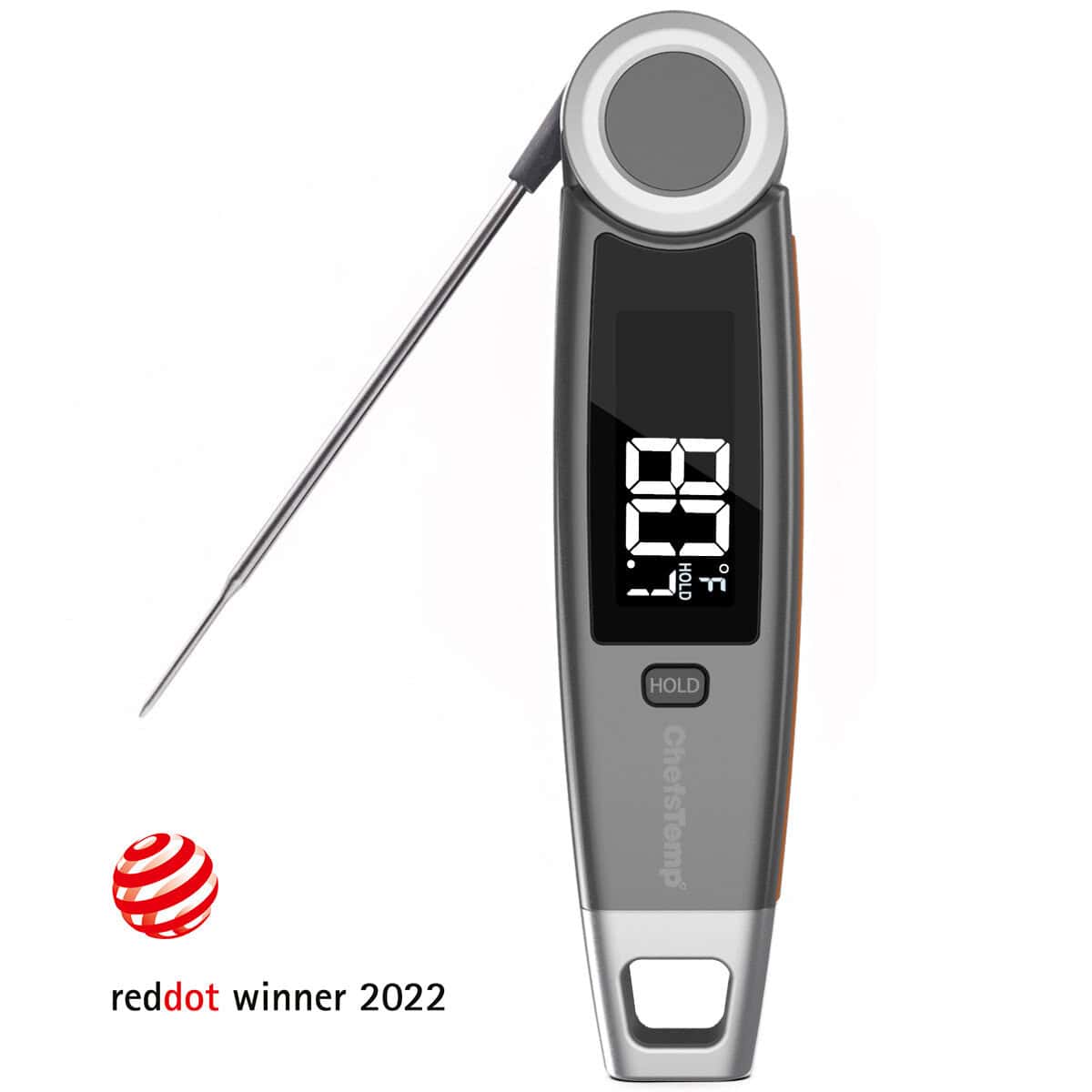
Finaltouch Professional Instant Read Steak Thermometer puts you in total control. Stop guessing. Check the temperature, hit your number, and serve the best steak of your life.
Parte 7. Preguntas frecuentes sobre el termómetro para carne
Q1: Does using a steak thermometer dry out the meat?
A quality steak thermometer uses an ultra-thin, step-down probe, often just 1.5mm at the tip, meaning any lost moisture is practically invisible. Overcooking will always do far more damage to your steak than a quick temperature check ever will. You trade a single drop of juice for edge-to-edge perfection. It makes total sense.
Q2: How do I know if my steak thermometer is accurate?
Twice a year is plenty. Test it immediately if it takes a hard spill onto your tile floor, though. An ice bath is your ground truth here. A glass packed with crushed ice and water sits squarely at 32°F. Submerge the tip. If the screen hits that number, your digital steak thermometer is dead on.
Q3: What is the difference between instant-read and oven-safe thermometers?
No. High ambient oven heat will melt the plastic housing and fry the internal electronics instantly. For long roasts, you need a specialized wired unit built to survive the oven. Leave your instant-read thermometer exactly where it belongs. Keep it resting safely on the cool kitchen counter until checking time.
P4: ¿Cuál es el mejor termómetro para carne para un principiante?
Start simple. A quality instant-read digital model handles almost every kitchen task imaginable. You want something fast with a highly visible display. The ChefsTemp Finnaltouch X10 instant-read steak thermometer hits that sweet spot perfectly. It reads core temperatures in a flash. Having reliable, split-second feedback builds solid cooking intuition before any bad habits form.
Q5: ¿Por qué mi termómetro muestra diferentes temperaturas en distintos lugares?
Muscle, fat, and bone all conduct heat at entirely different rates. The outer edges sear while the deep center stays cool. It resembles a thermal map. Finding cold spots is completely normal. Probe the absolute thickest section of the raw cut. The lowest temperature you find dictates the actual doneness of your entire evening meal.
P6: ¿Los chefs profesionales realmente utilizan termómetros para carne?
Yes. Even veteran line cooks rely on them. Intuition is great for estimating, but paying customers demand absolute consistency. Guessing leads to returned plates. A quick core temperature check acts like an insurance policy during a chaotic dinner rush. It guarantees the steak hits the exact target doneness before ever leaving the kitchen pass.
P7: ¿Cómo limpio la sonda de temperatura de mi bistec?
Treat it like a sharp knife. Keep an antibacterial wipe or a simple alcohol pad handy by the grill. Wipe the metal tip immediately after probing raw or partially cooked meat to prevent cross-contamination. When dinner is done, wash the tip with warm, soapy water. Never submerge the whole unit in the sink. Water ruins those delicate electronics instantly. Keep the display housing dry unless your specific steak temperature probe is officially waterproof.
Q8: Do professional chefs really use meat thermometers?
Yes. Visual cues frequently lie. A beautifully charred crust often hides a completely raw, cold center. Relying on touch is equally flawed. A good steak thermometer removes the anxiety of ruining an expensive piece of beef. It provides objective data. You stop guessing and start cooking with the exact precision premium meat demands.