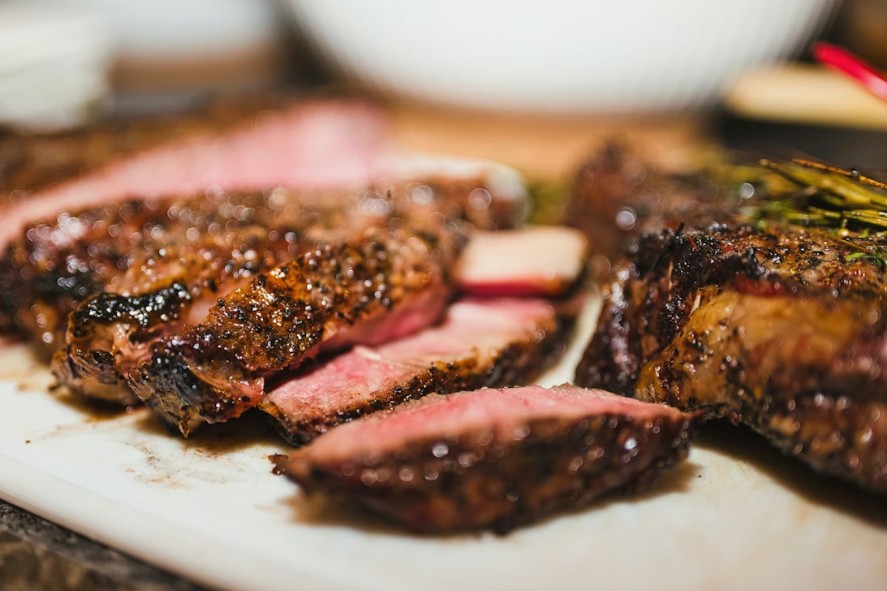
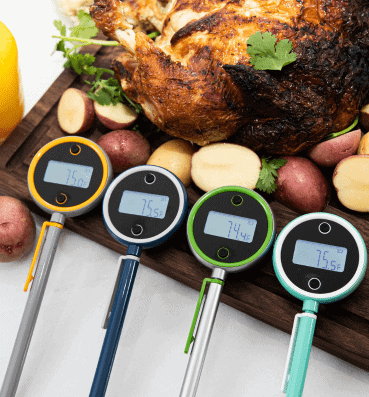
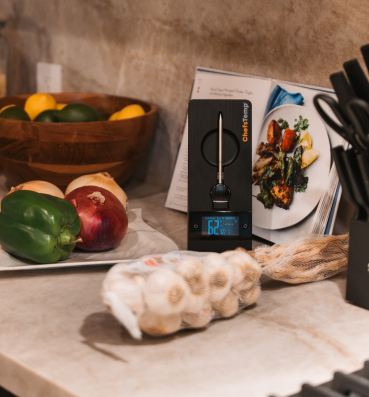
Cucinare la bistecca perfetta è una sfida universale. Abbiamo tutti visto video che mostrano quel "momento della verità". Si taglia la carne per rivelarne il colore. A volte è rosa perfetto, ma spesso è grigio.
This highlights a big problem: most home cooks guess. According to a consumer survey by the USDA Food Safety and Inspection Service, only about 15% of people consistently use a food thermometer. Guessing doneness by color or touch remains the norm – and it consistently leads to dry, overcooked, or unsafe results.
Fortunatamente, esiste una soluzione semplice. Hai bisogno di un'alta qualità termometro per bistecca. Cooking steak with a thermometer instantly transforms an amateur cook into a grill master. It removes the stress of cooking expensive cuts.
Sempre più cuochi vogliono la precisione. Entro il 2035, si prevede che il mercato globale di questi termometri digitali per carne supererà 1,5 miliardi di dollari. Questa guida spiega perché la temperatura è importante e come utilizzare un termometro per carne per ottenere i migliori risultati.
Parte 1. Perché un termometro per bistecche è la tua arma segreta
Great steak cooking is about knowing the numbers. Professional chefs never guess when meat is ready, and you shouldn’t either. If you want restaurant-quality food at home, you need a reliable steak thermometer. It gives you the real data you need to take control of. Here is why this simple gadget is a must-have for your kitchen:
Precisione Controllo e risultati coerenti
Spessore, grasso e ossa della carne rendono ogni taglio unico. Questo cambia la velocità di cottura, quindi guardare l'orologio non basta. Una bistecca potrebbe richiedere 8 minuti oggi, ma 12 domani. Affidarsi a un timer è un azzardo.
Un termometro da cucina per bistecche mostra invece con precisione cosa succede all'interno della carne. Questo ti permette di raggiungere la temperatura perfetta ogni volta. Puoi smettere di servire cene crude al centro o bruciate all'esterno.
Previene la cottura eccessiva e la secchezza
Cuocere troppo rovina rapidamente la cena. Quando la carne diventa troppo calda, i muscoli si irrigidiscono. Questo fa perdere l'umidità naturale. Il risultato è un pezzo di pelle duro e secco invece di un boccone succulento.
Tuttavia, l'uso di un termometro digitale per bistecche risolve questo problema. Indica esattamente quando togliere la carne dal fuoco. Questo impedisce la perdita di liquidi e ne preserva il sapore. Il risultato è un boccone perfetto, tenero e delizioso ogni volta.
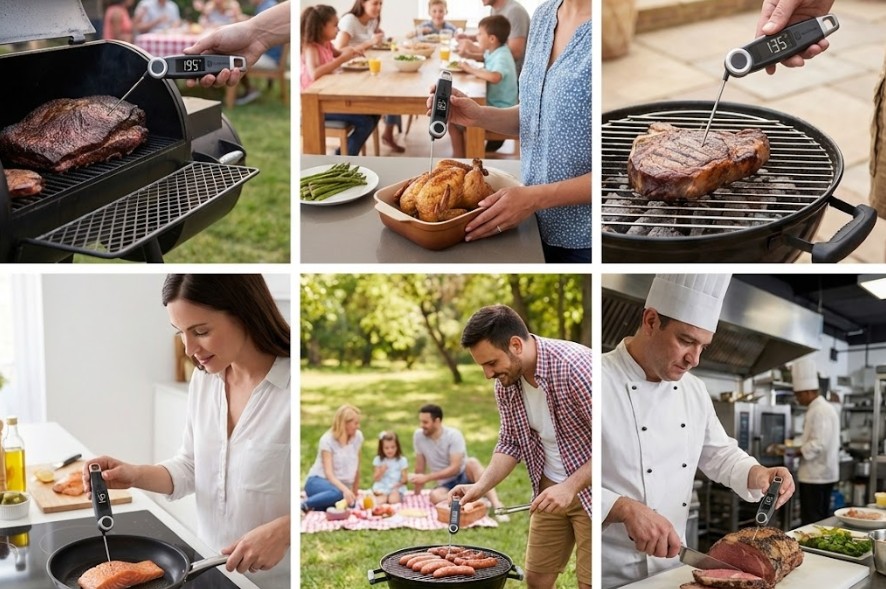
Dai barbecue in giardino alle cucine gourmet, un termometro digitale versatile è la tua arma segreta per cucinare sempre alla perfezione.
Garanzia di sicurezza alimentare
Beyond taste, safety is the top priority. You cannot see bacteria, and checking the meat’s color is not a reliable test. You need to be sure. According to the USDA, whole beef cuts must reach an internal temperature of 145°F, followed by a three-minute rest, to be considered safe. Ground beef requires 160°F. Only a reliable internal meat thermometer can confirm these numbers with certainty.
Versatilità negli stili di cucina
A steak temperature probe earns its place far beyond the grill. Use it to confirm a roasted chicken hits 165°F, a pork loin reaches 145°F, or a salmon fillet lands at 125°F–130°F for a silky, flaky texture. One tool covers every protein in your kitchen.
Parte 2. Cosa misura realmente un termometro per bistecca
Cucinare una bistecca alla perfezione sembra un'arte, ma in realtà è solo scienza. Conoscere il termometro per bistecca ti aiuta a usarlo meglio. Ecco come ti aiuterà a cucinare alla perfezione:
-
How Heat Travels Through a Steak: When you cook a steak, heat travels from the outside in. The surface gets sizzling hot, while the inside remains cool. This difference creates a thermal gradient – meaning the outer crust may read 400°F while the core sits below 120°F. This is exactly why surface color is a poor judge of doneness.
-
Why the Center Temperature Matters Most: L'obiettivo è misurare la parte più fredda della carne. Di solito, si tratta del centro geometrico. Questo singolo numero indica il grado di cottura ottimale dell'intero taglio.
-
When to Pull Your Steak Off the Heat: Se il punto centrale raggiunge la temperatura desiderata, significa che il resto della carne è cotto a sufficienza.
Using a high-quality steak measuring tool matters. Modern sensors in the
best instant steak thermometer for steakSono estremamente sensibili. Rilevano rapidamente queste sottili variazioni di calore. Questa velocità consente di reagire rapidamente. È possibile rimuovere la bistecca prima che la temperatura salga troppo.
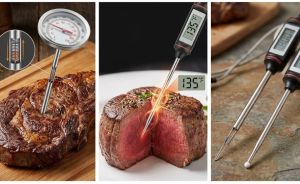
I termometri per bistecche misurano con precisione la temperatura interna della carne per garantire una cottura perfetta e la sicurezza alimentare.
Parte 3. Come usare il termometro per bistecche come un professionista
Non rovinare una bella costata di manzo con le tue supposizioni. Solo pochi gradi separano un pasto delizioso da un pezzo di pelle cotta al punto giusto.
Usa correttamente il termometro per bistecche for restaurant-quality results. These steps help you master the steak measuring tools and grill with total confidence:
Fase 1: scelta del tipo giusto di termometro
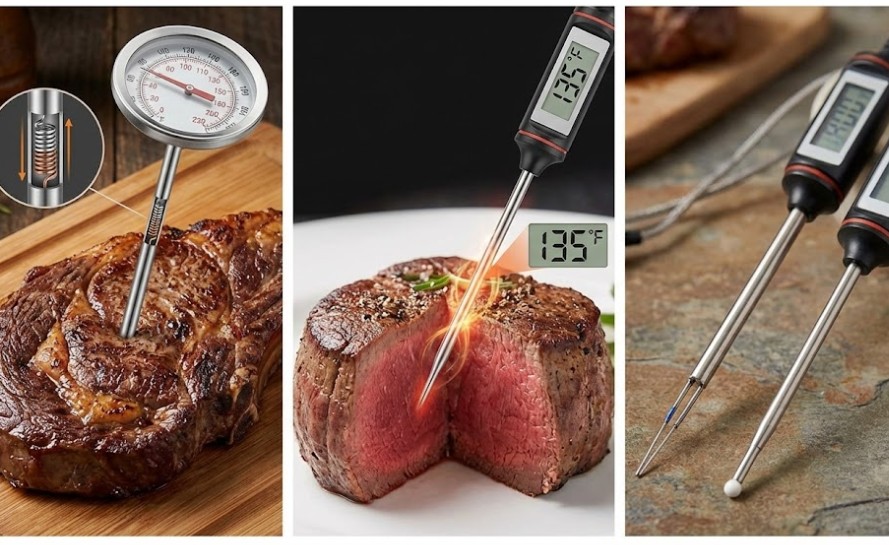
You need the right steak measuring tool for the job. Generally, you will choose between two main styles:
Let’s compare Instant-Read vs Probe Thermometer features:
|
Caratteristica
|
Instant-Read
|
Leave-In Probe
|
|
Velocità
|
1–3 sec
|
Continuous
|
|
Best Use
|
Bistecca
|
Roasts, brisket
|
|
Convenience
|
High
|
Medio
|
|
Lid/Oven Access Needed
|
SÌ
|
NO |
Fase 2: posizionamento corretto della sonda
Posizionando la sonda in modo errato si ottiene una lettura errata.
-
Trova il Centro: Puntate sempre alla parte più spessa della bistecca. È lì che la cottura richiede più tempo.
-
Passare attraverso il lato: For steaks under 1.5 inches thick, insert the probe horizontally from the side to reach the true center. For thicker cuts over 1.5 inches, inserting straight down from the top works well – just angle the probe slightly toward the center mass.
-
Evitare ossa e grasso: Mira con attenzione. Le ossa si scaldano molto velocemente. Il grasso si scalda più dei muscoli. Se colpisci un osso o un grosso pezzo di grasso, otterrai una temperatura falsamente alta. Il tuo termometro potrebbe segnare 61 °C, ma la carne vicino all'osso è ancora cruda.
-
Il metodo Pull-Back: Se non sei sicuro, prova questo trucco per trovare la parte più fredda. Spingi la sonda oltre il centro. Poi, estraila lentamente. Osserva i numeri che cambiano. Il numero più basso che vedi è la temperatura interna effettiva.
Fase 3: Linee guida sulla temperatura per la perfezione
Aim for a final resting temperature of 135°F for a perfect pink center. Use this chart to find your favorite spot.
Nota: Per motivi di sicurezza, l'USDA consiglia di cuocere i tagli interi di manzo a 145 °F.
Fase 4: Contabilizzazione della cottura di riporto
Molti non lo sanno: la carne continua a cuocere anche quando viene tolta dal fuoco. Il calore residuo degli strati esterni si sposta verso il centro. Gli chef chiamano questo processo "cottura a riporto".
To finish at 135°F (Medium-Rare), remove the steak when it reads 130°F. The temperature rises about 5°F while resting a steak. If you wait until it reaches 135°F, it will end up Medium. A sensitive meat thermometer steak temp reader helps you catch this moment perfectly.
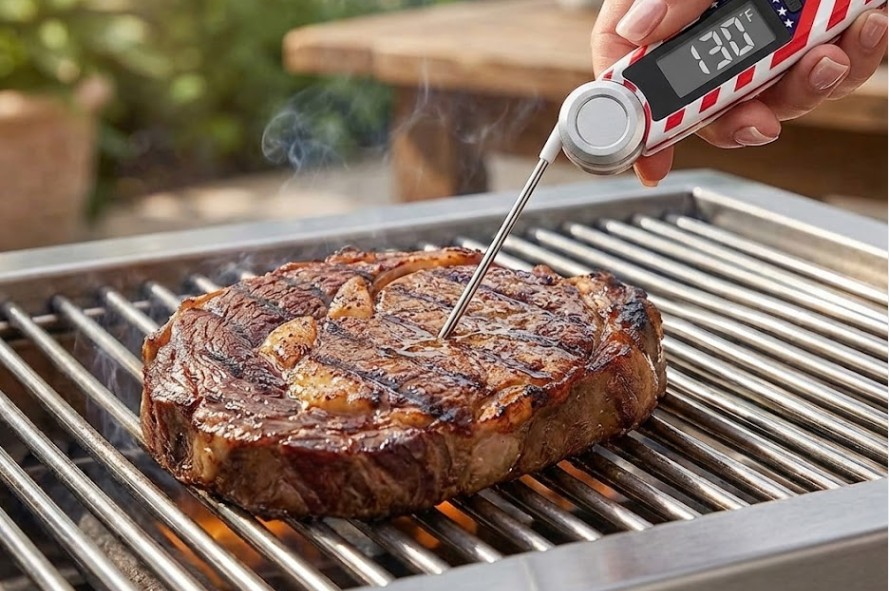
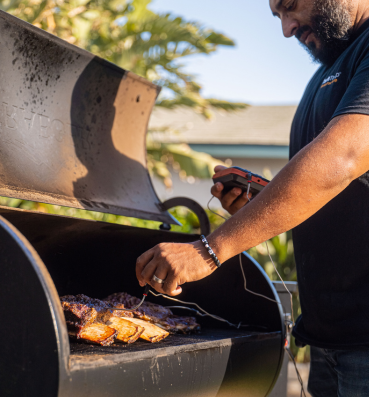
Bistecche sfrigolanti sulla griglia, cotte alla perfezione con un tocco professionale.
Parte 4. Consigli extra per preparare ogni volta una bistecca perfetta
Per cucinare un'ottima bistecca ci vuole pratica. Per ottenere un morso perfetto ogni volta, segui questi semplici consigli per sfruttare al meglio il tuo termometro. Questo ti aiuterà a controllare correttamente la temperatura, in modo che la carne sia cotta al punto giusto.
Il contrario Sear Metodo
Inizia con la rosolatura inversa. Questo metodo cuoce alla perfezione le bistecche spesse. Sembra sofisticato, ma in realtà è semplice. Per prima cosa, cuoci la bistecca in forno a bassa temperatura. Usa una sonda per la cottura a fuoco lento o controlla spesso la carne con il tuo utensile portatile.
Watch the temperature closely. If your goal is Medium-Rare (135°F), pull the steak from the oven at 110°F-115°F. The quick, high-heat sear will add the final 20°F, delivering a perfectly pink center with a crispy crust. Always confirm with your digital steak thermometer before serving.
Tempra la carne
Togliete la bistecca dal frigorifero 30 minuti prima di cuocerla. Lasciatela riposare sul tavolo a temperatura ambiente. Questo procedimento si chiama "temperatura". La carne fredda cuoce in modo non uniforme. Se la bistecca è fredda, l'esterno brucia prima che l'interno sia pronto. Lasciarla riscaldare aiuta il calore a diffondersi uniformemente nella carne.
Why Resting Your Steak Locks in Juices
Non tagliare mai una bistecca subito dopo la cottura. Devi aspettare. I succhi caldi si muovono all'interno. Se tagli la carne, quei succhi fuoriescono. La bistecca finisce per essere asciutta.
Lasciate invece riposare la bistecca per 5-10 minuti. La carne riassorbirà i liquidi. Anche la temperatura si stabilizzerà. Approfittate di questo momento di riposo per pulire la sonda di temperatura della bistecca con una salvietta imbevuta di alcol, così sarà pronta per la prossima volta.
Controllo della calibrazione
Trust your steak measuring tools. Even the best gear needs a check-up. Test your device with a glass of ice water. Fill a tall glass with crushed ice, then add just enough cold water to fill the gaps. Stir for 30 seconds.
Insert the probe at least 2 inches deep without touching the sides or bottom of the glass. A properly calibrated thermometer reads exactly 32°F (0°C). If it reads off, recalibrate or replace the unit immediately.
Part 5. What is the Best Steak Thermometer for Home Cooks
Picking the right steak thermometer is one of the smartest moves any home cook can make. Not all thermometers are equal, though. Cheap, slow models can cost you a perfectly cooked steak. On a blazing hot grill, a 15-second delay is genuinely dangerous.
Fortunately, there is a type for every cook and every budget:
- Termometri a lettura istantanea: Deliver a reading in under two seconds. These are absolute lifesavers when searing high-heat cuts like flank or thin ribeyes, where seconds matter.
- Leave-in probe thermometers: Perfect for the oven stage of a thick Tomahawk reverse-sear, allowing you to track the rising internal heat without opening the door.
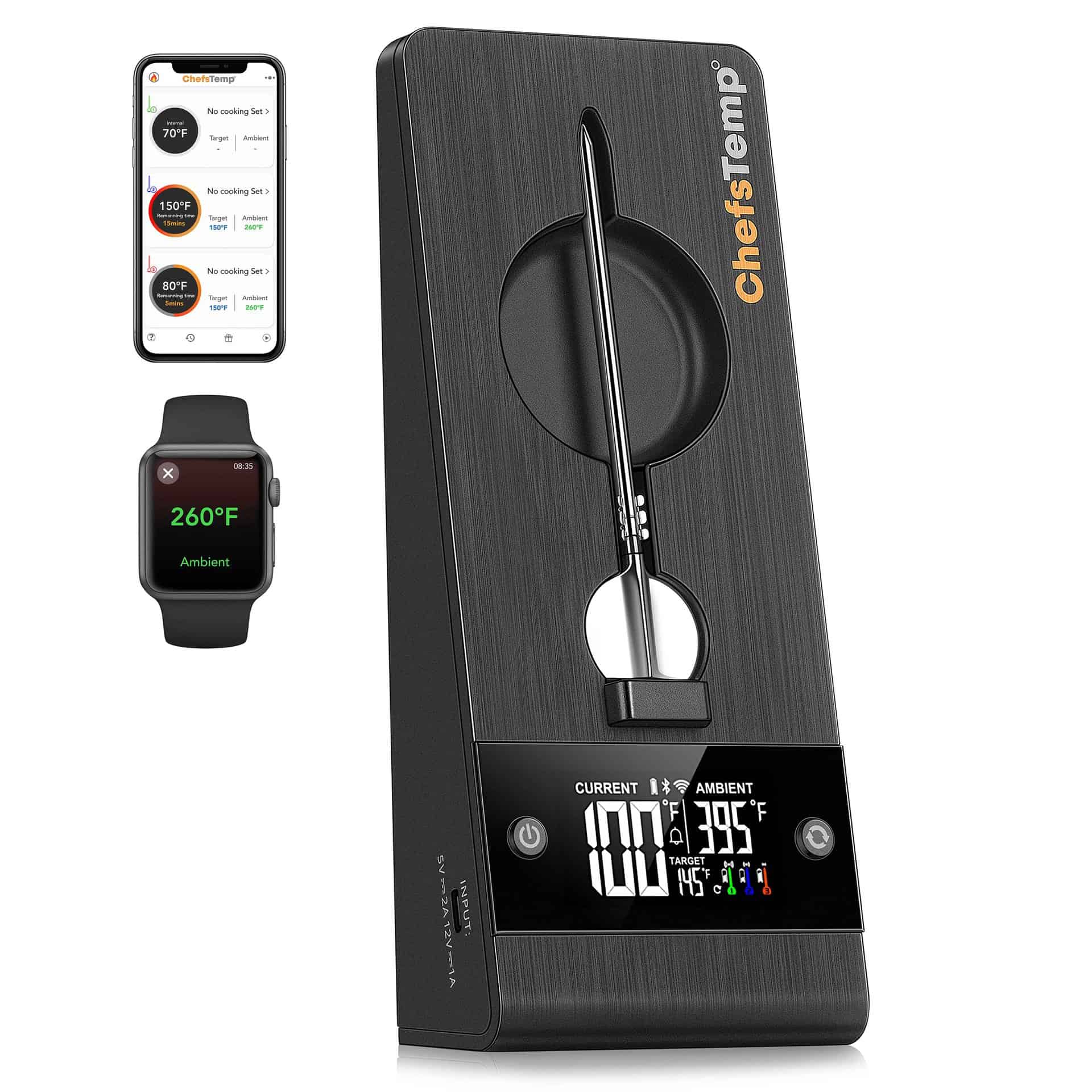
- Wireless Bluetooth thermometers: Ideal for multi-tasking hosts. You can mingle with guests while your phone tracks the steak’s progression on the grill.
- Dial thermometers: While traditional and budget-friendly, they are generally too slow and leave too large a puncture hole for delicate steaks.
Matching thermometer type to cooking method:
- Grilling steaks: Instant-read thermometer for fast spot checks
- Oven roasting or smoking: Leave-in probe or wireless Bluetooth thermometer for hands-off monitoring.
- Pan-searing thin cuts: Instant-read thermometer for rapid final verification.
- Reverse sear method: Leave-in probe during the oven phase; instant-read during the sear.
Each steak measuring tool removes all guesswork from the process. Beyond speed, accuracy matters most. A reliable thermometer steak tool with tight precision tells you exactly when the meat hits your target — rare, medium, or well done.
Ultimately, great steak cooking comes down to one habit: always measure before you plate. The right thermometer gives you the confidence to nail the perfect result every single time.
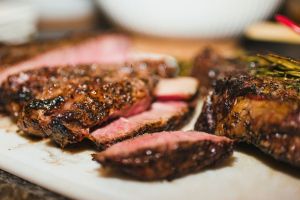
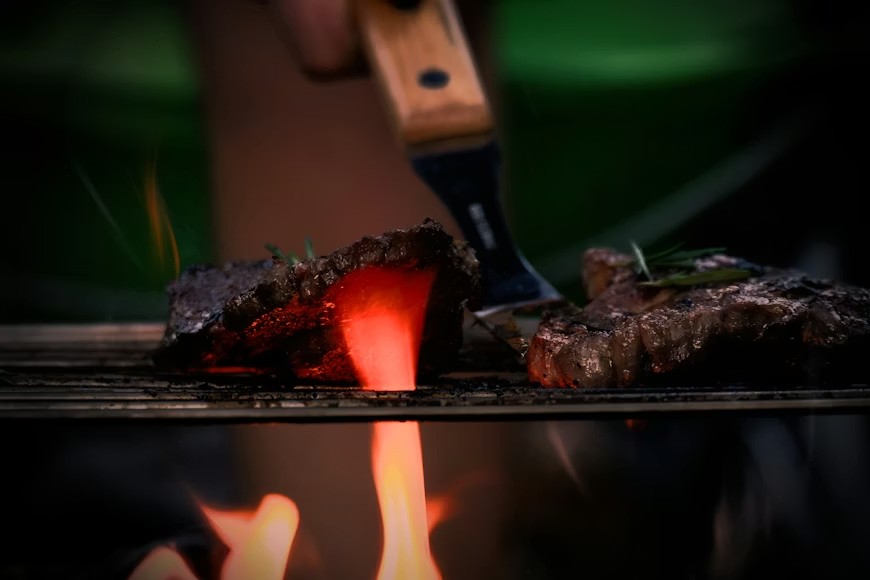
Tagliata alla perfezione! Migliora la qualità della tua bistecca con la precisione di un termometro professionale.
Parte 6. Conclusione
Cucinare una bistecca perfetta richiede abilità. Punzecchiare la carne con il pollice è solo un tentativo. Non è preciso. Per pasti di qualità da ristorante a casa, serve una precisione assoluta. termometro per bistecca fa la differenza tra un cibo buono e uno ottimo. Mantiene il cibo al sicuro e ne trattiene i succhi.
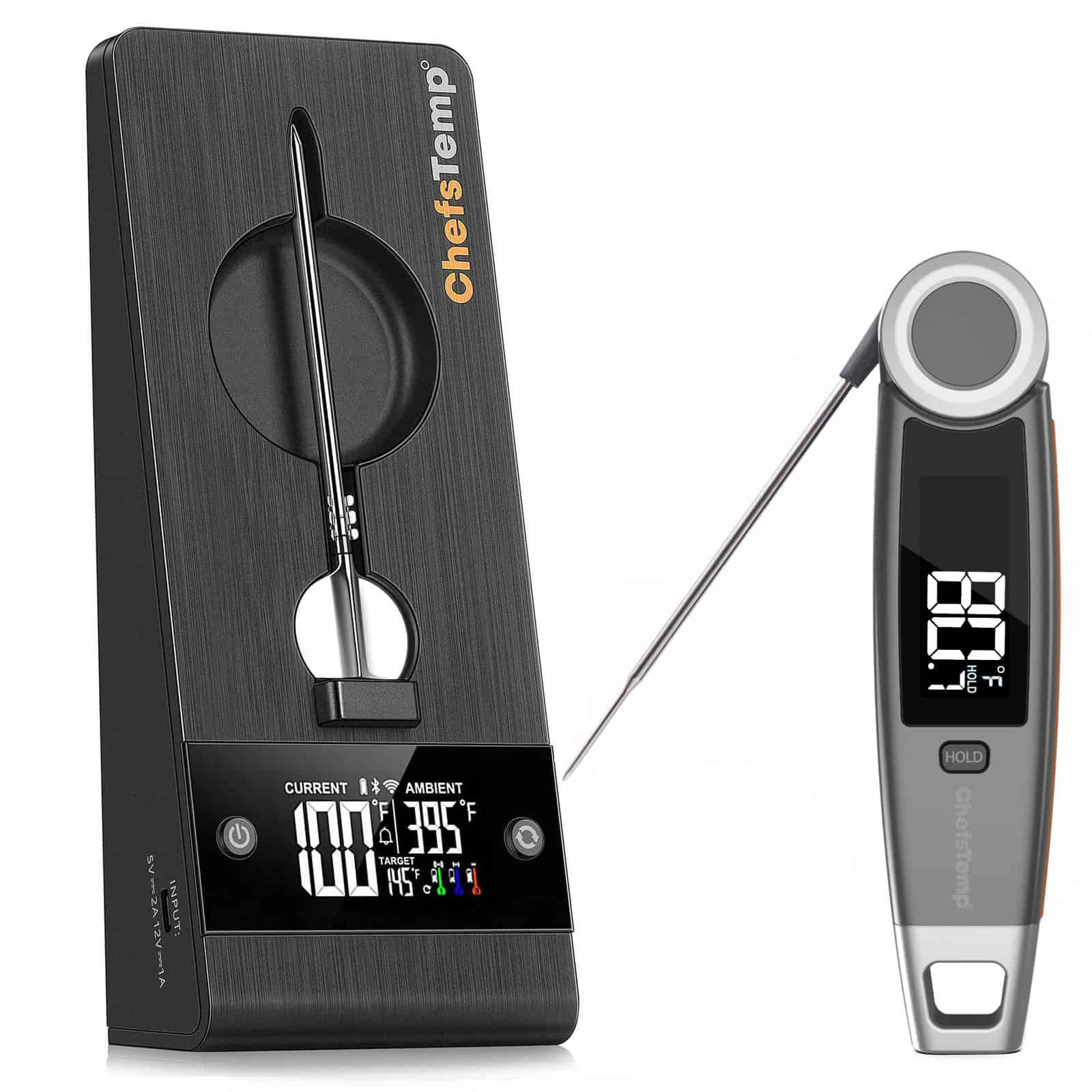
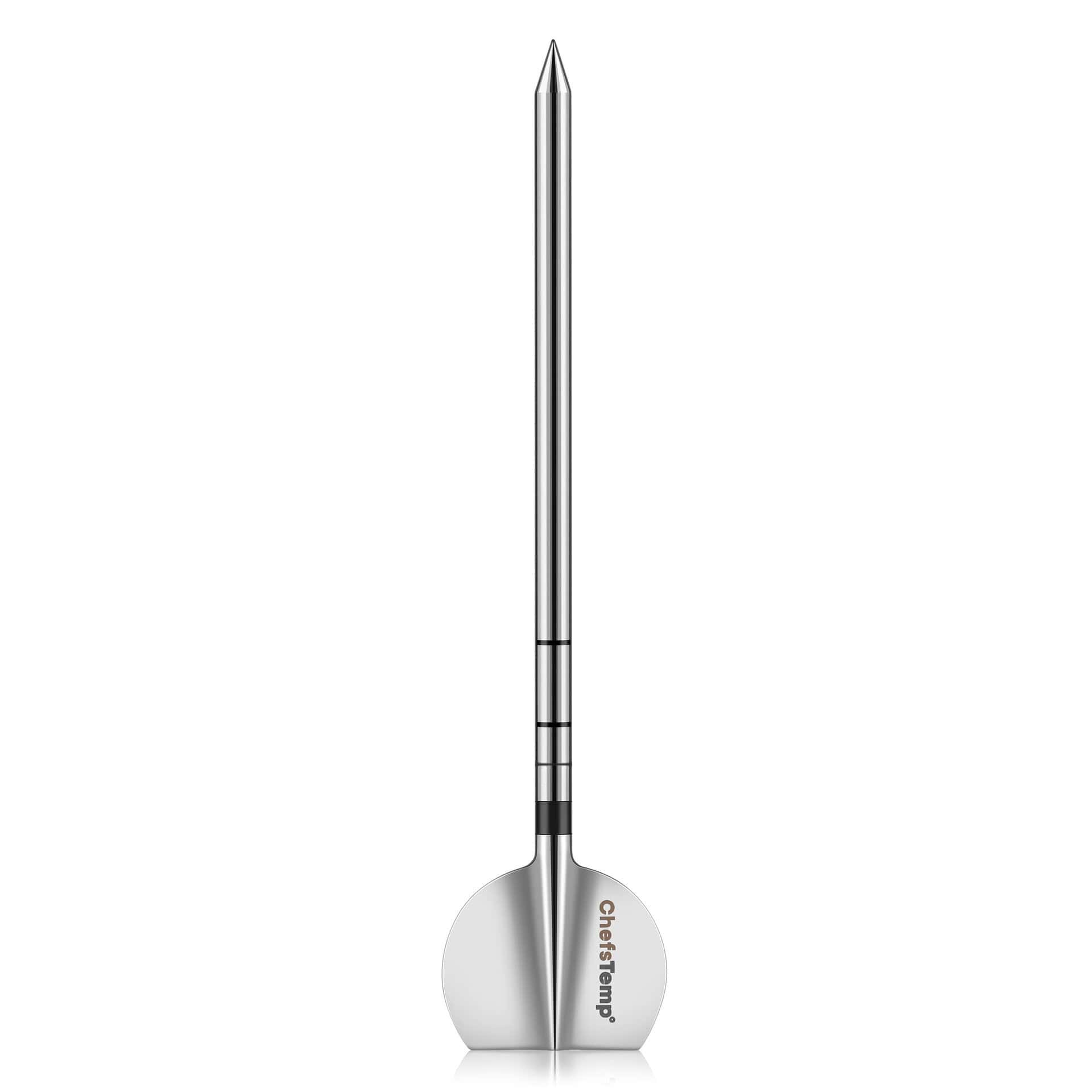
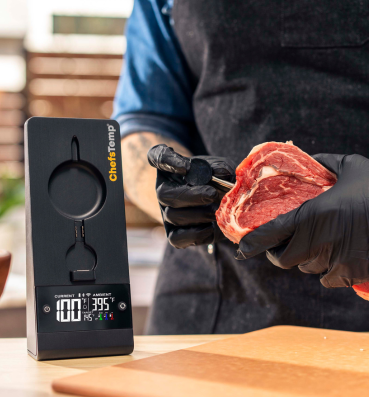
ChefsTemp brings professional power straight to your kitchen. Our thermometer steak tools are built for speed and accuracy. Whether you are grilling outside or roasting inside, the
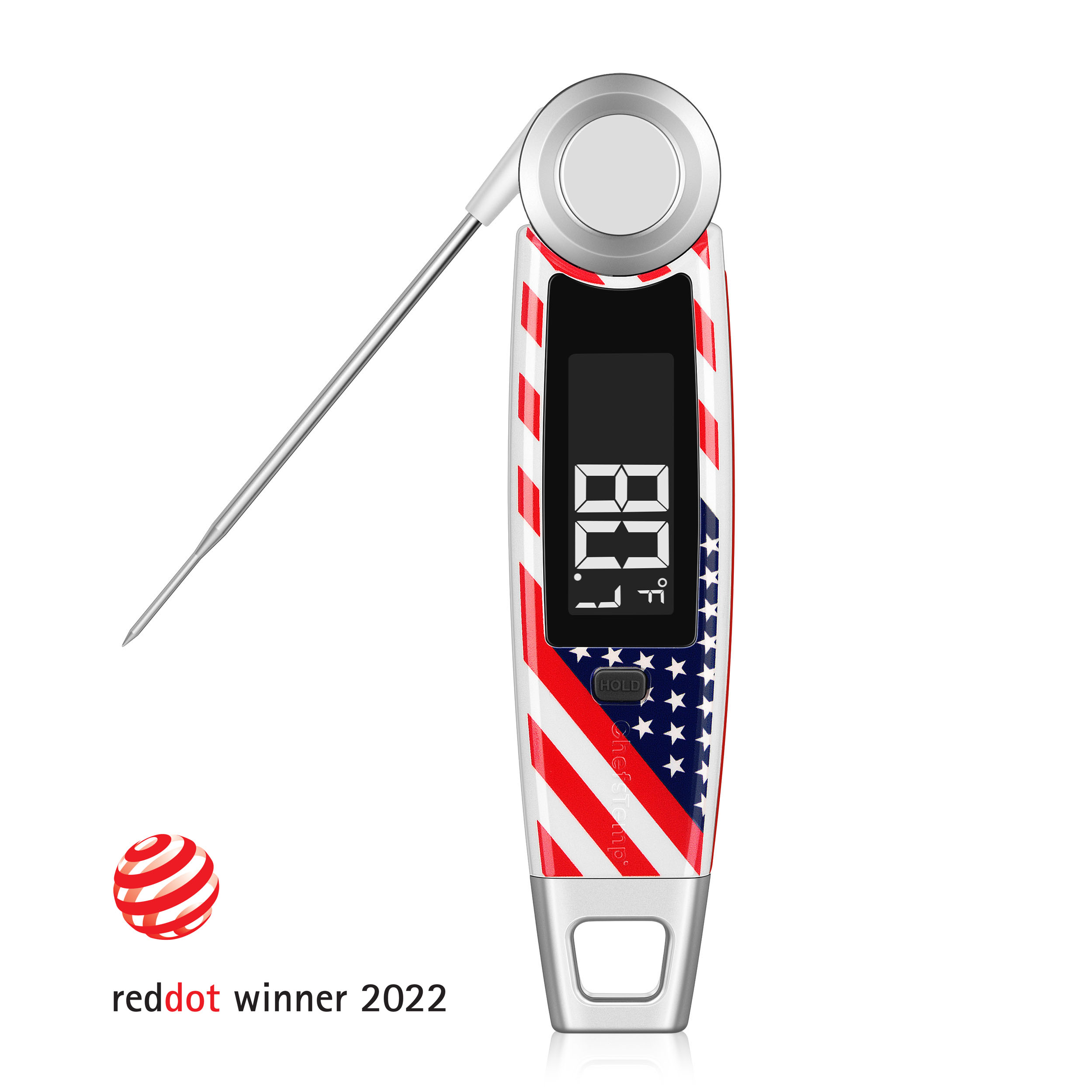
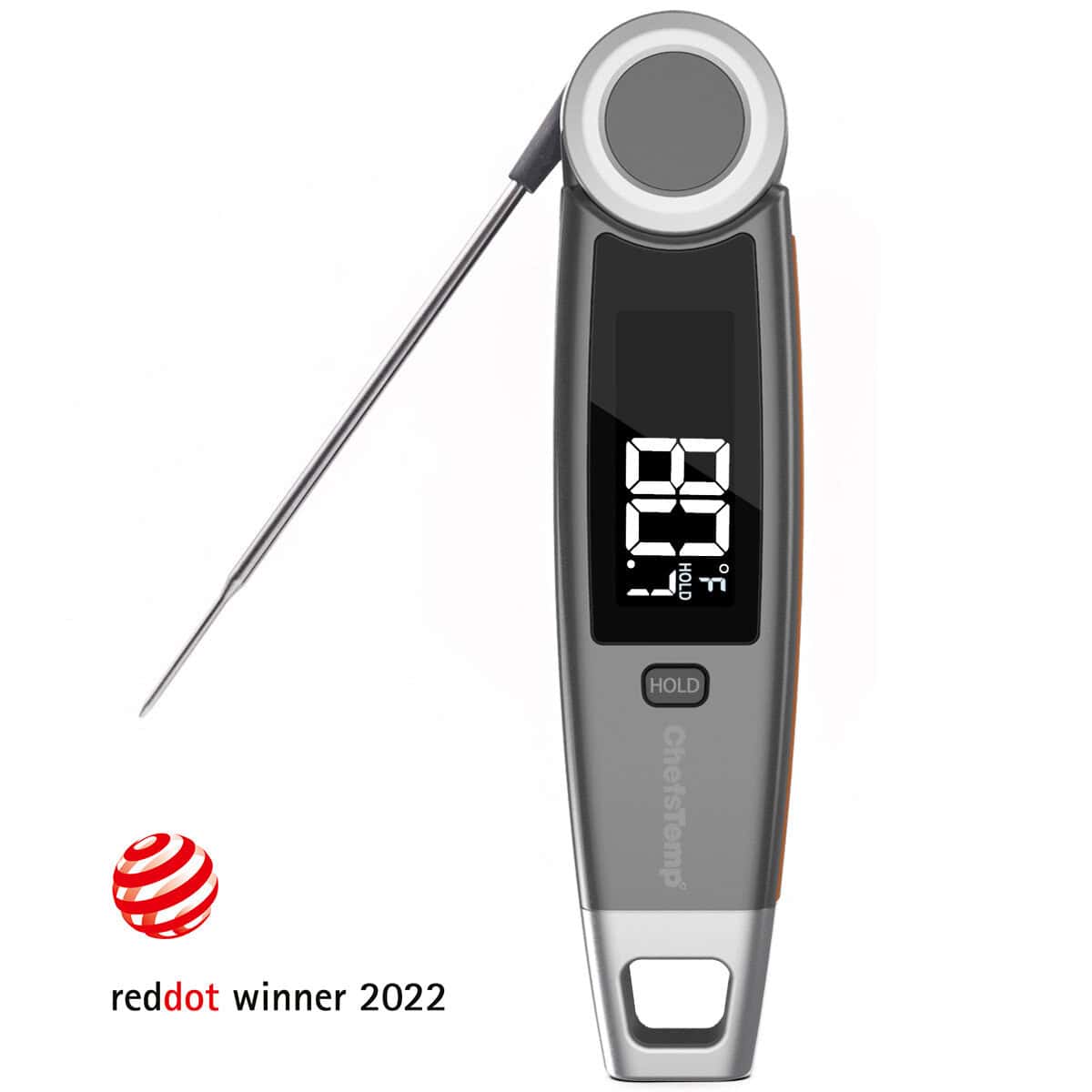
Finaltouch Professional Instant Read Steak Thermometer puts you in total control. Stop guessing. Check the temperature, hit your number, and serve the best steak of your life.
Parte 7. Domande frequenti sul termometro per bistecca
Q1: Does using a steak thermometer dry out the meat?
A quality steak thermometer uses an ultra-thin, step-down probe, often just 1.5mm at the tip, meaning any lost moisture is practically invisible. Overcooking will always do far more damage to your steak than a quick temperature check ever will. You trade a single drop of juice for edge-to-edge perfection. It makes total sense.
Q2: How do I know if my steak thermometer is accurate?
Twice a year is plenty. Test it immediately if it takes a hard spill onto your tile floor, though. An ice bath is your ground truth here. A glass packed with crushed ice and water sits squarely at 32°F. Submerge the tip. If the screen hits that number, your digital steak thermometer is dead on.
Q3: What is the difference between instant-read and oven-safe thermometers?
No. High ambient oven heat will melt the plastic housing and fry the internal electronics instantly. For long roasts, you need a specialized wired unit built to survive the oven. Leave your instant-read thermometer exactly where it belongs. Keep it resting safely on the cool kitchen counter until checking time.
D4: Qual è il miglior termometro per bistecche per un principiante?
Start simple. A quality instant-read digital model handles almost every kitchen task imaginable. You want something fast with a highly visible display. The ChefsTemp Finnaltouch X10 instant-read steak thermometer hits that sweet spot perfectly. It reads core temperatures in a flash. Having reliable, split-second feedback builds solid cooking intuition before any bad habits form.
D5: Perché il mio termometro mostra temperature diverse in punti diversi?
Muscle, fat, and bone all conduct heat at entirely different rates. The outer edges sear while the deep center stays cool. It resembles a thermal map. Finding cold spots is completely normal. Probe the absolute thickest section of the raw cut. The lowest temperature you find dictates the actual doneness of your entire evening meal.
D6: Gli chef professionisti usano davvero i termometri per la carne?
Yes. Even veteran line cooks rely on them. Intuition is great for estimating, but paying customers demand absolute consistency. Guessing leads to returned plates. A quick core temperature check acts like an insurance policy during a chaotic dinner rush. It guarantees the steak hits the exact target doneness before ever leaving the kitchen pass.
D7: Come posso pulire la sonda di temperatura della mia bistecca?
Treat it like a sharp knife. Keep an antibacterial wipe or a simple alcohol pad handy by the grill. Wipe the metal tip immediately after probing raw or partially cooked meat to prevent cross-contamination. When dinner is done, wash the tip with warm, soapy water. Never submerge the whole unit in the sink. Water ruins those delicate electronics instantly. Keep the display housing dry unless your specific steak temperature probe is officially waterproof.
Q8: Do professional chefs really use meat thermometers?
Yes. Visual cues frequently lie. A beautifully charred crust often hides a completely raw, cold center. Relying on touch is equally flawed. A good steak thermometer removes the anxiety of ruining an expensive piece of beef. It provides objective data. You stop guessing and start cooking with the exact precision premium meat demands.