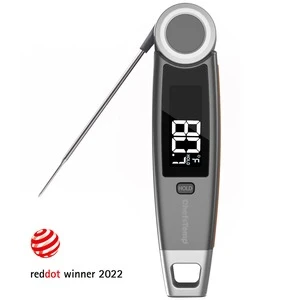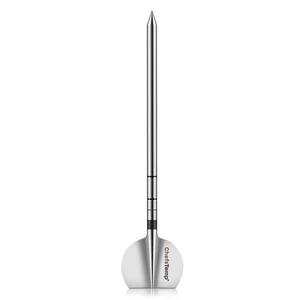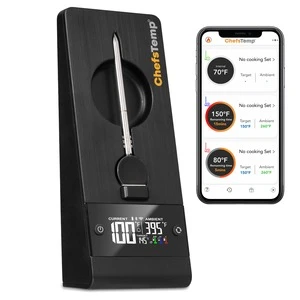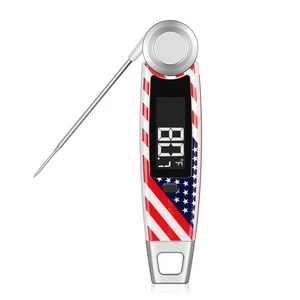
While cooking leans more on the side of the arts and self-expression (that’s why it’s called the culinary arts), the process of cooking itself is a form of science. The application of heat, manipulation of temperature, combining ingredients of different types, textures, and tastes, precise calculation of condiments, understanding how different foods and ingredients interact, etc., all require scientific thinking. It is especially apparent in cooking meat, where various types of proteins require different internal temperatures to achieve the desired doneness, taste, texture, and safety. This is where the importance of a meat thermometer comes into the picture – to help you ensure your meat is cooked to perfection every time.
This entry will teach you how to use your meat thermometer to achieve the perfect doneness of your meat, whether it’s beef, pork, poultry, etc., and whether it should be medium-rare, medium-well, well-done, etc.
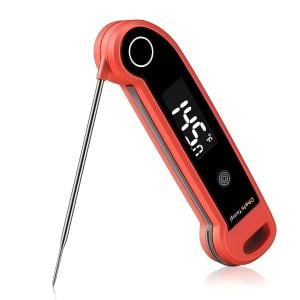
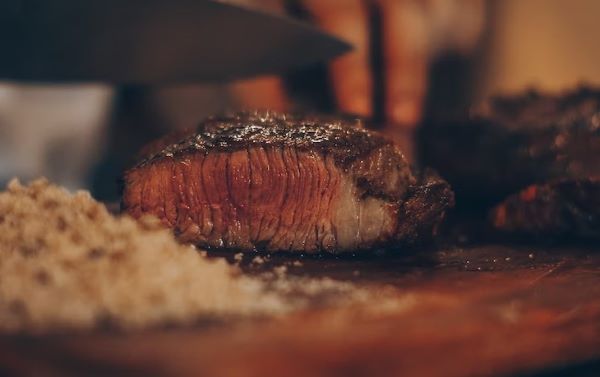 Crank the internal temperature up to 145°F (63°C), and you will have a medium steak. Medium will have a slightly pink center and warm temperature throughout. The meat will be firmer than rare or medium-rare but still juicy and tender, with a more pronounced beef flavor.
Why Use a Meat Thermometer
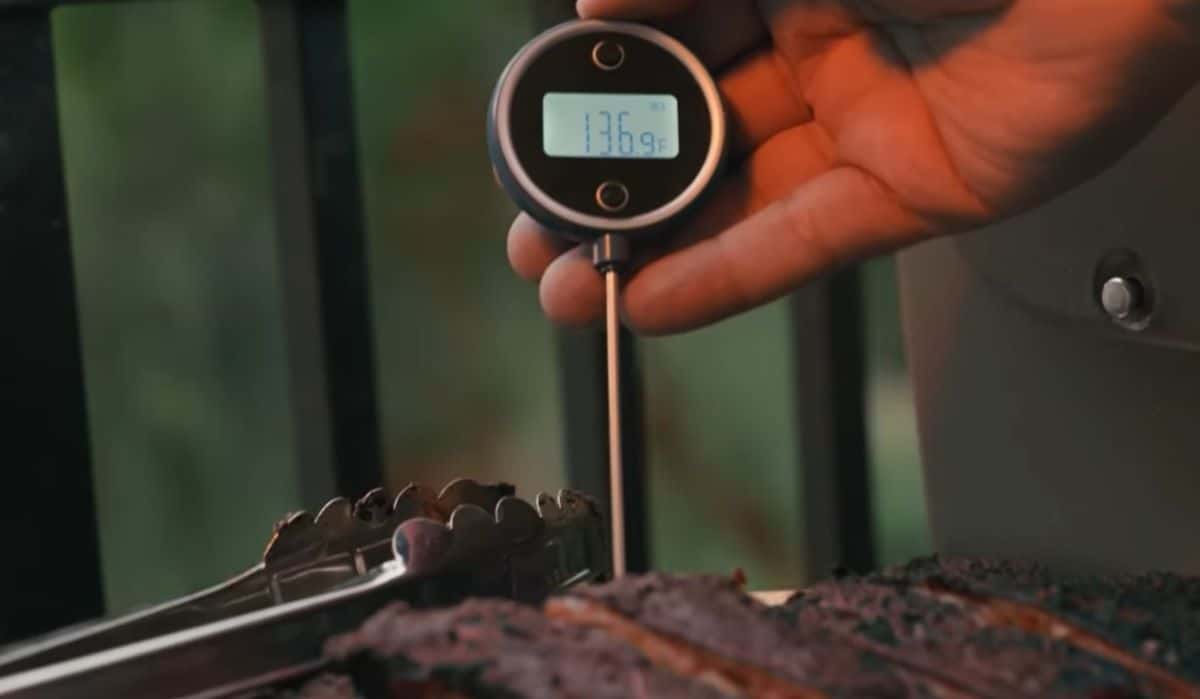
First off, why exactly do you need a meat thermometer, and can you tell the meat is perfectly cooked just by experience? Meat is tricky to cook. As said earlier, different types have different specific internal temperature requirements, and other stages of doneness require different temperatures. Unless you cut into the meat or have the superpower to see through its layers while it’s cooking, it’s hard to tell its doneness without a thermometer. Of course, color can give some clues, but meat color can be affected by a variety of factors, including the type of meat, the animal’s age, and the cooking method. Moreover, the grill, oven, and the altitude of your location can affect the cooking time. This is why even the most experienced chefs in 5-star Michelin restaurants rely on thermometers in their kitchens. That’s how invaluable this tool is in cooking. By simply inserting the thermometer probe into your meat (usually the thickest part), you can be sure you reach the desired internal temperature for your desired level of doneness and that you are cooking it exactly how you want it.
From Rare to Well-Done: Temperature Guide
Whether you prefer your meat a little bit on the rare side with juices oozing out and a little bit cold in the middle, or medium-rare where there is a balance of tenderness, juiciness, and flavor, or a well-done firm steak, you need to know the right temperature to reach each level of doneness. Here are the recommended internal temperatures for rare to well-done meat:Rare
For steak, it should reach an internal temperature of 125°F (52°C). At this stage, the meat is cooked from the outside. The center will be a bit cold, but it will be red and will retain most of its fat, giving you that distinct, tender, and juicy beef flavor.Medium-rare
The Celsius temperature for medium-rare is around 55-60°C (57°C or 135°F to be precise). At this stage, the meat will have a brown crust on the outside, and its center will be warm and pink. The meat is slightly firmer but will hold most of its juice and remain tender. The flavor will be more complex, too.Medium
Crank the internal temperature up to 145°F (63°C), and you will have a medium steak. Medium will have a slightly pink center and warm temperature throughout. The meat will be firmer than rare or medium-rare but still juicy and tender, with a more pronounced beef flavor.
Medium-well
For a medium-well steak, the internal temperature should be 155°F (68°C). At this point, the meat will be slightly pink in the center with mostly grey throughout. The meat will be firmer and less juicy but will still be a little tender. It will also have a less beefy flavor.Well-done steak
A well-done steak reaches an internal temperature of 160°F (71°C). At this point, the meat will be entirely grey and show no signs of pinkness in the center. It will be firm and less juicy than all of those mentioned above; it will also have a slightly less beefy taste and will have a dry texture. Here are quick guidelines for temperature and level of doneness for other types of proteins:Internal temperature cooking guide for pork:
- Medium: 145°F
- Well-done: 160°F
Internal temperature cooking guide for lamb:
- Medium-rare: 130°F
- Medium: 140°F
- Medium-well: 150°F
- Well-done: 155°F
Internal temperature cooking guide for poultry meats (chicken, duck, turkey, etc.):
- White meat: 165°F
- Dark meat: 165°F
- Ground poultry: 165°F
The Takeaway
Experience may tell you to trust in visual cues. But as said earlier, there are lots of factors that can affect the color of the meat, and your eyes can deceive you. While color is a good indicator, it is not always the most accurate. Thus, the best way to cook any meat to perfection is to reach the internal temperature you prefer. Again, cooking is both an art and a science. There are safety rules, but there are also guidelines you can work around, so don’t be afraid to experiment with different cooking methods. There are several ways to cook meat, from searing, roasting, grilling, and sous vide. Various cooking methods can also bring out multiple layers of flavor in the meat; this is what makes the culinary arts so exciting.Related Posts
How to Keep a Smoker Temperature Steady for Hours
Keeping a smoker temperature steady for hours comes down to three essentials: consistent fuel, controlled airf...
Monitoring the First Burn on a Lone Star Grillz El Fuego Trio with ChefsTemp
Before the first brisket or rack of ribs, a new grill needs its first firing. That session also lets you learn...
Why Is My Charcoal Grill Not Getting Hot Enough?
Open the intake vent all the way. Clear the ash out from under the charcoal grate. Count how much lit charcoal...
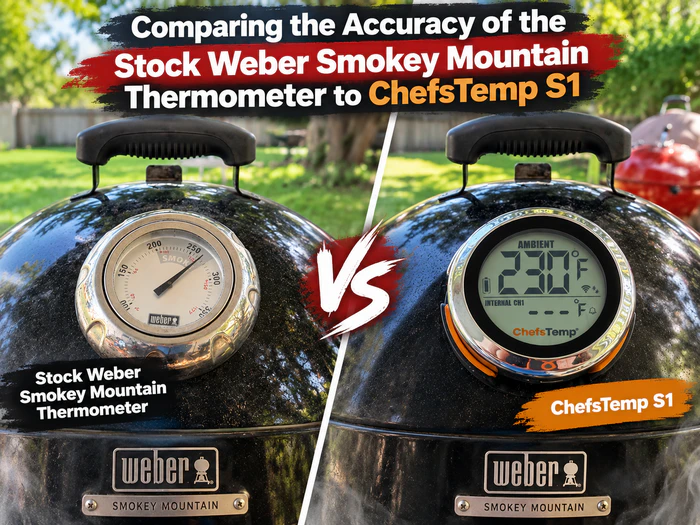
Comparing the Accuracy of the Stock Weber Smokey Mountain Thermometer to ChefsTemp S1
The Issue
The Weber Smokey Mountain is a popular and versatile cooker, but it has one major flaw - the stock ...
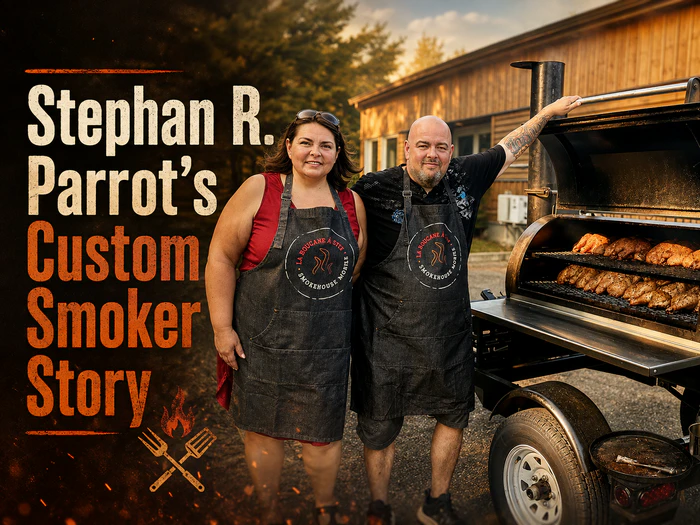
From Free Facebook BBQ Tips to a Growing Business: Stephan R. Parrot’s Custom Smoker Story
A suggestion from his wife helped Stephan R. Parrot turn years of free barbecue advice into training, catering...
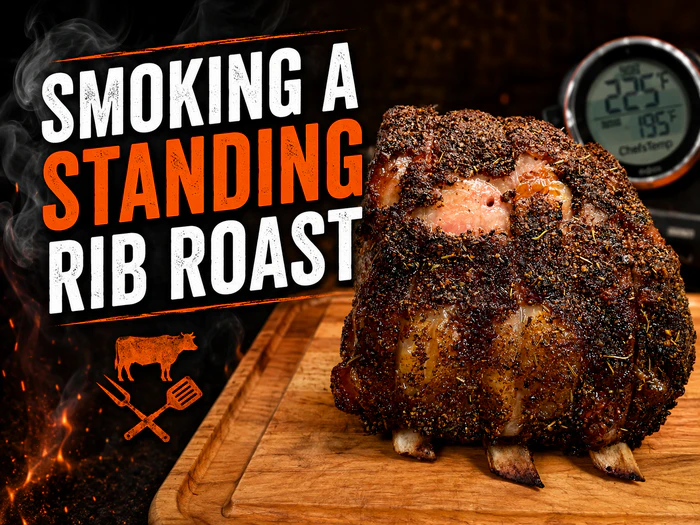
Smoking a Standing Rib Roast – When Special Occasions Call for Special Cuts of Meat
Preparing the Roast
...
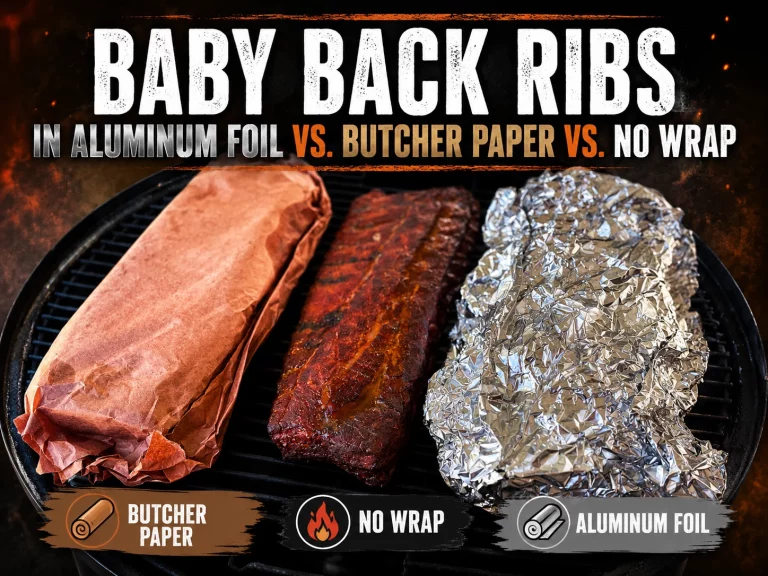
Experimenting with Ribs: Wrapping Baby Back Ribs in Aluminum Foil vs. Butcher Paper vs. No Wrap
Introduction to Smoking Ribs
I personally believe one of the big reasons people get smokers is to cook ribs. I...
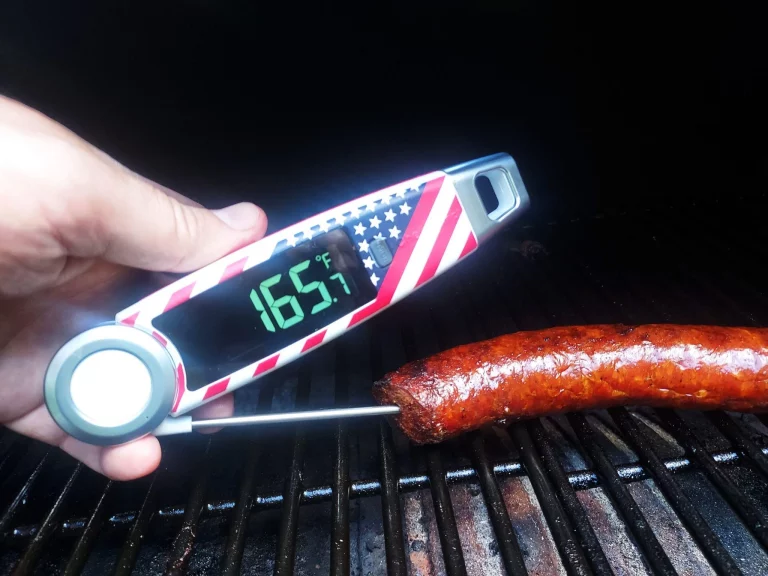
Stop Splitting Your Sausage: Expert Tips for grilling natural Casings
Natural casing ring sausage is a cookout staple enjoyed around the world that is equally deserving of a place ...
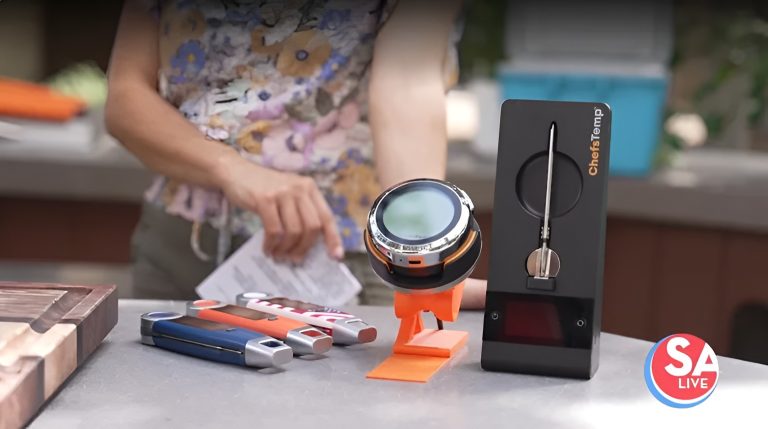
Mastering Pulled Pork: The Ultimate Temperature Control Guide with ChefsTemp
Achieving competition-grade, juicy, and tender pulled pork is the ultimate rite of passage for backyard pitmas...
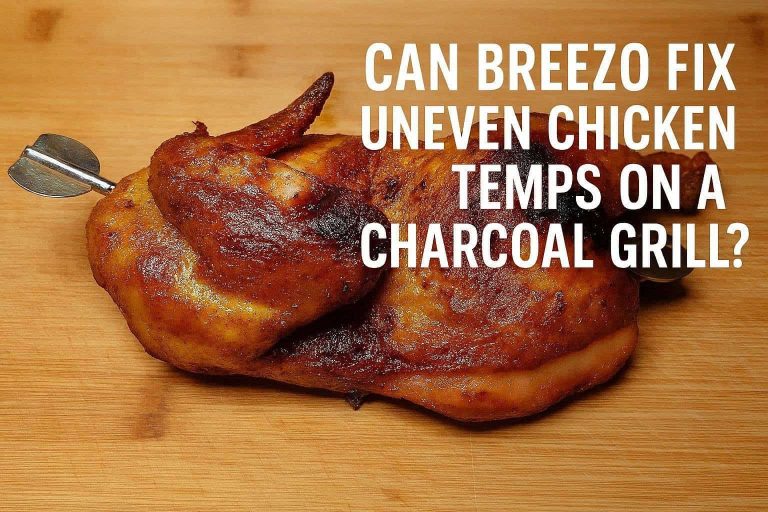
Two Birds, One Fan: Can Breezo Fix Uneven Chicken Temps on a Charcoal Grill?
Chicken grilled over charcoal is one of life’s purest pleasures. So much so that people debate which is better...
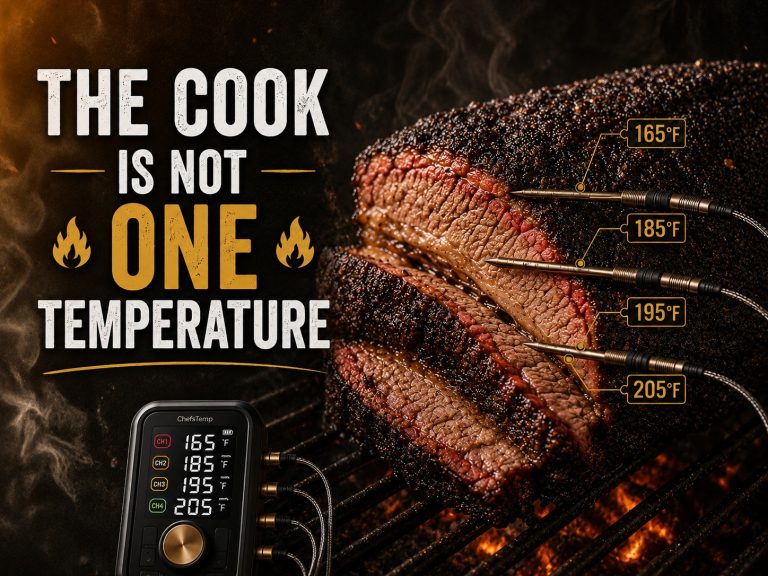
The Cook Is Not One Temperature
A few hours into a long cook, it can feel as though the grill has started arguing with you.
The dome thermome...