Perfect Temps for a No Problem Porterhouse!
The porterhouse, the king of steaks and a divided kingdom. On one side you have the jewel of the butcher shop; the tenderloin, and on the other, you have a mighty and robust strip steak; exceptionally marbled and full of flavor. How does a cook go about getting these two cuts, with very different muscle structures, to the perfect temperature at the same time?
The first issue to overcome is one of the main reasons why this cut is so delicious in the first place, the bone. The center T-shaped bone, a lumbar vertebra from the short loin section, takes up a lot of real estates and creates an uneven heat distribution when cooking. The muscle fibers, which start to constrict when heated, will pull the steaks upon the bone and away from direct contact with your source of heat changing the heat distribution even more!
THE REVERSE SEAR
The reverse sear technique challenges the very way we have all been taught to cook red meat. The commonplace knowledge of “high heat to seal in the juices” and “blast it high then cook it slow” have all been proven to be, well, wrong. High heat searing doesn’t “lock in” juices and high heat followed by a low roast produces a thick band of overcooked steak before you end up with your desired doneness.
The reverse sear technique takes a gentler approach, using low heat to slowly bring the steak up to your desired temperature before blasting on high heat to achieve the dark and delicious crust we all crave. This allows you to have much more control and create a steak that is nearly a perfect uniform doneness from edge to edge. This is especially useful when working with thick cuts like the porterhouse or even a large prime rib.
HOW AND WHAT TO BUY
First things first when choosing a porterhouse steak, it is not a T-bone and don’t let anyone tell you otherwise. The T-Bone is cut from the section closer to the middle of the cow and thus does not contain the same ratio of tenderloin to strip as a porterhouse. USDA regulations rule that the tenderloin section of a porterhouse steak must be at least 1.25 inches across at the widest point. The T-bone is anything between ½-1 ¼ inches across, anything below that is a bone in strip steak.
We prefer a thicker cut steak at around 2 ½ inches, which will feed about 6 people. The thinnest you want to go is 1 inch, anything smaller and you will not have the same results.
COOKING AND TEMPERATURE CONTROL
https://www.chefstemp.com/wp-content/uploads/2021/10/Chefstemp-Porter-house-Seasoning-scaled-e1634092233614.jpg
As with any thick cut steak an overnight salting is preferred. Place your steak on a wire rack over a rimmed sheet pan and liberally season with kosher salt. Let this sit uncovered in your refrigerator overnight to help draw moisture from the surface of the meat and start drying the exterior. This will help in achieving that perfectly browned crust we desire. You can skip this step if you choose.
Set up your grill for indirect heat and a low temperature, between 200 – 250° F (94-121° C). Remove the steak from your refrigerator and season with cracked black pepper and granulated garlic (this item is a kitchen staple and makes everything from meat to vegetables taste so much better). Let the steak sit for 30-45 minutes to come to room temperature.
https://www.chefstemp.com/wp-content/uploads/2021/10/Chefstemp-Steak-On-Grill-scaled.jpg
Use the
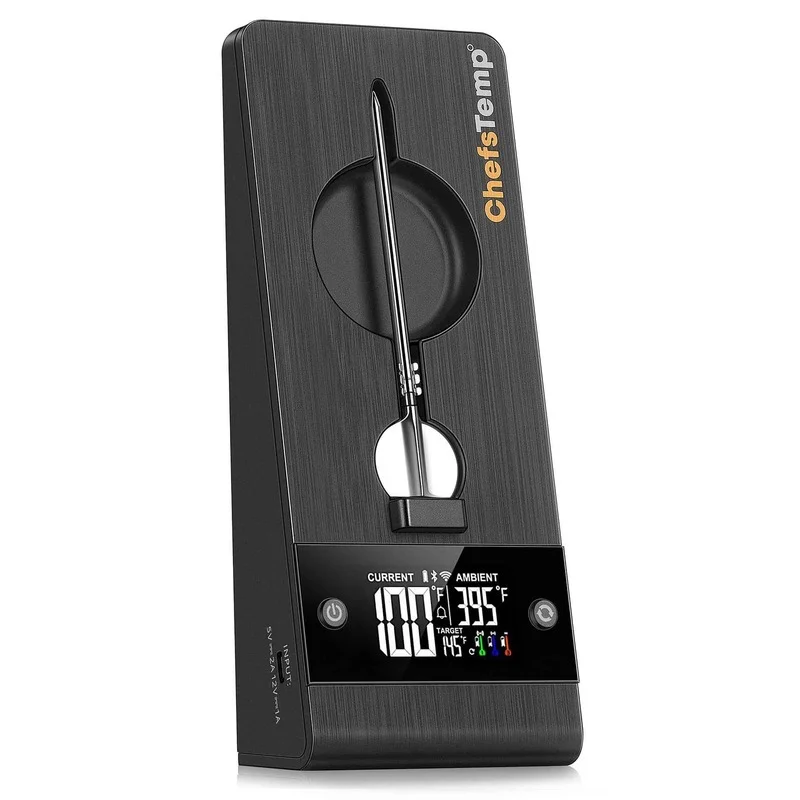
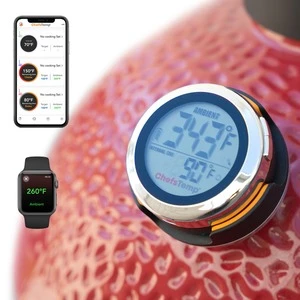
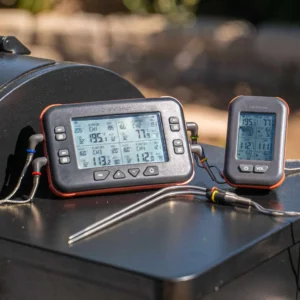
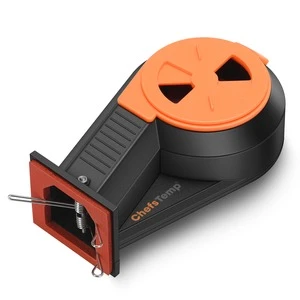
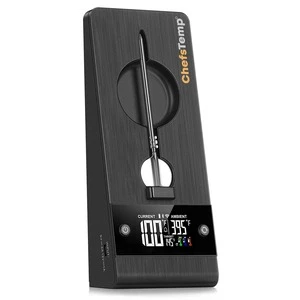
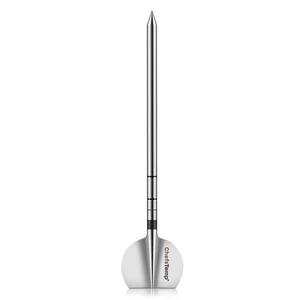
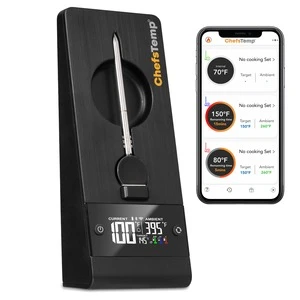
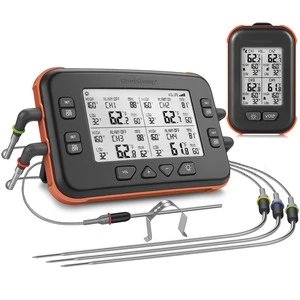
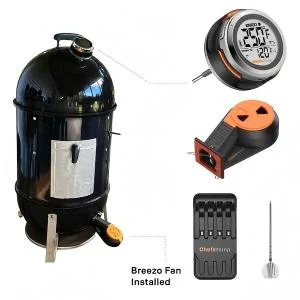
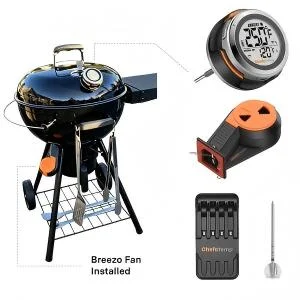
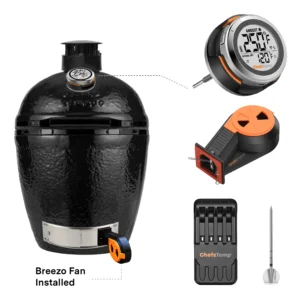
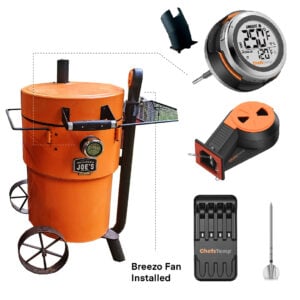
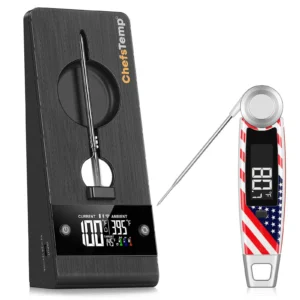
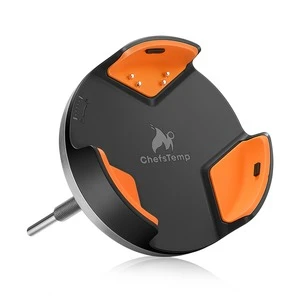
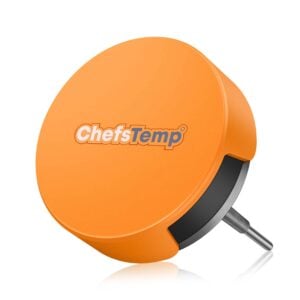
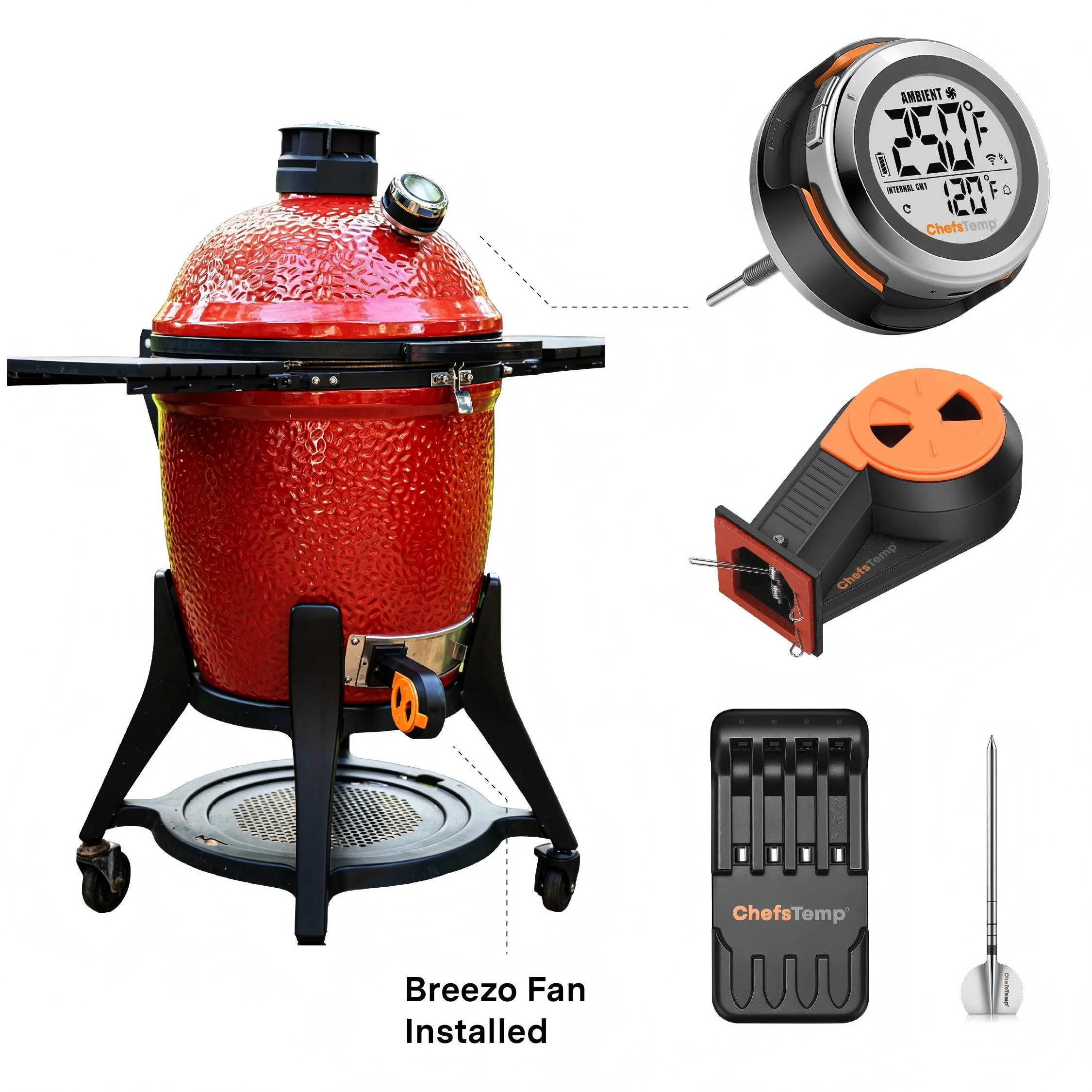
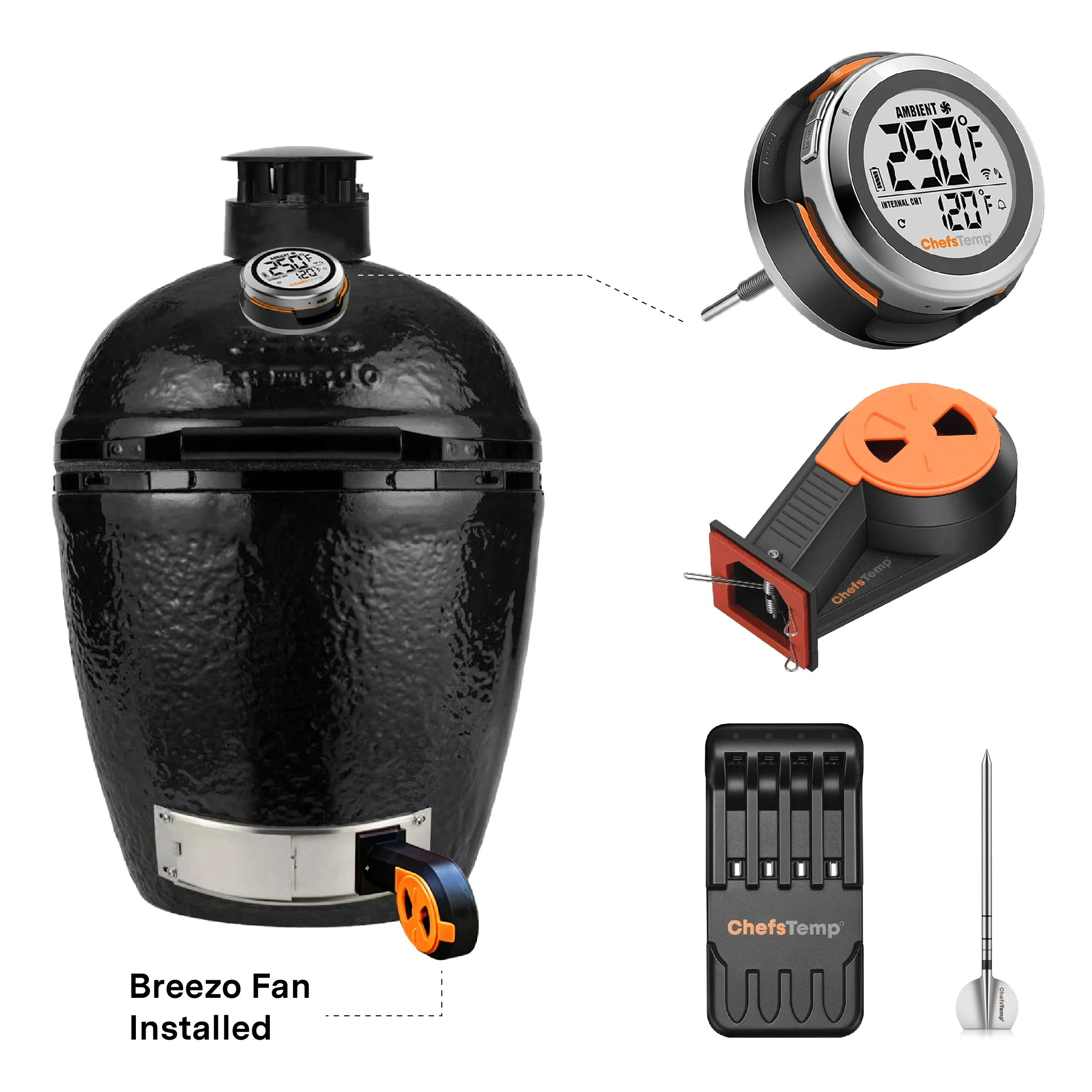
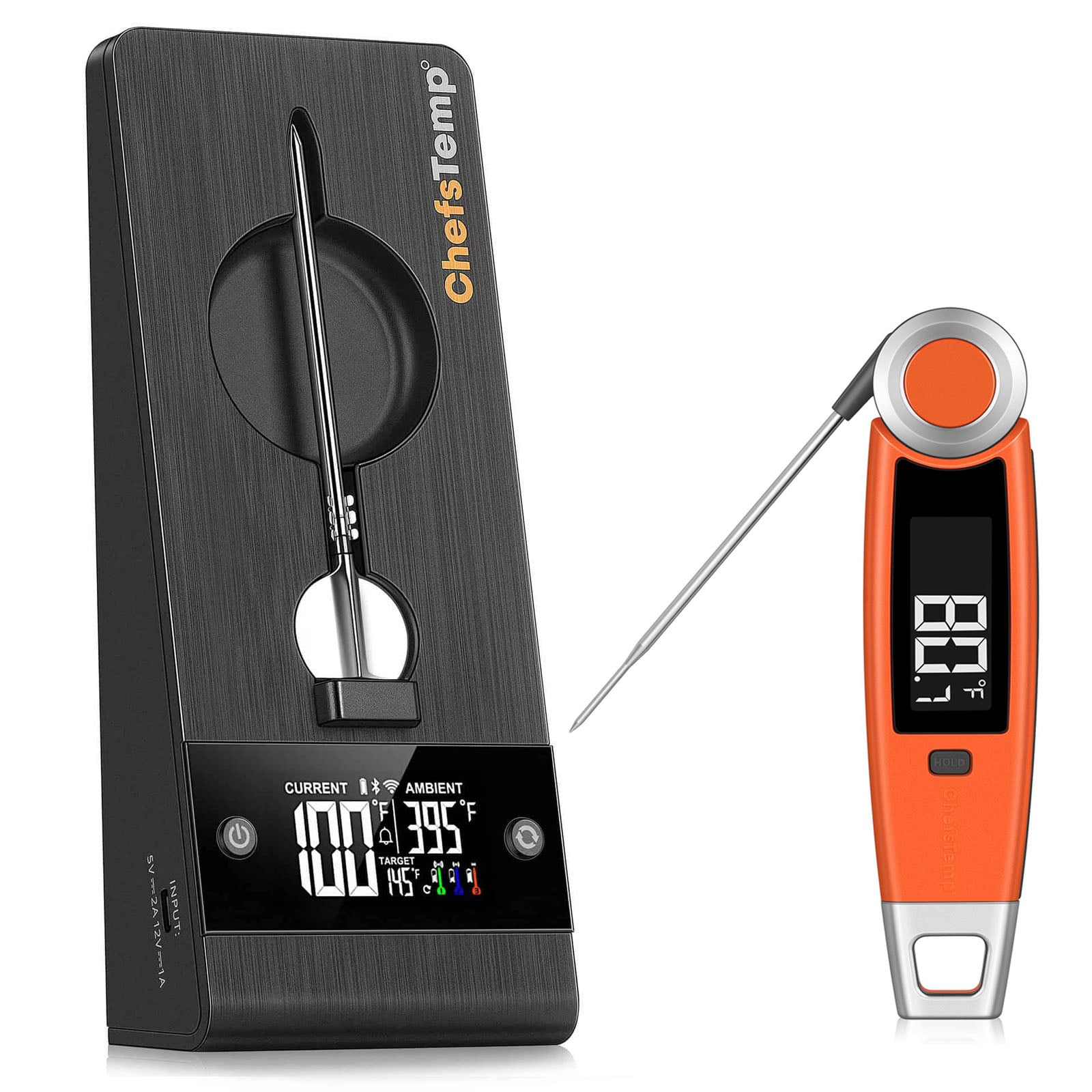
Chefstemp Quad Xpro ambient temperature probe, placed near where you are going to set the steak, to ensure a constant temperature inside of your desired range. Insert 2 probes, one into the center of the tenderloin and one into the center of the strip steak. You want to make sure that you are placing the tip in the thermal center of the meat, the furthest spot from the heat/edge in every direction.
| Black and Bleu | Rare | Medium Rare | Medium | Medium Well |
| 80-100° F | 120-125°F | 130-135°F | 140-145°F | 150-155°F |
| 26-38°C | 49-51°C | 55-57°C | 60-63°C | 65-69°C |
https://www.chefstemp.com/wp-content/uploads/2021/10/Chefstemp-Steak-Cooked-scaled.jpg
Use our comprehensive
temperature guide to help you decide exactly how you want your steak cooked. Sit back, relax, and wait till your porterhouse is 5-7° F below your target end temperature. Because we are not using a prolonged high heat cooking procedure there will not be much if any carry over cooking, and that is important for the next step.
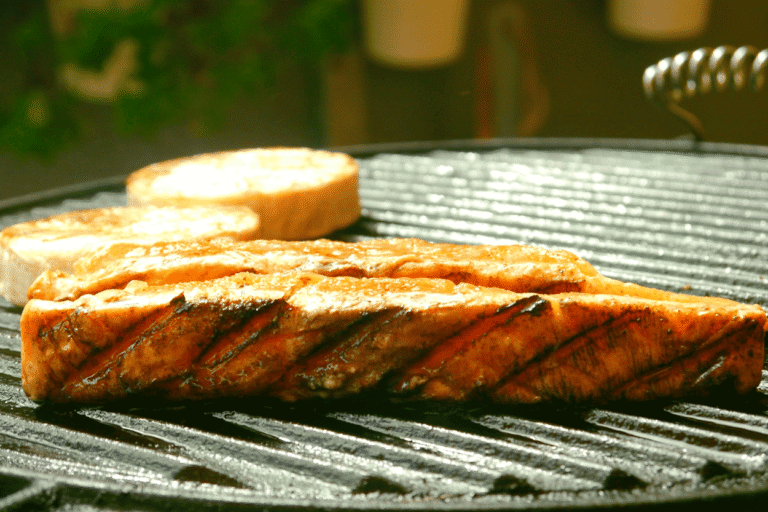
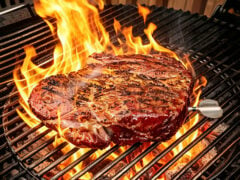
Remove the steak to a plate and loosely cover with foil. Remove the probes and crank the heat up on all burners, or pour a preheated chimney of hot coals into your charcoal grill. Once the grill is at maximum heat return your steak to the hottest part of the grill and sear on both sides, flipping every 20 seconds till you have a perfectly charred crust. This should only take 1 ½ – 2 minutes tops.
https://www.chefstemp.com/wp-content/uploads/2021/10/Chefstemp-Steak-Sear-scaled.jpg
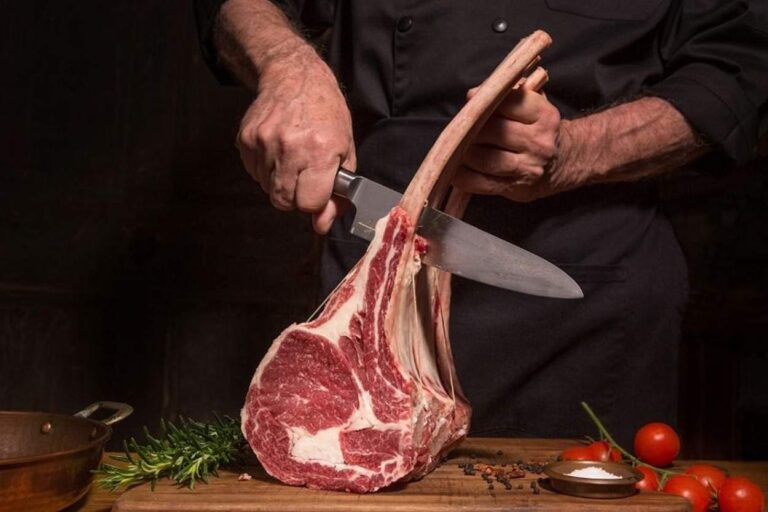
The best part about this technique is that you do not have to let the steak rest nearly as long as you would with a traditional high heat method. Place your steak on a cutting board and, using a sharp thin knife, run the blade around the steaks separating them from the bone. Slice them perpendicular to the bone and then slide them back into place for presentation.
UMAMI BOMBS AND FINISHING TOUCHES
https://www.chefstemp.com/wp-content/uploads/2021/10/Chefstemp-Umami-Butter-1024×683.jpg
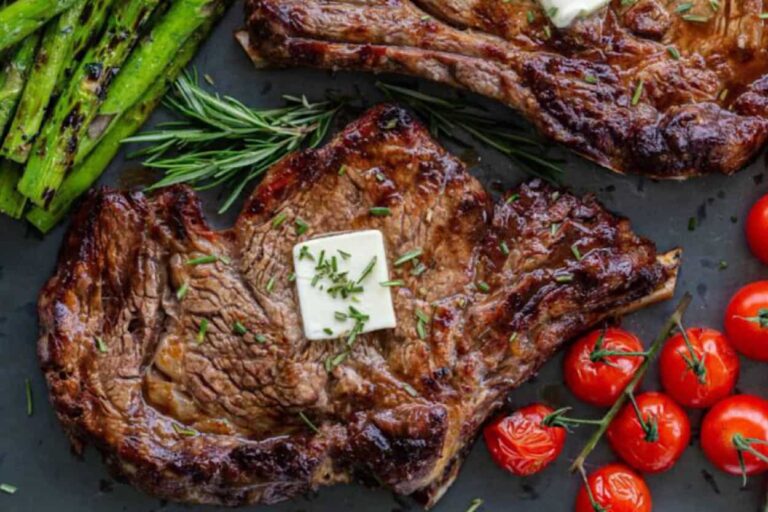
Steak is perfect just the way it is, you don’t need sauces or elaborate seasonings to make it delicious. Then again there are times where a little touch can take your 10 to an 11. Just add a knob of this room temp compound butter to the steak right after slicing, letting the heat of the meat melt the butter evenly over the slices.
https://www.chefstemp.com/wp-content/uploads/2021/10/Chefstemp-Umami-Butter-Anchovey-1024×683.jpghttps://www.chefstemp.com/wp-content/uploads/2021/10/Chefstemp-Umami-Butter-smashed-1024×683.jpghttps://www.chefstemp.com/wp-content/uploads/2021/10/Chefstemp-Umami-Butter-Reduce-1024×683.jpg
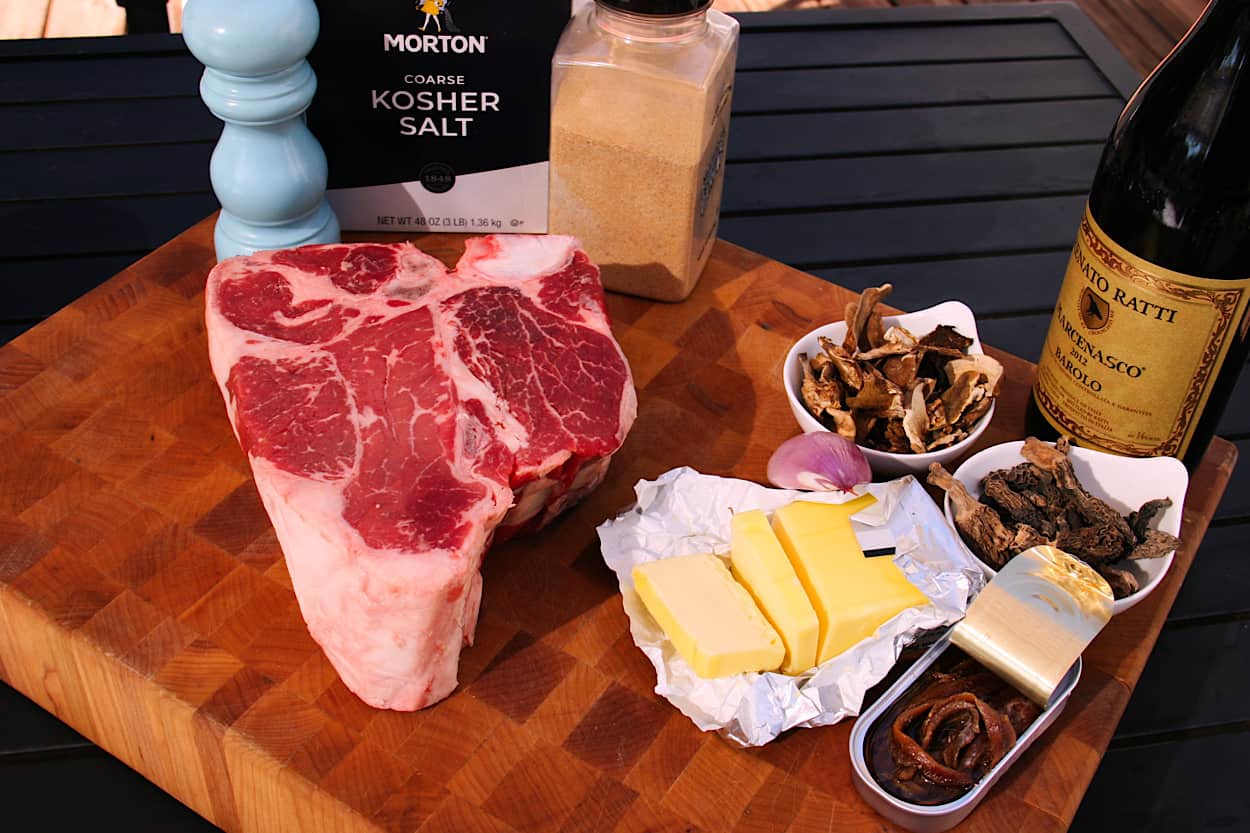
This umami bomb is a compound butter flavored with a touch of anchovies and a mixture of dried morels and porcini mushrooms, as well as some bright notes of lemon zest and red wine. We know this sounds strange, and the anchovies may scare some of you but hold on and trust us on this one, it’s going to be amazing. Anchovies, rich in chemical compounds we identify as the “umami” flavor, make the beef taste beefier and more robust without adding any strange fishy flavor. The dried mushrooms bring complexity and add another kick up the flavor ladder. This butter can be used for veggies, finishing pan sauces, or tossing with pasta and sauteed greens.
https://www.chefstemp.com/wp-content/uploads/2021/10/Chefstemp-Umami-Butter-Wine-1024×683.jpghttps://www.chefstemp.com/wp-content/uploads/2021/10/Chefstemp-Umami-Butter-Whip-1024×683.jpghttps://www.chefstemp.com/wp-content/uploads/2021/10/Chefstemp-Umami-Butter-Roll-1024×683.jpg
COMPOND BUTTER OPTIONS
If this sounds a little too adventurous take some inspiration from these suggestions:
- Roquefort and chive
- Charred green onion and garlic
- Tarragon and lemon
- Herbs and garlic, (parsley, chives, thyme, marjoram, etc)
- Chipotle and lime
- Sun dried tomato and horseradish
- Truffles, always a hit
PERFECTLY COOKED PORTERHOUSE
INGREDIENTS - 1- 2 ½ inch thick cut porterhouse steak
- Kosher salt
- Cracked black pepper
- Granulated garlic
Umami Bomb
- ¾ oz dried morel mushrooms
- ¾ oz dried porcini mushrooms
- ¼ C red wine
- 5c hot water
- 6 anchovies
- 1 shallot, diced
- ½ lemon zested
- Dried thyme, to taste, optional
- 1# good quality butter at room temperature
https://www.chefstemp.com/wp-content/uploads/2021/10/Chefstemp-Steak-Presentation-1024×683.jpg
INSTRUCTIONS
The day before you cook the steak, liberally season both sides with kosher salt and place on a wire rack set inside a rimmed baking sheet. Leave this uncovered in your refrigerator overnight.
Make the Umami Bomb
Place the mushrooms in a bowl and cover with the boiling water, let them sit for 20-25 minutes or till softened. Make sure to stir the mushrooms to shake out any non-mushroom debris that could be on them (morels are especially prone to this issue).
- Add the diced shallot with a little oil to a pan and cook over medium heat until the shallots are soft but not colorful, then add the anchovies and stir to break them apart.
- Add the red wine and reduce by about half, careful not to over reduce and make the wine bitter.
- Add the mushrooms and (after a good straining) 1 cup of the liquid along with the dried thyme if using. Bring the mixture back to a low boil and cook for an additional 10 minutes.
- Move this to a blender, add the lemon zest, and puree. Adjust the seasoning with some salt. Remove the mixture and let cool.
- Spread the butter around in a bowl, incorporate the cold puree into the butter and whip to combine. You do not want any lumps of butter, only a smooth uniform look. You can use a mixer to make this extra fluffy and soft.
Transfer the butter to a piece of butcher’s paper or wax paper and roll into a tight log. Wrap this in plastic wrap sealing off the ends. You can use the butter now or freeze for up to 3 months.
The Steak - Remove the steak from your refrigerator, season with cracked black pepper and granulated garlic then let it rest, uncovered, at room temp for 30-40 minutes. The internal temperature of the steak should be similar to the edge.
- Preheat your grill with an indirect heat to 200 – 250° F (94-121° C).
- Set the Chefstemp Quad Xpro ambient temperature probe near where you are going to place the steak. Insert 2 probes, one into the center of the tenderloin and one into the center of the strip steak. You want to make sure that you are placing the tip in the thermal center of the meat.
- While the meat is cooking remove your butter from the refrigerator and slice 3-1/8th inch rounds.
- Use our comprehensive temperature guide to help you decide exactly how you want your steak cooked. Wait till your porterhouse is 5-7°F below your target end temperature.
- Remove the steak to a plate and loosely cover with foil. Remove the ambient probe and crank the heat up on all burners or pour a preheated chimney of hot coals into your charcoal grill.
- Once the grill is at maximum heat return your steak to the hottest part of the grill and sear on both sides, flipping every 20 seconds until you have a perfectly charred crust, this should only take 1 ½ – 2 minutes tops.
- Slice both steaks off of the bone, then cut each steak perpendicular to bone.
- Top with the umami bomb slices and slide the meat back into shape around the bone.
Let the steak rest for a couple of minutes allowing the butter to melt over the steak.