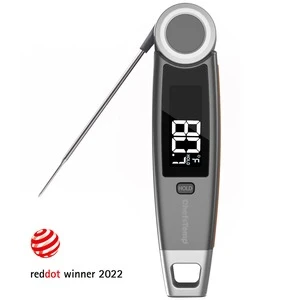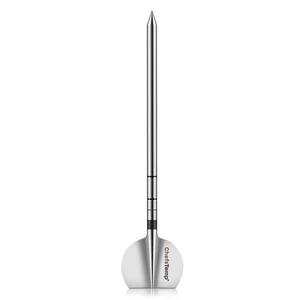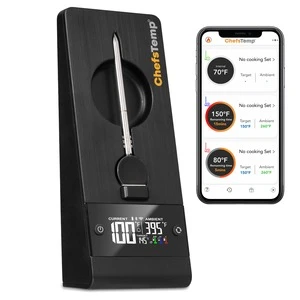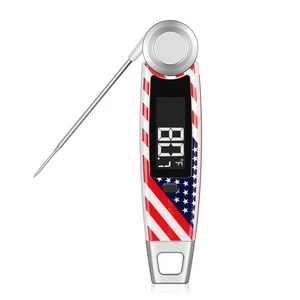
Temperature danger zone refers to a temperature range that enhances the rapid growth of bacteria causing foodborne illnesses. For hot food, It ranges between 40°F and 140°F (4°C and 60°C). This means that the temperature should always be maintained above 140°F (60°C). However, the most conducive environment for bacteria growth ranges between 70°F and 125°F (21°C and 52°C). For cold food, the temperature should be maintained below 40°F (4°C). Food within the danger zone should be preheated, refrigerated, or disposed of.It is not easy to tell when food is at a temperature danger zone by just a look at it. Therefore, you need to understand temperature danger zone in BBQ and what is how to avoid it. A kitchen thermometer is essential to keep your food temperature at a close check. It will help you to know when the food should be preheated, refrigerated, or disposed of. Make sure to clean your thermometer every time you use it to avoid cross-termination. It should also be calibrated regularly to maintain accuracy.All BBQ temperatures should be kept optimum, whether it’s during cooking, storage, or serving. It is a great measure to keep your family and friends safe from bacteria causing foodborne illnesses. You need a reliable instant-read thermometer to achieve this. Below are some types of thermometers you can consider having in your kitchen to avoid temperature danger zone and how they are used. The ideal way of maintaining optimum temperatures when cooking or heating your food is by using a probe thermometer. Insert the probe in your food and ensure it does not touch the bottom of your pan as it will give you false measurements. When confirming the temperature of meat, insert the probe at the thickest part of the meat. Avoid bones since you may end up with wrong readings.It can be used to check temperatures for both cold and hot. You only need to insert the probe and there you have your readings on the display.It is important to note that most fridges and freezers consist of an electronic thermometer fitted in and displayed. However, if your fridge doesn’t have a temperature gauge, you can purchase and put it in the unit. It will help you to keep track and maintain the temperature of your food hence, avoiding the temperature food zone.
Types of food thermometers and how to use them
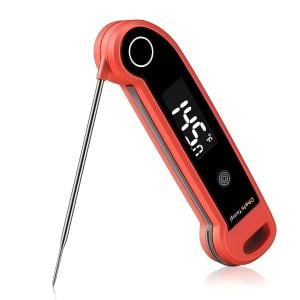
1. Instant Read Thermometer
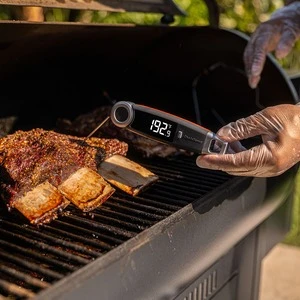
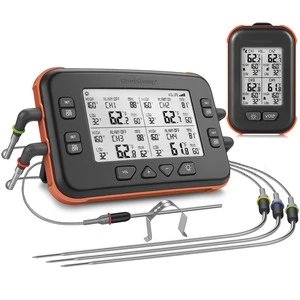
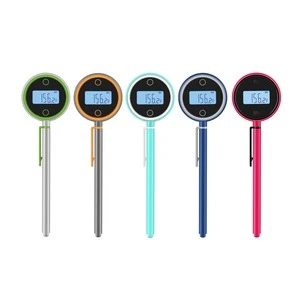
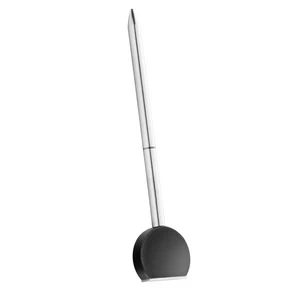
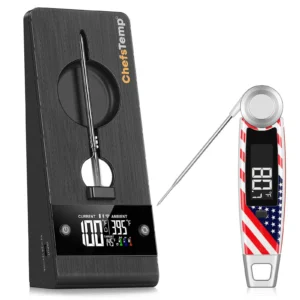
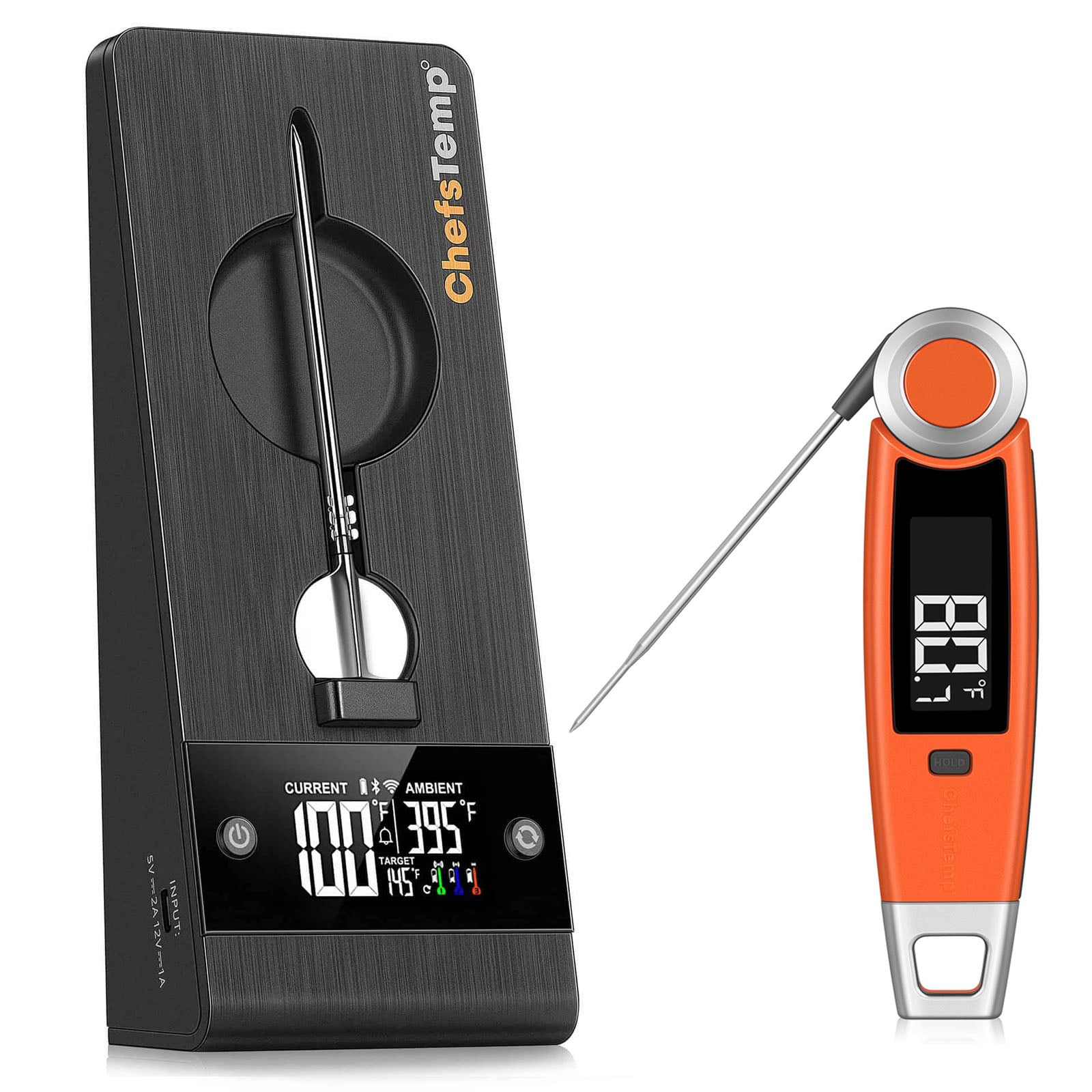
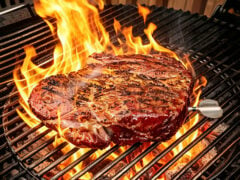
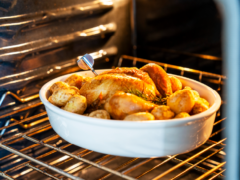
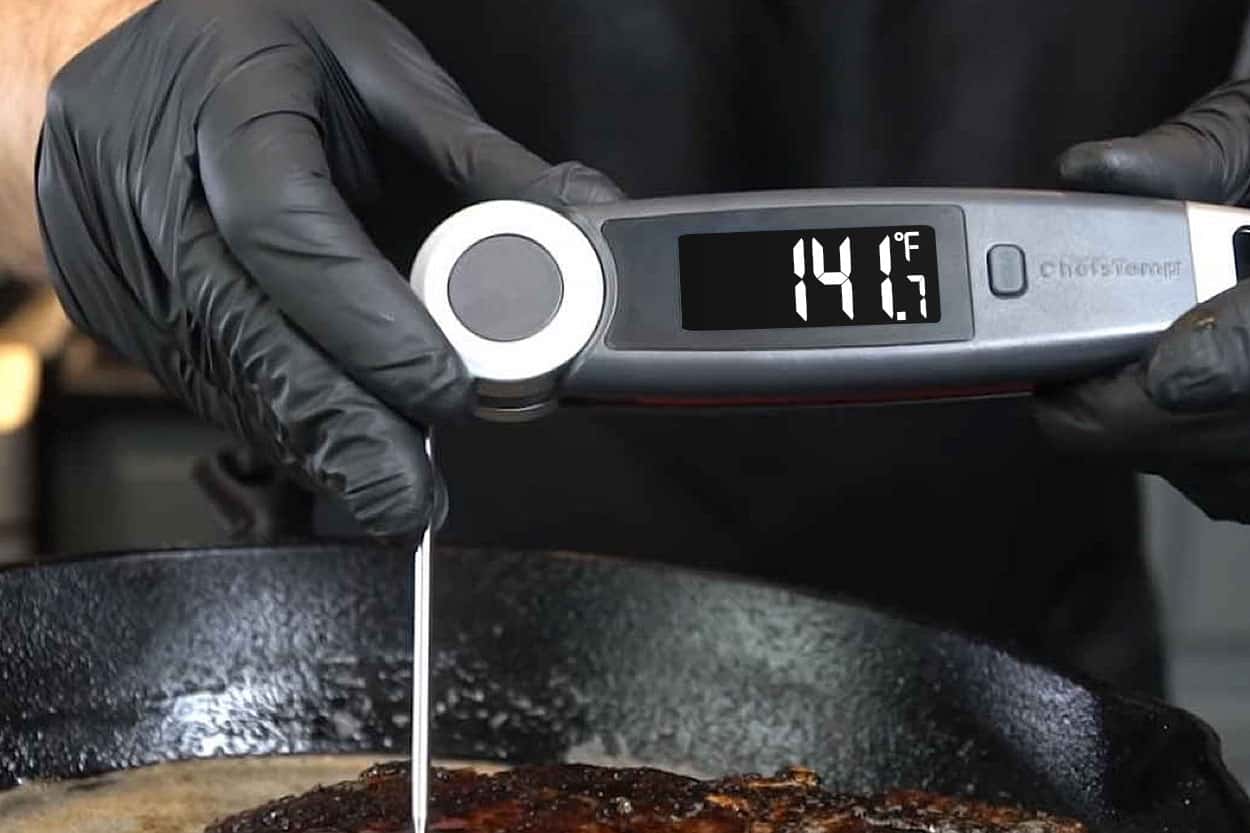 The ideal way of maintaining optimum temperatures when cooking or heating your food is by using a probe thermometer. Insert the probe in your food and ensure it does not touch the bottom of your pan as it will give you false measurements. When confirming the temperature of meat, insert the probe at the thickest part of the meat. Avoid bones since you may end up with wrong readings.
2. Thermocouple Thermometer
It is suitable when dealing with frozen products especially, those delivered or recently bought. Insert the probe inside the package of the product you are checking. It is advisable not to remove the product from the package as this may alter the readings.
3. Infrared Thermometer
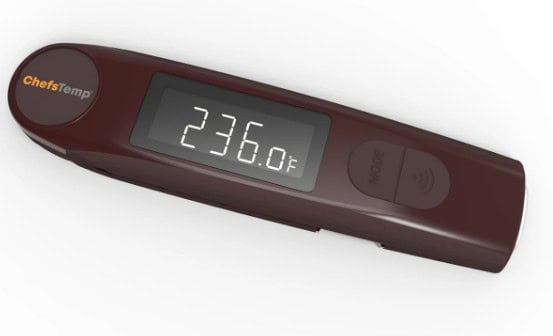 It can be used to check temperatures for both cold and hot. You only need to insert the probe and there you have your readings on the display.It is important to note that most fridges and freezers consist of an electronic thermometer fitted in and displayed. However, if your fridge doesn’t have a temperature gauge, you can purchase and put it in the unit. It will help you to keep track and maintain the temperature of your food hence, avoiding the temperature food zone.
How to avoid the temperature danger zone?
The temperature danger zone is a menace that should be avoided at all costs. Avoid compromising the health of your loved ones by following the following measures religiously. They include:1. Serve your food immediately after cooking
Any BBQ at room temperature should be served with a minimum internal temperature of 165°F (74°C) and above. This temperature should be maintained as long as possible. If you realize that the temperature has gone below 140°F (60°C) consider preheating or refrigeration. You can also use food warming equipment like dishes and plates to maintain optimum temperature. Food should only be heated once, after that it should be disposed of. Note that, cold food should be maintained at 40°F (4°C) and below. You can use food cooling baskets or ice cubes to maintain optimum temperatures when serving.2. Proper storage containers
Ensure that you have the right containers of storage for both hot and cold food. Use sizeable containers fit for the amount of food you want to store. It may take a longer time to cool if you refrigerate a small amount of food using a big container. This may give room for bacteria to grow. You can also use a freezer, it is likely to cool food faster than the fridge.3. Closely monitor the food to take the right action
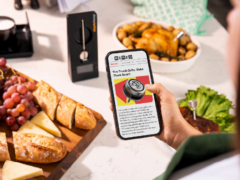
You must safeguard the health of your loved ones from the point of cooking until their stomachs are full. Therefore, have your digital food thermometer even at the dining table to monitor temperature changes. It will help you to take the necessary measures when need be. Also, clean your thermometer after use to avoid cross-contamination.
4. Covering food
Use an aluminum foil or any other suitable cover to cover your food at your point of serving. This will prevent loss of heat. Food should remain covered for a maximum of 4 hours. After that, you can consider taking the necessary measures. You can either reheat or refrigerate.5. Using a temperature danger zone chart
It consists of danger zone temperatures and danger zone facts. It specifies the minimum internal temperatures for cooking, maintaining, and storing particular foods. It also has details on how to heat leftovers.It is important to note that, apart from the temperature danger zone there are other factors that may give room for the growth of bacteria causing foodborne illnesses. They include:- Cross-termination – This can occur by using the same kitchen tools and equipment on different food. Ensure that you have enough tools and equipment for handling particular food. If you have less, consider cleaning immediately after use.
- Improper Hygiene practices – Ensure that you have running water in your kitchen or cooking area. This will help in cleaning utensils regularly hence minimizing the chances for bacteria growth. Also, clean your hands before handling any kitchen tool or equipment.
Final thoughts
The thought of food safety, your health, and that of your loved ones should never depart from your mind any time you think of cooking, serving, or storing food. Always ensure you have a bbq thermometer to have your cooking temperatures in control. Hopefully, now you understand what temperature danger zone in BBQ is and how to avoid it. You can as well share this information with your close friends or family members who love cooking.Related Posts
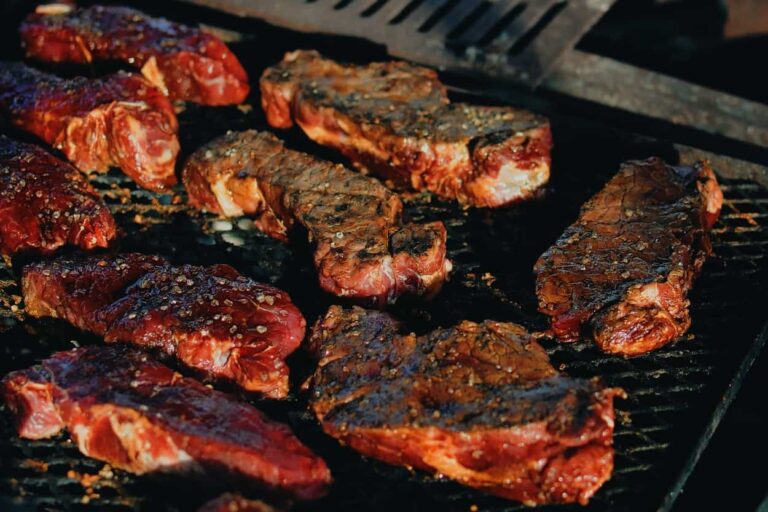
Is Your Steak Properly Done? Get it Right with a Remote Thermometer
Many passionate grillers began where you are now. Their first attempts were unsuccessful and disappointing. Th...
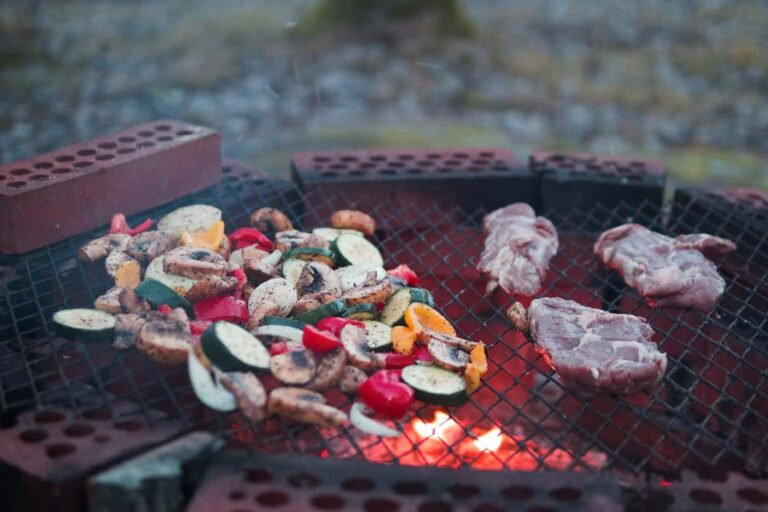
Things You Should Never Do with an Instant Read Meat Thermometer
An instant-read meat thermometer is needed to tell if your meat is cooked to the proper internal temperature. ...
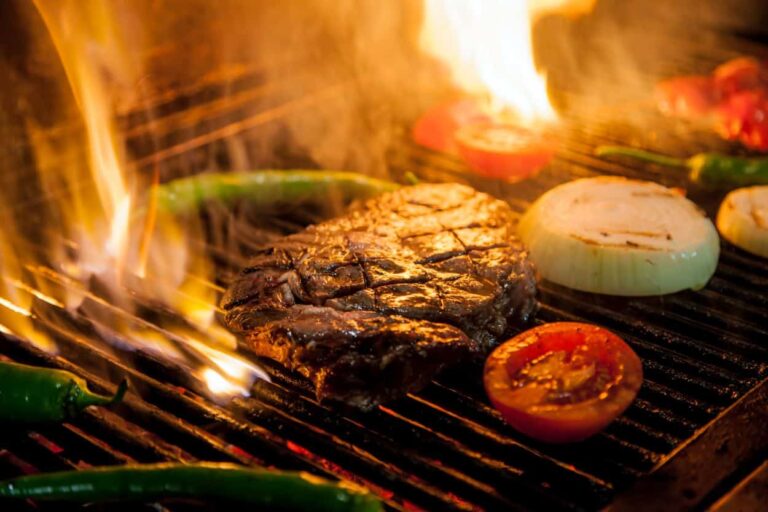
Steak Temperature Guide: All Information You Need for a Perfect Steak
Steaks are not your everyday meal. They are the most costly cuts of meat you can order at a restaurant of any ...
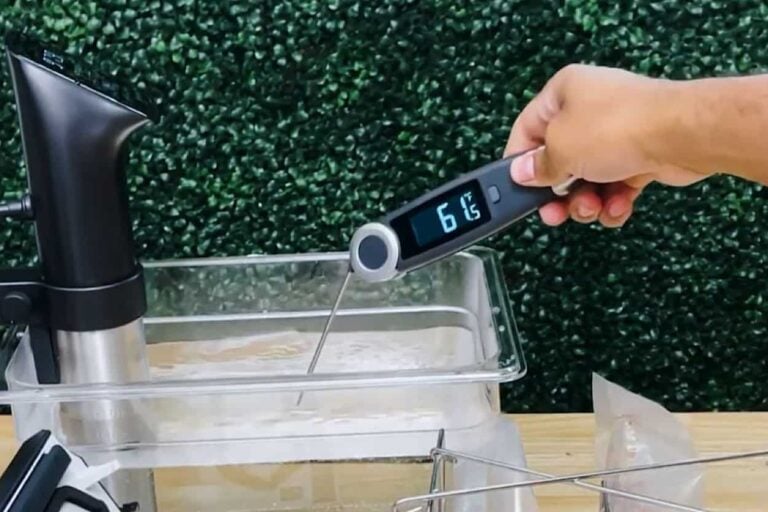
Instant Read Thermometer: Why It’s a Must-Have Kitchen Tool
How do you ensure your meat is perfectly cooked? Even if you’ve been cooking for years, it’s not uncommon to m...
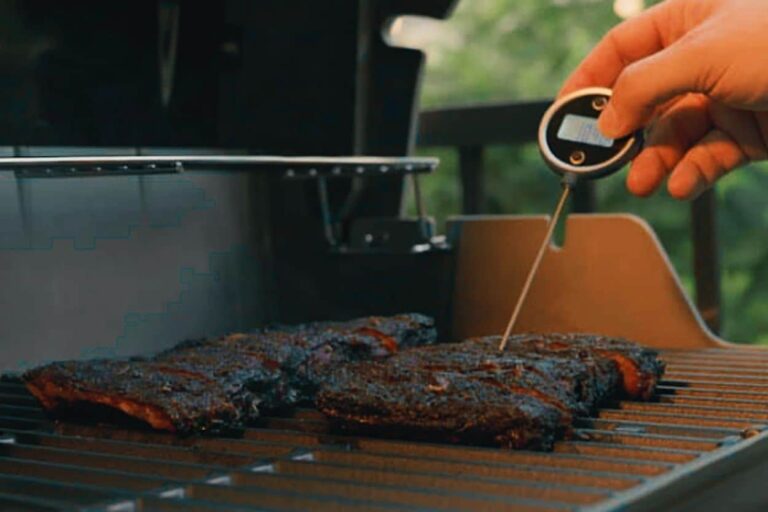
How to Properly Reheat BBQ Leftovers with the Best Meat Thermometer?
Reheating BBQ leftovers is something many people struggle with. This article covers the ins and outs of doing ...
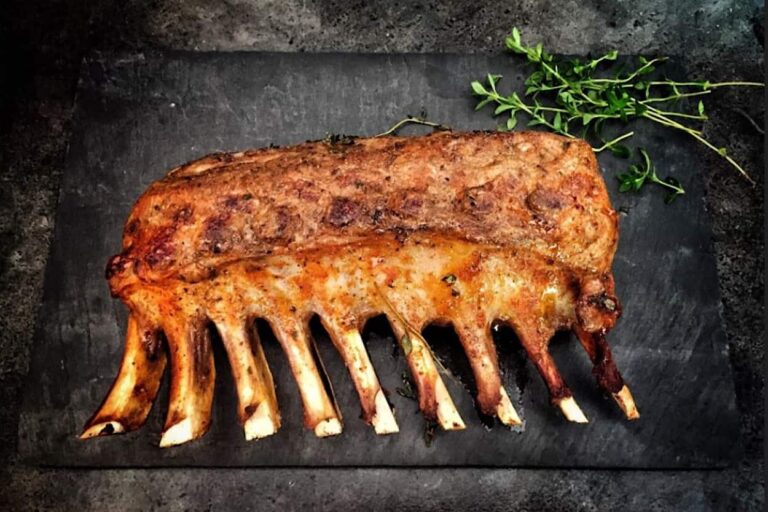
Letting Meat Rest Myth Debunked: Find Out the Truth
Whether it's your first time cooking meat or not, you might have heard one common piece of advice: always rest...
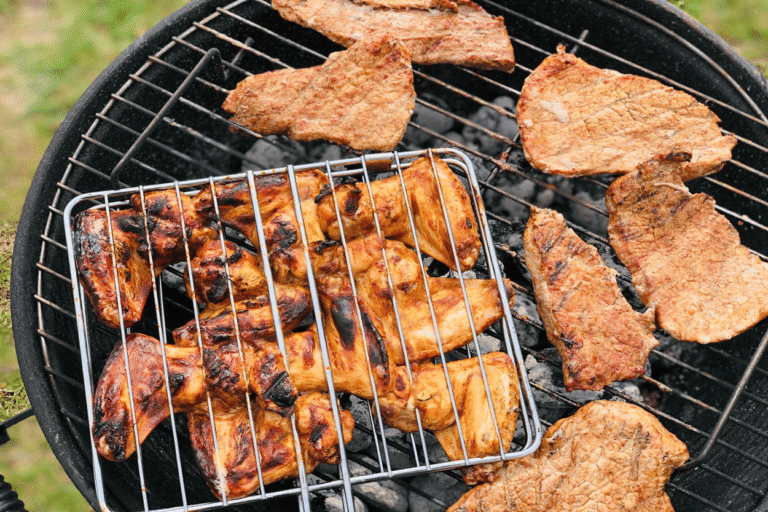
Care and Maintenance: Tips for Using Your Kitchen Thermometer Accurately
Kitchen thermometers take the guesswork out of cooking and ensure our food is cooked to perfection. There are ...
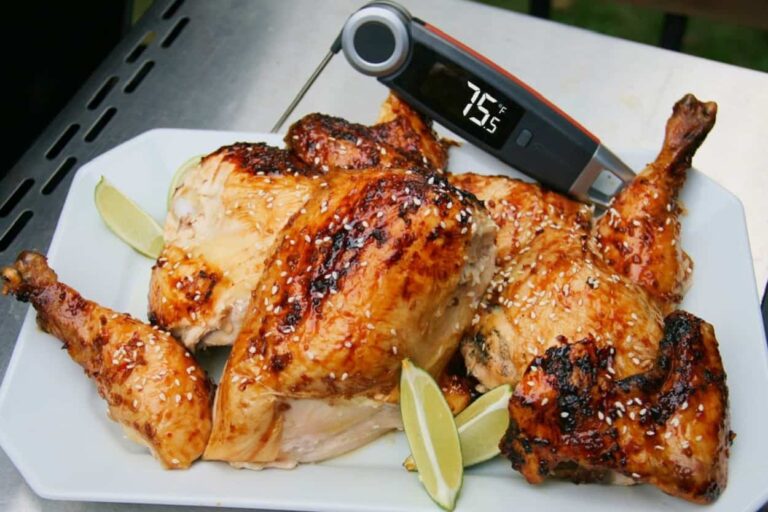
What Is the Best Meat Thermometer for Every Meat Cut?
Cooking food for our loved ones is always delightful. Cooking food, especially when it comes to cooking meat, ...
Versatility of Grill Thermometer Where Else Can I Use It?
The grill thermometer will tell you when your meat is perfectly roasted, whether you are looking for medium-ra...
Best Infrared Thermometer for Kitchen Use
Cooking is both an art and a science. It requires knowledge of food preparation, different cooking methods, un...
Best Uses for Infrared Thermometers
Infrared technology has been around for ages and used in different industries. There is a wide range of infrar...
How to Use a Grill Thermometer to Achieve the Best Juicy Meat?
It happens to everyone, especially when you are new to using a grill thermometer. You spend hours preparing fo...