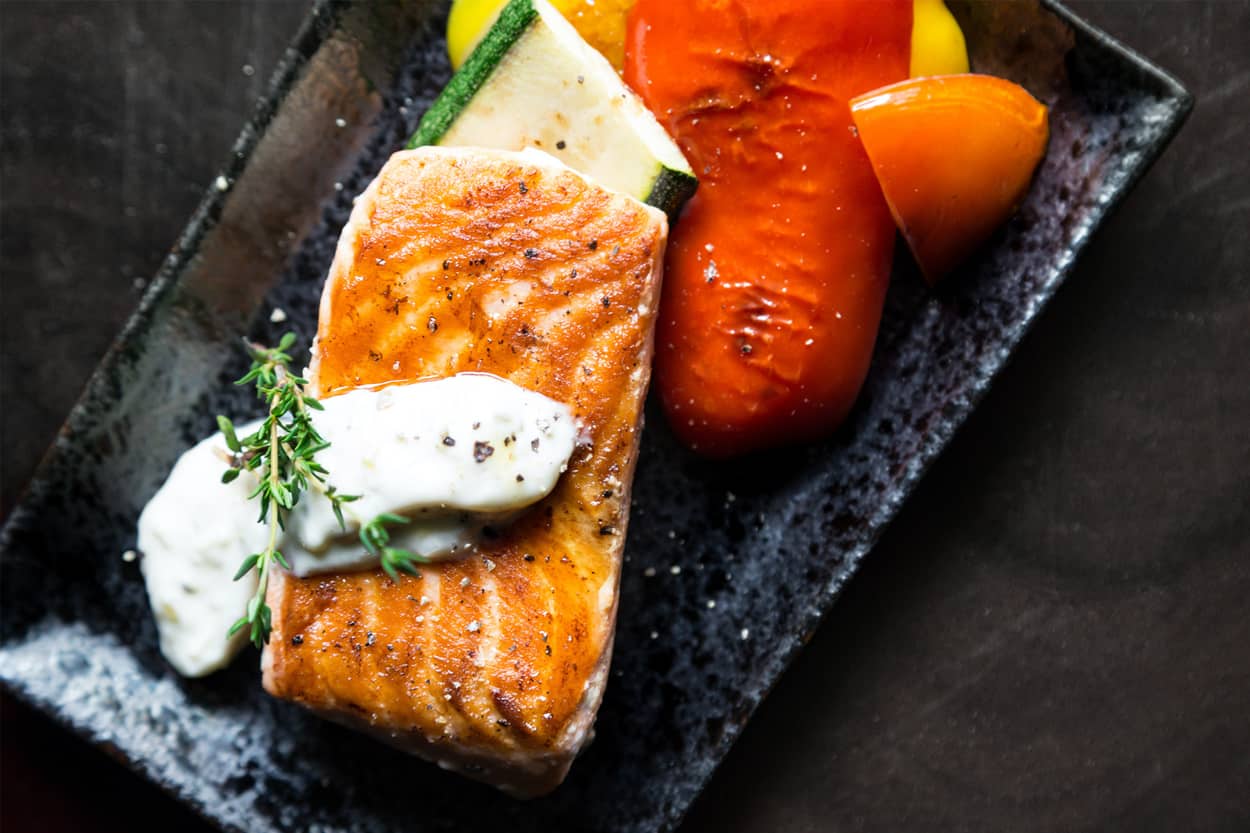
Smoked Salmon is a dish enjoyed by people everywhere and smoking salmon at home is a relatively simple, straightforward process that involves good brine, low-temperature cooking and lots of smoke.
Items needed:
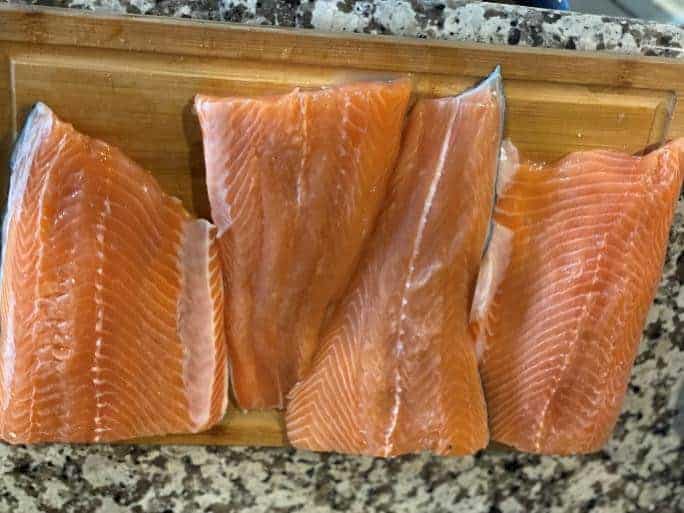
 There are several other things to do with salmon for smoking, one is that you need to feel the raw filet for any pin bones that may be in the filets that were missed from the fileting process. They can be easily removed with a pair of needle nose pliers or with a pair of fish bone pliers. This is usually a simple process and normally only a few bones if any are found.
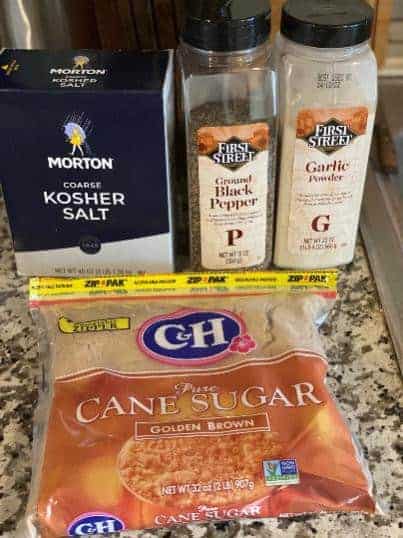
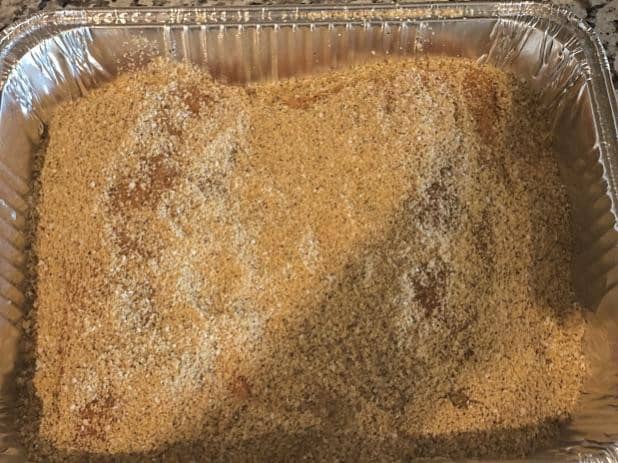
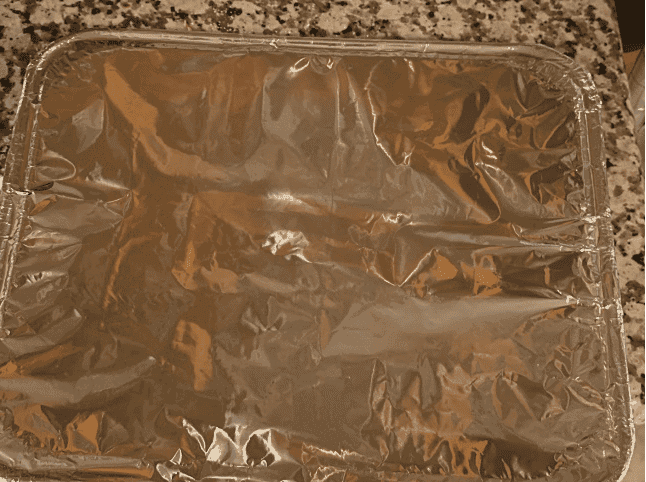
Your brine consists of 2 cups of brown sugar, ½ cup kosher salt, ¼ cup each black pepper and garlic powder. Mix the brine in a bowl and then start the brining process. Place this into your foil pan by covering the bottom of the pan with a layer of the brine, placing two filets on top of the brine, covering those filets with the brine, then placing two more filets on top, and covering those with brine, and continue until your pan is full or if you have all your filets in the brine, then cover with aluminum foil and place in the refrigerator overnight.
There are several other things to do with salmon for smoking, one is that you need to feel the raw filet for any pin bones that may be in the filets that were missed from the fileting process. They can be easily removed with a pair of needle nose pliers or with a pair of fish bone pliers. This is usually a simple process and normally only a few bones if any are found.
Your brine consists of 2 cups of brown sugar, ½ cup kosher salt, ¼ cup each black pepper and garlic powder. Mix the brine in a bowl and then start the brining process. Place this into your foil pan by covering the bottom of the pan with a layer of the brine, placing two filets on top of the brine, covering those filets with the brine, then placing two more filets on top, and covering those with brine, and continue until your pan is full or if you have all your filets in the brine, then cover with aluminum foil and place in the refrigerator overnight.
 When you take your filets out the next day, you should see quite a bit of liquid in the pan, do not be alarmed, this is supposed to happen. The brine draws out water and oil from the filets which make the meat more able to absorb smoke, and it is partially cured already of the brining process.
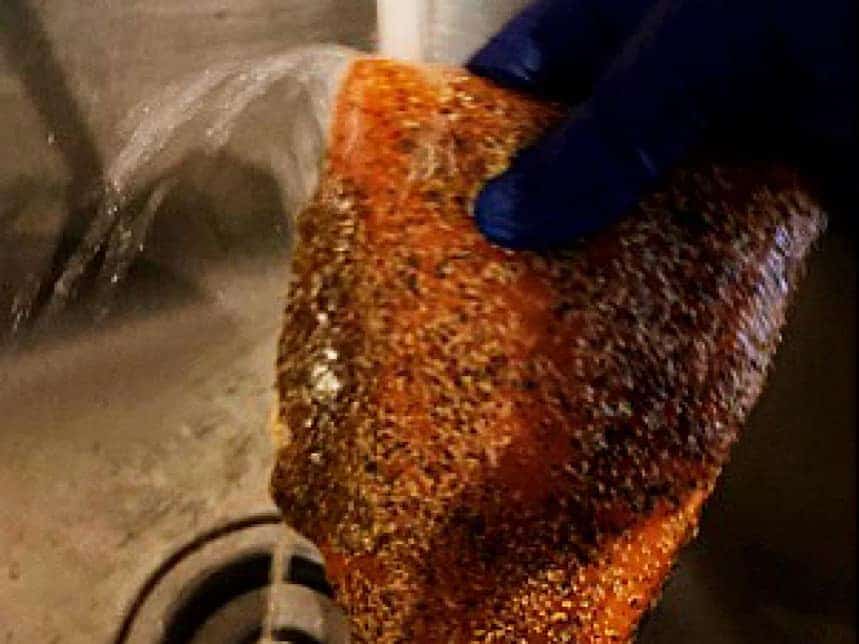
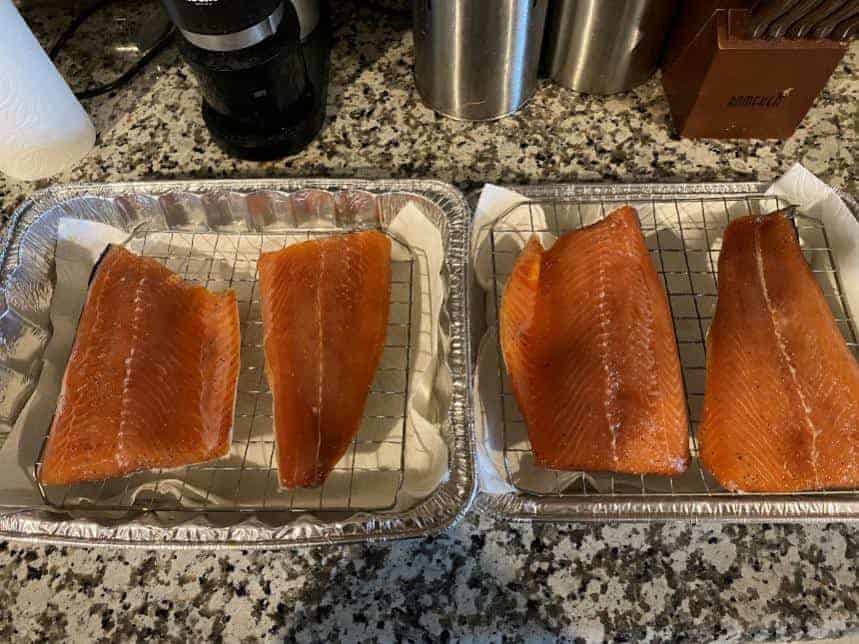
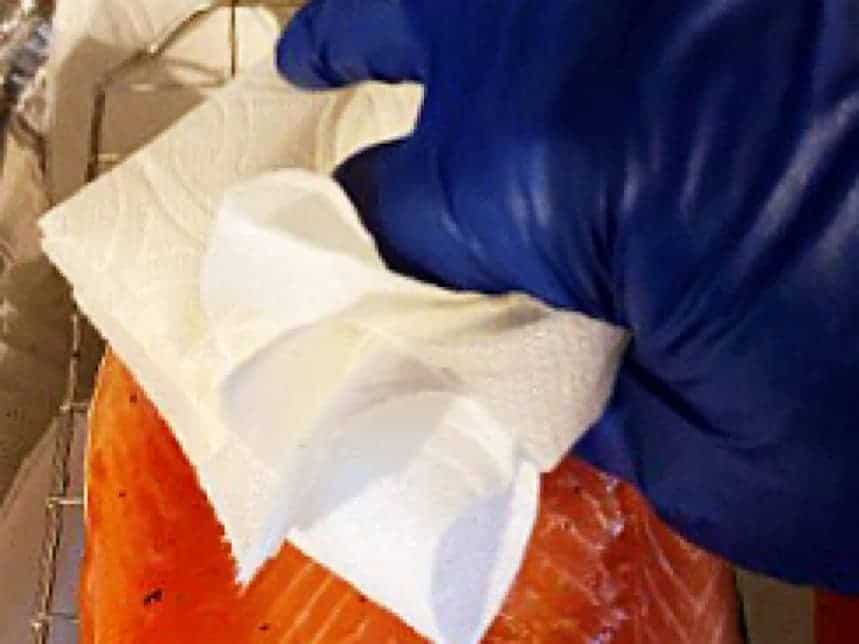
Once you remove the filets from the refrigerator, you will need to rinse all the brine off the filets, pat them dry and then let them sit at room temperature for a couple off hours, so that the filets form a gloss on the meat side, at that point, they are ready for the smoker.
When you take your filets out the next day, you should see quite a bit of liquid in the pan, do not be alarmed, this is supposed to happen. The brine draws out water and oil from the filets which make the meat more able to absorb smoke, and it is partially cured already of the brining process.
Once you remove the filets from the refrigerator, you will need to rinse all the brine off the filets, pat them dry and then let them sit at room temperature for a couple off hours, so that the filets form a gloss on the meat side, at that point, they are ready for the smoker.
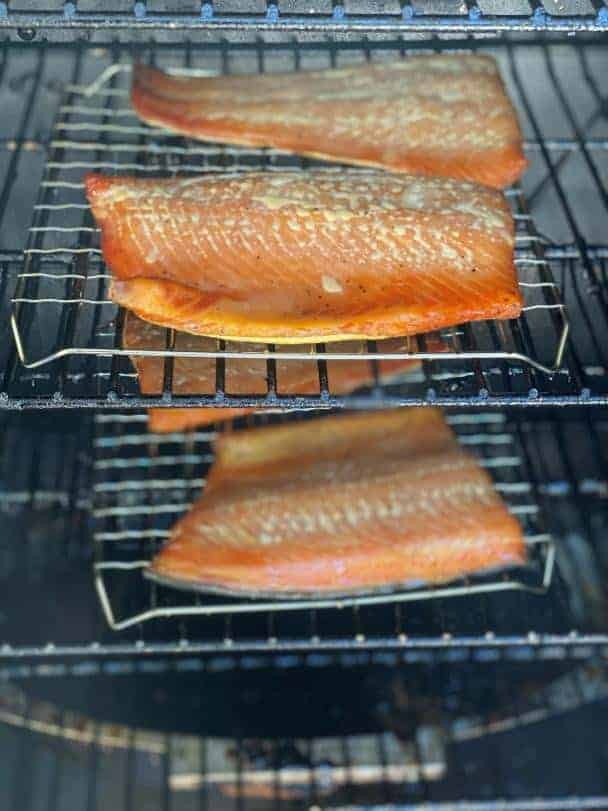 Once you have your filets ready, get your smoker ready. You will want it to be at 150 degrees, and you will want to set up your smoker for cold smoking. Cold smoking requires a smoke tube, smoke chamber, or other smoking devices that will allow for the smoke to enter the chamber and smoke the salmon, but cold enough so that the smoking process is curing the salmon and not cooking the salmon.
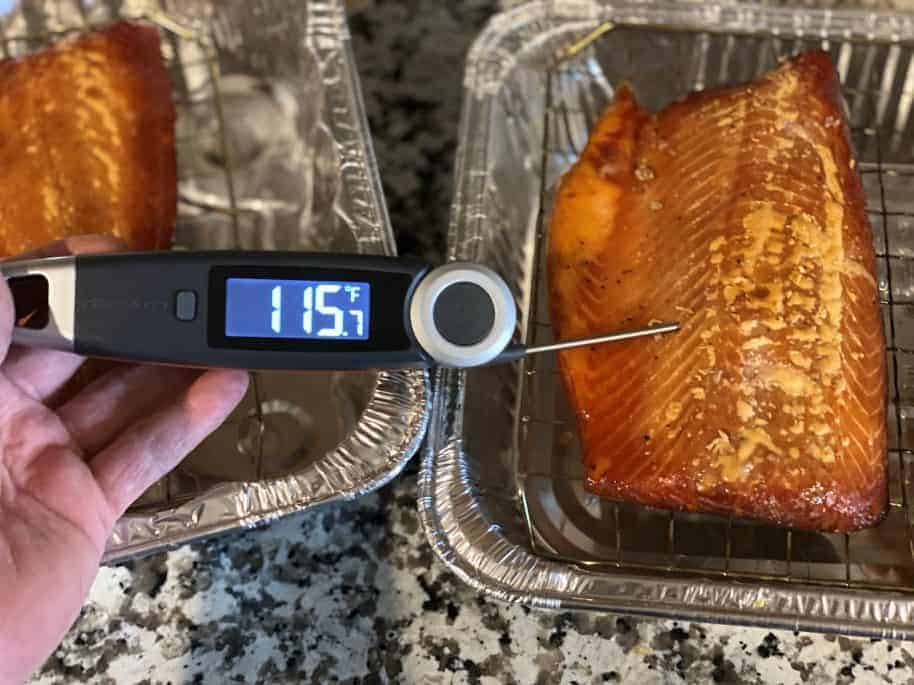
Once your meat is smoked, you will want to remove it from the smoker and allow it to cool.
Smoking salmon is an art. It must be cold smoked, it must be handled with care, it is easy to tear it up, and you will want it to cool down before you serve it.
The smoking process will produce a very flavorful piece of salmon with a beautiful texture and firmness. Smoking with the skin on the filet helps to protect the meat and keep it moist. You do not want to remove all the moisture, you are curing the meat. During the smoking process, any remaining oils and water will come out on the surface of the fish as a grey film, this will wipe off when you take it out of the smoker. One hour after you place your salmon into the smoker you will want to glaze it with some sort of glaze or sauce. In this recipe, I used mango, pineapple, and habanero sauce I made, and it lends itself well to smoked salmon. The recipe is simple.
Once you have your filets ready, get your smoker ready. You will want it to be at 150 degrees, and you will want to set up your smoker for cold smoking. Cold smoking requires a smoke tube, smoke chamber, or other smoking devices that will allow for the smoke to enter the chamber and smoke the salmon, but cold enough so that the smoking process is curing the salmon and not cooking the salmon.
Once your meat is smoked, you will want to remove it from the smoker and allow it to cool.
Smoking salmon is an art. It must be cold smoked, it must be handled with care, it is easy to tear it up, and you will want it to cool down before you serve it.
The smoking process will produce a very flavorful piece of salmon with a beautiful texture and firmness. Smoking with the skin on the filet helps to protect the meat and keep it moist. You do not want to remove all the moisture, you are curing the meat. During the smoking process, any remaining oils and water will come out on the surface of the fish as a grey film, this will wipe off when you take it out of the smoker. One hour after you place your salmon into the smoker you will want to glaze it with some sort of glaze or sauce. In this recipe, I used mango, pineapple, and habanero sauce I made, and it lends itself well to smoked salmon. The recipe is simple.
- Smoker that you can control the temperature effectively on.
- Salmon filets skin-on
- Brown sugar 2 cups
- Kosher salt ½ cup
- Black pepper ¼ cup
- Garlic powder ¼ cup
- Water-tight container or foil pans
- Aluminum foil
- Glaze for the salmon
There are several other things to do with salmon for smoking, one is that you need to feel the raw filet for any pin bones that may be in the filets that were missed from the fileting process. They can be easily removed with a pair of needle nose pliers or with a pair of fish bone pliers. This is usually a simple process and normally only a few bones if any are found.
Your brine consists of 2 cups of brown sugar, ½ cup kosher salt, ¼ cup each black pepper and garlic powder. Mix the brine in a bowl and then start the brining process. Place this into your foil pan by covering the bottom of the pan with a layer of the brine, placing two filets on top of the brine, covering those filets with the brine, then placing two more filets on top, and covering those with brine, and continue until your pan is full or if you have all your filets in the brine, then cover with aluminum foil and place in the refrigerator overnight.
When you take your filets out the next day, you should see quite a bit of liquid in the pan, do not be alarmed, this is supposed to happen. The brine draws out water and oil from the filets which make the meat more able to absorb smoke, and it is partially cured already of the brining process.
Once you remove the filets from the refrigerator, you will need to rinse all the brine off the filets, pat them dry and then let them sit at room temperature for a couple off hours, so that the filets form a gloss on the meat side, at that point, they are ready for the smoker.
Once you have your filets ready, get your smoker ready. You will want it to be at 150 degrees, and you will want to set up your smoker for cold smoking. Cold smoking requires a smoke tube, smoke chamber, or other smoking devices that will allow for the smoke to enter the chamber and smoke the salmon, but cold enough so that the smoking process is curing the salmon and not cooking the salmon.
Once your meat is smoked, you will want to remove it from the smoker and allow it to cool.
Smoking salmon is an art. It must be cold smoked, it must be handled with care, it is easy to tear it up, and you will want it to cool down before you serve it.
The smoking process will produce a very flavorful piece of salmon with a beautiful texture and firmness. Smoking with the skin on the filet helps to protect the meat and keep it moist. You do not want to remove all the moisture, you are curing the meat. During the smoking process, any remaining oils and water will come out on the surface of the fish as a grey film, this will wipe off when you take it out of the smoker. One hour after you place your salmon into the smoker you will want to glaze it with some sort of glaze or sauce. In this recipe, I used mango, pineapple, and habanero sauce I made, and it lends itself well to smoked salmon. The recipe is simple.
- 1 can pineapple juice
- 1 can crushed pineapple with the juice
- 1 jar of mango chile preserves
- 1 sprinkle of salt and black pepper
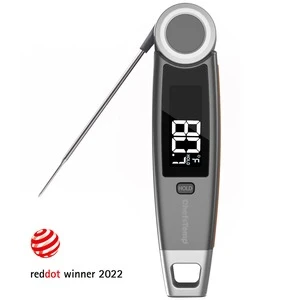
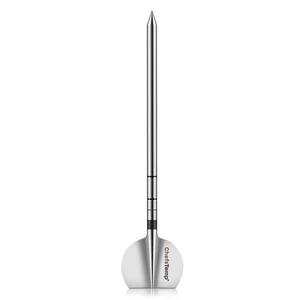
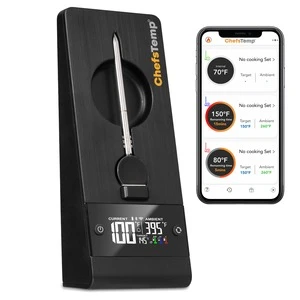
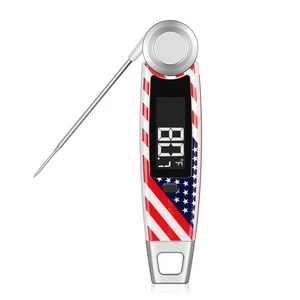
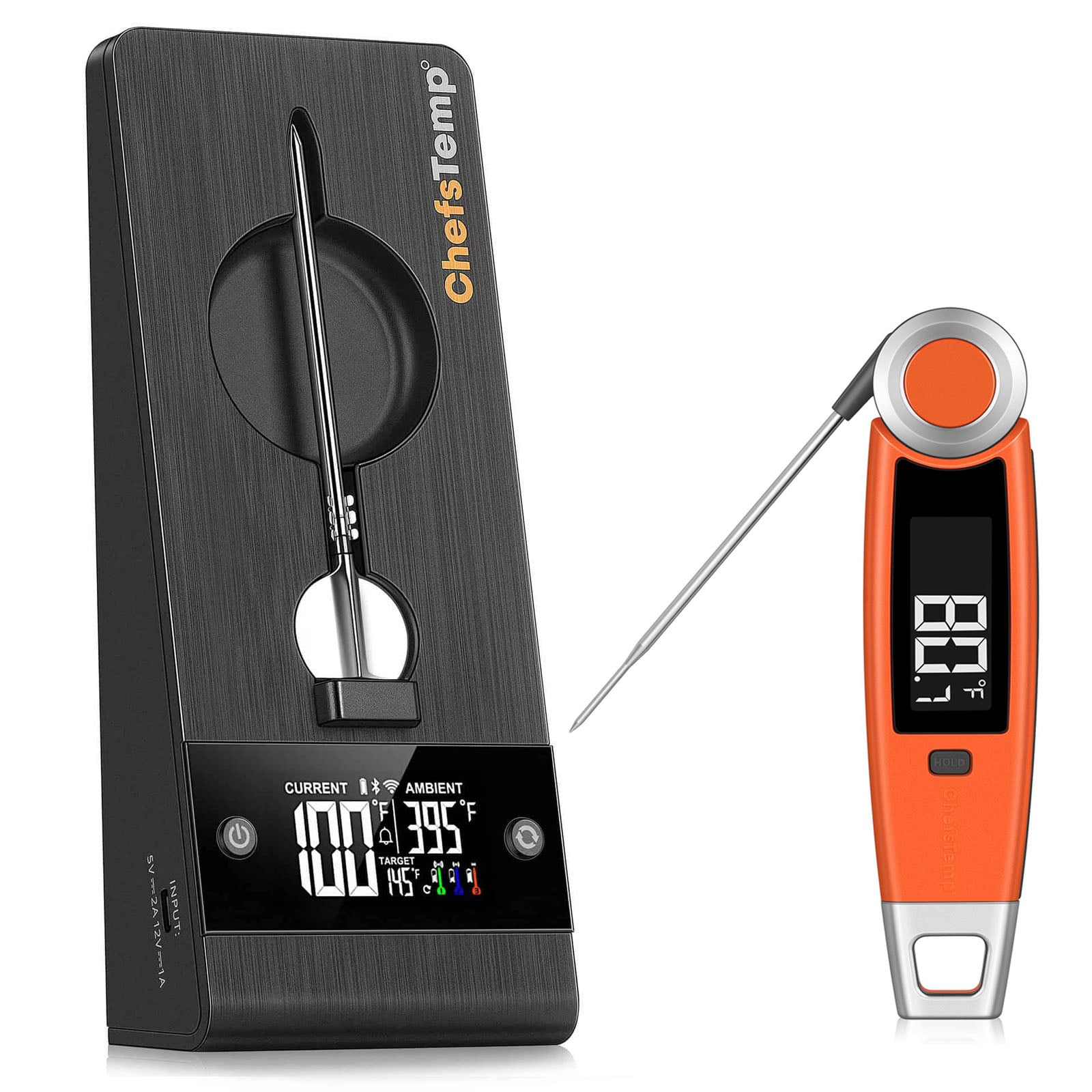
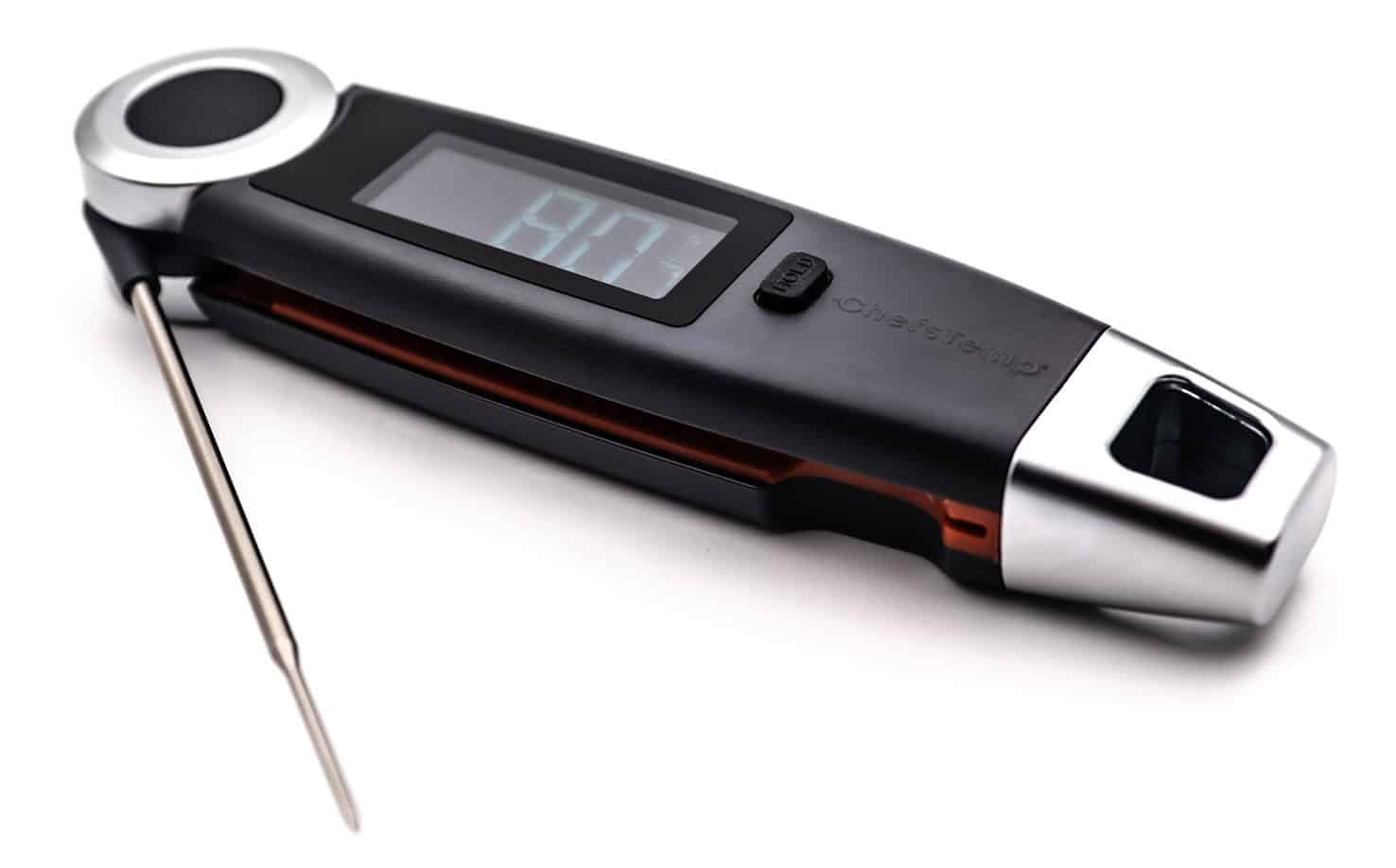
Finaltouch X10
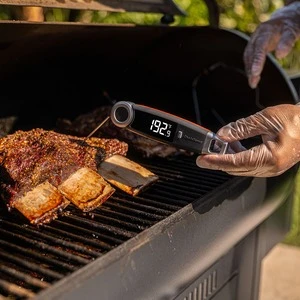
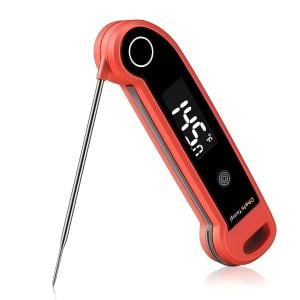
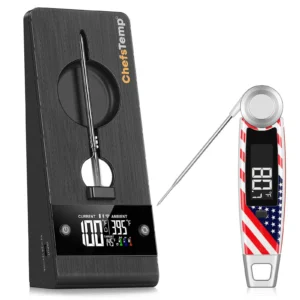
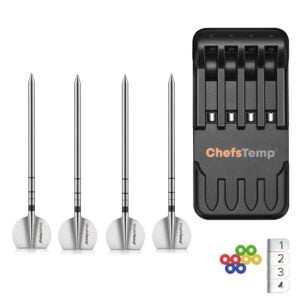
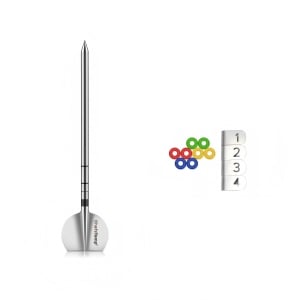
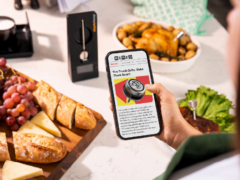
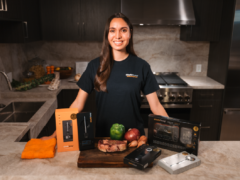
The Finaltouch X10 thermometer from ChefsTemp gives an accurate reading not only for the inside of food but for surface temperatures as well. The diversity of the thermometer’s usage is second to none compared to other thermometers. By getting a reading within 1 second, the Finaltouch X10 from ChefsTemp is prepared to take on any task it is given.Click Here To Get Your ChefsTemp Finaltouch X10 Now!
Related Posts
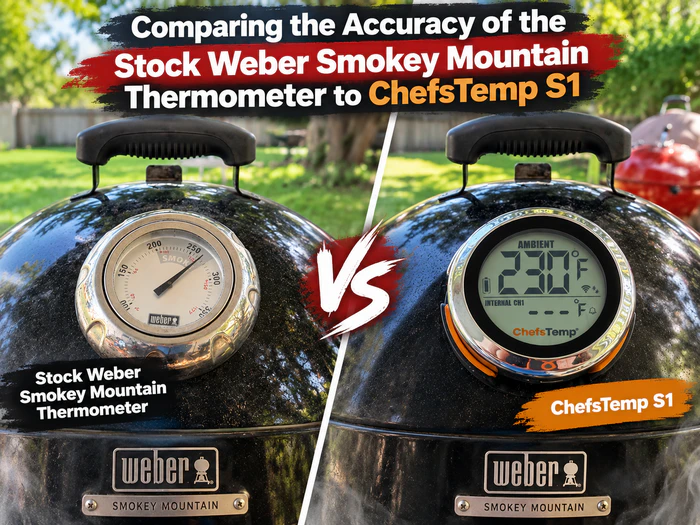
Comparing the Accuracy of the Stock Weber Smokey Mountain Thermometer to ChefsTemp S1
The Issue
The Weber Smokey Mountain is a popular and versatile cooker, but it has one major flaw - the stock ...
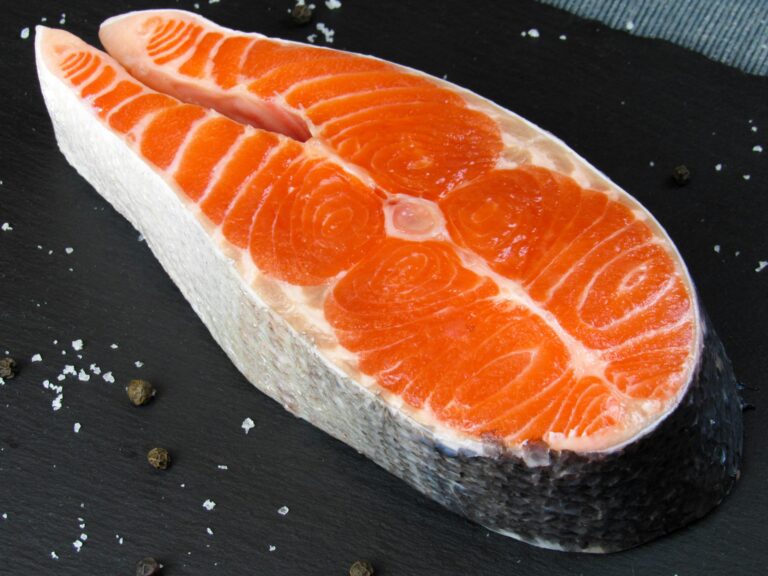
Can Salmon Be Undercooked? The Real Risks and How to Stay Safe
Can salmon be undercooked? Learn the exact temperature rule, spot the warning signs fast, and fix an undercooked fillet before it ruins dinner.
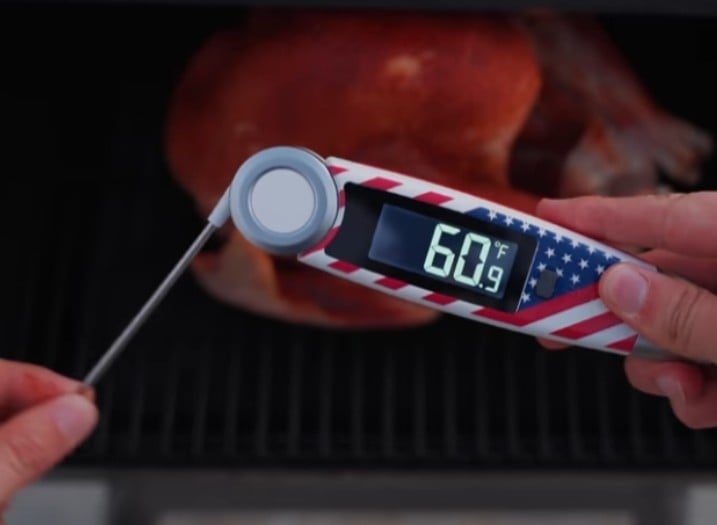
Best Thermapen Alternatives: 6 Instant-Read Thermometers Tested
Thermapen is fast, but is it worth? We tested 6 instant-read Thermapen alternatives for speed, accuracy, and value. Find your best match here.
From Traditional to Digital Thermometers – What Is the Future of Meat Thermometers?
Is an electronic meat thermometer a reality? Yes, it is a reality. Meat thermometers ensure the safety of cook...
Reasons Why You Should Upgrade to the Best Instant Read Thermometer
A kitchen without an instant-read thermometer is incomplete. When it comes to creating a succulent pot roast o...
How Do You Know Your Ribs Are Done?
The summers are on the way, and we know many of you are planning to make this Memorial Day or Independence Day...
Is Your Steak Properly Done? Get it Right with a Remote Thermometer
Many passionate grillers began where you are now. Their first attempts were unsuccessful and disappointing. Th...
Things You Should Never Do with an Instant Read Meat Thermometer
An instant-read meat thermometer is needed to tell if your meat is cooked to the proper internal temperature. ...
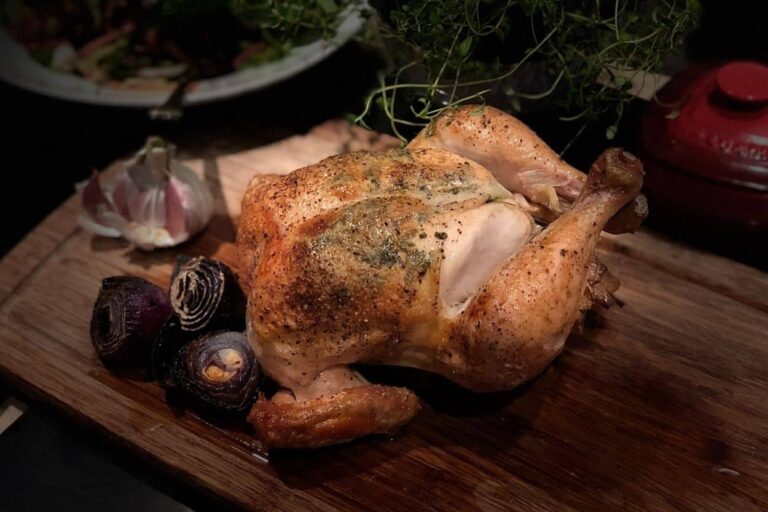
The Safest and Correct Chicken Internal Temp for a Juicy and Tasty Meat
Chicken meat is delicious and nutrient-dense, but only if it's cooked to a specific internal temperature. Go b...
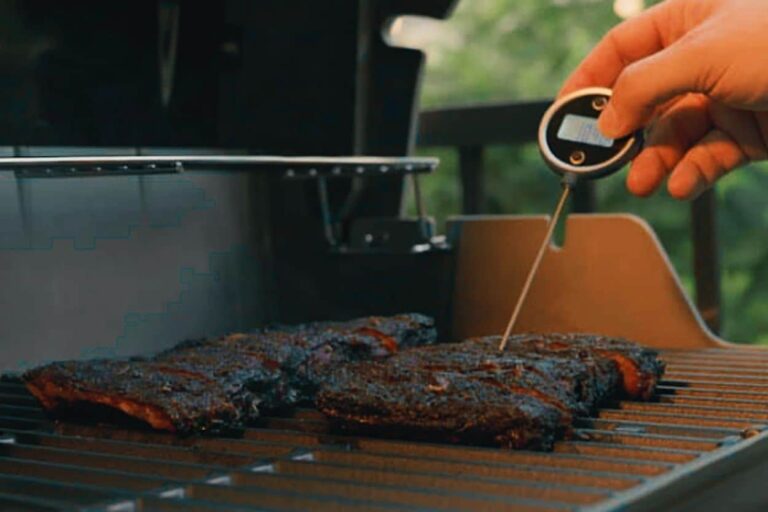
How to Properly Reheat BBQ Leftovers with the Best Meat Thermometer?
Reheating BBQ leftovers is something many people struggle with. This article covers the ins and outs of doing ...
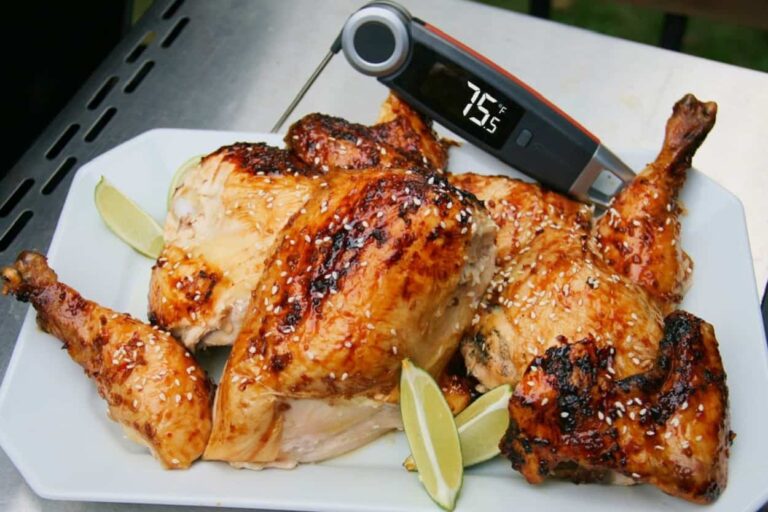
What Is the Best Meat Thermometer for Every Meat Cut?
Cooking food for our loved ones is always delightful. Cooking food, especially when it comes to cooking meat, ...
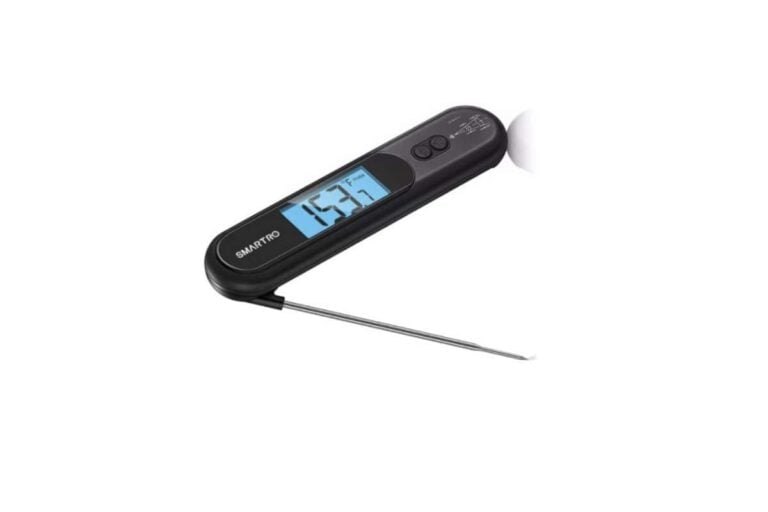
Best Infrared Cooking Thermometer
The best infrared cooking thermometer lets you check your food's temperature from a safe distance. It is a cru...