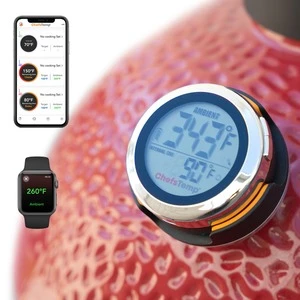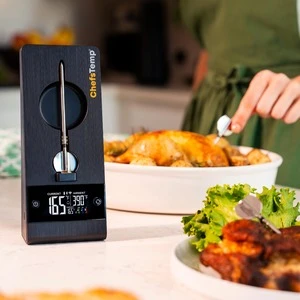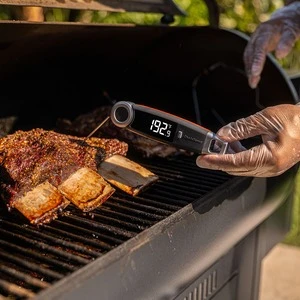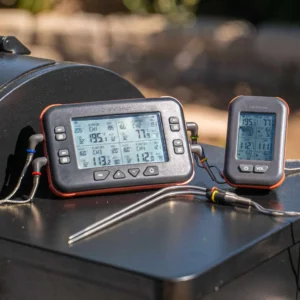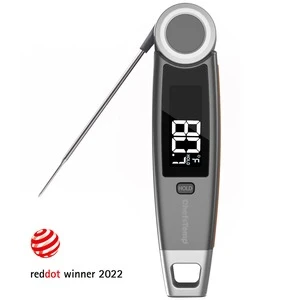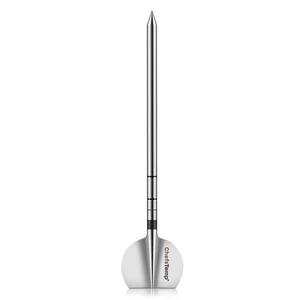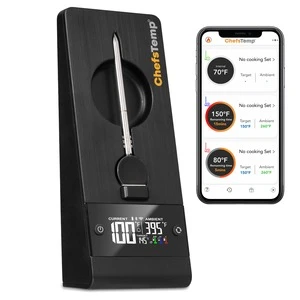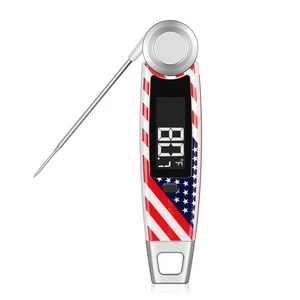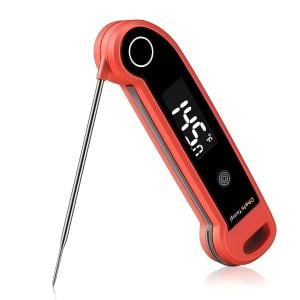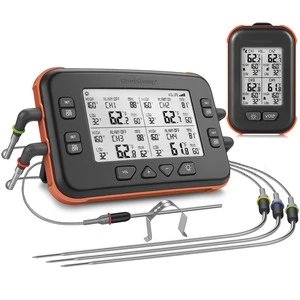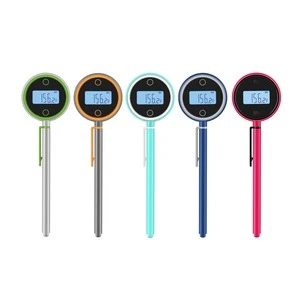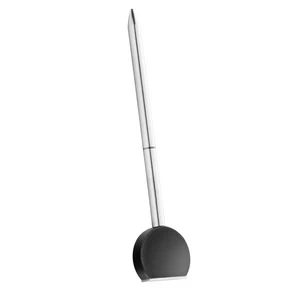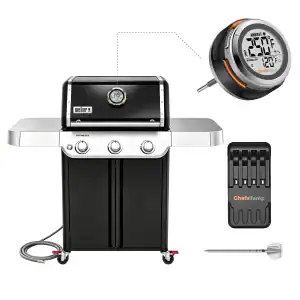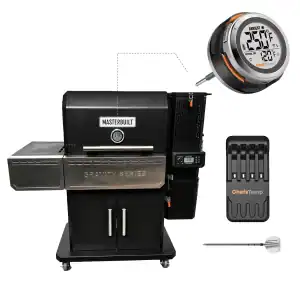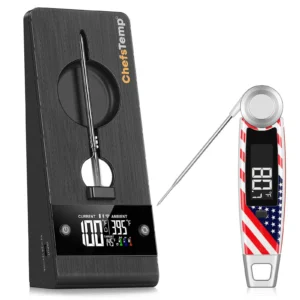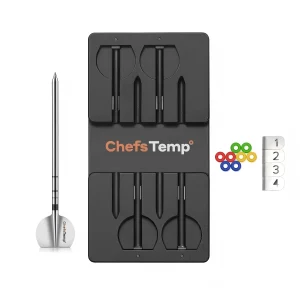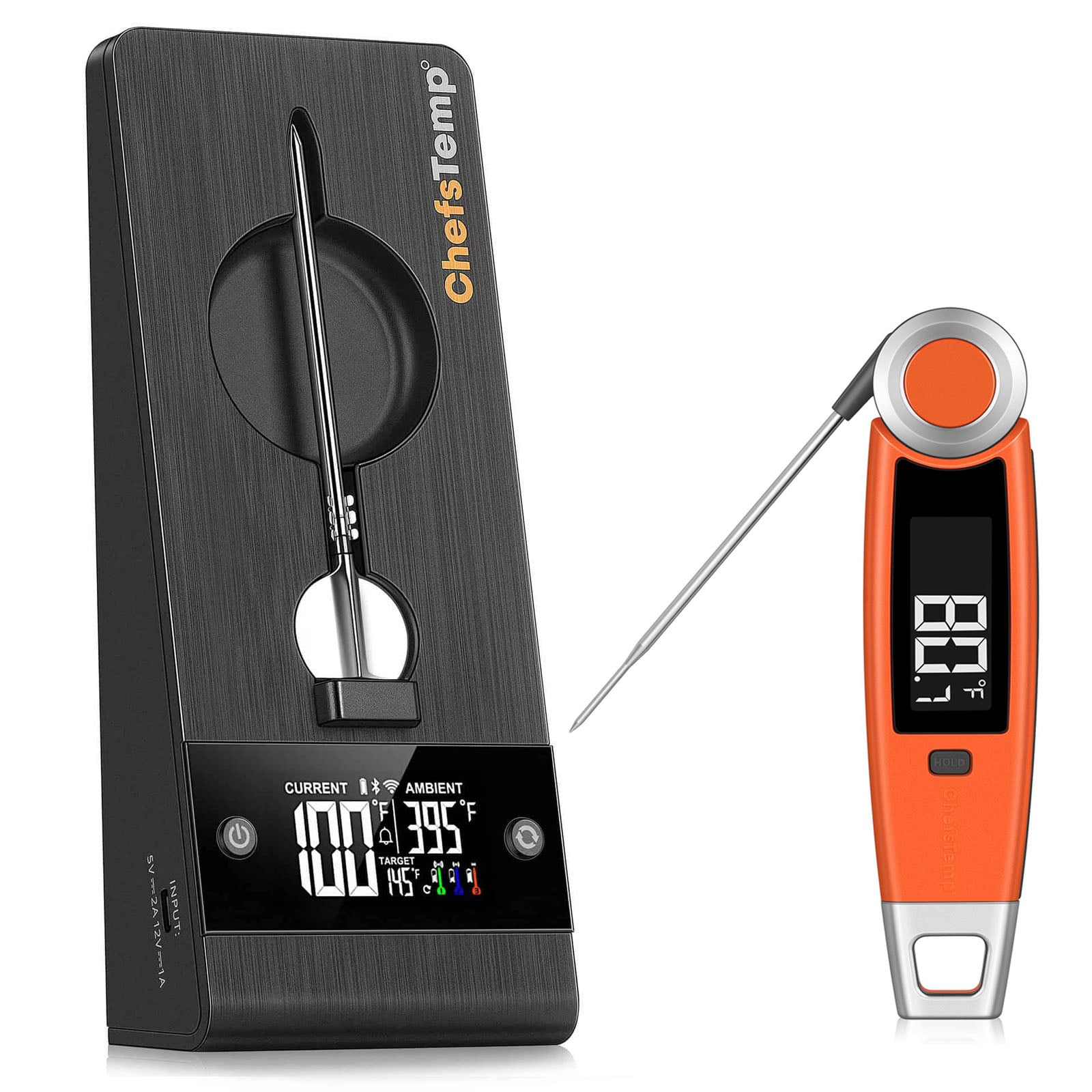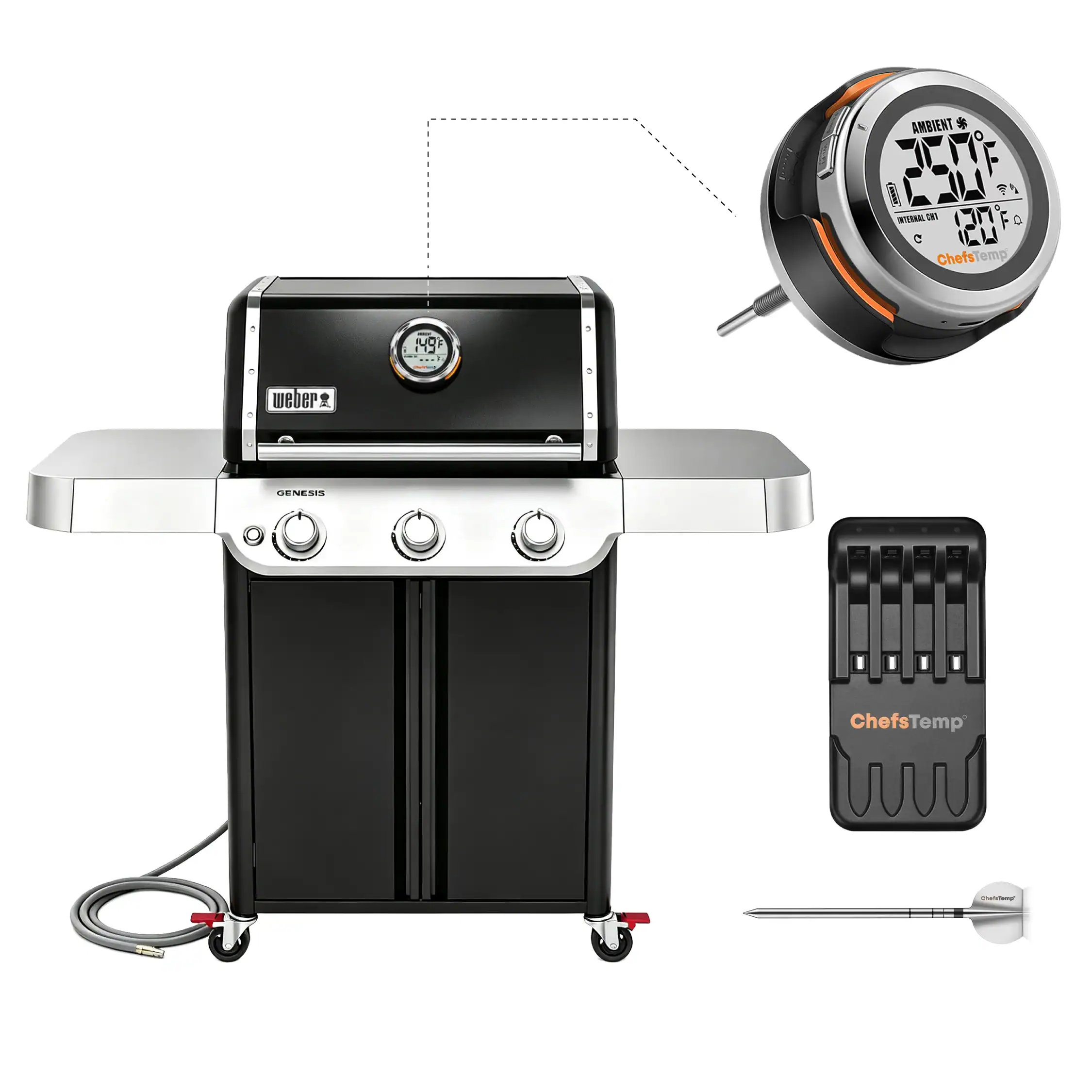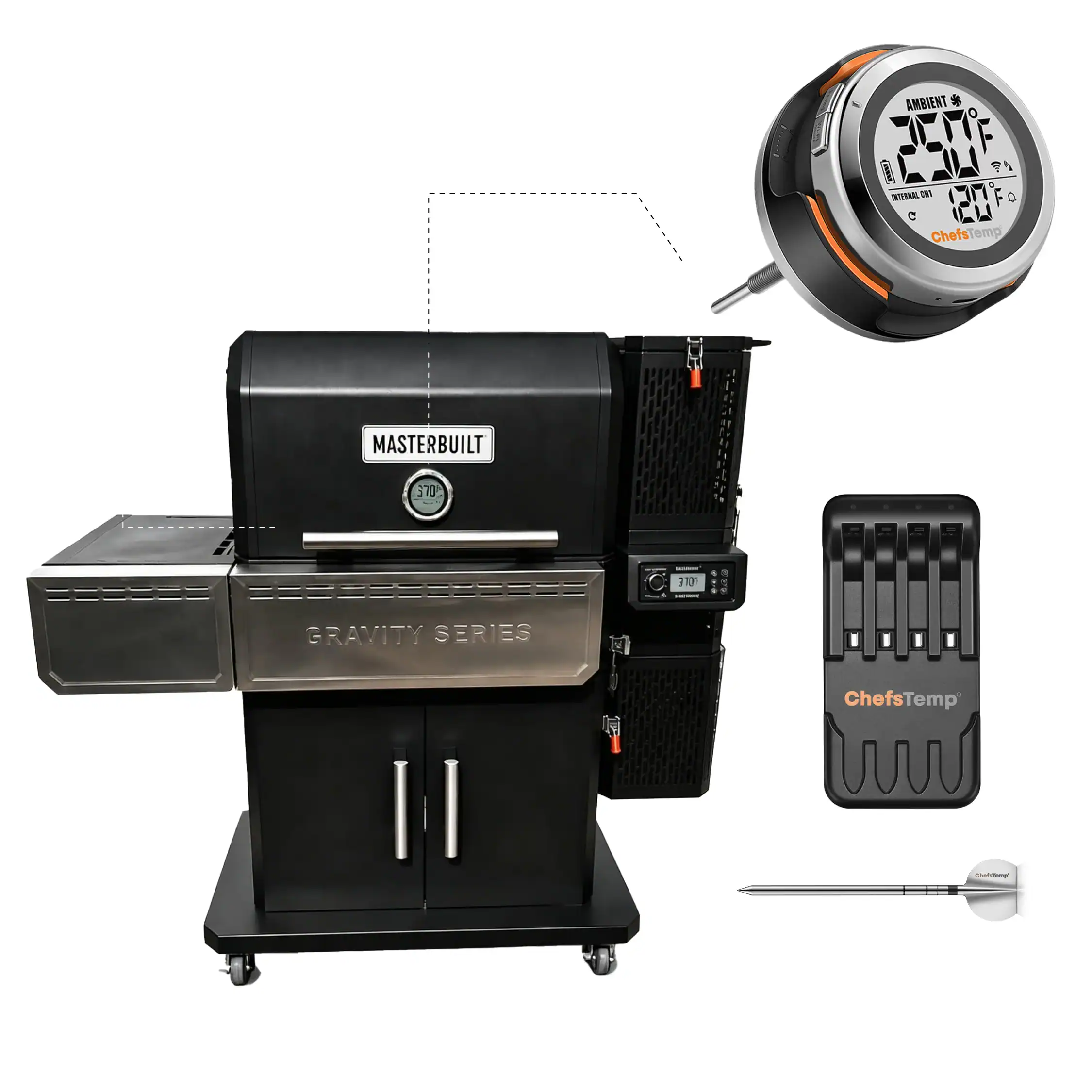
A meat thermometer you can leave in the oven provides the most accurate and reliable temperature reading. It allows you to monitor the meat while it’s being cooked and ensure delicious, juicy, safe-to-eat meat, while also avoiding dry and overcooked food. The key to getting the best cook on your food is knowing the proper way of using your thermometer and its readings.
What You Need to Know About a Meat Thermometer You Can Leave in the Oven
If you are new to using a meat thermometer you can leave in the oven, this guide is for you. Discover how it works so you can ensure your meat is cooked properly (without overcooking it).First question, can you leave the meat thermometer in the oven while cooking?
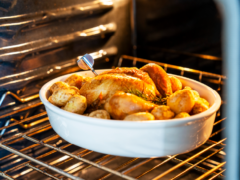
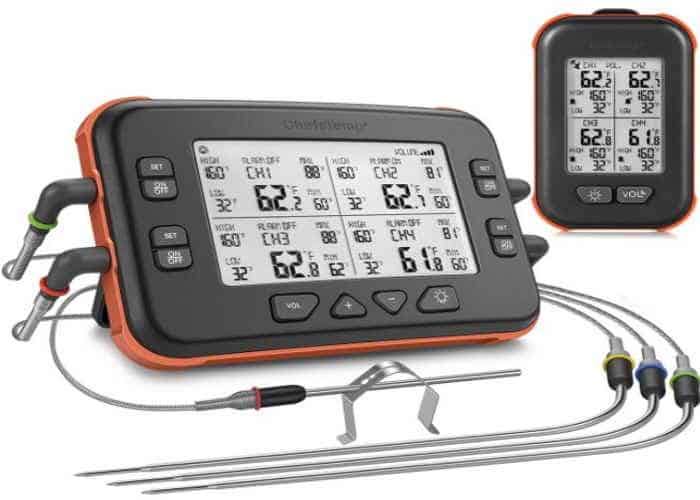
Yes, absolutely. As a matter of fact, there are meat thermometers specially designed for this purpose. You can be sure if there is a label that says “oven-safe” or “oven-going.” If you can’t see this on their packaging or in the manual, or if you can’t find any safety information about such a feature, then it is best to reach out to the manufacturer and ask if you can use it while cooking. Or better yet, opt for a thermometer with clear ‘oven-safe’ information on their packaging. If there are no clear labels on the packaging, then you should not assume that the device is oven safe.
How to use an oven-going meat thermometer
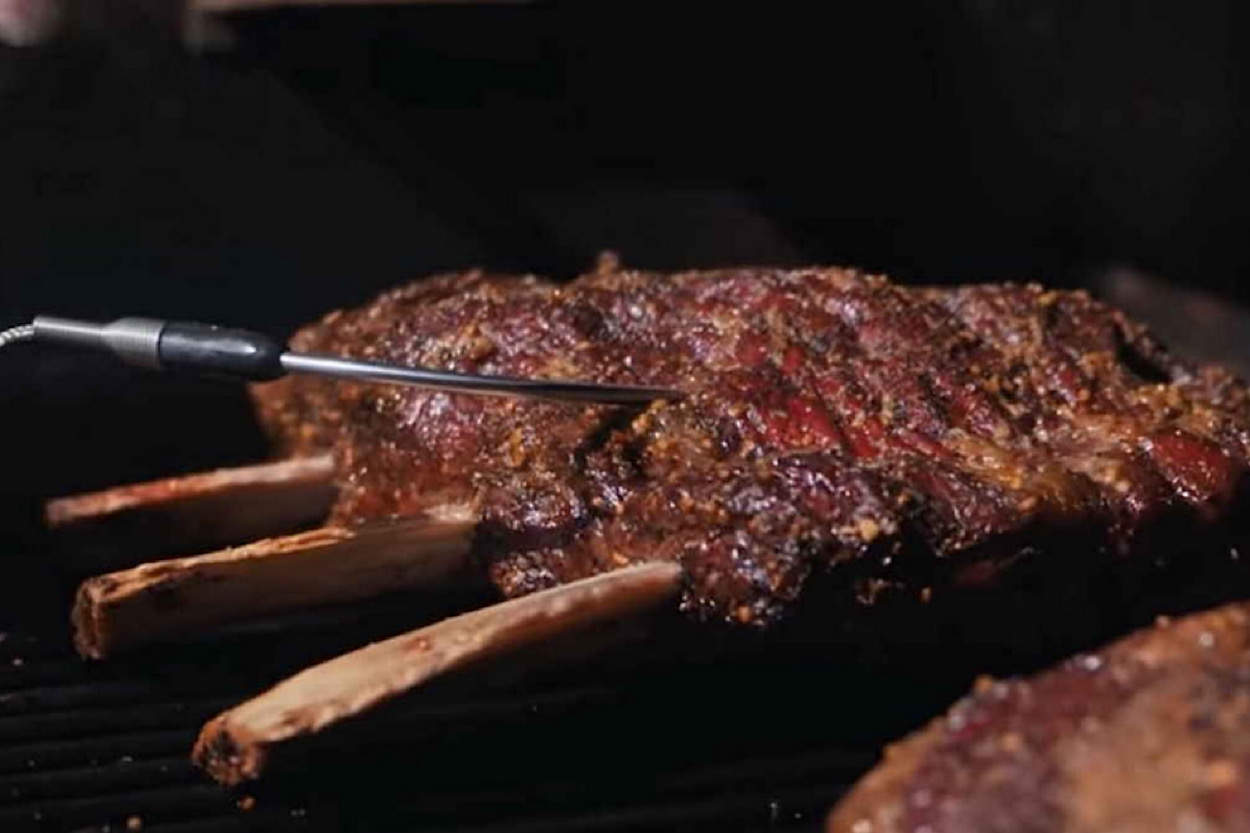
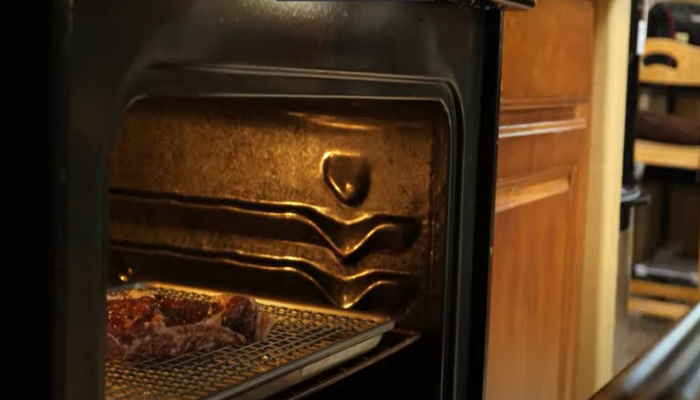
Oven-going or oven-safe thermometers are exactly as they sound – you can leave them inside the oven while cooking. To use an oven-going meat thermometer, simply stick the rod of the thermometer around a couple of inches deep into whatever it is that you want to cook in the oven. To get the most accurate temperature reading, avoid hitting the bone, fat, or baking tray. For larger meats such as turkey, make sure you stick the temperature into the thickest part of the joint. In turkey’s case, that’s in the thigh. For slimmer cuts such as hamburger patties, you can insert the thermometer from the side. If you see the temperature on the thermometer is where you want your meat to be, then you can take the meat out of the oven. Next, press your thermometer a little further down into the meat and see if the temperature drops. You will know when the meat is ready if the internal temperature remains stable even as you press the thermometer further in.How high can an oven-going meat thermometer go?
There’s a wide range of meat thermometers on the market right now, and there are no standards for their temperature range. Generally, they can read up to 220˚ F, while some of the fancier (more expensive) ones can go as high as 550˚ F.What temperatures to look for in a meat thermometer when cooking?
Well, this depends on what meat you are cooking. For most steaks, you can cook them to medium-rare at around 130 ˚ F to 135˚ F. The United States Department of Agriculture, however, suggests that beef, lamb, and pork should be cooked at 145˚ F or above for safety reasons. Here’s a quick guide to the meat temperature chart for cooking. While most people prefer medium-rare steaks (steaks absolutely taste best at medium-rare), note that the USDA doesn’t recommend cooking and consuming rare and medium-rare meat.Meat – Internal Temperature
Beef/Steak- Rare – 120 F – 125 F (48.9 C to 51.6 C)
- Medium rare – 130 F – 135 F (54.4 C to 57.2 C)
- Medium – 140 F – 145 F (60 C to 62.8 C)
- Medium-well – 150 F – 155 F (65.5 C to 68.3 C)
- Well-done – 160 F (71.1 C) and above
- You can cook most pork cuts at 145 F (62.8 C).
- Ham (fully cooked/to reheat) – 140 F (60 C)
- Rare – 135 F (57.2 C)
- Medium rare – 140 F – 150 F (60 C to 65.5 C)
- Medium – 160 (71.1 C)
- Well-done – 165 (73.9 C) and above
- Chicken – 165 F – 175 F (73.9 C to 80 C)
- Duck – 165 F – 175 F (73.9 C to 80 C)
- Turkey – 165 F – 175 F (73.9 C to 80 C)
- Ground poultry – 165 F (73.9 C)
- Ground meat – 160 F (71.1 C)
- Fish and Shellfish – 145 F (62.8 C)
- Eggs and egg dishes – 160 F (71.1 C)
Tips for using a meat thermometer you can leave in the oven
Calibrate and test your thermometer regularly
A thermometer can only be useful if it is giving the correct temperature reading. Accuracy is extremely important, as even the slightest difference in reading can make a huge difference in the quality and safety of the meat. Thus, make sure your meat thermometer is working properly. There are two things you can do to calibrate and test your thermometer. The ice test and boiling water test. For the former, dip your meat thermometer into a glass of ice. It should read 32˚ F ─ the freezing point of water. For the second test, dip your meat thermometer in a pan of boiling water, it should give you a reading of 212˚ F, the boiling point of water at sea level. If you live in a high-altitude area, say Denver, Colorado, the reading should be 202˚ F.
Keep your thermometer squeaky clean
It is extremely important that you keep your meat thermometer clean and sanitized. This is to avoid cross-contamination. Wash your thermometer with warm water and soap after every use and sanitize it with boiling water or alcohol wipes to avoid rusting.Practice the right thermometer position
The best way to practice the positioning of your thermometer is by sticking it into the meat while the meat is still cold. This is extremely important, especially for poultry, to ensure the thermometer is in the right position and at the correct depth. Again, for an accurate temperature reading, the tip of the rod should not touch the bone, fat, or baking pan.Read the manual
It is easy to overlook the importance of reading the instructions in the manual. After all, thermometers are simple tools. However, not all thermometers are the same. Some manufacturers may have some slightly different or special instructions on how to use and maintain the thermometer. For instant-read thermometers, for example, some can give an accurate reading as fast as 10 to 15 seconds. Some may need 20 to 30 seconds. Pulling out the probe too soon may give you an inaccurate reading.Related Posts
Comparing the Accuracy of the Stock Weber Smokey Mountain Thermometer to ChefsTemp S1
The Issue
The Weber Smokey Mountain is a popular and versatile cooker, but it has one major flaw - the stock ...
Can Salmon Be Undercooked? The Real Risks and How to Stay Safe
Can salmon be undercooked? Learn the exact temperature rule, spot the warning signs fast, and fix an undercooked fillet before it ruins dinner.
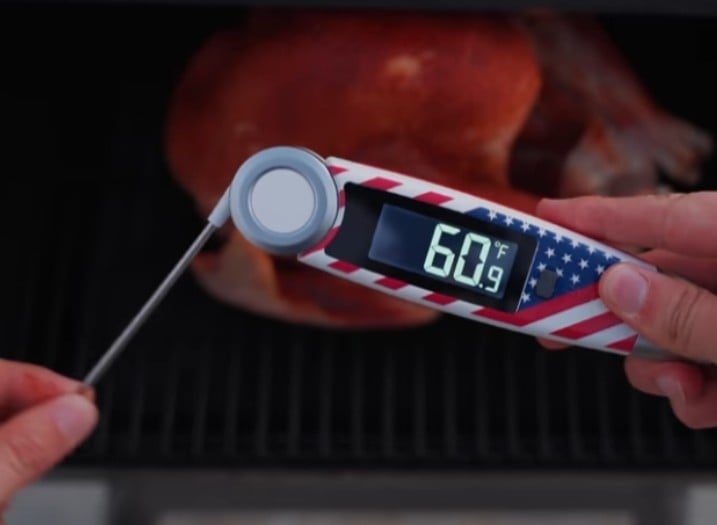
Best Thermapen Alternatives: 6 Instant-Read Thermometers Tested
Thermapen is fast, but is it worth? We tested 6 instant-read Thermapen alternatives for speed, accuracy, and value. Find your best match here.
From Traditional to Digital Thermometers – What Is the Future of Meat Thermometers?
Is an electronic meat thermometer a reality? Yes, it is a reality. Meat thermometers ensure the safety of cook...
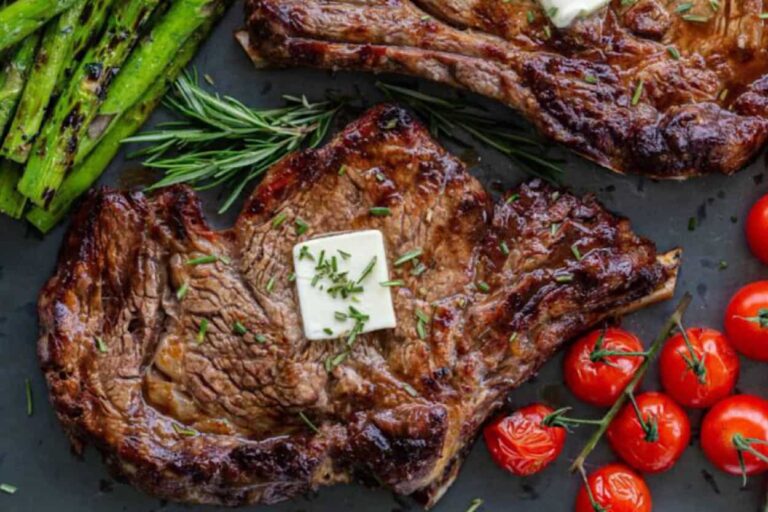
From Rare to Well-Done: How to Use ChefsTemp Thermometers for Cooking Steak to Perfection
There's nothing quite like a perfectly cooked steak, whether you prefer it rare, medium-rare, or well-done. Ch...
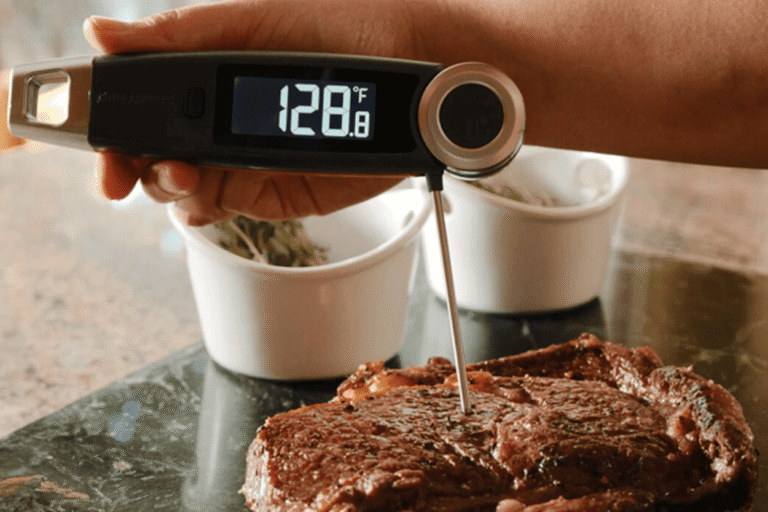
Reasons Why You Should Upgrade to the Best Instant Read Thermometer
A kitchen without an instant-read thermometer is incomplete. When it comes to creating a succulent pot roast o...
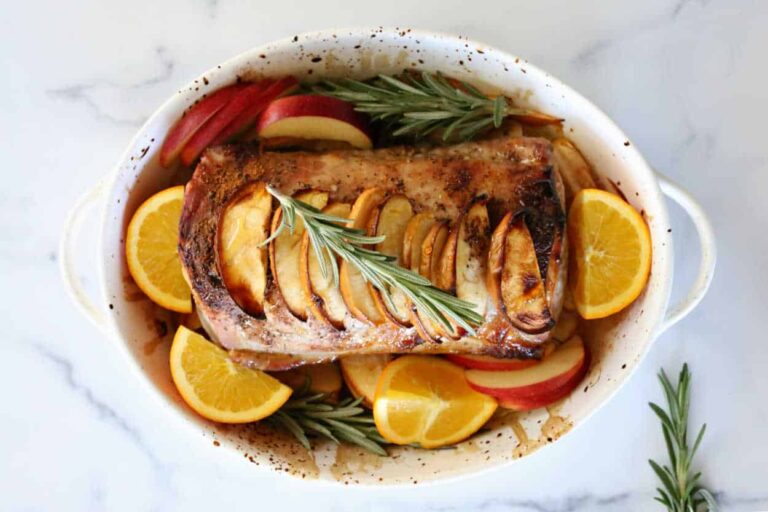
Roasted Apple Pork Loin with Honey and Rosemary
Sweet and salted roasted apple pork loin in an orange honey glaze unifies all the flavours in this easy main d...
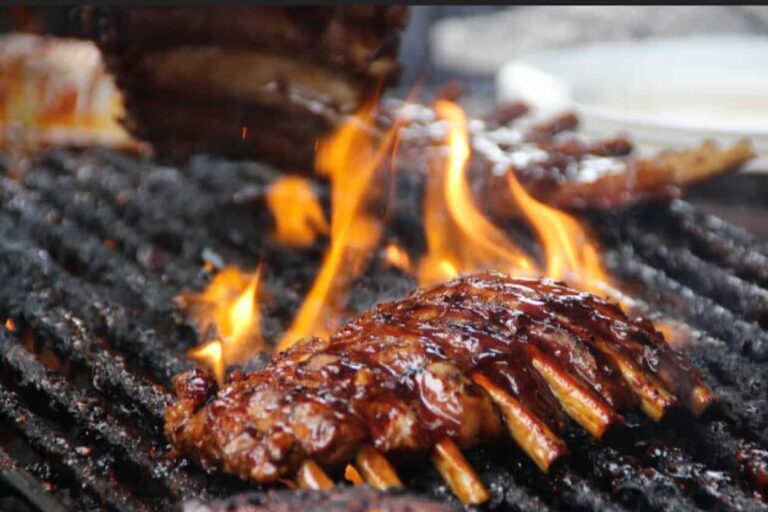
How Do You Know Your Ribs Are Done?
The summers are on the way, and we know many of you are planning to make this Memorial Day or Independence Day...
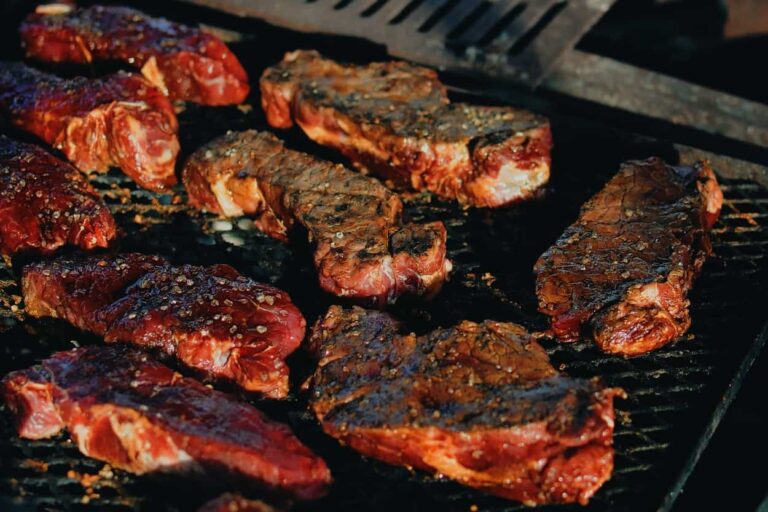
Is Your Steak Properly Done? Get it Right with a Remote Thermometer
Many passionate grillers began where you are now. Their first attempts were unsuccessful and disappointing. Th...
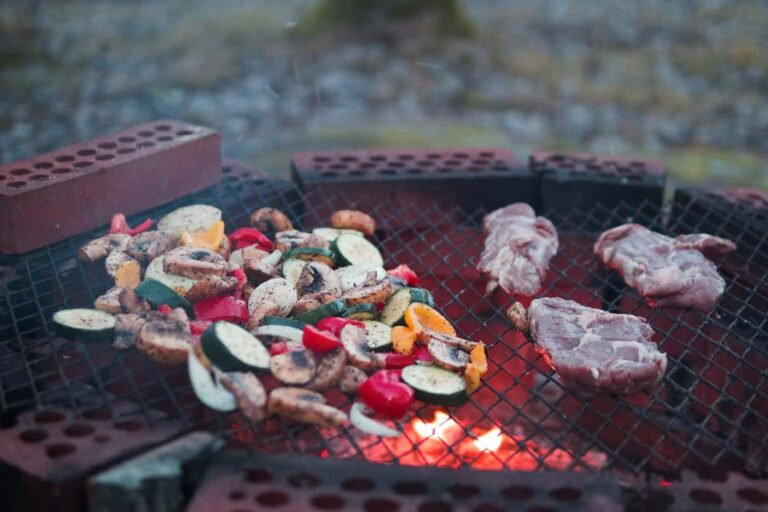
Things You Should Never Do with an Instant Read Meat Thermometer
An instant-read meat thermometer is needed to tell if your meat is cooked to the proper internal temperature. ...
The Safest and Correct Chicken Internal Temp for a Juicy and Tasty Meat
Chicken meat is delicious and nutrient-dense, but only if it's cooked to a specific internal temperature. Go b...
How to Properly Reheat BBQ Leftovers with the Best Meat Thermometer?
Reheating BBQ leftovers is something many people struggle with. This article covers the ins and outs of doing ...