The pandemic saw a surge in the popularity of infrared thermometers. It is quick, contactless, and convenient, making it the tool of choice for medical workers to scan body temperature. However, infrared thermometers have been around for decades before the pandemic. They are widely used in the kitchen, mechanical, and industrial settings. They are also the tools of choice for auto mechanics, air-conditioning maintenance, electricians, engineers, and chefs.
But how does an infrared thermometer work? And are infrared thermometers safe?
 Q. Where else can you use kitchen infrared thermometers?
A. An infrared kitchen thermometer is ideal for measuring the surface temperature of hot oil, which is vital for deep frying and tracking oil before its smoking point. It is also suitable for measuring the temperature of the iron skillet, sauté pan, soups, and even chocolate.
Infrared thermometers can also help keep certain ingredients hot or cool (by tracking their temperature) to keep active ingredients alive (milk, butter, yoghurt, or anything with live cultures, etc.).
Infrared thermometers are also ideal for measuring the temperature of warm liquids. Make sure you stir the liquid slowly to avoid measuring the steam’s temperature.
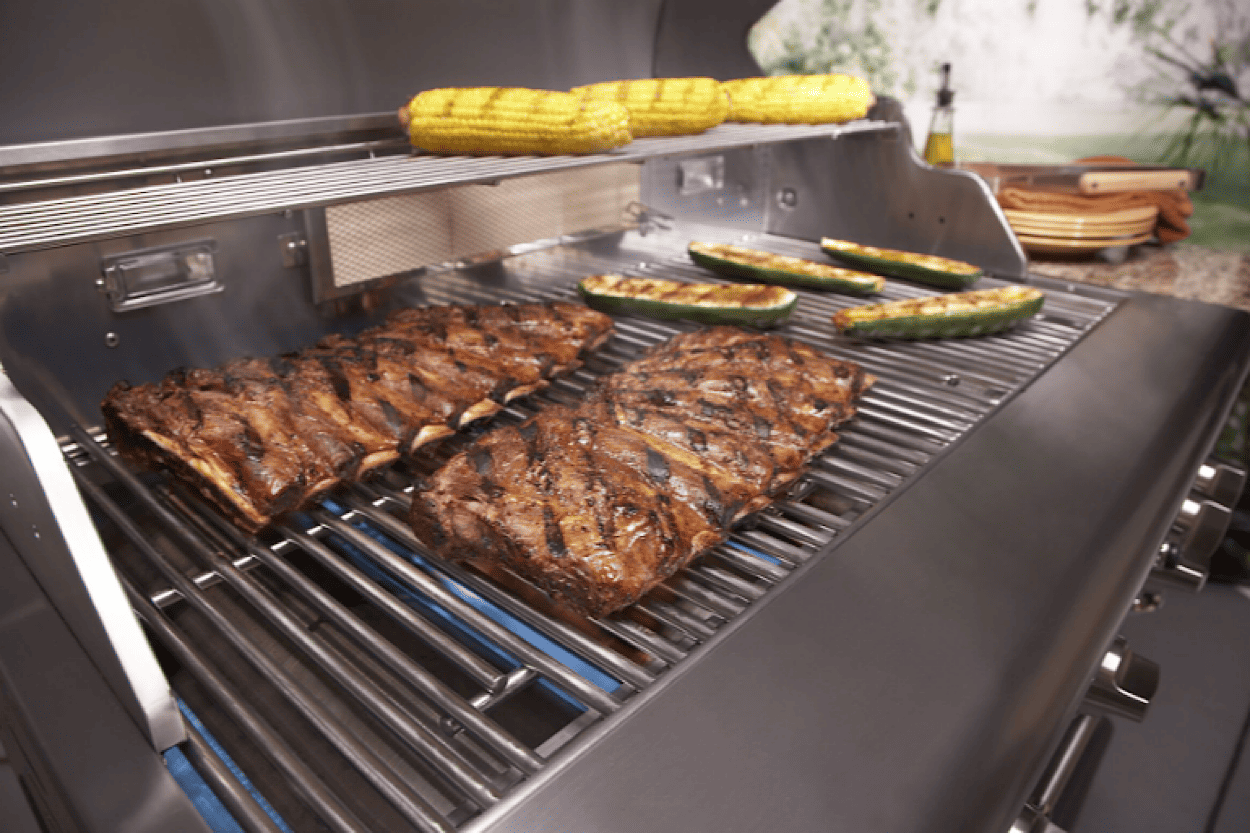
You can also use an infrared thermometer when barbecuing (using barbecue grates) and using pizza stones. The tool can measure surface temperature to get an accurate reading. This is great for determining hot and cold spots on the barbecue grate or pizza stone and helps maintain a uniform temperature across the surface.
Q. Are kitchen infrared thermometers similar to medical (forehead) thermometers?
A. Kind of. Medical thermometers are excellent for quickly and conveniently measuring a person’s temperature without contact. It measures internal temperature from the outside and uses an algorithm to translate the reading, usually measured from 1.5″ in the middle of the forehead.
However, infrared thermometers for the kitchen and those designed for industrial use measure surface temperature over a broad range, suited to their applications in the kitchen or the industrial setting. The infrared medical thermometers, on the other hand, have a much narrower temperature range, as they are designed for accurate temperature measurement of the human body. Thus, infrared kitchen or industrial thermometers cannot be used interchangeably with medical thermometers.
Q. Where else can you use kitchen infrared thermometers?
A. An infrared kitchen thermometer is ideal for measuring the surface temperature of hot oil, which is vital for deep frying and tracking oil before its smoking point. It is also suitable for measuring the temperature of the iron skillet, sauté pan, soups, and even chocolate.
Infrared thermometers can also help keep certain ingredients hot or cool (by tracking their temperature) to keep active ingredients alive (milk, butter, yoghurt, or anything with live cultures, etc.).
Infrared thermometers are also ideal for measuring the temperature of warm liquids. Make sure you stir the liquid slowly to avoid measuring the steam’s temperature.
You can also use an infrared thermometer when barbecuing (using barbecue grates) and using pizza stones. The tool can measure surface temperature to get an accurate reading. This is great for determining hot and cold spots on the barbecue grate or pizza stone and helps maintain a uniform temperature across the surface.
Q. Are kitchen infrared thermometers similar to medical (forehead) thermometers?
A. Kind of. Medical thermometers are excellent for quickly and conveniently measuring a person’s temperature without contact. It measures internal temperature from the outside and uses an algorithm to translate the reading, usually measured from 1.5″ in the middle of the forehead.
However, infrared thermometers for the kitchen and those designed for industrial use measure surface temperature over a broad range, suited to their applications in the kitchen or the industrial setting. The infrared medical thermometers, on the other hand, have a much narrower temperature range, as they are designed for accurate temperature measurement of the human body. Thus, infrared kitchen or industrial thermometers cannot be used interchangeably with medical thermometers.
How infrared thermometers work
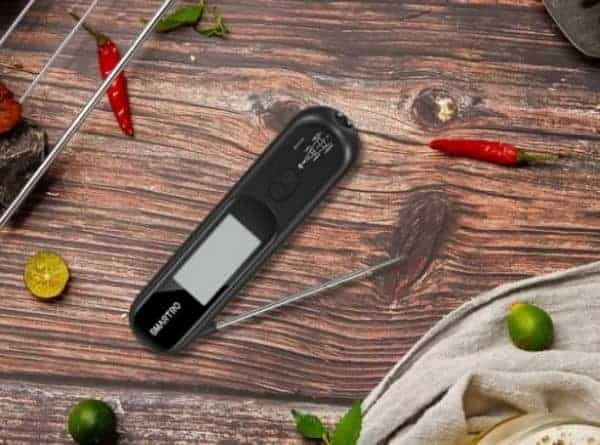
While different makes and models of infrared thermometers vary in specifics, most work on a similar principle. Infrared thermometers are handheld devices that measure the infrared radiation emitted by an object. Here is a quick 3-step summary of how infrared thermometers work. Step 1 – Focused infrared light Equipped with a thermopile, this thermometer focuses light on a particular object. It then measures the distance between the things surrounding the object and the wave of infrared radiation it emits. Step 2 – Infrared radiation converted to an electrical signal The thermopile absorbs the emitted infrared radiation and converts that data into an electrical signal. Step 3 – Electrical signal The electrical signal is then related to the thermocouple (the sensing mechanism of the infrared thermometer), which then displays it as the temperature reading. This 3-step process takes only a few seconds (or even less), making infrared thermometers extremely efficient among different types of thermometers.
Are infrared thermometers safe?
The short answer is yes. Infrared thermometers are entirely safe. The long answer is the concern about the safety of infrared thermometers, which has developed chiefly on social media, with some stating that this type of thermometer is harmful to the people it comes into contact with. However, this is merely a rumour, and there is nothing dangerous about infrared thermometers. The primary concern with this type of thermometer is that it exposes people to infrared radiation. However, infrared radiation is already emitted by almost everything on the planet; even ice cubes emit extremely low levels of infrared radiation. The hotter the object is, the more infrared radiation it emits. While excessive exposure to sunlight can be harmful to humans (sunburn can lead to eye damage and skin cancer), the thermometer DOES NOT emit infrared radiation. It ONLY MEASURES the infrared radiation that an object emits. By measuring the amount of infrared radiation that a specific object (or humans) emits, it can provide an accurate reading of the temperature of that object (through a particular range). This range is minimal, and newer infrared thermometers are becoming increasingly precise. Tip: Click here to learn more about the pros & cons of infrared thermometers.Frequently Asked Questions
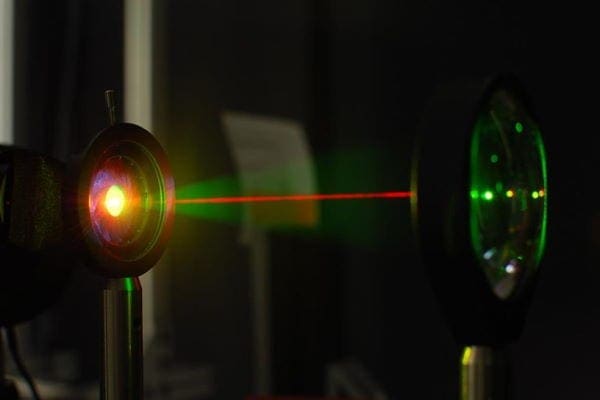
Q. What’s the purpose of the laser in infrared thermometers? A. The laser in infrared thermometers works as a guide that shows where the thermometer is being pointed. It doesn’t read the object’s temperature. The laser helps steady the aim, ensuring the instrument knows precisely where you want to measure the temperature. Depending on the make and model, the infrared thermometer measures the temperature around, above, or below where the laser is being pointed. Some infrared thermometers use two lasers and read the temperature between the two red dots. Moreover, depending on the infrared optics, the diameter of the measured area will change when you measure from a farther distance. They call this the optimal range, and understanding your instrument’s optical spectrum will help you get the most accurate temperature reading, especially when cooking. Different brands of thermometers may have slightly different optical ranges. Q. Can a kitchen infrared thermometer read the food’s internal temperature? A. No, infrared thermometers are specifically designed to read the surface temperature of the object. That’s what it does. It is quick, easy, and convenient to use, which is why it is a tool for medical workers to read body temperature. When it comes to cooking, be it baking, grilling, roasting, or smoking, kitchen infrared thermometers will only give you the food’s surface temperature. And depending on your tool’s optical range, it is also great for measuring the temperature of the oven, skillet, and surrounding grill. Nevertheless, if you need an accurate internal temperature reading, especially when cooking significant, thick cuts of meat, you will need a thermometer with a penetration probe.
Q. Where else can you use kitchen infrared thermometers?
A. An infrared kitchen thermometer is ideal for measuring the surface temperature of hot oil, which is vital for deep frying and tracking oil before its smoking point. It is also suitable for measuring the temperature of the iron skillet, sauté pan, soups, and even chocolate.
Infrared thermometers can also help keep certain ingredients hot or cool (by tracking their temperature) to keep active ingredients alive (milk, butter, yoghurt, or anything with live cultures, etc.).
Infrared thermometers are also ideal for measuring the temperature of warm liquids. Make sure you stir the liquid slowly to avoid measuring the steam’s temperature.
You can also use an infrared thermometer when barbecuing (using barbecue grates) and using pizza stones. The tool can measure surface temperature to get an accurate reading. This is great for determining hot and cold spots on the barbecue grate or pizza stone and helps maintain a uniform temperature across the surface.
Q. Are kitchen infrared thermometers similar to medical (forehead) thermometers?
A. Kind of. Medical thermometers are excellent for quickly and conveniently measuring a person’s temperature without contact. It measures internal temperature from the outside and uses an algorithm to translate the reading, usually measured from 1.5″ in the middle of the forehead.
However, infrared thermometers for the kitchen and those designed for industrial use measure surface temperature over a broad range, suited to their applications in the kitchen or the industrial setting. The infrared medical thermometers, on the other hand, have a much narrower temperature range, as they are designed for accurate temperature measurement of the human body. Thus, infrared kitchen or industrial thermometers cannot be used interchangeably with medical thermometers.
Related Posts
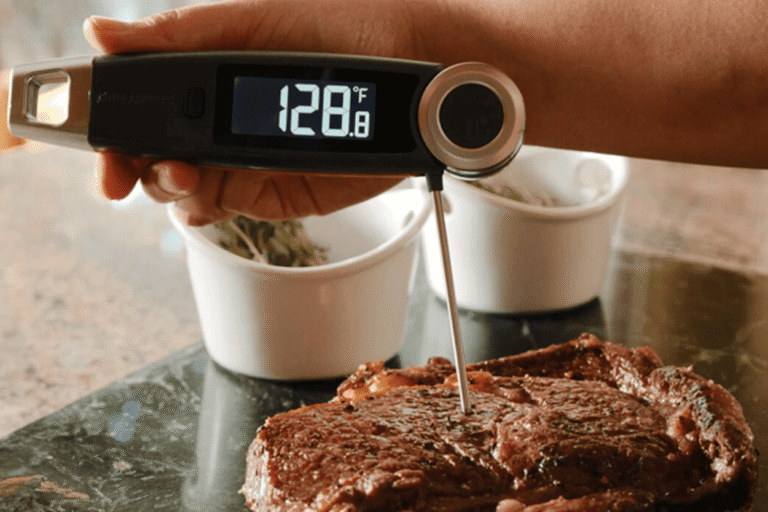
Reasons Why You Should Upgrade to the Best Instant Read Thermometer
A kitchen without an instant-read thermometer is incomplete. When it comes to creating a succulent pot roast o...
Letting Meat Rest Myth Debunked: Find Out the Truth
Whether it's your first time cooking meat or not, you might have heard one common piece of advice: always rest...
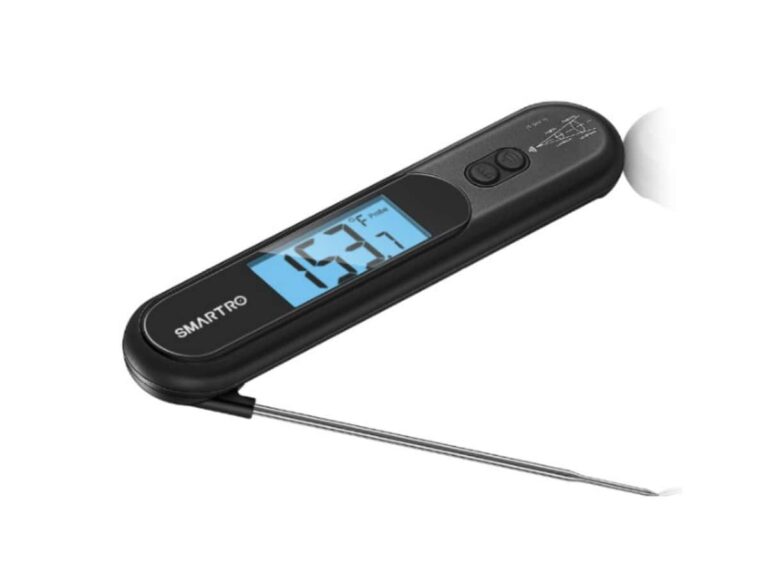
Infrared Thermometer: How to Use
An infrared thermometer has many uses. It is an invaluable tool in the kitchen for measuring food and cooking ...
Are Infrared Thermometers Accurate in Cooking?
Temperature control is an integral part of the cooking process. If the temperature is incorrect, some types of...
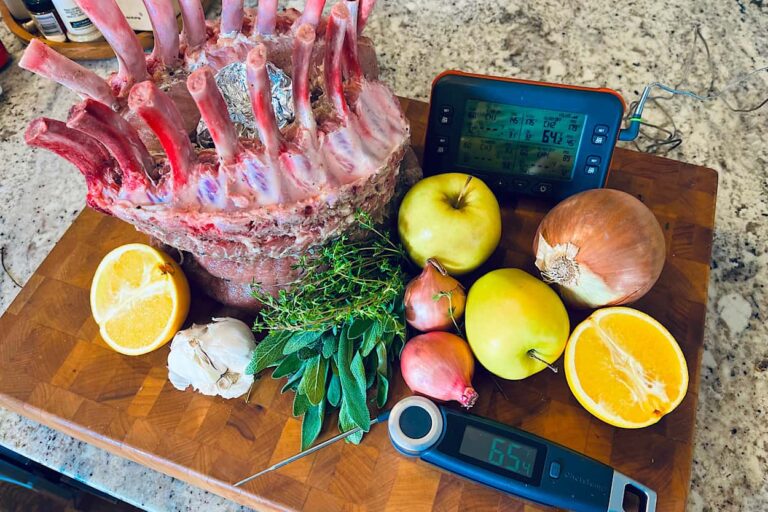
King Crown Roast of Pork
What is a Crown Roast?
The holiday season is a unique culinary time, especially in America. We have Thanksgiv...
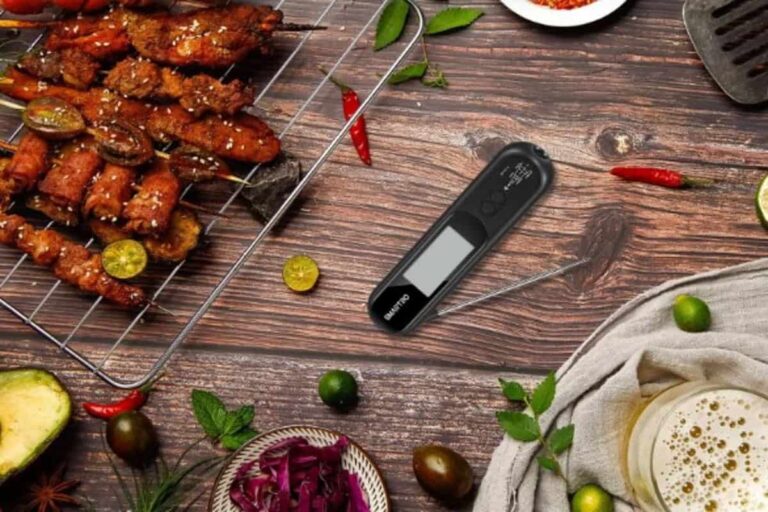
Best Infrared Thermometer for Kitchen Use
Cooking is both an art and a science. It requires knowledge of food preparation, different cooking methods, un...
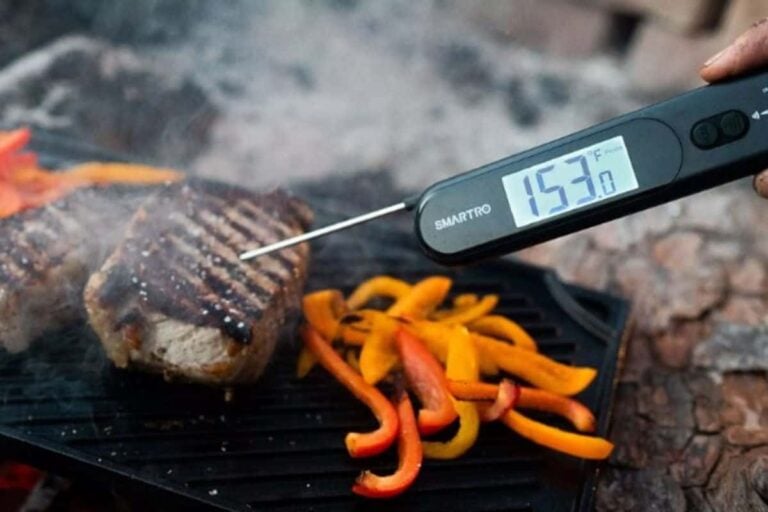
Infrared Thermometer for Grilling
Some cooking methods require accurate and precise temperature readings. A slight temperature difference can si...
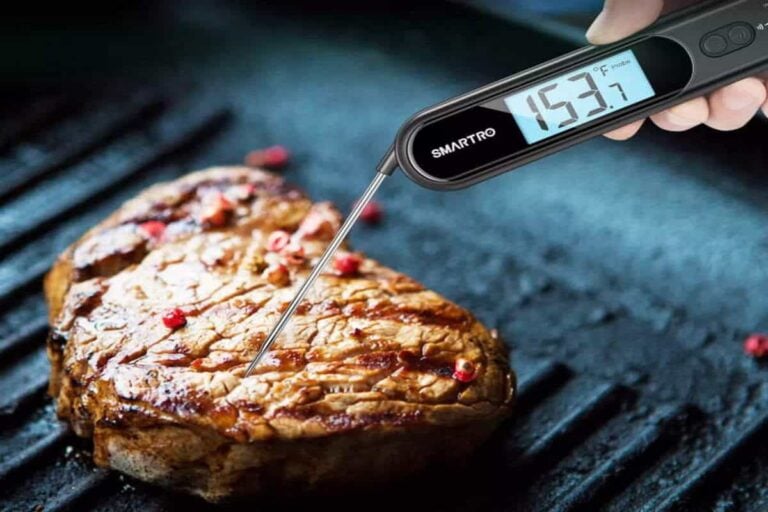
Best Uses for Infrared Thermometers
Infrared technology has been around for ages and used in different industries. There is a wide range of infrar...
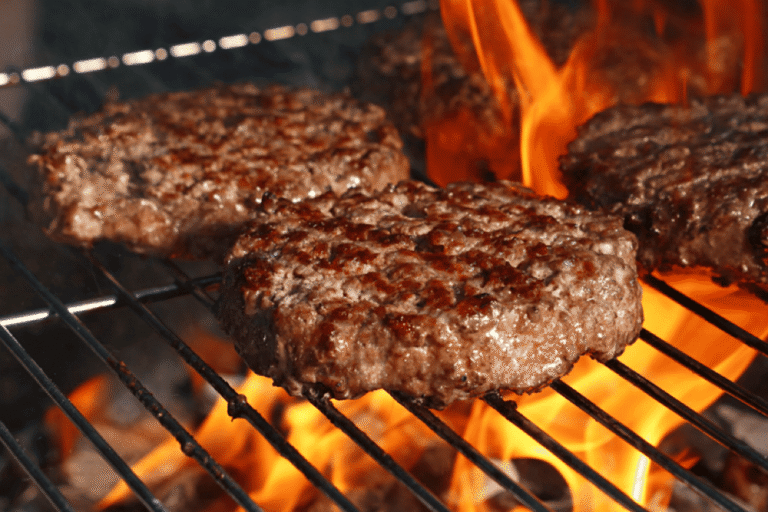
Grilling Hamburgers: A Temperature Guide
You drown in the sight of your kids hopping cheerily in your yard while you try to contain the excitement! Fin...
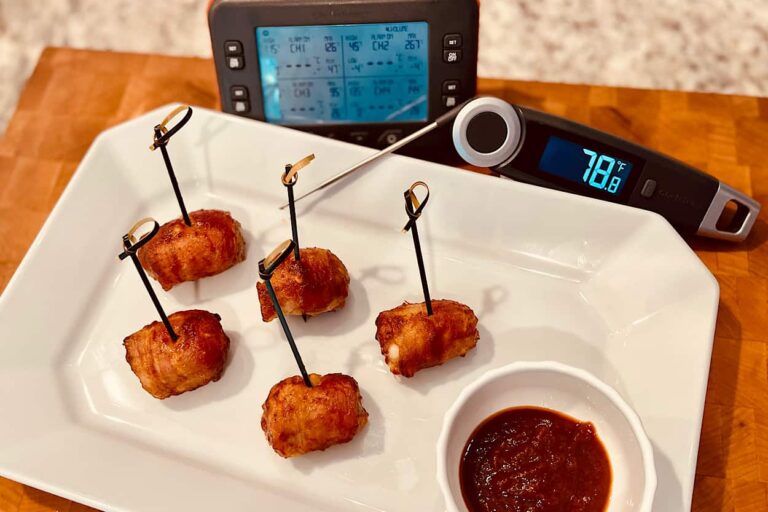
Safe Temperatures for The Best Halloween Party Snacks
Halloween Party Snacks
Halloween comes but once a year, and what a fun holiday season it is! Decorating the y...
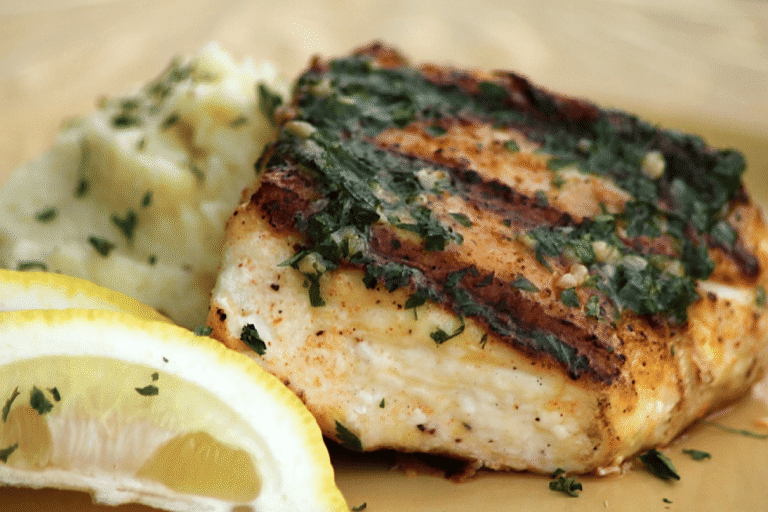
Thermal Secrets: How to Grill Halibut
Another member of the aquatic family has found its way to our cookout parties and is often used as an alternat...

How to Grill Like a Professional – 24 Essential Grilling Tips
Tip 1 - Preheat the Grill
Preheating the grill is essential for a great grilling experience. Whether yo...