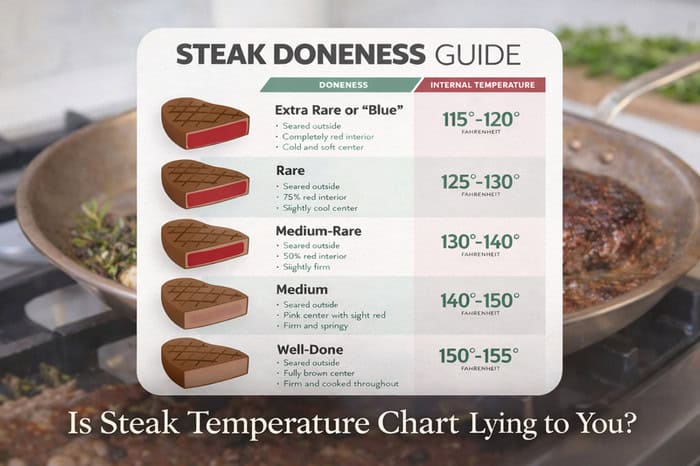
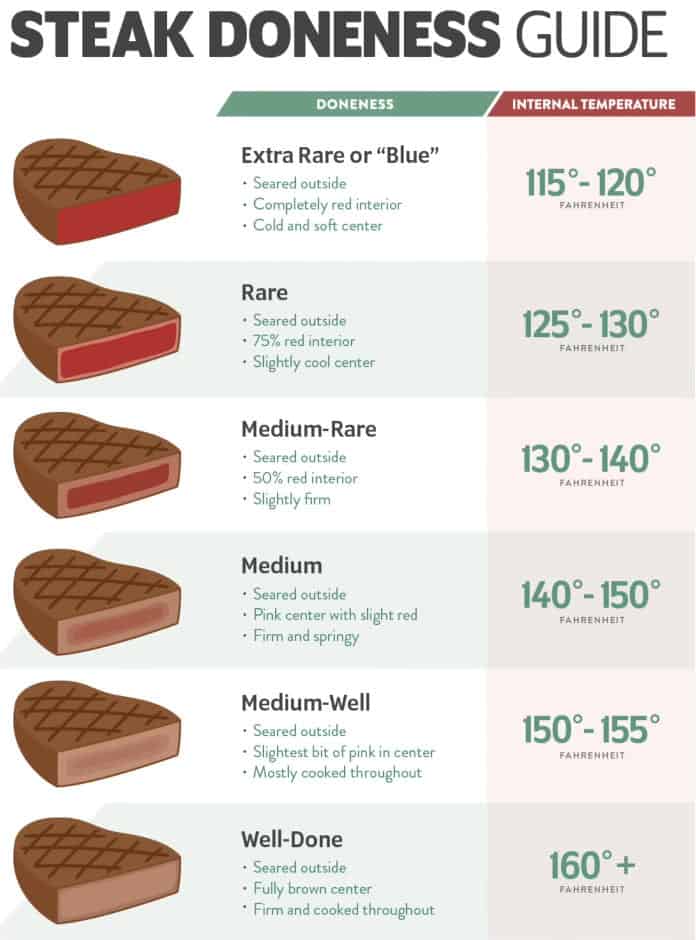
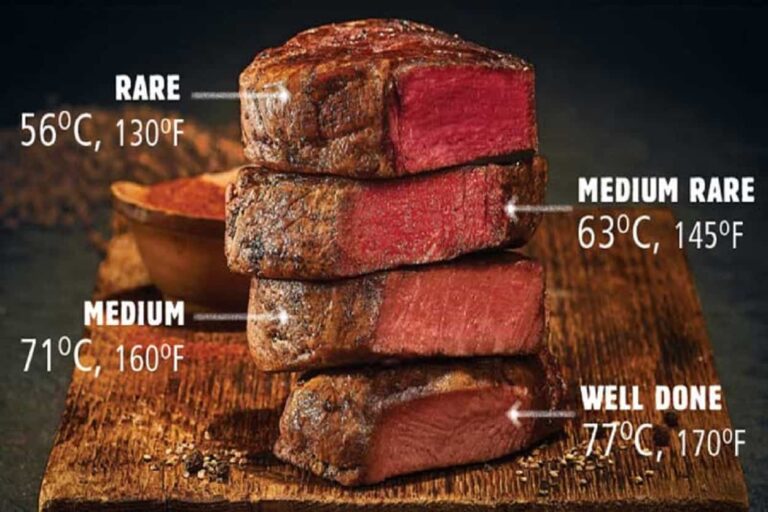
I once believed that the steak temperature chart knew what it was doing. Then I proved they can subtly sabotage great steaks. Most charts are consistent in describing rare as 120–125°F, medium rare as 130–135°F, and medium as 135–145°F; well done starts around 155°F. What those charts don’t factor in is how much the steak will continue to cook after you pull the steak off the heat. And that is the missing piece that turns an ideal medium-rare into something more like well-done.
 The real-world scenario is more like this:
 The longer you keep the steak on the heat, and the hotter the outer layers become, the more carryover will occur. This is why it’s so dangerous to “chase” the target temperature: the outer layers become so hot that they keep pushing the internal temperature up long after you pull it off the heat.
 The slices told the truth: the whole steak was medium rare and still juicy, with a tender bite rather than a chew. The outside was dark, the crust was really good, and the inside was what a lot of people think of when they say “perfect steak”.
I’ll be honest: in this particular test, the steak might have been a touch more cooked than my absolute ideal, because I had to grab the camera after hitting my target, which probably added an extra minute to the time in the pan. But even with that, the method worked.
To conclude, for a thick steak, a heavy sear and butter basting, pulling it down to around 22°F below your desired finish temperature, is a reliable way to achieve medium-rare.
The slices told the truth: the whole steak was medium rare and still juicy, with a tender bite rather than a chew. The outside was dark, the crust was really good, and the inside was what a lot of people think of when they say “perfect steak”.
I’ll be honest: in this particular test, the steak might have been a touch more cooked than my absolute ideal, because I had to grab the camera after hitting my target, which probably added an extra minute to the time in the pan. But even with that, the method worked.
To conclude, for a thick steak, a heavy sear and butter basting, pulling it down to around 22°F below your desired finish temperature, is a reliable way to achieve medium-rare.
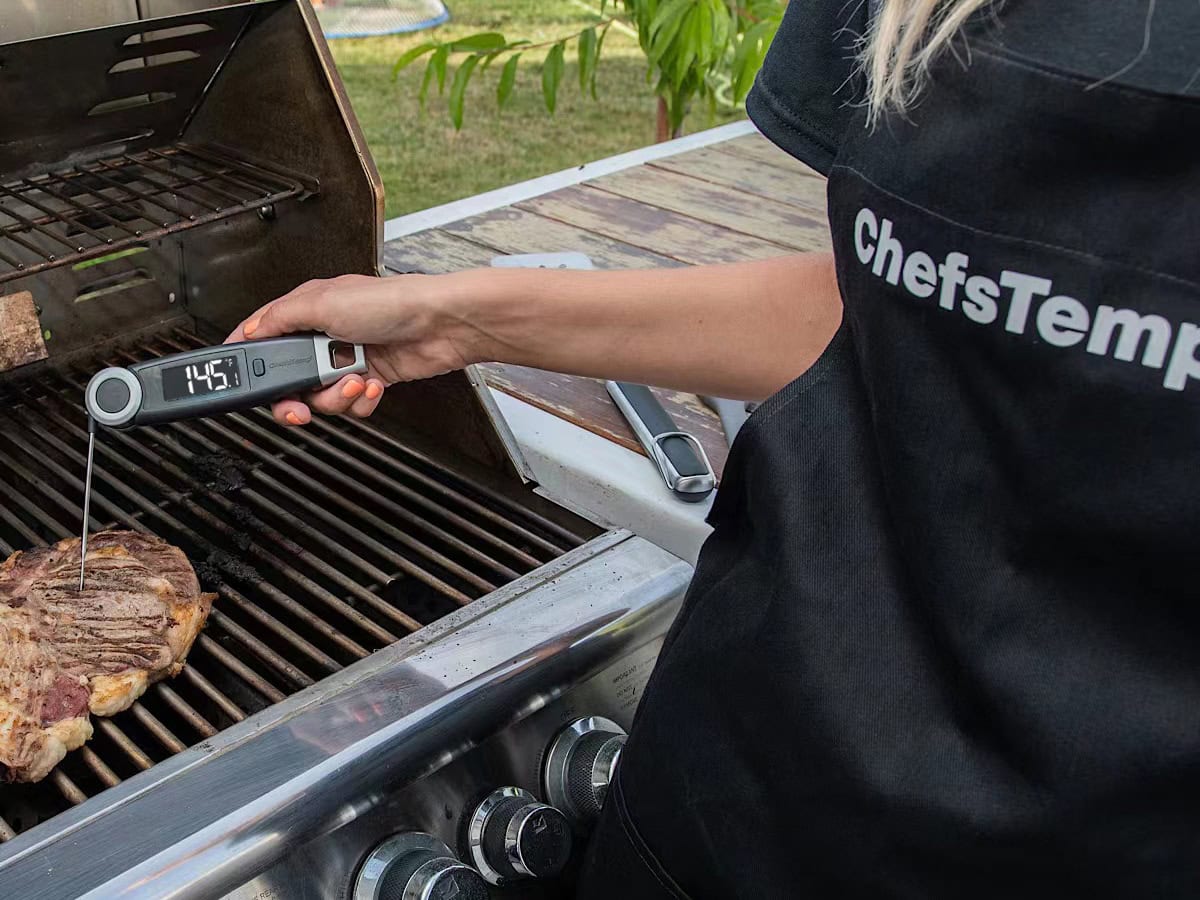 For simplicity, I can expand the range of outcomes I can find by including multiple methods, such as no basting, grilling, or smoking. I can also play with thickness, so to speak, to build an internal “map” of how my steaks behave.
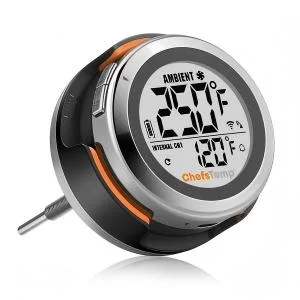
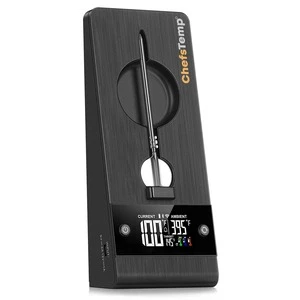
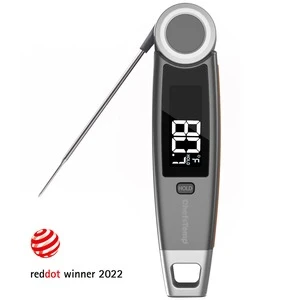
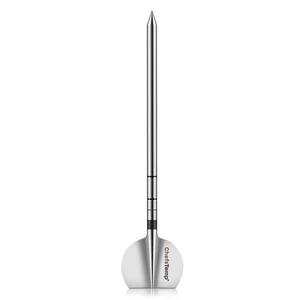
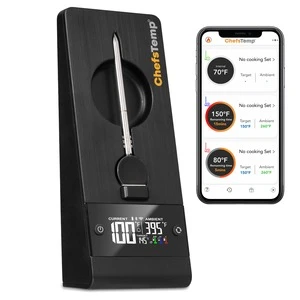
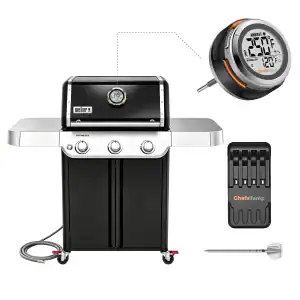
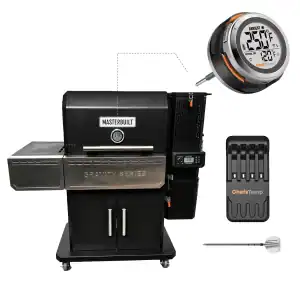
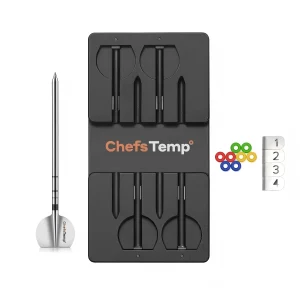
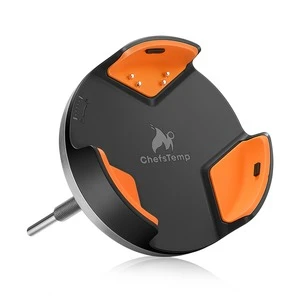
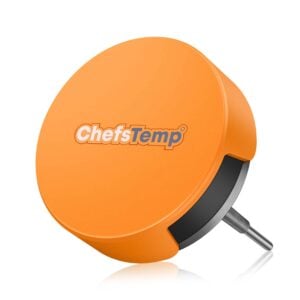
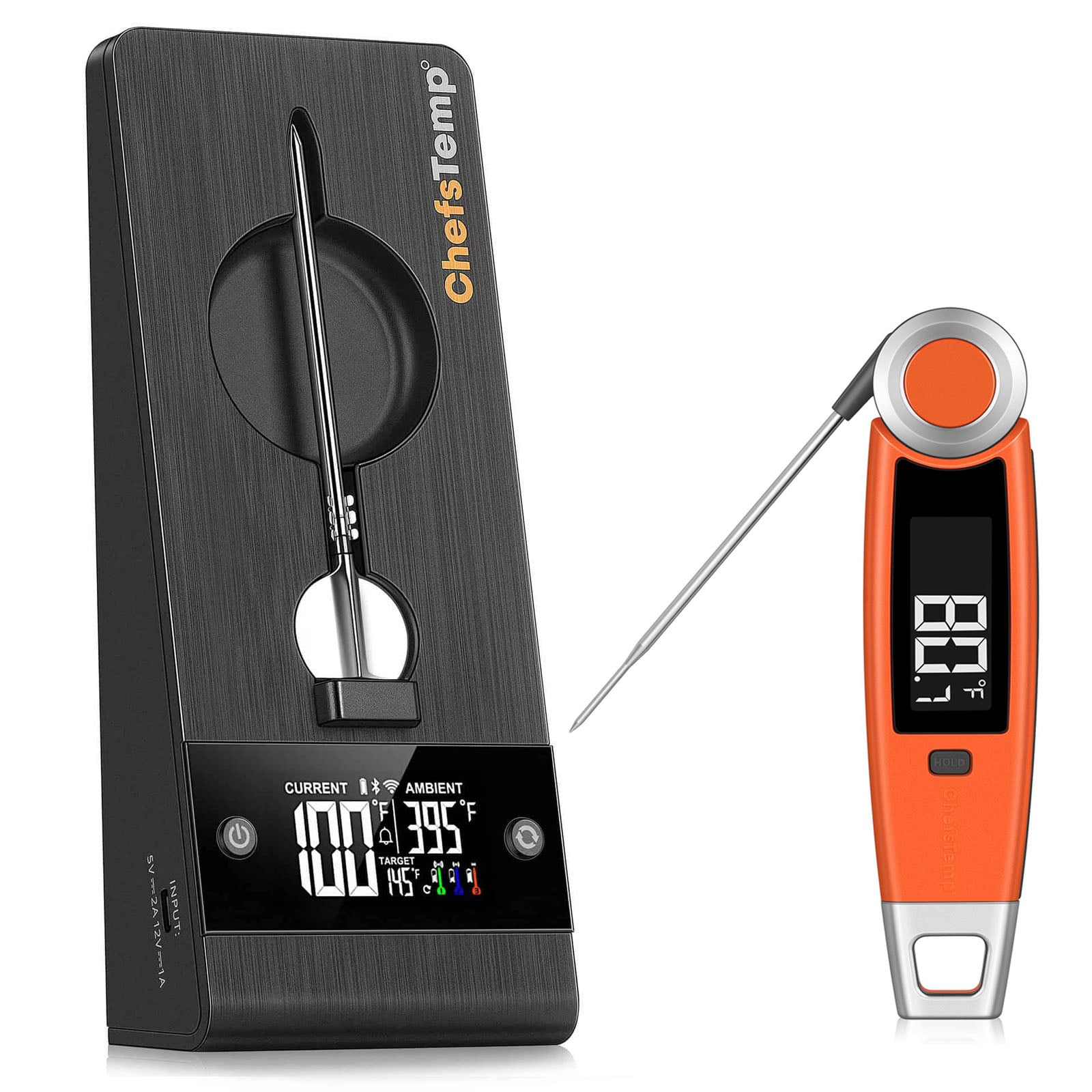
Using a wireless leave-in probe thermometer can also help track a steak or a larger cut like a brisket, without interrupting the lid or the oven. A constant readout is what prevents me from going past the mark, especially on longer cooks.
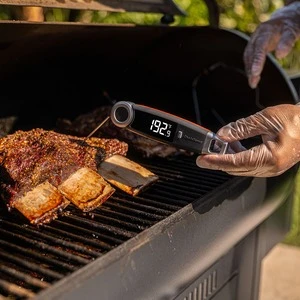
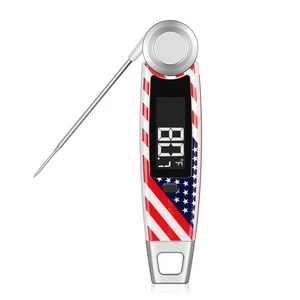
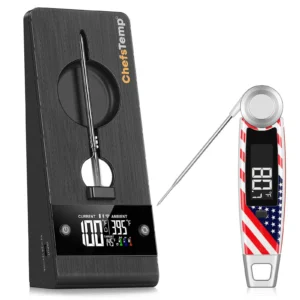
If you cook with fire, you should always consider a high-quality digital thermometer; otherwise, you risk overshooting the mark.
Tip: Click here to learn more about cooking a steak with an accurate thermometer if you’re interested.
For simplicity, I can expand the range of outcomes I can find by including multiple methods, such as no basting, grilling, or smoking. I can also play with thickness, so to speak, to build an internal “map” of how my steaks behave.
Using a wireless leave-in probe thermometer can also help track a steak or a larger cut like a brisket, without interrupting the lid or the oven. A constant readout is what prevents me from going past the mark, especially on longer cooks.
If you cook with fire, you should always consider a high-quality digital thermometer; otherwise, you risk overshooting the mark.
Tip: Click here to learn more about cooking a steak with an accurate thermometer if you’re interested.
Why the classic steak cooking temperature chart fail?
The classic steak chart assumes you will only hold the steak for a second before cutting into it. Most people don’t pull their steaks off the grill to cut into them at the exact moment they’ve reached the target doneness.
The real-world scenario is more like this:
- You are cooking over high heat in a pan, on a grill, or over a live fire.
- The outer layers of the steak are screaming hot.
- You pull the steak at “medium rare” according to the chart.
- The heat continually moves from the outside to the inside, and the internal temperature increases by 10, 15, 20°F or more while it rests.
Round 1: A simple experiment that changed how I cook steak
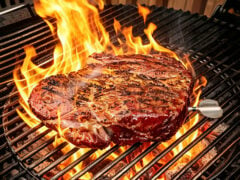
If I wanted to see how bad the situation really was, I cooked a New York strip exactly as the grilled steak temperature charts said to: pull it right at 130°F for medium rare. Here is what I did:- Choose a 1.5-inch-thick New York strip.
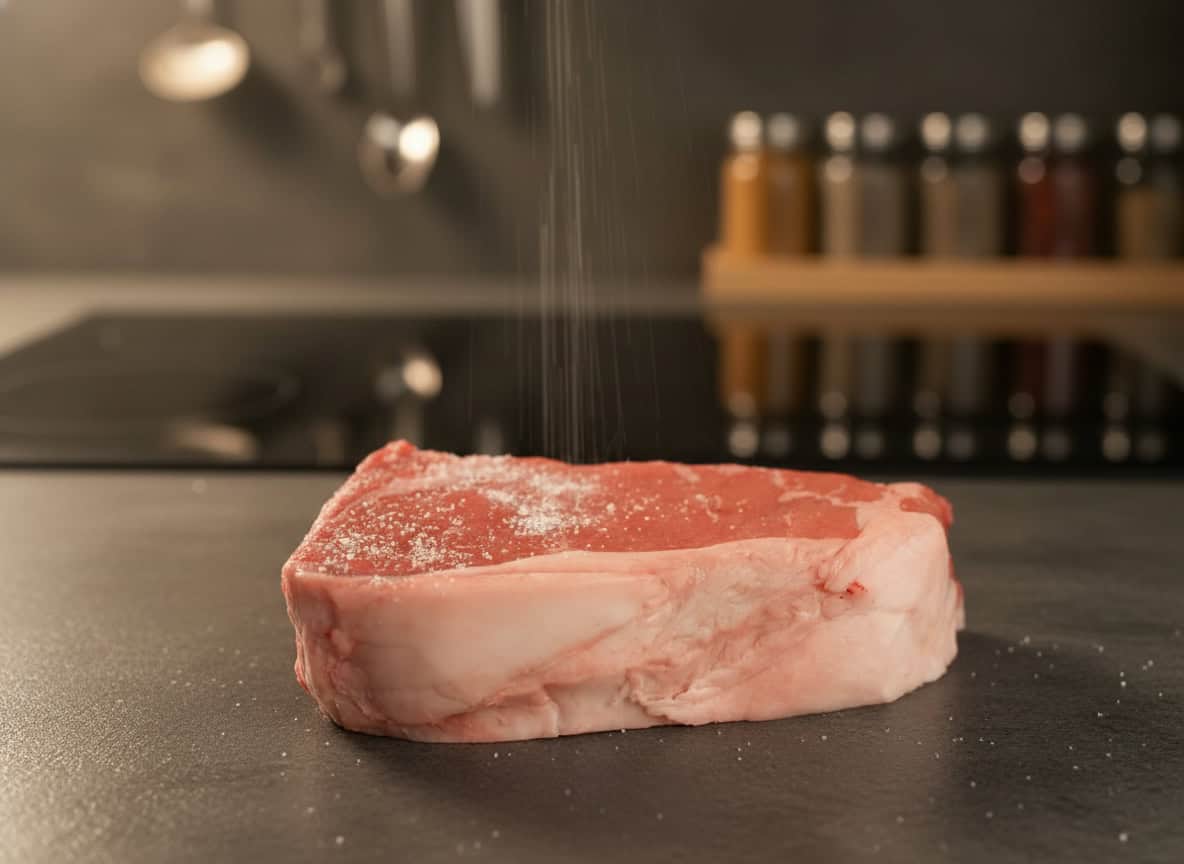
- Added a simple salt seasoning.
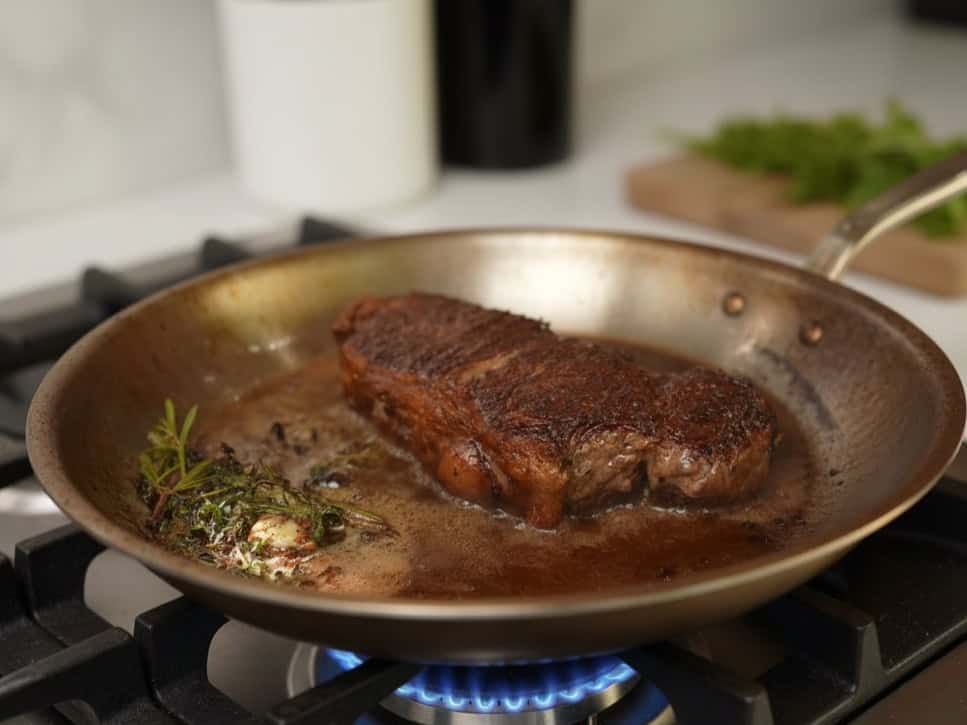
- Sear-first method in a raging-hot pan with beef tallow.
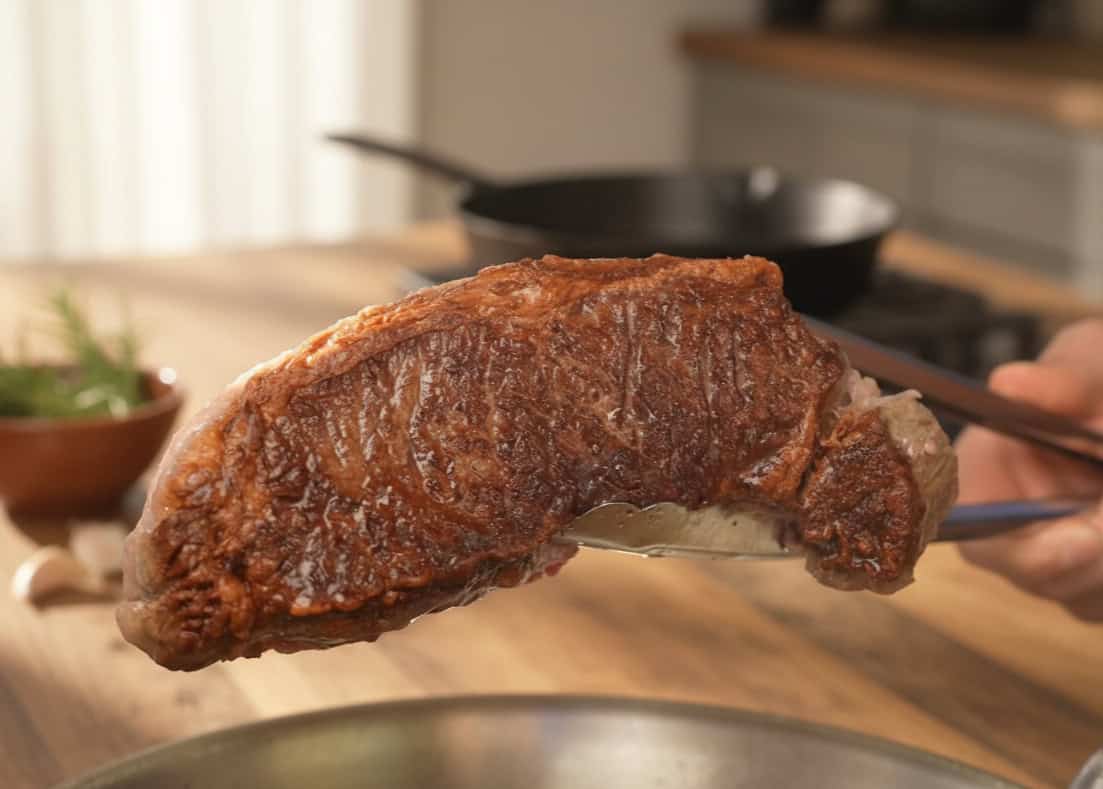
- After constructing a deep crust, I basted it with butter, garlic, thyme, and rosemary.
- Removed the steak from the heat when the centre reached 128°F, which is just below 130°F according to the chart.
- At pull: 128°F
- 5 minutes: 153°F
- 10 minutes: 152°F
How much earlier do you really need to pull?
If I want to finish at 130°F for medium-rare using this method, I can’t pull it out at 130°F. Based on the 25°F increase, I can’t place it on the rack at that temperature. Here’s the basic math I landed on:- Target finish for medium rare: around 130°F
- Observed carryover: ~20-25°F with thick steak, hard sear, and butter basting
- Practical pull range: 108–110°F. In my testing using this method, 108°F was my preferred medium-rare. I try to pull the steak about 22°F under the target I want when I slice it.
- Old approach: Pull at 130°F to get 130°Faccording to the steak internal temperature chart
- New approach: Pull around 108°F to finish around 130°F
The longer you keep the steak on the heat, and the hotter the outer layers become, the more carryover will occur. This is why it’s so dangerous to “chase” the target temperature: the outer layers become so hot that they keep pushing the internal temperature up long after you pull it off the heat.
Round 2: getting medium rare perfect without steak cooking temperature chart
I did the same cook with another 1.5-inch New York strip from the same pack. Same pan, same fat, sear-first method, same butter, garlic, and herb baste. I only changed the variable when I pulled it. This time I took the steak off the heat when the centre was around 107.6°F. Once again, I let it rest on a wire rack, and here’s the spiel on the internal temperature while I watched it.- At pull: 108°F
- After 5 minutes: 126°F
- After 10 minutes: right in medium rare territory both visually and by feel.
The slices told the truth: the whole steak was medium rare and still juicy, with a tender bite rather than a chew. The outside was dark, the crust was really good, and the inside was what a lot of people think of when they say “perfect steak”.
I’ll be honest: in this particular test, the steak might have been a touch more cooked than my absolute ideal, because I had to grab the camera after hitting my target, which probably added an extra minute to the time in the pan. But even with that, the method worked.
To conclude, for a thick steak, a heavy sear and butter basting, pulling it down to around 22°F below your desired finish temperature, is a reliable way to achieve medium-rare.
Why did this method alter the carryover?
Carryover isn’t a fixed number. It depends heavily on how you cook.- Pan or cast iron over high heat: a large temperature gradient from the very hot exterior to the cooler centre. The effects are particularly pronounced with thicker steaks.
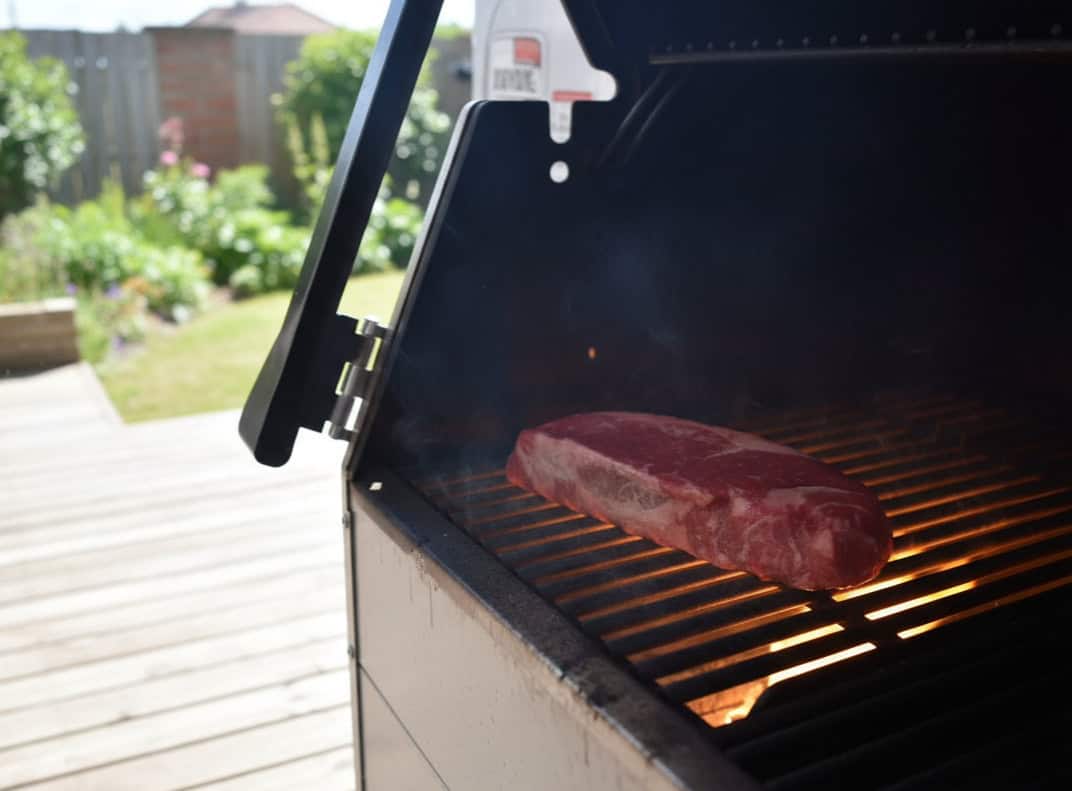
- Grilling over direct high heat: Same reasoning as above; the grill delivers intense heat to the outside, resulting in more carryover.
- Butter basting: Energetic layers creates push over the top once you take the steak, so it adds more energy to the outer layers.
- Smoker at mellow heat: A more gentle temperature gradient means less carryover.
- Sous vide: There is almost no carryover since the entire steak has reached the same temp.
Why is a high-quality thermometer so important?
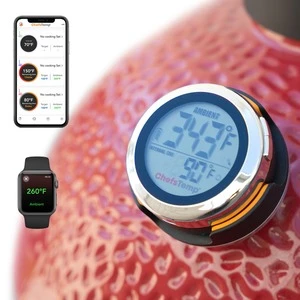
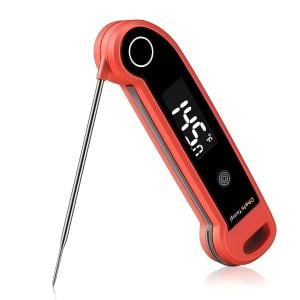
It is important to know the steak’s actual internal temperature rather than relying on a steak temperature chart to achieve the desired results. If you are only approximating by touch, you will not be able to visualise what the carryover curve will look like. I depend on my digital and smart thermometer to:- Gauge when my steak reaches my desired temperature (108°F in my case).
- Determine the temperature at the 5- and 10-minute marks after the steak finishes resting.
For simplicity, I can expand the range of outcomes I can find by including multiple methods, such as no basting, grilling, or smoking. I can also play with thickness, so to speak, to build an internal “map” of how my steaks behave.
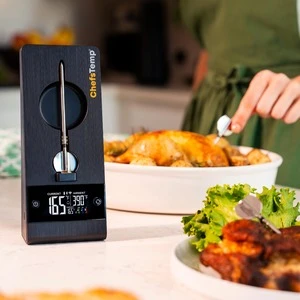
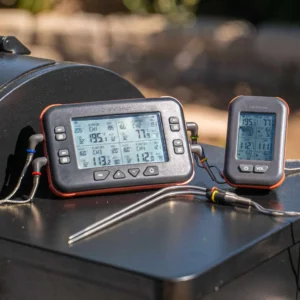
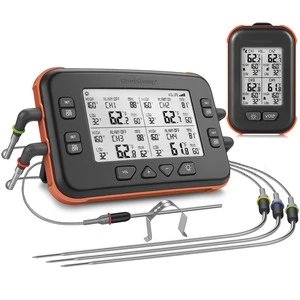
Using a wireless leave-in probe thermometer can also help track a steak or a larger cut like a brisket, without interrupting the lid or the oven. A constant readout is what prevents me from going past the mark, especially on longer cooks.
If you cook with fire, you should always consider a high-quality digital thermometer; otherwise, you risk overshooting the mark.
Tip: Click here to learn more about cooking a steak with an accurate thermometer if you’re interested.
The practical rule I actually use now
This is what I have simplified while cooking. When cooking a thick steak (around 1.5 inches thick) over high heat, I build a hard crust before basting with butter.- I try to hold the steak down to 22°F below the final temperature I want to achieve.
- I would pull the steak at around 108°F to reach a final temperature of 130°F, which is medium-rare.
- I check the internal temperature and peek to gauge how the steak is going before resting it for 5–10 minutes on a wire rack.
- If the steak is consistently finishing a little under my target, I pull a little higher next time.
- If it is consistently a bit over, I pull a little earlier.
Related Posts
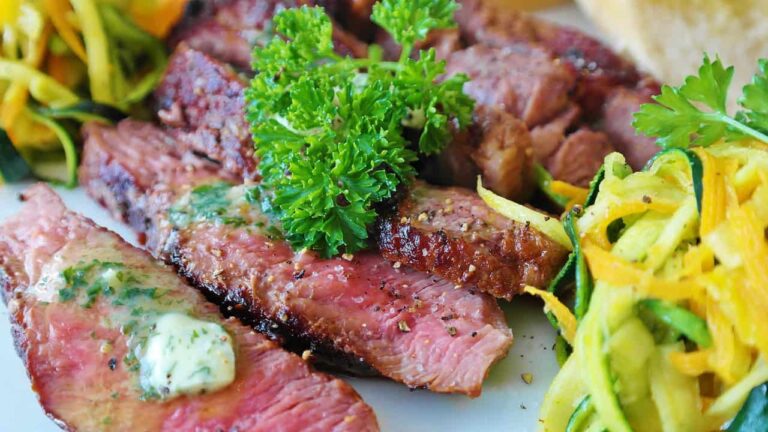
The Ultimate Sous Vide Steak Recipe: Time Chart & 4X Speed Hack
A standard sous vide will yield that perfect pink in our steaks, but few of us have time to wait two hours for...
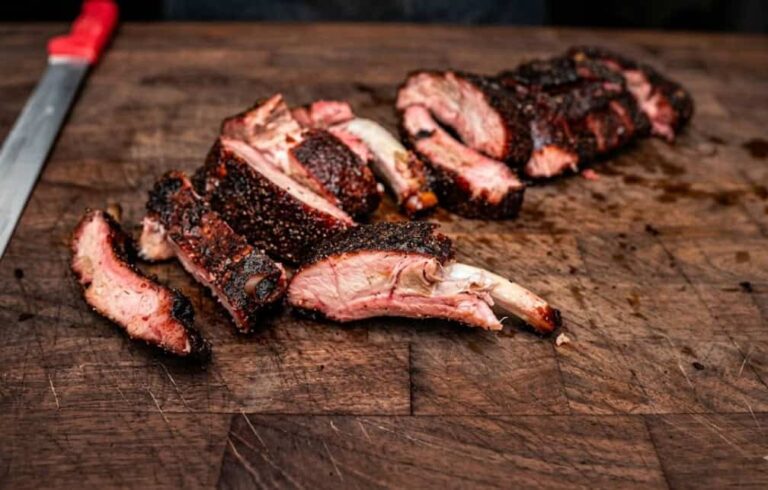
4 Simple Steps to Cook Tender Baby Back Ribs in the Oven for Beginners
You don't need to spend an entire Saturday managing a charcoal fire to get melt-in-your-mouth ribs. Today, I a...
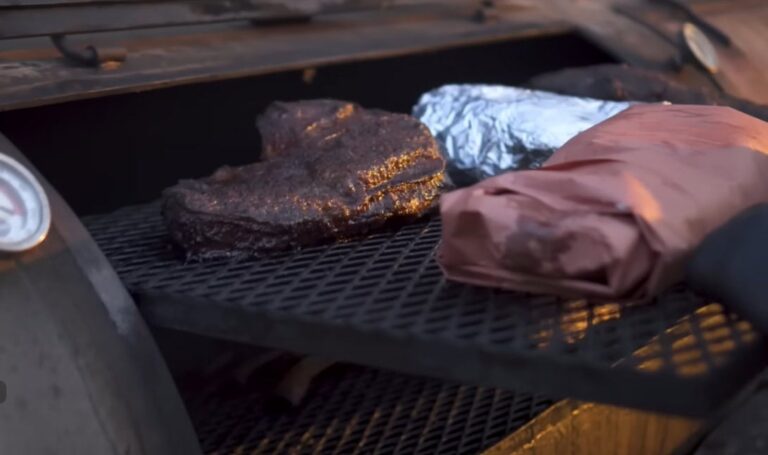
Ultimate Guide on When to Wrap Brisket 3 Simple Methods for Beginners
Smoking a brisket takes a lot of time and dedication to the pit- up to 16 hours in some cases! Looking back at...
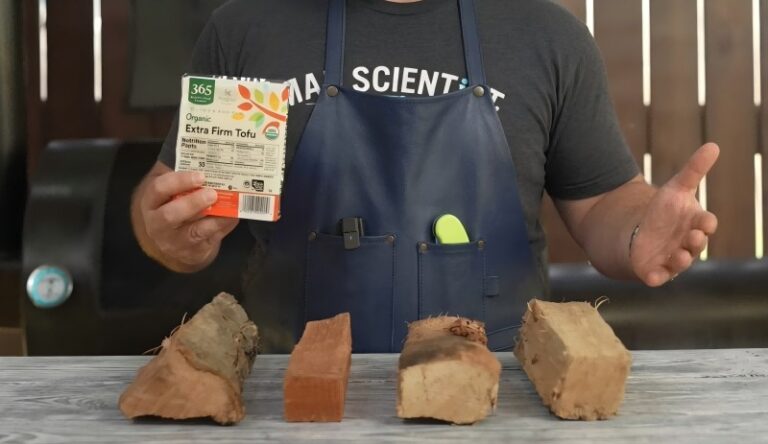
4 Woods for Smoking Food Blind Tested for 100% Zero-Fail Beginner BBQ
My stress over selecting the ideal wood for my backyard cookouts was increasing exponentially. The barbecue co...
Simplest 5-Step Hot Pastrami Sandwich Tutorial—Newbie-Friendly Pastrami Melt Guide
St. Patrick’s Day usually just means putting a pot of corned beef on the stove. But for me, I would much rathe...
Mastering How Long to Smoke a Turkey in 2026 with My Detailed 6-Step Backyard BBQ Tutorial
I will show you, step by step, everything you need to know to create the ultimate centerpiece for your backyar...
How to Turn a $200 Budget Offset Smoker into a Pitmaster-Level Machine: Proven Upgrades for Better BBQ
If you're a backyard pitmaster or BBQ enthusiast dreaming of competition-quality ribs, brisket, or pulled pork...
Mastering Fire Management on Budget Offset Smokers: A Professional Overview
Offset smokers are considered the pinnacle of traditional barbecue, providing rich flavours unattainable with ...
How to Use an Instant Read Digital Meat Thermometer Correctly
The old saying “a tool is only as good as the hands that wield it” couldn’t be more applicable to meat thermom...
Steak Temps – Are Temperature Charts Enough to Get These Right?
Nowadays, many websites provide information about steak doneness and use temperature charts based on the steak...
Prime Rib Temperature – Medium Rare and More
Prime rib, or the standing rib roast, is a show-stopping addition to your table for any special occasion. You ...
Understanding the Importance of Temperature in Cooking
Cooking is more than just an art. There is a science behind it as well. In particular, one of the first rules ...