What is the Temperature Danger Zone for Food?
Cooking food is not just about the quality and taste. Safety is also a primary consideration. Best food safety practices are observed in restaurants and commercial kitchens. However, it is also important to be aware of this at home. The temperature danger zone for food is a set of guidelines that define the ideal temperature for maintaining food products and the temperature zones that you must avoid.
Table of Contents
Introduction to Temperature Danger Zone
The temperature danger zone is the range of temperatures that allows bacteria and harmful pathogens to thrive in food. The longer food stays in this danger zone, the greater the likelihood that bacteria will multiply. When bacteria are present, there is a risk of foodborne illness.
The temperature danger zone is 40 to 140℉. This temperature range promotes the growth and reproduction of bacteria and pathogens, including fungi, viruses, and parasites. Not only do bacteria thrive, but they also tend to multiply faster in this environment. Within 20 minutes, bacteria like E. coli could double in number.
Depending on the number of pathogens in the food, it could spoil within the first 2 hours after exposure to the temperature danger zone. This is just one factor that could lead to spoilage, however. Several other factors can come into play, such as moisture level, nutrient content, acidity, etc.
Controlling the temperature of the food is recommended to discourage spoilage. Guidelines must be followed in the handling, preparation, and storing of food. You must keep the food below 39 degrees F or above 141℉ to slow or stop the growth and spread of pathogens.
Understanding how food temperature and spoilage work is crucial to maintaining food safety. Therefore, businesses involved in food preparation should have measures in place to maintain food at the ideal temperature to prevent bacterial growth.
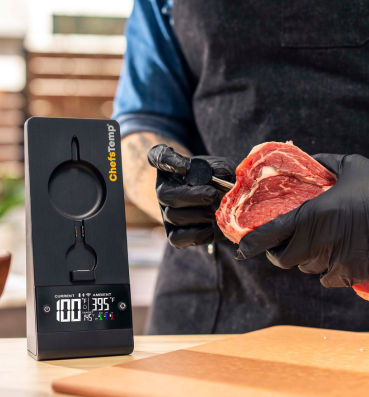
Tip: Click here to get the best tool to avoid the food temperature danger zone NOW!

Temperature Guide According to Food Types
The temperature danger zone is there as a recommendation to ensure food safety. The approach to handling and storing food depends on the type of product. Some foods can be left at room temperature for longer, while others must be kept strictly out of the danger zone.
Perishable foods like meat, poultry, eggs, dairy, and leftovers must be stored at 40℉ or below. You should always keep them outside of the temperature danger zone.
Aside from keeping them at the ideal storage temperature, some perishable foods must be kept for only a limited time. For example, you must store fresh poultry in your fridge for no more than 2 days. Raw eggs, on the other hand, can be stored in the refrigerator for up to 5 weeks.
Take the time to research the storage recommendations for certain food products in your kitchen. Just because it is stored outside the temperature danger zone does not mean it can remain there longer than necessary.
Risks Associated with Temperature Danger Zone
Bacteria are present everywhere, including in the food that you consume. Not all bacteria are harmful. But the harmful ones pose serious threats to your health.
Therefore, you must be aware of the risks in the temperature danger zone so you can cook and prepare food accordingly. Consuming contaminated food can lead to foodborne illness. In most cases, patients who suffer from foodborne illnesses experience vomiting, nausea, diarrhoea, and stomach pain. A specific type of infection can also occur from consuming uncooked shellfish.
Most cases of food poisoning resolve, and symptoms usually fade after a few days. However, there are also instances in which the symptoms interact, and this can be fatal.

Guidelines for Food Safety
It is impossible to eliminate all bacteria and other pathogens from food and the environment. However, you can take steps to ensure they do not contaminate your food, making it unsafe to consume.
The following are important guidelines to consider so you can maintain maximum food safety:
- Keep hot food hot at all times. It must be stored at no less than 140℉.
- Keep cold food cold at all times. It must be stored below 40℉.
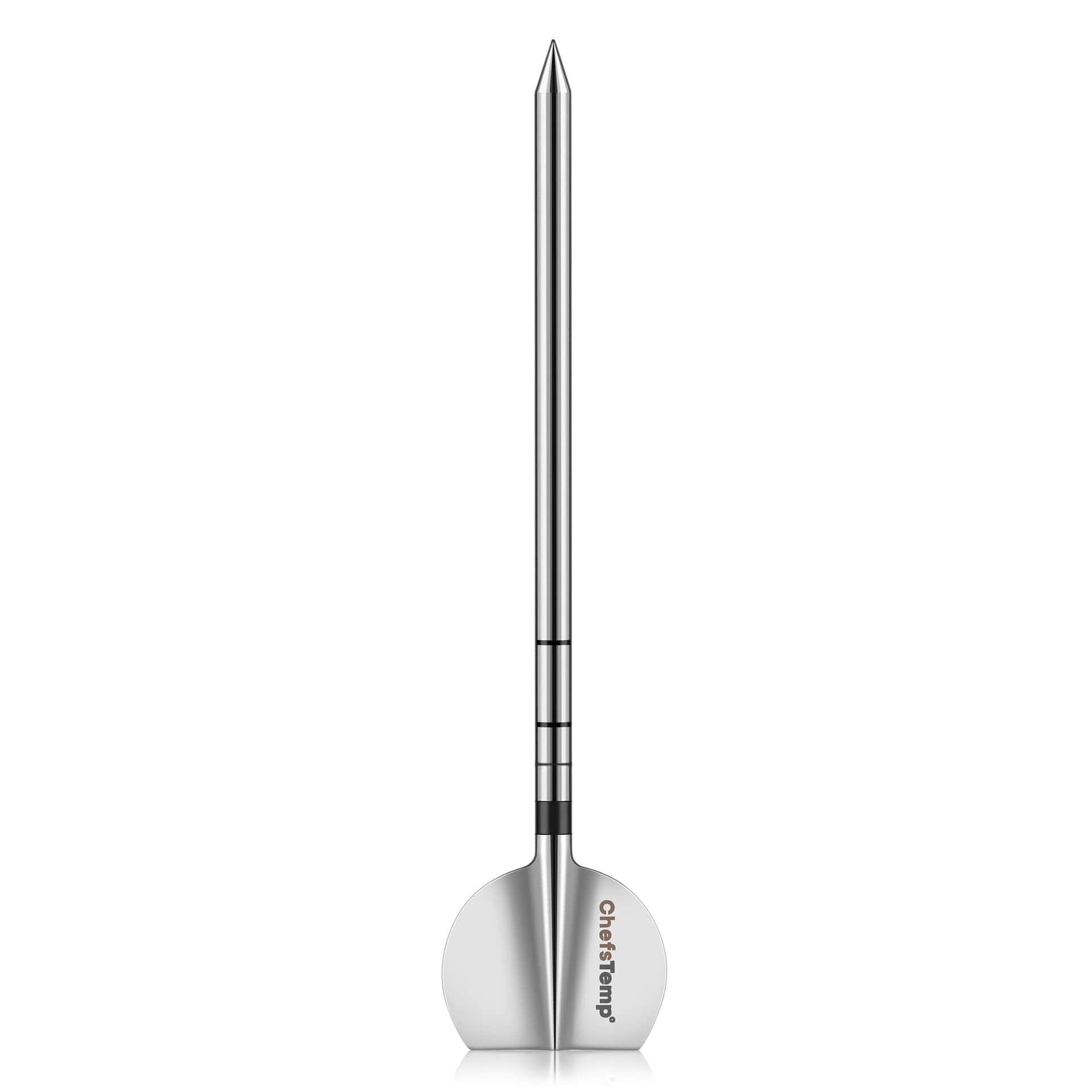
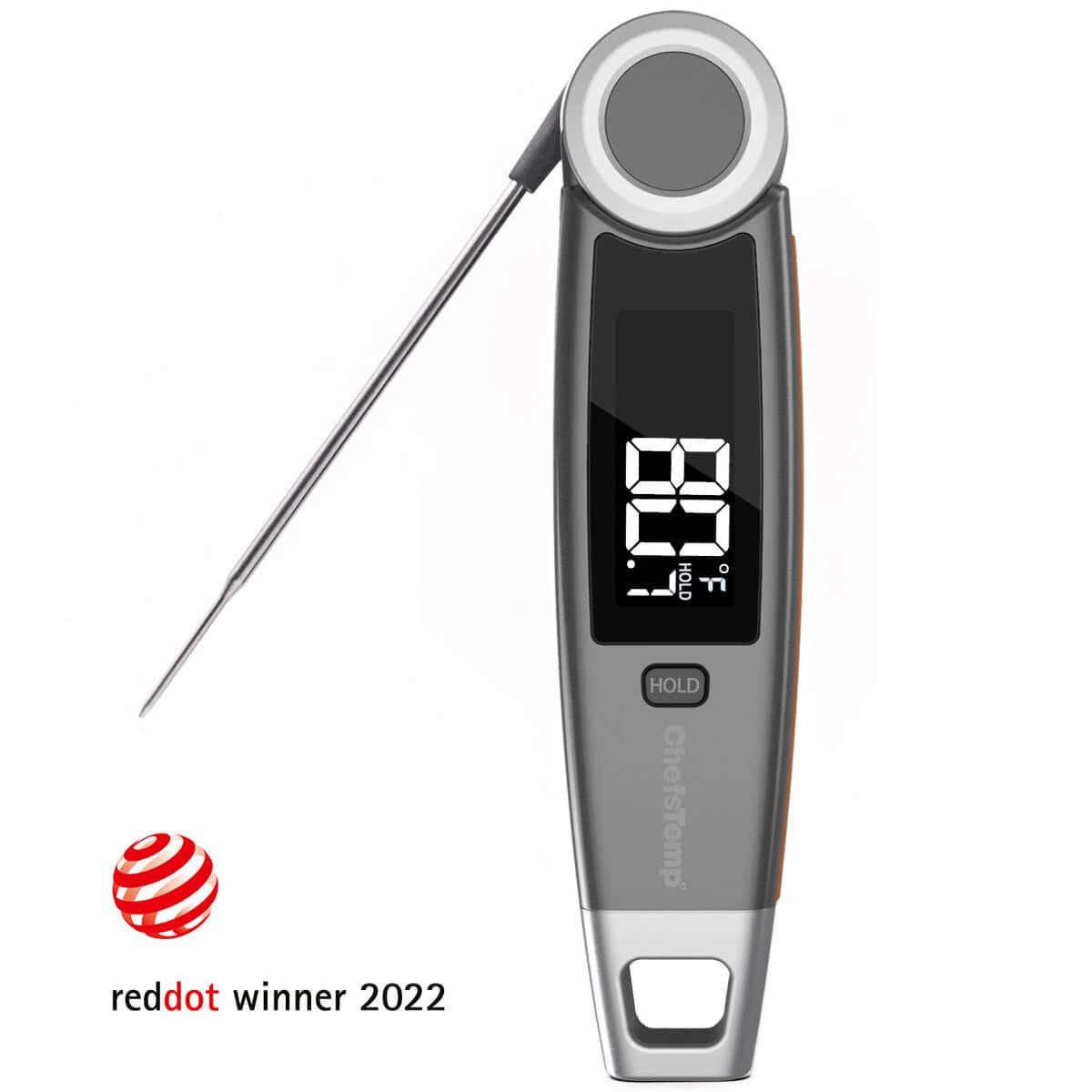
- Make sure that meat and poultry are cooked through. Use a thermometer to insert into the meat and check for its safe internal temperature.
- Keep leftovers refrigerated at 40℉ or below. Make sure to store it within 2 hours of cooking.
- When reheating leftovers, the food product’s temperature must be checked to ensure it is cooked. This will ensure that it is safe to eat the food upon reheating.
- Make sure your freezer or refrigerator can maintain the ideal storage temperature for perishable food items.
- Keep your containers sealed. This will help to keep the bacteria away from your food.
Refer to this table to determine the ideal temperature for safely storing or handling food.
| Temperature Danger Zone | 40℉ to 140℉ |
|---|---|
| Hot Foods | 140℉ or above |
| Cold Foods | 40℉ or below |
| Fridge Temperature | 40℉or below |
| Freezer Temperature | 0 to -10℉ |
How Long Can Food Stay in the Temperature Danger Zone?
The maximum time food can remain in the temperature danger zone is 2 hours. Ideally, you must dispose of any food that has been exposed to this temperature zone for longer than the recommended period.
If you cook food meant to be served later, make sure you keep it in containers designed to keep it hot (or cold).
The Bottom Line
It is important to understand and take to heart the guidelines stipulated by the temperature danger zone. Anyone is at risk of foodborne illnesses if they consume spoiled or contaminated food. Given the risks, you have to be serious about how you store and handle your food.
Discover Other ChefsTemp Products

Discover more recipes and learn kitchen tricks by joining our cooking family on Facebook.
You may also like: