Are Infrared Thermometers Accurate in Cooking?
Temperature control is an integral part of the cooking process. If the temperature is incorrect, some types of food may not be safe to consume. You must use tools that let you monitor the food’s temperature while it’s cooking to ensure it is done and that you kill harmful bacteria during the cooking process.
An infrared thermometer is a standard kitchen tool used to monitor food temperature. But how accurate is an infrared thermometer in measuring food temperature? You will find out the answer in this handy guide.
Table of Contents
Can You Use Infrared Thermometers to Check Meat Temperature?
Yes. You can use an infrared thermometer when cooking meat. However, you cannot use this tool to measure the meat’s internal temperature. Instead, the infrared thermometer can only estimate the surface temperature of meat and other food types.
A probe thermometer is still your best option to monitor internal meat temperature. Therefore, you must rely on something other than this tool when cooking specific types of meat that require a particular temperature. You should use a more accurate thermometer for those.
Are Infrared Thermometers Accurate for Grilling?
The short answer is yes. However, it depends on the type of food you are grilling.
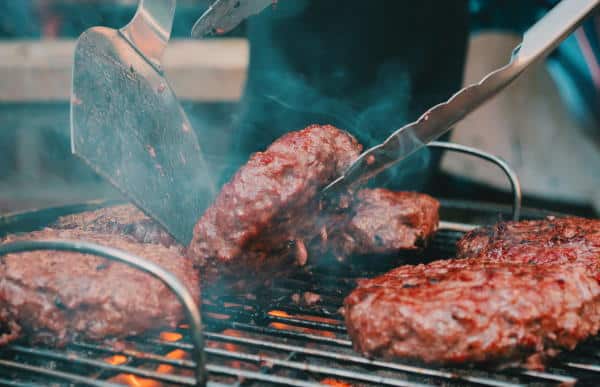
If you are grilling meat, an infrared thermometer is a more accurate tool for measuring the surface temperature of the grill and the meat. It makes you more confident in your grilling results than if you were to hold your hand over the grill or visually inspect the meat.
How Do I Know If My Infrared Thermometer Is Accurate?
There are various ways to test the accuracy of an infrared thermometer. While it is not as accurate as a probe thermometer for measuring meat’s internal temperature, it is still a pretty precise tool for cooking.
Calibrating an infrared thermometer is a great way to ensure it accurately measures temperature when cooking. Calibration is performed in a controlled laboratory environment. If you get your thermometer commercially calibrated, ensure it has proper certification.
Validation is another method of ensuring the accuracy of an infrared thermometer. Validation involves using an instrument that checks the accuracy of an infrared thermometer. If the validation process identifies inaccuracies in the temperature reading, you must send that thermometer for calibration.
Validation is a more essential process for an infrared thermometer than a probe thermometer. The reason is that the former uses many variables when reading temperatures, which require higher accuracy because several factors can affect the temperature reading.
Common Misconceptions About the Accuracy of Infrared Thermometers in Cooking
Infrared thermometers have a gun-like shape that offers an instantaneous surface temperature reading. This tool has many uses in various industries, but its use in the kitchen setting has grown tremendously over the past years.
Those new to using this thermometer for cooking often believe three common misconceptions about its use. It’s time to debunk these misconceptions to know how to use them effectively.
Misconception #1: The laser takes the temperature reading.
The laser is not responsible for measuring the food’s temperature during cooking. The laser serves as an indicator of the specific surface the thermometer is measuring. Since it is different from a probe thermometer that you insert into the meat, you have to accurately point the gun at the correct item to get an accurate temperature reading.
The use of laser points, therefore, helps make your readings with an infrared thermometer more accurate. The diameter of the infrared optics will change as you move farther from the object being measured.
Misconception #2: An infrared thermometer works on all surfaces.
The type of surface you measure primarily impacts the reading of an infrared thermometer. This factor is something you must consider when using this tool for cooking.
For example, the temperature reading from an infrared thermometer is different when cooking with a cast-iron skillet than when cooking with a stainless steel pan. The distinct surface types differ in the infrared energy they emit. For example, the temperature reading of a shiny metal pan is higher than that of a cast-iron pan because the former reflects the ambient energy from the cooking surface and the environment.
Misconception #3: An infrared thermometer can read the internal temperature.
An infrared thermometer only measures the surface temperature of the food. Therefore, you cannot rely on it to check the internal temperature of the meat you are cooking. You cannot depend on an infrared thermometer when cooking large pieces of meat, such as a turkey roast or a beef brisket. The external temperature of the meat may differ from its internal temperature.
How to Use Infrared Thermometer in Cooking for Better Accuracy
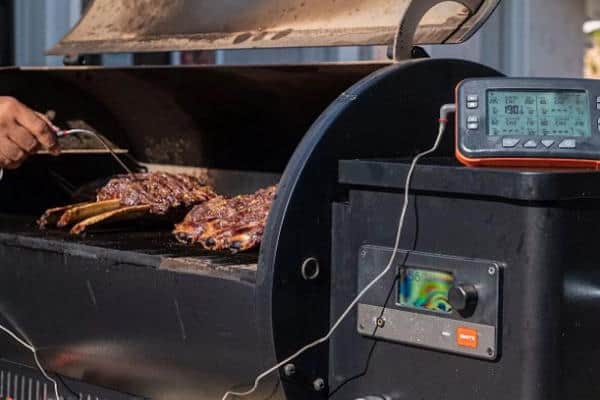
Using an infrared thermometer for cooking requires following specific steps to ensure accurate cooking results. Below is a list of guidelines to help you use an infrared thermometer when cooking:
- When cooking in an oven or on a grill, place the BBQ grate or cast-iron skillet in the oven or on the grill until it heats up. Once the grill or oven reaches your desired temperature, use the infrared thermometer gun to take a temperature reading. Point the thermometer towards the cooking surface, not towards the interior of the oven or grill. Wait a few seconds until the temperature reading stabilises.
- To measure the cookware’s temperature, you must first heat it. If you’re not cooking with oil or any liquid, apply a non-stick spray to the inside of the cookware before measuring the temperature. If you are cooking with liquid, ladle a small amount and point the gun towards it.
You cannot use an infrared thermometer to measure the temperature of boiling water. This kitchen tool is not designed to measure the temperature of liquids such as water. The infrared thermometer will confuse the reading with the cooled water vapour from the boiled water.
Other uses for an infrared thermometer in the kitchen include tempering spices, checking food and beverage temperatures inside your fridge, and calibrating freezer and fridge temperatures.
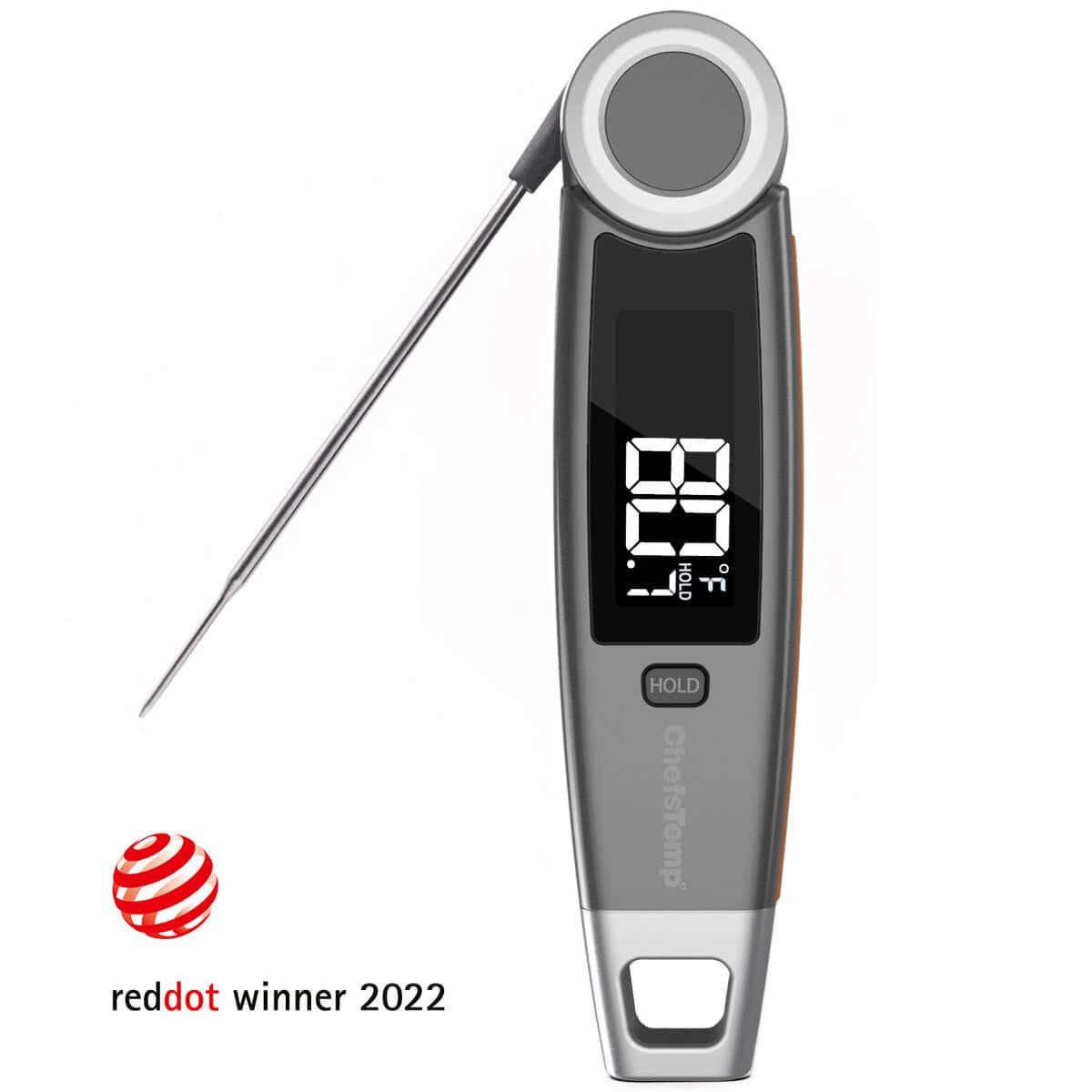
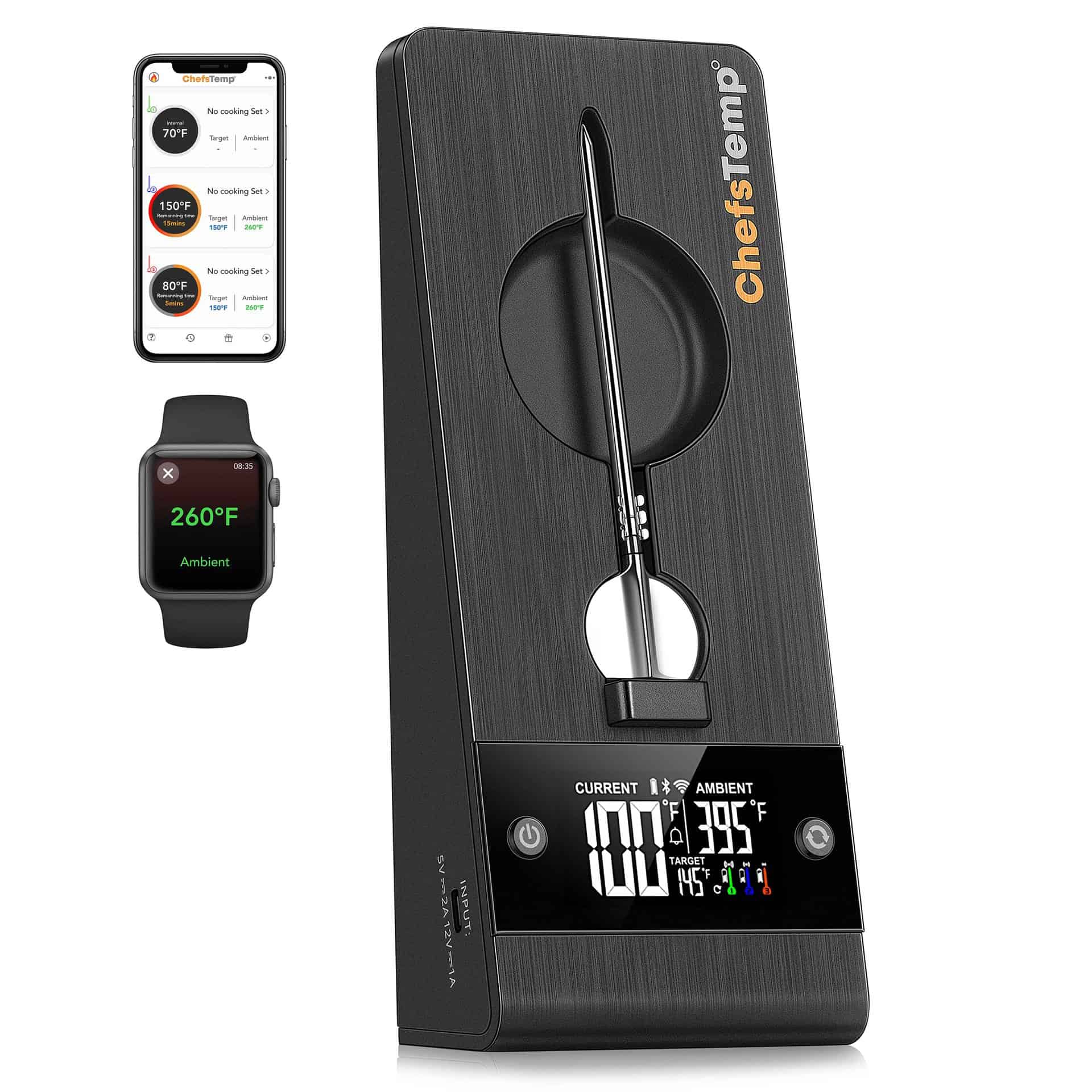
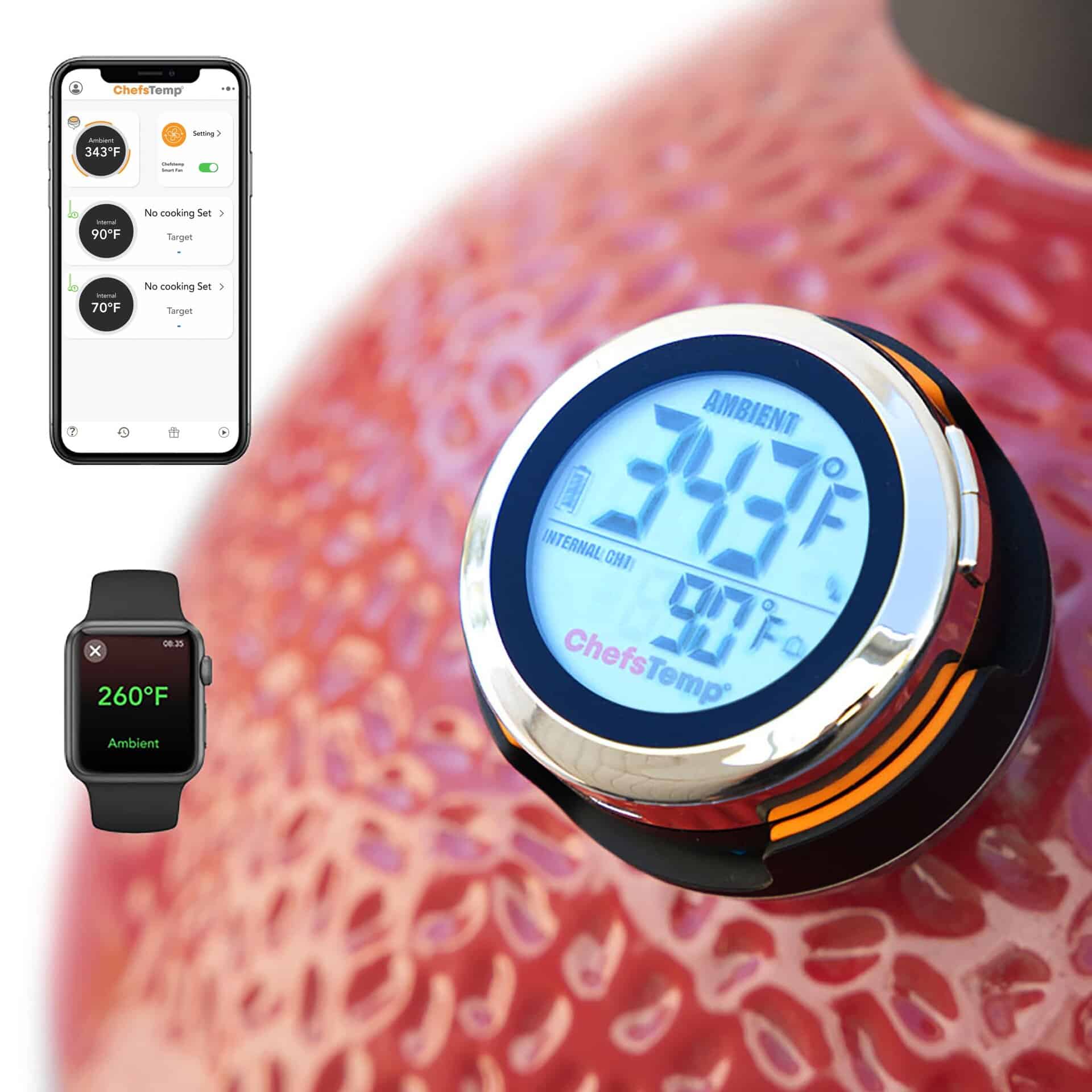
Discover Other ChefsTemp Products

Discover more recipes and learn kitchen tricks by joining our cooking family on Facebook.
You may also like: