SMOBOT Review: Is It Still The Best Kamado WiFi Grill Controller?
A kamado grill holds heat like a kiln. That is both its greatest strength and its most unforgiving flaw. Miss your oxygen window by even 5 minutes, and a 225°F smoke climbs past 300°F before you can react. For years, pitmasters sat beside their grills for 15-hour cooks, manually nudging heavy ceramic vents every 30 minutes.
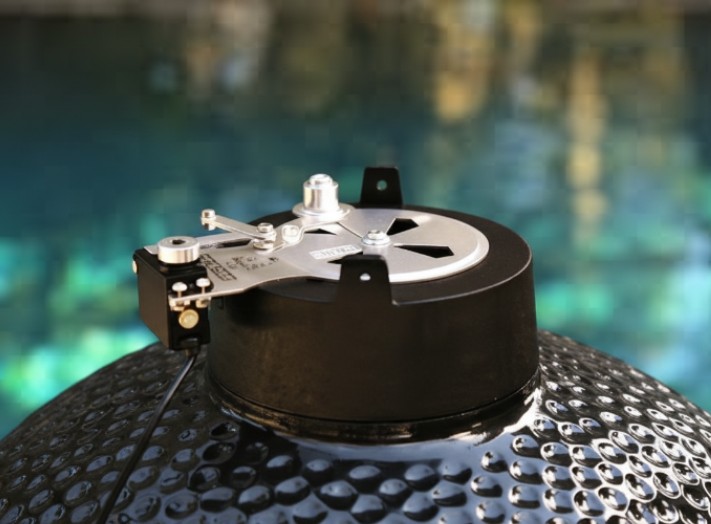
Then, the SMOBOT arrived. It acts like a robotic hand, turning the top damper instead of blowing air from below. However, modern cooks need flexible gear. This guide gives you an honest, unfiltered look at exactly what the SMOBOT does well and where it breaks down mid-cook. Finally, we reveal the best smoker controller upgrades for real cooking freedom.
Table of Contents
Key Takeaways
- Top Vent Design: This unit mechanically controls natural airflow. Instead of pushing forced air through the bottom draft door, it simply turns the top damper.
- Low Power Draw: The tiny motor sips electricity. As a result, you can easily run it all weekend using a standard portable phone bank.
- Limited Network: The SMOBOT WiFi chip supports only older 2.4 GHz routers. This often causes frustrating pairing failures on modern smart home networks.
- Grease Jams: The motor sits right in the harsh exhaust path. Over time, thick, sticky creosote builds up and easily jams the moving gears mid-cook.
- Universal Upgrade: Bottom-fan systems like the ProTemp S1 solve the grease-jam problem by moving all electronics away from the exhaust path.
Part 1. Is SMOBOT a True WiFi Grill Controller?
A reliable smart device must process heat data in real time to protect your cook. To do this, the SMOBOT grill controller uses a basic pit probe placed directly on the grate. It reads the ambient temperature and sends this data to the main box.
Next, the box signals the top motor. The motor physically swings the metal damper open or closed to manage the fire. This natural-draft method prevents messy ash blowouts, so your food stays perfectly clean.
However, the cloud connection creates a serious hurdle. The unit requires a stable WiFi signal to receive phone commands, but lacks modern dual-band technology. The SMOBOT requires a dedicated 2.4 GHz SSID.
Most modern mesh routers, including Google Nest, Eero, and Orbi, broadcast blended bands by default. This forces you to split your network manually before the unit pairs reliably.
Part 2. Does SMOBOT Work Well for Long Smokes?
Smoking large cuts of meat requires highly reliable gear. A pork shoulder often takes 15 hours.
The mechanical design offers one benefit. It draws very low power. You can manage an overnight cook using a small USB battery pack. However, physics works against this hardware. Smoke carries wet grease and sticky carbon. This dirty exhaust flows straight through the top damper.
The motor sits directly in this harsh path. During an 18-hour cook, thick creosote heavily coats the moving gears. Creosote accumulation is SMOBOT’s most documented real-world failure point. After 15–20 hours of active smoking, the servo gear resistance increases measurably. The fix is straightforward: wipe the damper shaft and gear teeth with a dry paper towel after every cook.
If the gears jam open, your kamado temperature controller fails. This sudden breakdown quickly ruins your expensive meat.
Part 3. What to Check Before Using a Kamado Temperature Controller
Purchasing a smart fire manager requires careful planning. You must match the hardware to your cooking style. Review these 5 technical details before you buy:
Grill Compatibility
The physical shape of your smoker dictates your equipment choices. For instance, a smobot big green egg model includes a specialized mounting clip. This clip only fits a standard ceramic lid with a daisy-wheel cap. The SMOBOT mounting hardware is ceramic-specific. It fits standard BGE daisy-wheel caps and similar round ceramic tops.
It does not fit barrel smokers, offset smokers, pellet grills, or Kamado Joe’s cast-aluminum Kontrol Tower without a third-party adapter bracket. Therefore, look for open-platform systems with universal bottom-fan adapters. They protect your long-term investment.
Probe Count and Meat Monitoring
Cooking for a crowd requires keeping track of several pieces of meat at once. The standard kit includes 1 pit sensor and 2 food probes. Consequently, if you smoke ribs, chicken, and brisket simultaneously, you run out of input ports. Premium hubs natively support 4 or more probes to eliminate these frustrating data blind spots.
App Connectivity and Remote Access
You need absolute confidence when leaving a live fire unattended. Unfortunately, the older wireless chip inside this unit struggles with modern mesh routers. Routers that automatically blend 2.4 GHz and 5 GHz bands will repeatedly disconnect the controller. To fix this, you must manually split your home network channels to maintain a stable app connection.
Temperature Accuracy and Sensor Calibration
Accurate data drives perfect barbecue. Standard commercial thermistors degrade after repeated exposure to 500°F heat. Unlike standard thermistors, platinum RTD (Resistance Temperature Detector) sensors use industrial-grade anti-degradation materials that maintain stable electrical resistance across thousands of heating and cooling cycles. This means they report accurate temperatures throughout the probe’s life, with no manual calibration required. Standard thermistors, by contrast, drift as the resistive element oxidizes, forcing you to perform frequent ice-water calibration tests just to stay accurate.
Fan and Airflow Control Mechanism
A top damper smoothly maintains existing heat. However, it cannot actively rescue a dying fire. If your charcoal burns down, opening the top vent lets in fresh oxygen. Conversely, a bottom-mounted induction fan actively forces fresh air into the coals. This active air injection recovers lost heat much faster when you open the lid.
Understanding these hardware limits protects your expensive meat. Evaluating your setup upfront ensures you choose a tool that grows with your skills.
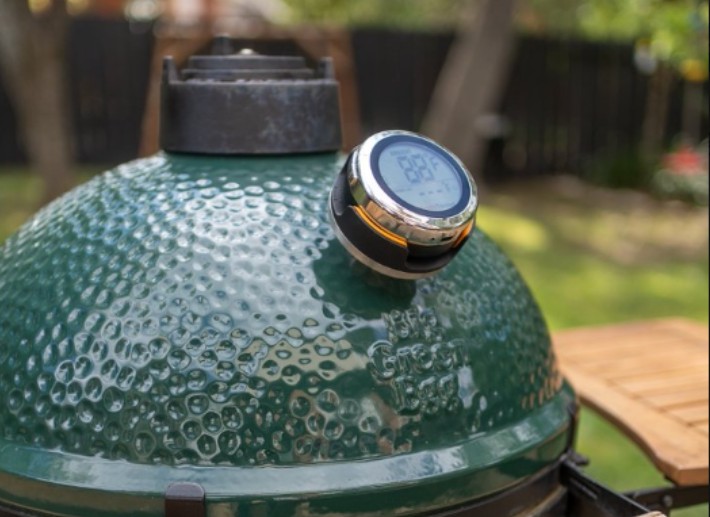
Part 4. Best WiFi Grill Controller Alternatives to SMOBOT
When you outgrow a top-mounted damper, you need professional gear. Modern systems use bottom-mounted fans to deliver superior big green egg temperature control. If you want a highly capable Big Green Egg alternative, these 5 systems will completely upgrade your barbecue experience.
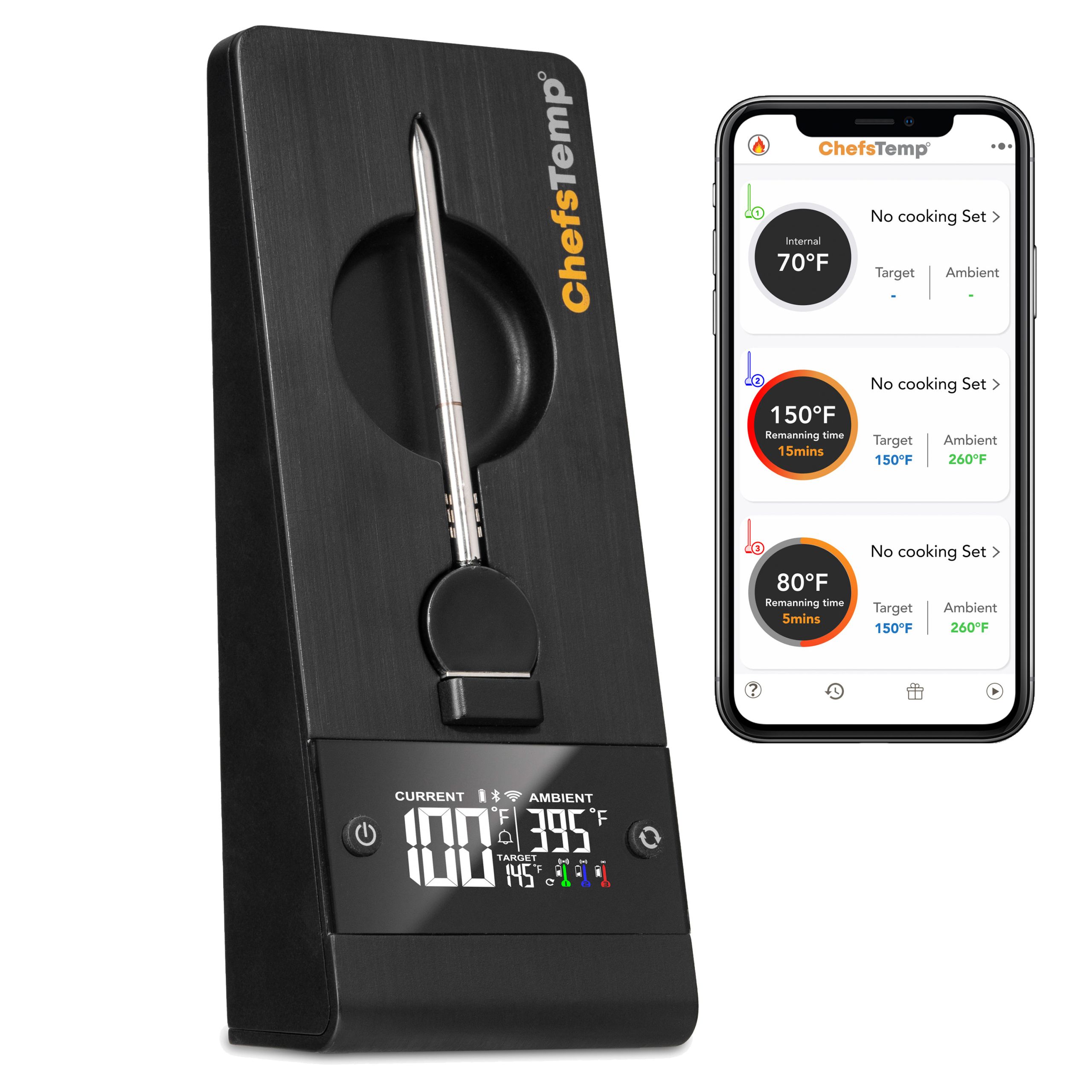
ProTemp S1 Smart Grill Thermometer Hub
The core limitation of the SMOBOT is its passive top-damper design: it can only widen or narrow a gap and relies entirely on natural convection to move air. An active forced-air system works differently. It pushes a measured volume of oxygen directly into the firebox from below, giving the controller precise, immediate authority over combustion.
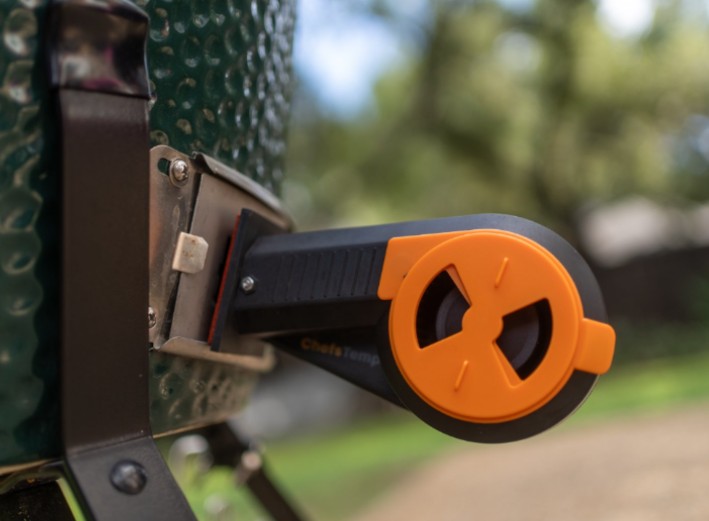
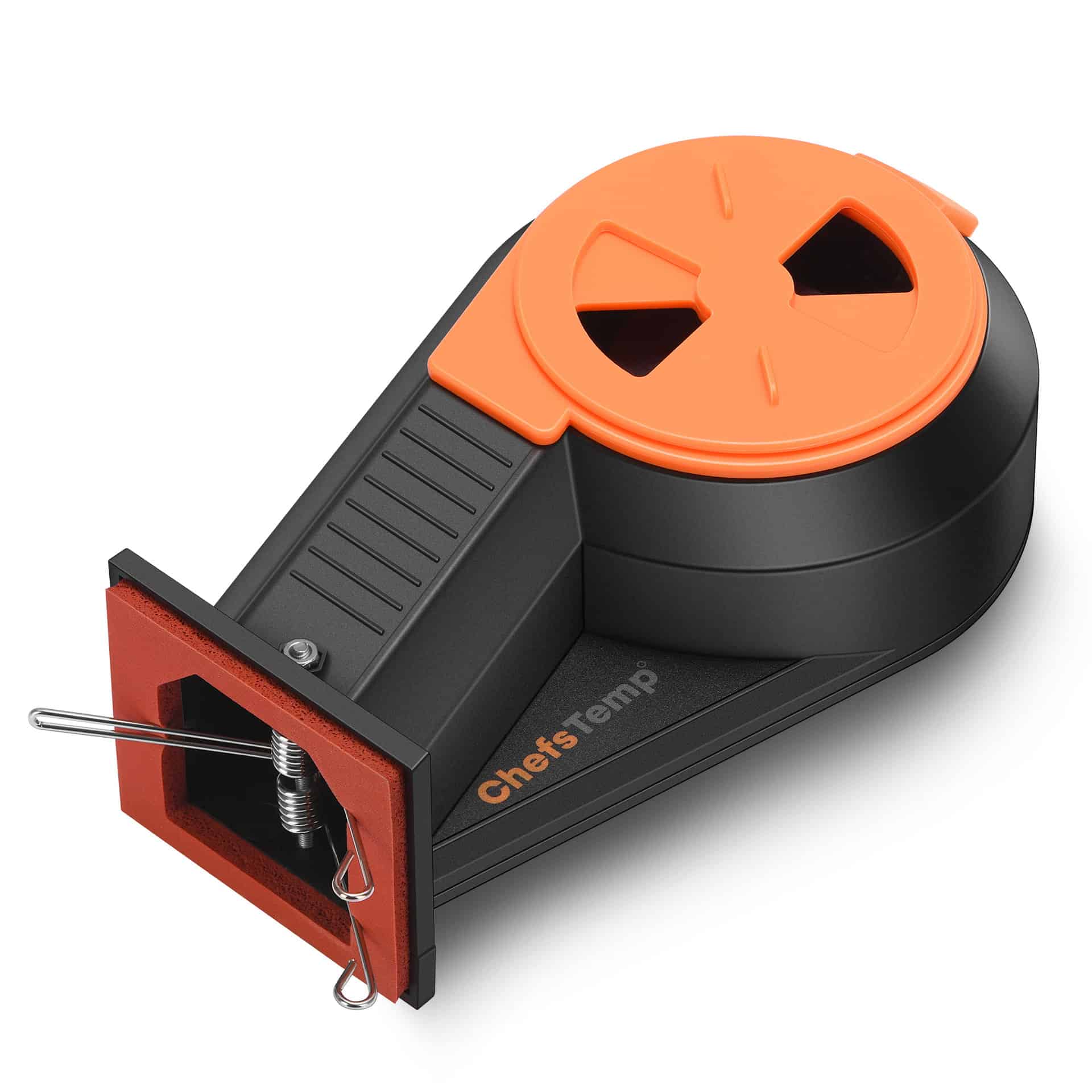
The ProTemp S1 Smart Grill Thermometer hub, paired with the Automatic Breezo V2 temperature-control fan, is built on the principle of active forced air. The fan attaches to your bottom draft door and blows air straight into the coals on demand. This directly addresses SMOBOT’s two core weaknesses: all electronics are relocated away from the exhaust heat path, eliminating the risk of grease jams, and the dual-band WiFi chip pairs reliably with modern mesh networks without manual network splitting.
Its tough, water-resistant design withstands sudden rainstorms. Platinum RTD sensors deliver exact ±1°F accuracy across the full temperature range. This exact oxygen flow keeps your pit rock-solid at 225°F all night.
Flame Boss 400
The Flame Boss 400 hides the controller brain inside the fan housing. This gives you a very clean, wire-free setup around your grill. However, it has no physical display. If your phone battery dies or your WiFi drops during an overnight cook, you have no fallback way to read the pit temperature without walking to the grill. For solo overnight smokes, this is a material risk.
FireBoard 2 Drive
The FireBoard 2 Drive features a beautiful, weather-resistant screen. It tracks up to 6 probes simultaneously. Its cloud software produces high-quality graphs. Sadly, the high base price does not include a fan. For users who want 6-probe tracking and active fire control, the total entry cost is about twice SMOBOT’s price.
ThermoWorks Signals
The Signals unit delivers 4 highly accurate tracking channels. The tough plastic shell easily survives drops. It pairs with the Billows fan to manage your fire. Yet, attaching the Billows fan to a kamado requires clunky metal spring clips. The Billows fan attaches to kamado grills via spring-tension clips, not a sealed collar. Independent tests document 8–12°F variance above the target temperature when the clip loses contact with the intake port.
BBQ Guru
BBQ Guru started the automated fan industry. Their hardware is very reliable and physically tough. Despite this strong build, their software feels neglected. The mobile app has not received a significant UI update since 2021. Users on iOS 17+ report inconsistent push notification behavior with temperature alarms, a significant safety concern for overnight cooks.
Ultimately, upgrading your smart controller gives you total confidence. You get better network stability, active fire control, and easier mobile access. Choose the system that fits your cooking style, and you will never ruin a brisket again.
Part 5. Best Tips for Controlling Kamado Temperature with a WiFi Controller
Mastering a ceramic smoker takes more than just plugging in a fan. You must prepare the grill properly before the fire even starts. Follow these practical steps to uncover the true secrets of Kamado cooking:
- Stack Charcoal Strategically: Place large lumps of hardwood charcoal at the bottom of the firebox. Put smaller pieces on top. This pyramid shape creates clear air paths, allowing the fan to push oxygen through easily.
- Ignite Only the Top Center: Place a single starter cube right in the middle of the coal bed. Do not light the bottom. The fire must burn slowly downwards. This top-down method prevents the pit from overshooting your target heat.
- Leave the Top Vent Barely Open: When using a bottom fan, close the top daisy wheel almost completely. Leave only a tiny sliver open. This creates internal back-pressure, allowing the smart fan to dictate the exact flow of oxygen.
- Check the Felt Gaskets: A smart fan cannot work if your grill leaks air. Inspect the felt gasket between the ceramic lid and the base. If smoke escapes through the sides, extra oxygen is leaking in. Replace worn gaskets immediately.
- Set Heat Alarms Wide: Do not panic over minor temperature swings. Set your low alarm 20°F below your target temperature, and your high alarm 20°F above it. The fan naturally corrects small dips on its own.
- Keep Probes Away from Cold Meat: Do not clip the pit sensor directly next to a cold brisket. Cold meat creates a false micro-climate that tricks the sensor. Position the pit probe at least 3 inches from the meat surface and 2 inches above the grate. This causes the fan to overshoot the fire, rather than maintaining the right temperature on the BBQ.
By following these simple setup methods, you unlock the full power of your smart controller. Proper fire building and exact probe placement stop common errors before they start.
Part 6. The Bottom Line
The SMOBOT offers a smart, low-power fix for top vents. It works great for quick cooks and remote camping. Yet, sticky grease easily jams its moving gears. Plus, the tight bracket limits you to one grill type.
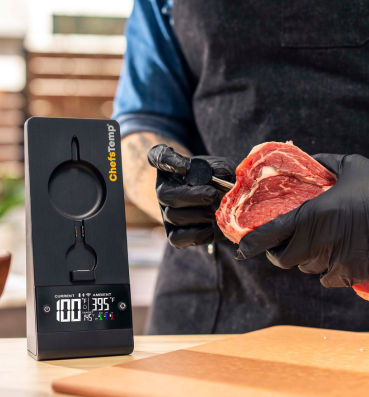
Serious cooks need versatile, reliable power. ChefsTemp fixes these exact problems. The ProTemp S1 and Breezo V2 Fan provides pinpoint accuracy, strong WiFi, and quick fire recovery. This smart combo removes all guesswork for any event.
If your cooking style is kamado-only and you rarely smoke overnight smokes, the SMOBOT is a capable, low-cost entry point. If you want network reliability, multi-probe support, and active fire recovery, the ProTemp S1 and Breezo V2 fan combination removes the hardware ceiling.
Part 7. FAQs
Q: Does SMOBOT work with Kamado Joe?
Yes, but you cannot use the standard model. You need a special adapter bracket instead. The Kamado Joe uses a thick cast-aluminum Kontrol Tower top vent. It does not use a flat daisy wheel. This custom bracket securely holds the thicker cap. It keeps the servo motor locked safely in place.
Q: What is the best WiFi controller for Big Green Egg?
A universal system works best. The ChefsTemp ProTemp S1 and Breezo V2 fan combo completely bypasses the messy top vent. This automated fan controller delivers rock-solid wireless connectivity. It forces fresh air right into the firebox. As a result, you maintain strict heat zones effortlessly for perfect barbecue sessions.
Q: Can a kamado temperature controller damage my grill?
No, automated fans will never crack your ceramic grill. They manage the natural flow of oxygen. You need to route the electrical cables carefully. Keep all wireless thermometer wires away from the hot exterior walls. This quick safety check prevents the cable insulation from melting during your cook.
Q: Do I need a separate meat thermometer with SMOBOT?
The base controller includes ports to monitor food via its mobile app. You do not strictly need a second device. However, the unit only supports two food probes. Cooking large batches of different meats requires more tracking. In that case, you will definitely want an extra wireless thermometer hub nearby.
Q: What temperature should a kamado be set to for brisket?
Your ceramic grill should hold a steady 225°F to 250°F pit temperature. This low, slow heat gently renders thick fat. It breaks down tough collagen without drying out the meat. Target a pit temperature of 225°F to 250°F. Pull the brisket at an internal temperature of 200°F to 205°F – Aaron Franklin’s publicly documented target is 203°F. Probe for doneness by feel: the thermometer should slide in with zero resistance, like warm butter.
Q: How does a smoker controller save charcoal?
An automated controller stops runaway fires instantly. A grill burns fuel rapidly when it gets too hot. A smart fan strictly limits oxygen intake. This ensures your coals only burn exactly as needed. A correctly sized charcoal bed in a large BGE, roughly 8–10 lbs of lump, can sustain a 225°F cook for 16–20 hours when a fan controller strictly manages oxygen. Without active control, the same load typically burns out in 10–12 hours due to unregulated airflow spikes.
Discover Other ChefsTemp Products
Discover more recipes and learn kitchen tricks by joining our cooking family on Facebook.
You may also like: