Get a Great Smoked Brisket and a Good Night sleep with This Essential Upgrade to the Weber Smokey Mountain
Smoking a brisket can be a time-consuming task for even the most experienced pit master, but it doesn’t mean you have to lose much sleep the night of your next cookout.
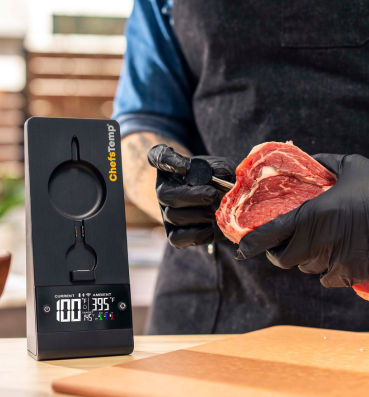
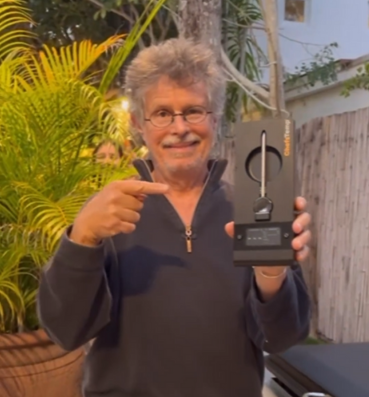
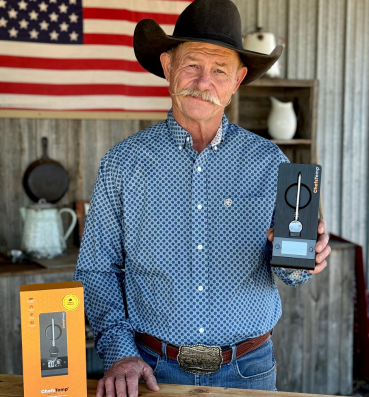
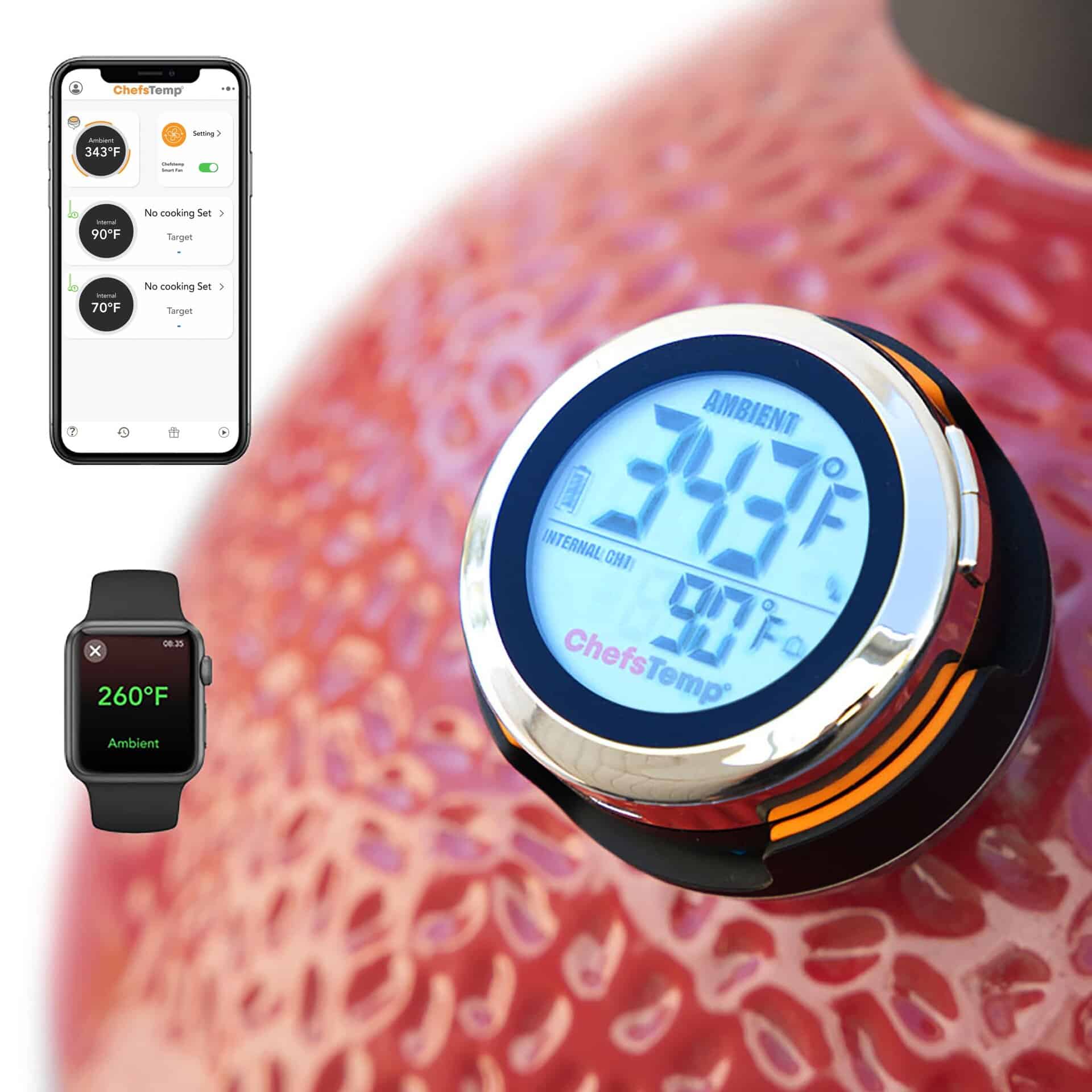
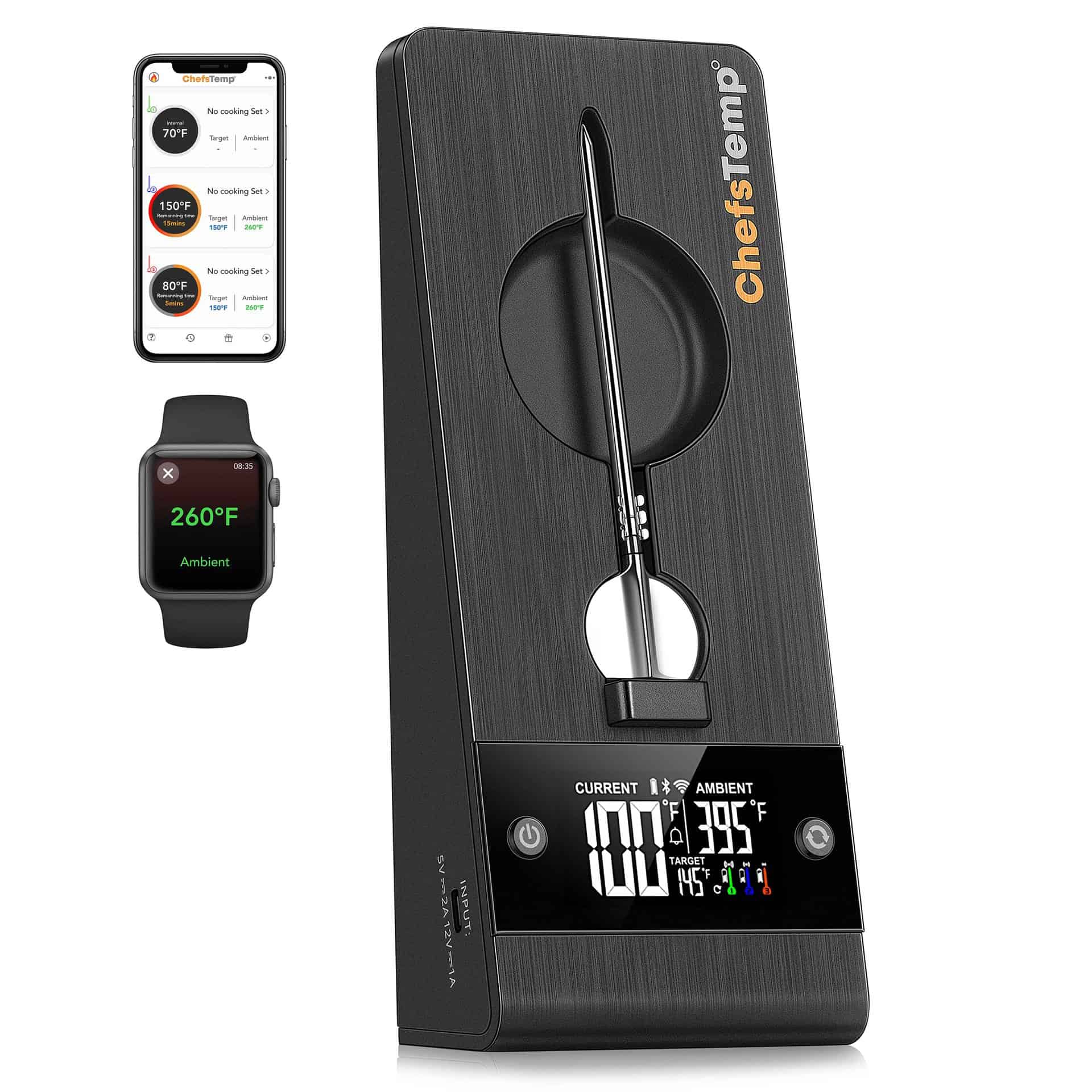
Cooking on a Weber Smokey Mountain (WSM) offers an excellent balance of live fire, wood smoke, and user-friendly features. To make it even easier, the ChefsTemp ProTemp S1 Smart Grill Temperature Controller Upgrade Package helps you keep steady cooking temps, while monitoring multiple wireless probes – all from the convenience of your smartphone.
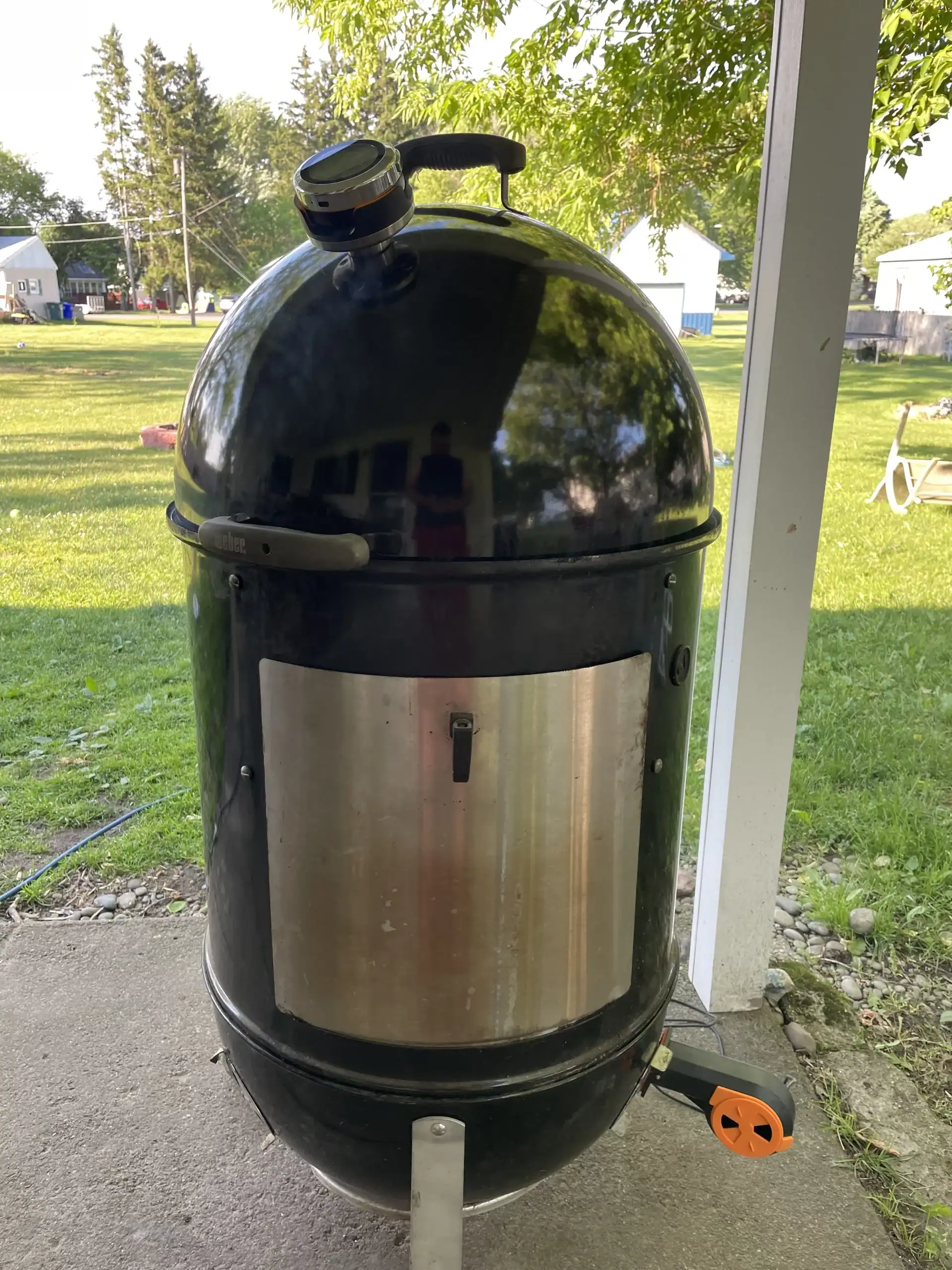
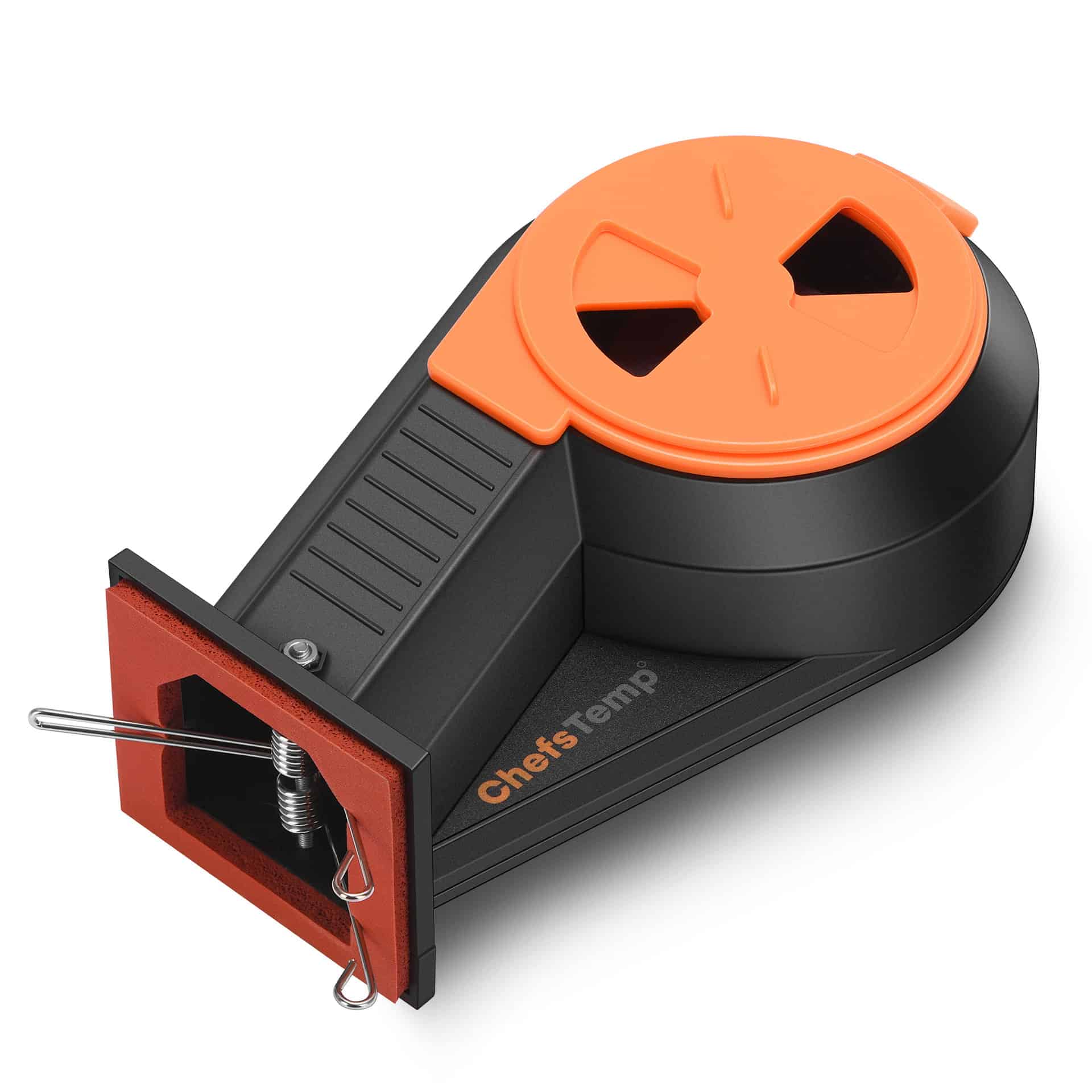
Experienced WSM users know smoking a brisket means a lot of babysitting the smoker through the night, checking on the coals and adjusting the vents to maintain a consistent ambient temperature. With the Breezo fan, all the lower vents are left closed, eliminating the guesswork of proper positioning, and you no longer have to worry about the wind picking up and suddenly spiking temperatures.
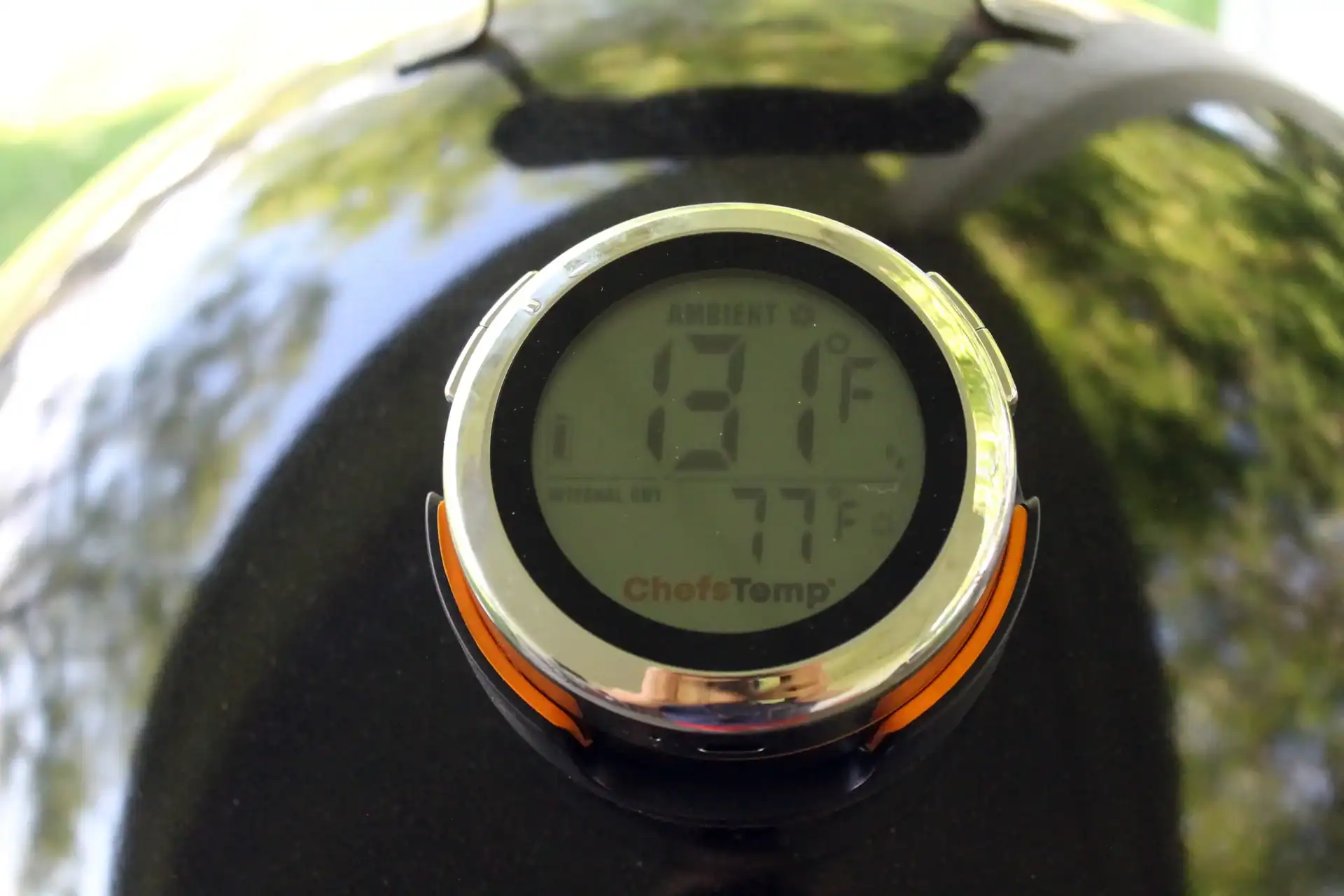
The Breezo V2 BBQ Temperature Control Fan, paired with the ProTemp S1 Smart Grill Gauge Thermometer Hub, gives you precise control over cooking temperature and lets you adjust it easily from an app. Whether you prefer to run lump or briquettes, it saves on fuel. The wireless setup is simple, taking less than 10 minutes to swap out the OEM probe thermometer, attach the Breezo fan, and pair the ProTemp S1 via Bluetooth or WiFi.
With less to worry about and fuss over during a lengthy brisket cook, pit masters can get a full night’s sleep while the meat smokes, the collagen breaks down, and the Breezo fan automatically keeps a consistent ambient temperature. The ChefsTemp app allows users to set alarms for both ambient temps and probe readings, alerting you when the meat hits a target, or the cooker gets too hot or too cold.
Table of Contents
The Prep
This smoked brisket started as a 14-pound whole packer. After trimming down some of the excess fat, the seasoning began with a dry brine – a heavy dousing of Kosher salt on all sides the night before its date with the WSM. If you want a well-seasoned brisket, a great bark, and tender, juicy meat, you’ve got to give this method a try. It only requires a sheet pan, a wire rack, Kosher salt, fridge space, and time. You cannot cheat time with this method, as it requires hours for the salt to absorb moisture and penetrate the brisket’s surface.
There’s quite a bit of science happening during a dry brine; we get a touch of osmosis, a little bit of diffusion, and according to Serious Eats, as the salt penetrates, it reshapes and relaxes muscle proteins. This creates a gel-like network that traps natural juices, helping the meat lose significantly less moisture during cooking. It may sound complicated, but from a user experience, it’s incredibly simple – just shake some salt on it, and let it sit in your fridge overnight.
Right before firing up the smoker, the brisket was pulled out of the fridge and hit with the big bad beef rub – offering a peppery, flavorful bark you won’t be able to get enough of.
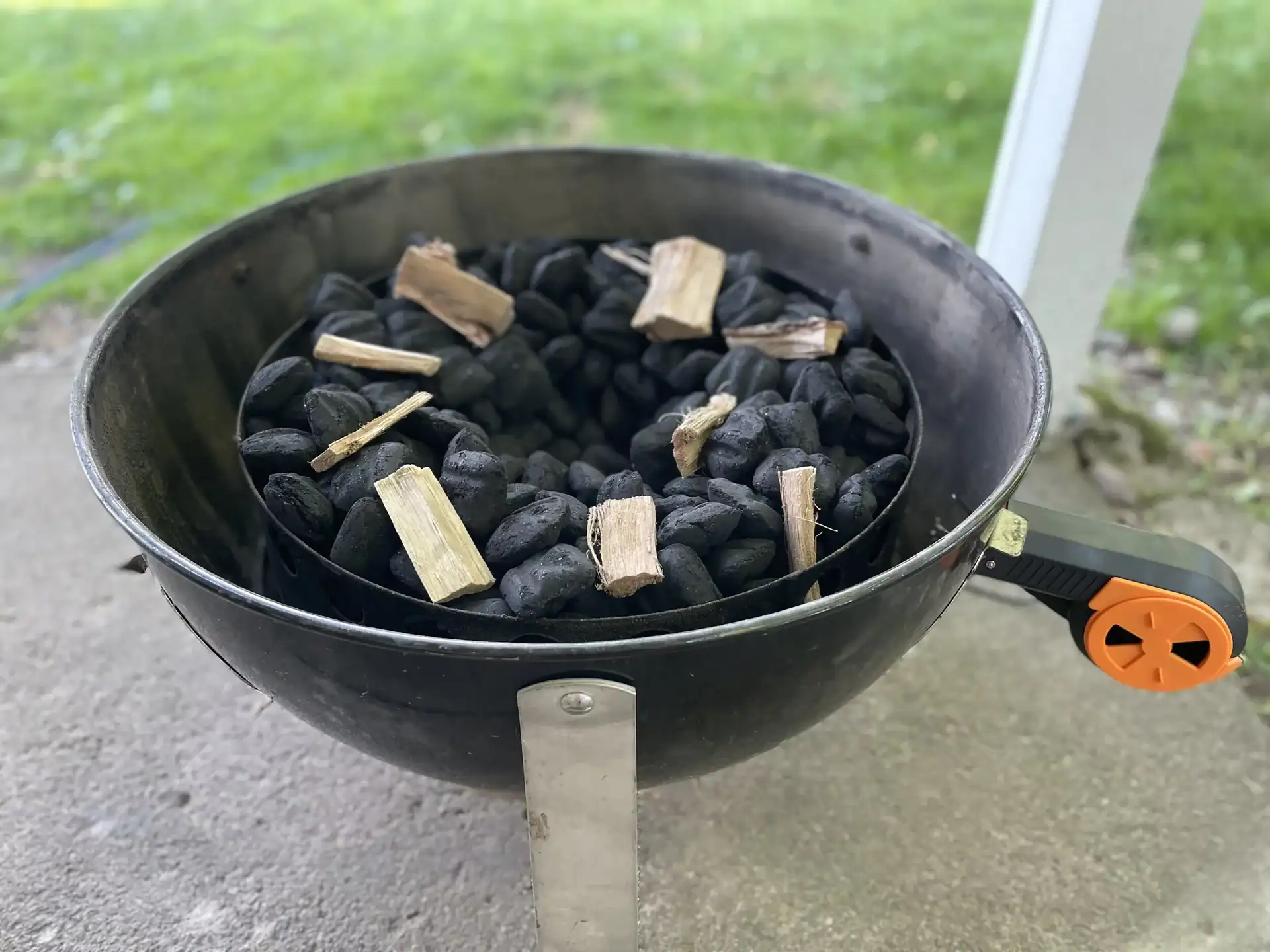
Then, it’s outside to fire up my 22” WSM. I’m a fan of the minion method, where you fill the charcoal basket with a full bag of coal – in this case, a full 16-pound bag of Kingsford Original Charcoal Briquettes – then clear out the middle to create space to dump a chimney filled 1/4 of the way with lit briquettes. Using this method also allows you to strategically position chunks of smoking wood (hickory for this cook) that will catch later on as the fire slowly spreads from the middle outward, ensuring even, consistent levels of smoke.
The Breezo fan works well right from the start to get the smoker up to temp, and prevent it from “taking off” – that is, when you forget to adjust your vents in time, and the ambient temperature of the cooker shoots way over target. This has happened to me several times in the past, and I can tell you it’s time-consuming and burns up a lot of coals trying to bring the smoker back down to your targeted low and slow smoking temperature.
The Cook
There’s really no way around it – smoking brisket is a time-consuming process, but it’s worth the effort, and the ProTemp Upgrade Package does a lot of the work for you. There are some tricks to get it done a little bit faster, such as cooking at a higher heat, or using the Texas Crutch (more on this later) – but I personally love the low and slow method to maximize the smoky flavor, allow the collagen to break down, the fat to render, and develop depth of flavor through the Maillard reaction.
The brisket is a muscle located near the cow’s chest and shoulder area – it helps them get up after lying down, and is used to support the animal’s body weight while standing and moving. A muscle that is used constantly and helps a 2,000+ pound animal get up and move around is going to be a tough cut, and it’s loaded with connective tissue (collagen).
Aside from the collagen, brisket is rich in fat. Both intramuscular fat (marbling) and the notorious fat cap. You’ll want to trim the fat cap to help it render, and the intramuscular fat will essentially melt away, adding tons of flavor to your finished product.
It’s worth noting that the brisket is divided into two main sections, commonly known as the flat and the point. The flat is noticeably longer and thinner (flatter) than the rounded and shorter point section. The flat is also a much leaner cut of meat, with less intramuscular fat; without proper preparation, it can dry out during cooking.
For a tough muscle like this, low and slow is arguably the best approach. It takes time and low heat to properly turn collagen into gelatin, creating tender, pull-apart meat that is really easy to eat. If you were to slice the brisket into steak-like portions and cook it hot and fast, like a steak, the collagen would seize up, making it extremely tough and chewy.
Using the ChefsTemp app, I set the Breezo Fan to keep the smoker at 225 degrees, and it did an outstanding job of keeping that temperature all night while I was in bed. I slept easily knowing the fan would automatically regulate the ambient temperature, and on the off chance something crazy were to happen, I had alarms set to let me know if the temps got too high or too low.
Getting Through the Stall
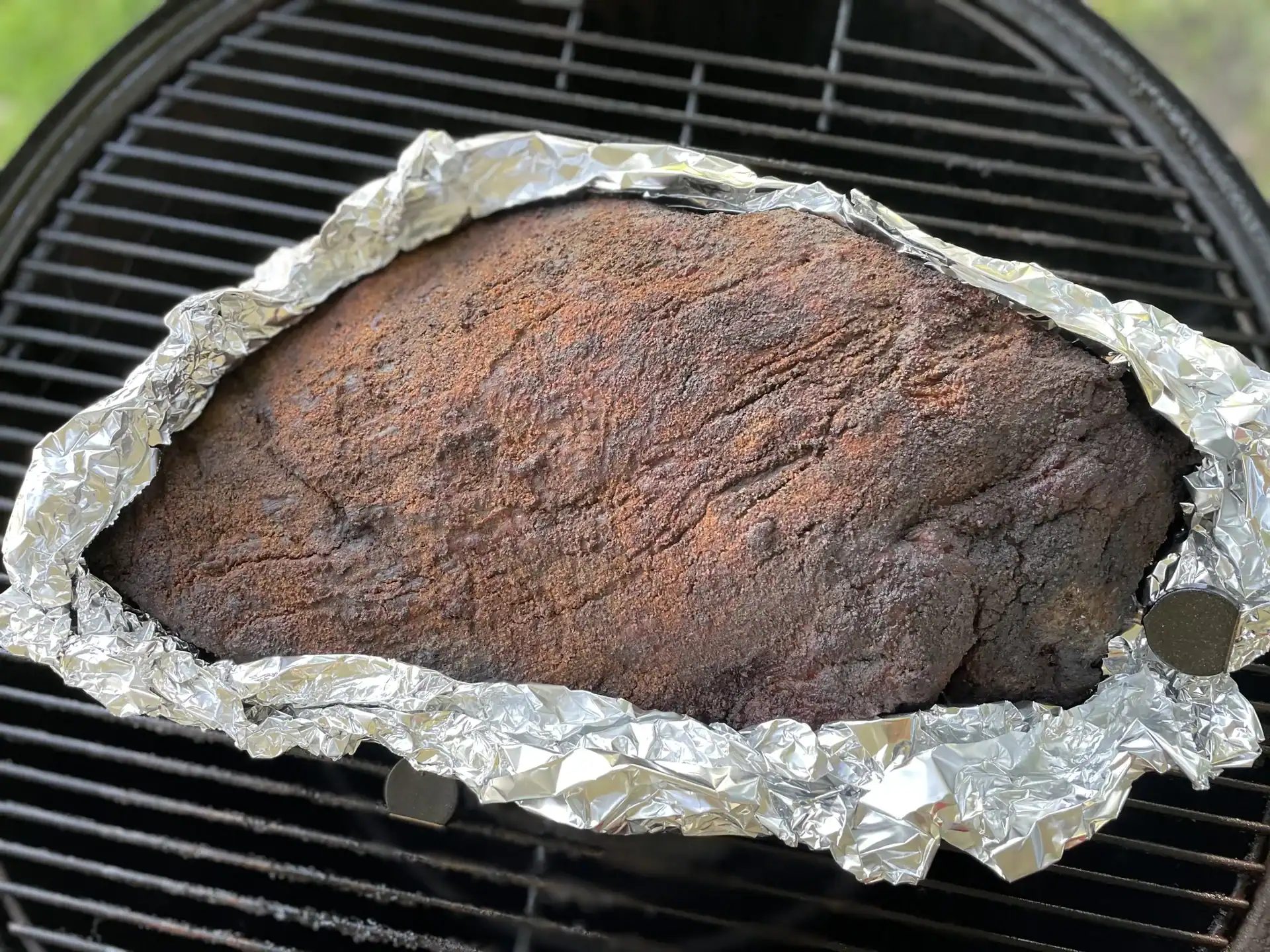
You get to a point in every brisket cook where the temperature stops climbing; you’ve officially reached the stall. This happens at 150-170 degrees and results from moisture and fat from the meat rendering to the surface and evaporating. At this point, the ambient heat is working to evaporate the surface moisture rather than raise the internal temperature. For new pit masters, this can truly test your patience.
There are several options for reaching the stall, each with pros and cons. One of the most popular is known as the Texas Crutch, where you tightly wrap the brisket in aluminum foil, and pour a little broth or stock in. This essentially braises the meat, yielding a moist, tender, and delicious brisket and significantly reducing your cooking time. The biggest drawback to this method, in my experience, is that all that moisture has nowhere to go, softening the exterior layer of flavor and resulting in a soggy bark.
Another popular method to speed up cooking is to wrap it in butcher paper. This allows the brisket to bypass the stall phase and reduce cooking time, but the paper lets some moisture escape, so the bark isn’t affected as much as with the Texas Crutch.
You can also raise the heat in the smoker – going from 225 to 275-300 would certainly help cut the time down, but this requires burning up more fuel. Some pit masters prefer to just let it ride – that is to say, do nothing. The stall will eventually end on its own, but requires extra time and plenty of patience.
Then, there’s the foil boat, one of my favorites lately, a method I first saw on YouTube a while back. You simply wrap the sides and bottom of the brisket, leaving the top exposed. In my experience, this method gives you the best of all worlds – moist and tender meat, a solid smoke ring, and a crunchy bark. It does take a little bit longer than fully wrapping in foil or butcher paper.
No matter which method you use, it’s a good idea to monitor the temperatures of the flat and the point, as the two sections tend to cook at different rates. That’s where the ChefsTemp Wireless Probes, paired with the ProTemp S1, really come in handy. You can monitor the meat’s temperature right from the app, taking the guesswork out of when to wrap the brisket and when it’s close to being done.
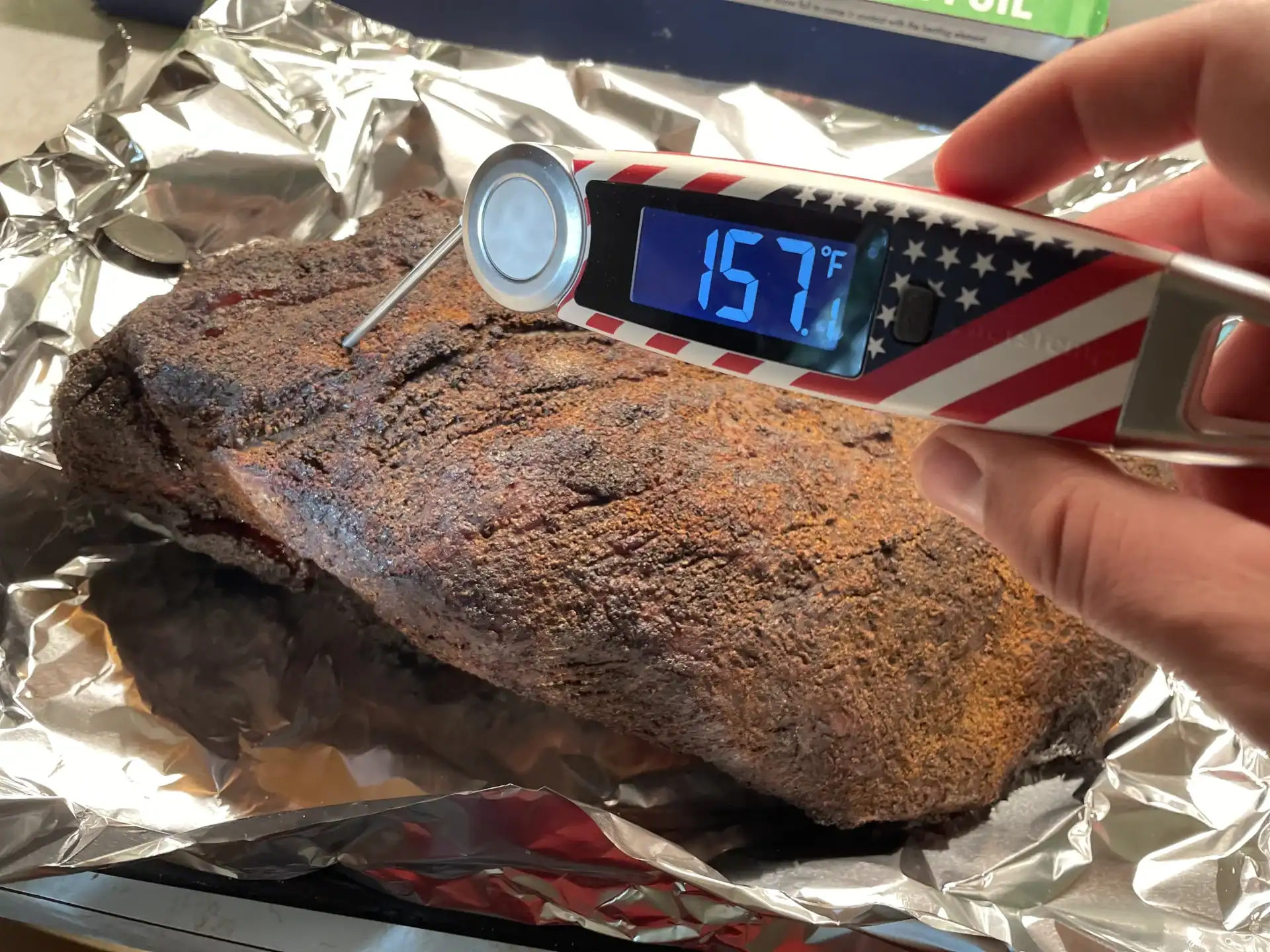
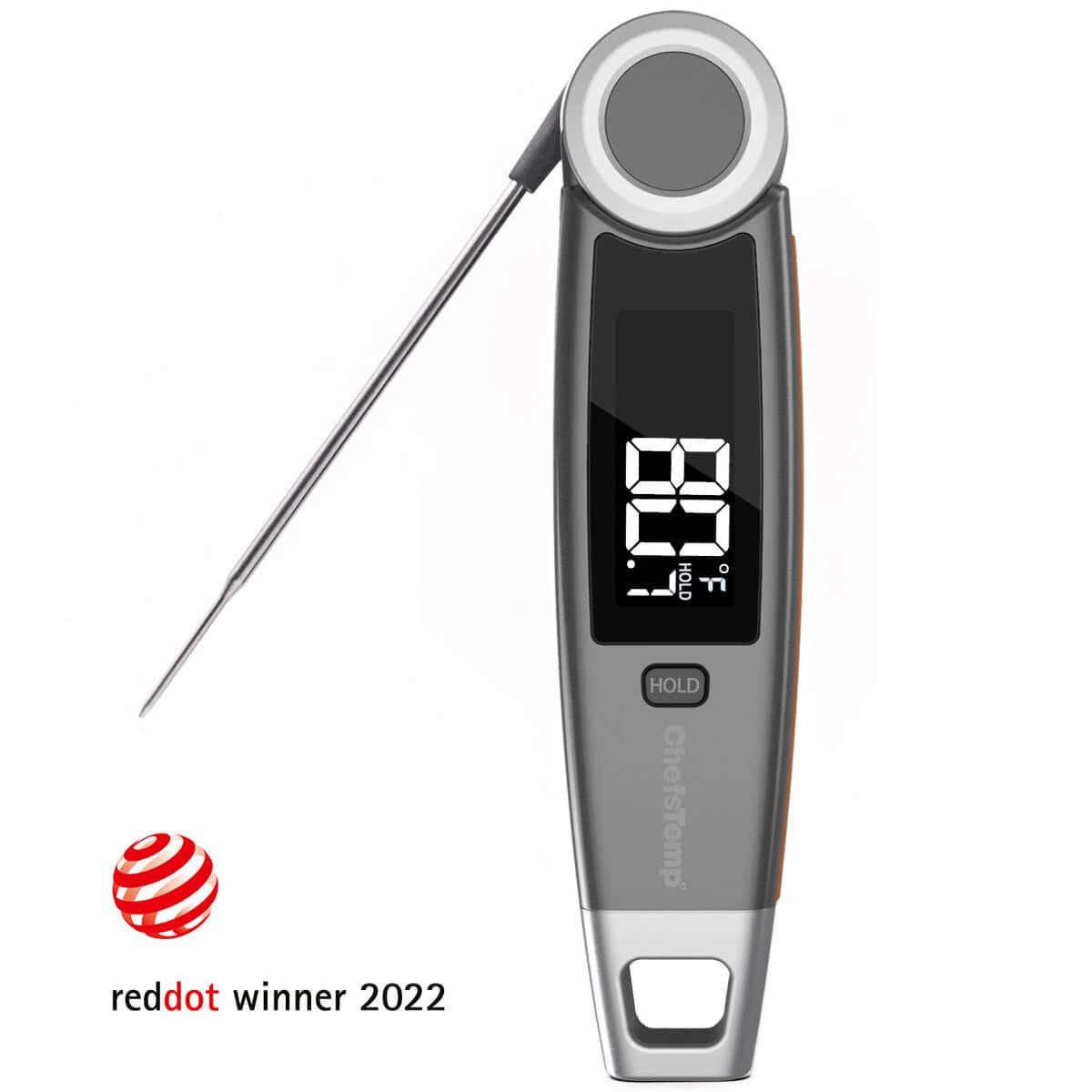
An instant-read thermometer also comes in handy to double-check the temps in other areas of the brisket and probe for tenderness. Every brisket is a little different, and to truly know when it’s done, sticking a probe into the meat should offer little resistance and feel like you’re going through butter.
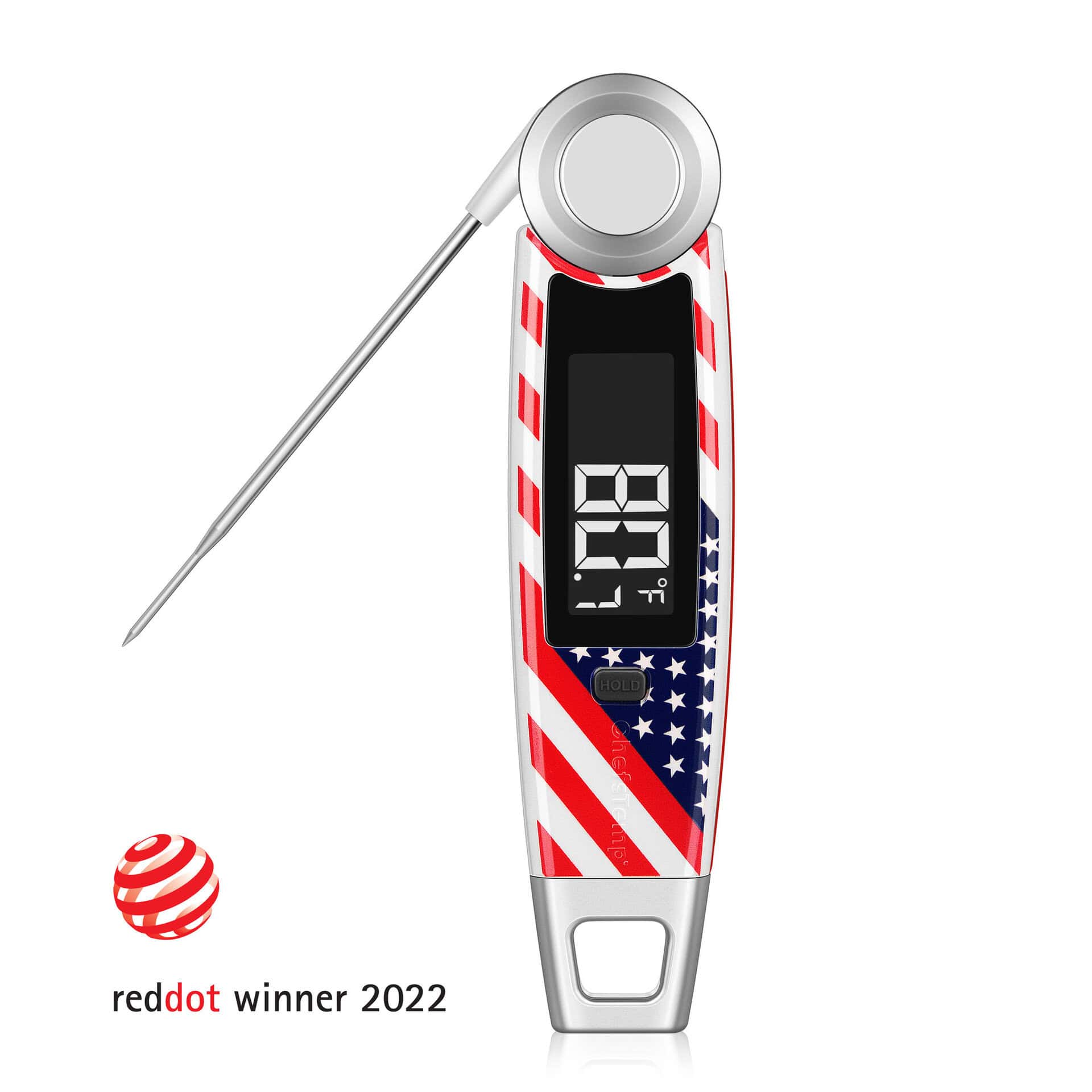
To celebrate America’s 250th birthday and show off my Patriotism, I was happy to use the Finaltouch X10 Professional Instant Read Meat Thermometer – USA Patriotic Limited Edition to check for tenderness when the brisket reached 200 degrees. Once it was probing tender in the flat and the point, I pulled it off and let it rest for an hour. This is a crucial step, and some pit masters will rest it for four hours or longer, but you want the meat to slowly cool down to allow time for the muscle fibers to relax, and for the internal juices, fats, and collagen to turn into gelatin and settle.
The Results
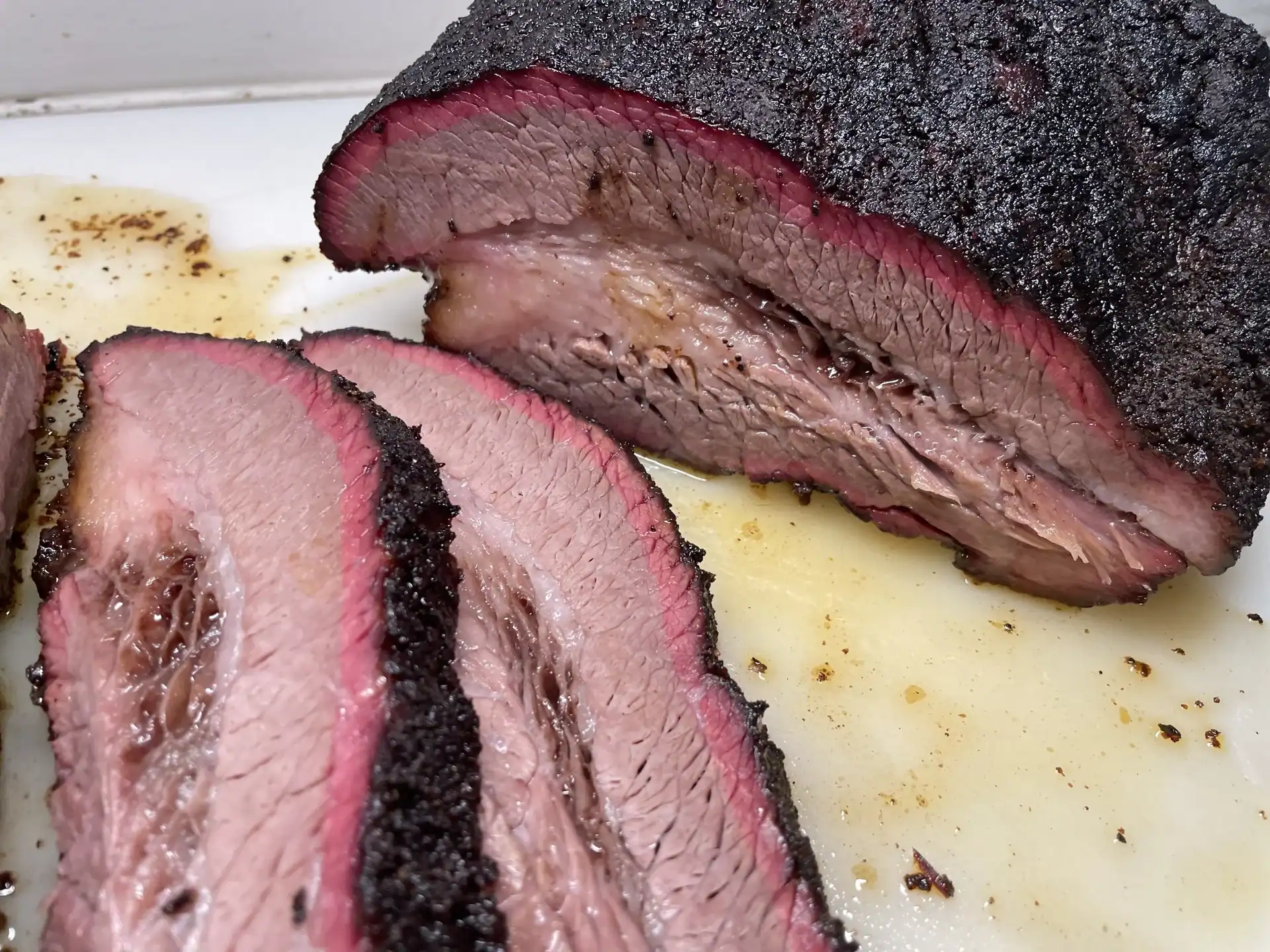
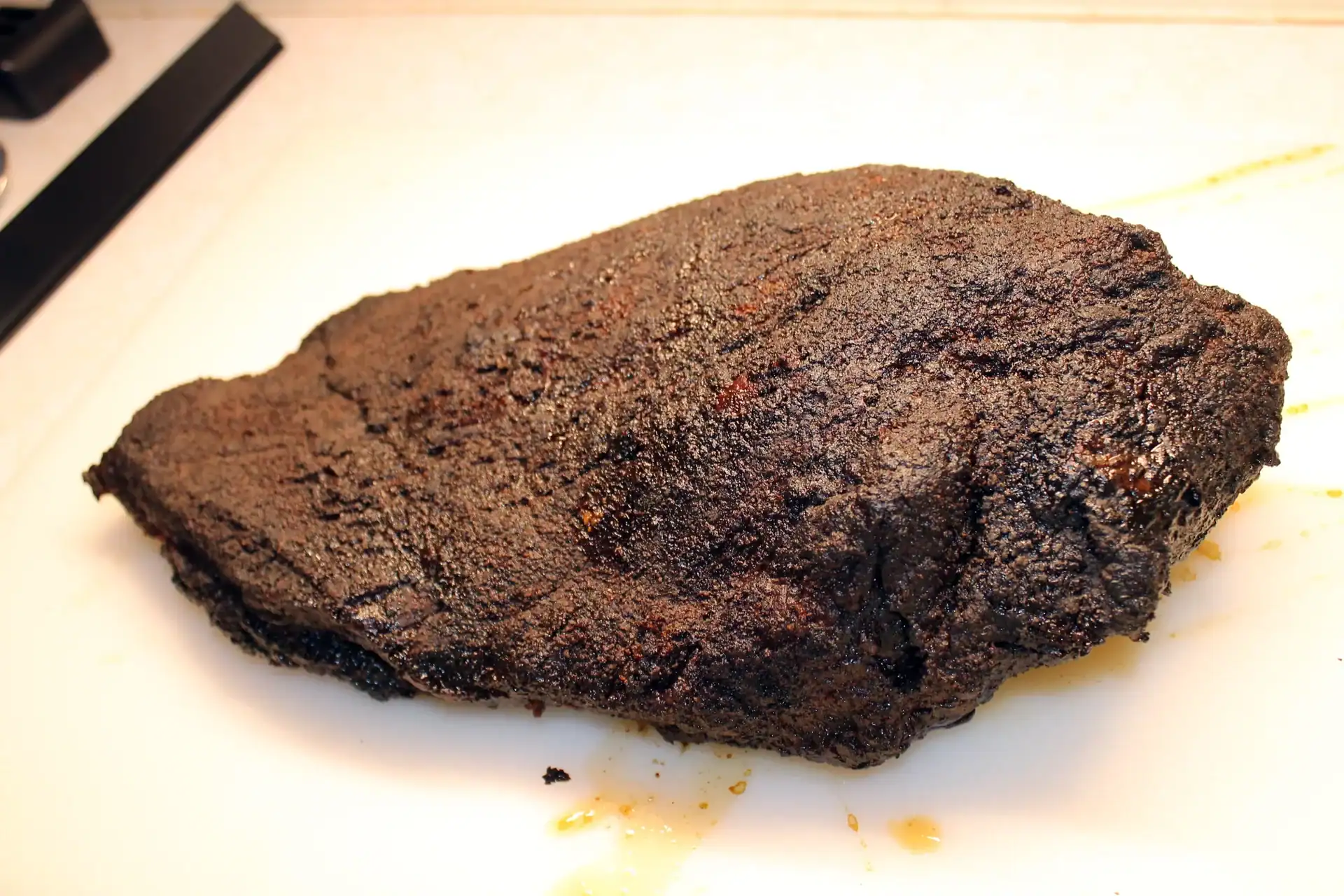
This brisket turned out fantastic. There was a beautiful smoke ring, a crunchy bark, tender meat, and a rich flavor. A perk of using the ChefsTemp ProTemp S1 Smart Grill Temperature Controller Upgrade Package is the ability to achieve repeatable cooking. With the data collected from the ProTemp S1, I can look back at the settings, notes, and the recipe to recreate this exact smoked brisket in the future – and know that I can get a good night’s sleep while the ProTemp package does most of the work.

Matthew Mosher is a life-long resident of Upstate New York, where he’s been grilling since he could hold a pair of tongs. You can find him grilling or smoking meats year-round, even during snow storms. Matthew’s favorite things to put on the grill are chicken wings, ribs, pork butts, and bacon..
Discover Other ChefsTemp Products
Discover more recipes and learn kitchen tricks by joining our cooking family on Facebook.
You may also like: