All You Need to Know About Reverse Searing a Steak with a Remote Thermometer
Cooking a big and expensive steak into a delightful masterpiece is a frustrating task, especially if you do not know how to do it right. Sometimes you might nail it to perfection, while at other times, the beef may be overdone or too rare. The secret to cooking the steak perfectly is to reverse-sear it, which will give you a dark brown crust and a medium-rare centre. Reverse searing is a cooking method that gives you more control over the meat as it cooks. You only have to make a few changes to the temperature using a remote thermometer for the best results. Follow this guide and learn all you need to know about reverse searing with a meat thermometer.
Table of Contents
What is Reverse Searing?
Reverse searing is simply a cooking process in which you let the steak cook first at a low temperature in the oven for a medium-rare interior, then sear it in a pan for a golden, flavour-packed crust. The only problem is that you might be tempted to speed up the process, which will certainly affect the steak’s quality. To avoid this, it is worth waiting until the process is complete.
Benefits of Reverse Searing
A low-and-slow-cooked steak is irresistible and well worth the dime you spent. Here are some of the benefits of reverse searing:
1. Slow cooking at a low temperature in the oven allows for evenly distributed heat and prevents the meat from overcooking. If you heat the oven more quickly, the outside of the meat will cook faster than the inside. That is how you will end up with overcooked edges and a raw inside. However, if you cook at lower, indirect heat with a remote thermometer, the results will be perfect.
2. Cooking the steak in the oven first allows the meat to dry out the moisture on the outside, which will be effective for pan-searing afterwards.
3. Reverse searing is best for thick cuts of meat, which allows them to be cooked to the right doneness.
4. Similar process to Sous Vide, but much more affordable.
5. Searing in the pan as the last process gives the meat a flavorful taste.
6. Slow cooking with a food thermometer also means a tender and juicier steak.

How to Reverse Sear a Steak?
Things you will need
- Thick steak, preferably top sirloin, filet mignon, or ribeye
- Kosher salt
- Black pepper
- Vegetable oil
- Unsalted butter (optional)
Equipment
- Cast iron skillet
- Wire rack
- Remote thermometer
- Convection oven
Instructions
1. Line a sheet pan with foil paper, then place a wire rack on top.
2. Place the oven rack in the centre of the oven. Preheat the oven to 275°F (135 °C).
3. Optional step: Take a large skillet and place it in the oven to warm it.
4. Remove excess moisture from the surface of the steak using a paper towel.
5. Season the steak: Season the surface with salt generously on both sides, then with black pepper (optional).
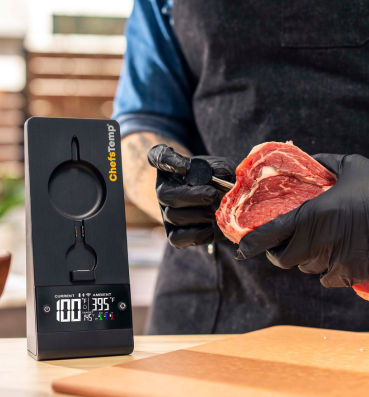
6. Place the steak inside the oven: If using an oven-proof remote thermometer, then stick it to the thickest part of the meat. This will let you know when you have reached the correct internal temperature. Cook the steak in the oven for about 15 to 25 minutes. But this will depend on the thickness of the meat. The internal temperature of the meat should be 120°F (49°C) for medium-rare. Use an instant-read thermometer to monitor the temperature as it is cooking.

7. Remove the steak from the oven and put it aside to cool for 10 minutes before searing.
8. Heat the heavy cast-iron skillet over high heat. Alternatively, if you put it in the oven on step 3, then take it out and place it on the stovetop.
9. Add oil, and wait until it is hot, then carefully add your steaks to the pan.
10. Sear the steak until it is golden brown, then use tongs to flip it over and sear it.
11. Add herbs and butter as desired.
12. Transfer the steaks to a clean plate and serve while warm.
Useful Tips for Reverse Searing
- Buy larger (not smaller ones) and thicker steaks. The best steaks should be 1 ½ inches thick. Thinner steaks than that will not come out perfectly.
- Use a remote thermometer to monitor the internal temperature at 15-minute intervals, then every 5 minutes afterwards until it reaches the desired temperature.
- The best internal temperature should be between 120°F(49°C) to 125°F(52°C) for medium rare and 130°F(54°C) for medium.
- Make sure to let the steak rest for a few minutes before searing. This will allow the steak to relax and cool before searing it. Thus, it prevents it from overcooking when you transfer it to the hot skillet.


- Cook the steak on low heat until tender.
- Use a grill if you do not have an oven. However, note that controlling the grill temperature will be difficult, and you will need to babysit it with a kitchen thermometer. The advantage of cooking with the grill’s indirect heat is that it adds more smoke flavour to the meat.
- Wipe the steak dry with paper towels. The golden crust will form easily when the meat’s surface is dry.
- Reverse searing can be used not only on steaks but also on other meats, like chicken wings. The process is simply the same.
- A cast-iron pan is much better for searing because it retains heat well.
Reverse Searing Temperature Hints
Below are the ideal temperatures needed when reverse searing a 1 ½ inches to 2-inch:
- Rare: 115°F, or 46°C when removing from the oven, and 125°F after searing or 50°C.
- Medium-rare: 120°F, or 49°C when removed from the oven, and 130°F after searing, or 55°C.
- Medium: 130°F (54°C) when removed from the oven, and 140°F (60 °C) after searing.
- Medium-well: 140°F, or 60°C when removed from the oven, and 150°F after searing, or 65°C.
Summary
Reverse searing is, without doubt, the ultimate way to get a finger-licking meat with a nice brown crust. Just make sure to be patient enough when cooking and always use a remote thermometer to check the temperature.
Discover Other ChefsTemp Products


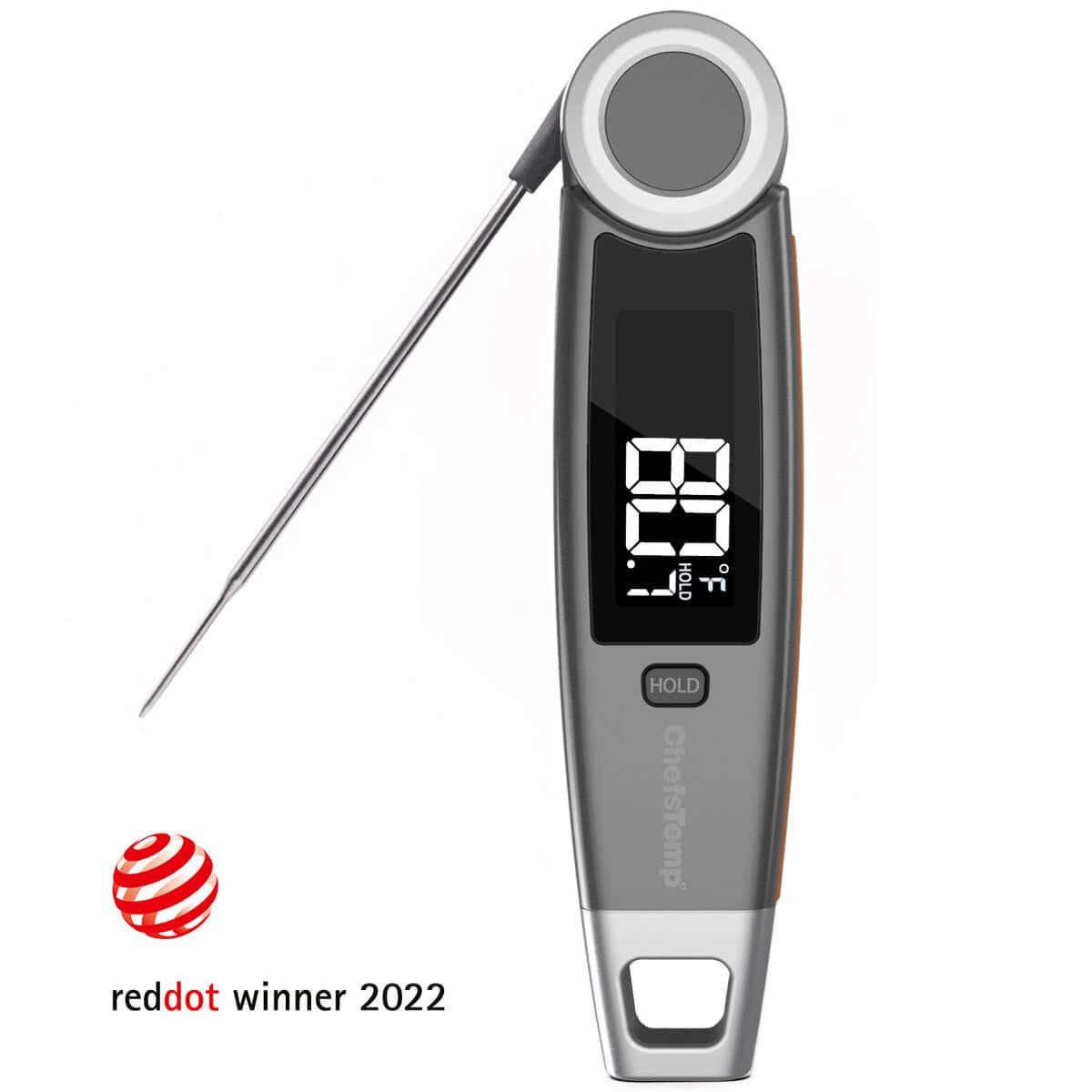
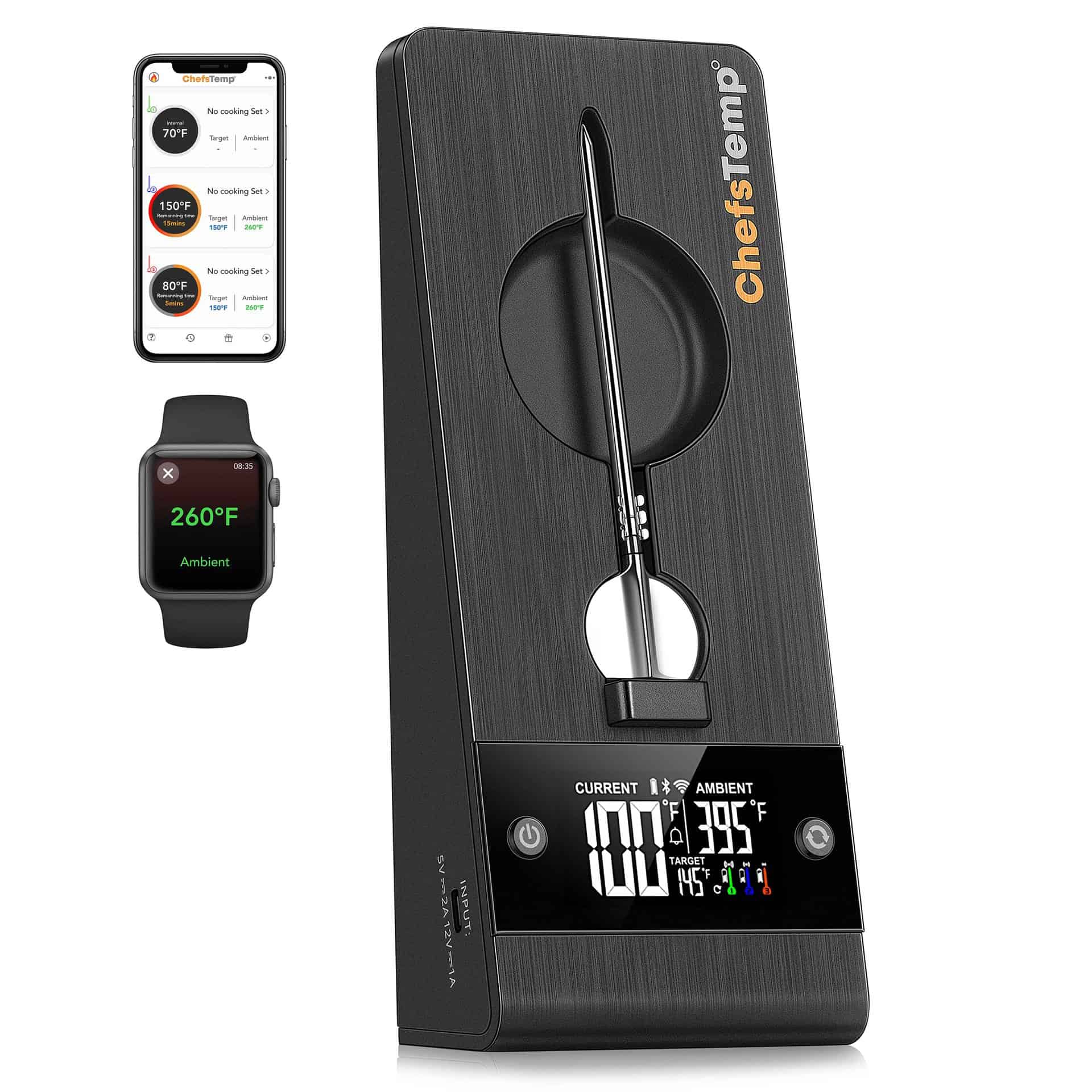
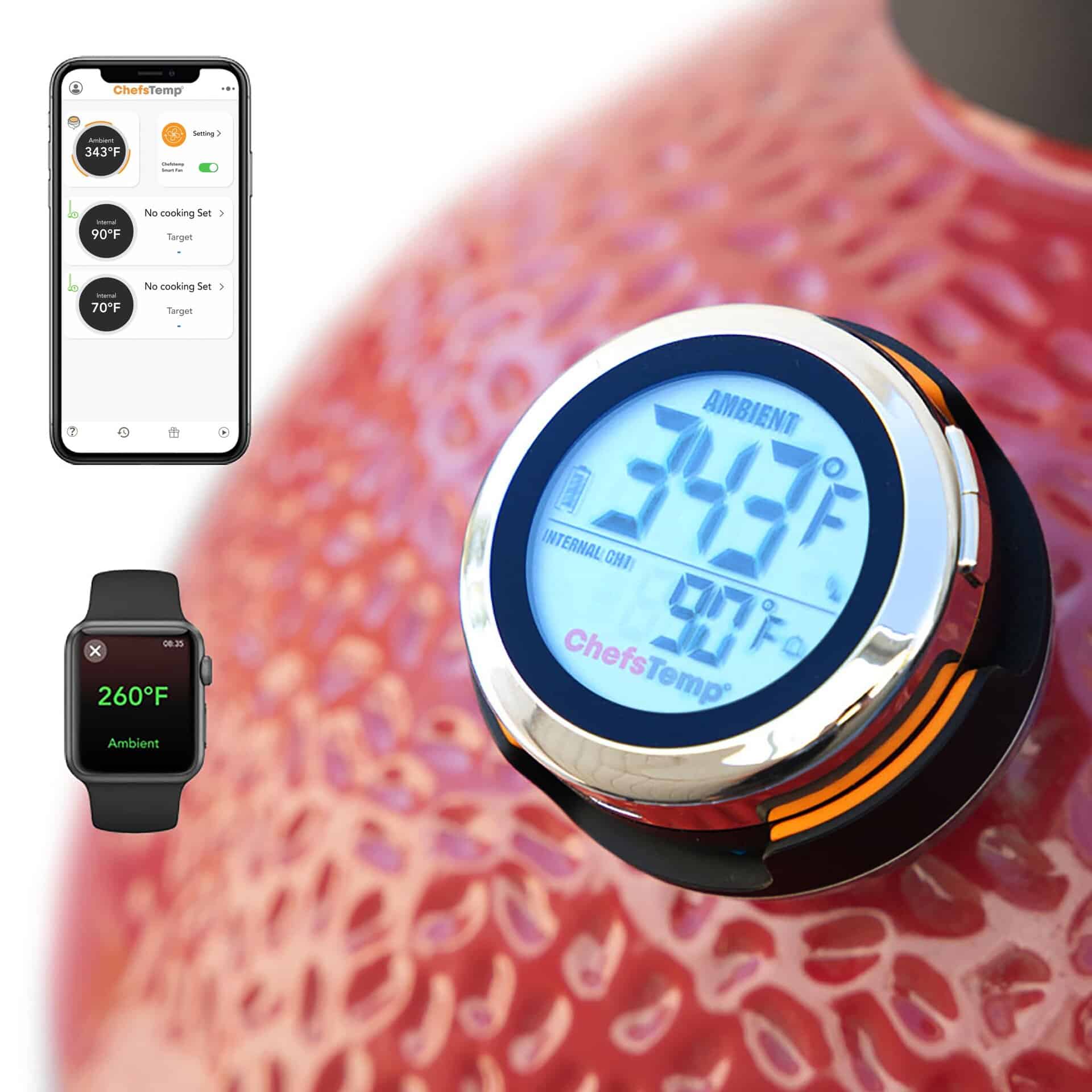
Discover more recipes and learn kitchen tricks by joining our cooking family on Facebook.
You may also like: