Cook Any Meat with The Help of The Best Meat Thermometer
What type of meat can you cook best? With the best grilling essentials, you can cook any meat. Ensure that one of these essentials is the best meat thermometer. It will help you monitor the internal temperatures of chicken, turkey, beef, veal, pork, lamb, etc. A meat thermometer and a food temperature chart can let you cook meat to perfection. You can kill all the germs and serve meat with confidence. We will tell you more about how your BBQ thermometer can help you cook meat.
Table of Contents
Which is the best meat thermometer?

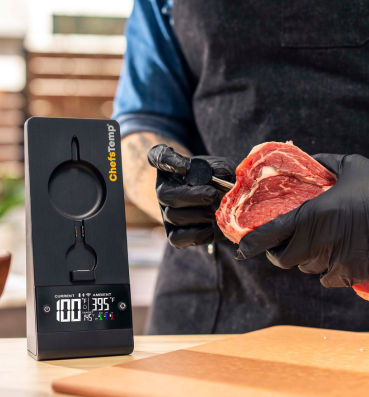
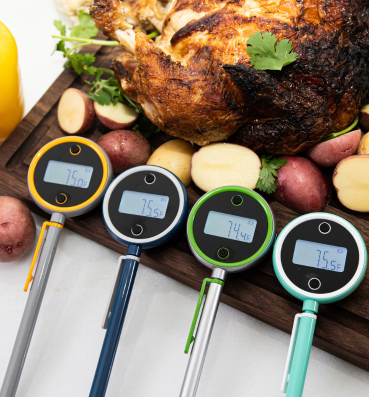
Before you begin cooking meat, choose the best instant-read meat thermometer. The market has all sorts of thermometers, but some are not ideal for grilling. Some thermometers are best for preparing thin cuts of meat. If you plan to cook thin steaks often, choose an infrared thermometer. It will measure the meat’s temperature without touching it. The best-quality kitchen thermometer is from ChefsTemp. Check its image below.
If you regularly cook thick cuts of meat, choose a leave-in thermometer. Although you can find a leave-in dial thermometer, it will be slow because it uses analogue technology. We therefore advise you to get an electronic meat thermometer, as it is wireless. It will read temperatures quickly and accurately. It can also send signals remotely via Bluetooth technology.
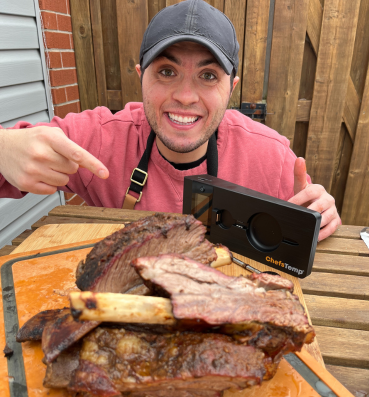
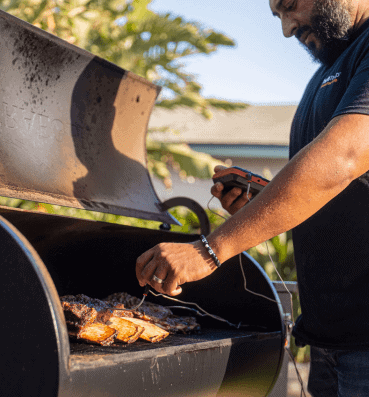
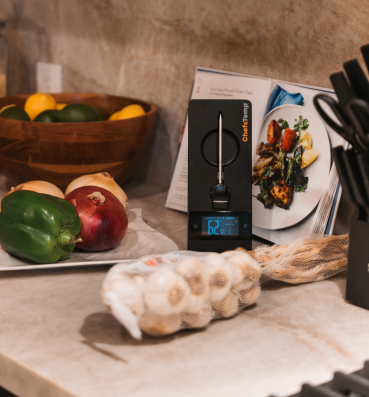
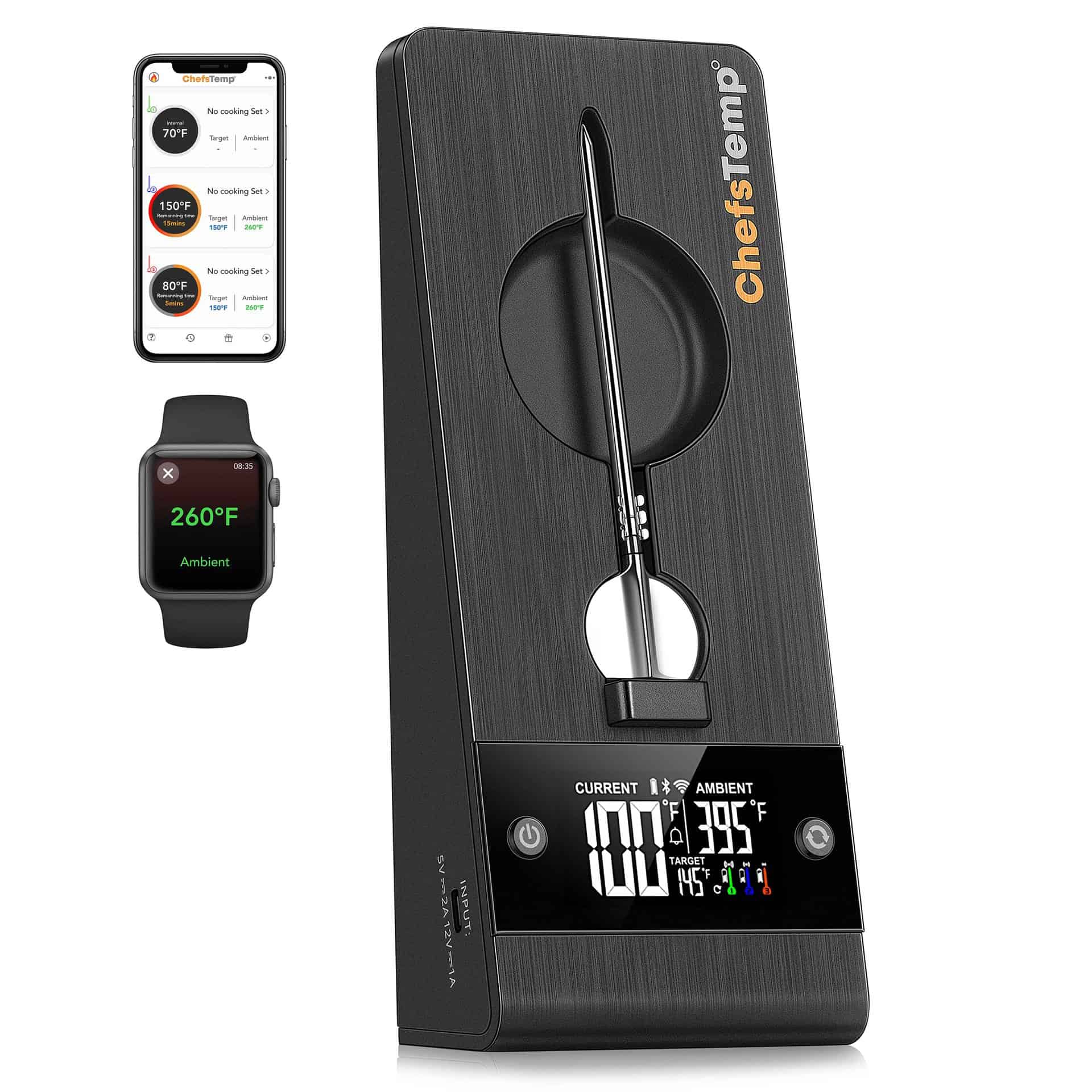
Thus, you can be inside the house while cooking meat in the backyard. After properly adjusting its settings, a digital food thermometer can transmit signals up to 500 feet. At the same time, you can insert its channels in separate areas of the meat. See how a multi-channel, advanced remote thermometer works below.
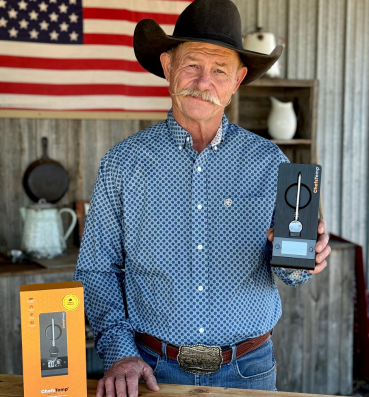
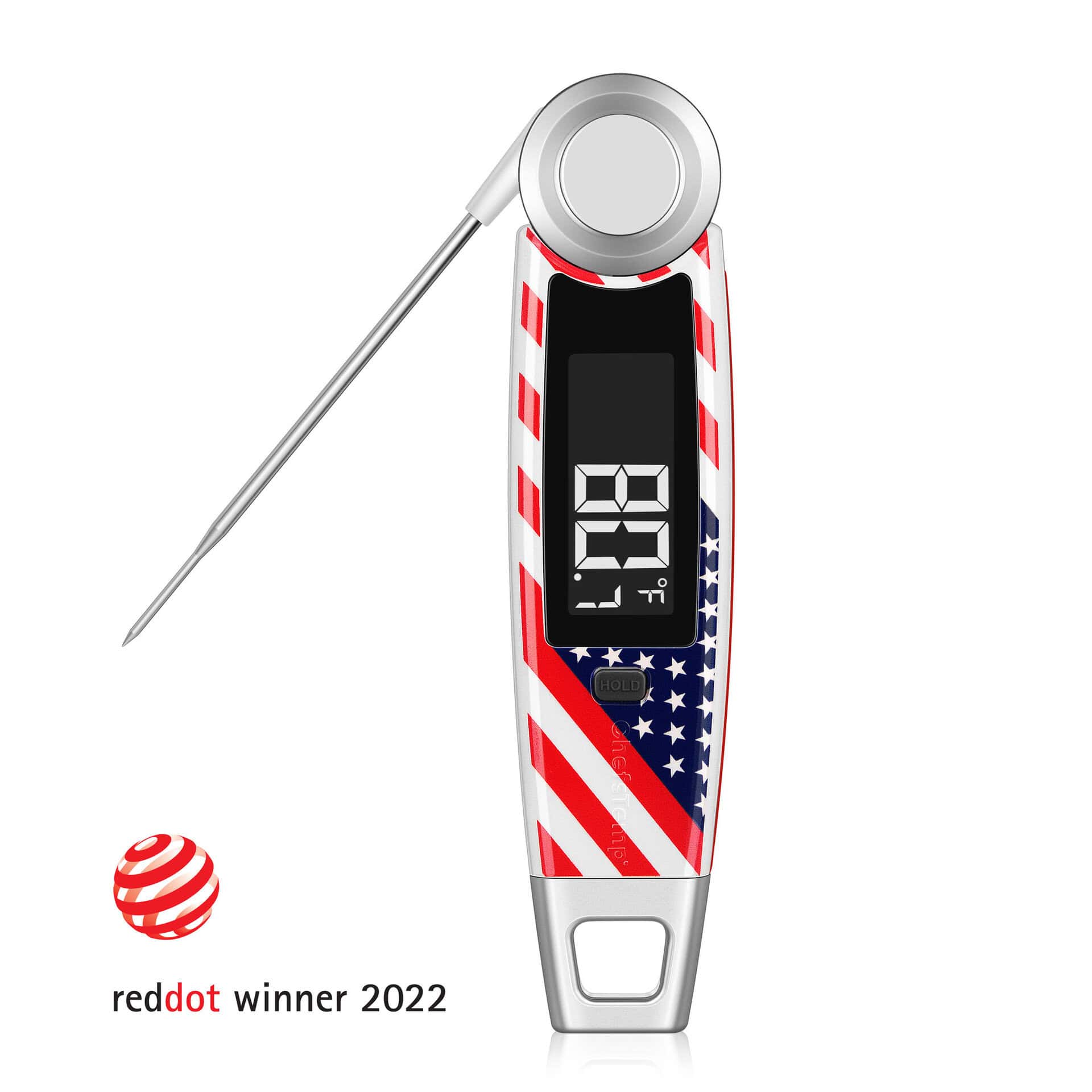
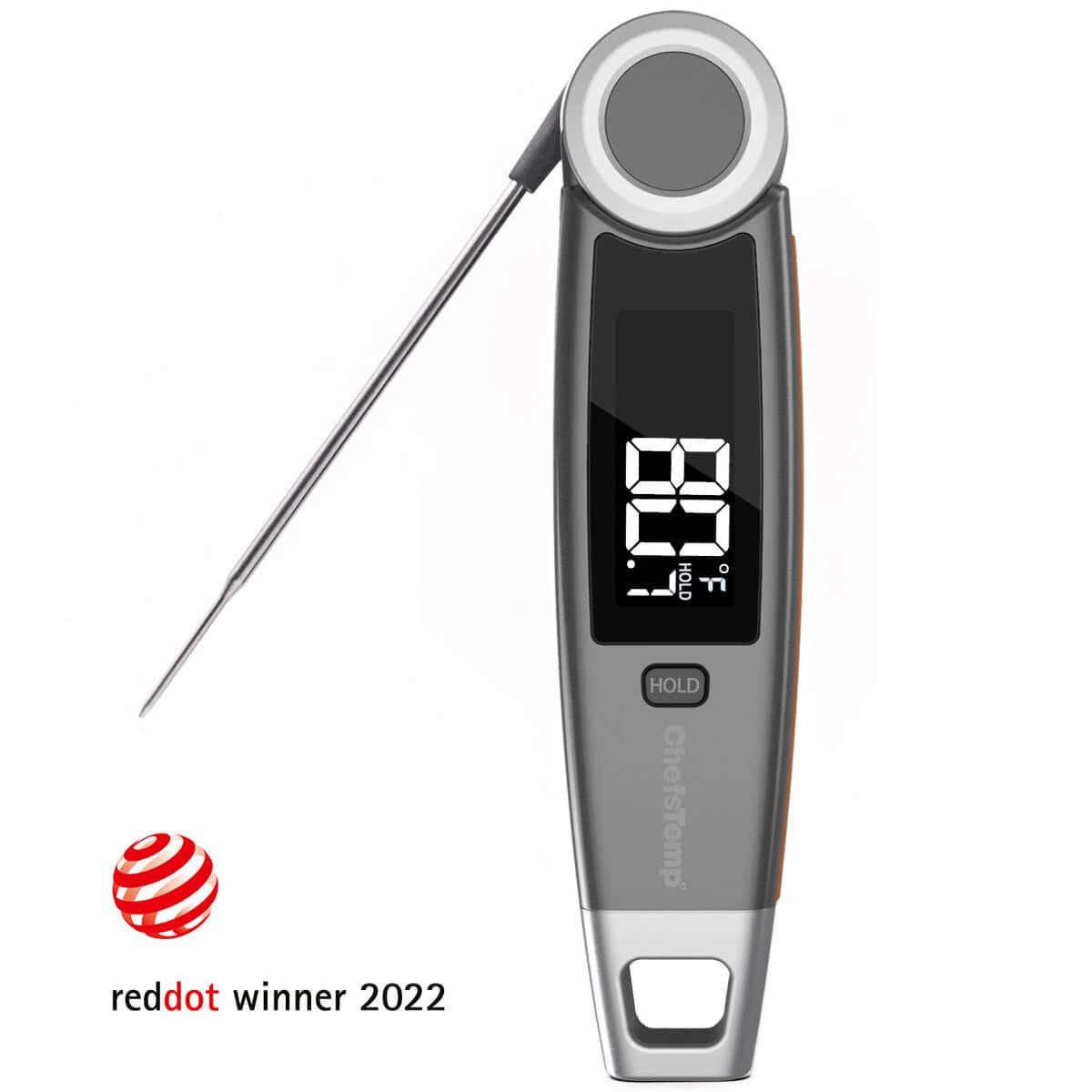
Some wireless thermometers use a single probe but offer good features. For instance, they can withstand high temperatures, water, and weather elements. At the same time, they will hook onto any metal surface for easier storage and use when cooking. Above all, these single-probe thermometers will produce readings very fast. A perfect single-probe grill thermometer looks like the one shown in the image below.

How to use a meat thermometer?
With a simple tool like the best cooking thermometer, you can tell when the meat has reached your target internal temperature. To use it correctly, do the following:
- Insert the probe into the thickest part – After choosing the best meat thermometer, insert its probe into the thickest part of the steak. The surface of the meat will cook faster than its inside. That is why you need to know the internal cooking temperature by inserting the probe. Angle your probe thermometer horizontally, making sure it touches only the flesh. It will increase the accuracy of temperature readings. If using an infrared thermometer, make sure the meat is thin.

- Set the best interval for checking the temperature of the meat with your best meat thermometer –When smoking food, you need to keep the grill lid closed to prevent heat loss. The more you let the heat dissipate, the longer it might take your meat to cook well. You can check temperatures every forty-five minutes. But as you approach the target temperature, check it frequently.
- Know the safest minimum temperature for each meat – Keep a steak temperature chart close if you like to cook steaks. The benefit of reading a food temperature chart is that you can set your target temperature correctly.
- Remove the meat early – When cooking pork or brisket, it will retain heat as it cooks. The thicker the meat, the more heat it retains during cooking. Thus, remove your brisket about 5°F (-15 °C) before reaching your target pull temperature. Use your best food thermometer to know if you can remove the meat from the grill. The retained heat will continue to cook the meat until it reaches the safest serving temperature. Carryover cooking will ensure that the meat releases and spreads its juices throughout the cut.
Know the ideal internal cooking temperatures of meat
There is a food temperature chart you should use when cooking meat. It belongs to the USDA (United States Department of Agriculture). The food temperature chart shows the minimum safe internal temperatures for various meats. Some doneness levels people ask for go against the USDA’s recommendations. For instance, Medium Rare and Rare are below 140°F(60°C).
When cooking Rare Steak, you must maintain a temperature of 120 to 125°F(49-52°C). When you remove the meat, it will still have a deep red centre, indicating it is partially raw. Although the USDA does not support cooking Rare steak, you may not avoid it, as some of your guests might request it. Medium, Medium Well, and Well Done doneness levels are good to consider when cooking safe meat.
The USDA recognises the fact that all meats are unique. When cooking beef, poultry, lamb, or pork, the recommended doneness temperatures vary. In addition, it categorises poultry meat as white meat and dark meat. Some parts of the chicken have dark meat, and others have white meat, but they all need to be cooked to 165°F (74°C). You need the best meat thermometer to abide by the USDA food temperature chart.

Calibrate your thermometer for accuracy
Even the most sophisticated instant-read thermometer can produce inaccurate temperature readings. If it ages or you drop it, your thermometer might give erroneous readings. Make sure you test and calibrate your thermometer when you suspect it is not working well. Learn how to do the boiling water and ice bath tests. Calibration is easy if you have the device manual. If you do not have it, call the thermometer manufacturer and request their help.

Final thoughts
If you want to cook all meats properly, the first tool you need is a good meat thermometer. Next, learn how to use it correctly when cooking thin and thick cuts of meat. When preparing pork tenderloins or chicken breasts, choose a probe thermometer. It will quickly and accurately generate temperature readings. Another point to recall is the importance of using the USDA food temperature chart. It will help you meet the required doneness and cook safe meat. Lastly, always test and recalibrate your smoker thermometer to ensure it offers accurate readings.
Discover Other ChefsTemp Products
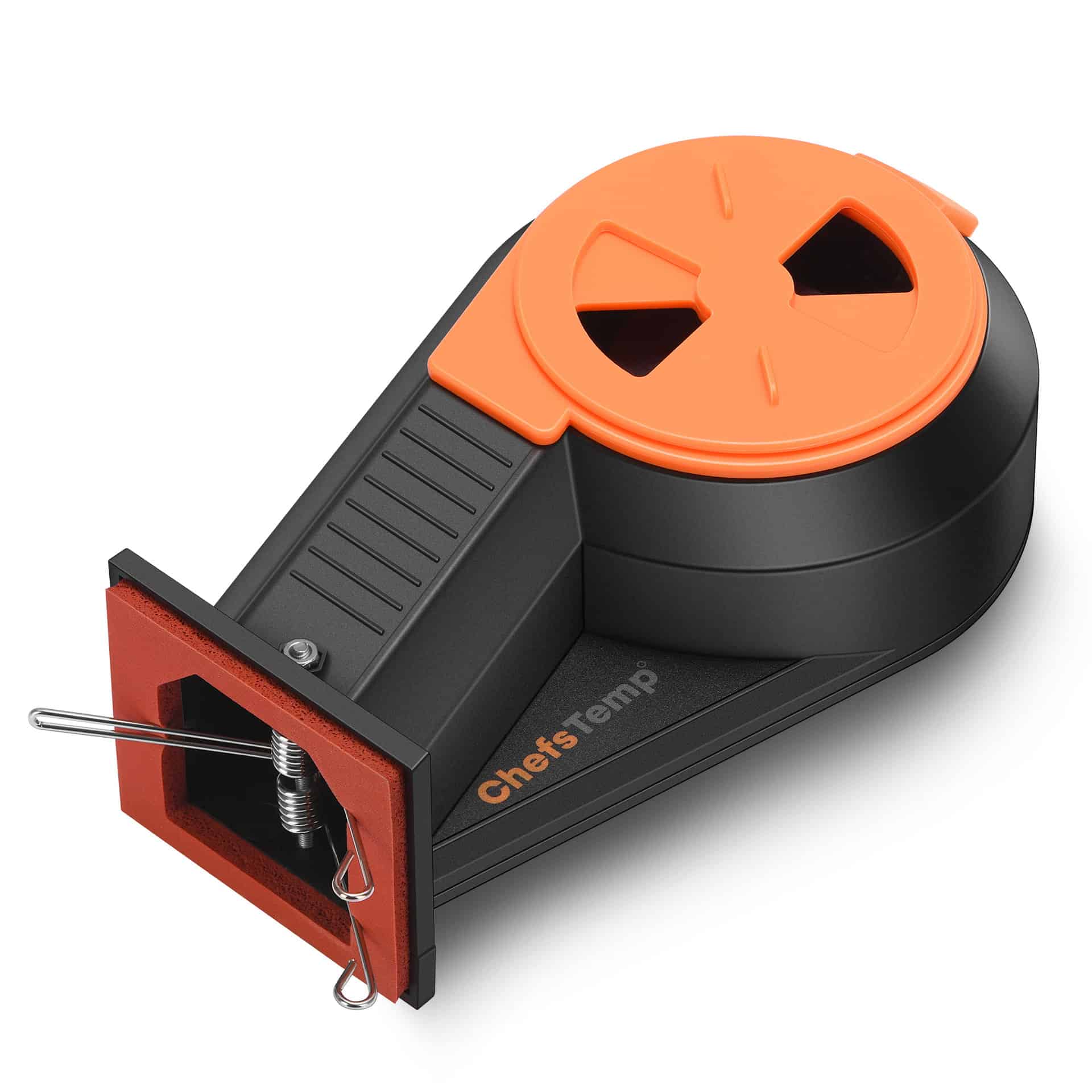
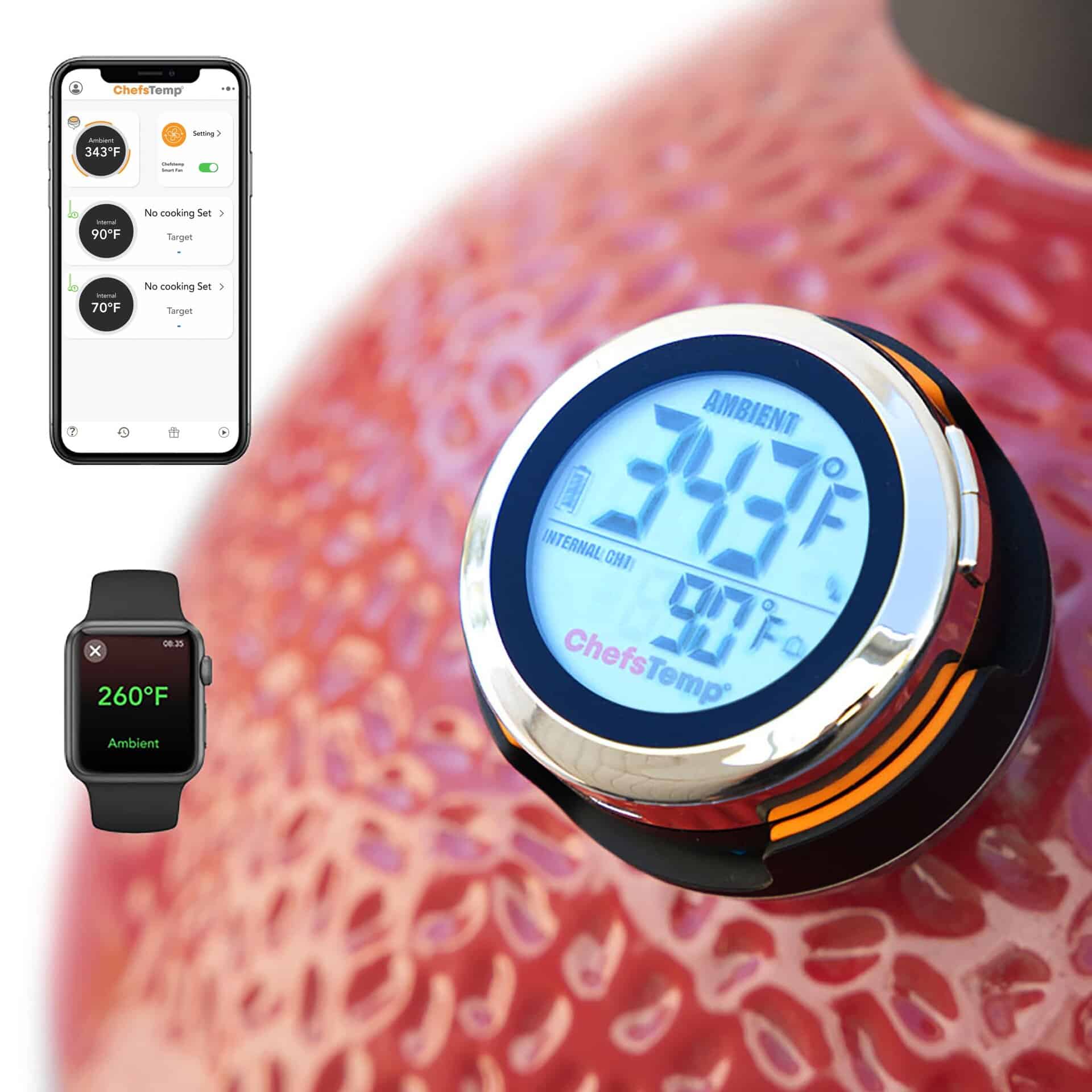
Discover more recipes and learn kitchen tricks by joining our cooking family on Facebook.
You may also like: