Beef/Steak Temperature Chart
Part .1 The Most Complete Beef Temperature Chart
The ideal internal temperature for beef depends on your preferred degree of doneness and the specific cut of meat. For a standard steak, aim for 130°F to 135°F for Medium Rare, or 160°F and above for Well Done. For food safety, always cook Ground Meat to 160°F-165°F.
| Degree of Doneness | Internal Core Temperature in Fahrenheit | Internal Core Temperature in Celsius | Internal Description | More Information |
|---|---|---|---|---|
| Brisket | 203°F | 95°C | If the meat pulls apart easily, the brisket is ready to serve. | |
| Extra-rare or Blue (bleu) | 110°F to 120°F | 43°C to 49°C | deep red color and barely warm | feels soft and squishy |
| Ground Meat Patties - Meatloaf - Meatballs | 160°F to 165°F | 71°C to 74°C | For hamburger patties, insert the digital food thermometer through the side of the patty, all the way to the middle . | |
| Medium | 140°F to 145°F | 60°C to 63°C | center is light pink, outer portion is brown, and hot throughout | yields only slightly to the touch, beginning to firm up |
| Medium Rare | 130°F to 135°F | 55°C to 57°C | center is very pink, slightly brown toward the exterior portion, and slightly hot | yields only slightly to the touch, beginning to firm up |
| Medium Well | 150°F to 155°F | 65°C to 69°C | mostly gray-brown throughout with a hint of pink in the center | firm to touch |
| Pot Roast | 180°F | 82°C | If the meat pulls apart easily, the pot roast is ready to serve. Also called fork tender. | |
| Rare | 120°F to 125°F | 49°C to 51°C | center is bright red, pinkish toward the exterior portion, and warm throughout | soft to touch |
| Well Done | 160°F and above | 71°C | steak is uniformly brown or grey throughout | firm or hard to touch |
However, there is no single absolute perfect temperature for all beef; it depends on the physical structure:
- Lean Cuts (e.g., Tenderloin, Sirloin): The optimal target range is 125°F – 135°F. Because intramuscular fat (marbling) provides little lubrication, once the temperature reaches 140°F, the meat quickly becomes dry and tough.
- Fatty & Connective Cuts (e.g., Chuck, Brisket, Short Ribs): The optimal target range is 195°F – 205°F. These cuts are extremely tough at the traditional "well-done" temperature (160°F) and must be further heated into the melting range.
Part 2. Understanding the Textural Changes by Beef Temperature Zone
To help you better understand the table in the previous section, this table illustrates the textural physical differences in beef's internal proteins as they pass through different core temperature ranges.
| Beef Temperature Zone | Process | Changes |
|---|---|---|
| 104°F - 122°F (40°C - 50°C) | The Tenderizing Zone | Calpain enzymes are highly active, beginning to break down muscle fibers, allowing the meat to naturally soften. |
| 130°F - 140°F (54°C - 60°C) | The Myosin Zone | Myosin denatures and contracts. At this stage, the meat displays an ideal pink color with perfectly balanced physical texture, retaining the most juices. This is the golden texture zone for high-quality steaks. |
| 150°F - 160°F (65°C - 71°C) | The Actin Zone | Actin begins to denature. Muscle fibers contract violently, forcing out a large amount of moisture, making the meat's texture tough and dry. |
| 160°F - 205°F (71°C - 96°C) | The Collagen Melting Zone | The low-and-slow zone is dedicated to cuts like brisket or pot roast. Tough connective tissue and collagen break down and transform into water-soluble gelatin. This transformation is what allows a roast that reaches 203°F to "pull apart easily." |
Part 3. Beef Temperature’s Danger Zone & Lethality Zone
Understanding FDA food safety guidelines is crucial when managing any beef temperature zone.
- Danger Zone, which spans from 40°F to 140°F (4°C to 60°C). This specific temperature range provides the optimal environment for rapid bacterial multiplication. To ensure food safety, cooks must minimize the time raw meat spends within this critical threshold during preparation and cooking.
- Lethality Zone depends entirely on the meat’s physical structure. For intact whole-muscle beef like steaks, bacteria remain confined to the exterior surface; once the outside is adequately seared, lower internal temperatures, like medium-rare, are perfectly safe. Conversely, the grinding process mixes surface pathogens evenly throughout the meat. Consequently, ground beef must always reach a strict internal lethality temperature of 160°F (71°C) to completely neutralize internal bacteria.
Part 4. Best Beef Temperature Monitor Tools
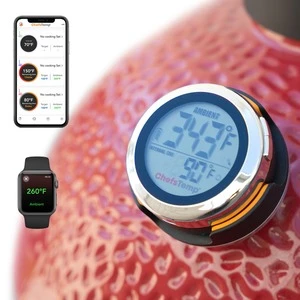
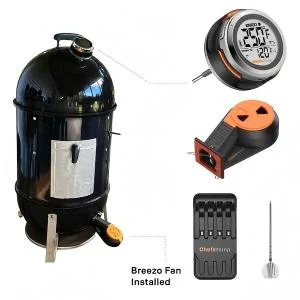
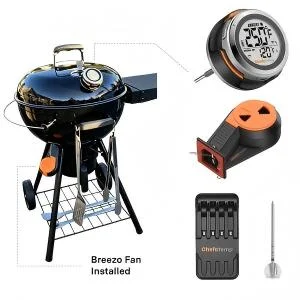
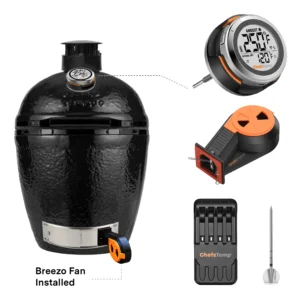
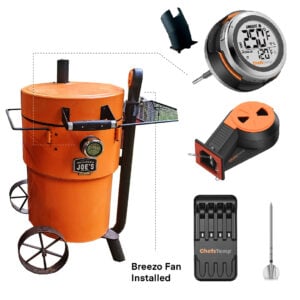
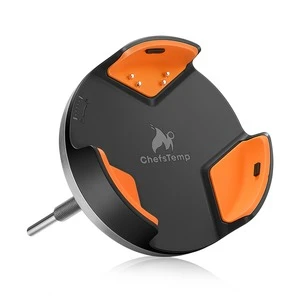
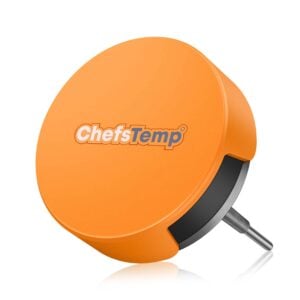
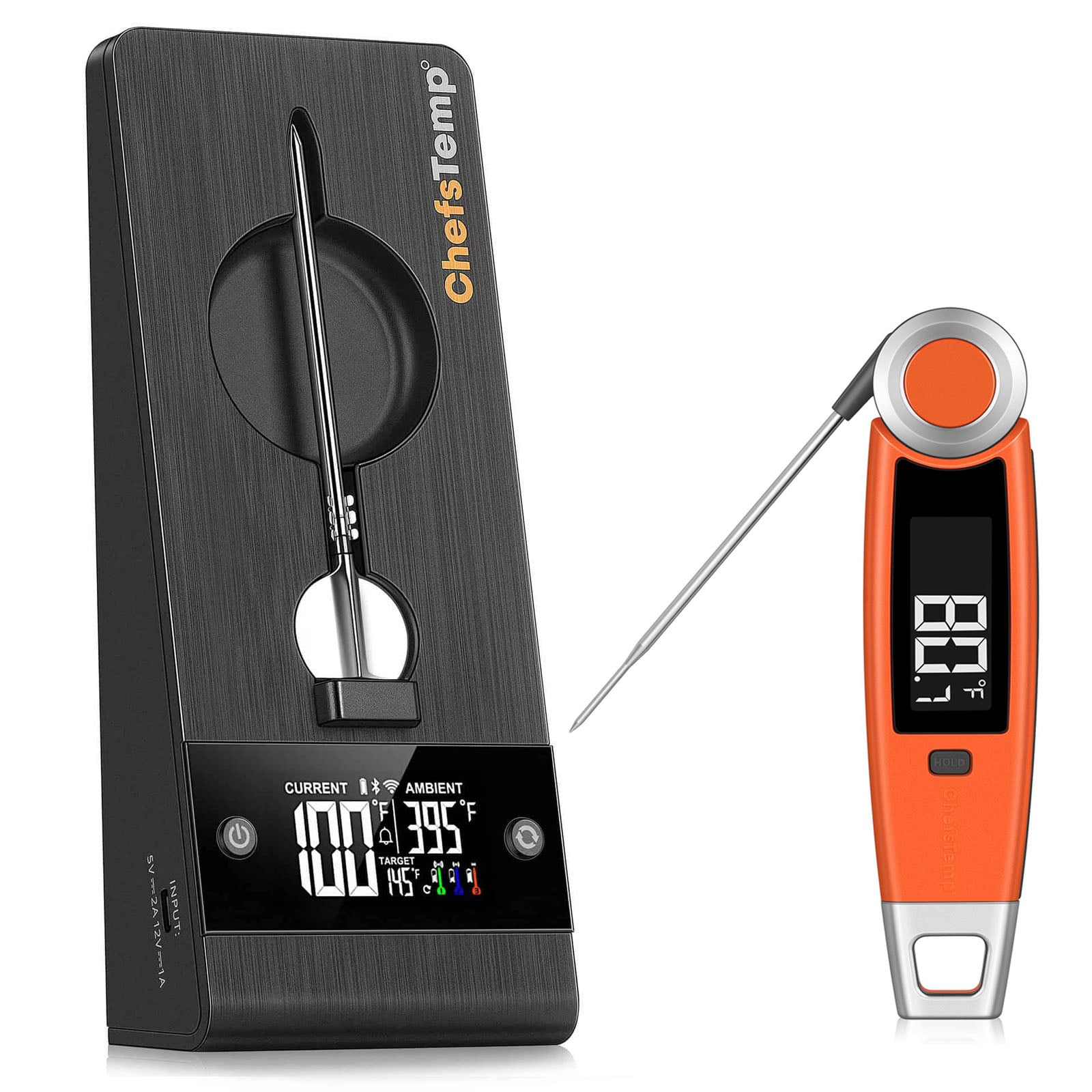
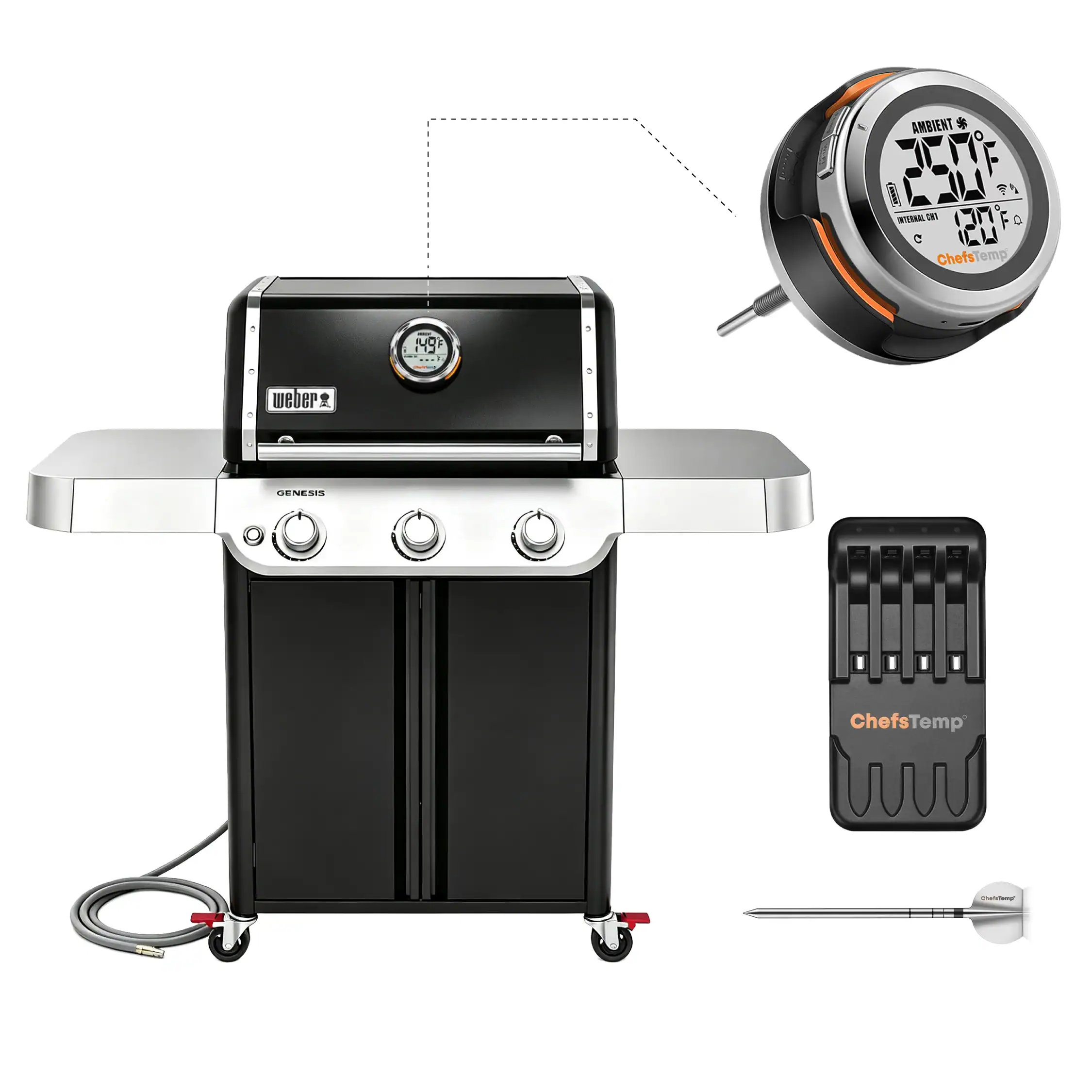
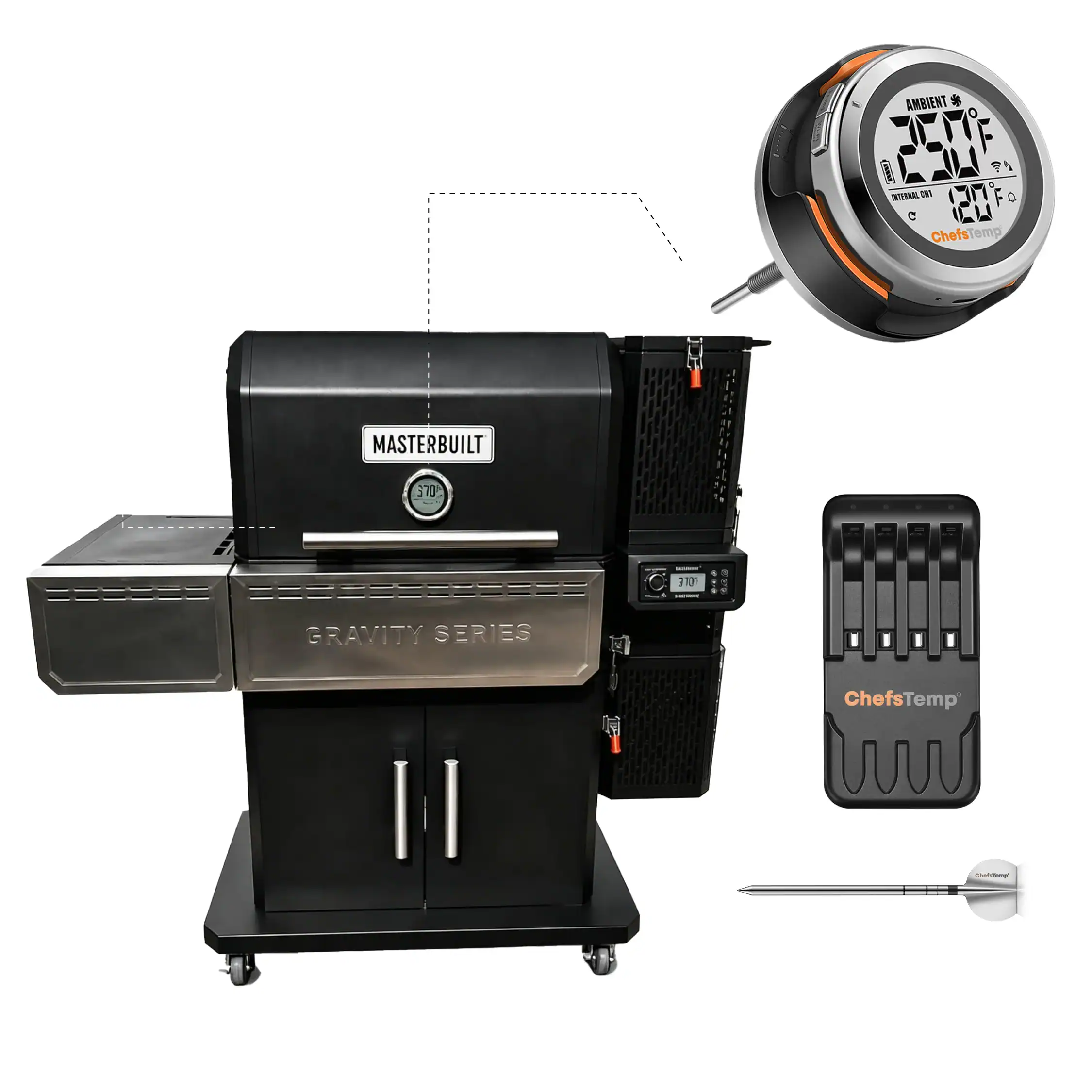
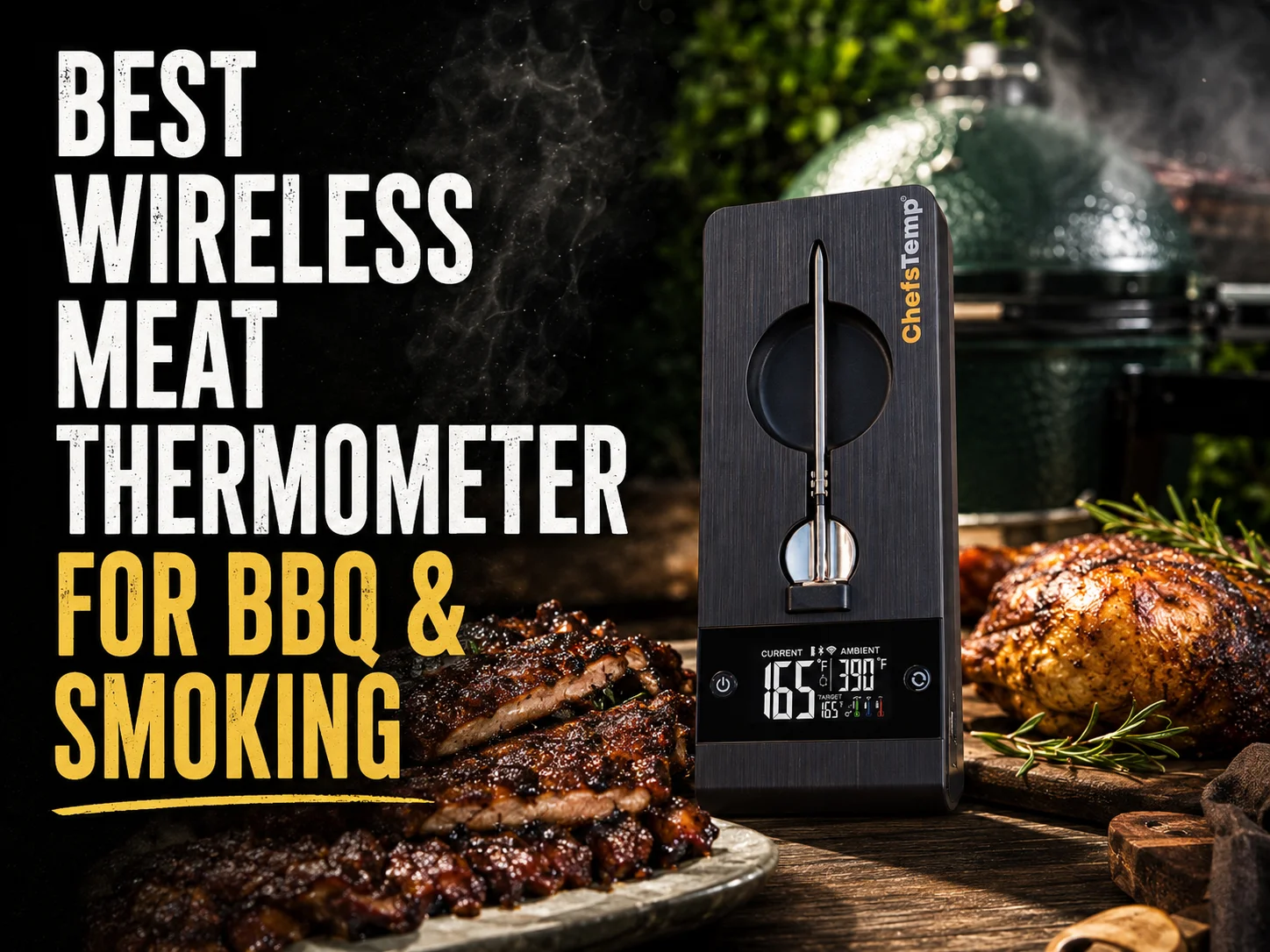
For the perfect beef texture and flavor, a fast and highly accurate temperature tool is absolutely essential. ChefsTemp offers the smartest and most advanced beef thermometers available today, featuring seamless wireless connectivity, ultra-long battery life, and smart monitoring on the app. Find the perfect one for your kitchen today!
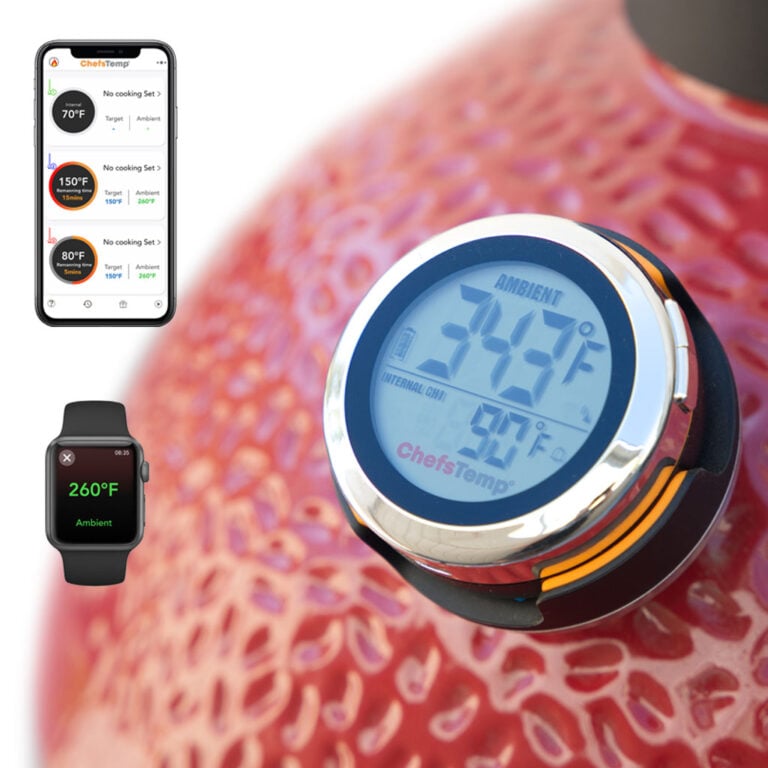
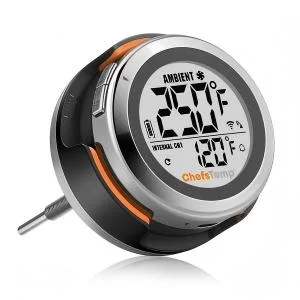
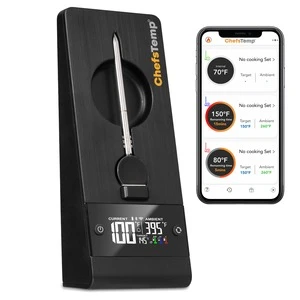
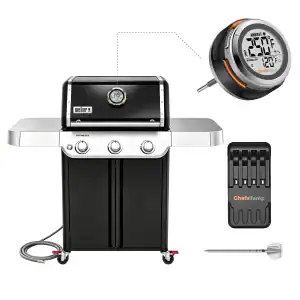
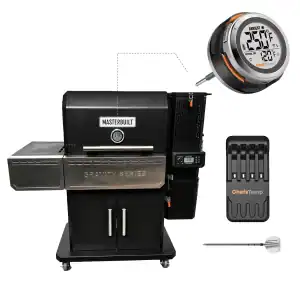
ProTemp S1
Patented smart grill gauge thermometer hub for remote monitoring with Wi-Fi & Bluetooth control anywhere.
Starts at: $99.99
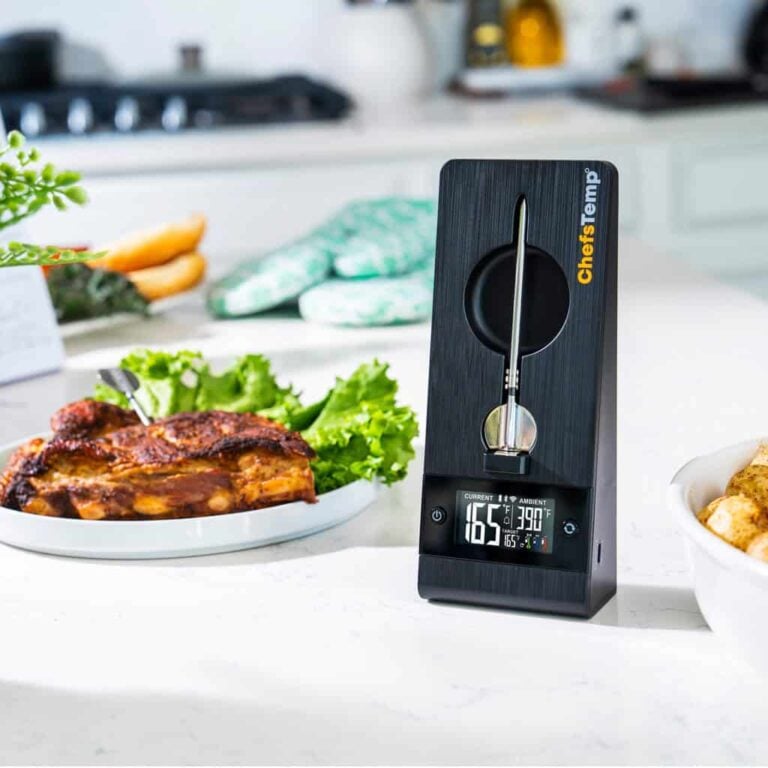
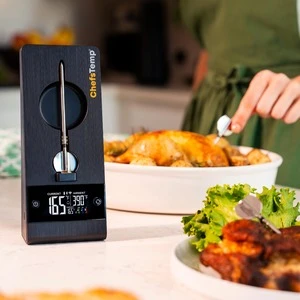
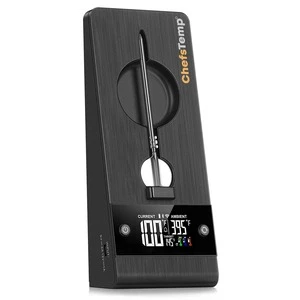
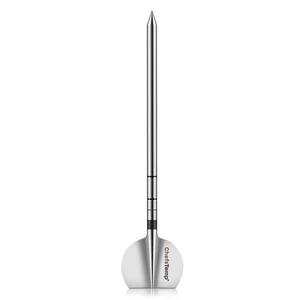
ProTemp 2 Plus
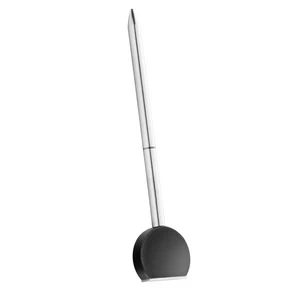
Needle Probe Wireless Meat Thermometer with temperature controller, with 10,000 mAh battery for up to 1000°F precision monitoring.
Starts at: $149.99
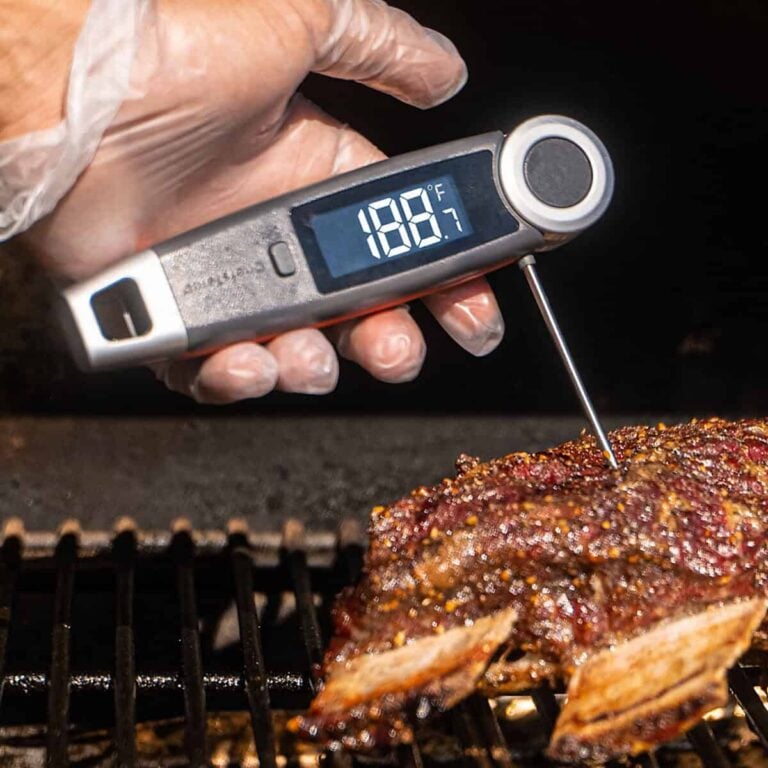
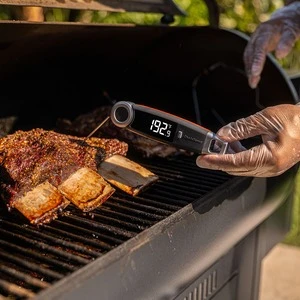
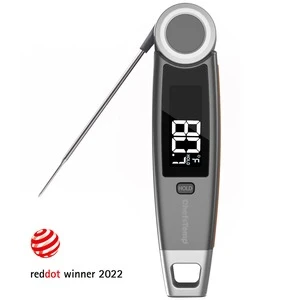
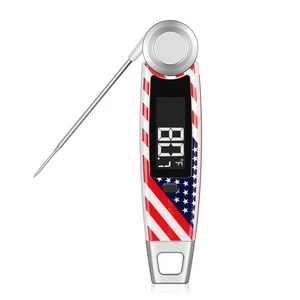
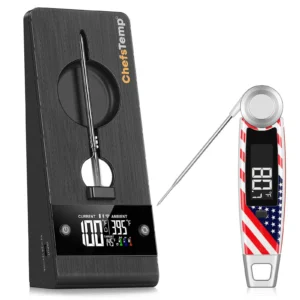
Finaltouch X10
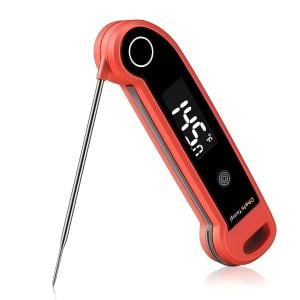
Professional instant-read meat thermometer with 270°rotating probe & oversized sharp display.
Starts at: $69.99
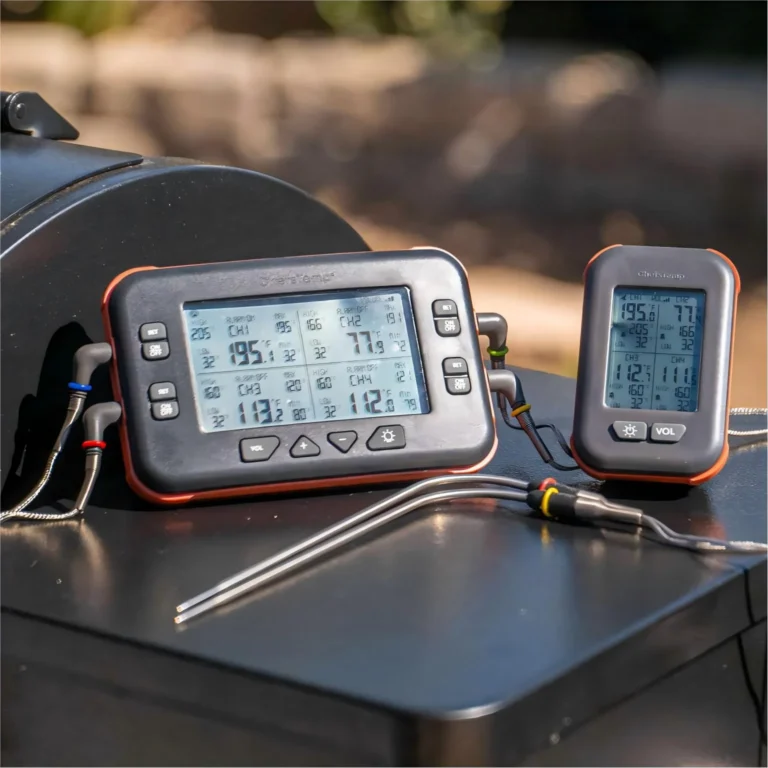
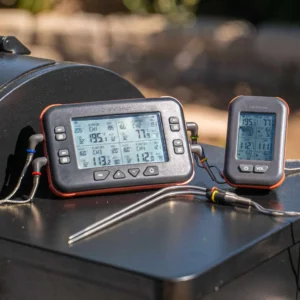
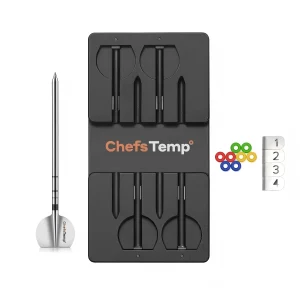
Quad Xpro
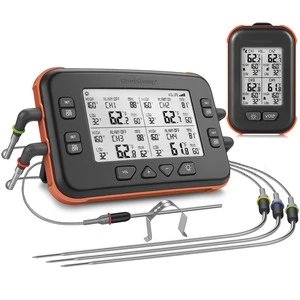
A long-range (1000ft), IP66 waterproof RF thermometer with 4 probes to monitor multiple meats and pit temps simultaneously.
Starts at: $109.99
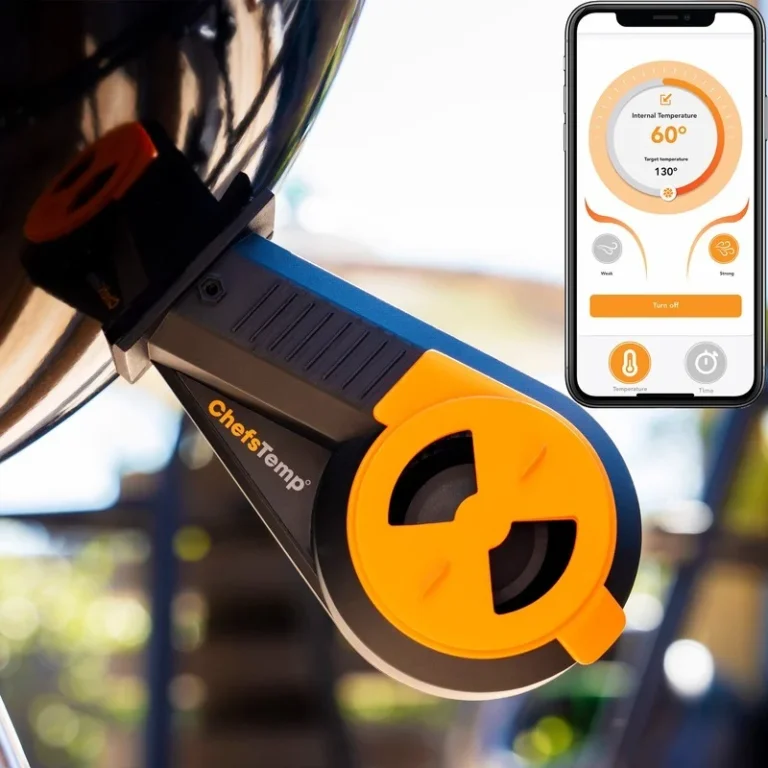
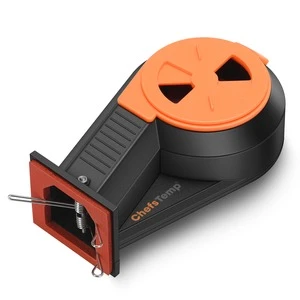
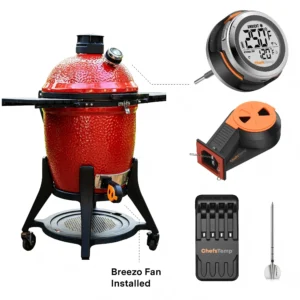
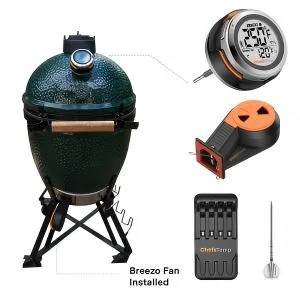
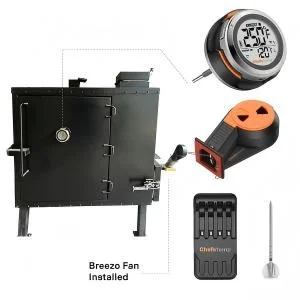
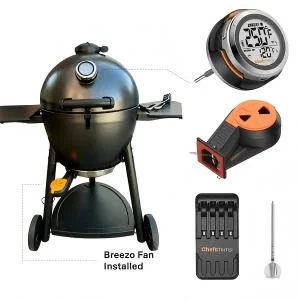
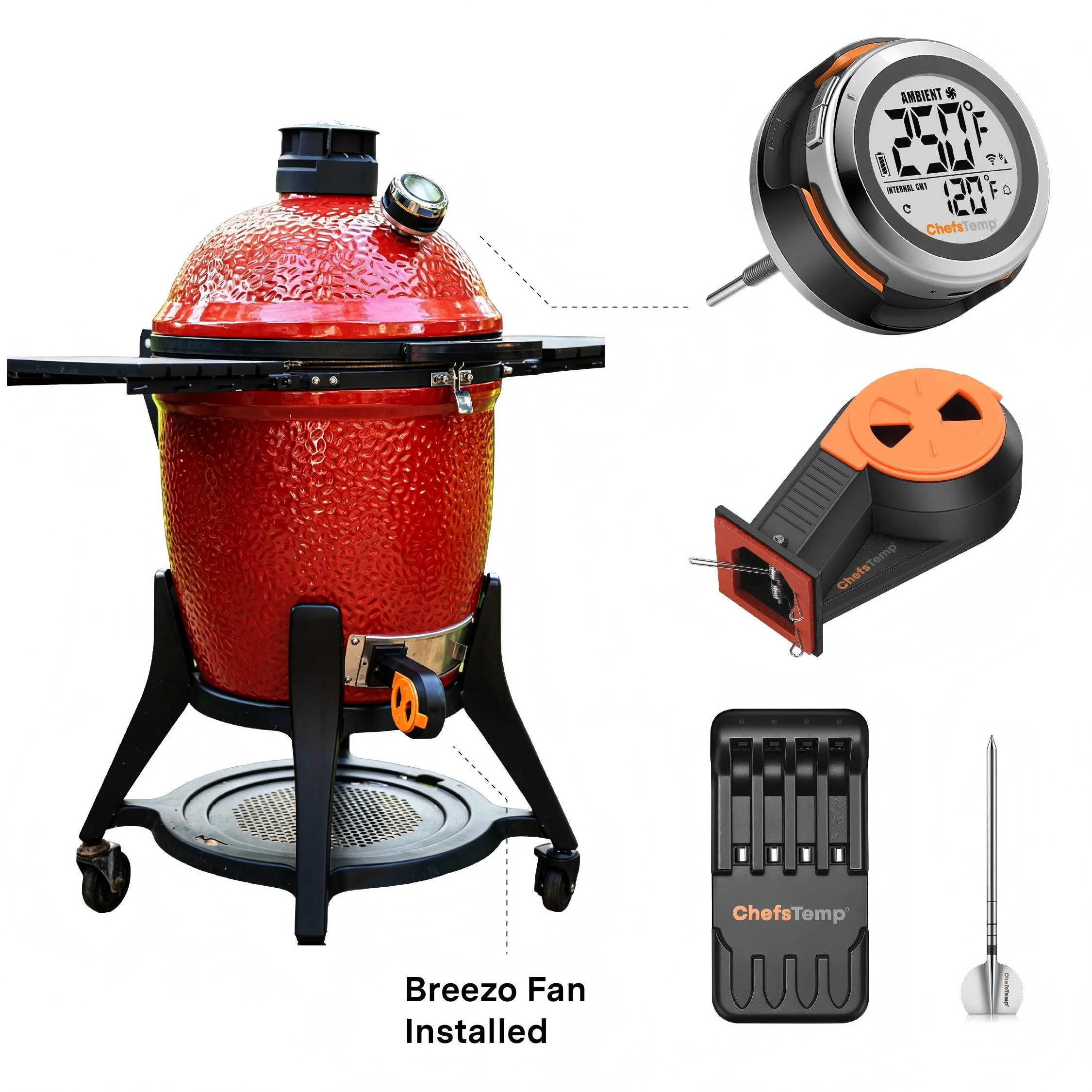
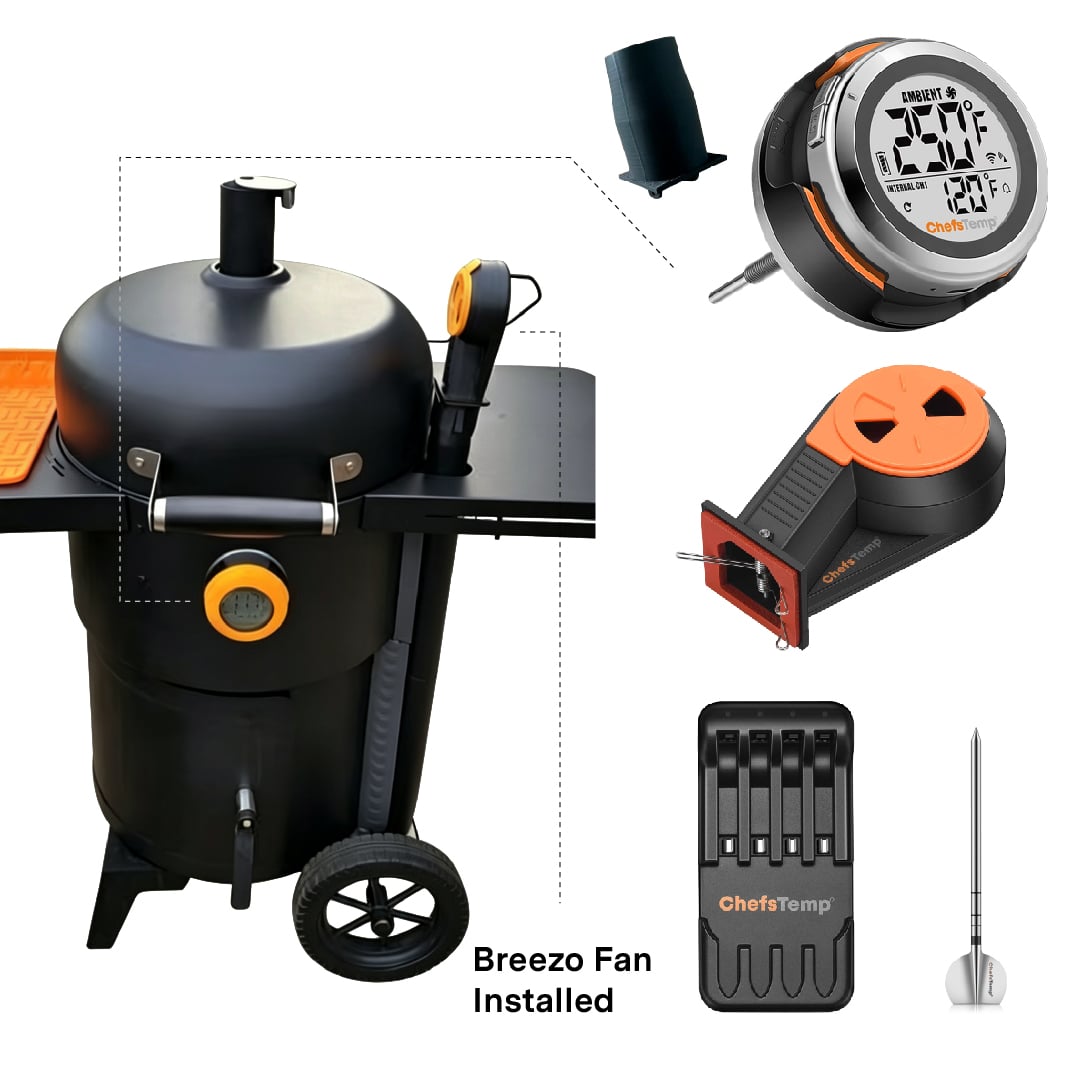
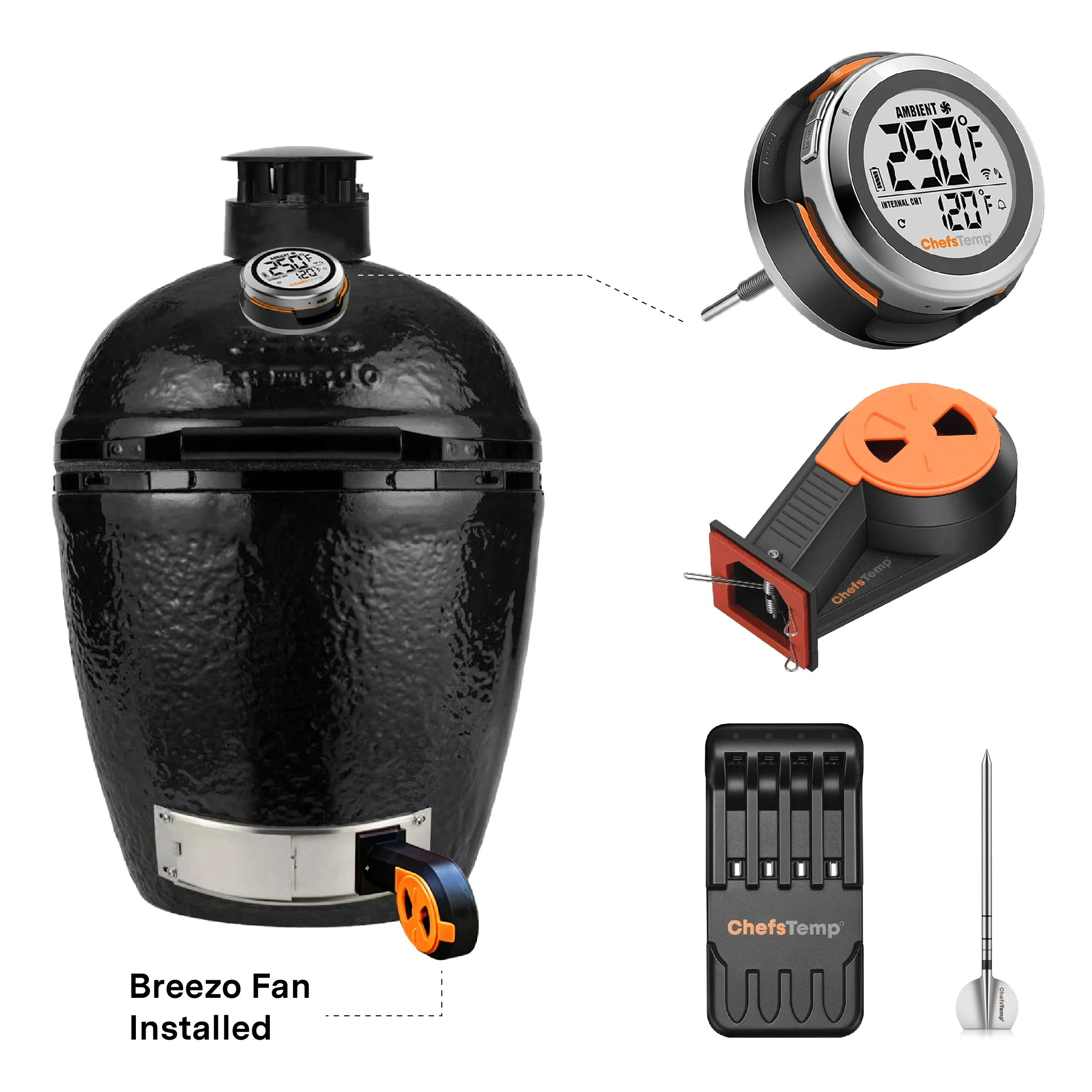
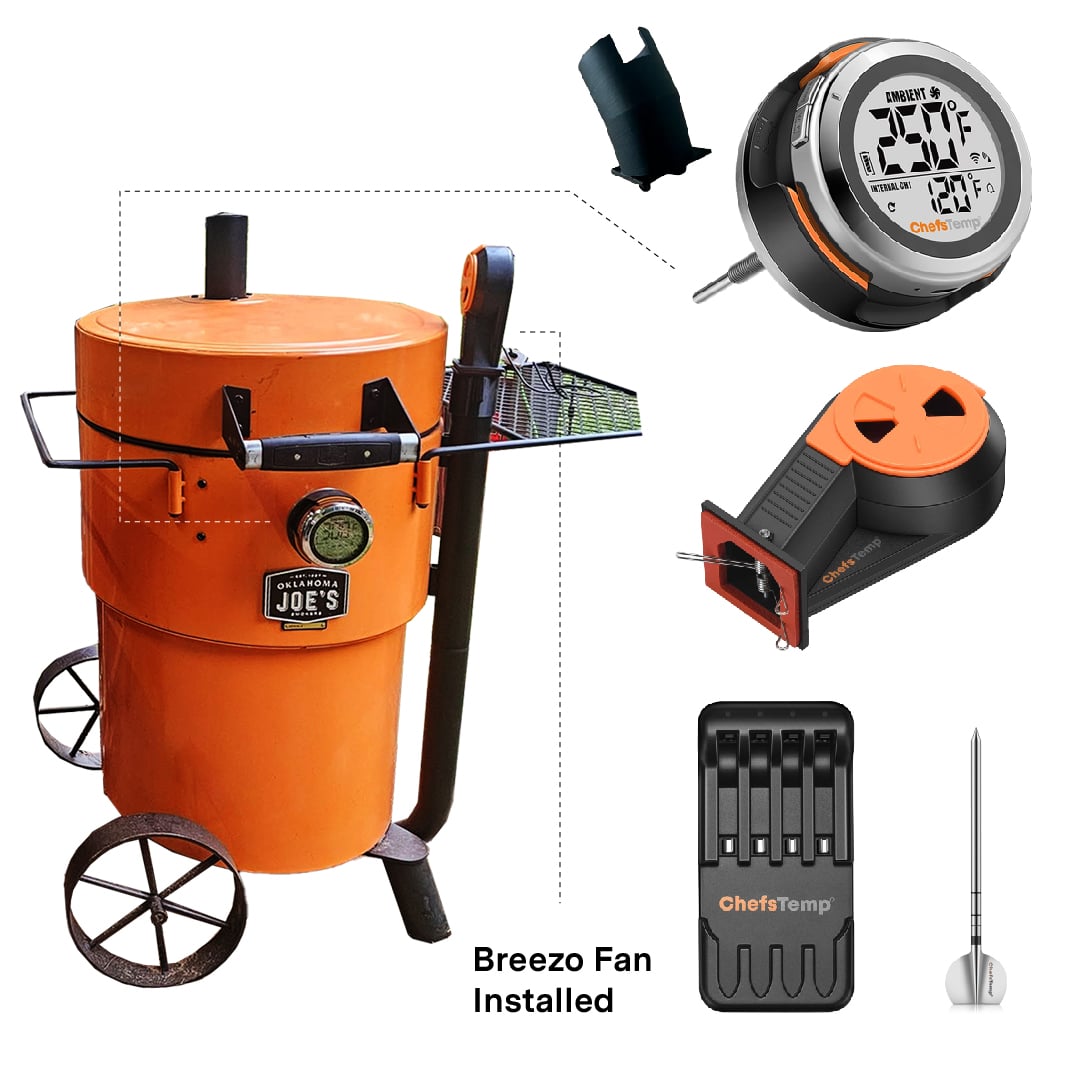
Breezo Fan
Breezo automates airflow. Pairs with ProTemp S1 or ProTemp 2 Plus — set your target temp in the app and let it maintain steady heat.
Starts at: $79.99
Tip: Click here to buy the complete meat temperature guide for your cooking!
Part 5. FAQs about Beef Temperature Chart
What temperature should beef be cooked to?
Safe Minimums (USDA Guidelines)
-
Whole Cuts (Steaks, Roasts, Chops): 145°F (63°C) followed by a 3-minute rest.
-
Ground Beef: 160°F (71°C).
Standard Doneness (Whole Cuts)
-
Rare: 120°F – 125°F
-
Medium Rare: 130°F – 135°F
-
Medium: 140°F – 145°F
-
Medium Well: 150°F – 155°F
-
Well Done: 160°F+
Is 145 medium rare for beef?
No, 145°F does not qualify as medium rare. An internal temperature of this magnitude would be considered medium rare. For optimal medium-rare steak results, aim for an internal temperature between 130°F and 135°F.
Is beef done at 165?
Yes, beef can be considered fully cooked at 165 °F.
Steaks and Roasts: When considering well done, an internal temperature of 165°F should be used as the benchmark; once this is reached, the meat should be firm to the touch, with no pink remaining in its texture or appearance.
Ground Beef requires temperatures between 160°F and 165°F to ensure all bacteria are eradicated from its structure.
What is the 3-3-3 rule for steaks?
The 3-3-3 rule is a simple timing guideline for cooking a standard 1-inch thick steak, typically yielding a medium-rare to medium finish:
- 3 minutes: Sear the first side over high, direct heat to build a caramelized crust.
- 3 minutes: Flip and sear the second side over high heat.
- 3 minutes: Remove the steak from the heat and let it rest before slicing to allow the internal juices to redistribute.
Is it okay if roast beef is a little pink?
Yes, it is completely safe and natural for roast beef to remain pink in its center.
- Science behind it all: When cooking intact whole-muscle cuts such as roasts, bacteria are limited to their exterior surface. Once properly cooked, any interior that may still appear pink should be safe to consume.
- Target Temperatures: A pink center indicates the meat has been cooked to medium-rare (130°F – 135°F) or medium (140°F – 145°F), respectively. For whole beef cuts, the USDA-mandated minimum safe cooking temperature is 145°F, with an optional 3-minute rest period, which still results in a light pink center.
What is the 2 hour 4 hour rule?
The 2-hour/4-hour rule is a food safety guideline indicating how long perishable foods can remain at room temperature (in the “Danger Zone” between 40degF and 140degF) without becoming unsafe:
- Under 2 hours: Food that has been refrigerated or returned to hot/cold holding is safe to eat immediately or store for later consumption;
- 2 to 4 hours later is still safe, but cannot be refrigerated or saved;
- Anything over 4 hours has become hazardous and must be thrown away immediately.
Can you eat all beef medium rare?
No, not necessarily. The amount of rare beef depends entirely on its processing method:
- Whole Cuts (Steaks and Roasts): Yes. Bacteria are contained on the exterior surface, so once seared, it should be safe for consumption (130°F-135°F for medium-rare centers).
- Ground Beef (Burgers, Meatballs): No. The grinding process spreads surface bacteria, such as E. coli, throughout the meat, making it unsafe for consumption until it is heated to an internal lethality temperature of 160°F and cooked thoroughly.
- Mechanically Tenderized Beef: NO. The blades or needles used to tenderize meat could push harmful pathogens deeper into its core, so this meat must be cooked to at least 145°F before consumption.