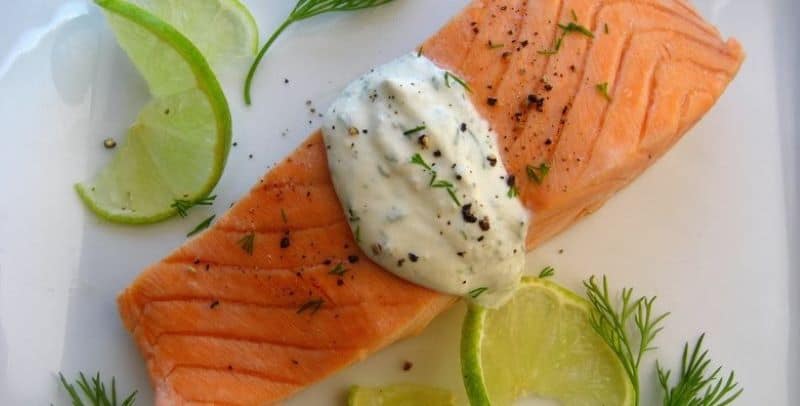
Aside from being healthy, salmon is a flavorful fish that can be enjoyed in many ways. This poached salmon with lemon dill sauce recipe is one example of how versatile this fish can be. It allows you to enjoy the natural flavors of the fish, with a light, beautiful texture, while enhancing it with a delicious, easy-to-make sauce.
 Tip: Click here to learn more about grilling salmon if interested.
Benefits of Poaching Salmon
There are many cooking methods available for salmon; that is how versatile this fish is! So, why should you consider poaching salmon? Is it good for you? Poaching salmon offers numerous health benefits, such as the following.1. Preserving the Flavor and Nutrients
The main advantage of poaching salmon is that it helps retain its nutritional value. Other cooking methods tend to drain away the nutrients during the cooking process, especially those that involve high heat. Poaching salmon requires gentle simmering in liquid or heated water vapor, which helps retain the fish’s essential nutrients. You know when your salmon is perfectly poached because the meat remains vibrant pink. The texture is also rich and flaky. When the fish is overcooked, it becomes tough to chew. The color is also paler instead of a rich pink.2. Low-Fat Cooking Method
As mentioned, poaching involves cooking the fish in liquid rather than oil. It is a healthier alternative to cooking the salmon in oil or butter. You can enjoy the natural flavor of salmon without adding unnecessary calories.3. Improved Texture
Poaching imparts a beautiful texture to the salmon, retaining its juiciness. This result is due to the controlled heat during poaching, which yields a melt-in-your-mouth texture.4. Easy to Prepare
Poaching does not require advanced culinary skills. It is so simple that even beginners can do it.
How to Poach the Perfect Salmon
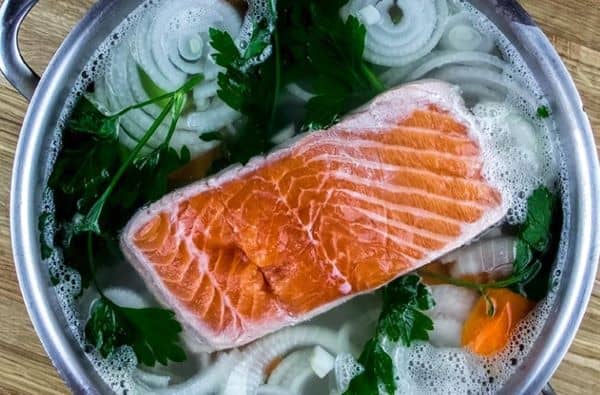
Do you want to achieve perfectly poached salmon every time? Most people are intimidated by the idea of poaching salmon, thinking that it is a complex method. In reality, poaching is a simple process. First, take note that not all fish are suited for poaching. It is ideal for lean fish, such as cod, tilapia, and flounder, as well as for fatty fish, such as salmon. When poaching, make sure that the liquid fully covers the fish. And keep it at a gentle simmer. You know when the fish is cooked when its internal temperature reaches 140°F. Therefore, keep your water temperature within that range until the fish meat has turned translucent. The great thing about poaching is that you won’t risk overcooking the fish, even if it stays in the liquid a bit longer than recommended. Here are additional tips to get perfectly poached salmon.- For the best-tasting poached salmon, invest in a flavorful stock. Instead of water, use chicken broth to enhance the flavor. If you don’t have chicken broth, you can add seasoning and fresh herbs to improve the stock’s flavor. Poaching the fish in a flavored stock allows it to absorb those flavors.
- Again, make sure the fish is fully submerged in the liquid. If some parts of the salmon are not soaked in water, the flavor and texture will be inconsistent.
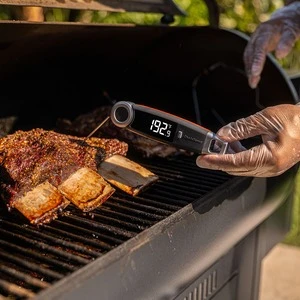
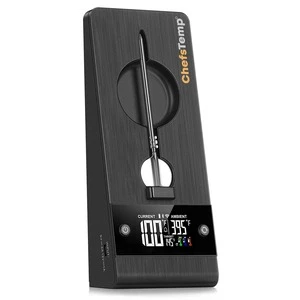
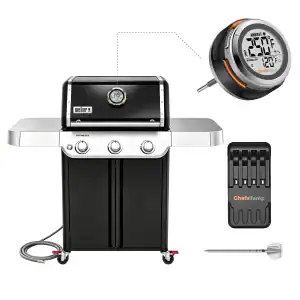
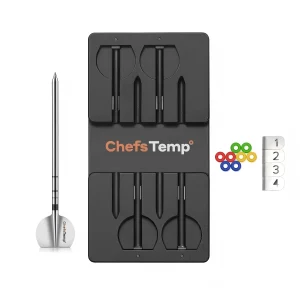
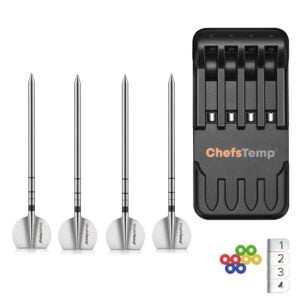
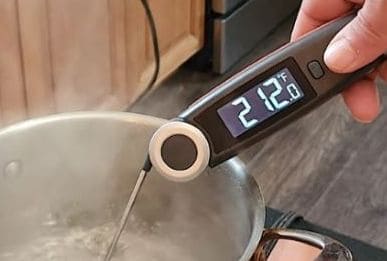
- Keep a close eye on the salmon while poaching it. Use an advanced food thermometer to monitor and maintain the poaching liquid’s consistency.
Tip: Click here to learn more about grilling salmon if interested.
Poached Salmon with Lemon Dill Sauce Ingredients
- 8 salmon fillets
- 2 cups water or chicken broth
- 1 onion, thinly sliced
- 4 sprigs of fresh parsley
- 4 slices of lemon
- Salt
- Ground black pepper
- 2 tbsp butter
- 2 tbsp all-purpose flour
- 4 tsp finely chopped fresh dill
- 1 tsp white sugar
- 1 tsp salt
- 2 egg yolks (large), beaten lightly
- 2 tsp lemon juice
How to Make Poached Salmon with Lemon Dill Sauce
Step 1: Rinse the salmon and dry it with a towel. Step 2: In a large skillet, combine the chicken broth or water with onion, lemon, parsley, salt, and pepper. Place the salmon into the skillet in a single layer. Once the water is almost at a boil, reduce the heat and simmer gently. After five or 10 minutes, check on the salmon. Please remove it from the skillet and keep it warm. Step 3: Strain the liquid, reserving the water. Step 4: In a small saucepan, melt the butter over medium heat. Add the flour, dill, sugar, and salt. Wait for the mixture to bubble before adding the cooking liquid you set aside earlier. Continue whisking the mixture until the sauce thickens. Step 5: Scoop half a cup of the sauce into the egg yolk mixture, and make sure it is fully incorporated. Add the mixture back into the saucepan and cook for a minute or two. Stir in the lemon juice. Step 6: Scoop the sauce and spread it over the salmon when serving. You can serve the remaining sauce alongside the salmon. Tip: Click here to learn more about smoked salmon if interested.Other Poaching Recipes to Try
Poached salmon is popular because of its versatility, flavor, and nutritional profile. However, you have more fish options to try if you want to use the poaching method. This cooking technique works best on lean fish, such as haddock, flounder, cod, and tilapia. It also works best with meaty, fatty fish, such as salmon. If you’re not a fish fan, you can try poaching with other ingredients, such as eggs, chicken, seafood, and fruit. For example, poached chicken breast is a popular choice because it yields a tender, juicy result. The poached chicken breast can be enjoyed on its own or shredded and served in a salad or sandwich. Another great recipe to try is poached lobster with herbs. It is an easy yet delicious way to serve lobster and achieve perfectly succulent seafood meat.What to Serve with Poached Salmon
There is an endless array of ideas for what to serve with poached salmon and lemon-dill sauce. A staple choice is to serve it with garlic sauteed spinach, cucumber salad, sauteed green beans, and roasted butternut squash. If you prefer it, you can also serve poached salmon with quinoa or rice.Related Posts

From Free Facebook BBQ Tips to a Growing Business: Stephan R. Parrot’s Custom Smoker Story
A suggestion from his wife helped Stephan R. Parrot turn years of free barbecue advice into training, catering...
Smoking a Standing Rib Roast – When Special Occasions Call for Special Cuts of Meat
Preparing the Roast
...
Experimenting with Ribs: Wrapping Baby Back Ribs in Aluminum Foil vs. Butcher Paper vs. No Wrap
Introduction to Smoking Ribs
I personally believe one of the big reasons people get smokers is to cook ribs. I...

Stop Splitting Your Sausage: Expert Tips for grilling natural Casings
Natural casing ring sausage is a cookout staple enjoyed around the world that is equally deserving of a place ...

Mastering Pulled Pork: The Ultimate Temperature Control Guide with ChefsTemp
Achieving competition-grade, juicy, and tender pulled pork is the ultimate rite of passage for backyard pitmas...

Two Birds, One Fan: Can Breezo Fix Uneven Chicken Temps on a Charcoal Grill?
Chicken grilled over charcoal is one of life’s purest pleasures. So much so that people debate which is better...
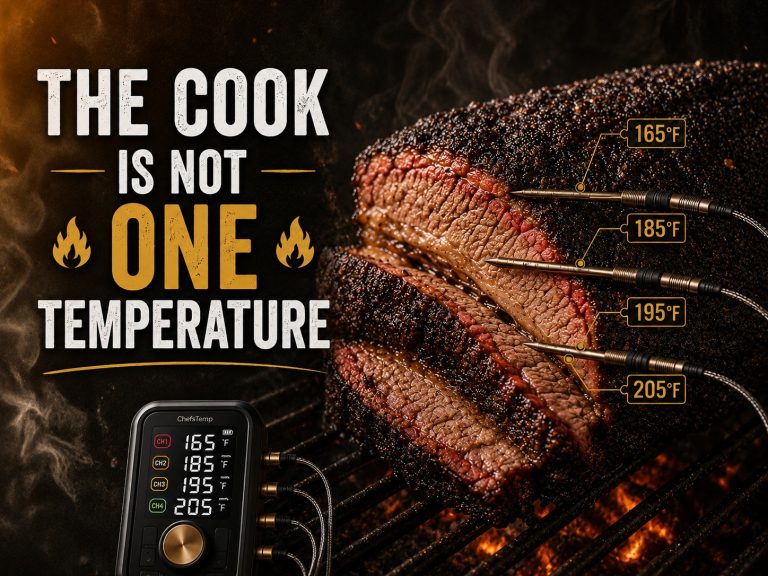
The Cook Is Not One Temperature
A few hours into a long cook, it can feel as though the grill has started arguing with you.
The dome thermome...
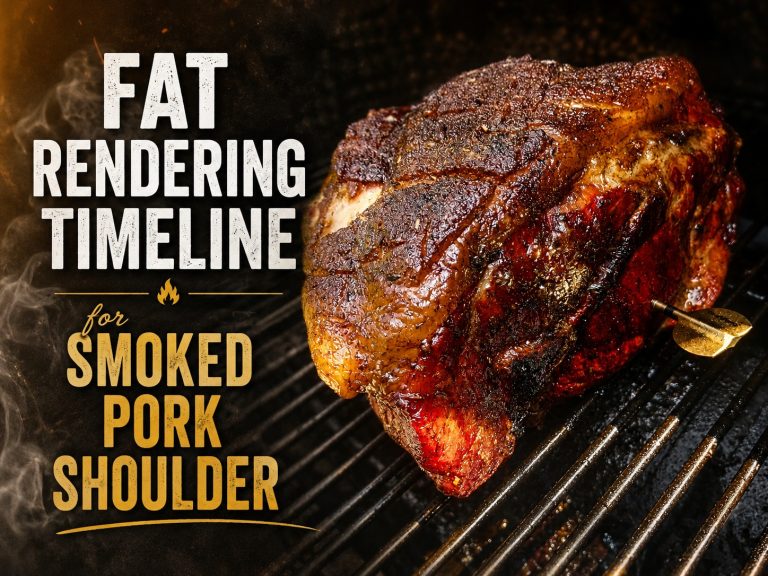
Breaking the Endothermic Standoff: The Complete Fat Rendering Timeline for Smoked Pork Shoulder
Smoked pork shoulder is an icon of American barbecue that many try, yet only a few manage to master. People lo...

How to Make Beef Tallow from Brisket Trimmings
If you've ever trimmed a whole packer brisket, you've probably looked at the pile of fat headed for the trash ...

Weber Smokey Mountain Brisket Guide: How to Sleep Soundly with a Smart Temperature Controller Upgrade
Smoking a brisket can be a time-consuming task for even the most experienced pit master, but it doesn’t mean y...
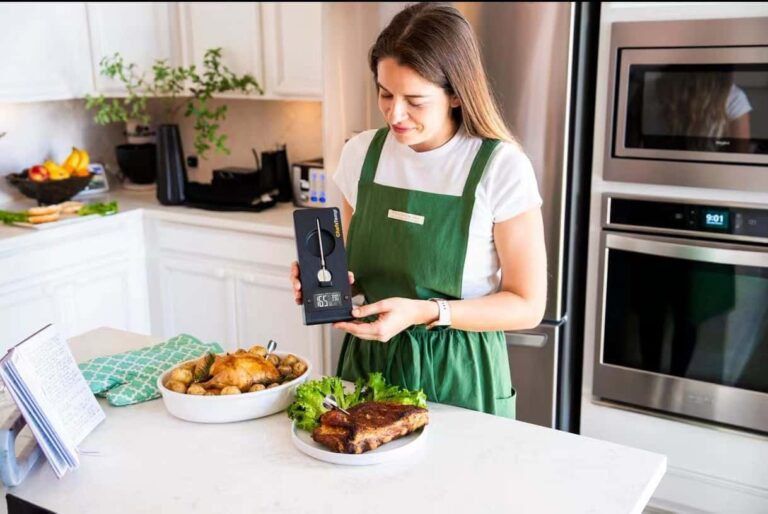
CHEF IQ Alternative: Is ChefsTemp the Best Thermometer for Smoker Cooking?
The Chef IQ thermometer has earned a solid reputation in modern kitchens. For indoor roasting, air frying, or ...