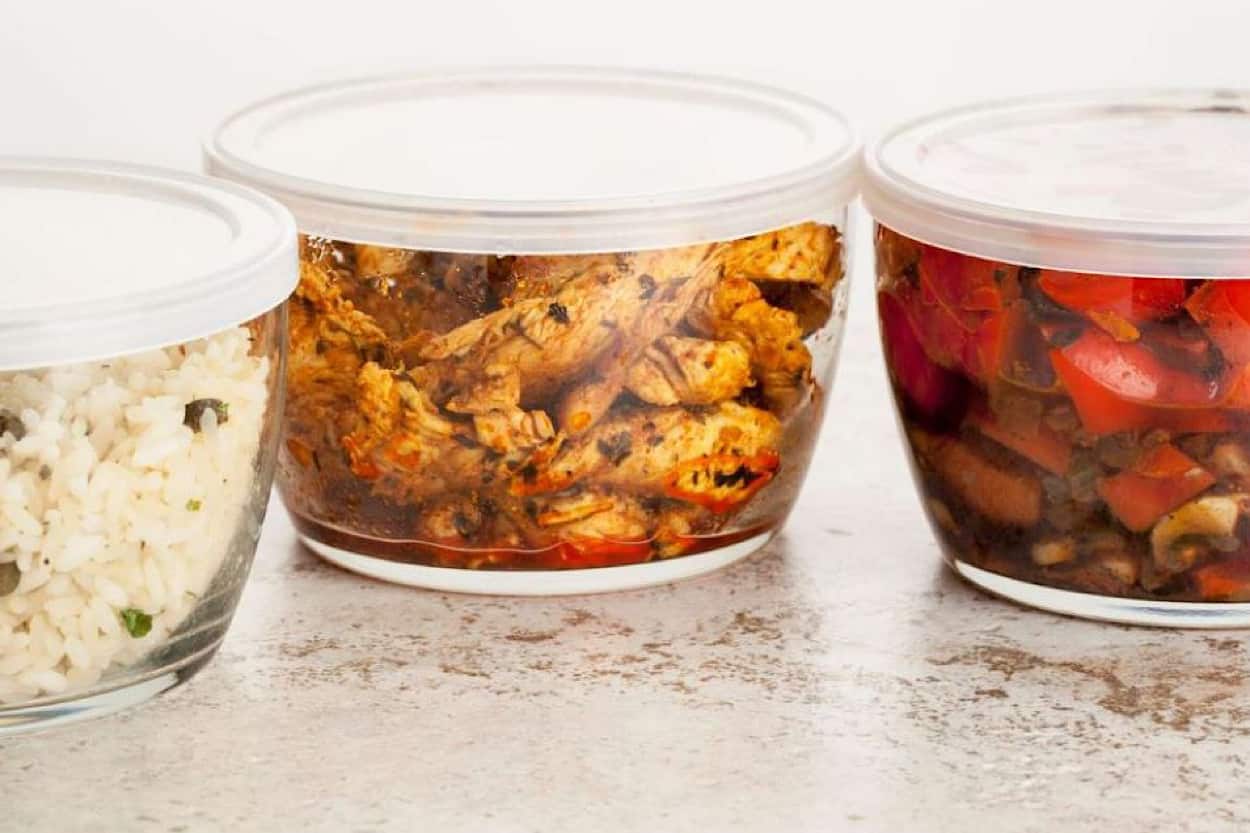
Whether you cook at home or dine at a restaurant, it’s common to save leftovers for later consumption. You spend a great deal of time making sure that the food is cooked to the right temperature so that it is safe to eat. It’s essential to be equally careful when reheating food to avoid foodborne illness.
Safe handling and following the temperature guidelines for reheating food are among the steps you can take to ensure food safety.
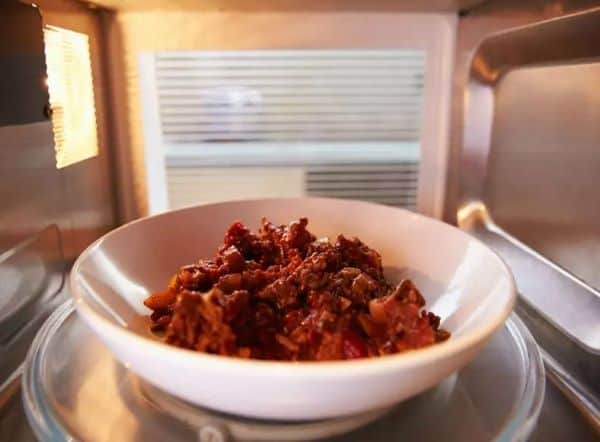
The best way to reheat food is in a microwave oven, ensuring that all parts reach 165 degrees F. Make sure to stir the food halfway through the reheating process and let it sit for 2 minutes to allow the heat to distribute evenly. When you thaw your frozen food, reheat it within 2 hours of thawing or of removing it from the refrigerator. The time/temperature control for safe food recommends that your food must reach 165 degrees F for at least 15 seconds to be safe from any bacteria.
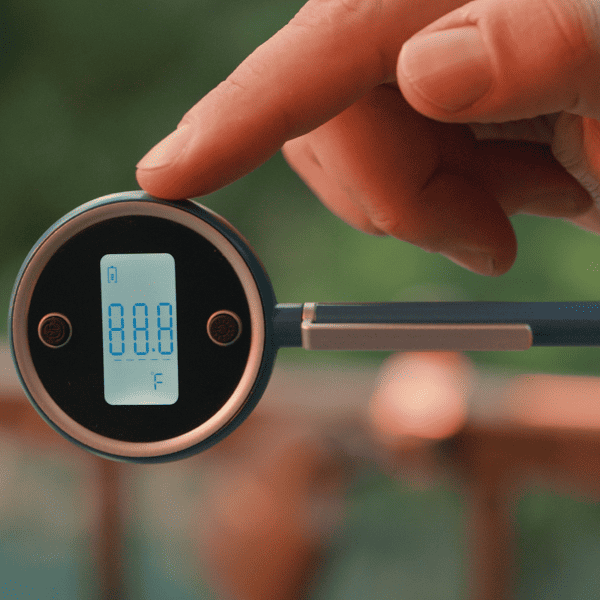
Guidelines on Reheating Food
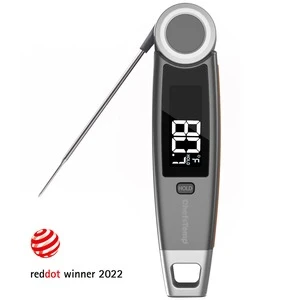
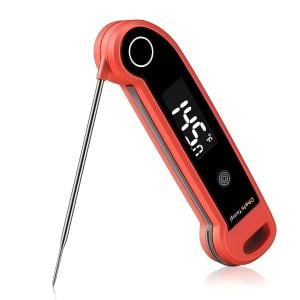
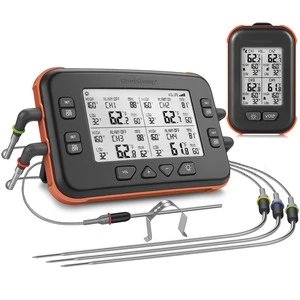
When dealing with food leftovers, you must be aware of the danger zone for food temperatures. The temperature danger zone provides a guideline on the temperature at which bacteria tend to spread rapidly. It is anywhere between 40 and 140 degrees F. It is recommended that hot food be kept hot or above 140 degrees F after cooking. On the other hand, cold food must stay cold or below 40 degrees F. Avoid storing food at room temperature for more than 2 hours (or for more than 1 hour when the external temperature is over 90 degrees F). Now that you know about the temperature danger zone, you should follow the safety procedures when reheating food by monitoring food temperature. If you store leftover food and have kept it frozen, make sure to thaw it before serving. The best way to thaw leftover frozen food is to run cold water over it or thaw it in the microwave oven. You can re-freeze any leftover food, but store it at the ideal storage temperature. If you are using a microwave oven to thaw your frozen leftovers, make sure it reaches 165 degrees F. Use a food thermometer to ensure that the frozen leftovers are thawed safely. You can also reheat food without thawing it by tossing it into a pan or microwaving it. This method is best for stews or soups. Reheating leftovers directly will take longer, but you can use this approach as long as you reach the food’s safe temperature. The general rule is to reheat food up to 165 degrees F. Use a thermometer to ensure your food has reached a safe, ideal temperature. When reheating, cover leftovers to retain moisture and ensure the food is heated through.
Reheat Food Temp Chart
Cooking your food means the minimum recommended internal temperature must be reached to kill bacteria that cause foodborne illnesses. The same principle applies when reheating your leftover food. Use this reheat food temperature chart as a guide to ensure your leftovers are safe to eat.| Food Item | Minimum Internal Temp for Reheating |
|---|---|
| Poultry (chicken, turkey, etc) | 165°F for 15 seconds |
| Ground meat (fish or red meat) | 155°F for 15 seconds |
| Steaks and chops | 145°F for 15 seconds |
| Fish | 145°F for 15 seconds |
| Brined ham or roasted meat | 155°F for 15 seconds |
| Eggs | 145°F for 15 seconds |
| Stuffing | 165°F for 15 seconds |
Reheating Leftover Mistakes to Avoid
Cooking with leftovers is something that many households are familiar with. It’s not only practical but also helps to reduce food waste. If you think you have mastered the art of reheating leftovers, think again. Please take note of common mistakes when reheating leftovers to avoid them and protect yourself from illness.Mistake 1: You let your food sit at room temperature for more than two hours.
Perishable foods, such as leftovers, should not sit at room temperature for more than 2 hours. After cooking, serve your dish while it is still at 140°F or above. If it falls below that range, it could be at risk of attracting bacteria that will multiply while in the temperature danger zone. The longer your food sits at room temperature, the faster the bacteria can multiply. Don’t reheat and consume any leftover food that has been sitting at room temperature for more than two hours. If you don’t want to throw any food away, refrigerate it as quickly as possible so it is safe to reheat when you want to eat it again.Mistake 2: Your refrigerator is too warm.
You need the temperature of any leftover foods to drop, so your refrigerator must be cool enough to do so. Your refrigerator temperature must be 40°F or below. If you don’t do this, your leftovers are still at risk of spoilage even when refrigerated.Mistake 3: You don’t reheat the food at a high enough temperature.
Most people believe you don’t need to reheat leftovers to a specific temperature since they’re already cooked. However, this could be hazardous. Even after cooking, you need to reheat it until it reaches 165°F (or lower, depending on the food you are reheating). Stews and soups should reach a rolling boil before you eat them. For meat, it should be at 165°F on the inside for at least 15 seconds (based on the reheat food temp chart). This temperature level ensures that any harmful bacteria are killed during the reheating process.Mistake 4: You keep leftovers for more than five days.
While it is safe to keep any leftover food, you should not keep it in your refrigerator for more than five days. Leftover food can last up to four months in the freezer. You can label your food containers with the date you put them in your refrigerator or freezer, so you can monitor when they are still safe to reheat or when you should toss them.The Bottom Line
Experts provide guidelines on the safe reheating temperature to ensure your safety. Follow these guidelines strictly to avoid exposure to harmful contaminants that can cause food poisoning. Also, take note of the common leftover reheating mistakes above to prevent health risks.Related Posts
Can Salmon Be Undercooked? The Real Risks and How to Stay Safe
Can salmon be undercooked? Learn the exact temperature rule, spot the warning signs fast, and fix an undercooked fillet before it ruins dinner.
5 Common Food Safety Mistakes and How to Avoid Them
Food products are exposed to various health hazards throughout the supply chain. While technology and health a...
What Is Real-Time Temperature Monitoring and Why Does Your Food Business Need It?
Food safety is one of the most important aspects that food business owners have to think about. In particular,...
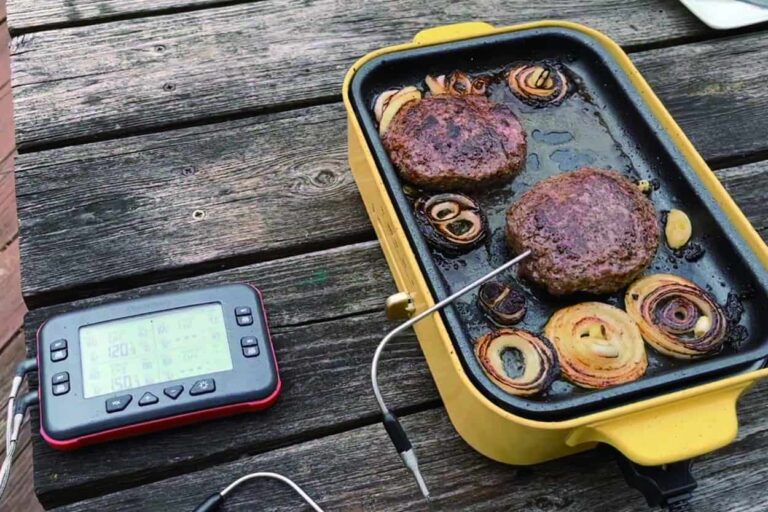
Best Grill Thermometer to Invest In
There is no worse feeling than cutting through a piece of meat and then discovering that the center is still r...
How to Handle Overcooked or Undercooked Meat at a BBQ? Know the Right Temperature!
Whether you are a grilling expert or a newbie standing behind the grill for the very first time, meat can be a...
What is the Correct Temperature to Cook Chicken Perfectly?
Unlike other types of protein like beef or pork that can be eaten rare or medium rare, chicken must be cooked ...
Recommended Temperatures
When talking about “doneness” everyone has his or her preference. One man’s “medium rare” is another man’s “ra...
What are the Food Hygiene Ratings?
Have you ever been excited to try a new restaurant and then been disappointed by the lack of cleanliness? It c...
How to Store Cooked Chicken
In a world where many of us are constantly on the go and do not always have time to cook, prepping meals befor...
How to Cook a Delicious Chicken Feet Curry
Chicken is one of the most popular proteins around the globe, famed for its immense versatility and recipe pot...
Chicken Internal Temperature – Breast, Thigh, Fried and Roast Chicken
Cooking chicken the right way is important because you don’t want anyone consuming the meat to get sick. It is...