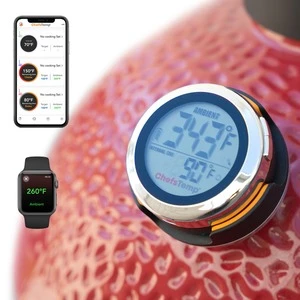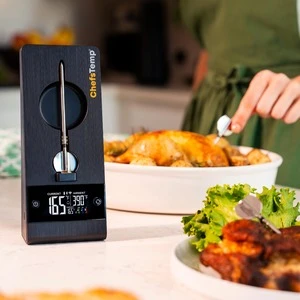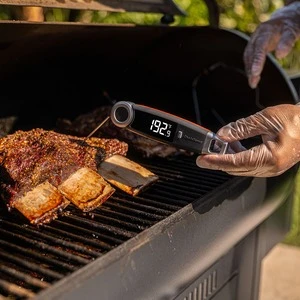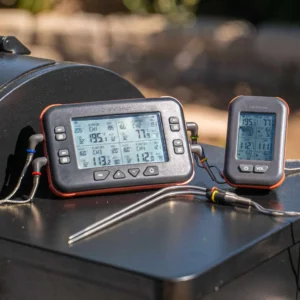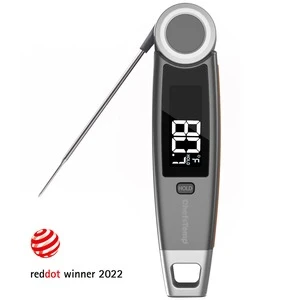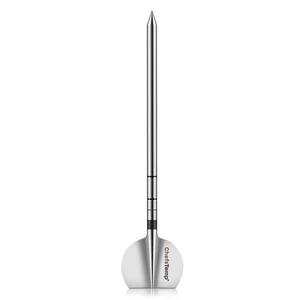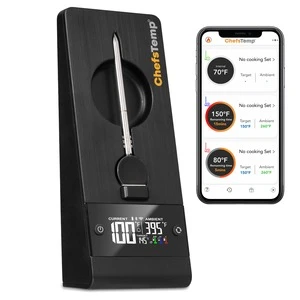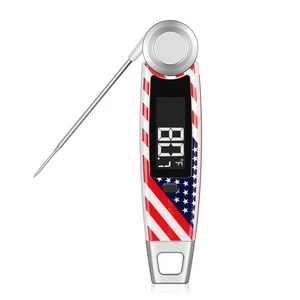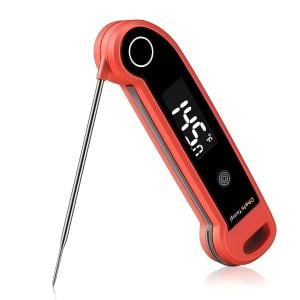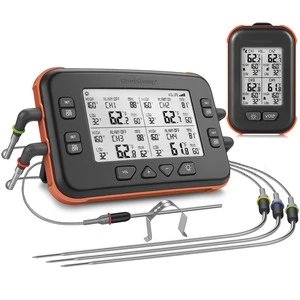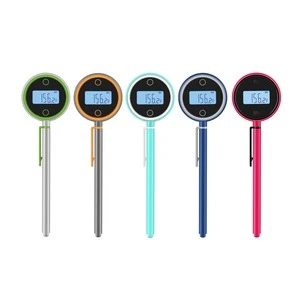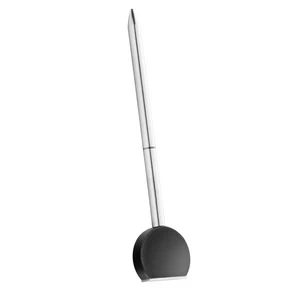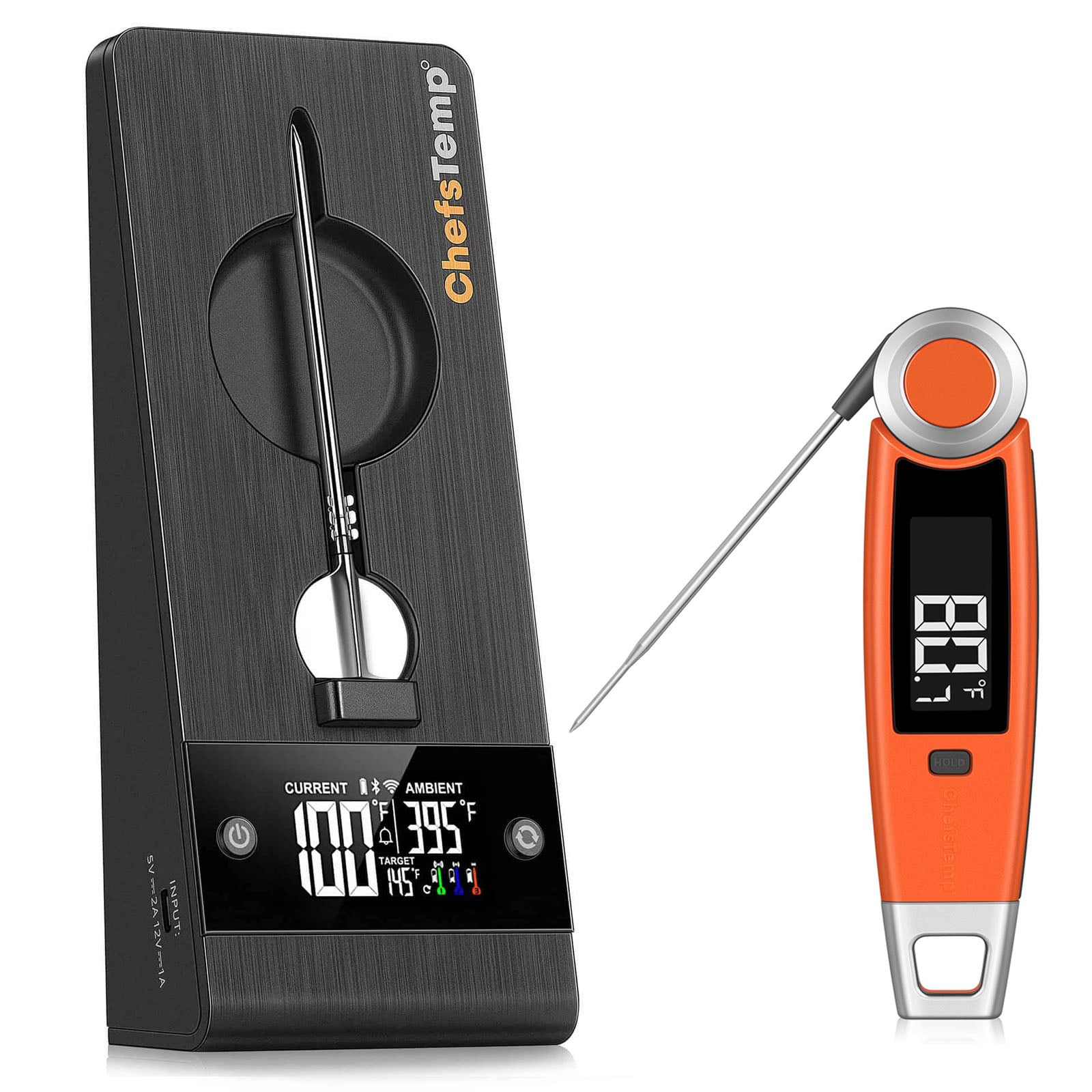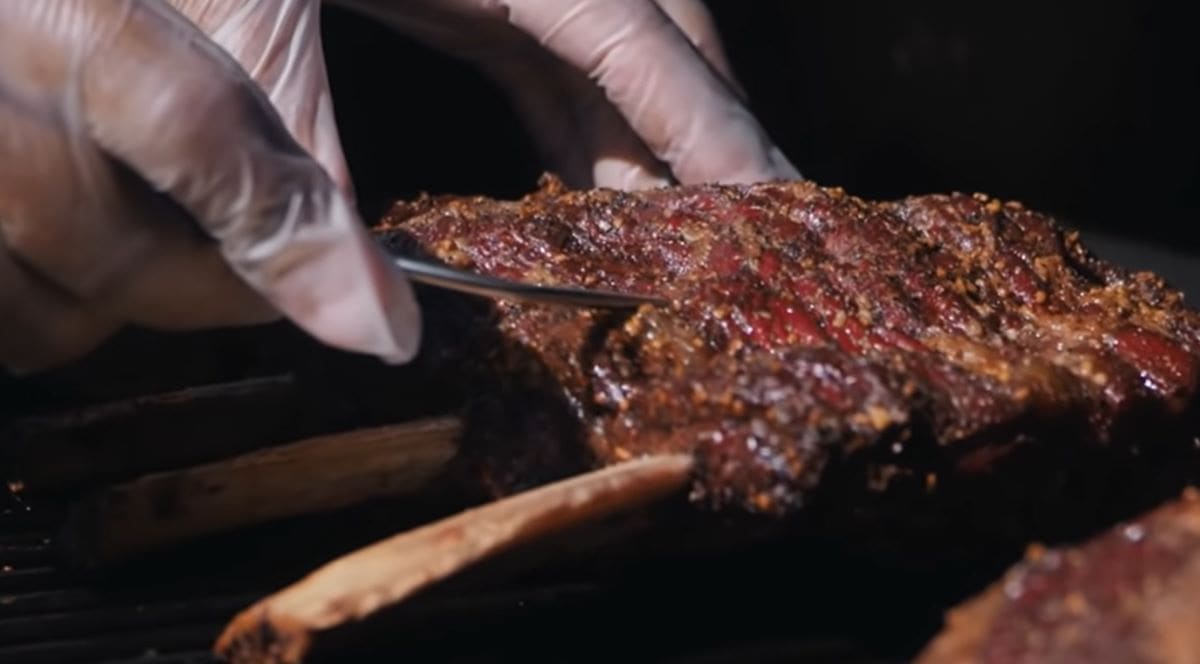
Do you have any idea how your favourite eatery gets an ideal medium-rare cut of steak, tender ribs that fall off the bone, succulent chicken, and mouthwatering roast pork? It’s true, they do not rely solely on their knowledge and experience. They actually make use of a hidden weapon known as a thermometer for food.
Food thermometers take the stress out of cooking. Cooks, whether they are chef-level or at home, get the peace of mind that the dish they’re creating will turn out perfectly. If you’re committed to cooking, it’s time to become familiar with the advantages of the innovative thermometer.
Relationship Between Flavour and Temperature
Flavour is an amalgamation of sensory information that includes scent, taste, and the sensation (the way food tastes inside the mouth). The mouth of a human has around 8,000 taste buds. Each is home to between 50 and 100 specially designed sensors that can detect flavour. Taste buds control what we taste, allowing us to discern the flavours of salty, sweet, savoury, bitter, sour, and more. A majority of these taste buds reside in the mouth; however, certain ones are situated in the roof of the mouth and the throat. Additionally, our taste buds are also responsible for the different tastes of food when heated to various temperatures. This is because our taste buds contain temperature-sensitive nerve endings. Because the temperature of food can affect the solubility and volatility of flavour (i.e., warming food produces more aromatic compounds that aid in the perception of taste), flavours become stronger at specific temperatures. Furthermore, the taste receptors react differently to different temperatures. The flavours of umami and sweetness, such as umami and sweet, are stronger at warmer temperatures. The bitter tastes, on the contrary, tend to be stronger at lower temperatures. One of the many reasons professional chefs and restaurant cooks employ temperature is to bring food items to the proper temperature so they can impart the proper flavours in your mouth. With this said, an accurate thermometer is needed.
Why Do Cooks Use Thermometers for Cooking?
Apart from achieving the best flavour, professional chefs and competitors use thermometers for many reasons.Make Food Safe To Consume
While you may say you can tell food is still good to eat by just looking at its colour and texture, that is neither the most accurate nor the safest way to Even though you could say it is possible to tell if food is acceptable to eat by its texture and colour, that’s not the most reliable or secure method. In the case of burgers, for instance, 25% of them reach a safe internal temperature before they turn brown. The Centres for Disease Control and Prevention (CDC) estimates that approximately 1 in 6 Americans (about 48 million) suffer from foodborne illnesses every year. 1288,000 are admitted to hospitals, and 3,000 suffer fatal deaths. The elderly are more likely to contract food-borne illness, such as Salmonella or E. coli. Food thermometers, such as a meat thermometer, are a great way to reduce the risk of contracting this disease by ensuring food is cooked to the correct temperature. As we said, Food thermometers eliminate the guesswork of cooking. They provide a reliable temperature measurement for food items. It is essential to ensure that harmful pathogens and bacteria in food (such as Salmonella, E. coli, and other bacteria) are eradicated. Furthermore, different types of food require different cooking temperatures without risk. For effective killing of bacteria, the meat of poultry (chicken, turkey, ham, and so on) must reach 165 degrees Fahrenheit (74 °C). The steak, chops, and roasts should reach 145°F (63°C). Meats that are ground (beef, pork, lamb) need to be cooked to 160°F (71°F) in the case of fish, whereas steaks should attain 140°F (63°F) in internal temperature. Additionally, thermometers ensure that food products are not exposed to the “danger zone,” which ranges from 40°F (4 °C) to 140°F (60 °C). The danger zone is the temperature at which bacteria can multiply quickly. Bacteria flourish in these temperatures, increasing every 20 minutes.Food Tastes Better
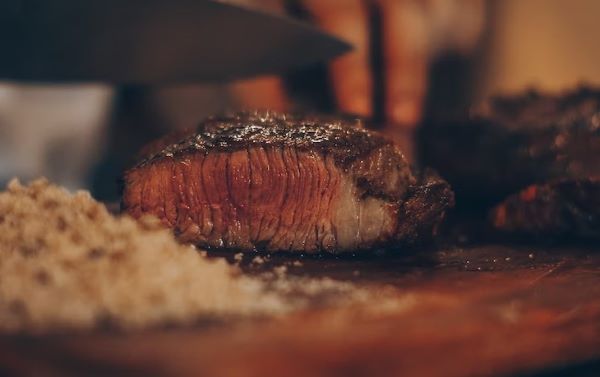
In the past, we have discussed how temperatures affect the flavour of food and how they excite your taste buds. That’s why you require thermometers for food to ensure the perfect timing for your cooking. A food thermometer will ensure the ideal cooking temperature is achieved every time. If it’s a medium-rare cut of steak or an entire cooked turkey, thermometers ensure exact cooking without overcooking or undercooking, resulting in more delicious, tasty food. This is also true when baking. A precise thermometer will ensure that cakes and breads get baked thoroughly. Furthermore, if you’ve cooked for a while and are aware that specific flavours and aromas in certain ingredients are released at particular temperatures, this makes the food taste and smell more appealing. Additionally, various cooking techniques need specific strategies. For example, when grilling, excessive heat can make the outside of the food burn while the inside remains undercooked. A thermometer can help you check your meat’s temperature to ensure it’s cooked properly. It’s the same with slow cooking. In this case, the temperature is right for cooking tender, fall-apart meat without drying it out.
Tips for Cooking with Thermometers
Get the Right One
There are numerous types of food thermometers, including instant-read, digital, and probe thermometers. Digital thermometers work as their names suggest and feature an electronic display for easy temperature reading. They are the best choice for larger, heavier products that must be cooked at a specified temperature for a specific amount of time. Temperature readings from thermometers can be read within 1.5 to 2 seconds. Some are quicker.Calibrate Your Thermometer
A kitchen gadget is only the best if it is in good condition. So make sure it functions well. Many thermometers include instructions for adjusting them. It is also possible to search online for helpful tips. It is easiest to fill the glass with ice, then add cold water. Put the thermometer in the freezing water, and do not touch the sides or bottom. Keep it there until the reading becomes stable. The reading should be 32 °F (0 °C). If your thermometer does not show 32°F (0 °C), adjust it or reset the temperature. Consult your product’s manual for more information.Insert It Right
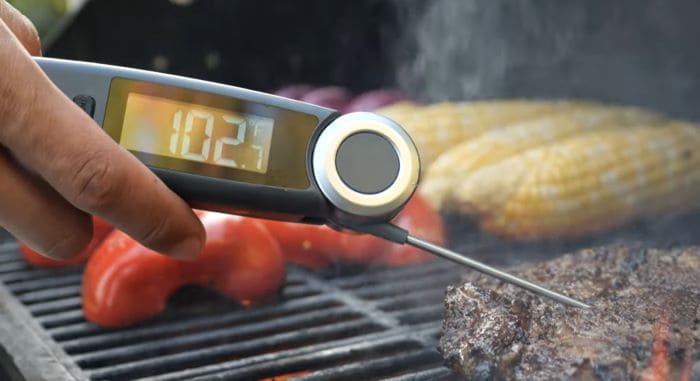
It is essential to place your thermometer properly to get an accurate reading. If you are cooking meat, insert the thermometer into the thickest part of the meat. This will provide you with an internal temperature reading from the thickest part of the carcass to ensure proper cooking. If you’re roasting a turkey, place the thermometer in the middle of the bird.Wait for the Reading
Take your time and let the thermometer do its job. The thermometer may read the temperature within 1 second. Other thermometers could take up to 3 minutes. Be familiar with the thermometer’s features to ensure you receive the best temperature reading.Clean Your Thermometer
After each use, wash your thermometer well with soapy water, then wipe it dry with a dry cloth. This helps prevent cross-contamination and ensures your kitchen appliance is clean and ready for subsequent use.The Takeaway
Prepare like a professional chef. Take the stress out of the kitchen; you can enjoy the benefits of precise, stress-free cooking with a food thermometer in your toolbox.Related Posts
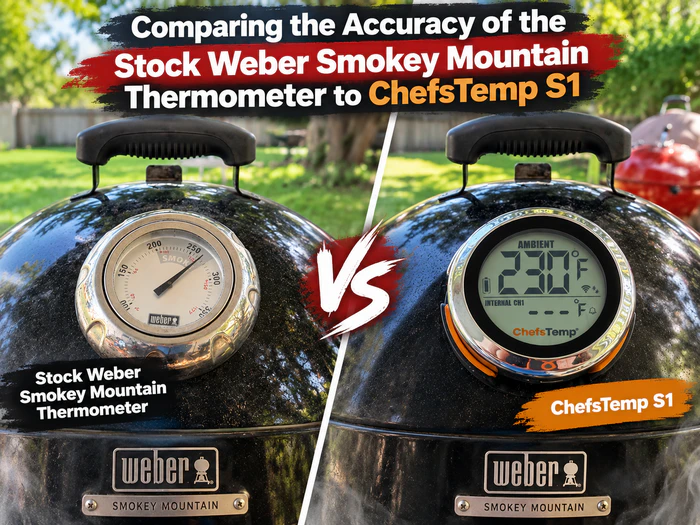
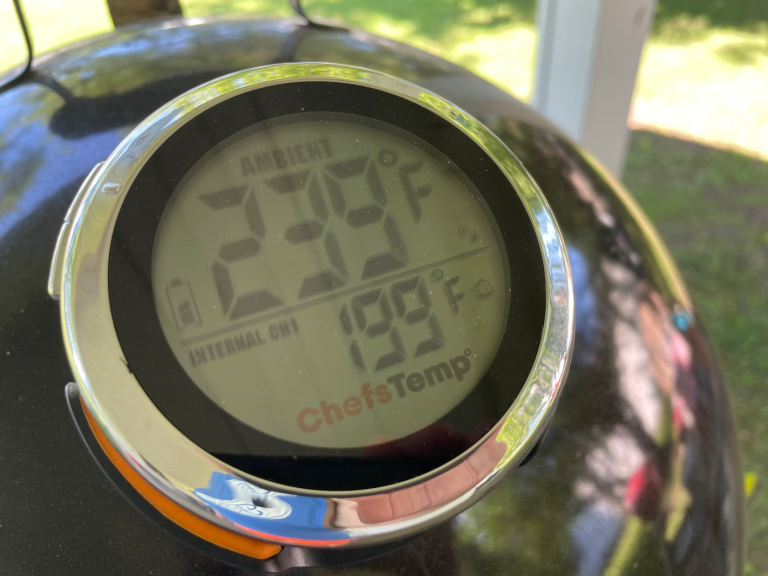
Comparing the Accuracy of the Stock Weber Smokey Mountain Thermometer to ChefsTemp S1
The Issue
The Weber Smokey Mountain is a popular and versatile cooker, but it has one major flaw - the stock ...

From Free Facebook BBQ Tips to a Growing Business: Stephan R. Parrot’s Custom Smoker Story
A suggestion from his wife helped Stephan R. Parrot turn years of free barbecue advice into training, catering...
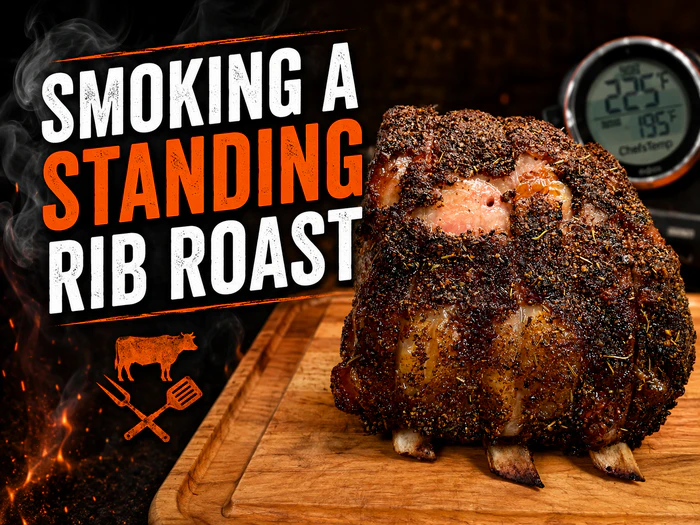
Smoking a Standing Rib Roast – When Special Occasions Call for Special Cuts of Meat
Preparing the Roast
...
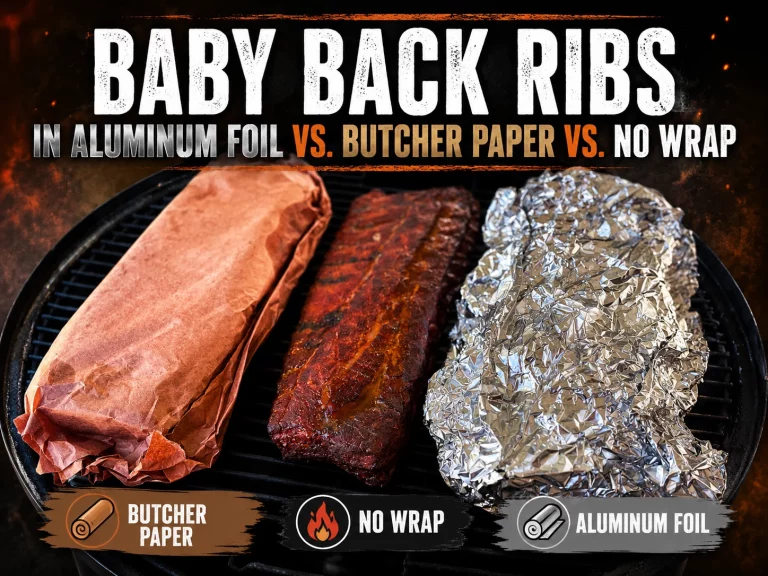
Experimenting with Ribs: Wrapping Baby Back Ribs in Aluminum Foil vs. Butcher Paper vs. No Wrap
Introduction to Smoking Ribs
I personally believe one of the big reasons people get smokers is to cook ribs. I...
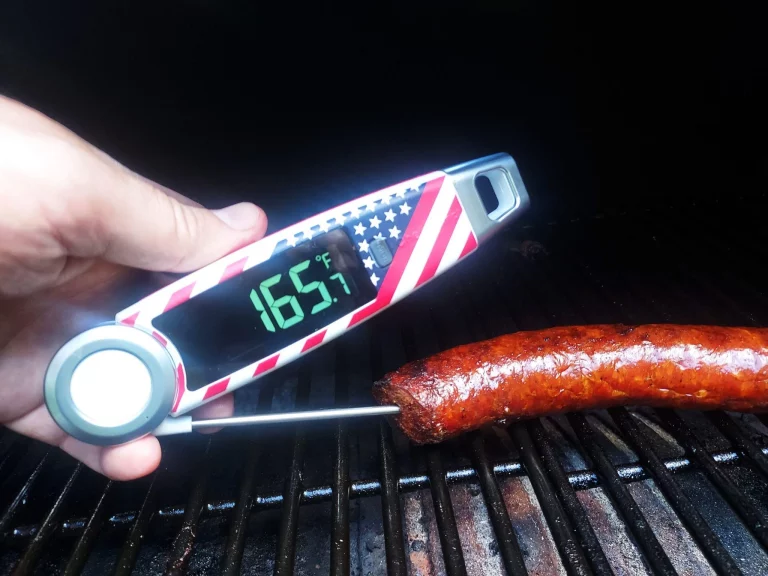
Stop Splitting Your Sausage: Expert Tips for grilling natural Casings
Natural casing ring sausage is a cookout staple enjoyed around the world that is equally deserving of a place ...
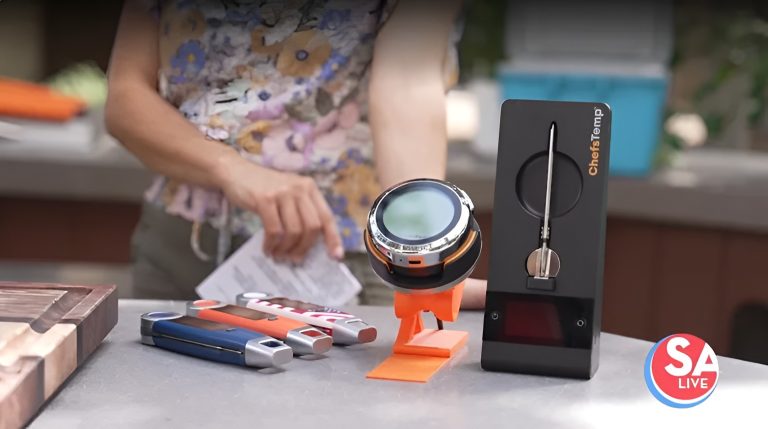
Mastering Pulled Pork: The Ultimate Temperature Control Guide with ChefsTemp
Achieving competition-grade, juicy, and tender pulled pork is the ultimate rite of passage for backyard pitmas...
Two Birds, One Fan: Can Breezo Fix Uneven Chicken Temps on a Charcoal Grill?
Chicken grilled over charcoal is one of life’s purest pleasures. So much so that people debate which is better...
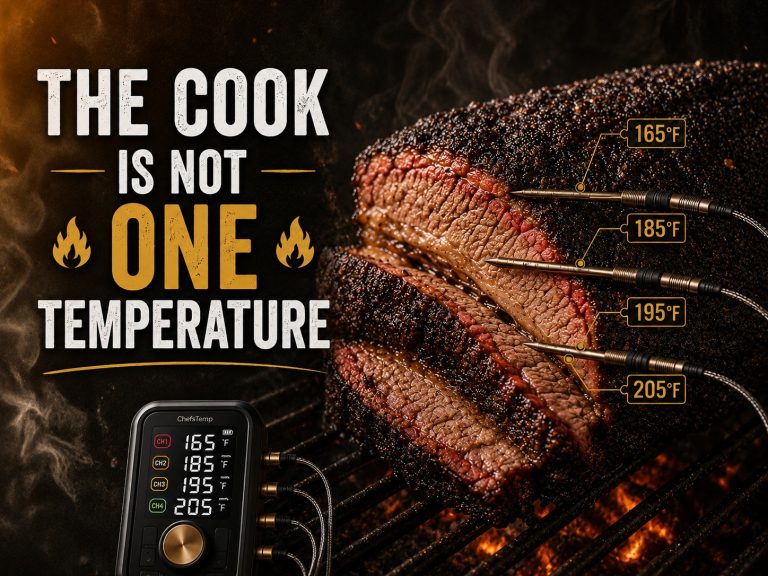
The Cook Is Not One Temperature
A few hours into a long cook, it can feel as though the grill has started arguing with you.
The dome thermome...
Breaking the Endothermic Standoff: The Complete Fat Rendering Timeline for Smoked Pork Shoulder
Smoked pork shoulder is an icon of American barbecue that many try, yet only a few manage to master. People lo...
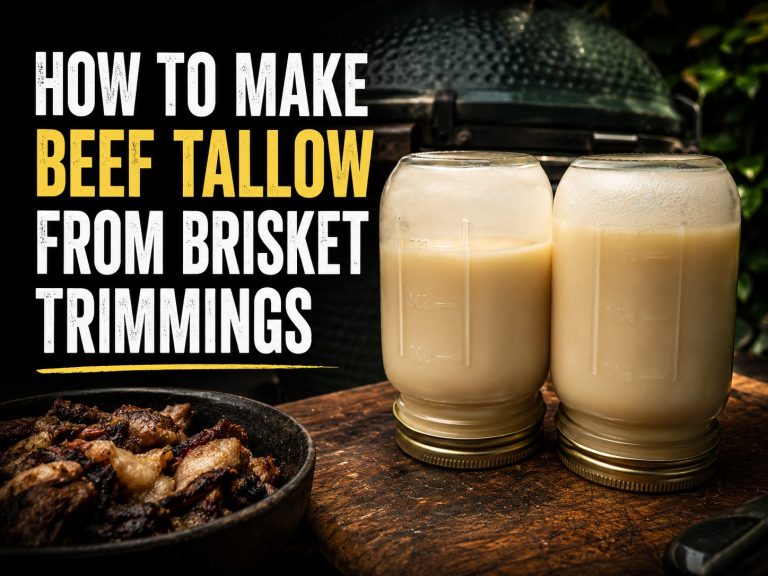
How to Make Beef Tallow from Brisket Trimmings
If you've ever trimmed a whole packer brisket, you've probably looked at the pile of fat headed for the trash ...
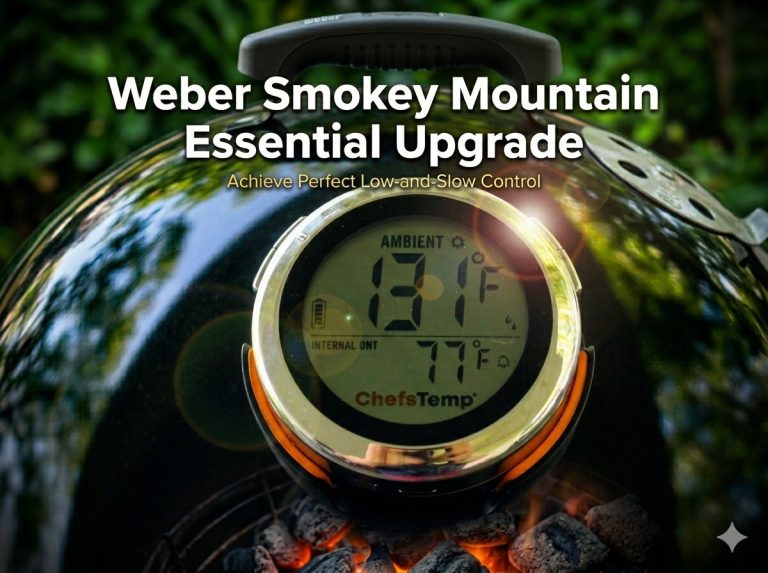
Weber Smokey Mountain Brisket Guide: How to Sleep Soundly with a Smart Temperature Controller Upgrade
Smoking a brisket can be a time-consuming task for even the most experienced pit master, but it doesn’t mean y...