Hot Water Temperature: No More Guesswork
Part 1. What Is Temperature of Hot Water?
The definition of hot water varies by context, but it typically refers to water between 130°F and 211°F (54°C to 99°C), at which point it becomes too hot to touch comfortably.
1. Culinary and Baking Terminology
In the kitchen, “hot water” refers to specific tasks:
- Yeast Activation: Ideal temperatures are 105°F-115°F; anything above 120°F could damage or kill the yeast.
- Simmering: Water begins simmering between 185 to 205°F.
- Boiling: occurs at sea level between 212°F (100°C).
2. Household Standards & Safety Standards
- Standard for Safety (120°F / 49°C): Most modern water heaters are set to 120°F (49°C), considered the “sweet spot”. It kills most bacteria, such as Legionella, while leaving plenty of time before serious burns occur.
- Standard “Sanitary” Temperature (140°F / 60°C): Many older heaters were set at 140°F to more thoroughly sanitise dishes; this temperature can also cause third-degree burns within seconds, making this setting potentially lethal to personal safety.
3. Scald Time Chart (Danger Zones)
In environments with excessively hot water temperatures, the time it takes for serious burns to occur rapidly decreases significantly:
- 120°F (49 °C) should be sufficient for deep burning.
- At 130°F (54°C), a deep burn is possible in 30 to 45 seconds, but for optimal results, use 140°F (60°C).
- At 150°F (66°C), 1.5 seconds may also suffice, so plan to conduct your experiments at least 20°F (9°C) below the target temperature!
4. Hot Water Temperature Chart
| INTERNAL CORE TEMPERATURE IN FAHRENHEIT | INTERNAL CORE TEMPERATURE IN CELSIUS | DESCRIPTION | |
|---|---|---|---|
| Lukewarm | 80°F to 90°F | 27°C to 32°C | Baby baths, yeast activation |
| Warm Water | 90°F to 105°F | 32°C to 40°C | Standard swimming pools, comfortable showers |
| Very Warm | 105°F to 130°F | 40°C to 54°C | Maximum safe "hot" water for skin contact |
| Hot Water | 130°F to 140°F | 54°C to 60°C | Dishwashers, laundry (whites) |
| Scalding | 140°F+ | 60°C+ | Commercial cleaning (dangerous to skin) |
Tip: Click here to learn what warm water is if you’re interested.
Part 2. Warm Water vs. Hot Water: The Science of Precision
1. Warm Water: The Life-Giver (115°F – 120°F / 46°C – 48°C)
- Sensation: Comfortably warm to the touch, similar to taking a hot bath. Your hand may remain submerged without feeling discomfort.
- Science: At this temperature range, yeast becomes active and productively active – the perfect conditions for fermentation!
- Risk Analysis: By dropping below 105°F, yeast becomes dormant; by exceeding 130°F, you risk “killing the bloom”, leading to dough that fails to rise properly and may even produce unpleasant aromas when baked.
2. Hot Water: The Transformer (130°F – 211°F / 54°C – 99°C)
- Sensation: Painful response immediately upon skin contact at temperatures below 130°F; above that range (190°F), the surface becomes too hot for direct skin contact and steams.
- Science: At these temperatures, proteins begin to denature while starches become gelatinised, creating ideal conditions for sous vide and poaching methods, with 180°-190°F optimal for producing coffee/tea beverages without bitterness.
- Risk Analysis: Hot water can be highly unstable, quickly losing or gaining heat over time, and without an efficient tool, its temperature changes frequently, requiring constant management rather than direct control.

Part 3. Why Guesswork is Dangerous in Judging Hot Water Temperature
Human fingers can be an inaccurate way to measure temperature; what might feel “warm” to one person might feel “hot” to another; environmental influences and circumstances can alter what your senses perceive as “hot,” leaving room for error in temperature judgments. But when working with sensitive ingredients like yeast or expensive cuts of meat, guesswork becomes not only risky but also costly.
To reach “about right” and eventually achieve “exactly right” requires more than just tools; you need high-performance instruments for accurate results.
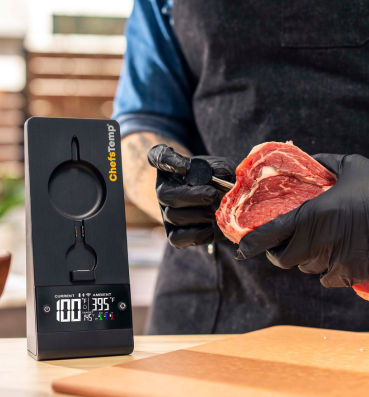
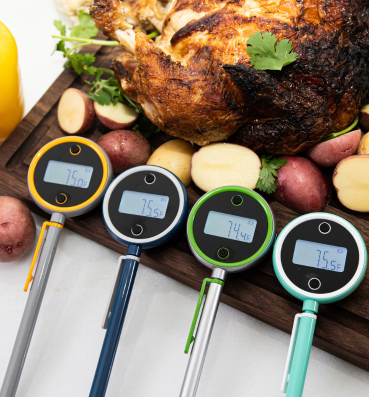
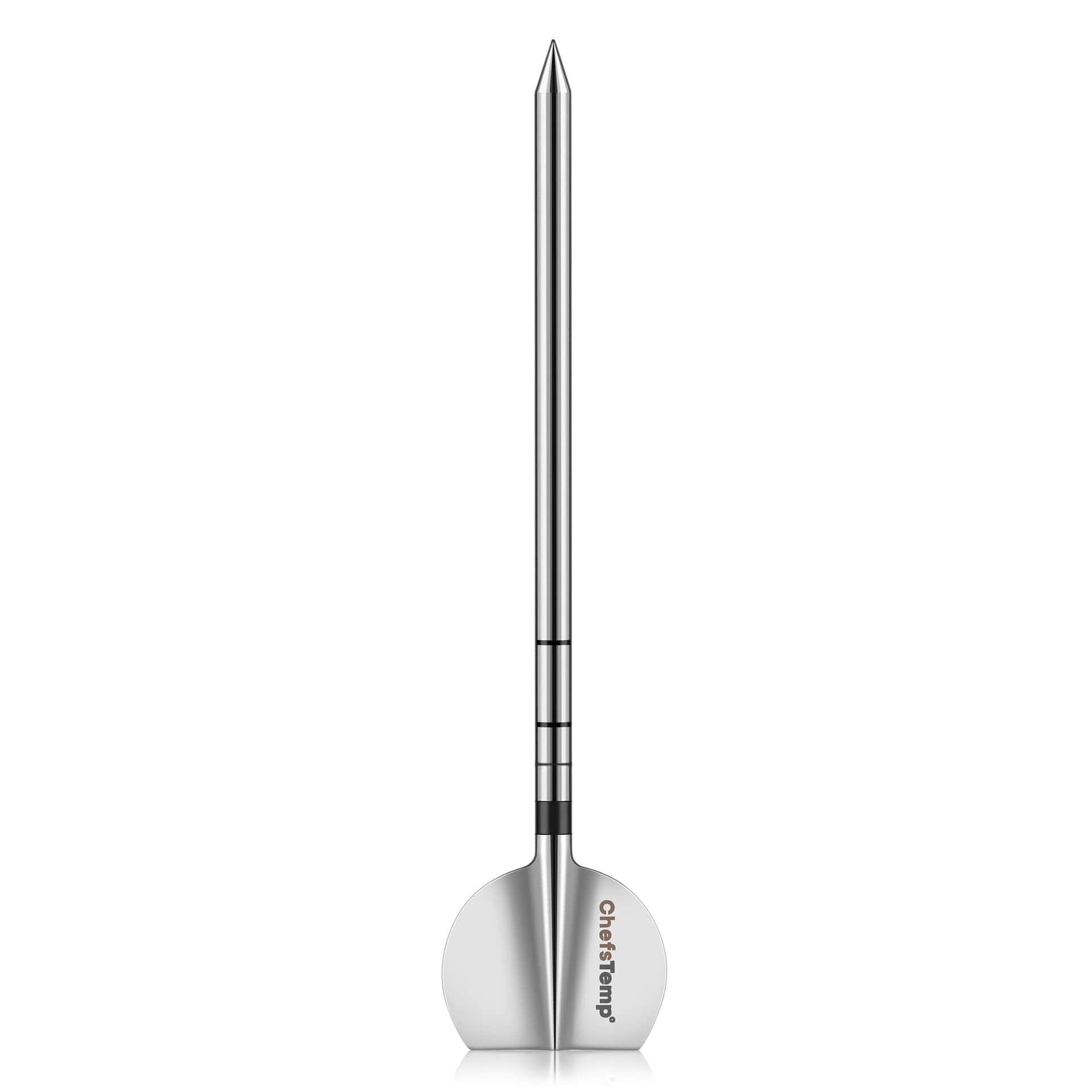
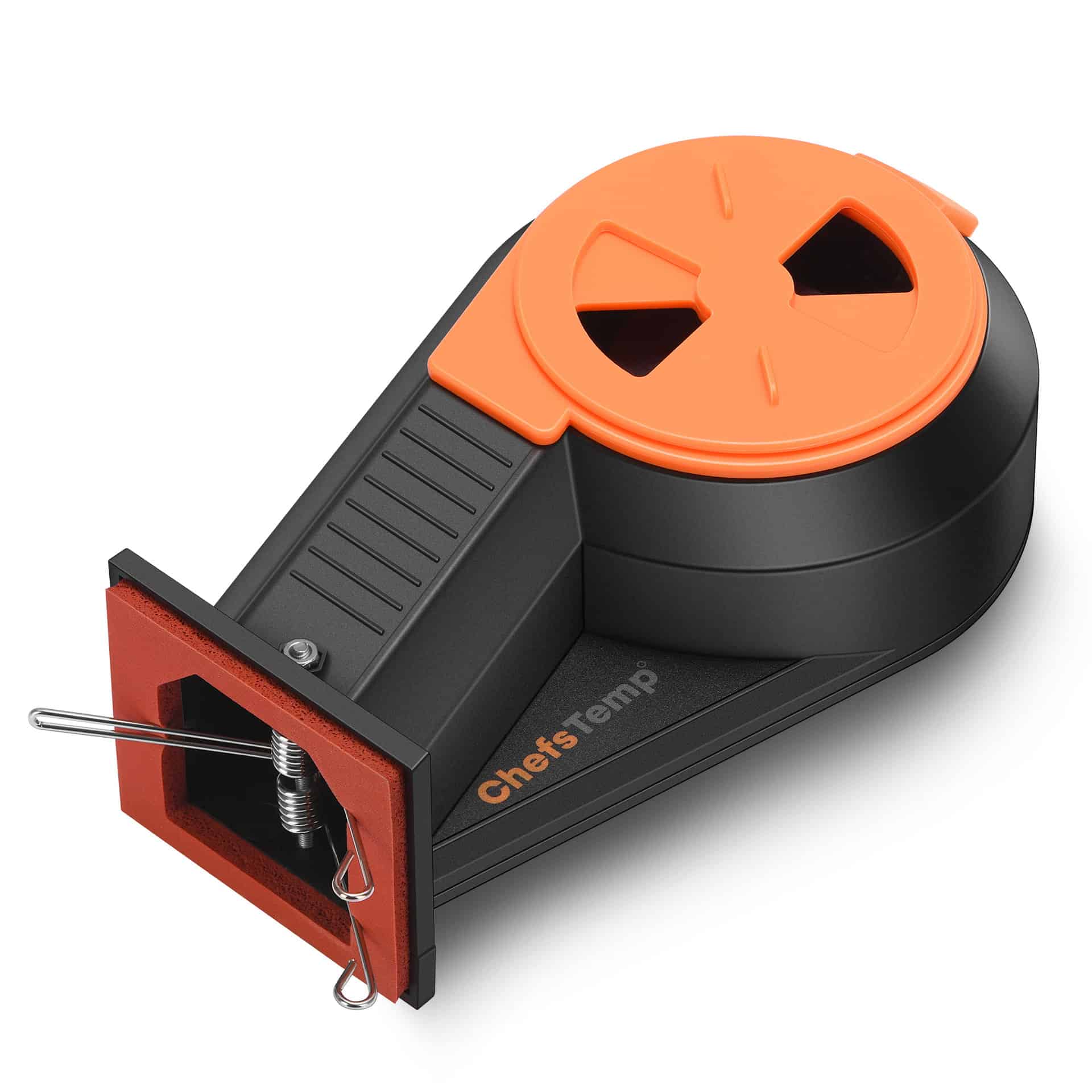
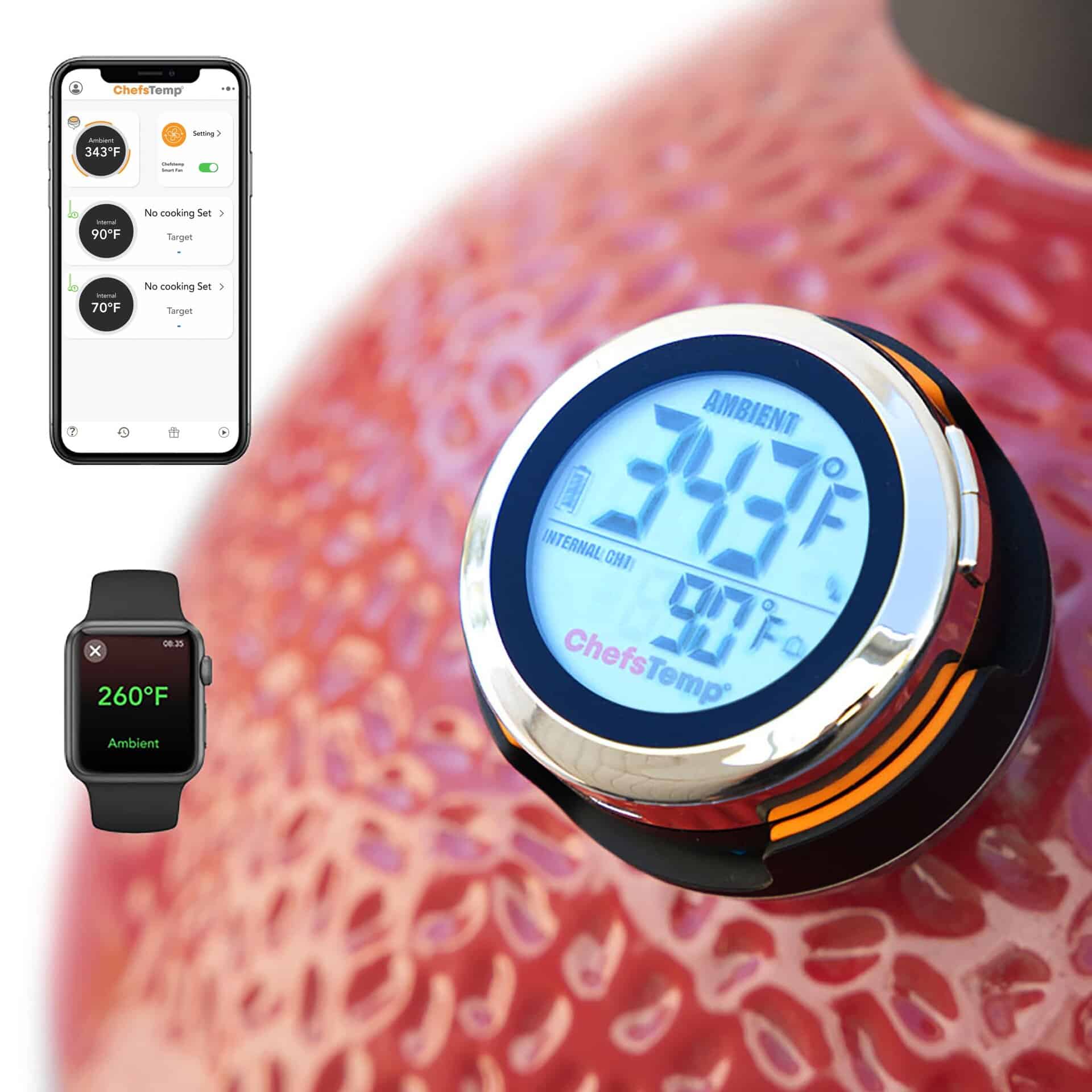
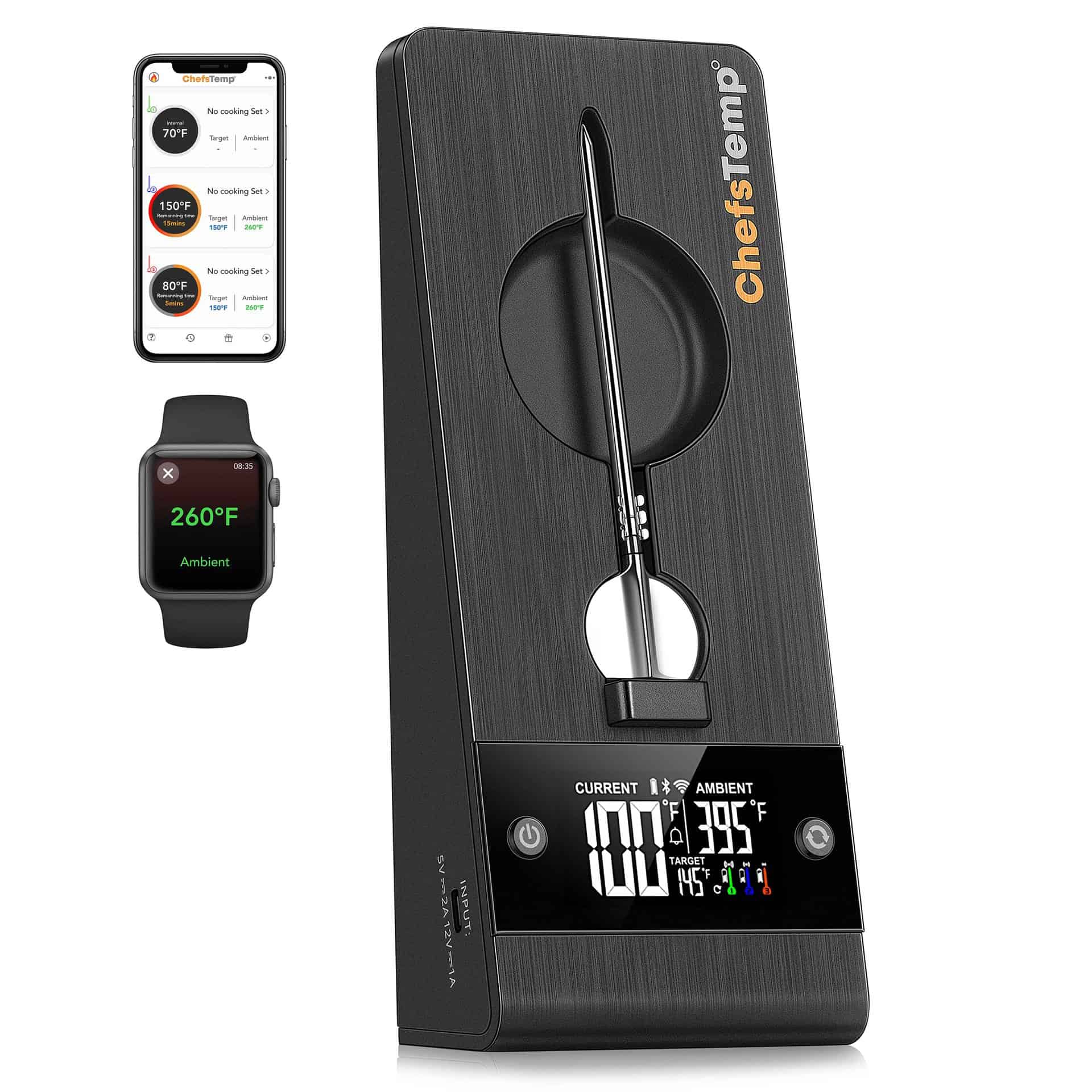
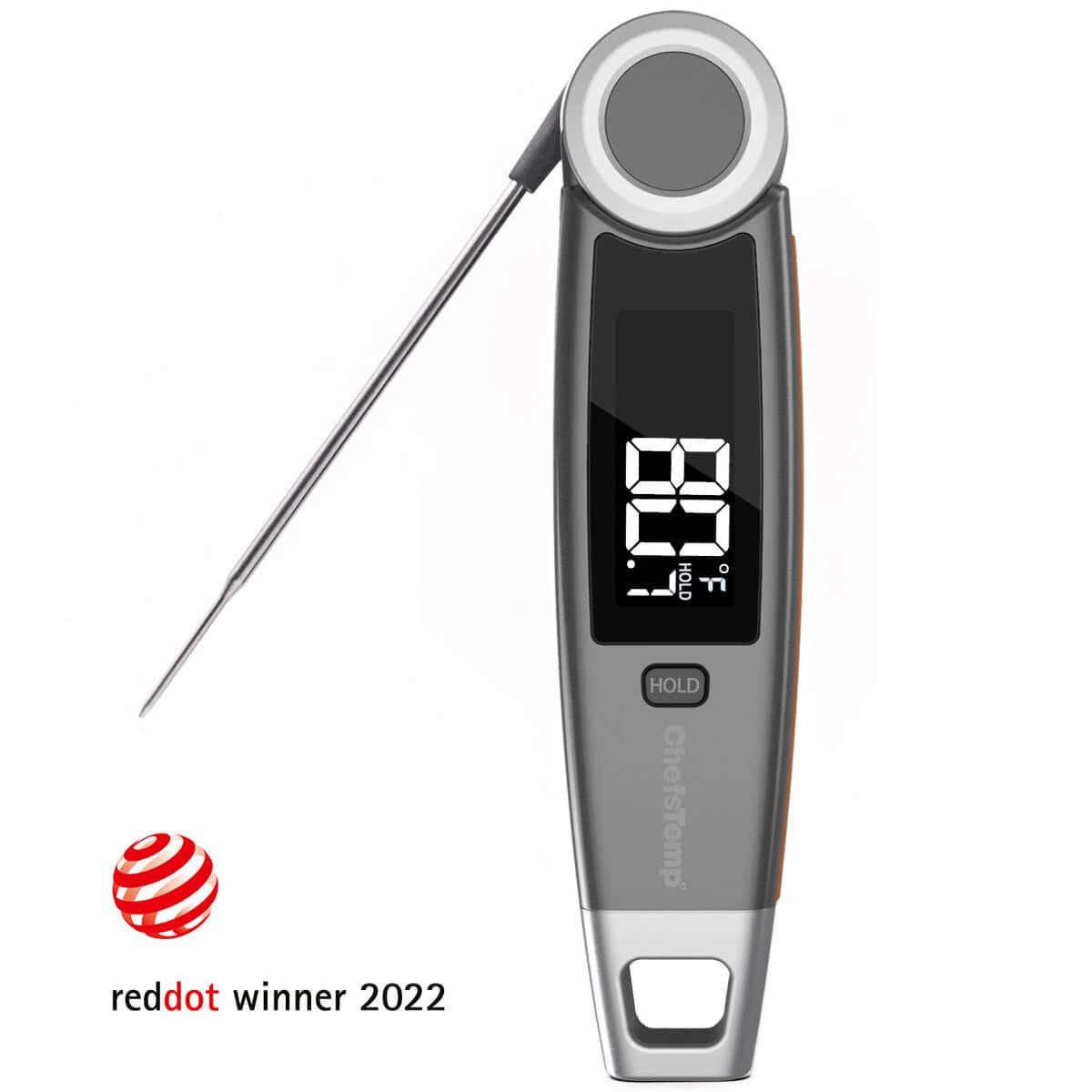
No matter your task – from tempering water for delicate brioche dough to keeping an eye on a low simmer of consomme – ChefsTemp gives you full control.

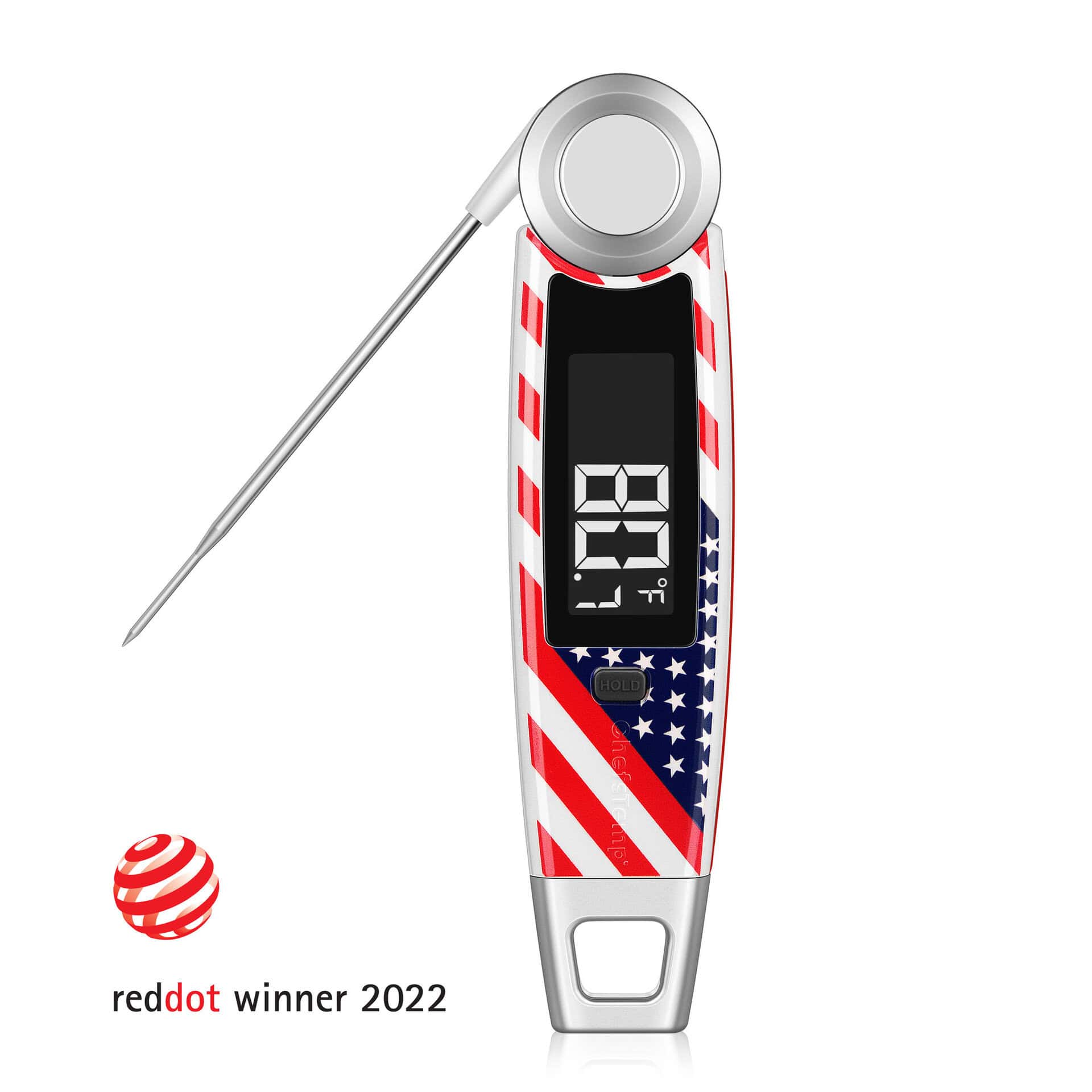
Tip: Get this ChefsTemp Meat Temperature Chart Magnet to make your cooking more perfect.
Part 4. Hot Water Temperature FAQ & Readings
What is the normal temperature for hot water?
The U.S. Department of Energy and the Consumer Product Safety Commission recommend setting home water heaters to 120°F (49°C). This is hot enough to prevent bacterial growth inside the tank while significantly reducing the risk of accidental scalding and saving energy.
Some older dishwashers without built-in boosters or commercial facilities require 140°F (60°C) for proper sanitation. However, water at this temperature poses a very high scald risk at the tap and should be handled with care.