Warm Water Temperature Chart for Perfect Cooking
Part 1. What Is Temperature of Hot Water?
The definition of warm water may vary by intended use; typically, it is between 115°F and 120°F (46°C and 48°C).
1. From a Culinary Perspective
In culinary arts and baking, temperature plays an integral role in chemical reactions: warm water is necessary for them to proceed successfully.
- Yeast Activation: For baking bread, “warm water” typically refers to 100°F to 110°F; otherwise, the yeast won’t activate, and over 120°F could even kill it!
- Poaching: Gentle poaching typically begins with warm to “shimmering” water, which quickly progresses to hotter temps (140°F+).
2. From a Health and Wellness Perspective
Warm-water immersion has long been noted for its numerous physiological advantages; researchers often cite its therapeutic uses in discussions of health.
- Drinking: Proponents of traditional medicine often recommend drinking water at approximately body temperature (98.6°F / 37 °C) to facilitate digestion and blood circulation without shocking internal organs.
- Bathing: For optimal bathing, use a temperature between 92°F and 100°F for a “warm” bath; any temperature above this is “hot”, while anything higher is “hot tub temperature”.
3. Warm Water Temperature Table
| Internal Core Temperature in Fahrenheit | Internal Core Temperature in Celsius | Description | |
|---|---|---|---|
| Lukewarm | 85°F to 105°F | 29°C to 40°C | Water is comparable in temperature to the human body. |
| Warm Water | 115°F to 120°F | 46°C to 48°C | Water is touchable but not hot. |
| Hot Water | 130°F to 211°F | 54°C to 99°C | Water too hot to touch. |
| Simmer | 185°F to 200°F | 85°C to 93°C | A simmer is sometimes called a “gentle boil.” Small bubbles periodically rise to the surface – the gentler and slower the bubbles, the lower the temperature. |
| Low Simmer | 180°F | 82°C | |
| Poach | 160°F to 180°F | 71°C to 82°C | Poaching is “to cook an item by submerging it in a liquid that is just barely simmering.” Poaching is not a rolling boil. Poaching, compared to boiling, is a much gentler technique. |
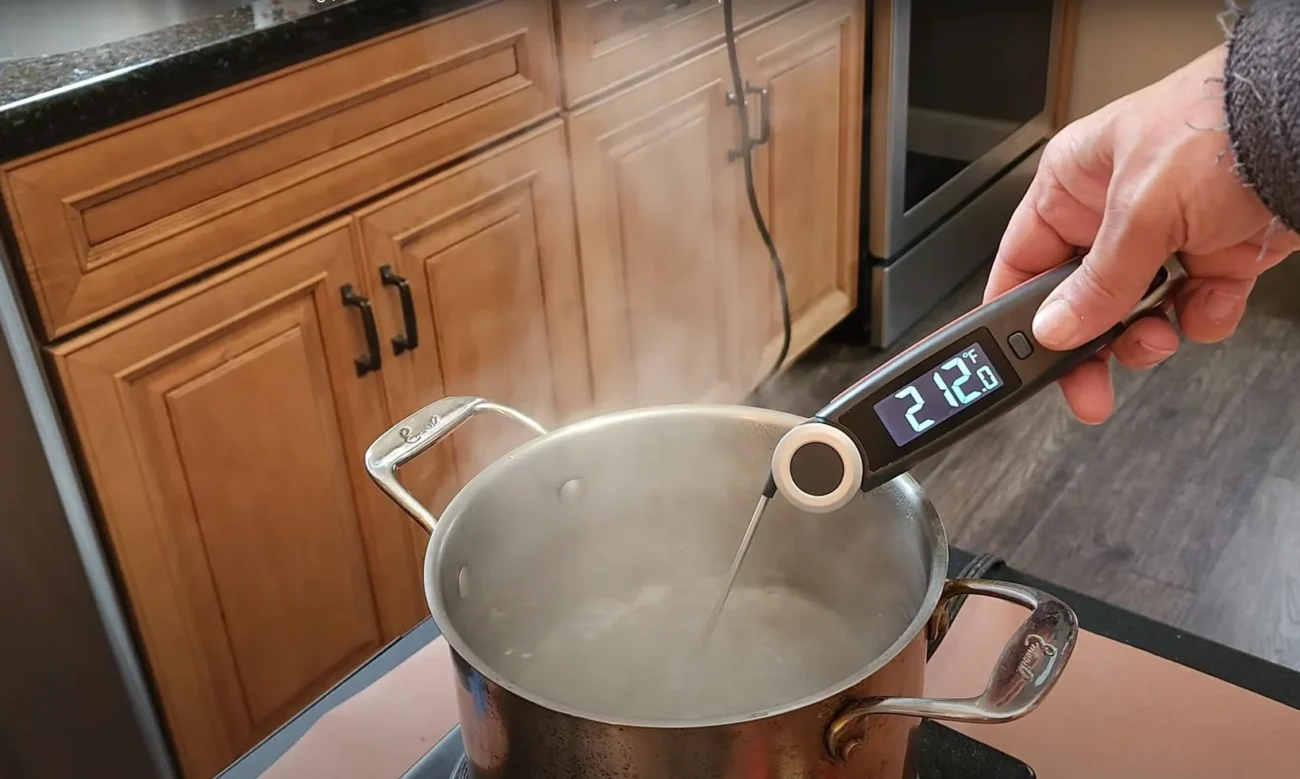
| Rolling Boil | 212°F | 100°C | The water is rolling, bubbling, and steaming. High Altitude: Each 500-foot increase in altitude will cause a drop of approximately one (1) degree in the boiling point. |
| Slow Boil | 205°F | 96°C | There is more movement and noticeably larger bubbles than in simmering. |
Tip: Click here to learn what hot water is if you're interested.
Part 2. Science of Warm Water Temp
| Altitude (Feet) | Altitude (Meters) | Boiling Point (Fahrenheit) | Boiling Point (Celsius) |
|---|---|---|---|
| 0 (Sea Level) | 0 | 212.0 | 100.0 |
| 1,000 | 305 | 210.1 | 98.9 |
| 2,000 | 610 | 208.1 | 97.8 |
| 3,000 | 914 | 206.2 | 96.8 |
| 4,000 | 1,219 | 204.3 | 95.7 |
| 5,280 (1 Mile) | 1,609 | 201.9 | 94.4 |
| 7,500 | 2,286 | 197.7 | 92.1 |
| 10,000 | 3,048 | 193.0 | 89.4 |
| 29,029 | 8,848 | 160.0 | 71.1 |
Boiling water may appear straightforward, but science plays an essential part. At sea level, water boils at 100 °C (212°F). But this changes as altitude does: for every 500 feet above sea level, its boiling point drops by one degree Fahrenheit - in mountainous regions, this may drop further and reach only 202°F!
Since food safety and doneness depend upon precise temperatures, using visual cues like rolling boil can often result in undercooking. That's why having an accurate meat thermometer on hand can ensure accurate cooking, baking, and culinary tasks at high altitudes.
Part 3. Accessories for Accurate Warm Water Temperature
An error of ±2°F could potentially transform your ingredients from Medium Rare to Medium.
Ensure your equipment is accurate with the following items:
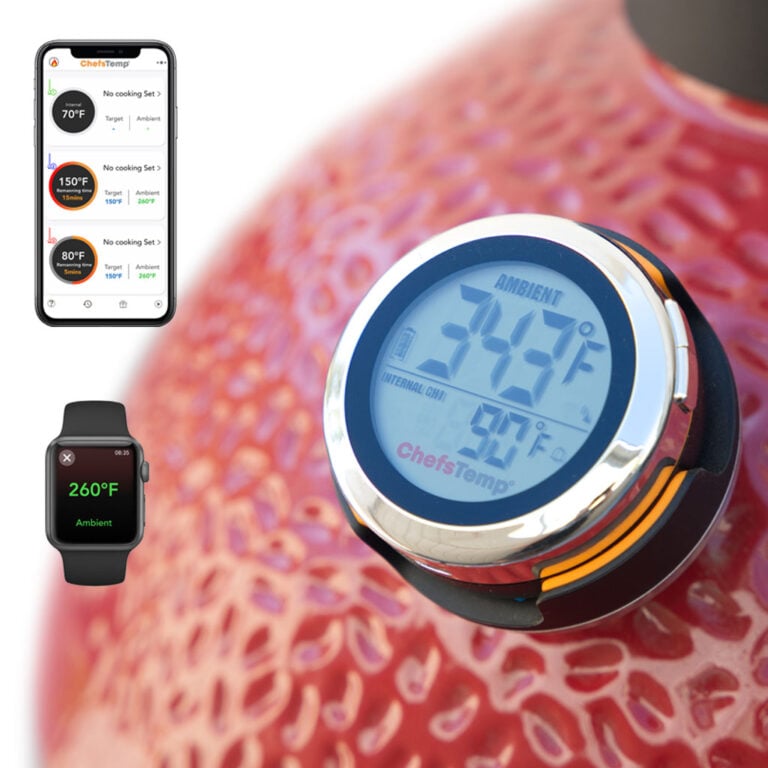
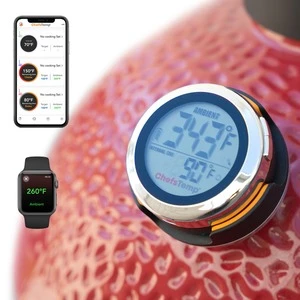
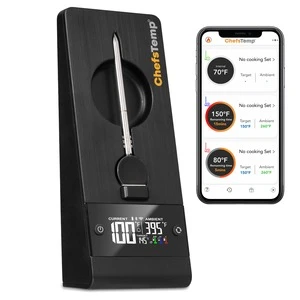
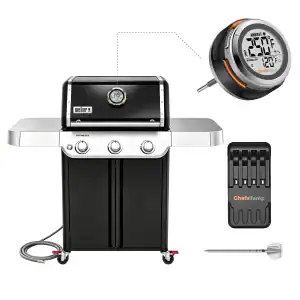
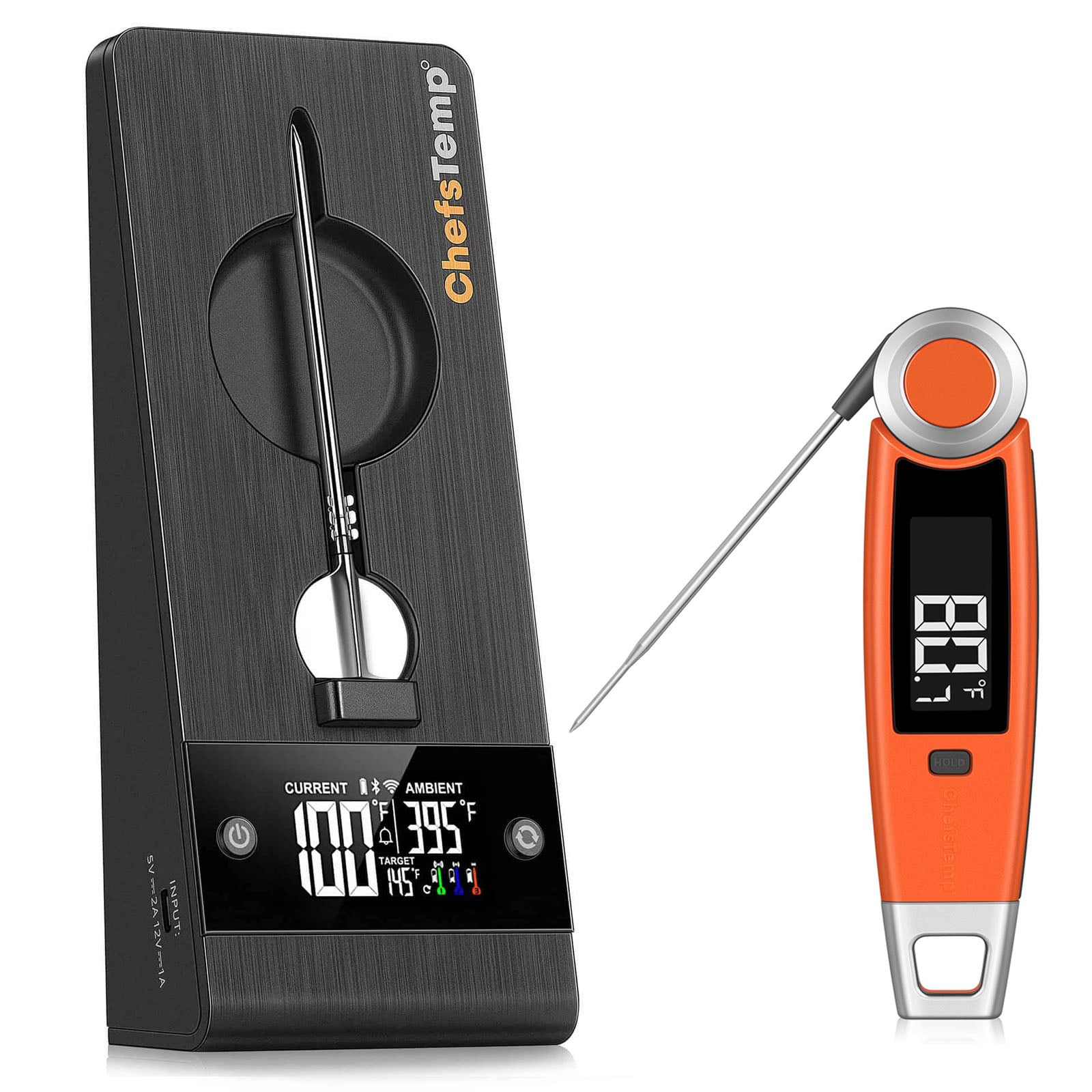
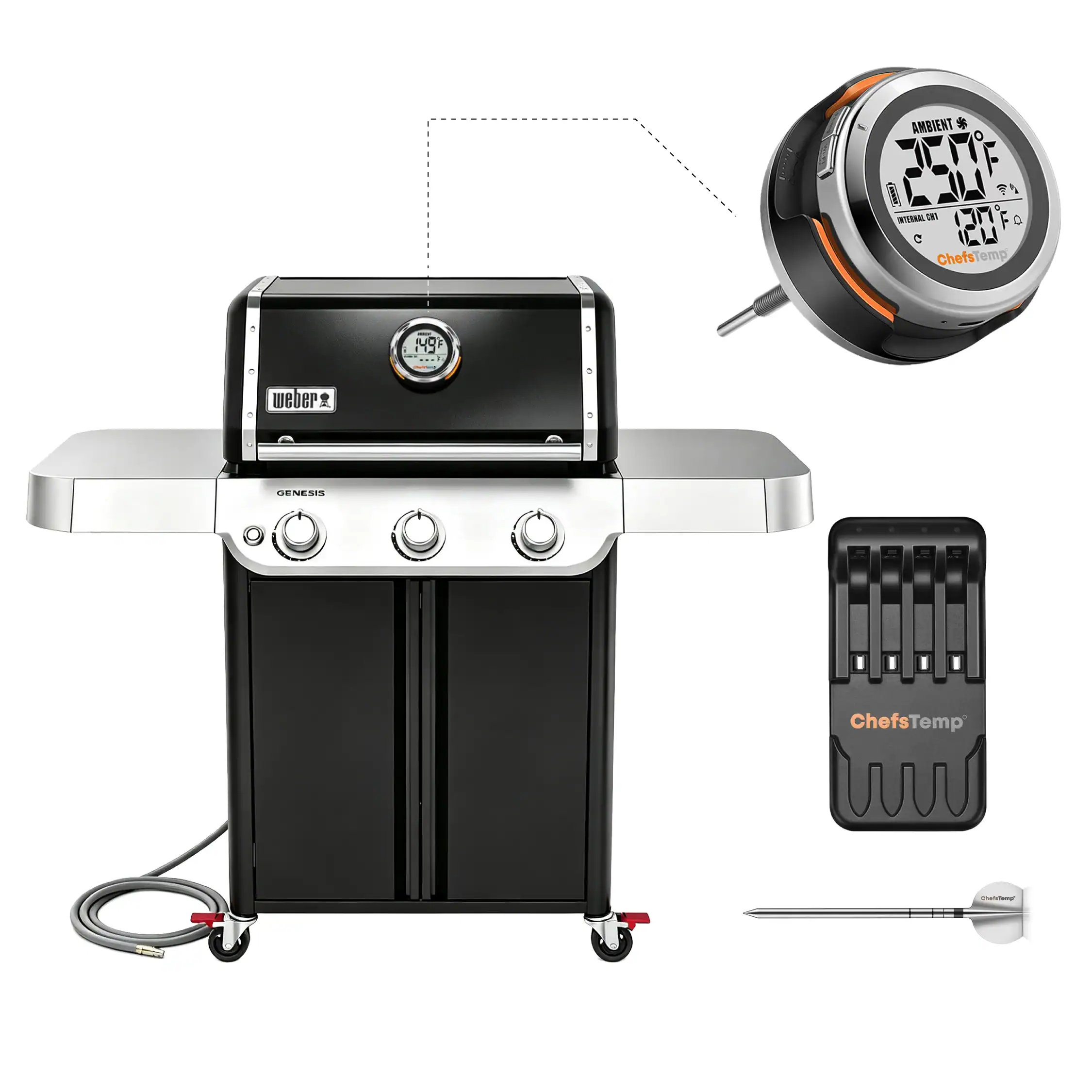
ProTemp S1
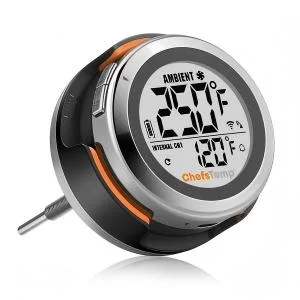
Patented smart grill gauge thermometer hub for remote monitoring with Wi-Fi & Bluetooth control anywhere.
Starts at: $99.99
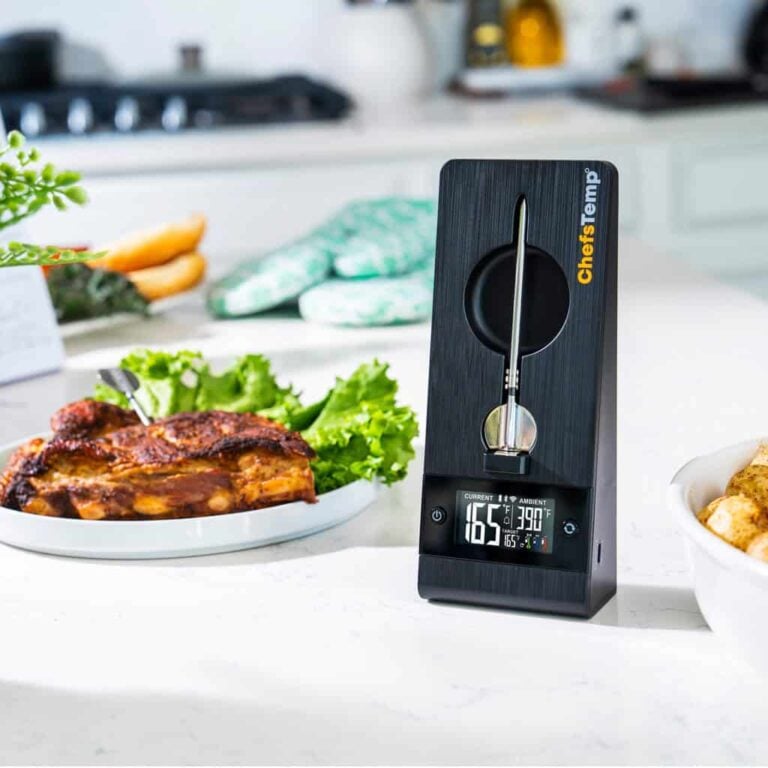
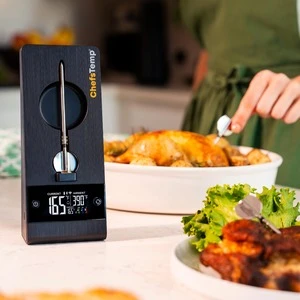
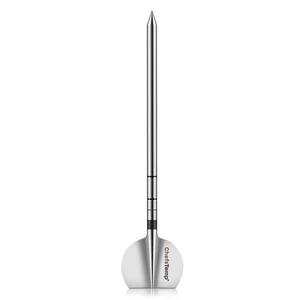
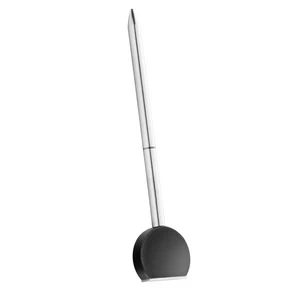
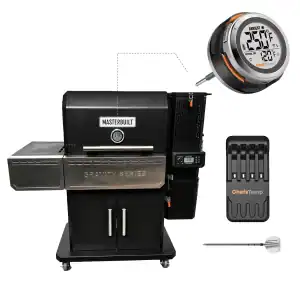
ProTemp 2 Plus
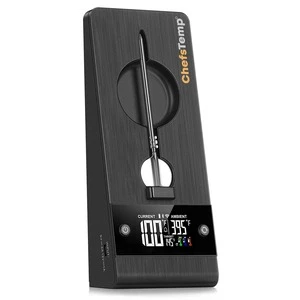
Needle Probe Wireless Meat Thermometer with temperature controller, with 10,000 mAh battery for up to 1000°F precision monitoring.
Starts at: $149.99
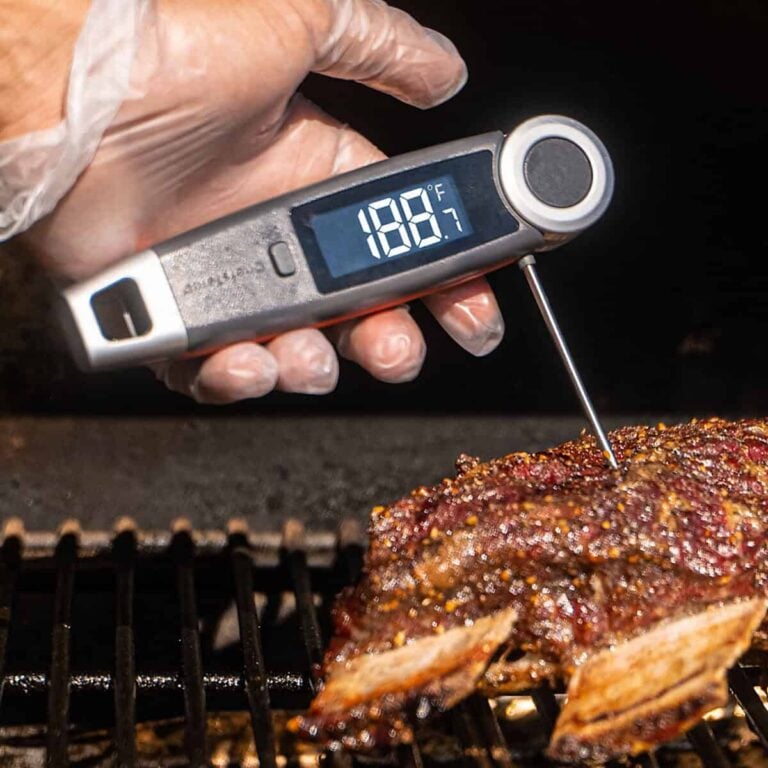
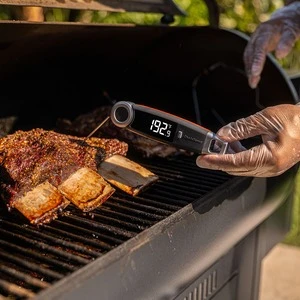
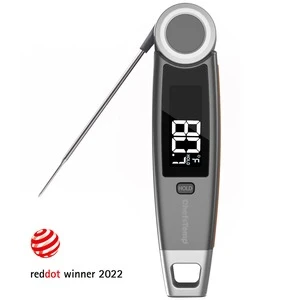
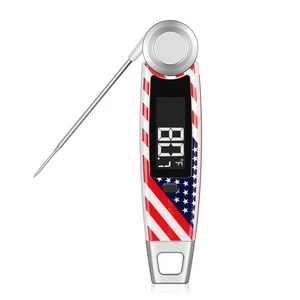
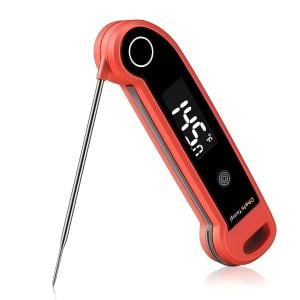
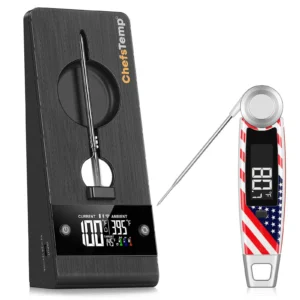
Finaltouch X10
Professional instant-read meat thermometer with 270°rotating probe & oversized sharp display.
Starts at: $69.99
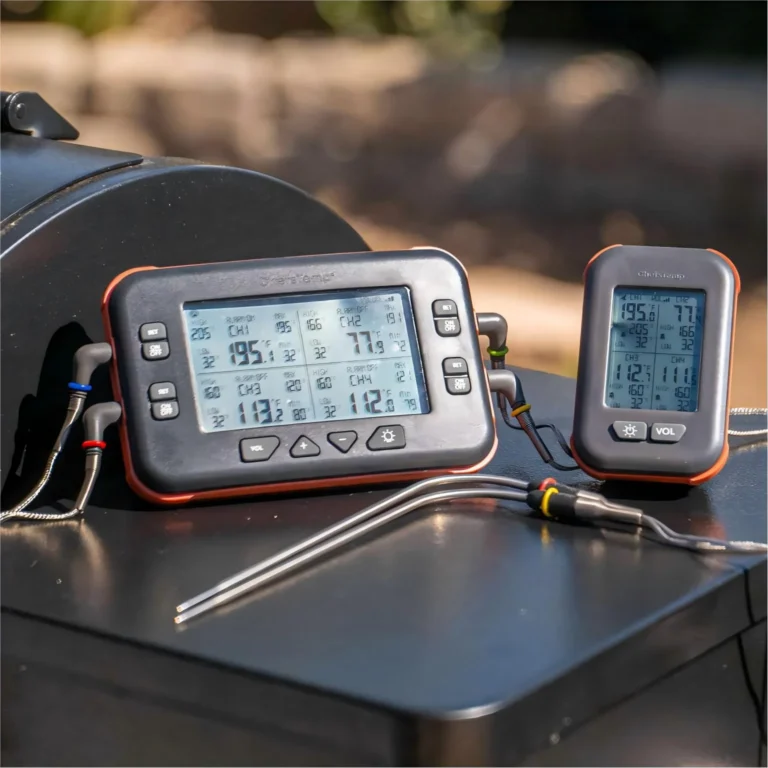
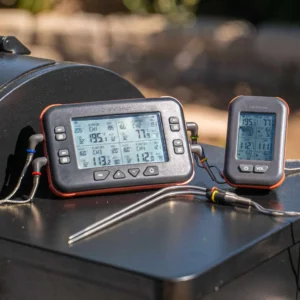
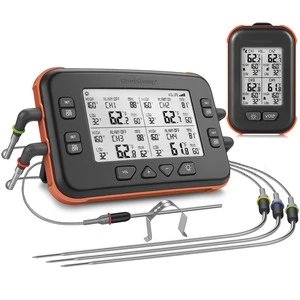
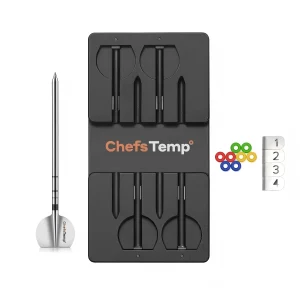
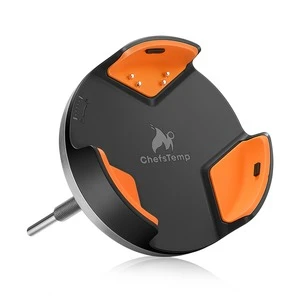
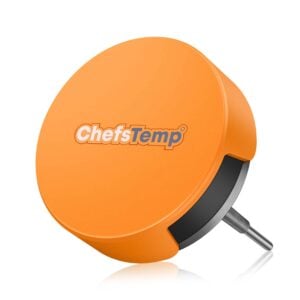
Quad Xpro
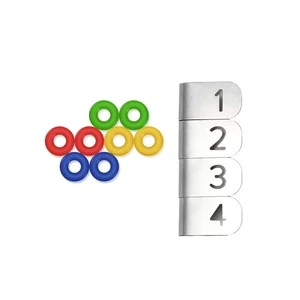
A long-range (1000ft), IP66 waterproof RF thermometer with 4 probes to monitor multiple meats and pit temps simultaneously.
Starts at: $109.99
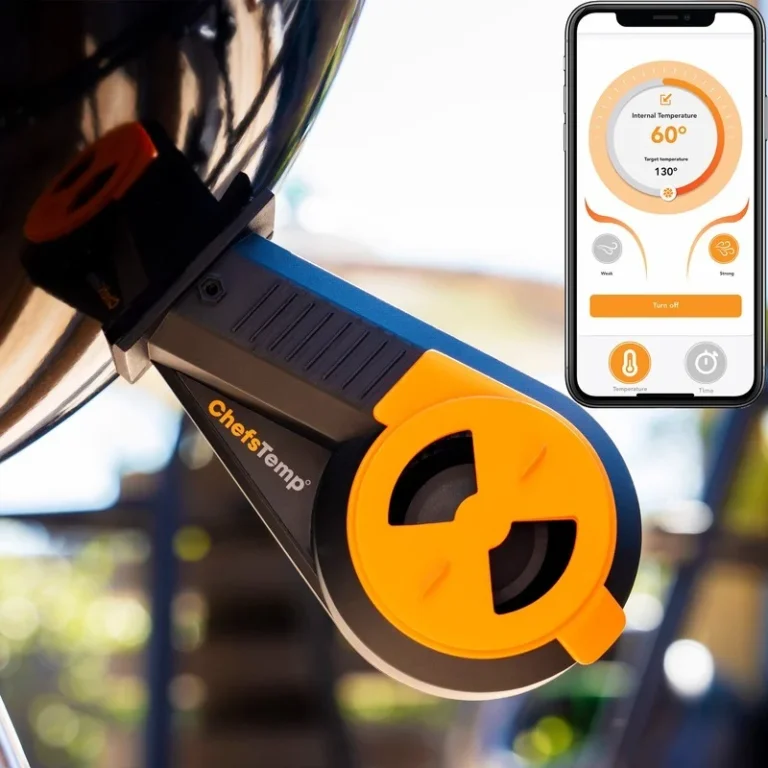
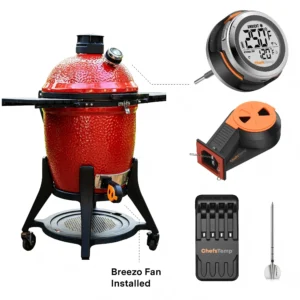
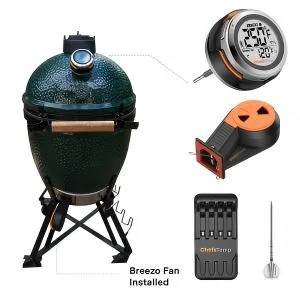
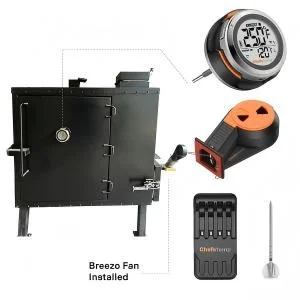
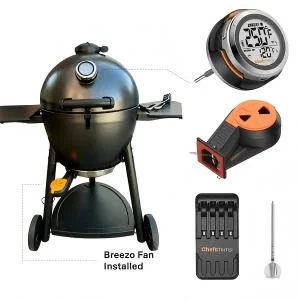
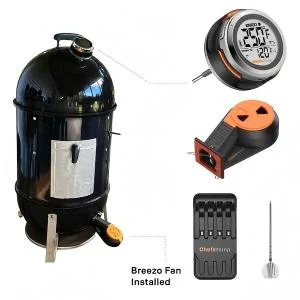
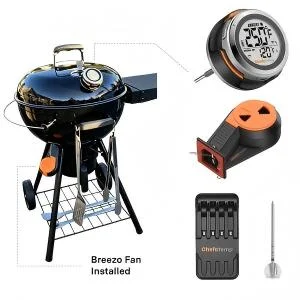
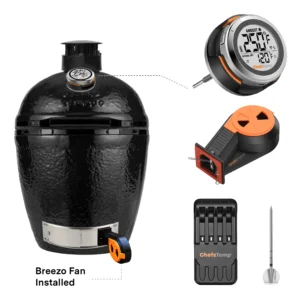
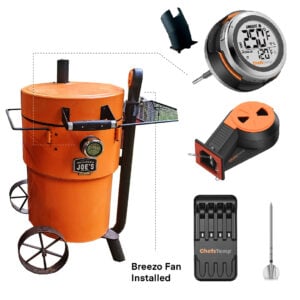
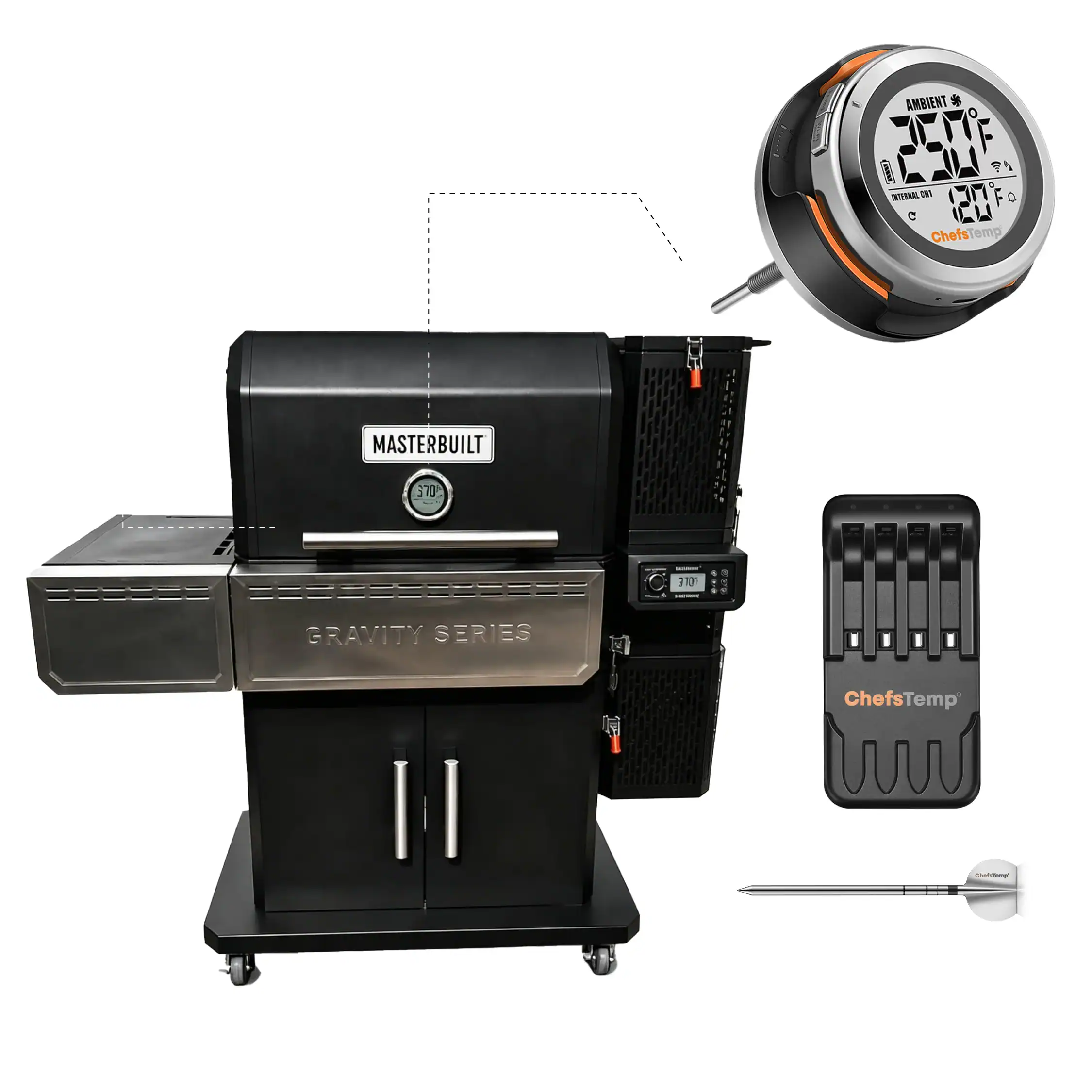
Breezo Fan
Breezo automates airflow. Pairs with ProTemp S1 or ProTemp 2 Plus — set your target temp in the app and let it maintain steady heat.
Starts at: $79.99
Part 4. Warm Water Temperature FAQ & Readings
Is 30 degrees water warm?
30°C (exactly 86°F) is mildly warm; commonly considered “lukewarm” or “tepid.” Because this temperature is lower than the standard human body temperature of 98.6°F/37 °C, it will actually feel slightly cool to the touch. While 30 °C may not be optimal for quickly activating dry yeast starters, tempering chocolate for moulding, or gently defrosting delicate foods in a kitchen setting, it is optimal for these tasks.
Is 40°C water hot or warm?
At 40°C (104°F), water is generally considered very warm rather than truly “hot.”
Because standard human body temperature is around 37°C (98.6°F), water at 40°C will feel distinctly warm and soothing to the touch, but it won’t burn you.
In the kitchen, 40°C is a magical number. 40°C to 43°C (104°F to 110°F) is the absolutely perfect temperature range for activating dry yeast. It is warm enough to activate the yeast quickly, but well below the danger zone (around 50°C / 120°F) where yeast begins to die off. Also, it is an excellent gentle heat for a bain-marie (water bath) when melting chocolate or gently warming delicate sauces without separating them.
What is the ideal water temperature when a recipe calls for warm water?
When a standard recipe—particularly for baking—calls for “warm water,” the ideal temperature is exactly 105°F to 115°F (40°C to 46°C).
This specific range is the absolute “Goldilocks zone” for activating active dry yeast:
* Under 100°F (38°C): The water is too cool. The yeast will remain dormant and sluggish, meaning your dough will take entirely too long to rise, or it might fail to rise at all.
* 105°F to 115°F (40°C to 46°C): The water is perfectly warm. The yeast wakes up, activates quickly, and begins feeding, creating the carbon dioxide bubbles needed for light, airy bread and pizza crusts.
* Over 120°F (49°C): The water is too hot. At this temperature, you risk killing the yeast cells, which will completely ruin the dough.
What temperature is hot water?
“Hot water” generally refers to temperatures between 130°F and 211°F (54 °C and 99 °C); anything warmer than warm water but just short of a rolling boil is considered “hot”.
Judging the difference between 175°F and 195°F by looking at bubble size can be extremely challenging, even for professional chefs. Even one degree too hot can ruin an expensive batch of pour-over coffee or make poached eggs rubbery; with the Finaltouch X10, eliminating this guesswork completely, it becomes an invaluable tool for beverage enthusiasts and home chefs alike.