What is the Best Kind of Meat Thermometer to Buy and Why?
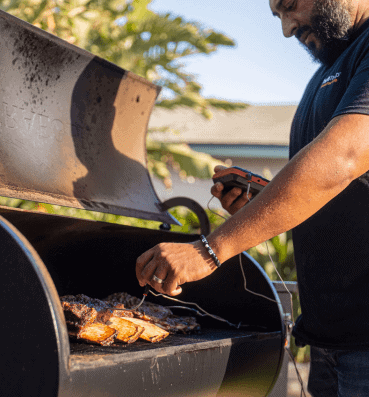
A meat thermometer is an indispensable tool in the culinary world, providing precise control over the doneness of various meats. Achieving the perfect doneness—whether it’s a succulent steak, a tender roast, or juicy poultry—requires accurate temperature monitoring. Two primary contenders for this task are the instant-read meat thermometer and the smart meat thermometer.
Let’s delve into the features, benefits, and reasons why both are exceptional choices for culinary enthusiasts.
Table of Contents
Instant-Read Meat Thermometer:
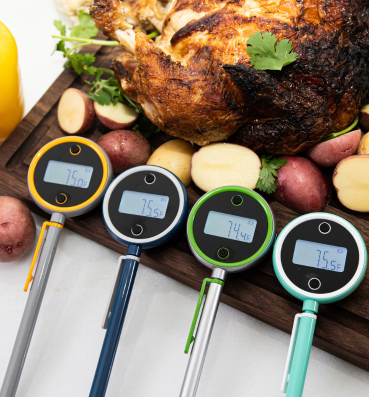
A kitchen must have an instant-read thermometer because of its accuracy and ease of use. This is why it’s an excellent option for novices and experienced cooks alike:
- Speed and Accuracy: An instant-read thermometer delivers accurate temperature readings in a matter of seconds, as its name suggests. This speed guarantees that the cooking process loses as little heat as possible, enabling you to inspect different portions of the meat quickly.
- Versatility: It can be grilled, roasted, pan-seared, or smoked, among other culinary techniques. Its probing shape makes it simple to put into a variety of meat cuts and thicknesses.
- User-Friendly: Because instant-read thermometers are easy to use and usually feature a clear digital display and simple buttons, cooks of all skill levels can use them.
- Affordability: Compared to smart meat thermometers, they are often more affordable, making them a viable choice for individuals just beginning their culinary adventure.
Smart Meat Thermometer:
Meat thermometers are only one example of how the rise of innovative technology has transformed kitchen utensils. Here are some reasons why purchasing a smart meat thermometer is worthwhile:
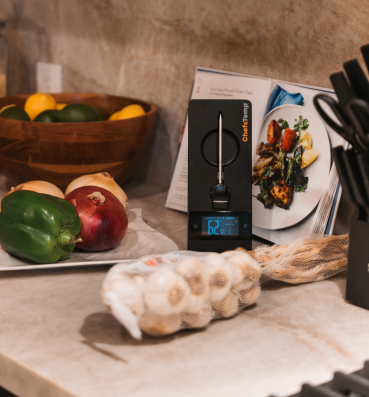
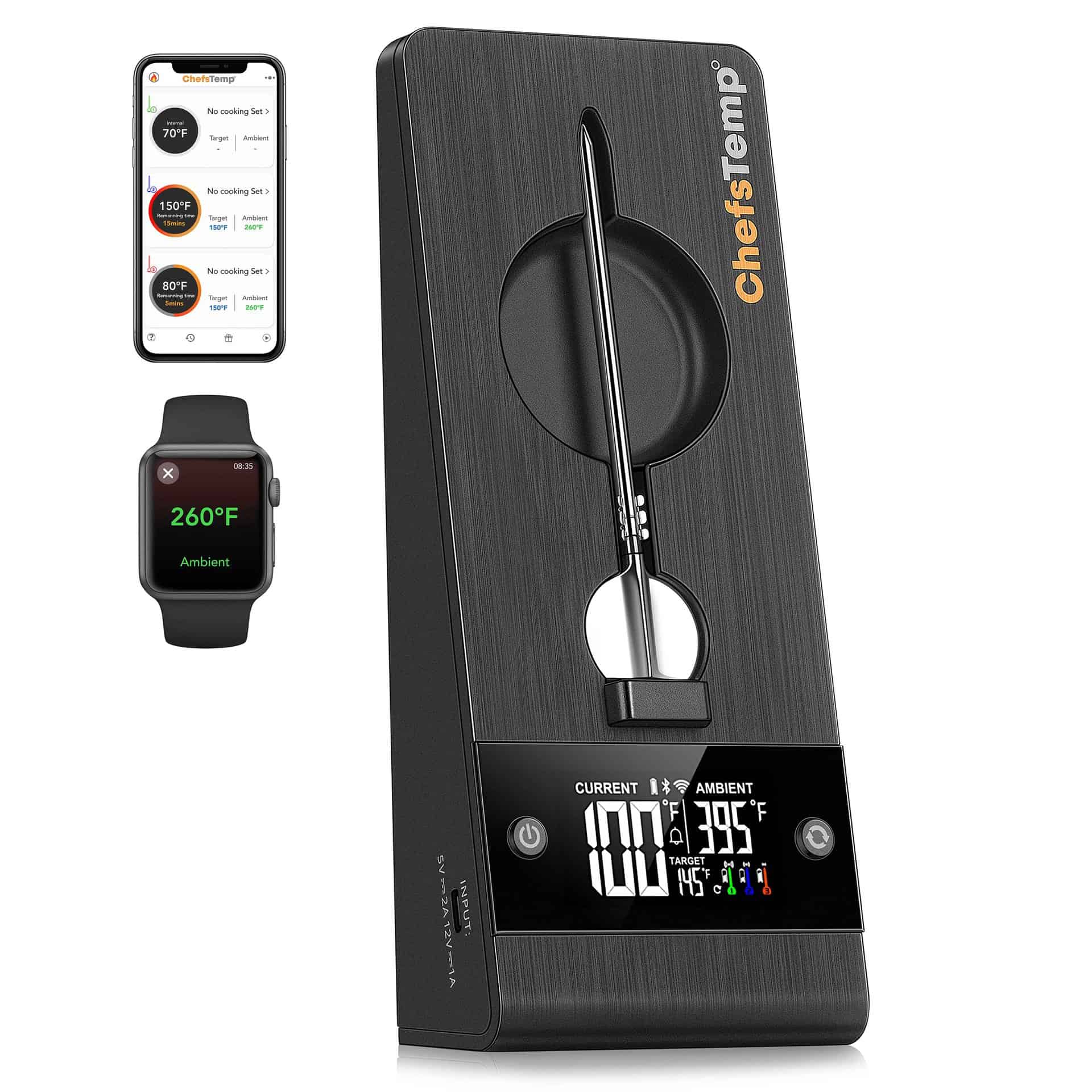
- Wireless Connectivity: Many smart thermometers have built-in wireless connectivity, allowing you to check the temperature from a distance via smartphone apps. Multitaskers or those who prefer the ease of checking temperatures without being confined to the stovetop or grill will find this feature especially helpful.
- Precision and Alerts: Smart thermometers often feature multiple probes for simultaneous temperature monitoring of different cuts or types of meat. They guarantee consistently cooked meat by taking precise temperature readings and notifying you by phone when the target temperature is reached.
- Data Tracking and Recipes: Some smart thermometers offer features such as data tracking and recipe integration, providing cooking recommendations based on temperature and suggesting ideal cooking times for different meats.
- Ease of Use: Smart thermometers feature simple setup procedures and user-friendly apps, despite their sophisticated technology.
How to calibrate a meat thermometer?
For accurate temperature readings, a meat thermometer must be accurate, as even minor errors can affect how the meat cooks. Meat thermometer calibration is a straightforward yet crucial procedure that confirms the device’s accuracy. This is a detailed tutorial on calibrating various kinds of meat thermometers:
- Ice Water Method:
- Get a glass of crushed ice and ice water ready.
- After adding the crushed ice to the glass, thoroughly stir in the cold water.
- Please make sure the thermometer probe doesn’t come into contact with the glass or the bottom as you insert it into the middle of the ice water.
- Hold off until the reading stabilises. It should measure 0°C, or 32°F. Note the difference if it doesn’t.
- Boiling Water Method:
- Bring a pot of water to a boil, then let it cool for one minute.
- Please make sure the thermometer probe doesn’t come into contact with the pot’s edges or bottom as you submerge it in the boiling water.
- At sea level, the thermometer should register 212°F (100 °C). Take note of any variations in the temperature that is shown.
- Adjustment:
- On the rear or face of many thermometers, there is a calibration nut or screw. Regarding calibration corrections, consult the manufacturer’s instructions.
- When using a digital thermometer for cooking, account for any deviation and adjust your target temperatures if the thermometer lacks manual calibration options.
- Repeat if Necessary:
- If the thermometer has an adjustment feature, use the manufacturer’s instructions to make the required changes based on the deviation found during calibration.
- If the temperature is not adjustable, record the variation for future use and adjust your cooking temps accordingly.
- Regular Verification:
- Your meat thermometer should be calibrated regularly, particularly if it has been dropped, exposed to sudden temperature changes, or you think the readings are off.
- To ensure the thermometer remains accurate for precise cooking, follow the calibration instructions.
Do you need a meat thermometer to cook steak?
Without a doubt, a meat thermometer is an essential tool for preparing the ideal steak. This is the reason it’s crucial:
- Precision in Doneness: Steak preferences vary widely, from rare to well-done. It can be challenging to cook meat to the exact doneness that you or your guests require without a meat thermometer. Depending just on timing or visual cues may not provide consistent outcomes because of variations in cuts and thicknesses. Accuracy in achieving the desired level of doneness at an internal temperature is ensured by using a thermometer.
- Consistency in Cooking: Preparing your steaks consistently is ensured by using a meat thermometer. It’s easier to consistently cook to the proper doneness every time if you know the precise temperature, regardless of whether you’re cooking a thick ribeye or a thinner sirloin.
- Food Safety: Using a meat thermometer ensures food safety while also producing the ideal flavour and texture. Ensuring that your steak reaches the appropriate safe temperature helps thoroughly eradicate dangerous bacteria such as Salmonella or E. coli.
- Avoiding Overcooking: Overcooked steak can result in toughness and a loss of flavour and juiciness. By enabling you to take the steak off the heat just when it reaches the proper temperature and preventing it from drying out or becoming tough, a thermometer helps you avoid overcooking.
- Different Cuts, Different Temperatures: For best results, different internal temperatures are needed for various cuts of steak. A medium-rare filet mignon may need to be served at a different temperature than a medium-rare ribeye. A meat thermometer ensures every cut is cooked to perfection, tailored to its unique needs.
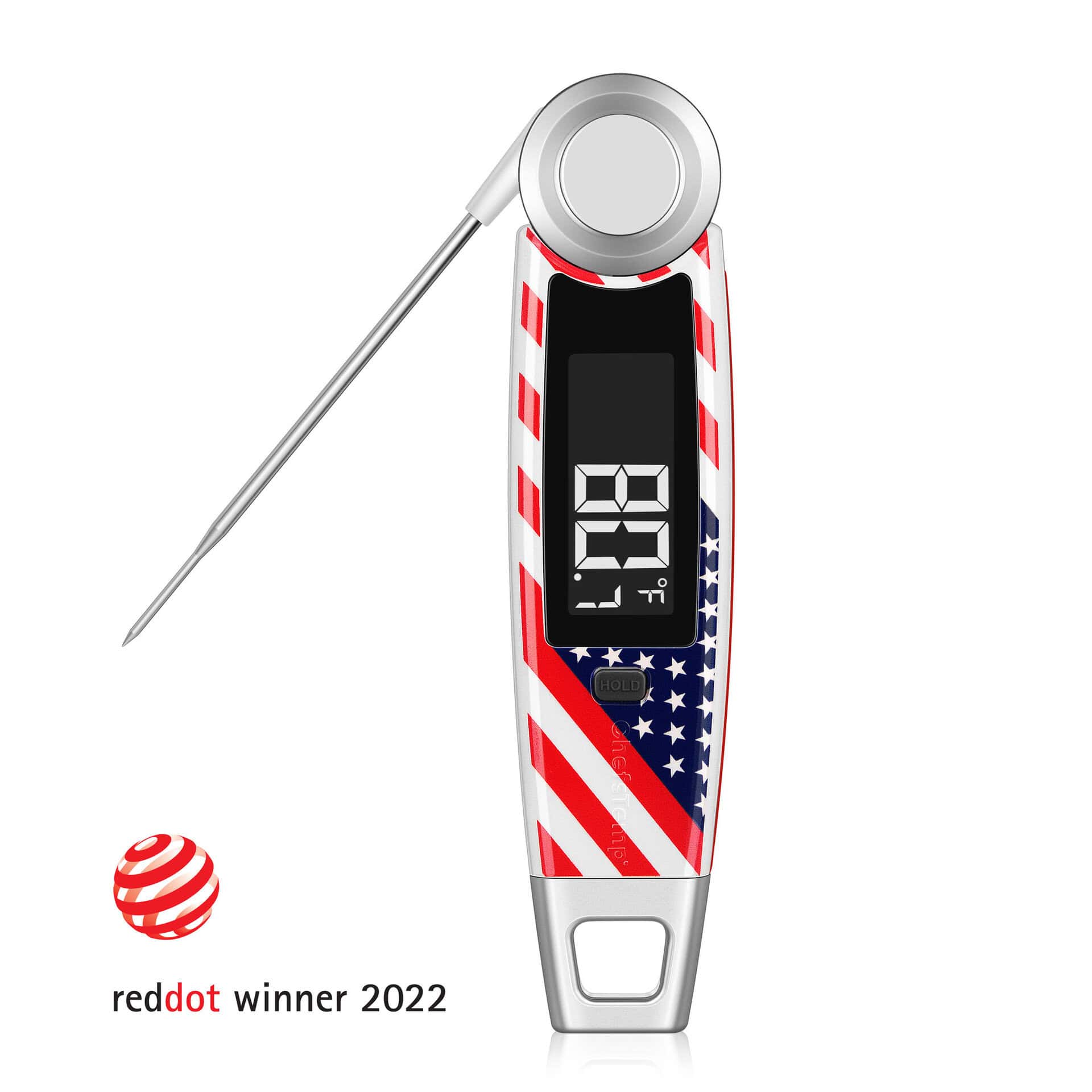
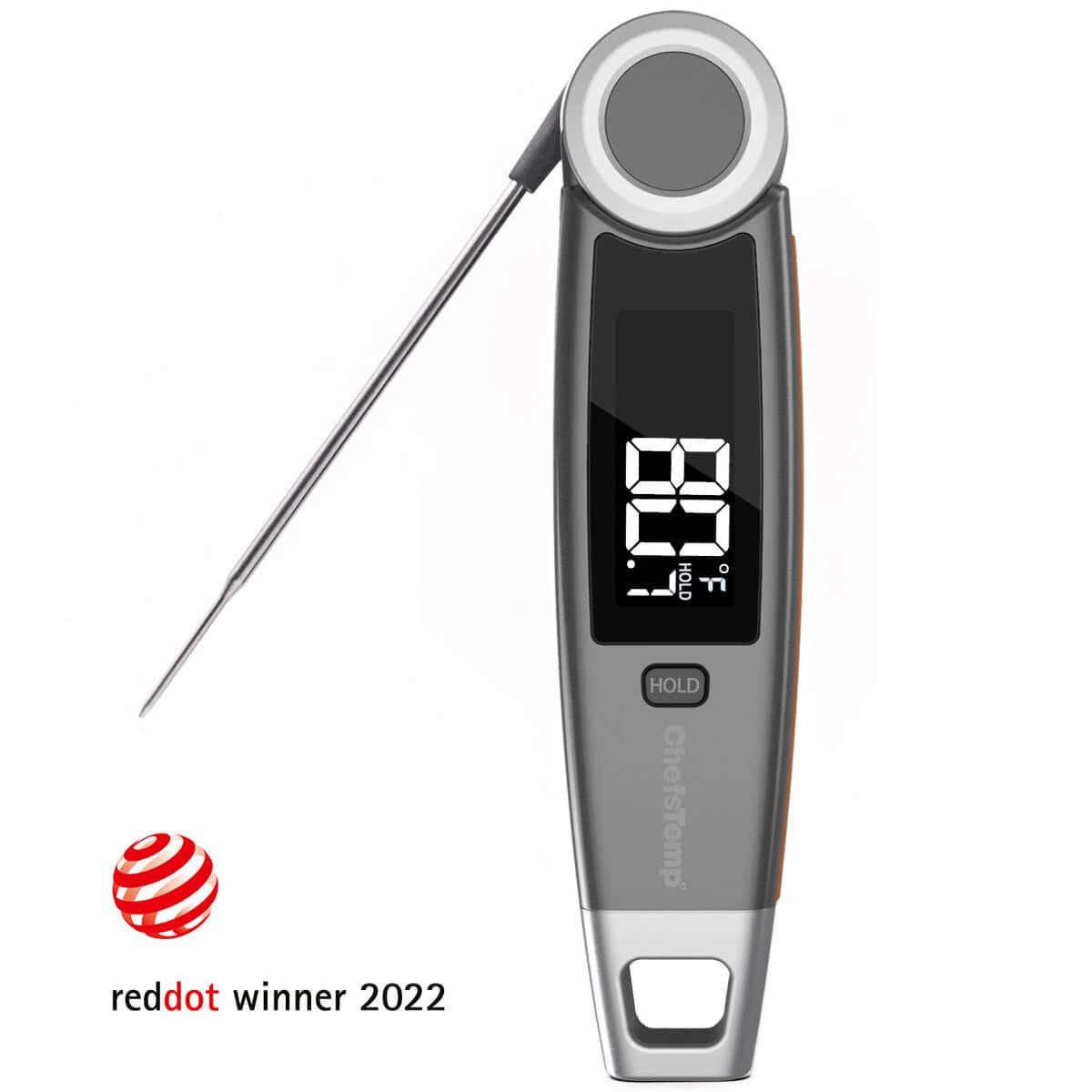
Get the Best Meat Thermometer in the Business with ChefsTemp Instant Read Thermometer!
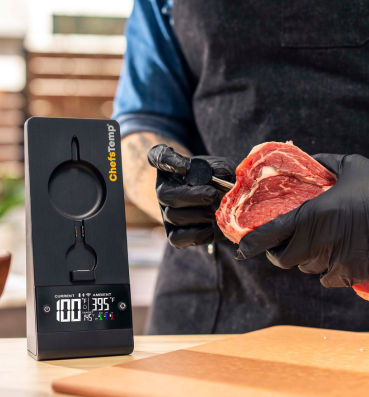
Experience culinary excellence with the ChefsTemp Instant Read Thermometer, acclaimed as the best in the business!
Order Yours Today and Cook with Confidence! Unlock the secret to perfectly cooked meals every time. Don’t miss out on precision and flavour—get your ChefsTemp Instant Read Thermometer today!
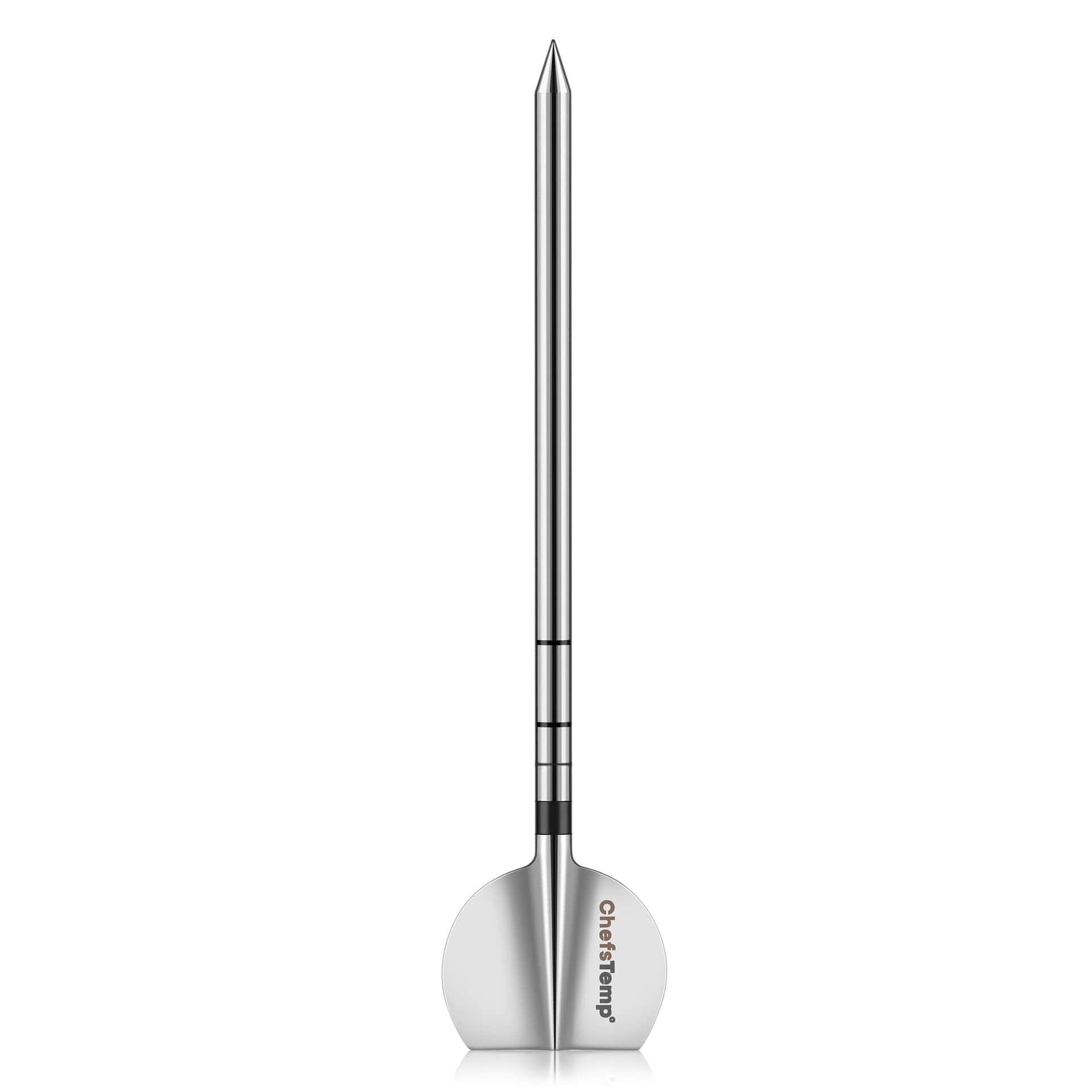
Discover Other ChefsTemp Products

Discover more recipes and learn kitchen tricks by joining our cooking family on Facebook.
You may also like: