Beyond the Guesswork: Thermometer Tips for Food Enthusiasts
It is impossible to tell whether the food was cooked solely by smell or even by sight. Food thermometers are the only way to determine this. This device is so valuable for kitchen use that professional chefs utilise it. It’s the only way to determine the temperature of your food and ensure it’s not contaminated with dangerous bacteria and is safe to consume. Make sure you aren’t making any assumptions when cooking, and use these thermometer tips to improve the cooking process with a thermometer.
Table of Contents
Thermometer Tips for Food Enthusiasts
Using an edible thermometer can be challenging, depending on the method you’re using and the type of meat you’re cooking. For example, you require the right temperature for a medium-rare steak rather than roasting an entire bird. Think about this when you are using an instrument for food to get the results you want.
The following are the most important safety guidelines for assessing the temperature of your food items.
1. Thermometer Tips for Solid Food
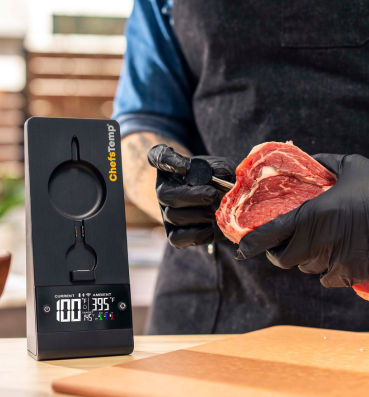
If you’re cooking or heating food, place the probe in the centre of the food. It’s the slowest to reach a temperature change because it’s furthest from the heat source. If you examine this part and find it at the recommended internal temperature, it will be an excellent gauge of the food’s doneness, since it will be the coldest portion.
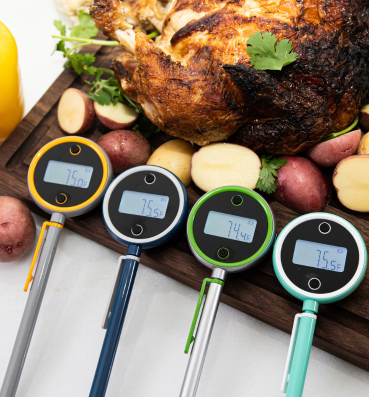
It is also essential to know how to identify large pieces of meat, such as whole chickens. Differences in form and size can result in uneven readings across the meat. This issue can be overcome by spot-checking your meat in various parts to ensure you’ve reached the suggested internal temperature for each area (such as breasts or thighs). By doing a spot check, you can ensure your meat is at the desired temperature. Make sure you avoid the bones, as they can lead to incorrect measurements.

2. Thermometer Tips for Liquid Food
Cooking liquids with a thermometer can be complicated because the food cooks and cools through convection. Instead of determining the temperatures of the meat, the focus should be on a single central point. It is vital to consider the temperature of the entire liquid. It is essential to stir the thermometer probe in the liquid and measure the temperature, ensuring the reading matches the recorded one.
3. Using a Leave-in Thermometer
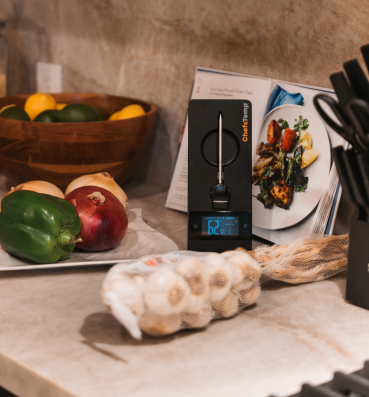
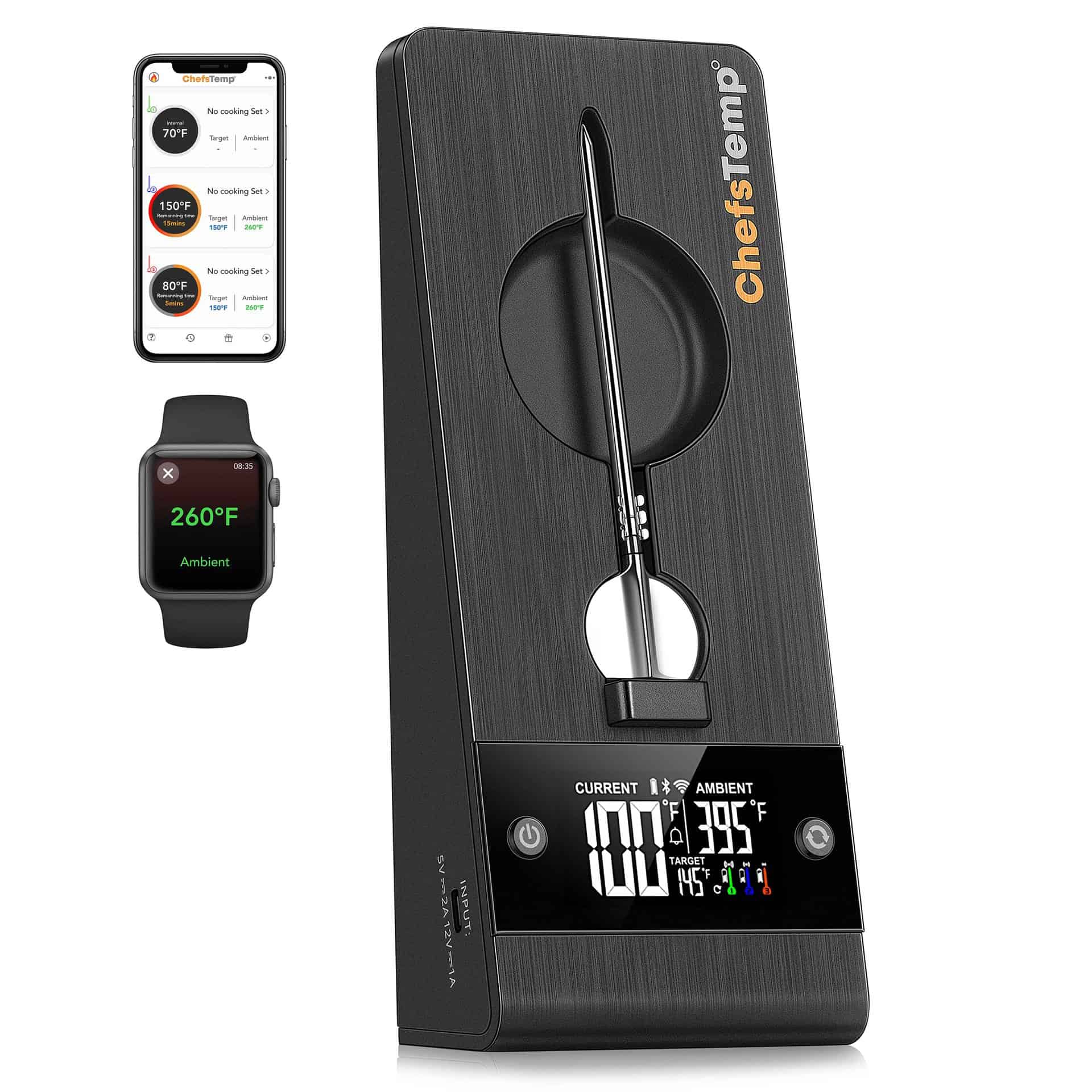
A thermometer is inserted into the centre of the beef as it cooks over charcoal or is baked in an oven. As you insert the probe, aim for the middle and most significant part of the meat. Most leave-in thermometers come with an app or an external device that alerts you when your meat reaches the desired internal temperature.
4. Consider the Response Time
Even though you can buy instant-read thermometers, every thermometer responds at a different speed, and being aware of this will make all the world of difference when you take accurate temperatures. Food thermometers have slower reaction times, so allow an extra moment before removing your probe to ensure you get the best measurement. In addition, there are thermometers with a rapid response that give you temperatures in a matter of minutes.
In addition to the time it takes for a response, be aware that specific cooking techniques allow the meat to cook from the inside, regardless of when you take it off the heat. If you aren’t looking to burn the meat, consider the residual heat, which continues to cook after the heat source has been removed.

Thermometer Tips for Various Cooking Methods
A good cook can master a variety of cooking methods. If you’re roasting, grilling, deep-frying, or poaching, you will become more comfortable with your cooking if you understand how to use a thermometer.
Roasting
One common mistake novice cooks make is undercooking their meat because they anticipate overcooking it. In contrast, some cook the beef until it is sufficiently dry, as they do not want to serve it raw. It’s not just that it’s lacking taste and texture; undercooking meat can be risky, as it can cause foodborne illness.
A food thermometer is the most efficient method to roast meat perfectly. This method utilises low, dry heat to produce an attractive, dark brown exterior while keeping the meat succulent and moist. It is highly versatile, as it can be used with any size or type of food items, including vegetables. It is essential to double-check the suggested temperatures for your particular meat to ensure it’s cooked to the right temperature, avoiding overcooking or undercooking.
Deep-Frying
If you’d like to learn the art of deep-frying, you should use a food thermometer to maintain the proper oil temperature and monitor the internal temperature of your food.
In the previous paragraph, deep-frying is about preparation at the right temperature. Use a thermometer for deep-frying to monitor your oil temperature and cook your food to the appropriate temperature. It is recommended that you frequently check the oil’s temperature to keep it consistent during cooking.
An oil at the right temperature will give a crispy, light exterior, and the meat will be fully cooked within. Make sure you don’t overfill the pan to prevent the oil’s temperature from falling significantly.
Grilling
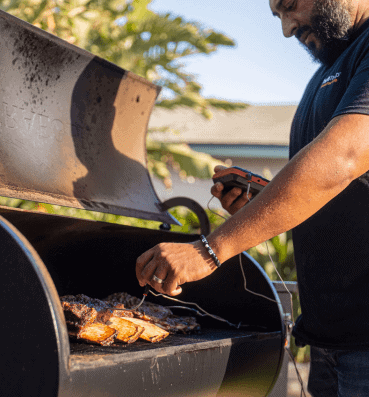
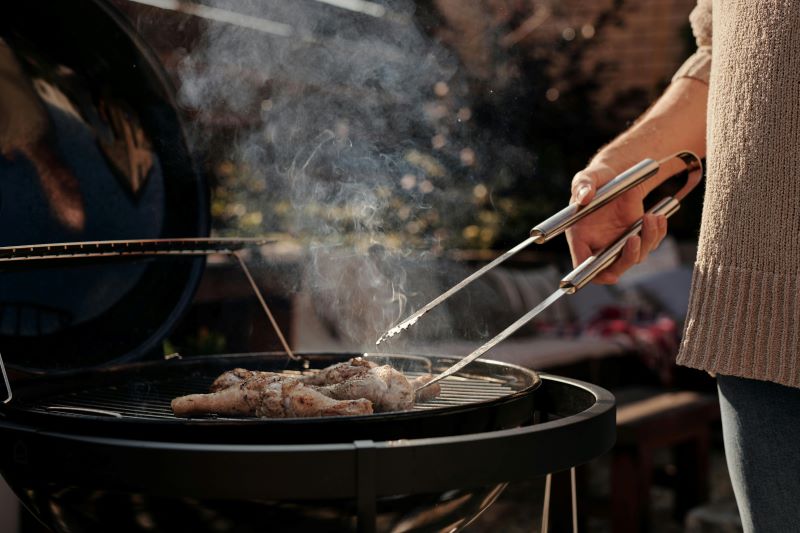
If you’re a fan of grilled meat, keep a food thermometer handy. A grill thermometer lets you insert the meat into the food while cooking. When grilling, it is best to check the internal temperature of the meat (ideally the centre) for an accurate reading. Do not make the mistake of hovering over the grill to check the temperature of the grilled meat. There is a risk that the thermometer is measuring the grill’s ambient temperature rather than the meat, leading to an unreliable reading.
Some thermometers come with a probe and an external monitoring device that sends alerts when your meat reaches the ideal internal temperature. That way, you can remove the meat from the grill and prevent it from overcooking. You can set the alert a few degrees before the ideal internal temperature is reached, allowing the meat to continue cooking while you rest it off the grill.
Whether you are grilling, poaching, roasting, or deep-frying, knowing the proper temperature setting is crucial. Misplacing the thermometer can lead to inaccurate readings and risk serving unsafe, undercooked food or harbouring bacteria that can cause foodborne illness.
Discover Other ChefsTemp Products
Discover more recipes and learn kitchen tricks by joining our cooking family on Facebook.
You may also like: